Where People Go Wrong
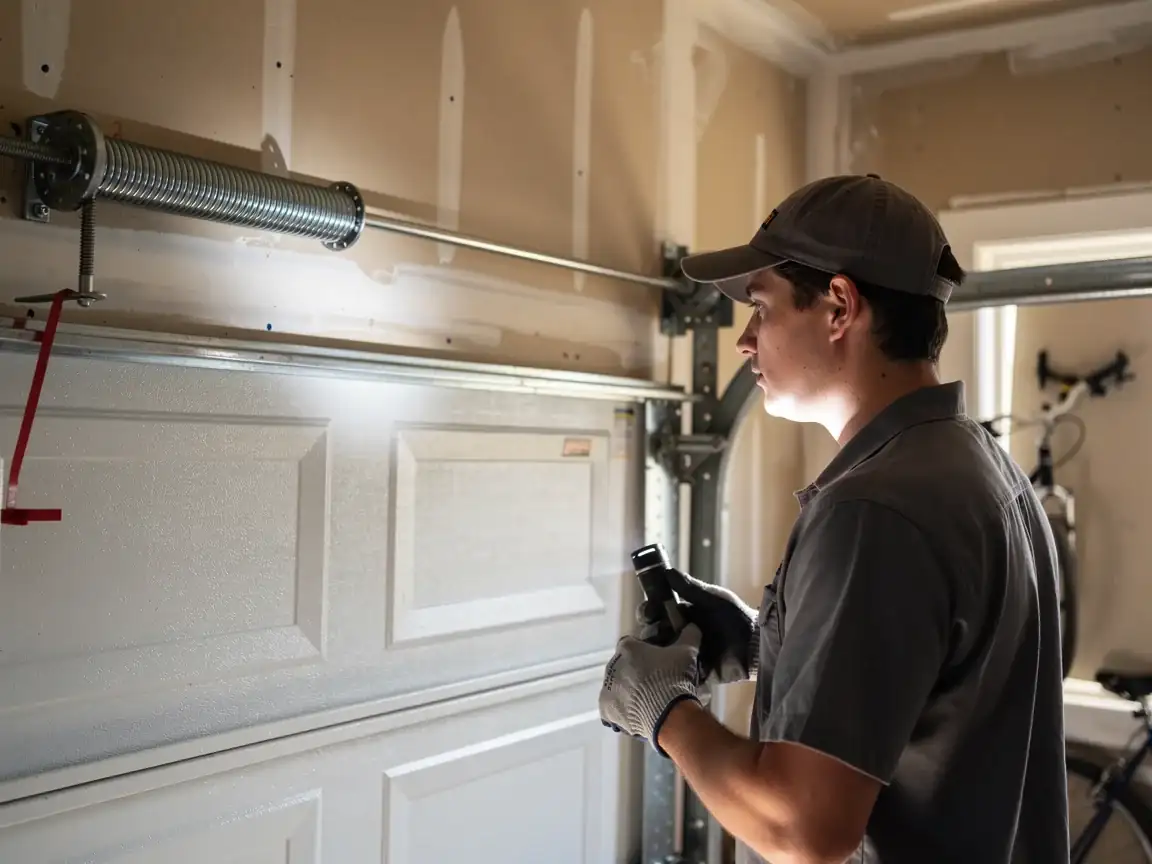
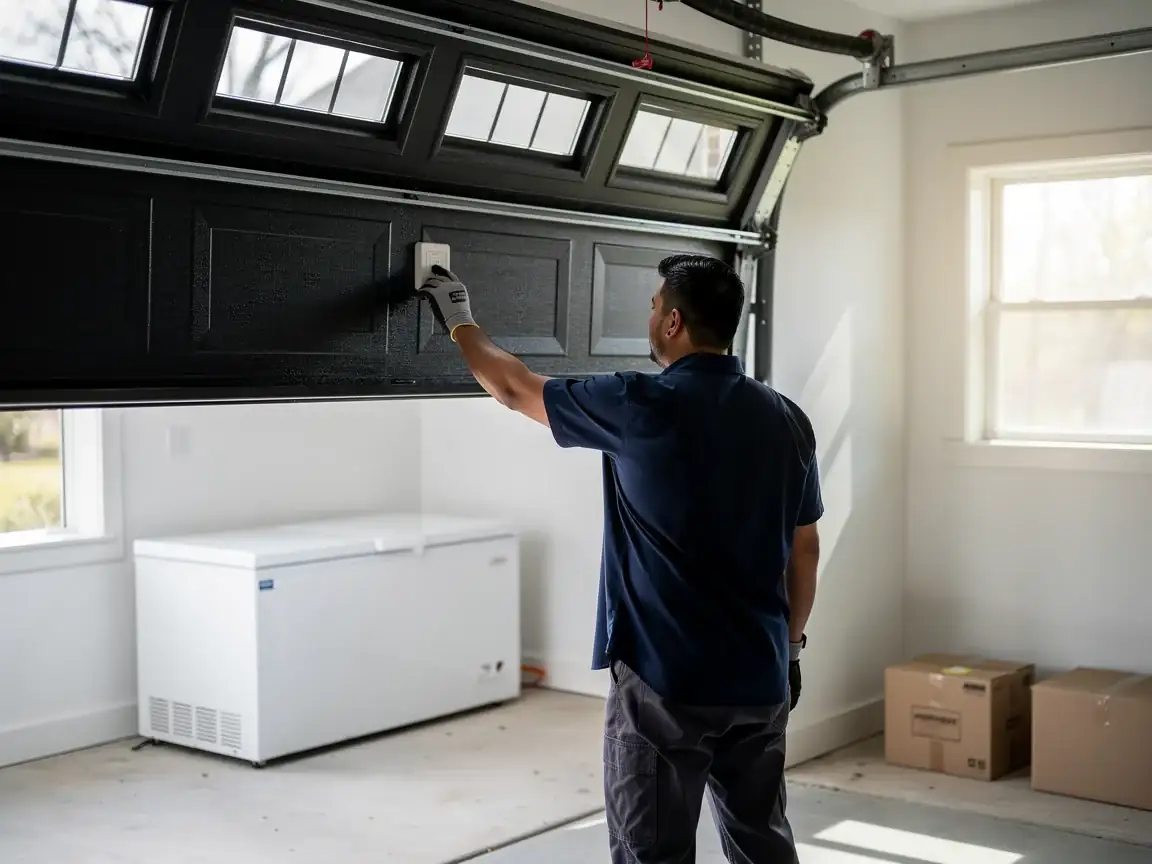
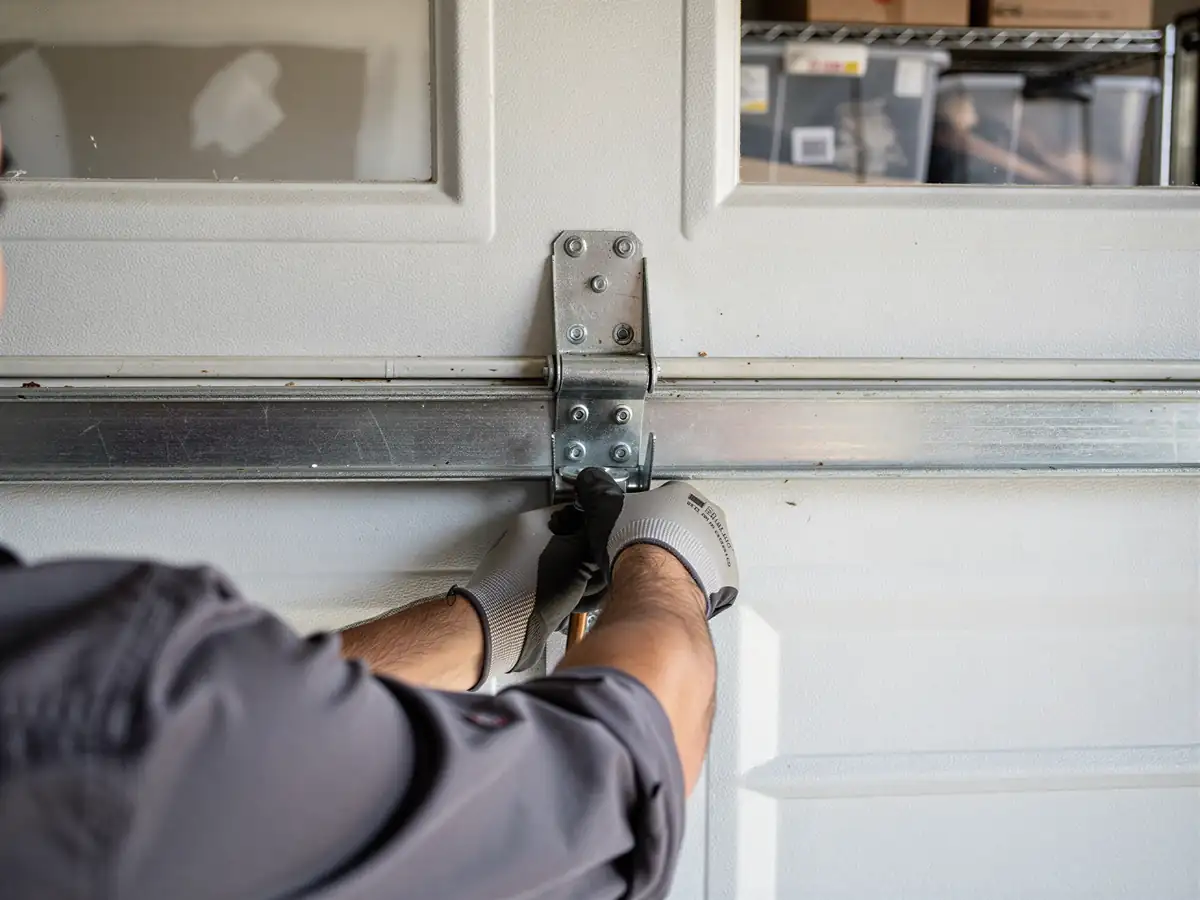
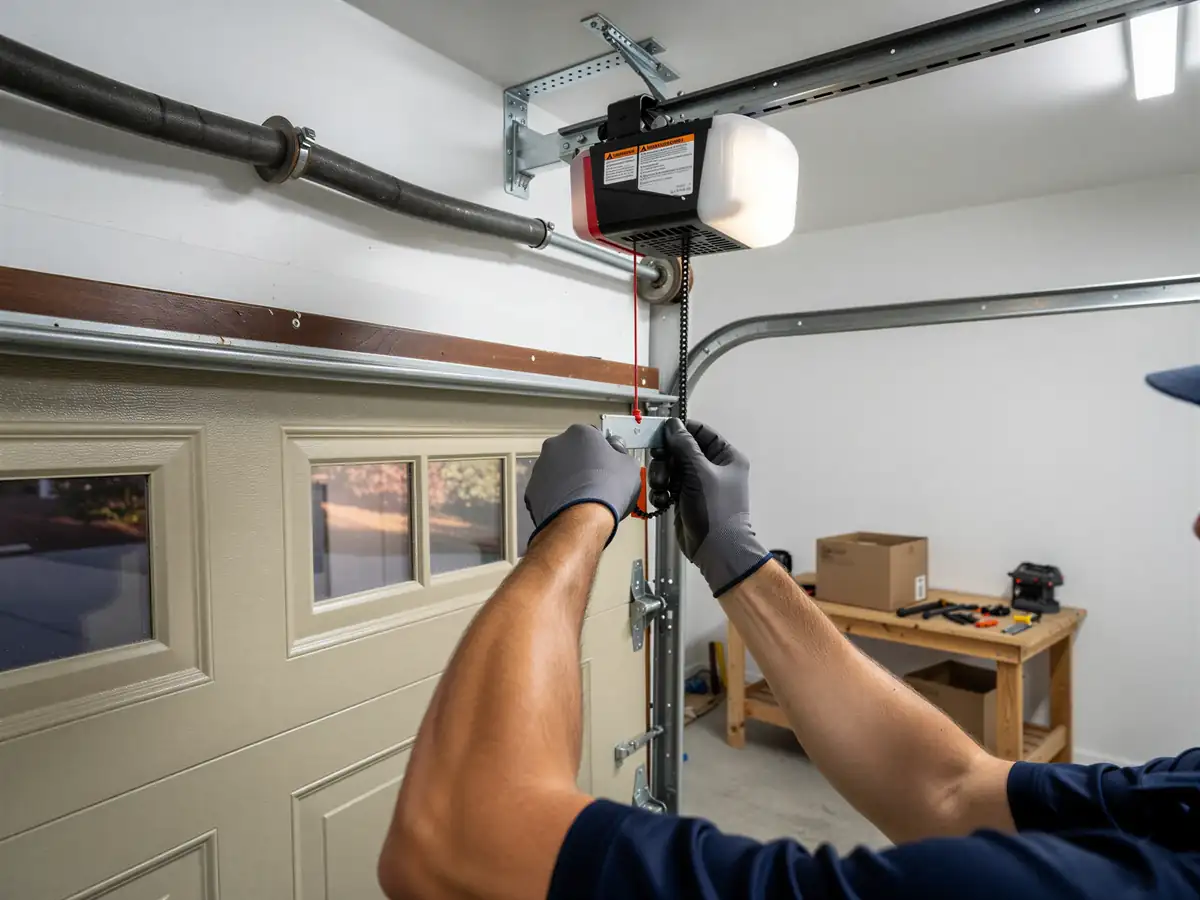
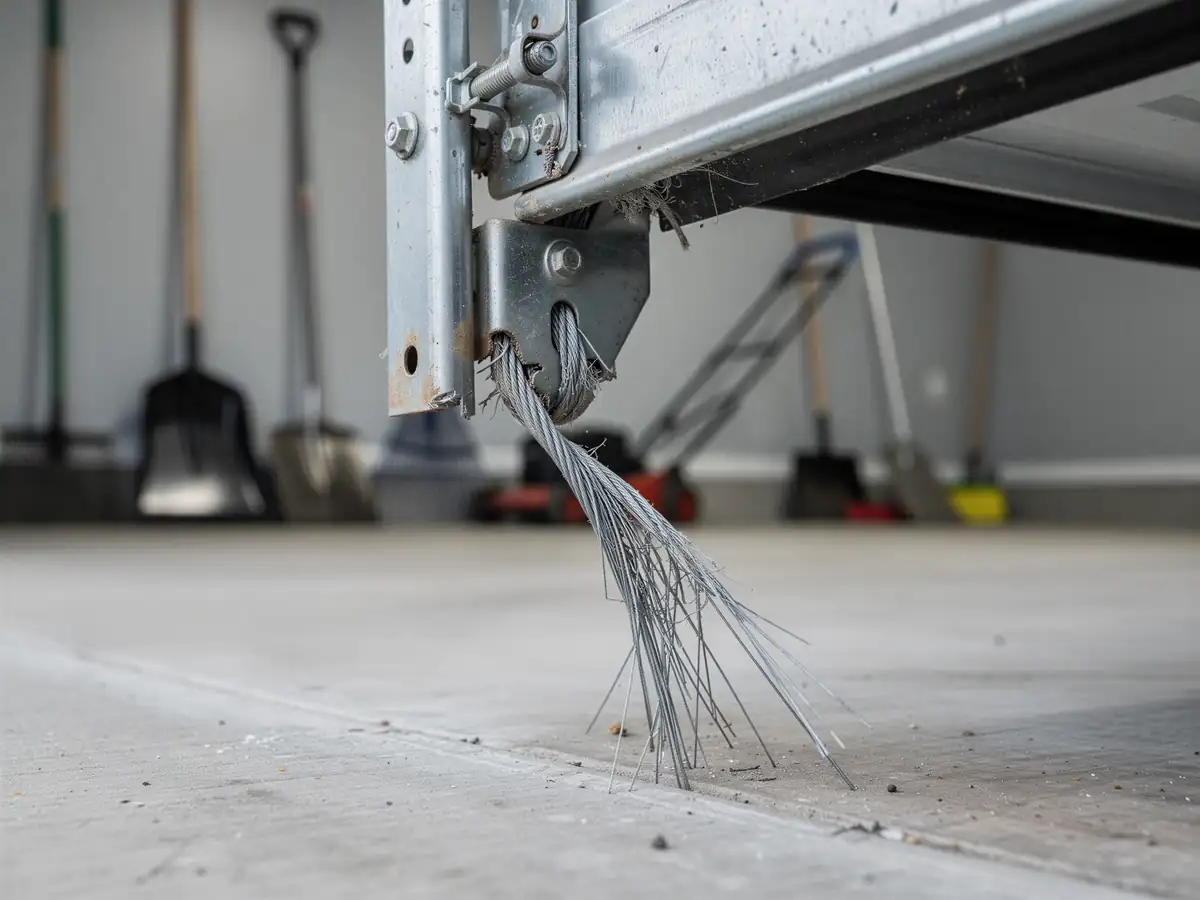
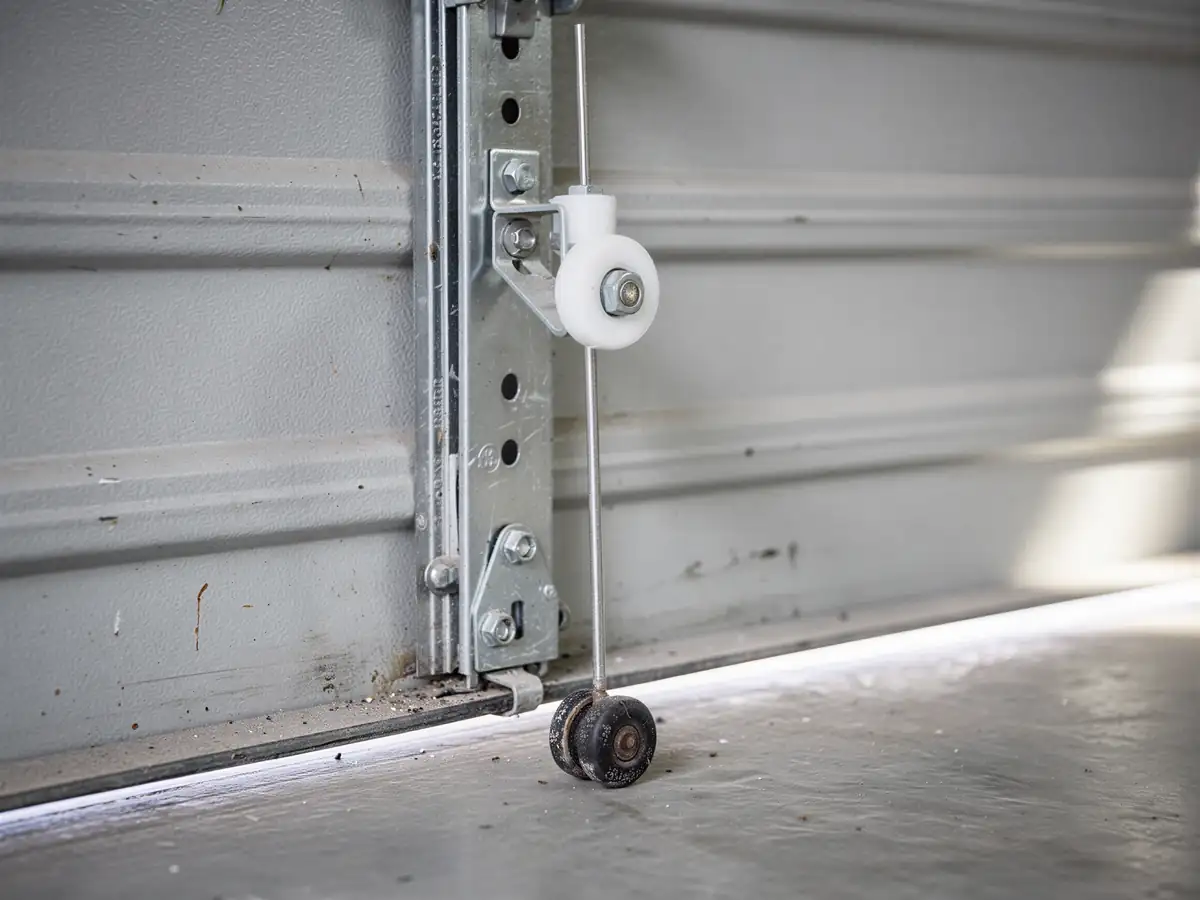
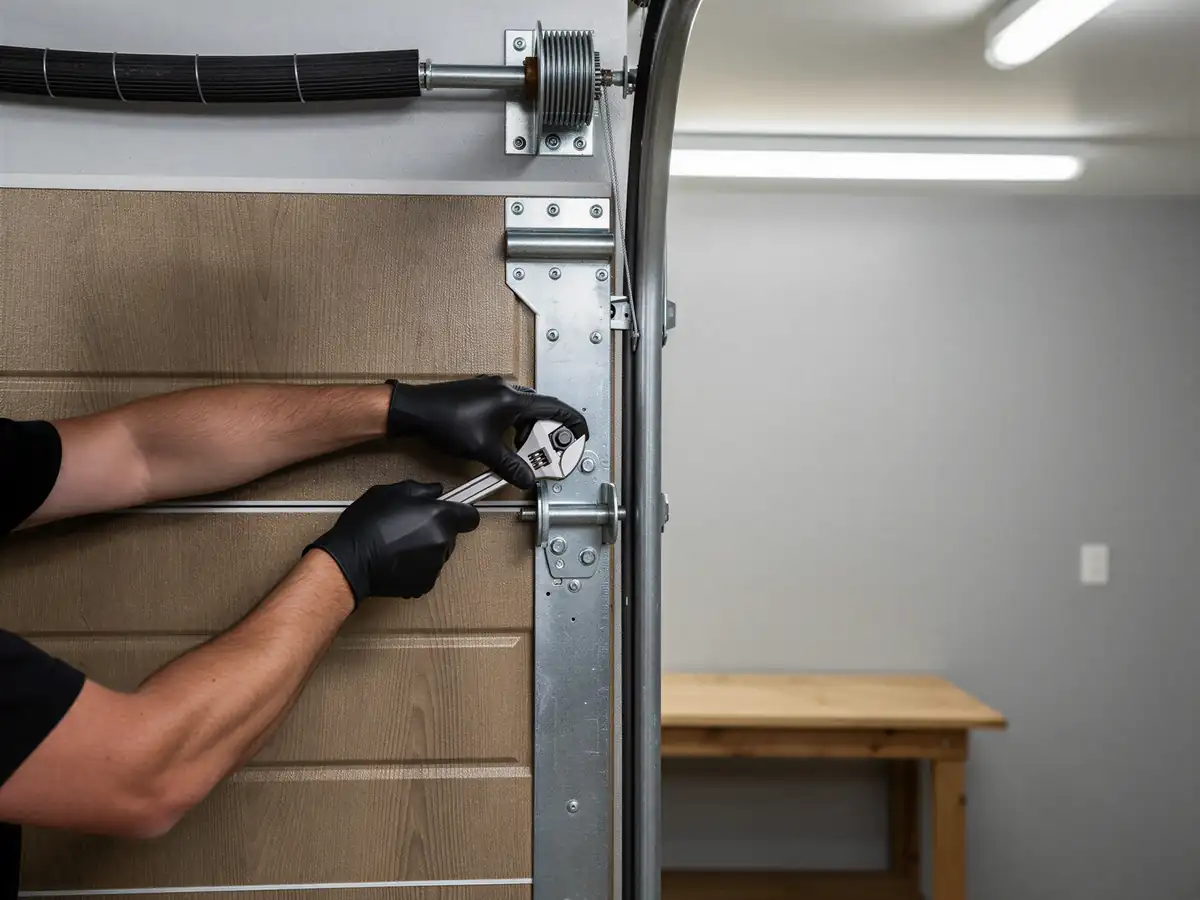
Most of the calls we get start the same way: a door that's been fine for years suddenly isn't, and the owner assumes it's a one-time glitch. In a service area where housing mostly went up between 1972 and 2005, with the bulk of that stock dating to the 1980s and 90s, what actually happened is the hardware reached the end of a predictable life span at roughly the same time as a few thousand other doors on the same street grid. People go wrong by treating a torsion spring or a worn roller as a fluke instead of as an age marker. If your house falls into that build window - and across the 24 named areas that make up this region, most do - the parts inside your door are original or close to it. That's not a guess about your specific door; it's what the build era tells us about the hardware generation still sitting on the track. Replacing one roller without checking the other three, or tightening a bracket without checking the spring behind it, treats the symptom and ignores that the whole assembly aged together. The fix isn't more frequent repairs. It's recognizing that a door from this era is closer to the end than the middle, and planning the next service call around that instead of around whatever broke this week.
The Situation
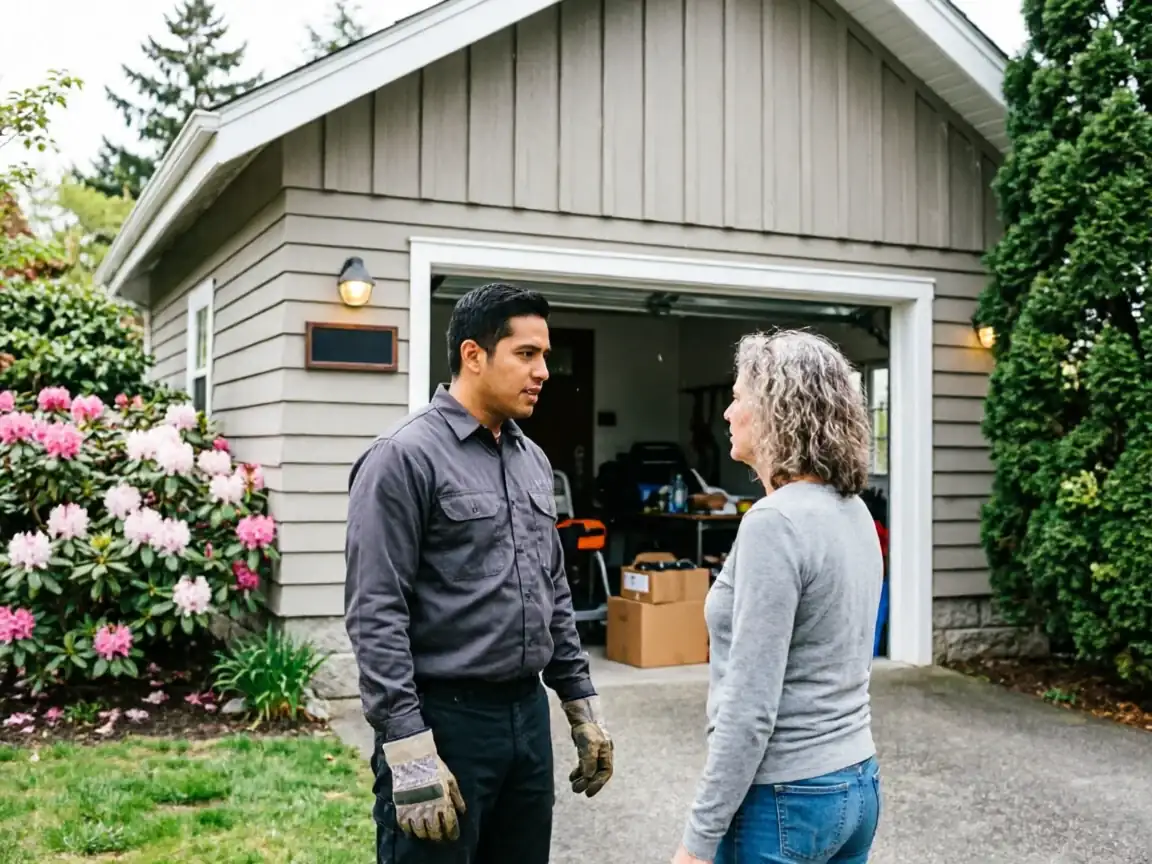
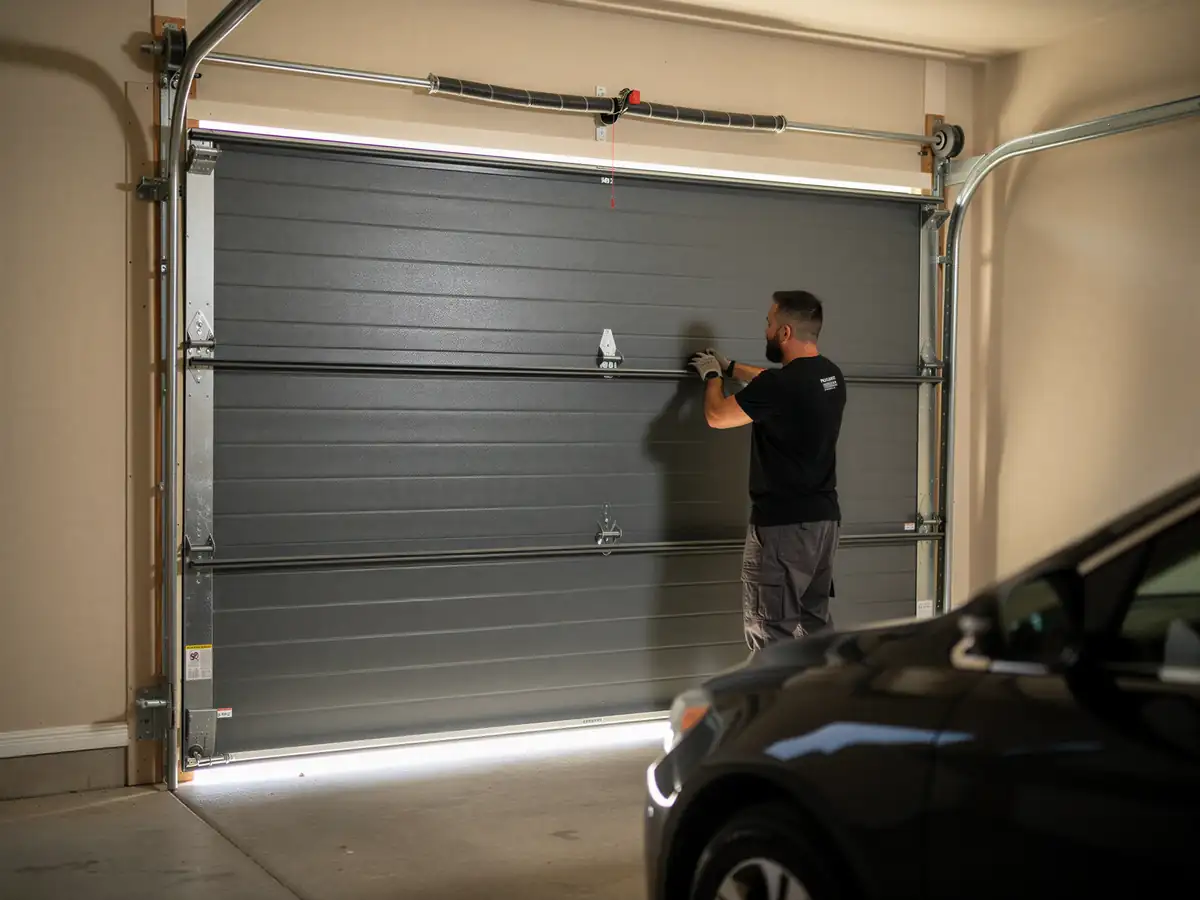
The service area runs from Maltby, four miles out, through Brier and High Bridge at six, Alderwood Manor and Cathcart at seven, Duvall at eight just a mile ENE - a spread of mostly 1980s and 90s construction with pockets as old as 1972 and as new as 2005. That 33-year build window matters more than the exact address, because the garage door and opener installed when a house went up are tied to whatever code and insulation standard applied that year, not to today's. A door built to a 1975 standard and a door built to a 2002 standard sit on different tracks, use different gauge springs, and were never designed to the same thermal spec. We don't swap parts between generations and call it a repair - a spring rated for a lighter 1970s-era door won't carry a heavier insulated panel correctly, and vice versa. Knowing which decade your house falls into isn't trivia; it's the first thing that tells us what's actually on your garage wall before we open the panel.
What the Weather Here Does to It
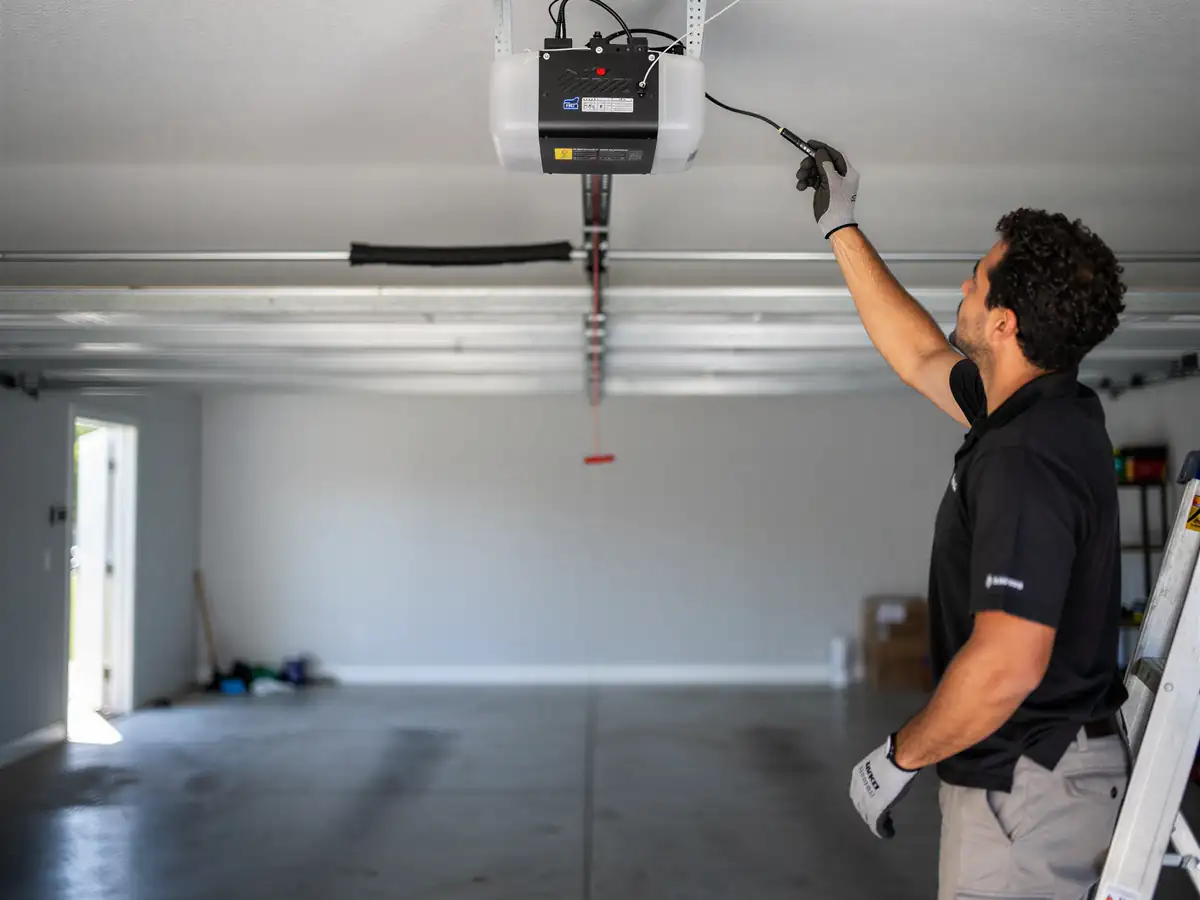
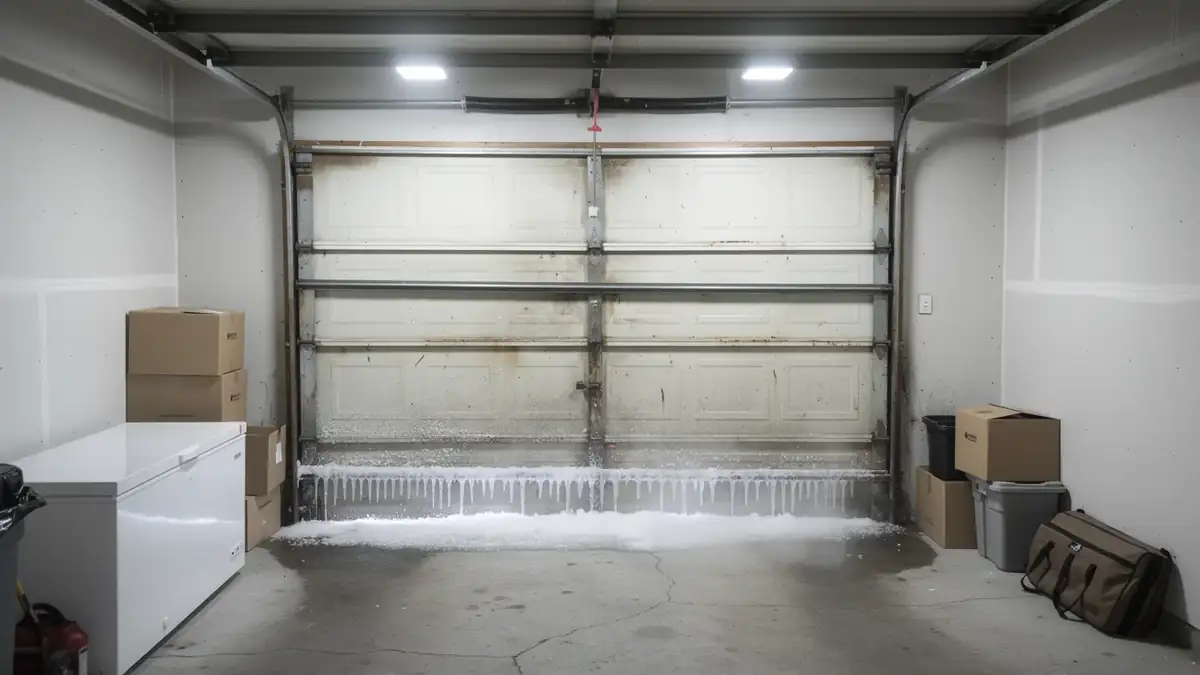
This is a cold, moderate climate band - not brutal, but consistent enough that steel hardware feels it every winter rather than during one bad storm. Torsion springs lose a measurable amount of lift strength as temperature drops, which is why a door that opens smoothly in August can feel noticeably heavier by December on the same hardware. Doors on houses built before insulation rules tightened don't trap garage heat the way later builds do, so the swing between a 45-degree morning and a 60-degree afternoon hits the spring and the opener gear harder, more often, over more years. Weather stripping on older panels compresses and cracks under that repeat cycle faster than it would in a milder band. None of this is dramatic - no single cold snap breaks a door here - but the slow wear from repeated temperature swings across a 1980s-era spring is a different failure pattern than sudden storm damage, and it's the one we see most.