Where People Go Wrong
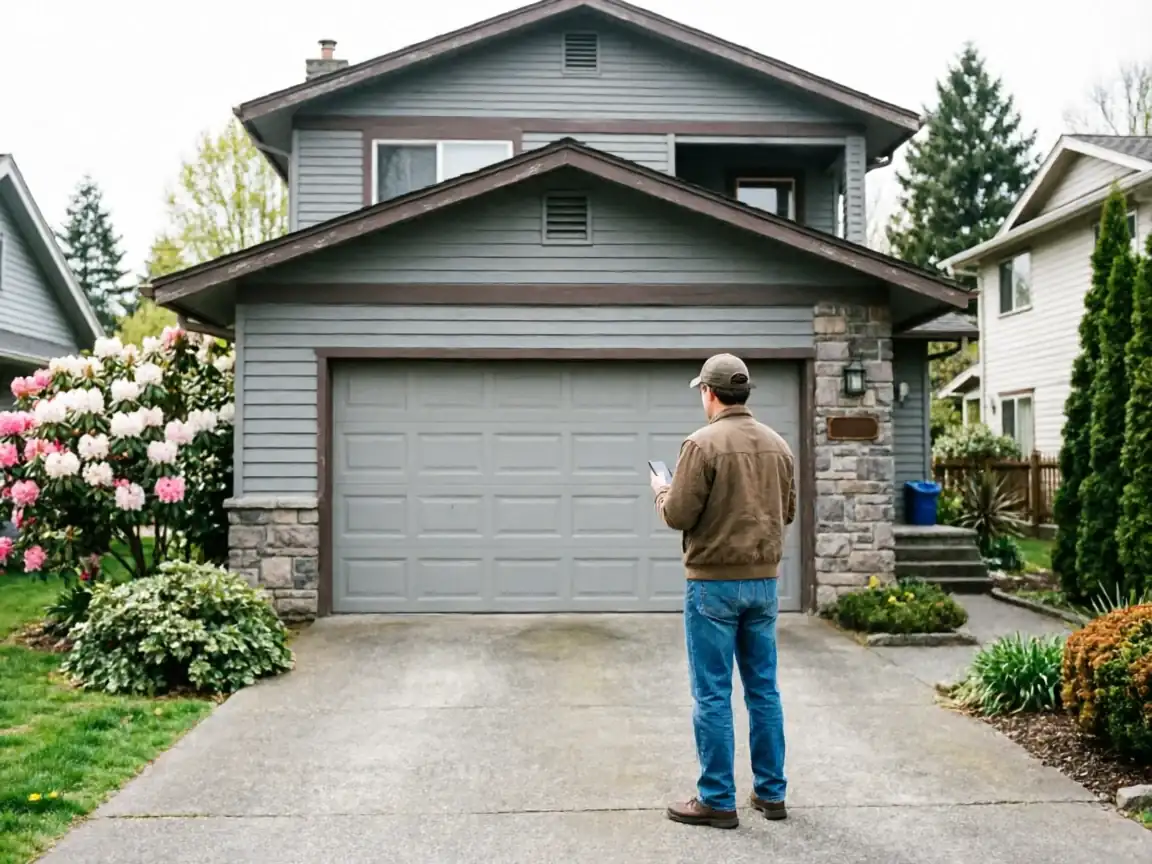
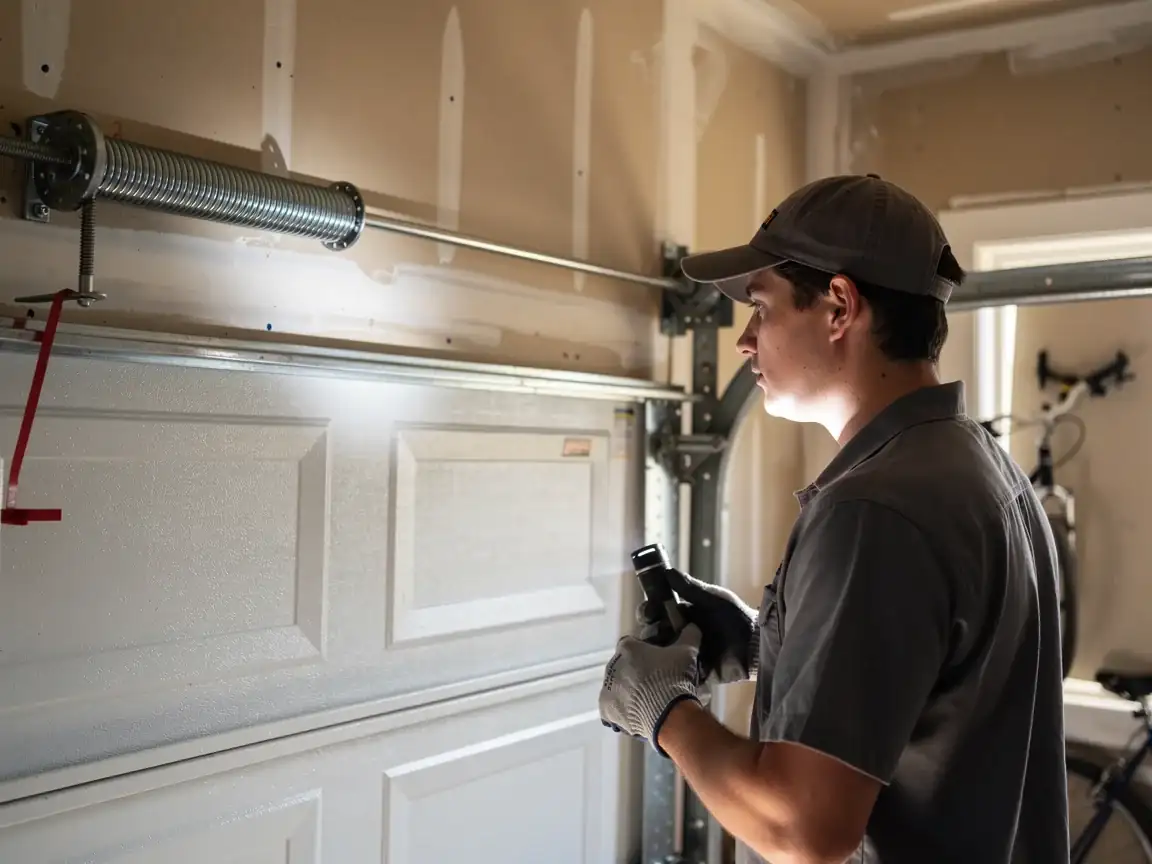
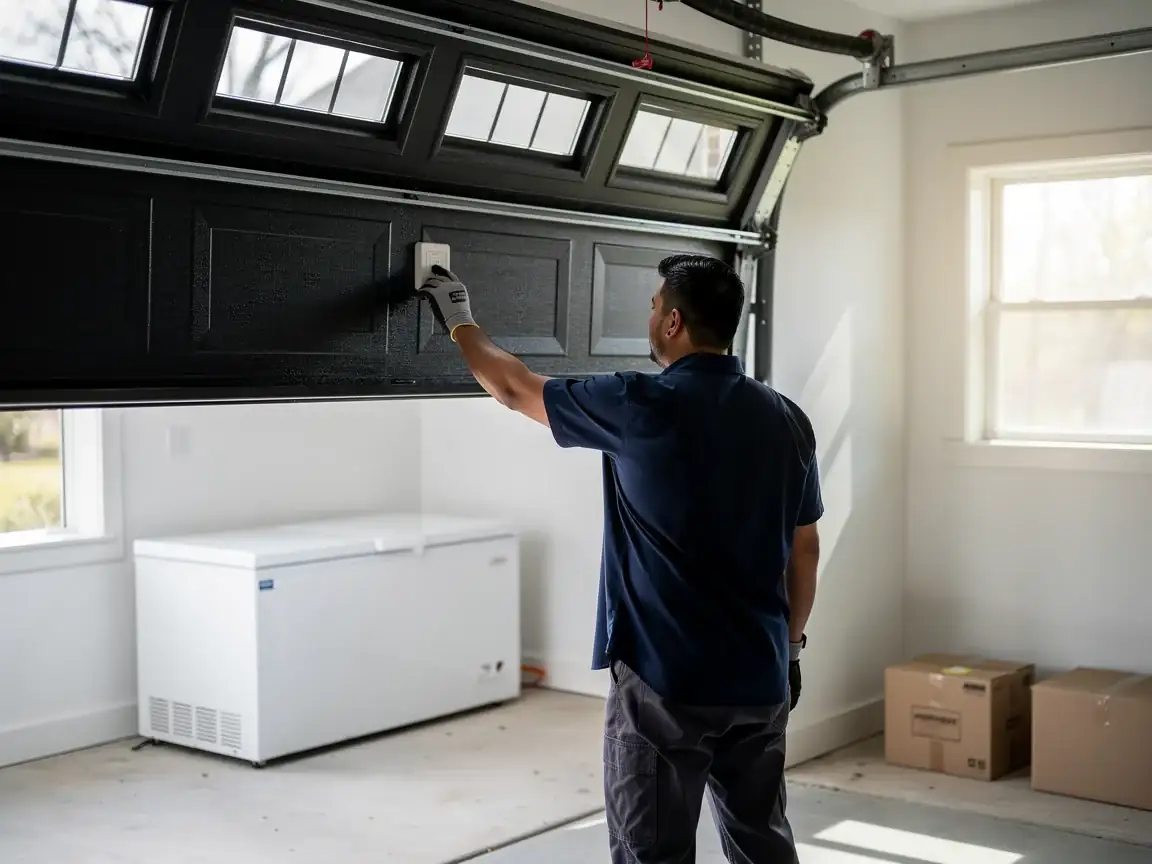
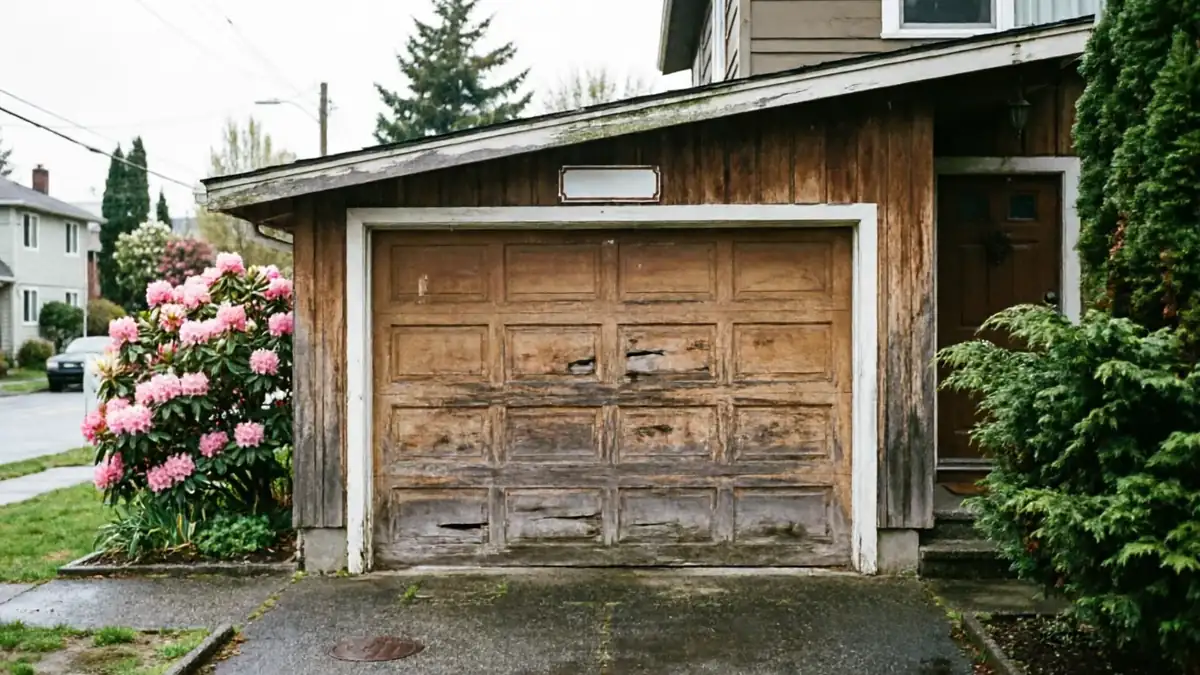
The mistake we see most in Woodinville is treating every stuck or noisy door the same way, no matter its age. Houses here mostly went up between 1972 and 2005, with the median build year sitting around 1985, and that matters because a door installed when the house was built is now somewhere between 20 and 50 years old. People call wanting a new opener bolted onto a track and hardware that's already tired, or they replace a spring on a door whose panels are starting to delaminate, and six months later they're calling again. The right question isn't "what's broken today" but "how much of this door is original 1980s or 90s stock, and is the rest of it worth building around." Skip that question and you end up paying twice - once for the part that failed, once for the part that fails next because it was never going to hold the new piece anyway.
The Situation
Across the Woodinville service area there are roughly 31,680 owner-occupied houses out of about 44,156 households, and the bulk of them carry doors that match the house's build era - meaning a large share of the doors out there are themselves pushing 30 to 45 years old. With a median household income here around $140,572, most homeowners we talk to aren't looking to cut corners, but they also don't want to spend on a replacement door when a spring, a set of rollers, or a new bottom seal would do the job. That's the calculation that actually matters: on a 1980s or 90s door, is the frame and panel still sound, or has age plus weather finally caught up to it. Nearby, places like Maltby share the same build era and the same answer applies - the housing stock drives the decision more than the zip code does.
What the Weather Here Does to It
Woodinville sits in a cold-moderate climate band, which doesn't mean brutal winters, but it does mean steady damp and repeated freeze-thaw cycles that work on steel and wood over decades. On a door built in the 1980s or 90s, that's 30-plus years of moisture getting into seams, rusting fasteners from the inside, and swelling wood-composite panels at the bottom edge where water sits. We see it most on the bottom two panels and on the track hardware closest to the slab, since that's where runoff and condensation collect over a cold, damp season after season. A door that's spent four decades in this climate without a vapor-resistant bottom seal is usually further along than it looks from the driveway. That's often the deciding factor between a repair and a replacement - not the opener, not the color, but how much of the original steel has quietly been losing the fight with the weather since it was installed.