How It Shows Up
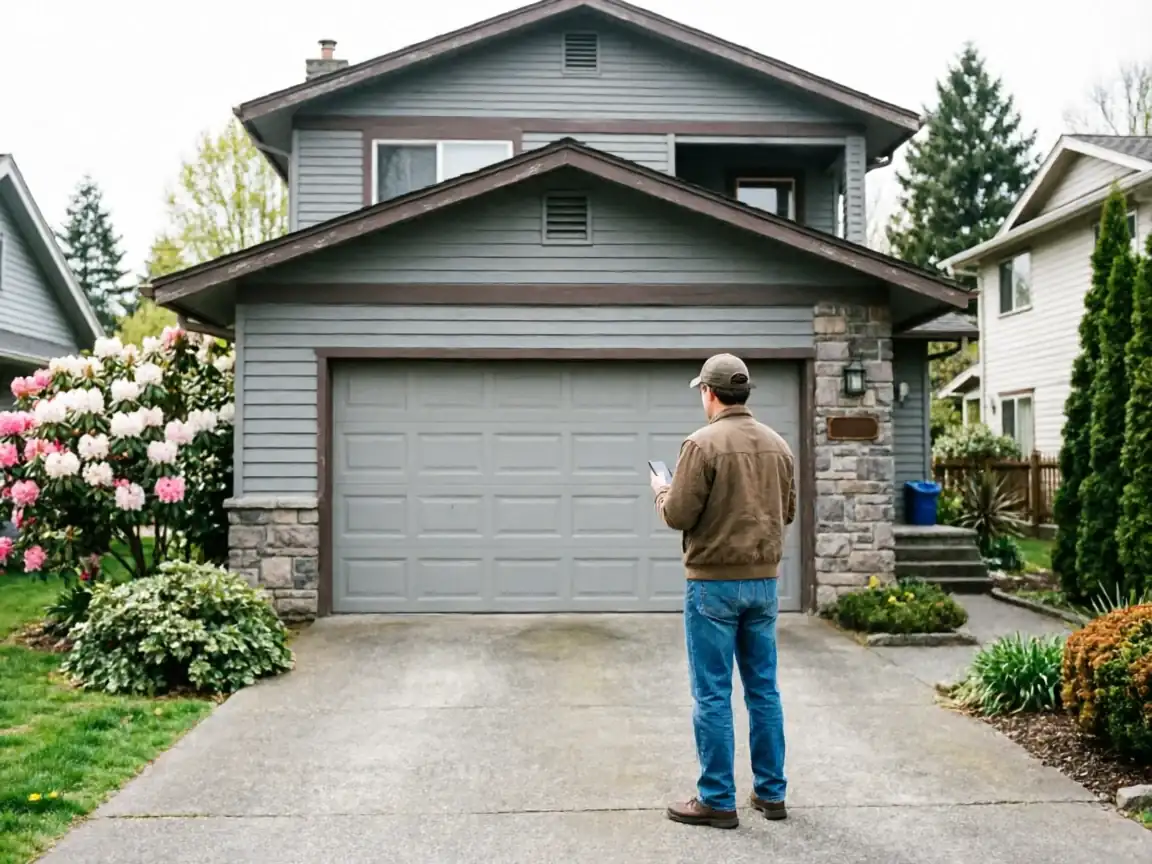
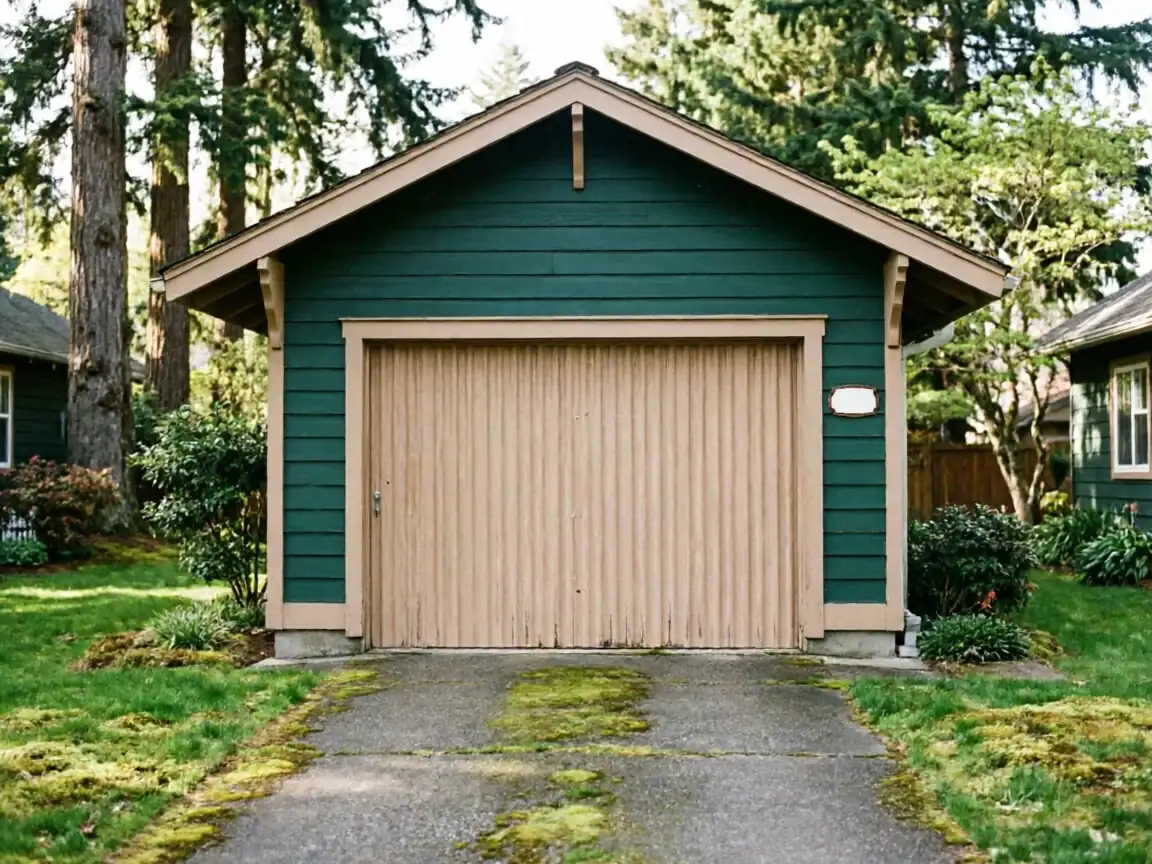
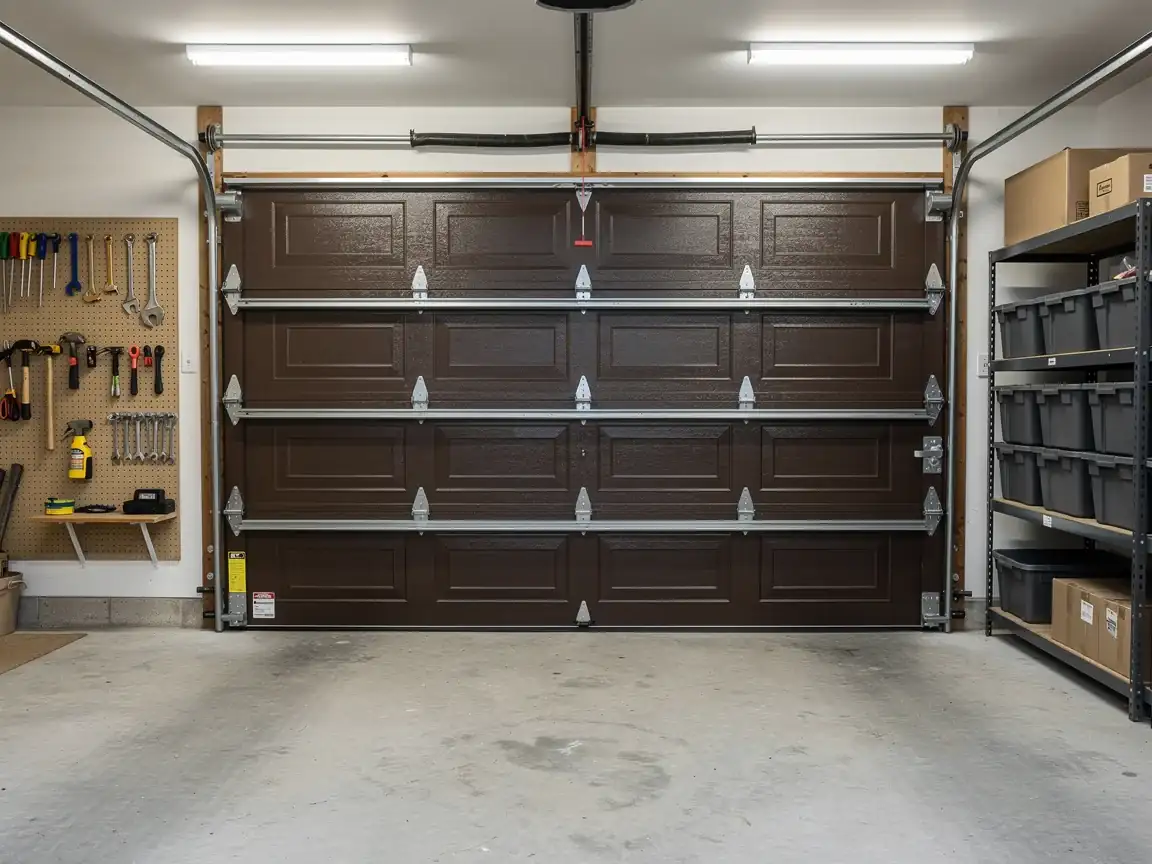
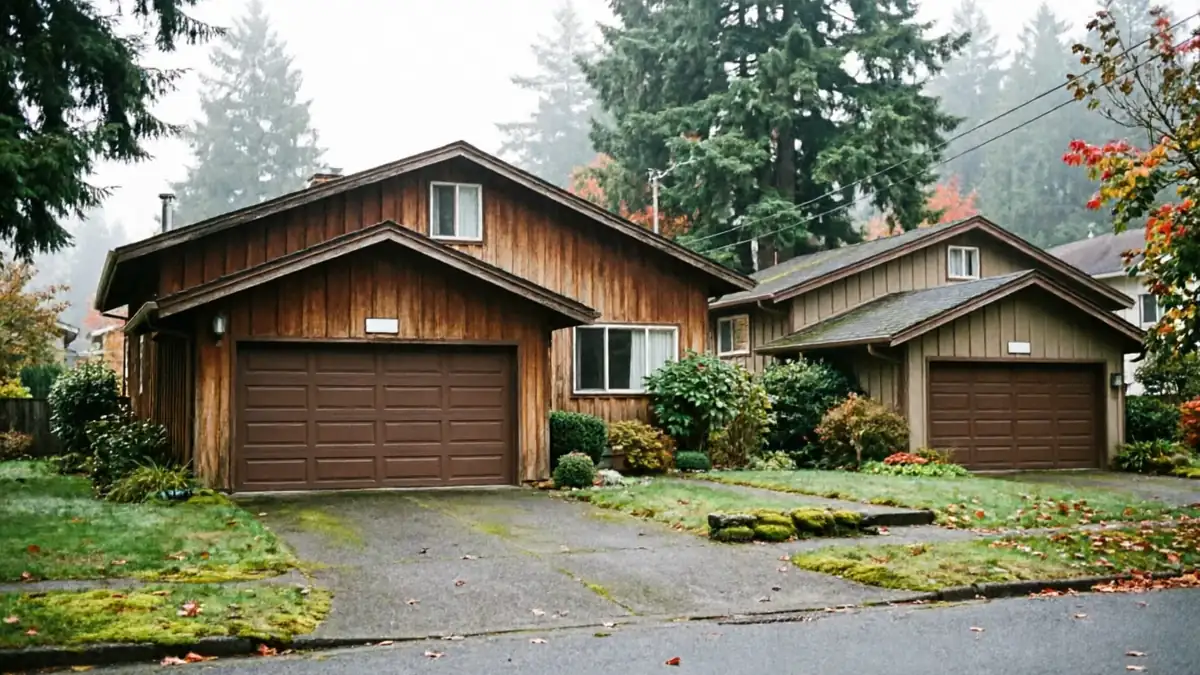
Most of the calls we get for a full install, rather than a repair, come from houses built between 1972 and 2005, with the bulk of that stock going up through the 1980s and 90s. By now the original door on those houses is the second or third owner's problem: steel skins gone soft at the bottom panel, wood composite doors from that era delaminating at the seams, and single-layer doors that never had insulation to begin with.
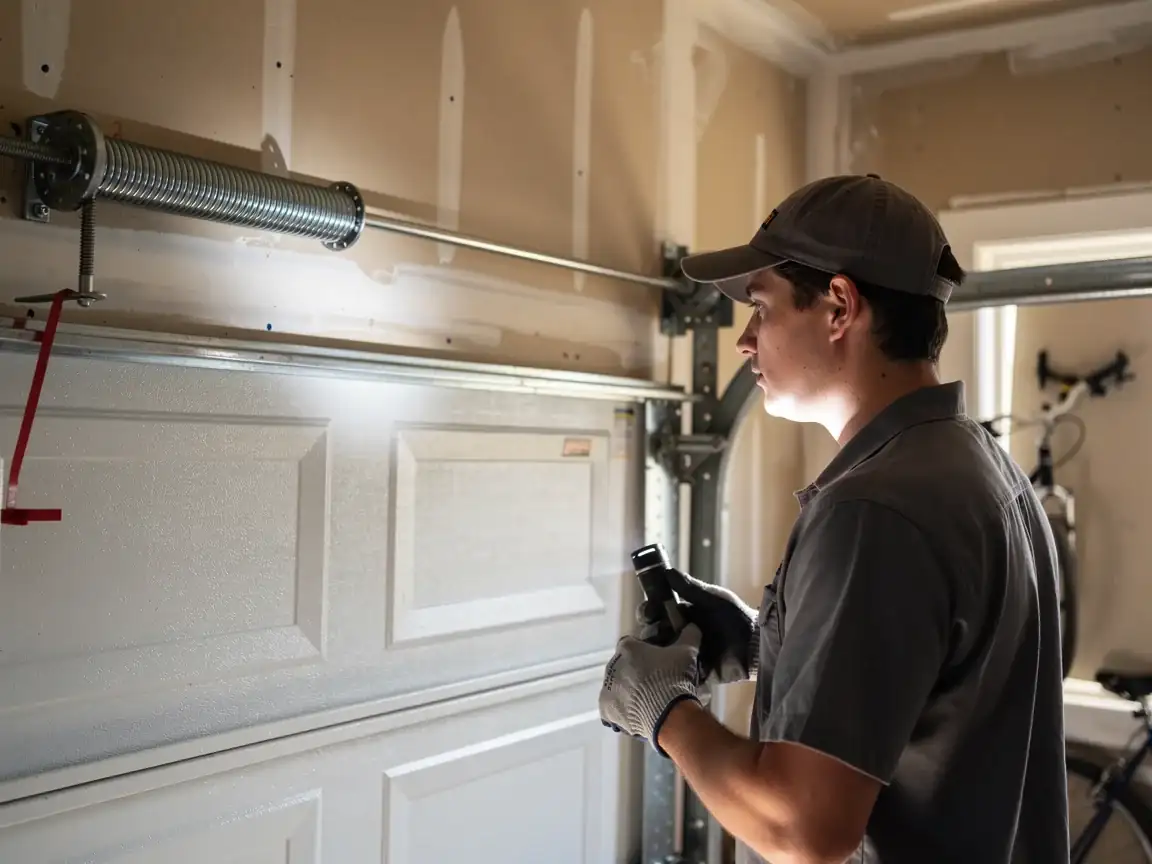
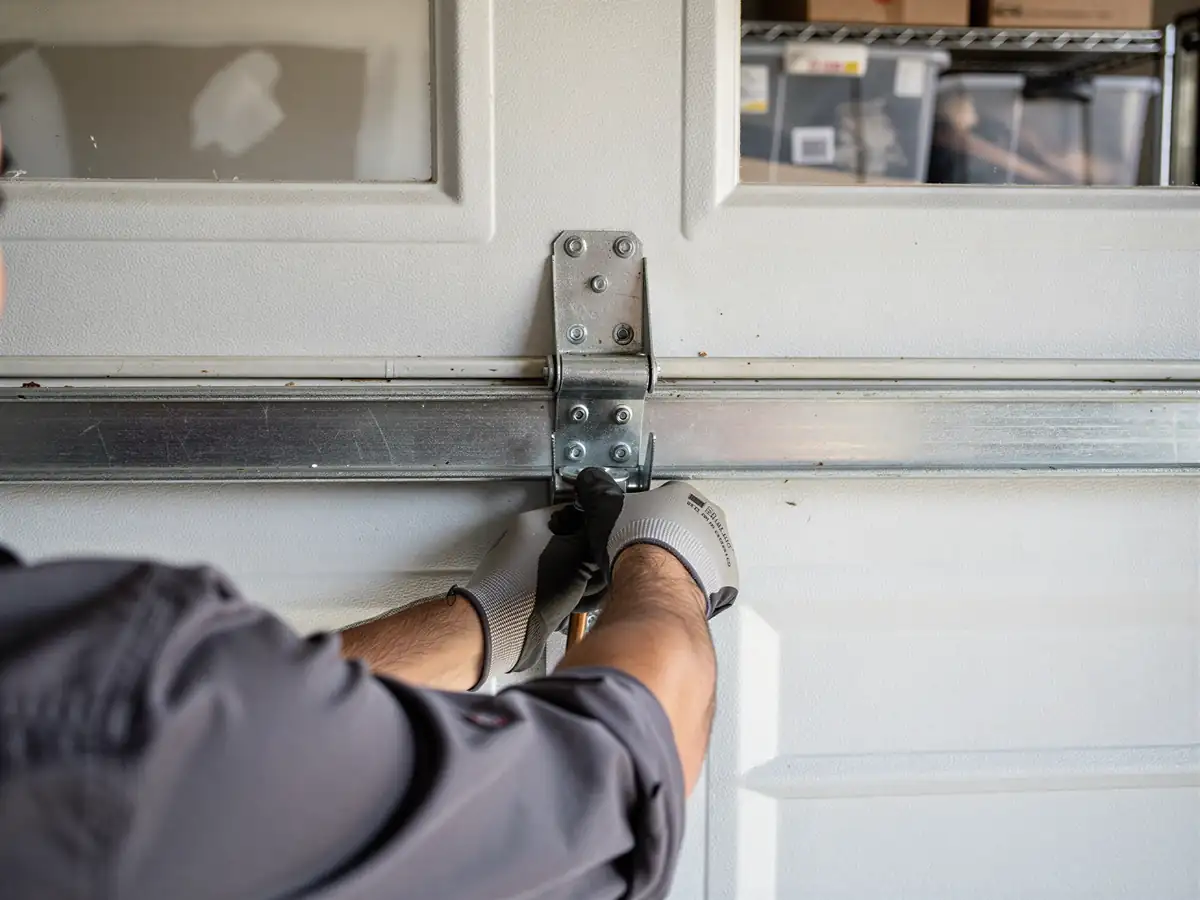
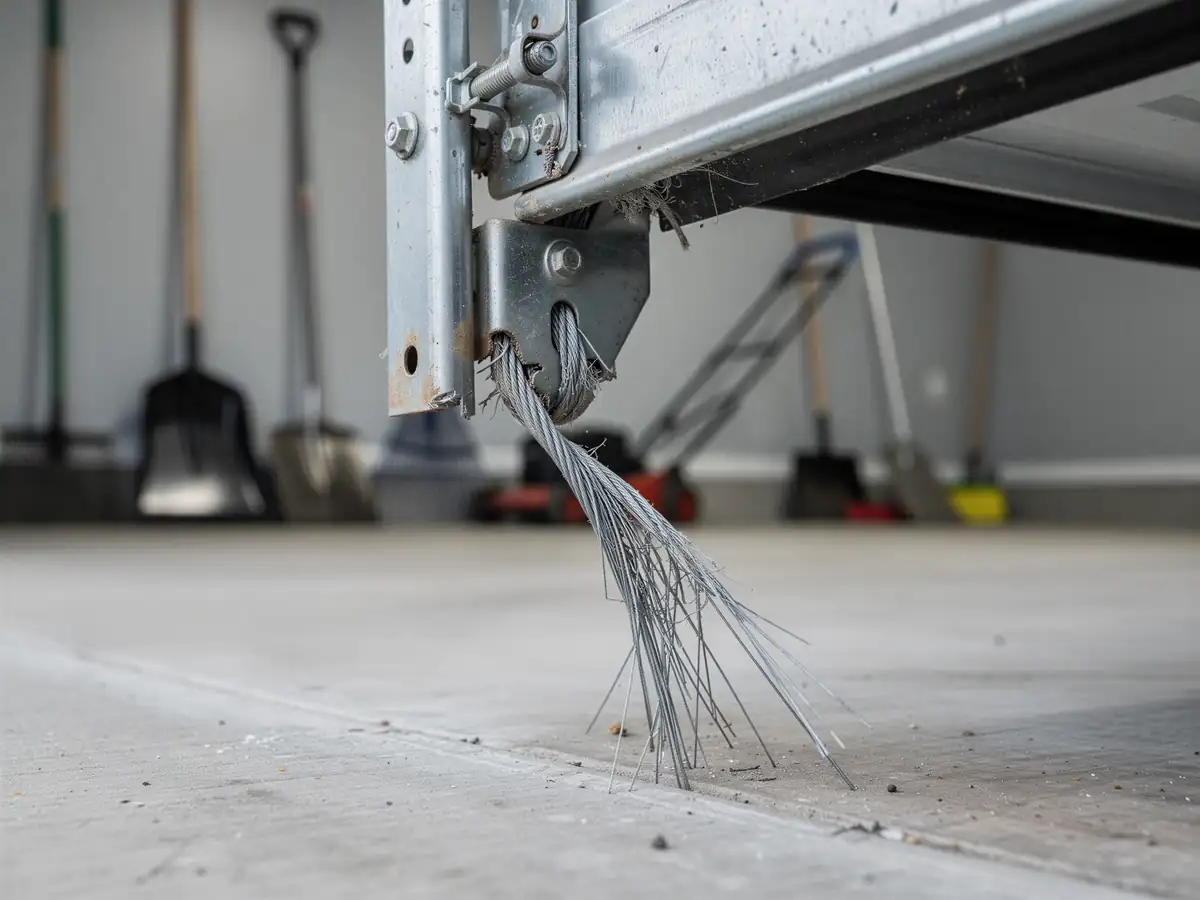
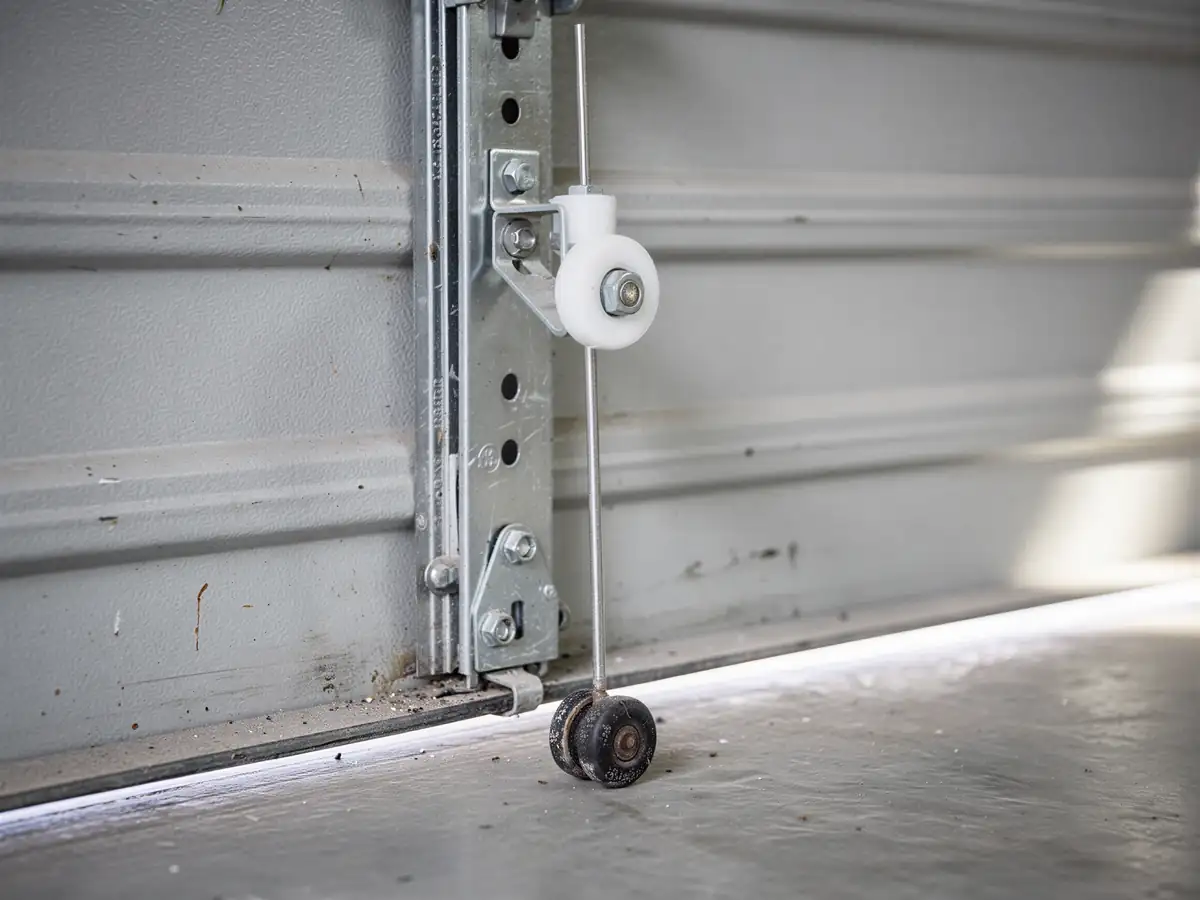
The tell is usually at the bottom corners. Thirty-plus years of swelling and drying in a cold, damp climate works the panel joints loose, and the door starts racking in the track instead of running straight. Some owners patch it with a new roller or a cable, but if the panel itself is bowed or the door is a single layer with no thermal break, a repair just buys another winter, not a fix.
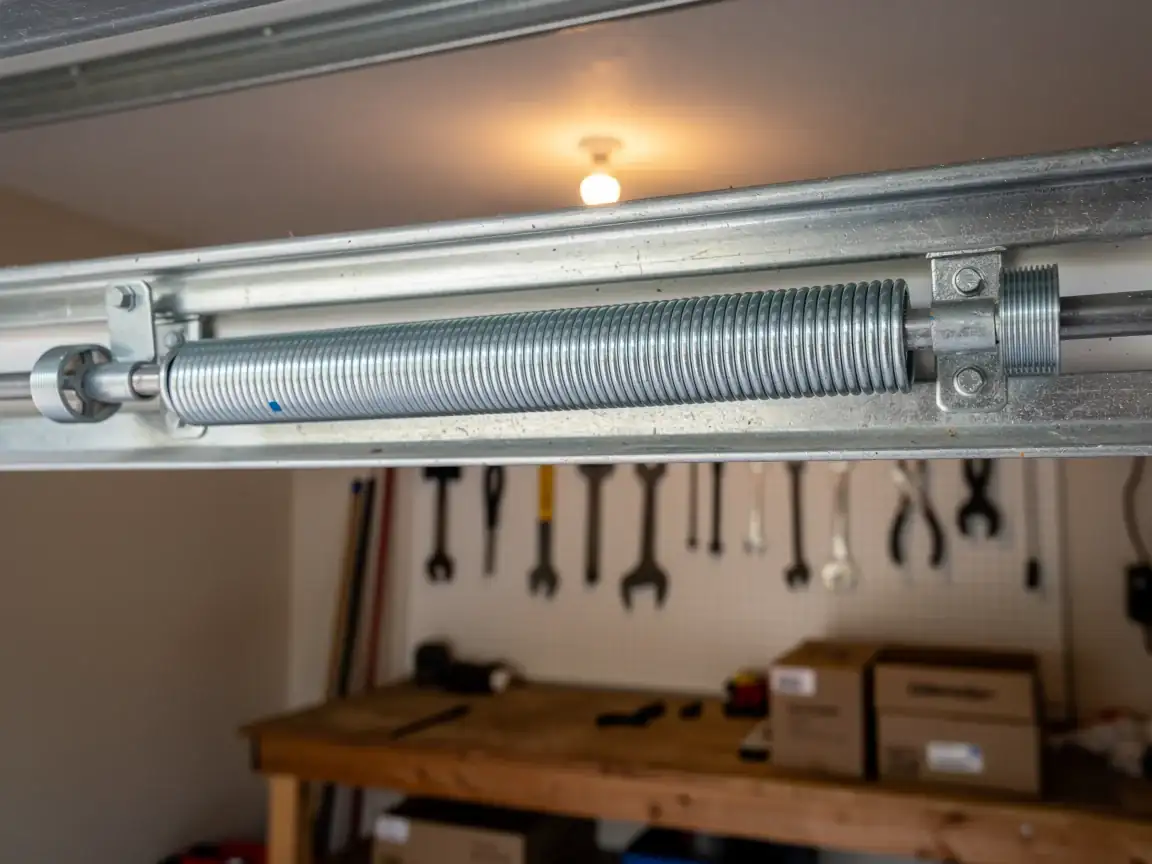
We also see a fair number of openings that were framed for a lighter door than what's hanging in them now, usually from a prior owner's upgrade. That mismatch shows up as a door that's heavier than the opener was ever sized for, which is a separate conversation from the door itself but it's one we have at the same visit.
The Cost of This Job
We don't have a flat number to put on this page
Because the price swings with door size, insulation level, and whether the opener and track need to come out too. What we can tell you is what drives the number up or down on a typical Woodinville job: a double-wide door costs more in material than a single, an insulated steel or composite door costs more than an uninsulated one, and if the existing track or jamb needs rebuilding because the old frame settled, that's additional labor beyond the door swap itself.
Given the age of housing we're working with here
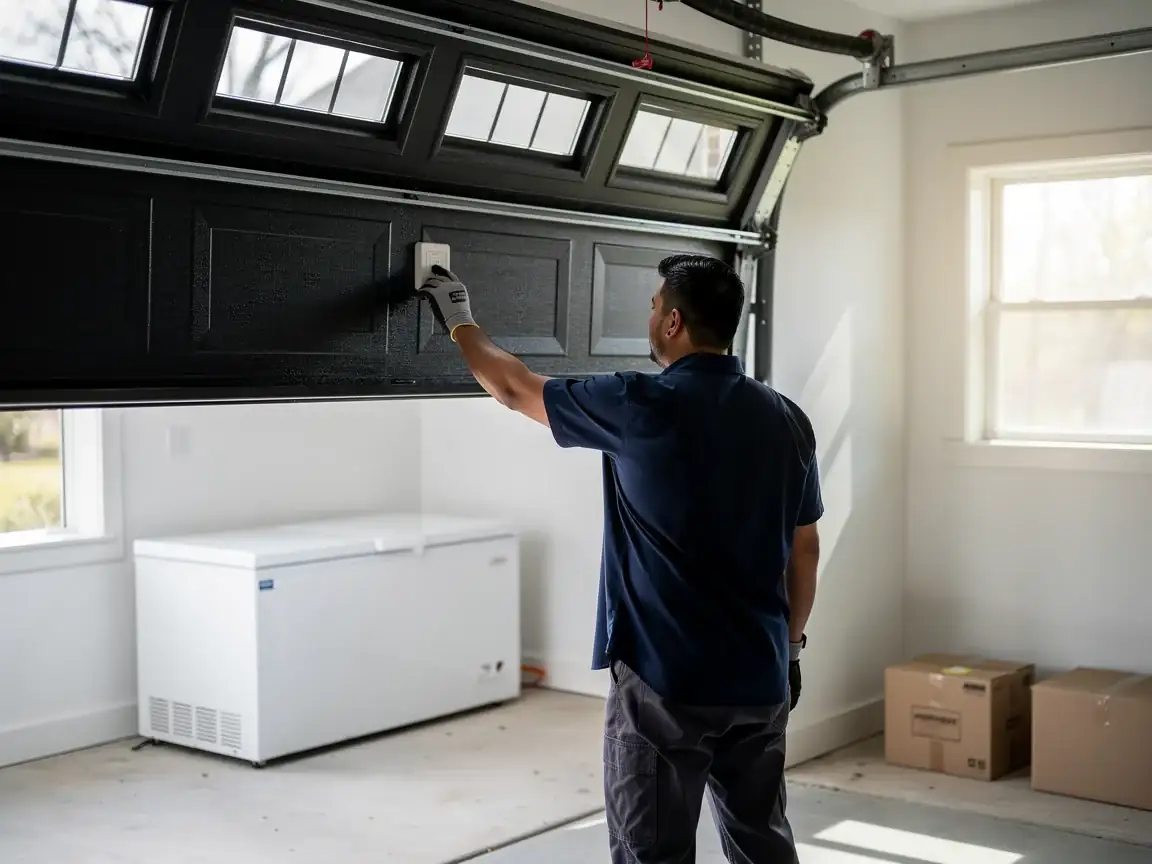
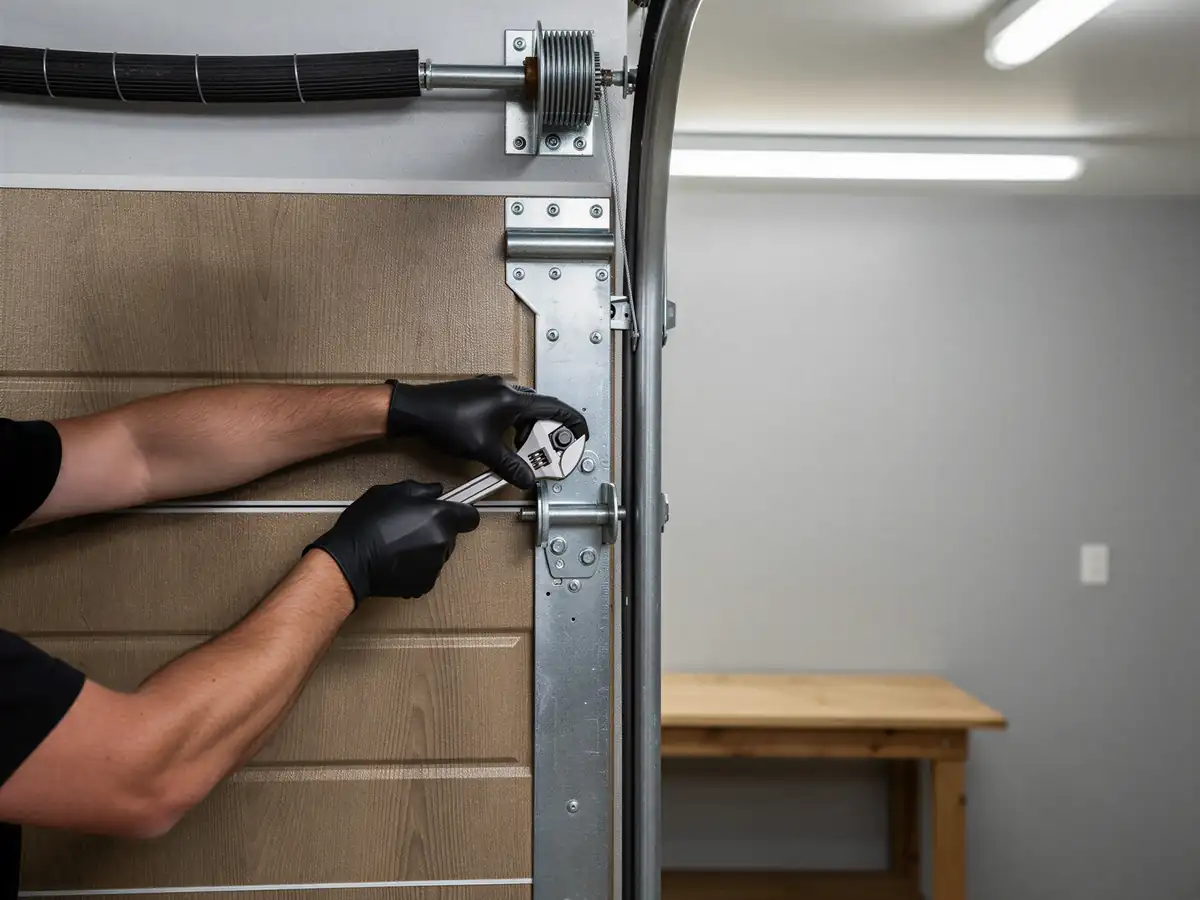
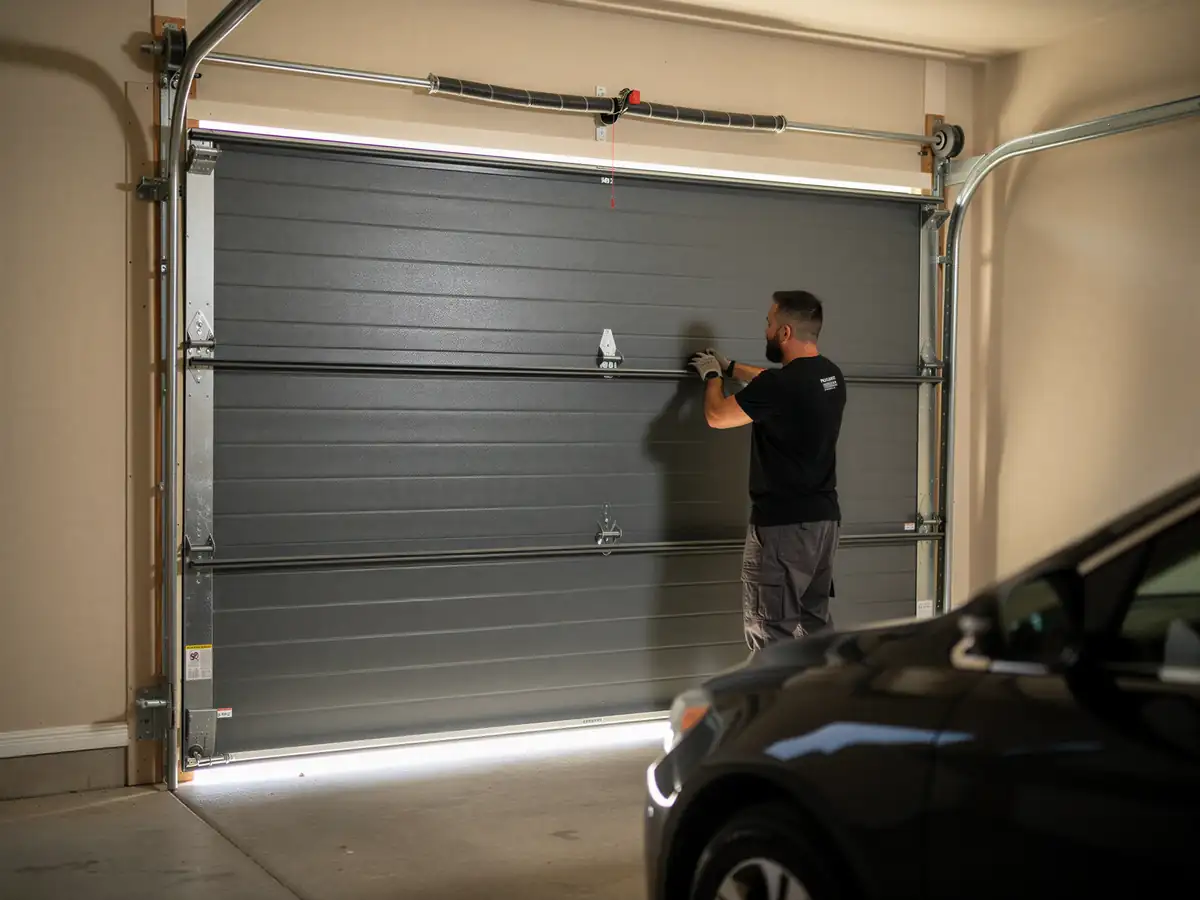
We almost never just unbox a new door and hang it. Openings framed in the 1970s through 90s often need some adjustment to the jamb or header before a new door seats square, and we price that as part of the job rather than as a surprise add-on once we're on site.
One honest limitation
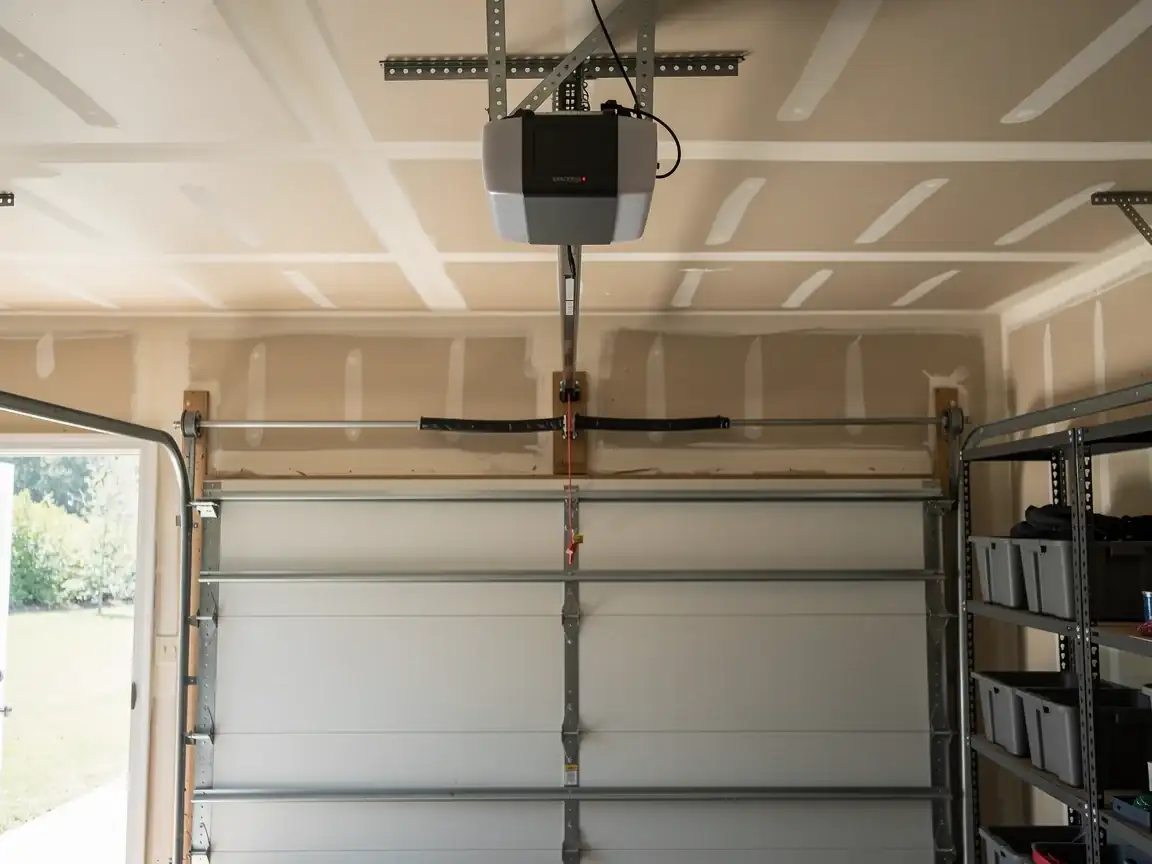
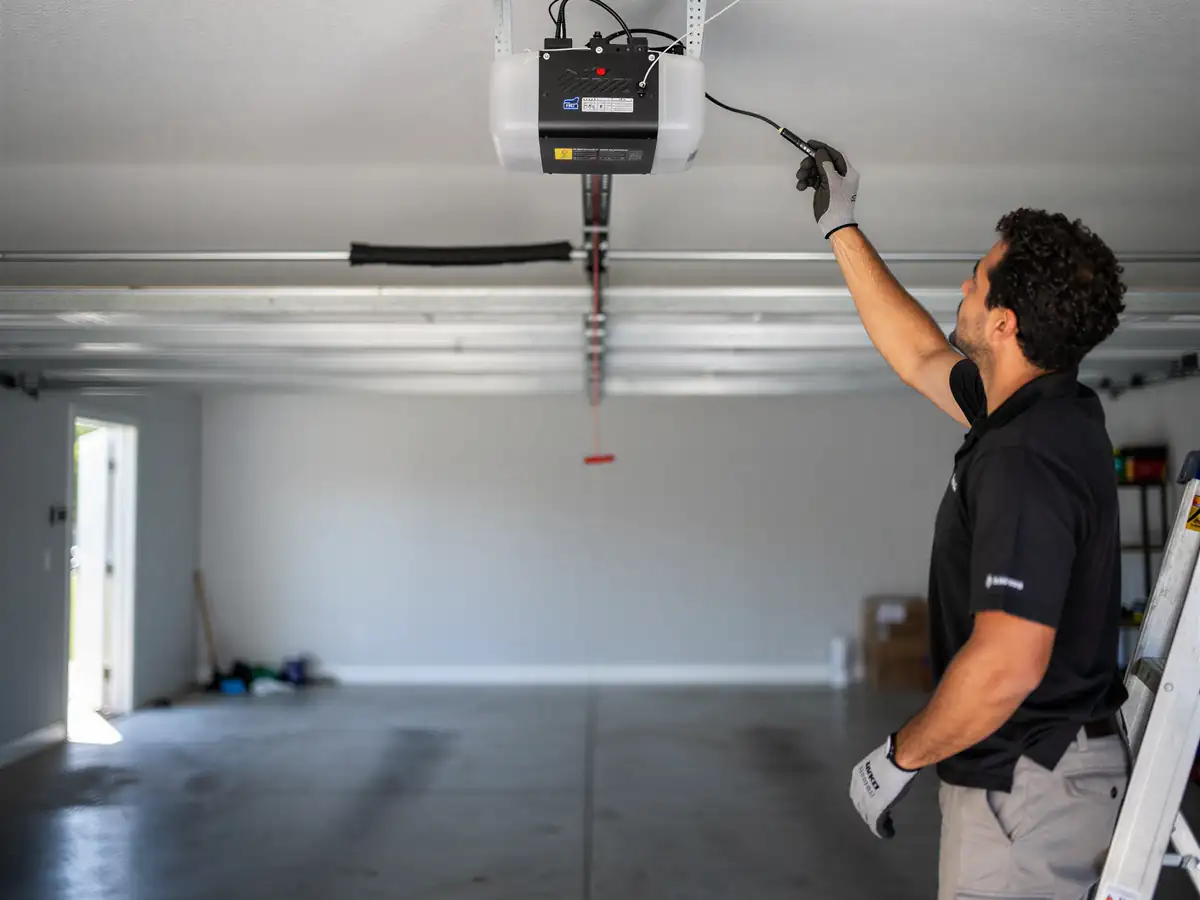
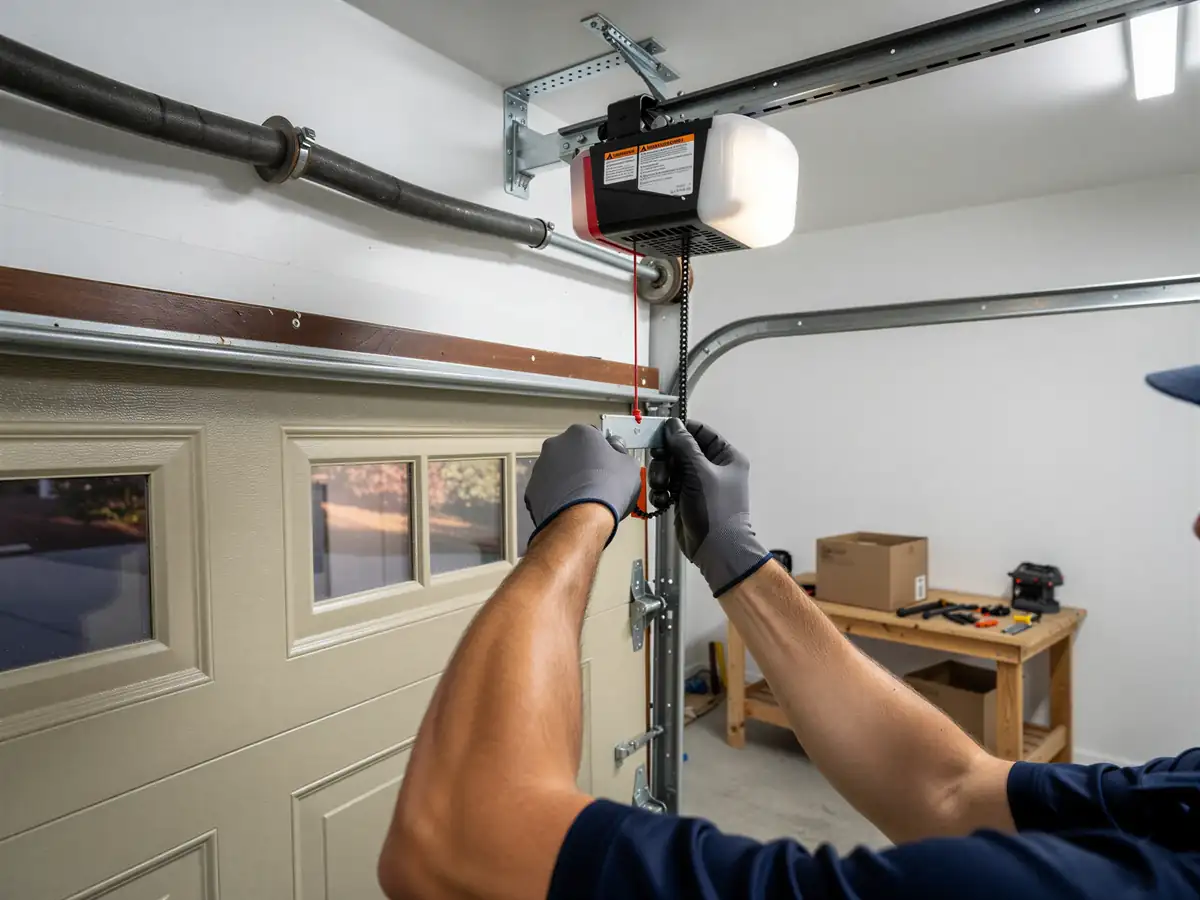
If your opener is original to the house, we may tell you to replace it in the same visit rather than bolt it to a new door. An old opener driving a heavier insulated door is asking for an early service call, and we'd rather say that up front than sell you a door and have the opener fail in six months.
What Causes It Around Here
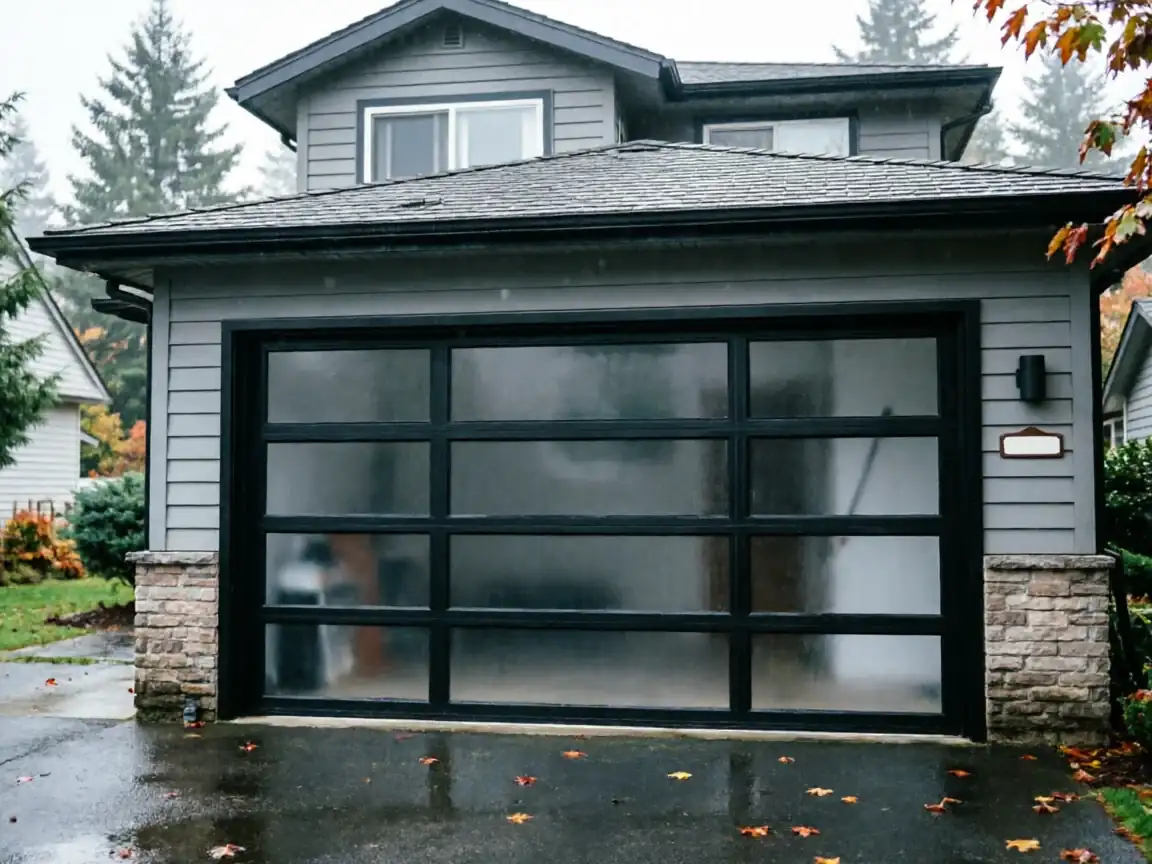
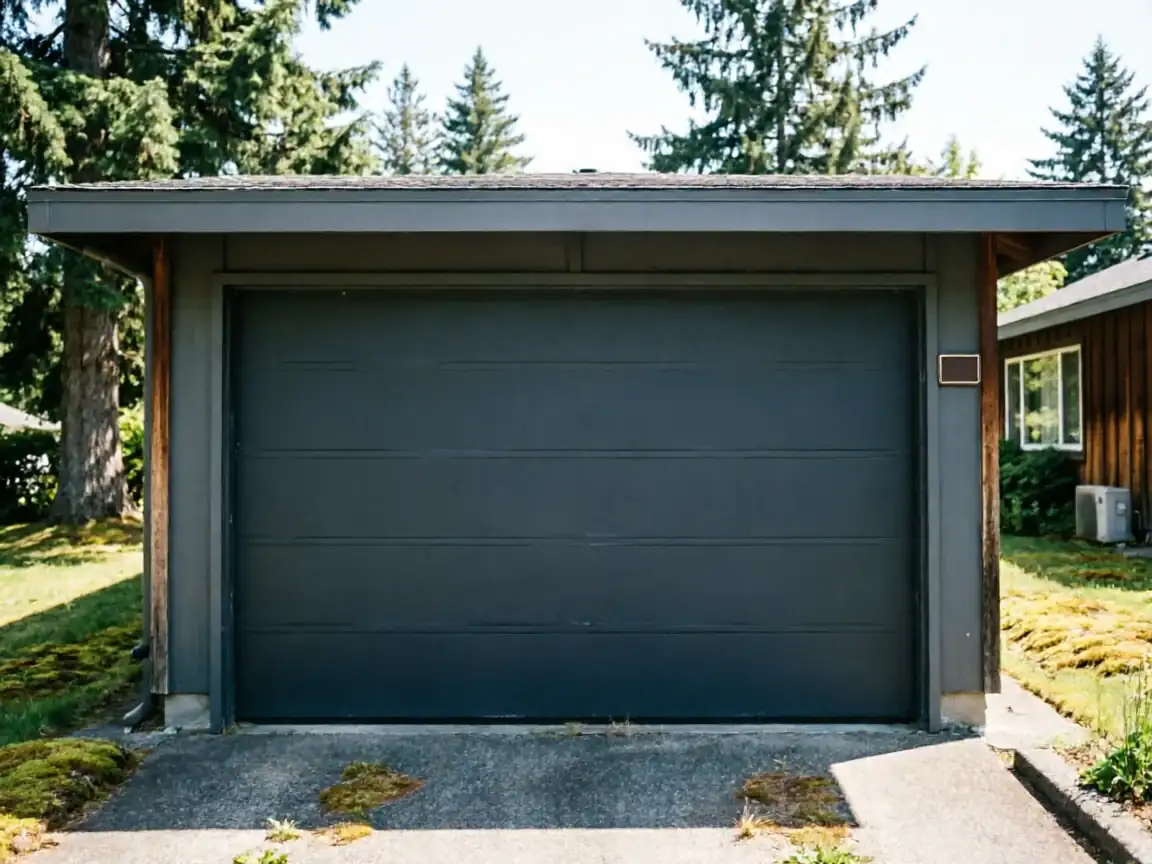
The cold, moderate winters here don't bring the deep freeze-thaw cycles that crack concrete slabs further inland, but they do bring sustained damp. A garage door in this climate spends months at a time holding moisture against its bottom seal and lower panel, and that's harder on an uninsulated steel door or an older wood-composite door than a dry cold ever would be. Insulated doors with a solid thermal break hold up better against that kind of slow, steady damp than the single-skin doors that were standard when most of this area's housing went up.
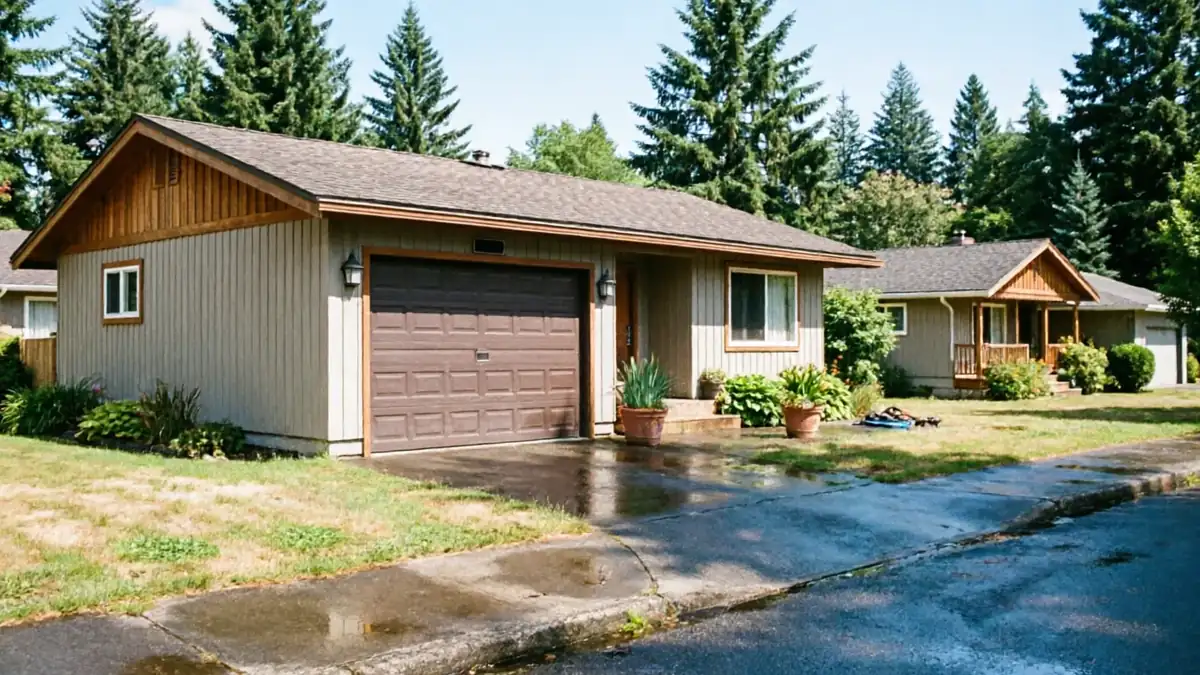
Because so much of Woodinville's housing dates to a narrow window, 1972 through 2005 with the heaviest concentration in the 80s and 90s, a lot of these doors are failing on roughly the same timeline. It's less about any one storm or season and more about material fatigue hitting a whole generation of houses at once. When we quote a new install, we're usually replacing a door that's done the job it was built to do for thirty or more years, not one that failed early.
Getting It Booked In
If you're in Woodinville or out toward Maltby, High Bridge, Brier, or the area just east of town, we can come look at the door and the opening before you commit to a size or style. Measuring the existing jamb matters more than it sounds like it should, especially on houses from this build era where the framing wasn't always perfectly square to begin with.
Bring us a photo of the door and opener if you can, or just the age of the house if you know it. That alone tells us a lot about what we'll likely find once we're there. We'll walk the opening with you, talk through insulated versus standard doors for a climate that stays damp more than it freezes hard, and give you a number before any work starts, not after.
You can reach us through the site to set up a time to look at the job.