Getting Here
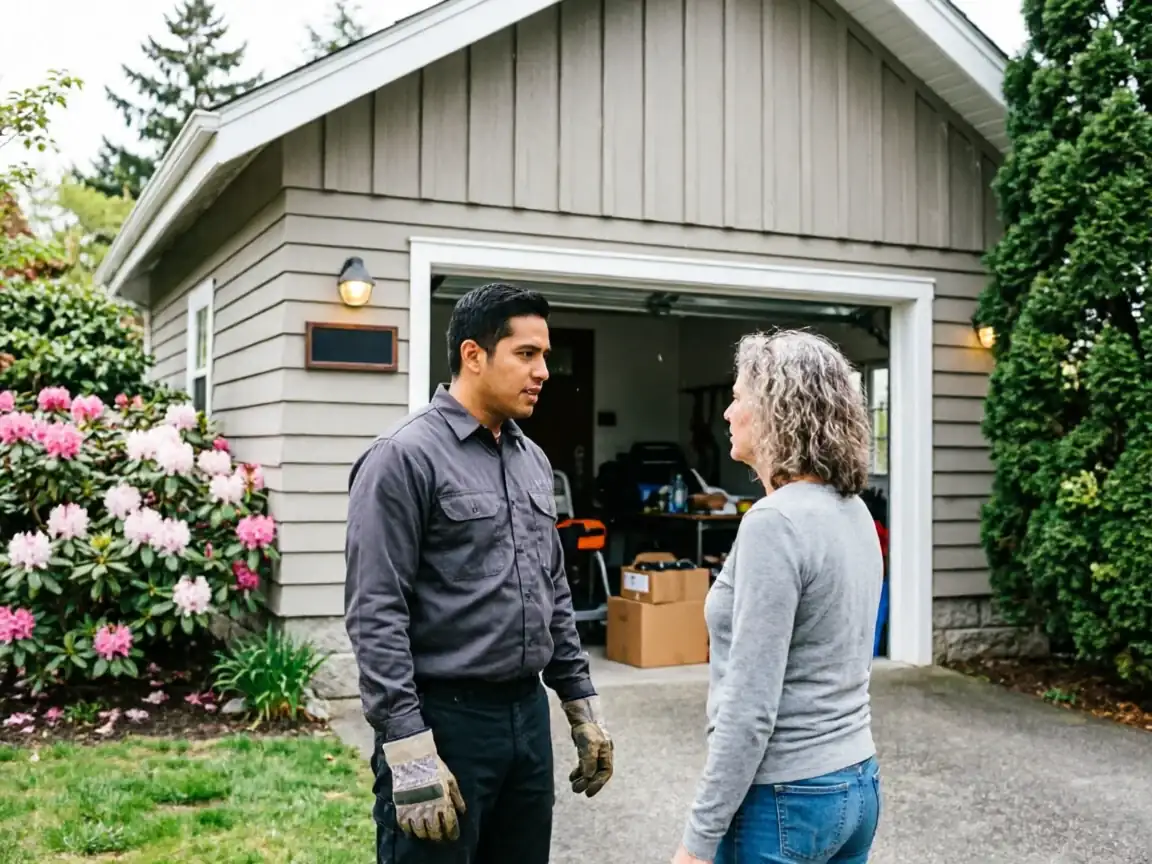
Snoqualmie sits about 20 miles from our shop in Woodinville, and that drive shapes how we schedule the day. We're not based here, and we don't pretend to be - we load the truck in Woodinville and come out for the job, same as we do for Carnation or Duvall. That means we batch Snoqualmie calls when we can and we're upfront about arrival windows rather than promising a same-hour fix. If your spring snaps on a Tuesday morning, tell us when you call so we can plan the route sensibly instead of guessing.
What we won't do is claim a local depot or a response time we can't back up. The honest version is simpler: we know the drive, we know what tends to break on houses built out here, and we bring the right parts with us because a second trip from Woodinville costs everyone time.
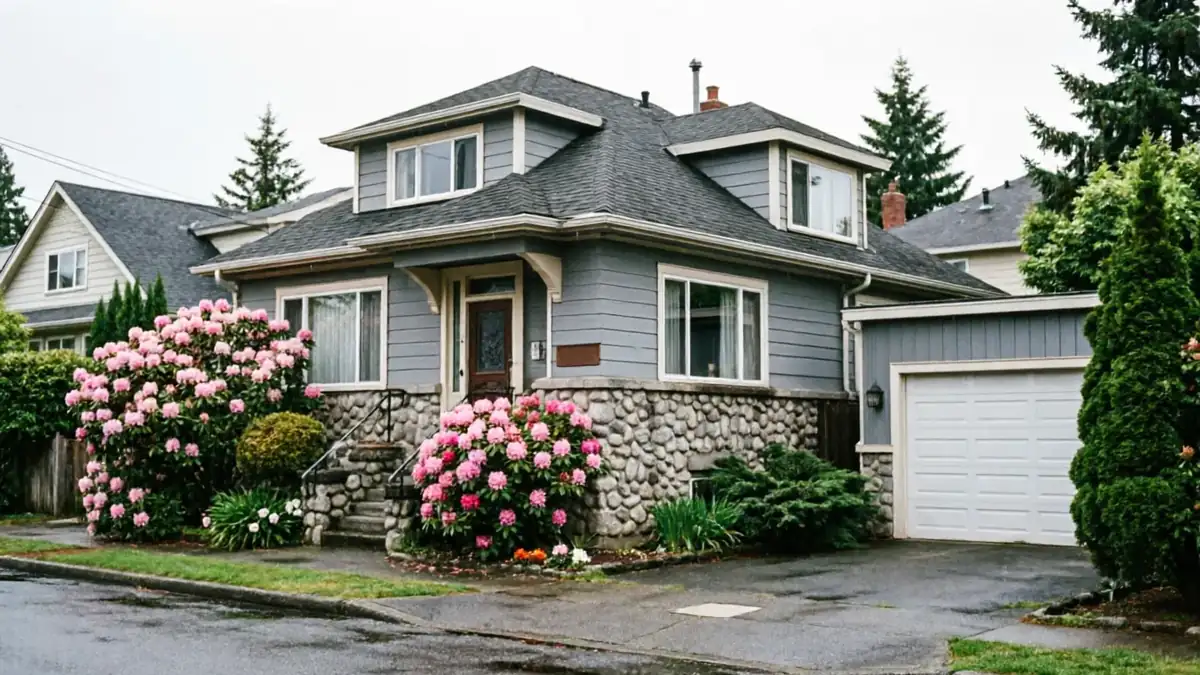
This Area's Housing
This is where Snoqualmie splits from a lot of the rest of our coverage area
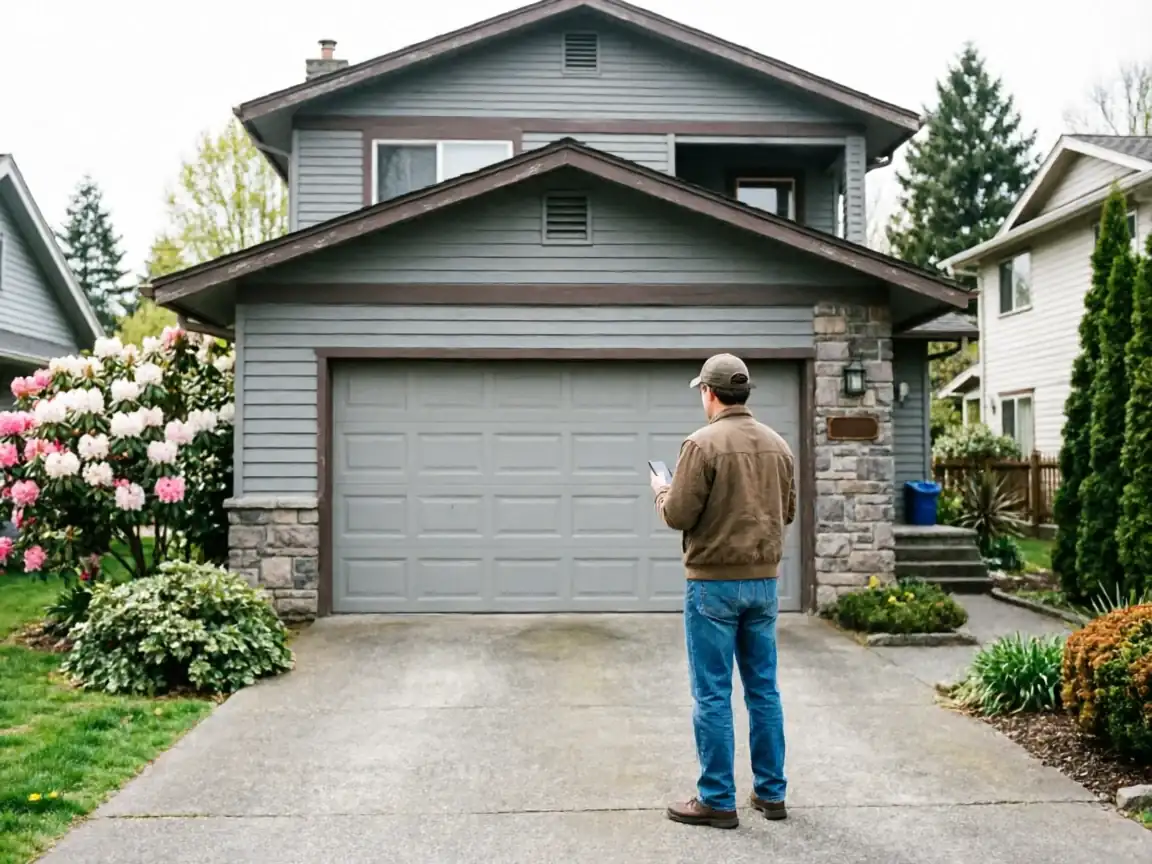
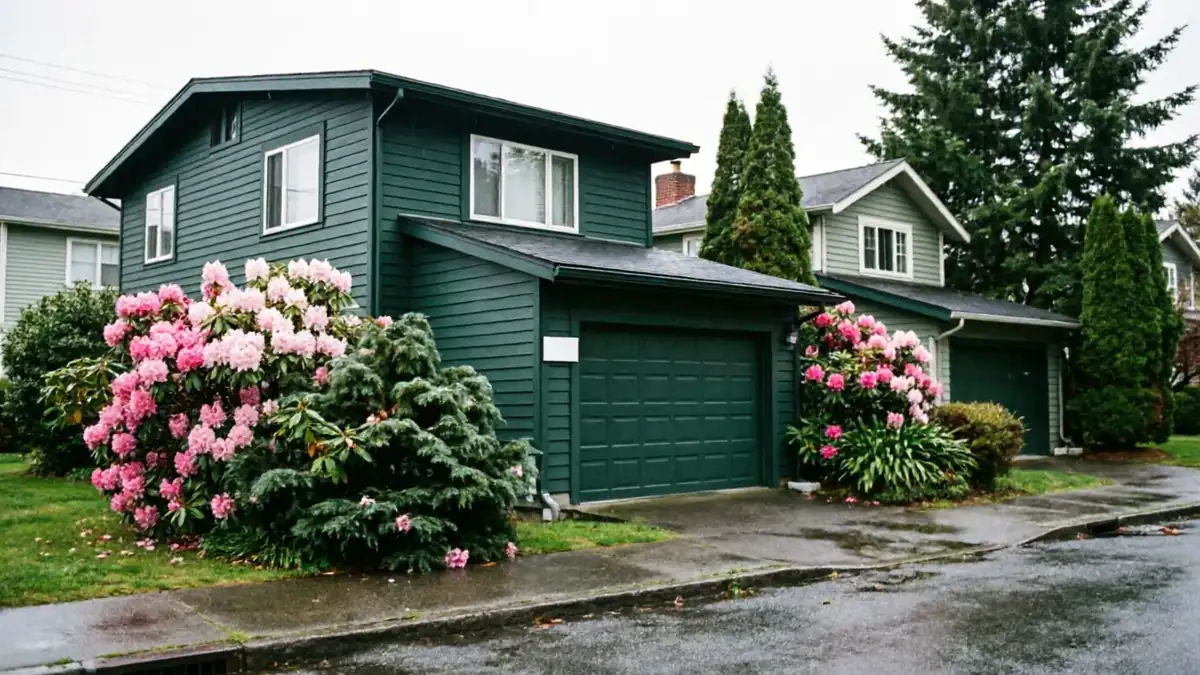
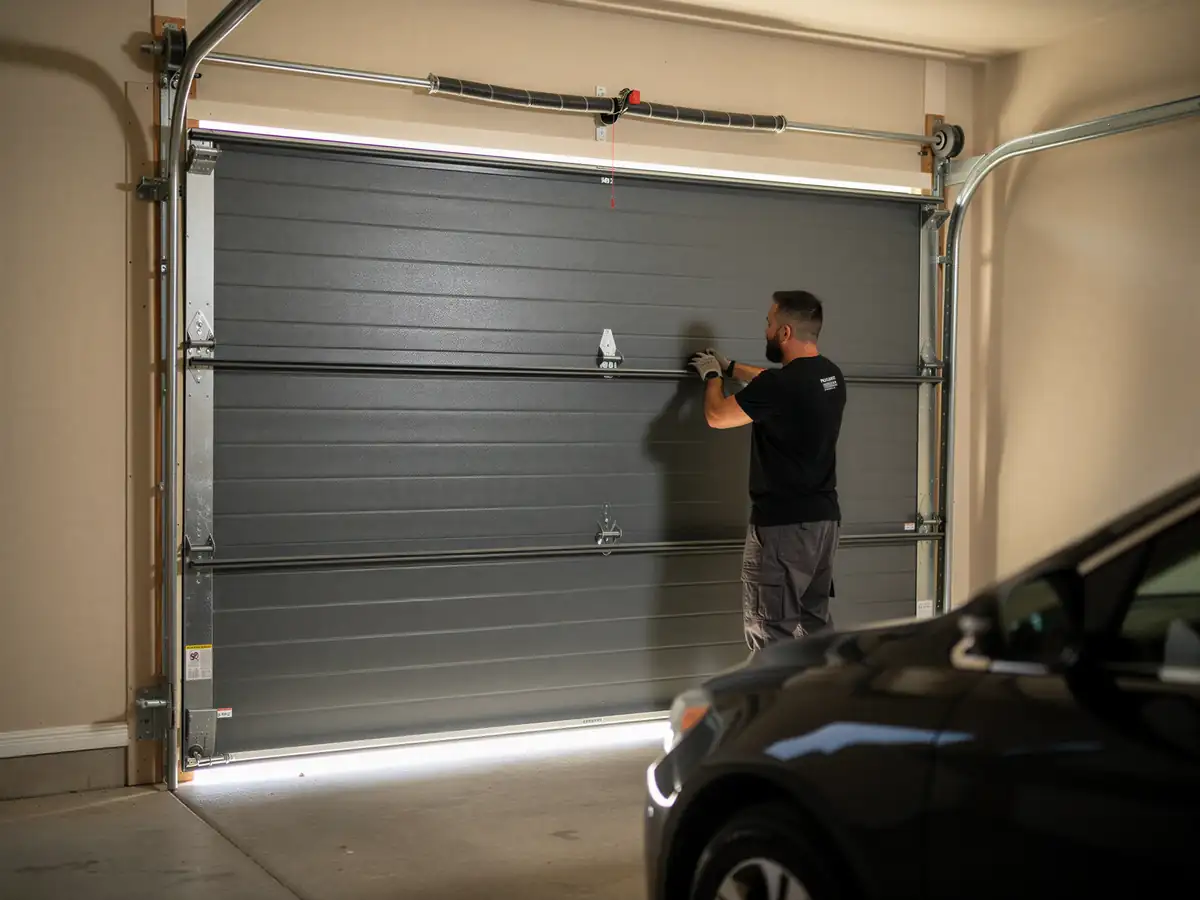
Across the wider service territory, the median home was built around 1985, with most stock going up between 1972 and 2005. In Snoqualmie itself, the median build year is 2005 - two decades newer. That's not a small gap. It means the garage doors on most streets here are steel sectional doors on extension or torsion springs installed under 2000s-era code, not the older single-panel or early sectional setups you'd find on a 1980s build.
With roughly 4,389 households in this area and a median income near $197,531
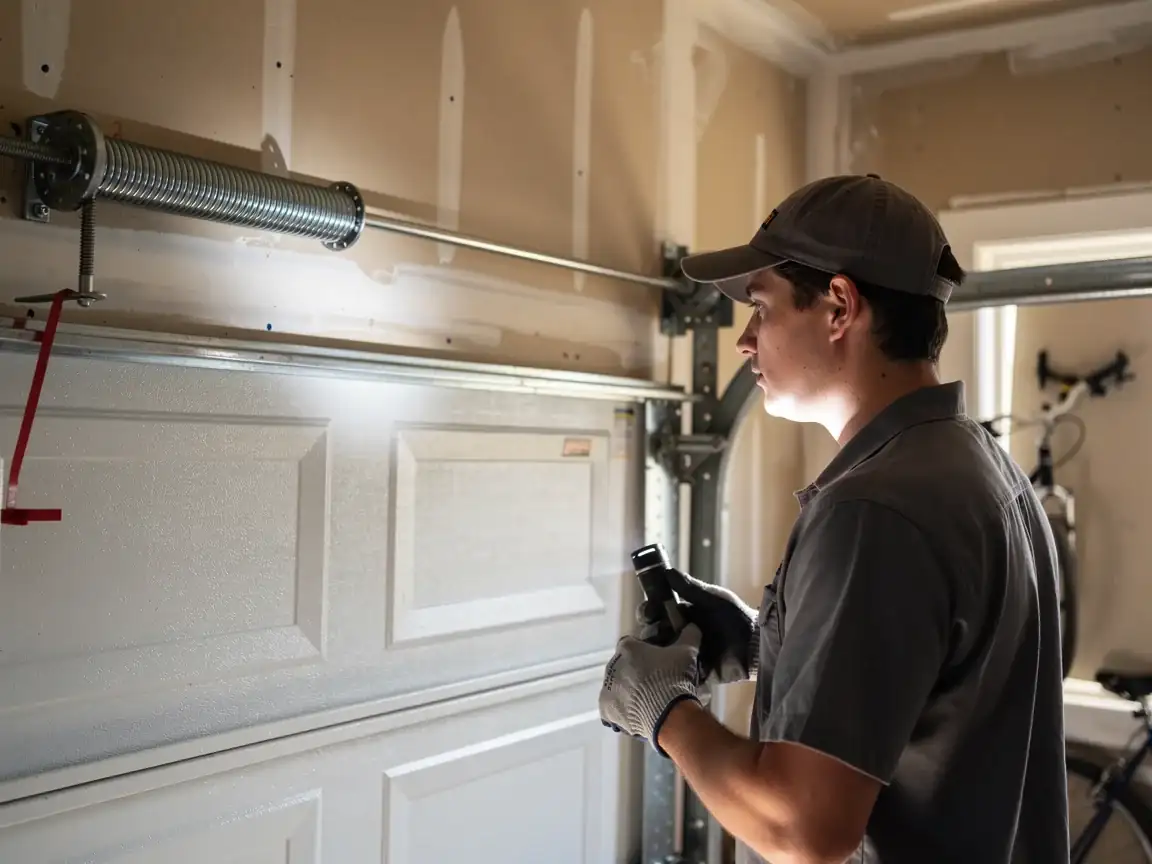
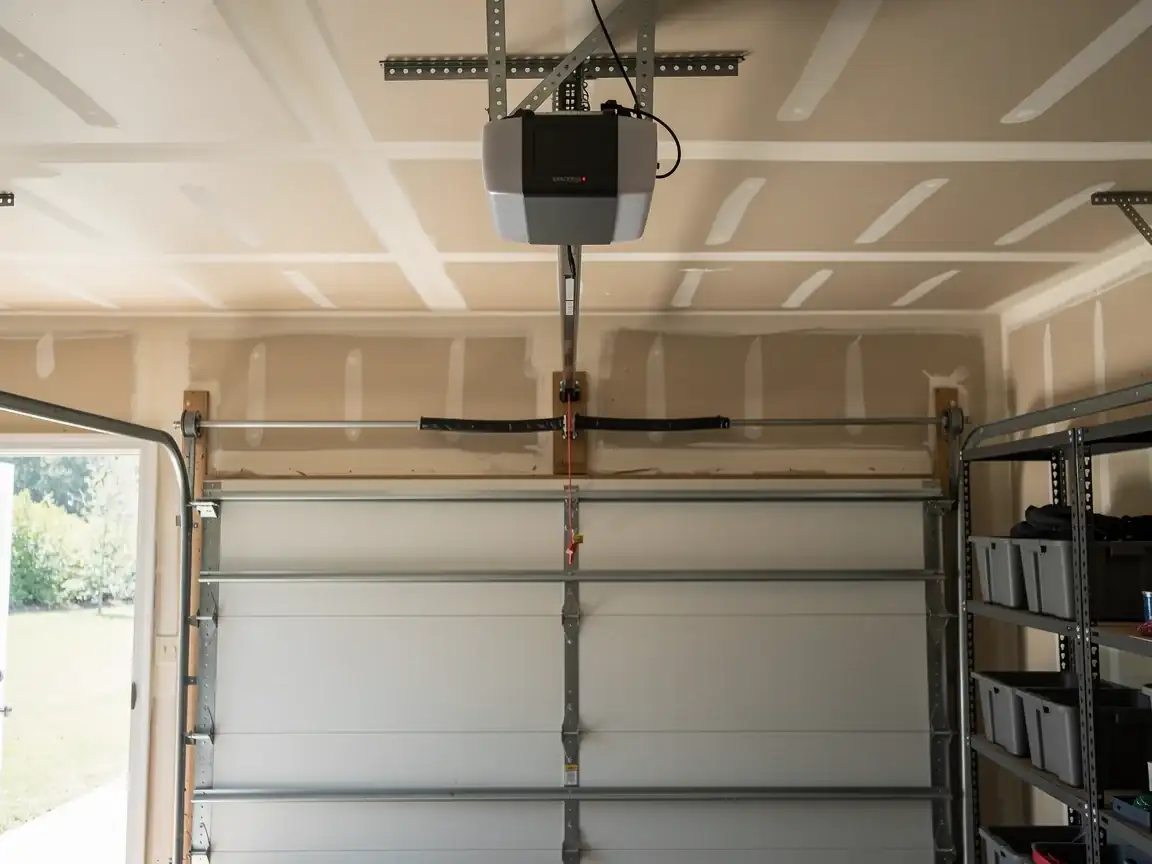
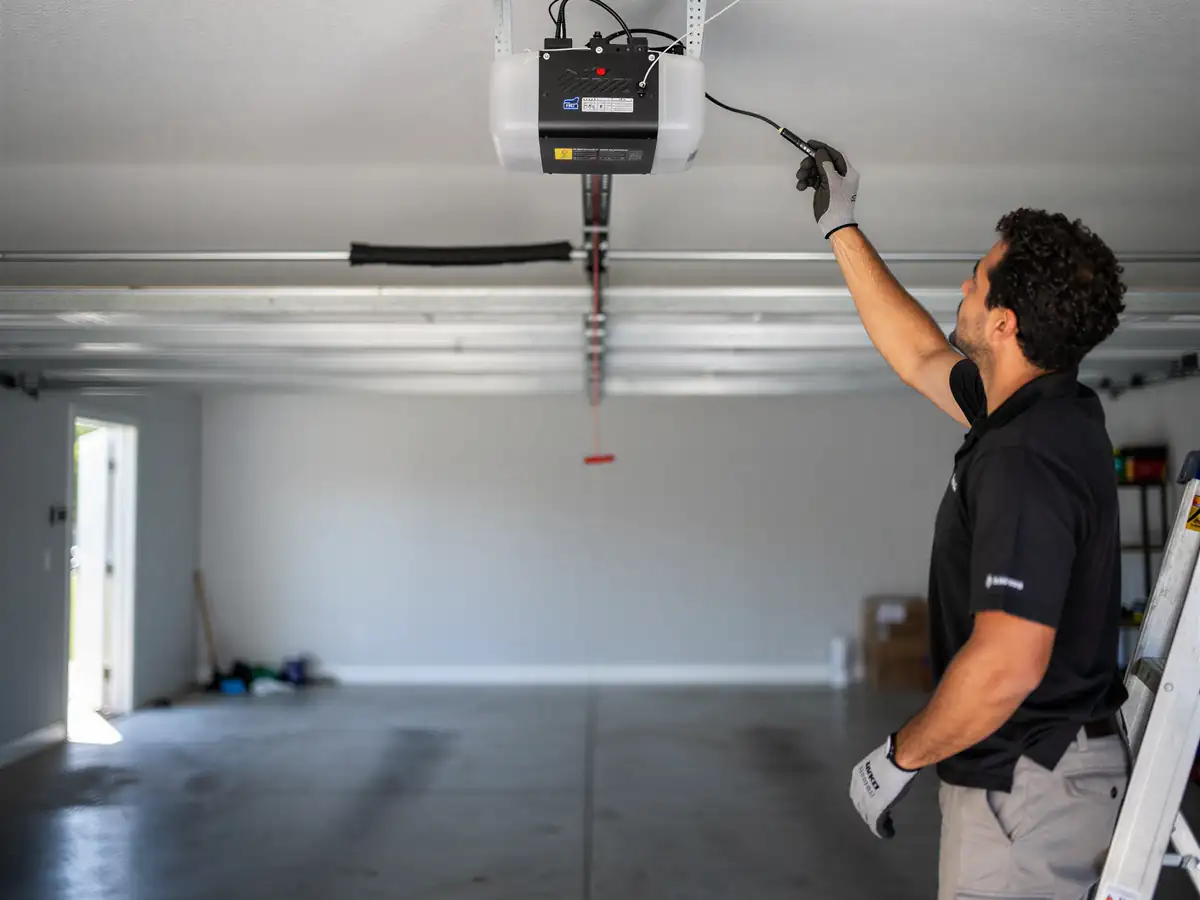
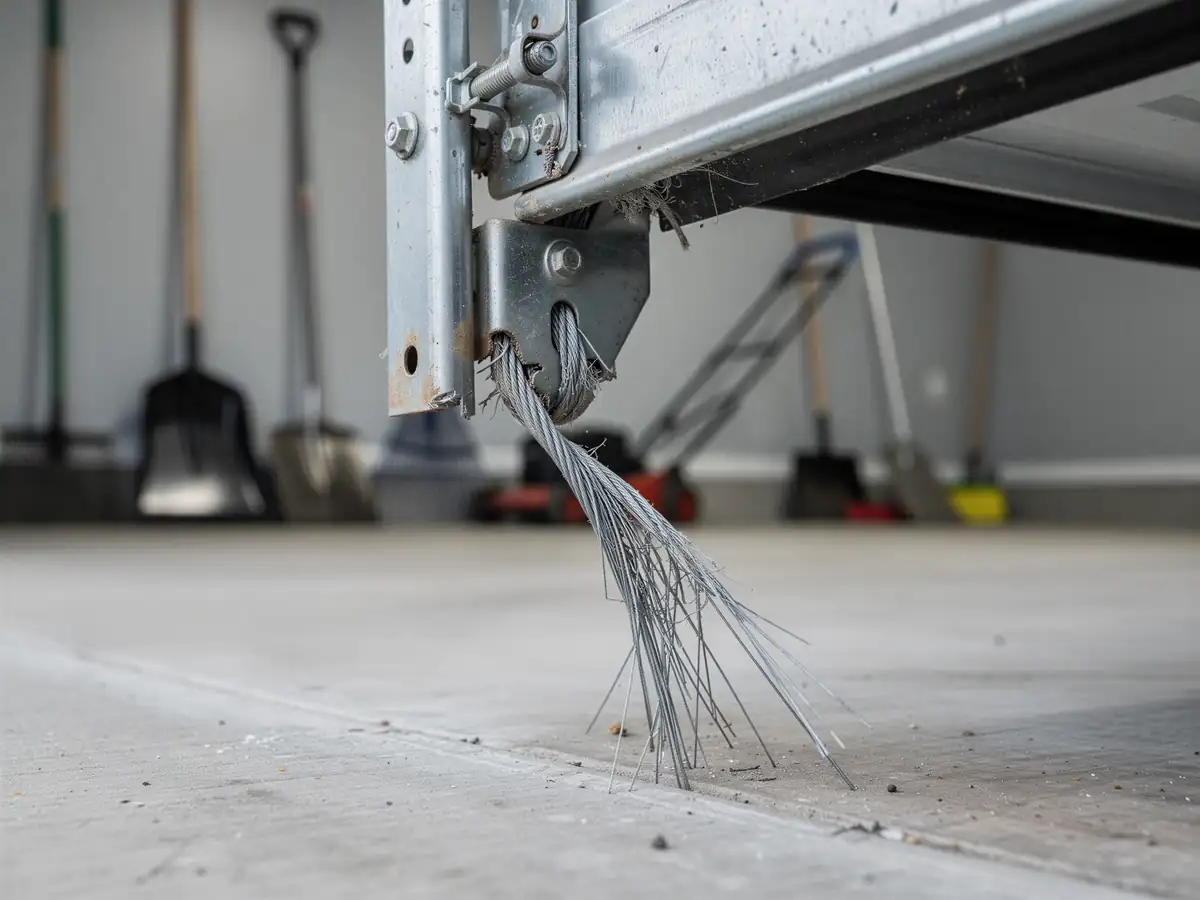
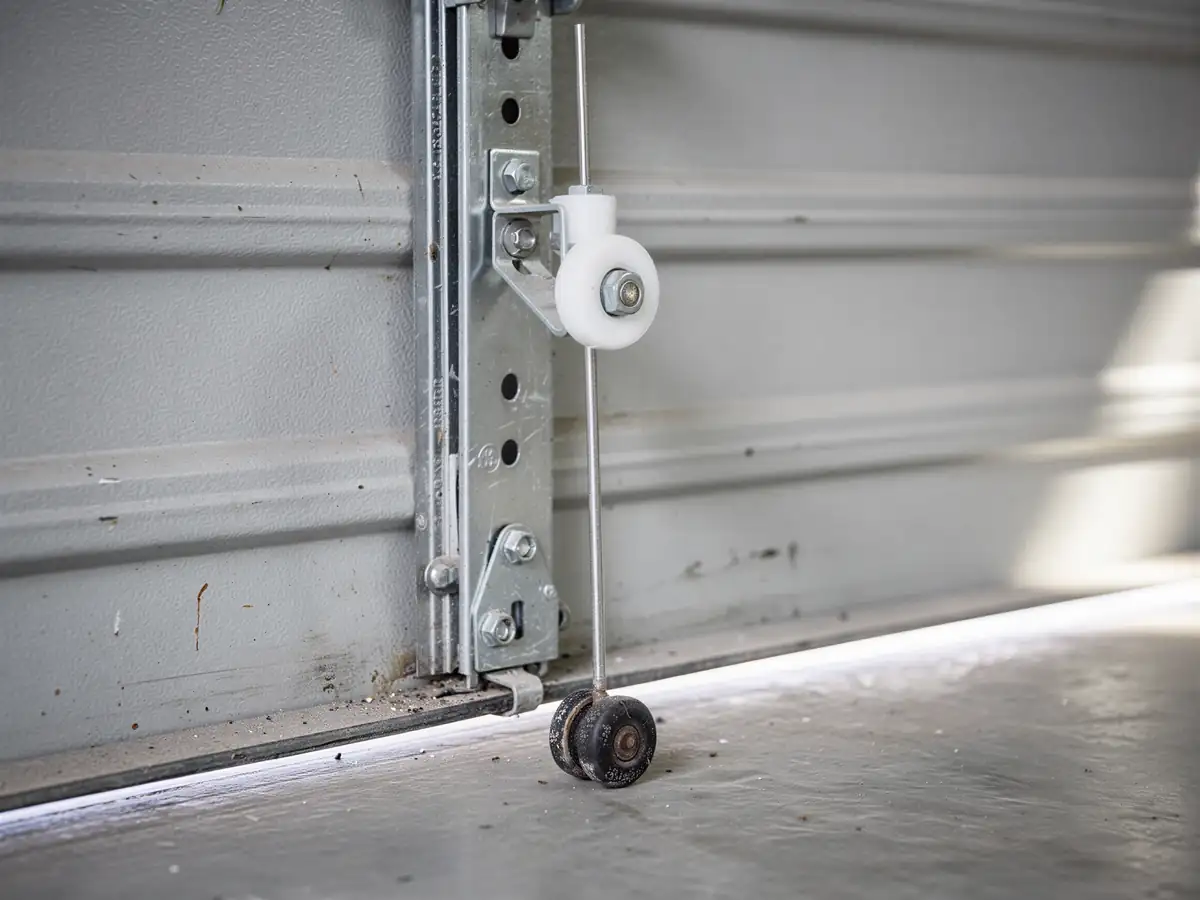
A lot of these garages were built with insulated doors and openers that have safety eyes and rolling-code remotes from the start - nobody retrofitted them later. That changes what actually fails. You're less likely to find brittle 40-year-old lift cables and more likely to see a worn opener gear, a misadjusted force setting, or a roller that's finally given out after fifteen-plus years of daily use.
- 4,389 households
- $197,531 median household income
Older vs Newer Streets
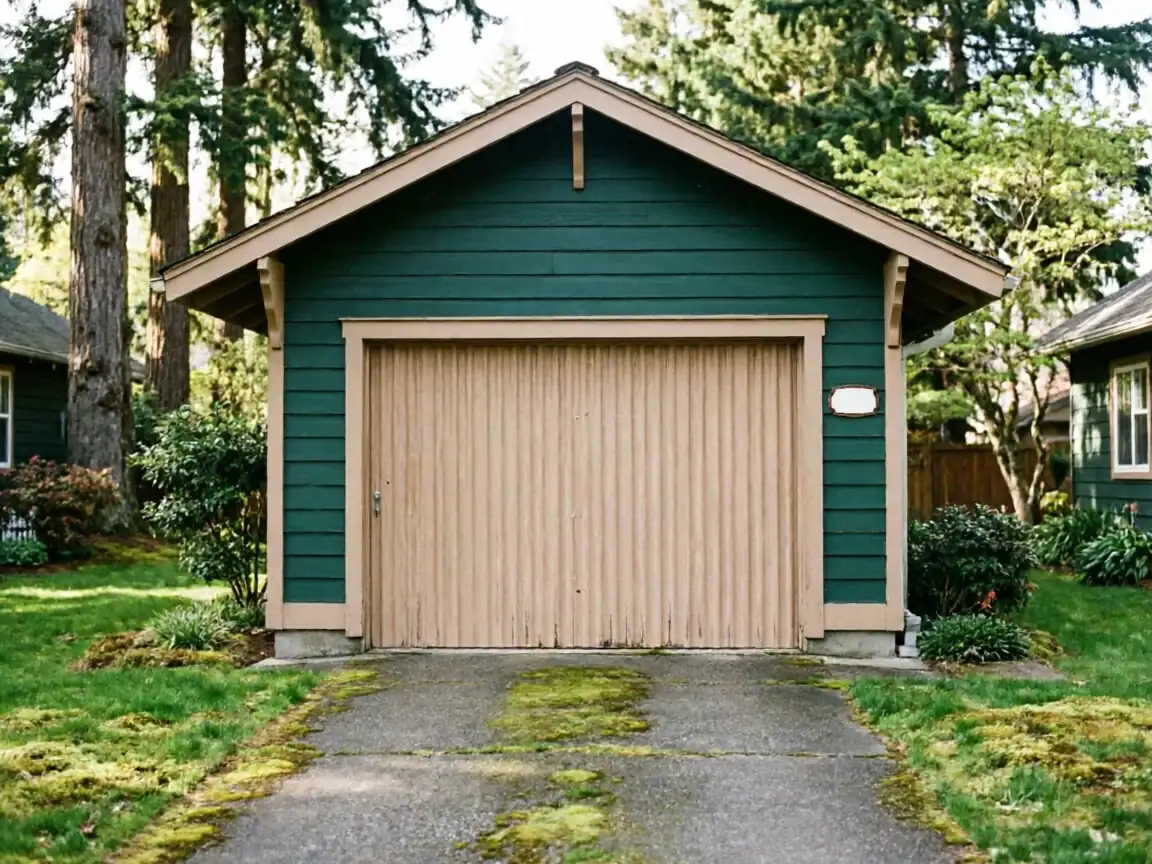
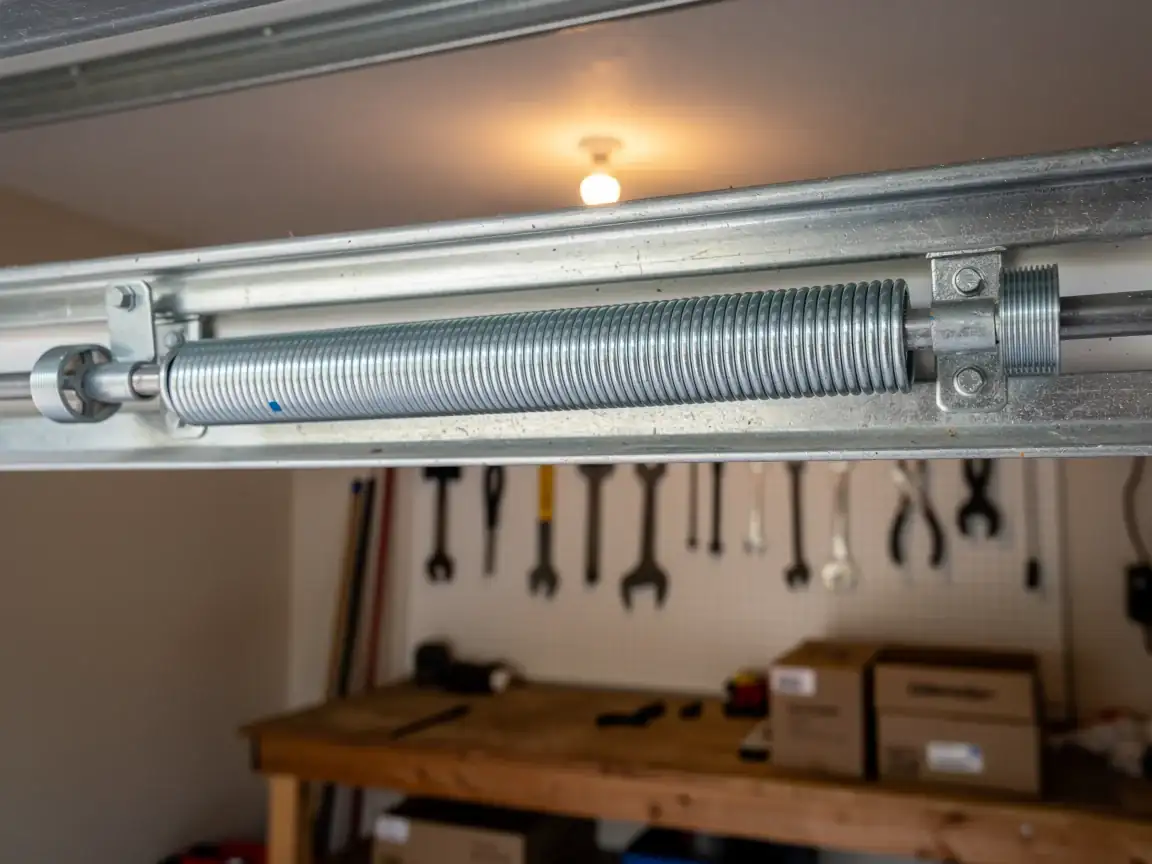
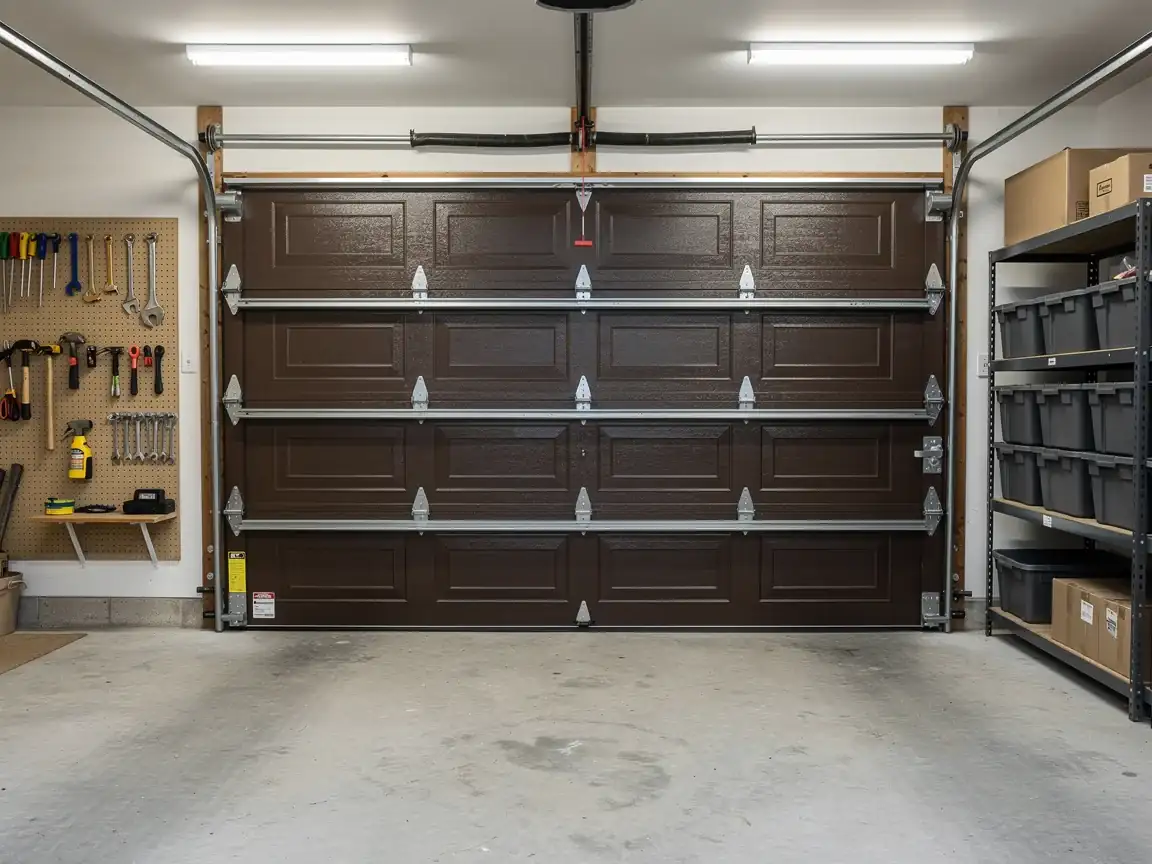
Even within a newer-built area, you get a spread. A house finished in the late 1990s on the older edge of Snoqualmie's build window can still be running an opener and track hardware that predates the more common 2005-and-later installs. The newer builds tend to have wider, taller double doors - garages sized for two full-size vehicles plus storage - on heavier torsion springs rated for that extra weight. Older sections closer to 1972-1985 stock elsewhere in our coverage area use lighter spring setups that just aren't built for a modern insulated door if someone's swapped the door without upgrading the spring.
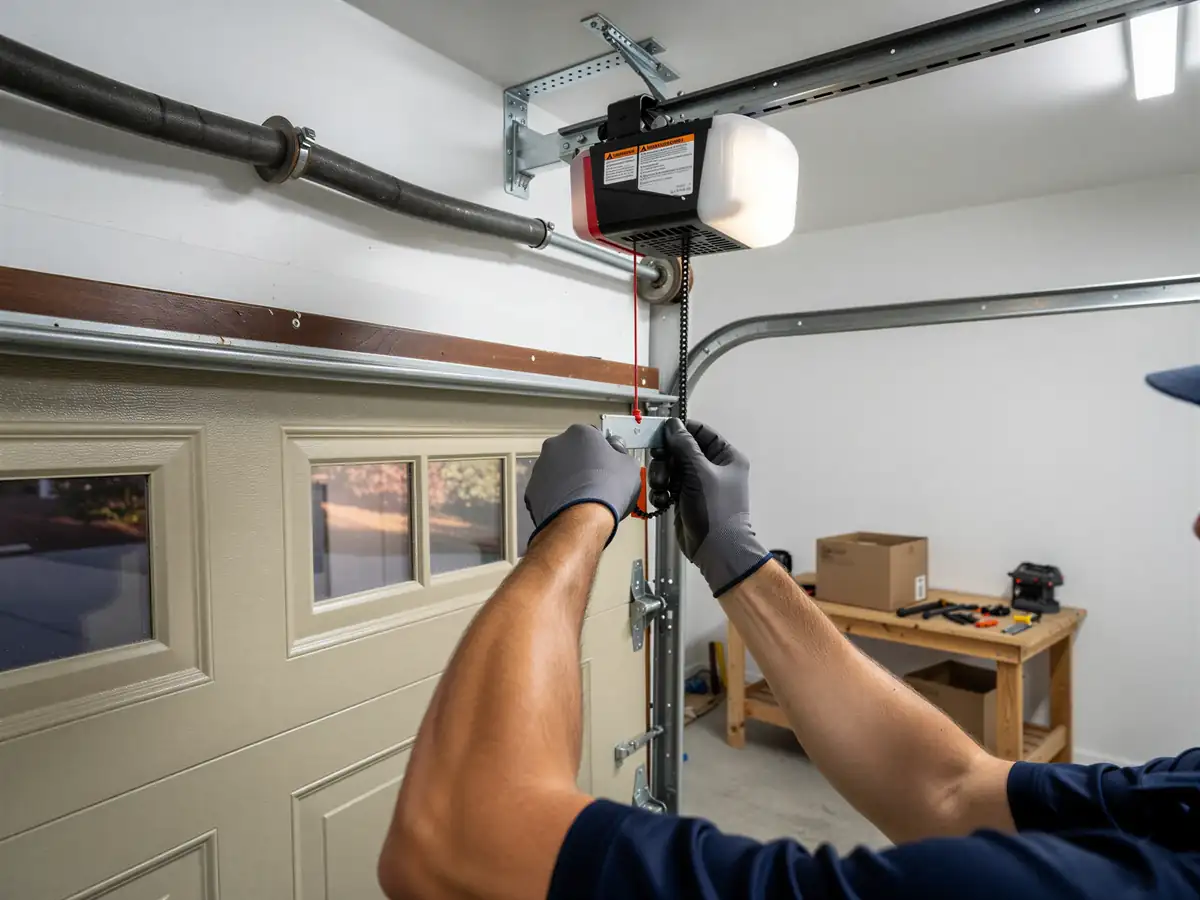
The practical upshot: when we come out to a Snoqualmie address, we're not assuming one standard setup. We check the build era against the door and spring before touching anything, because a homeowner who had a door replaced at some point but kept the original hardware is a common mismatch we run into.
What the Housing Means for Your Door
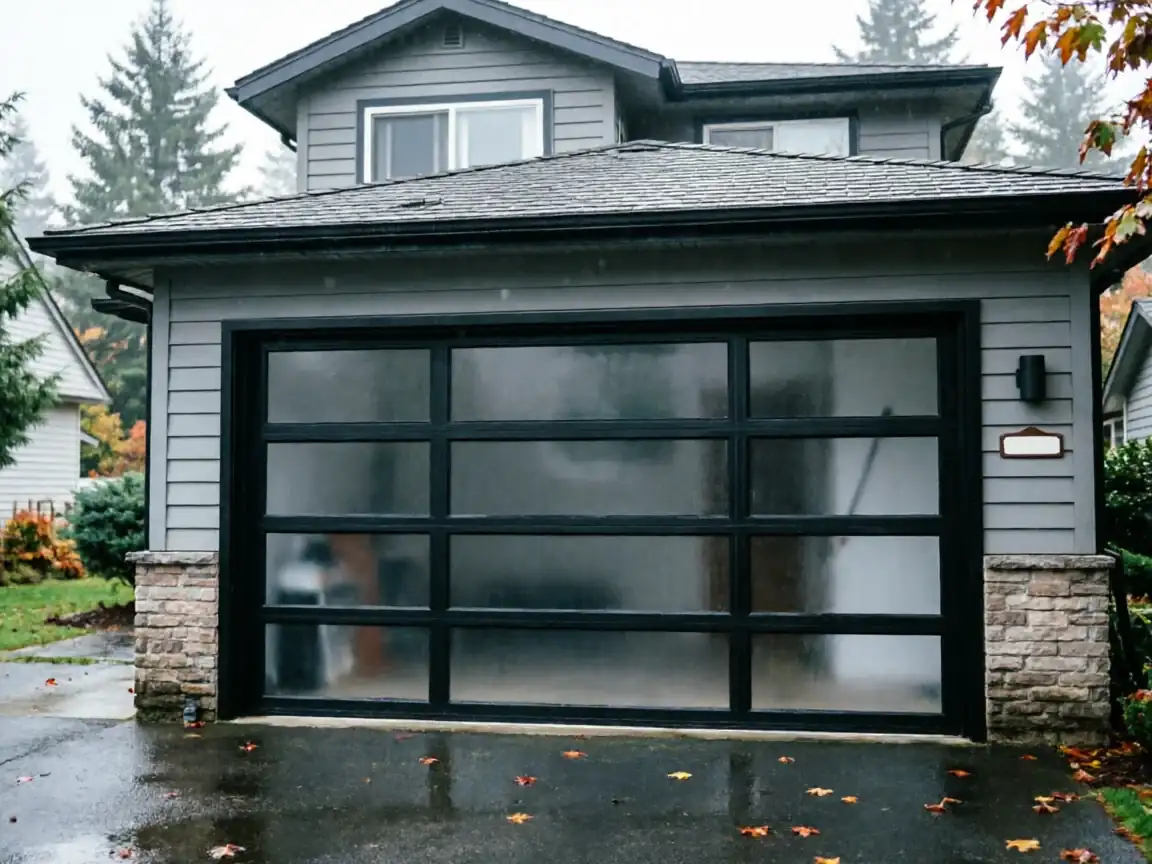
Cold, moderate winters mean condensation and seasonal temperature swings matter here, even on newer doors. A 2005-era insulated steel door holds up better against that than an uninsulated older panel, but the weatherstripping and bottom seal still wear out - usually faster than people expect, since they take the brunt of moisture and freeze-thaw cycling. On a newer door, the first signs of trouble are often opener-side: a gear set that's worn from years of smooth running suddenly grinding, or a safety sensor that's drifted out of alignment.
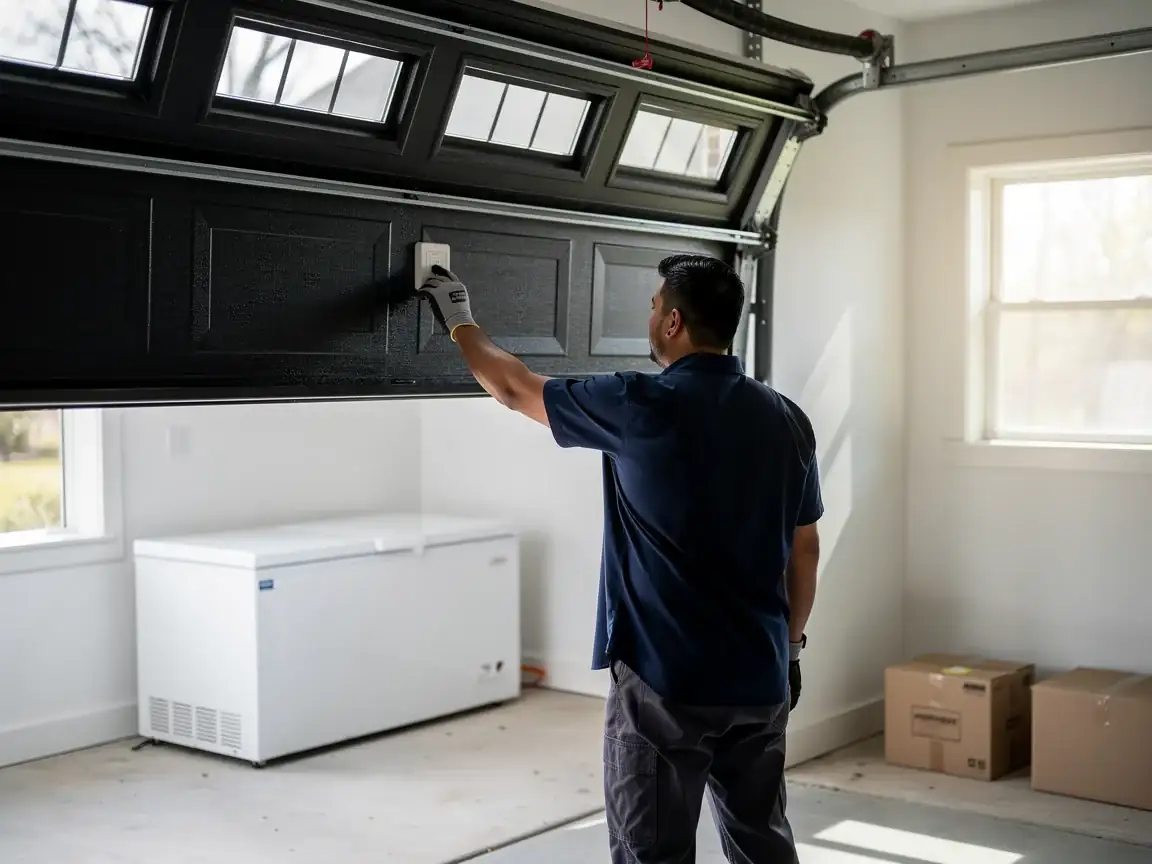
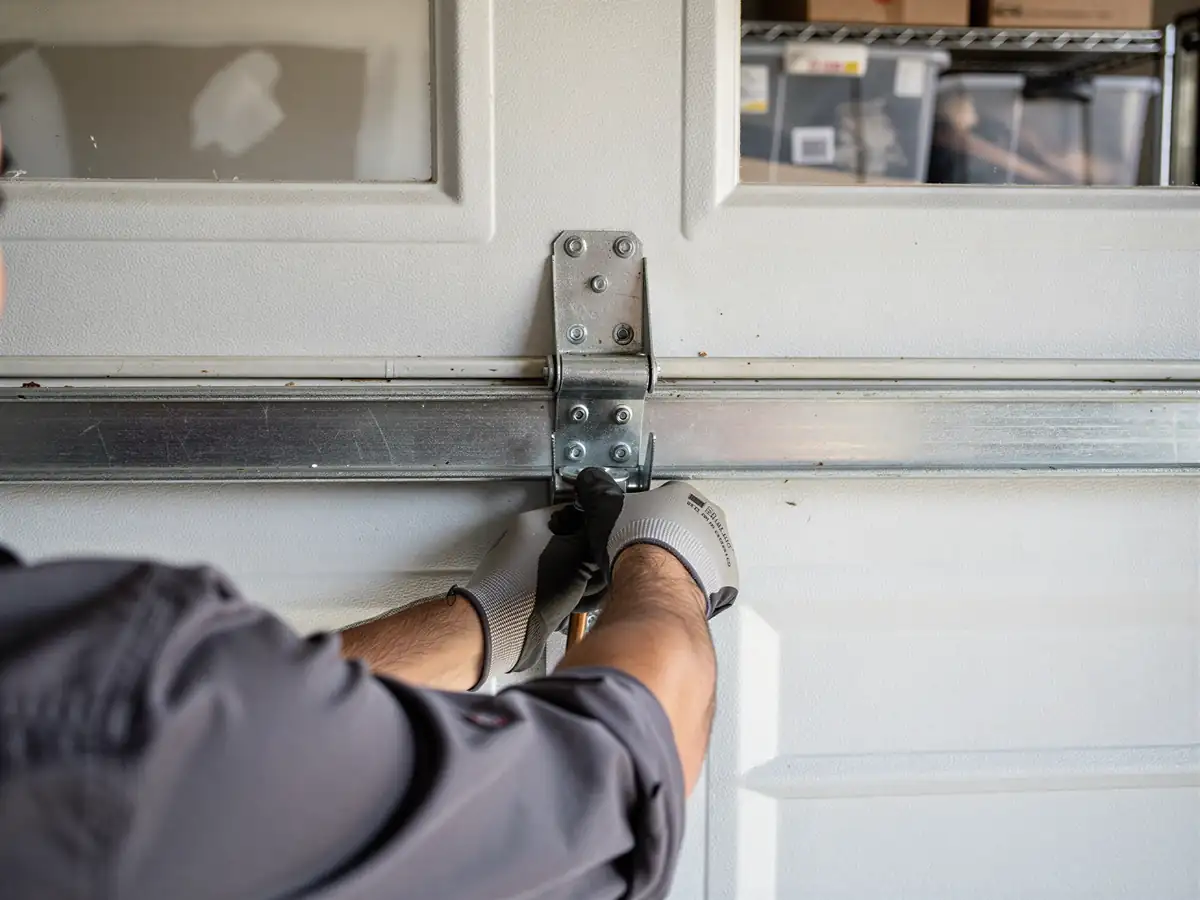
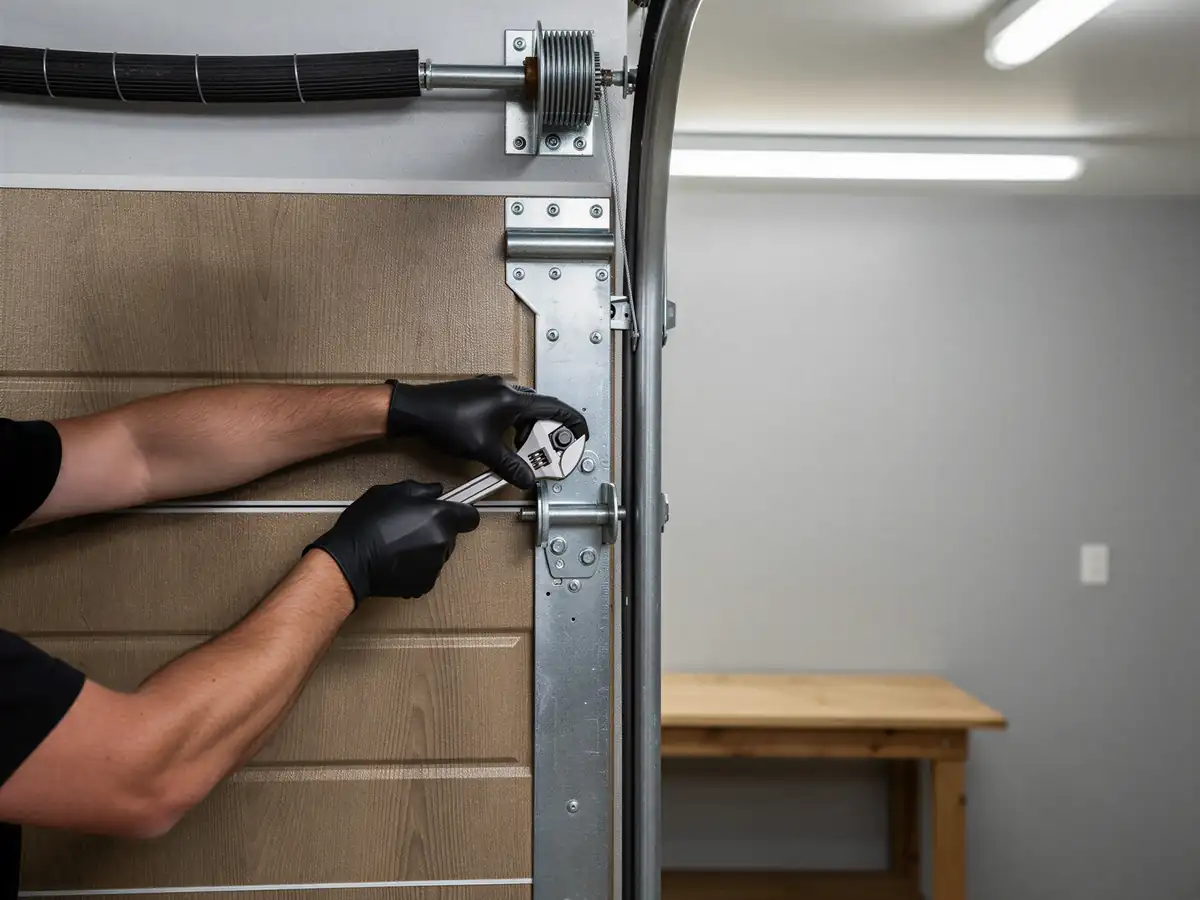
One honest limitation: if a part is proprietary to a specific opener brand common in newer builds, lead time on that exact part can run longer than a universal spring or cable. We'll tell you that up front rather than quote a date we can't hit. For most Snoqualmie jobs, though, the work is straightforward - opener service, spring replacement sized to a heavier modern door, or seal replacement - not a full teardown of old, mismatched hardware.