How It Shows Up
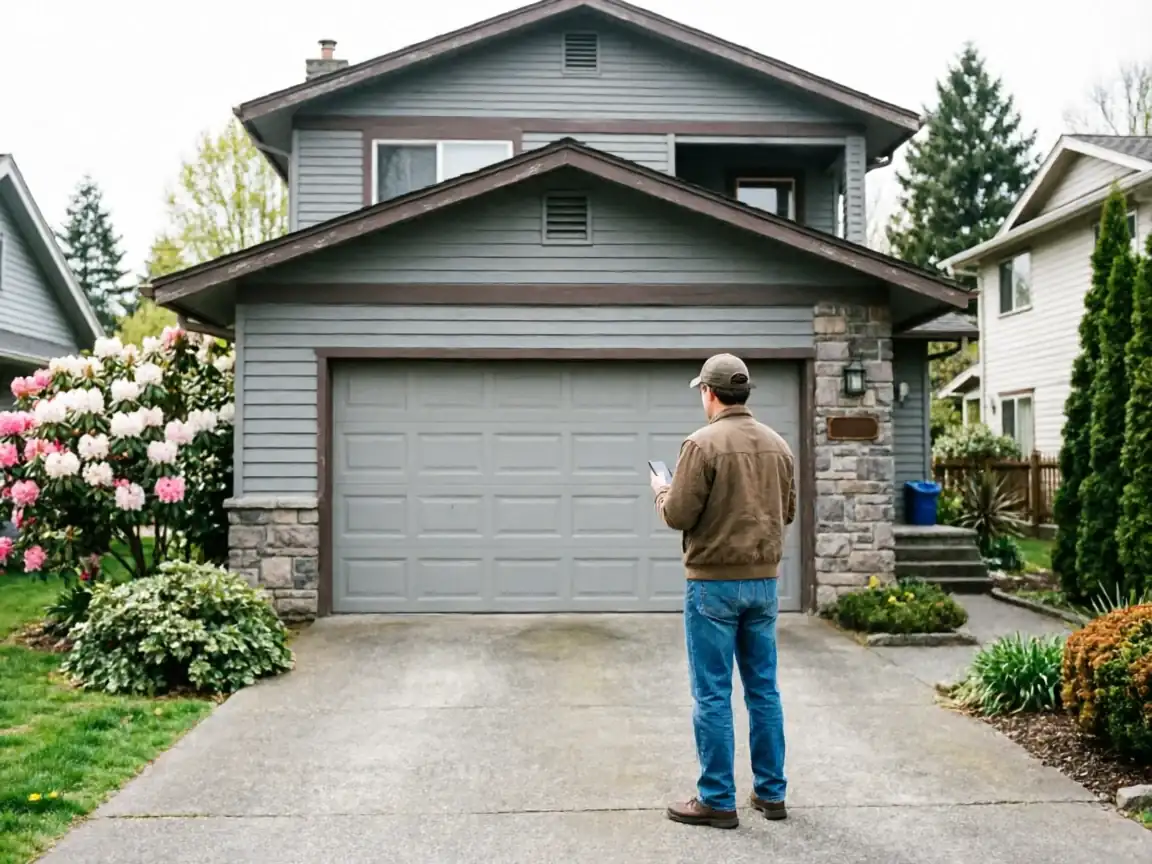
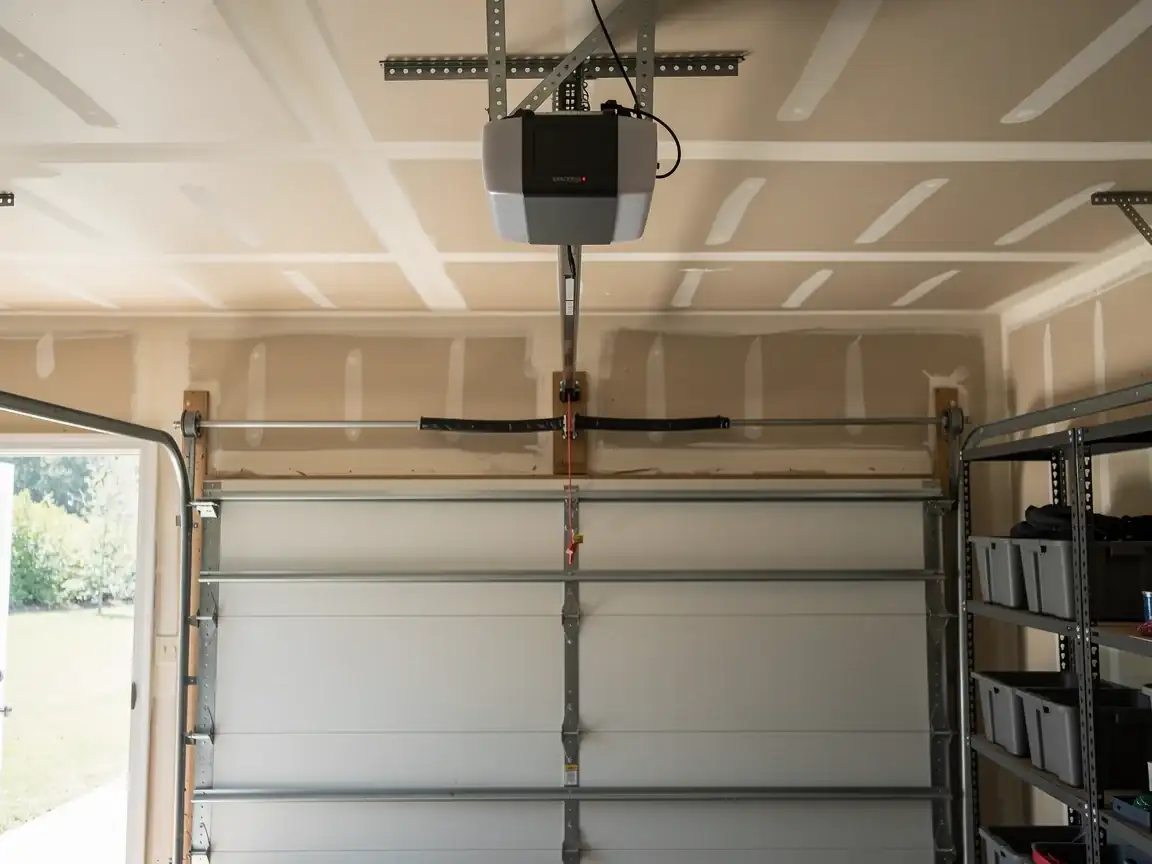
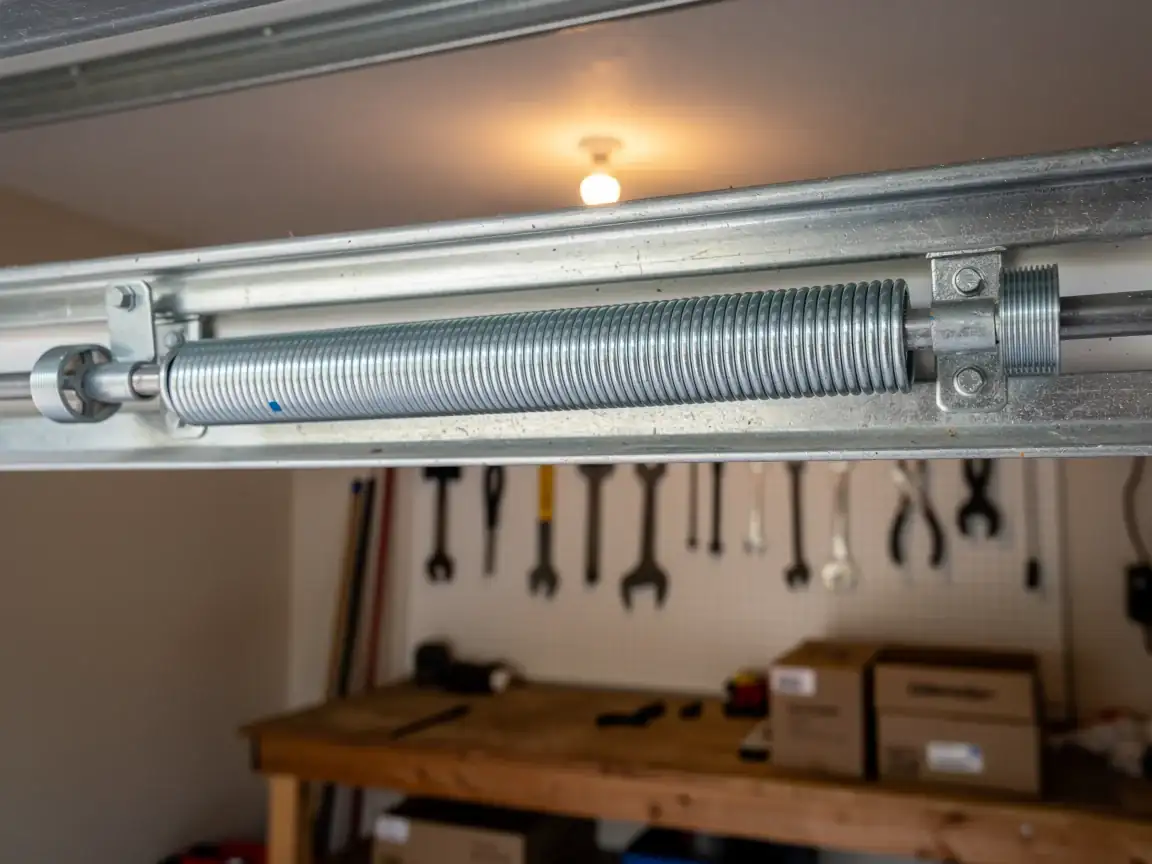
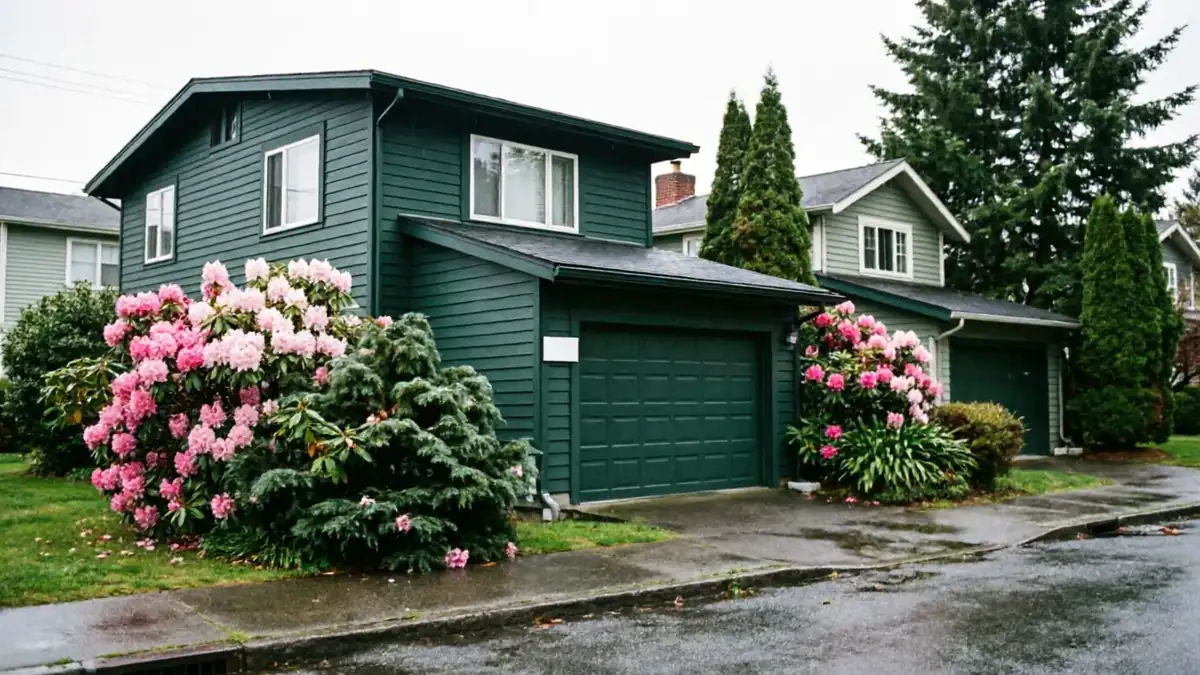
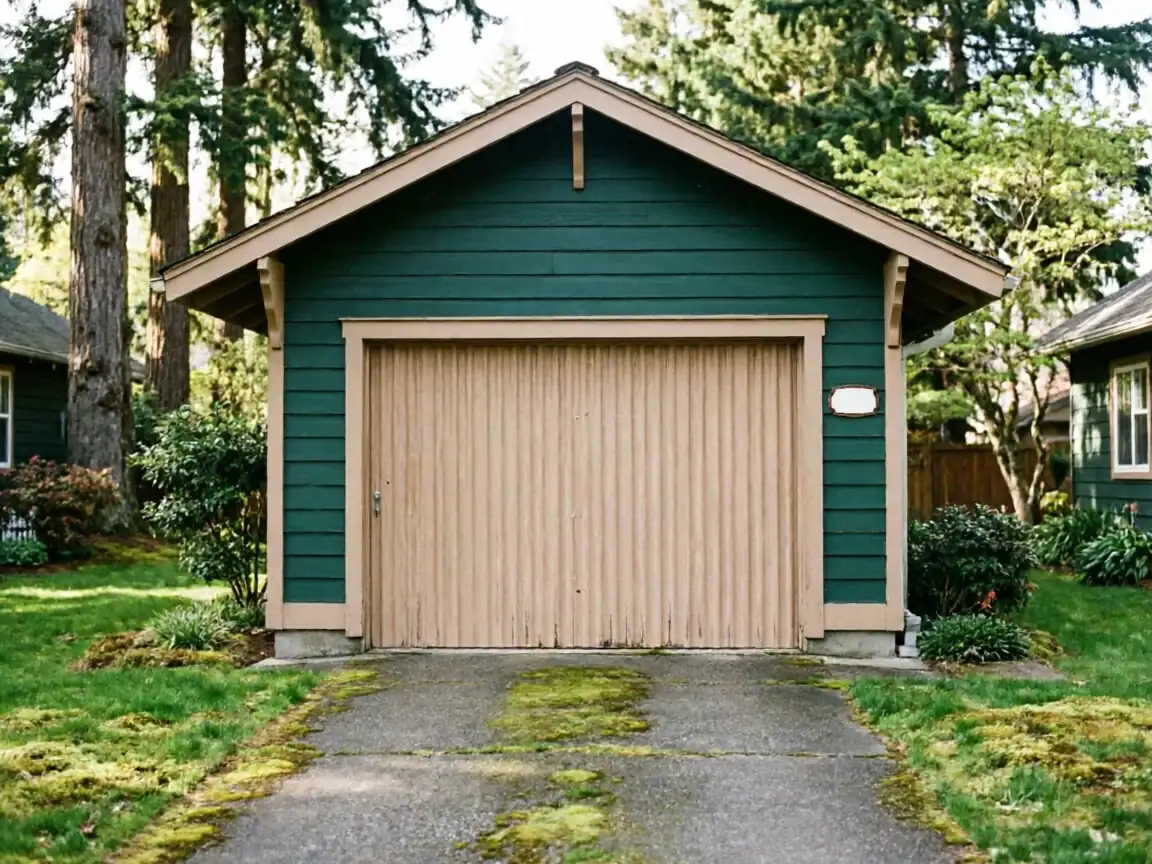
Start with the number that actually shapes this call: median household income in Snoqualmie sits at $197,531, well above the $140,572 average across the rest of the territory we cover from Woodinville. That matters because it changes the math on repair versus replace. A homeowner at that income level isn't stretching to cover a $300 tune-up, but it also means the door on the house is more likely original equipment from a newer build rather than something patched together over thirty years. Most Snoqualmie homes went up around 2005, two decades newer than the 1985 median typical of the rest of our service area. So the failure pattern here looks different: it's not a 1980s torsion spring that's been swapped twice already, it's the first spring on a door that's finally logging enough cycles to show wear. You'll notice it as a slight hesitation at the top of the travel, a opener that strains before it used to coast, or a spring coil that's started to gap unevenly. On a newer door, that's not neglect, it's just the hardware reaching the point where lubrication and a cable inspection start to matter.
What Causes It Around Here
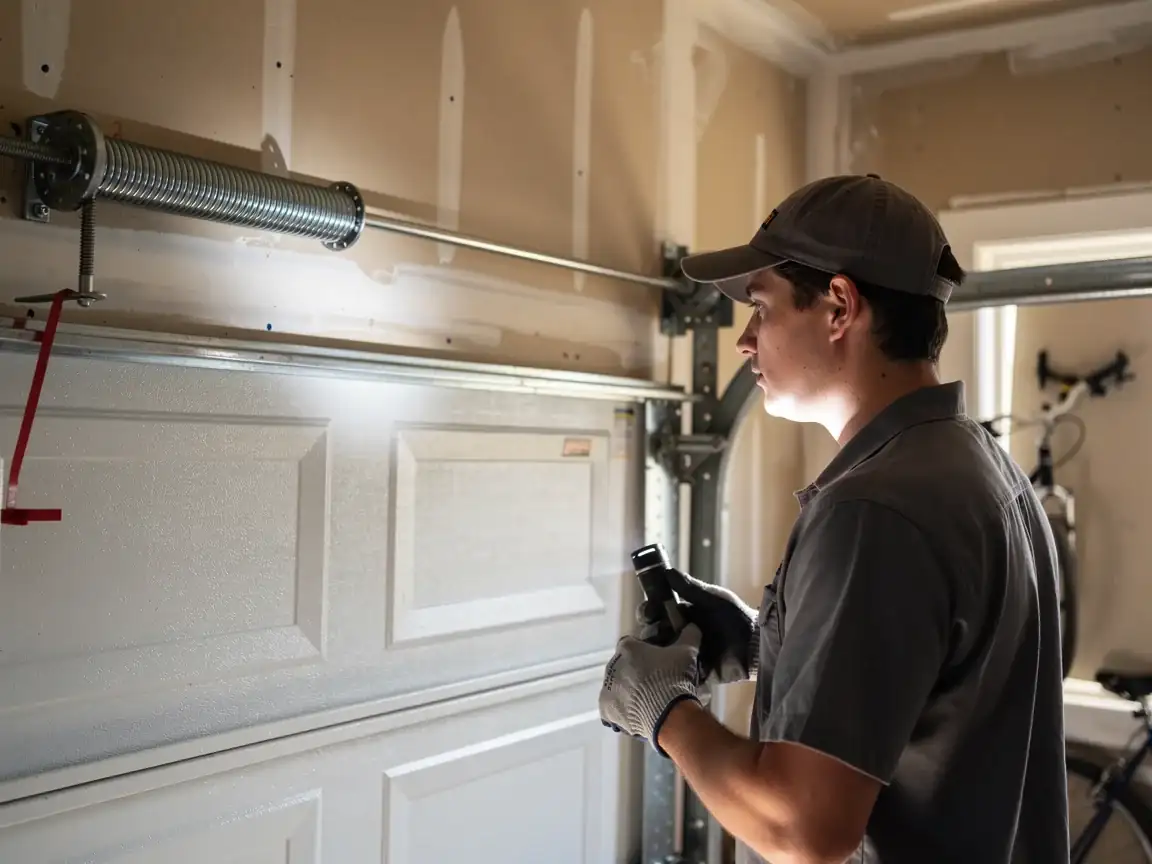
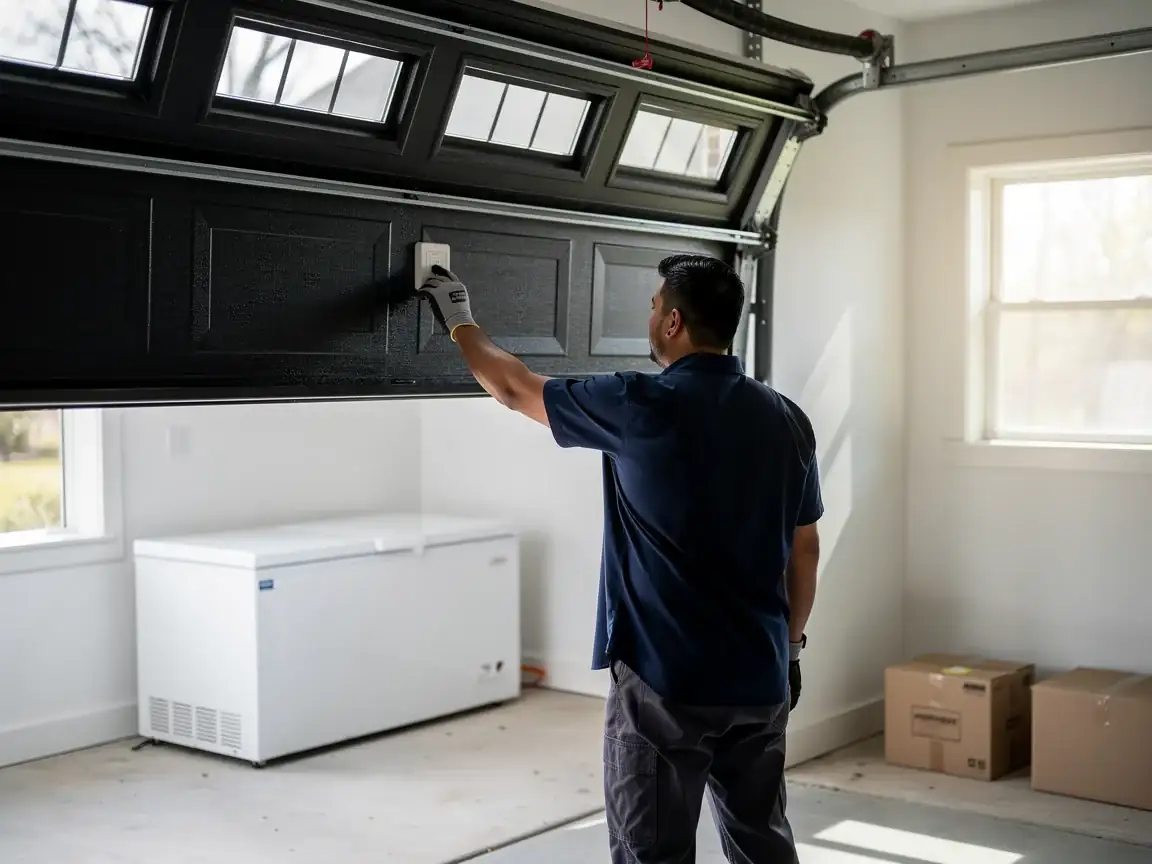
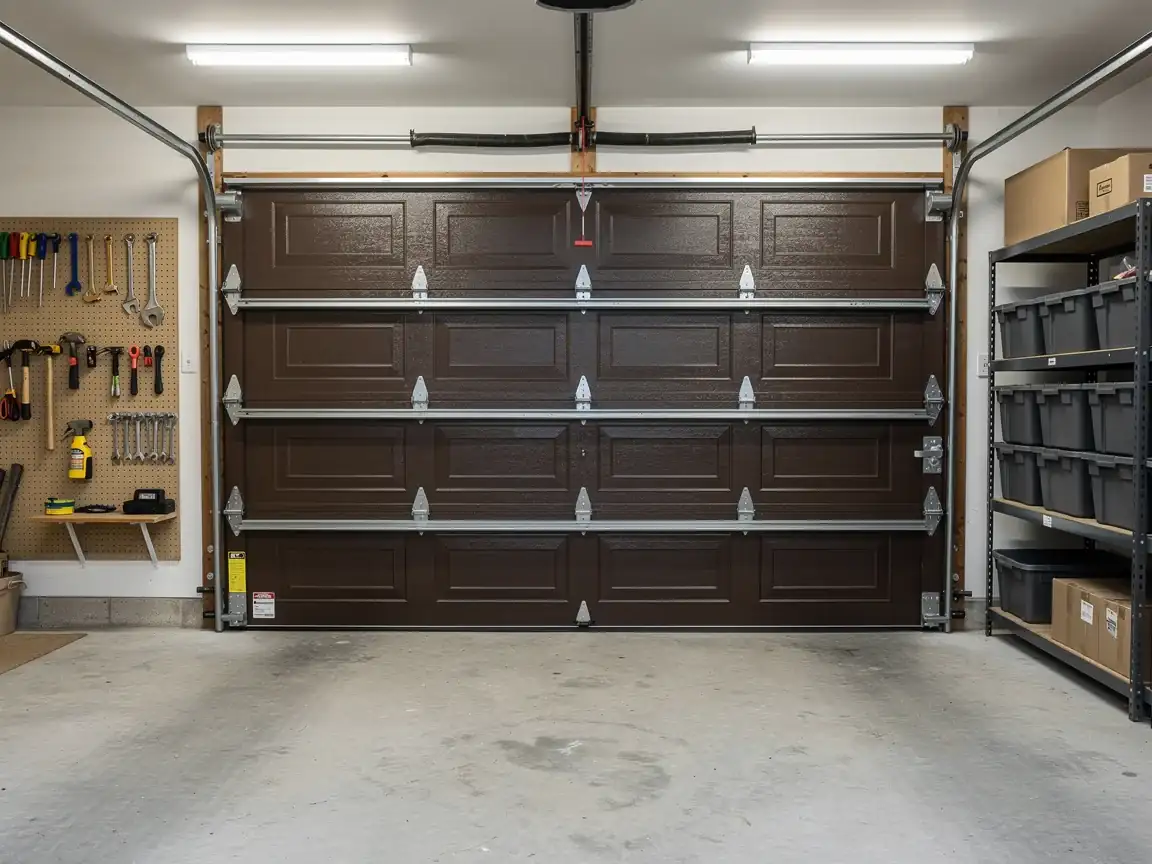
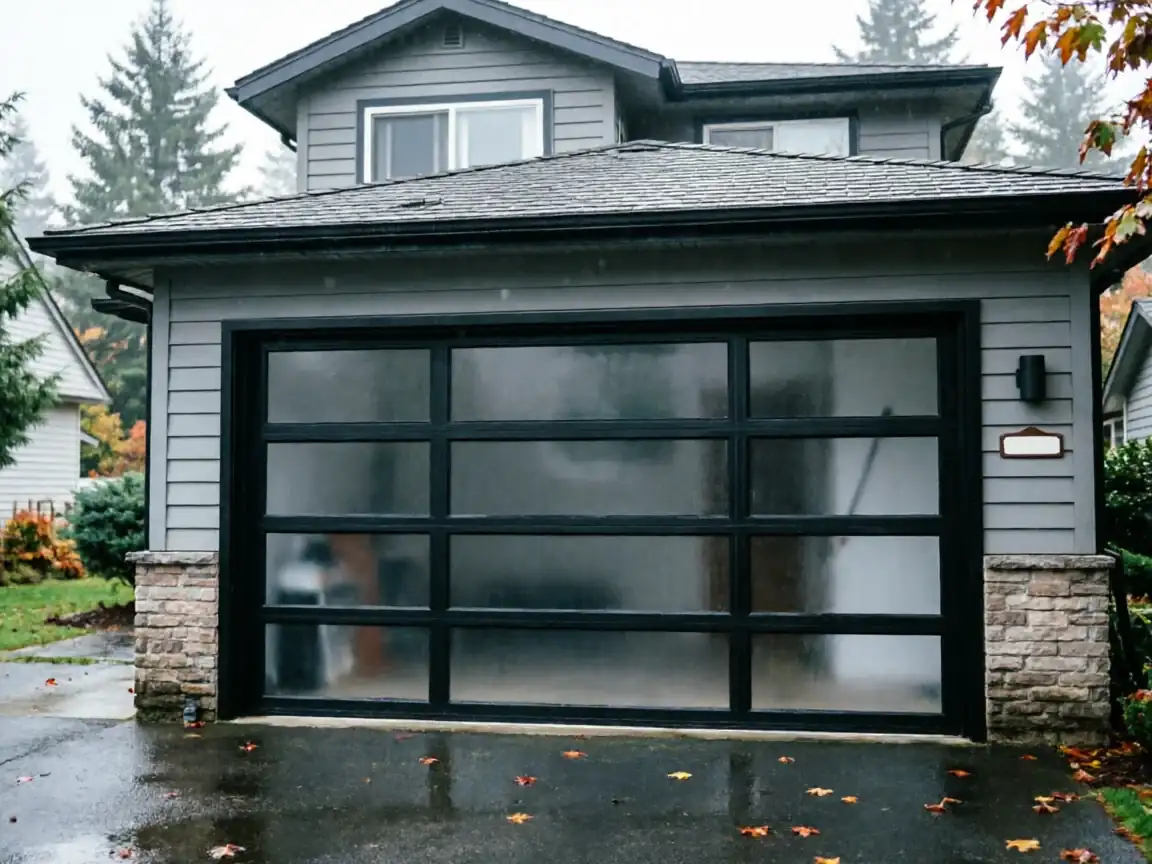
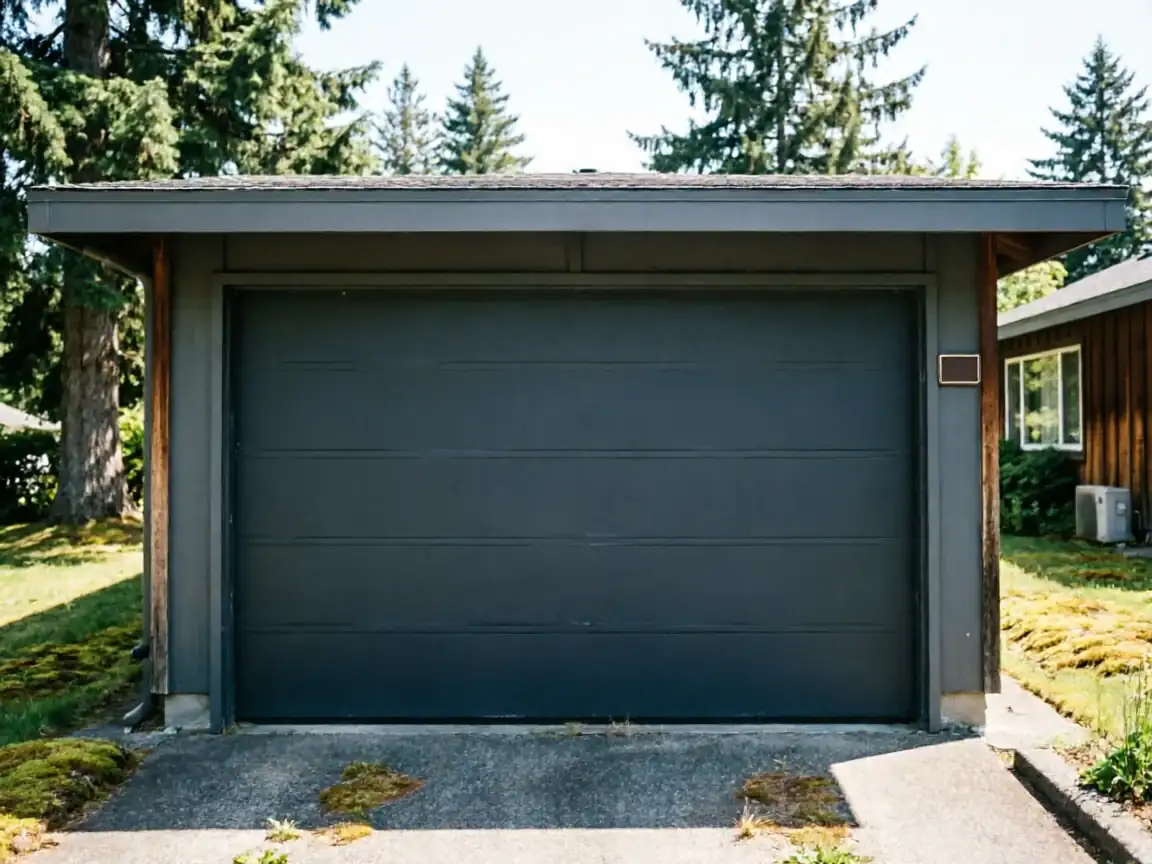
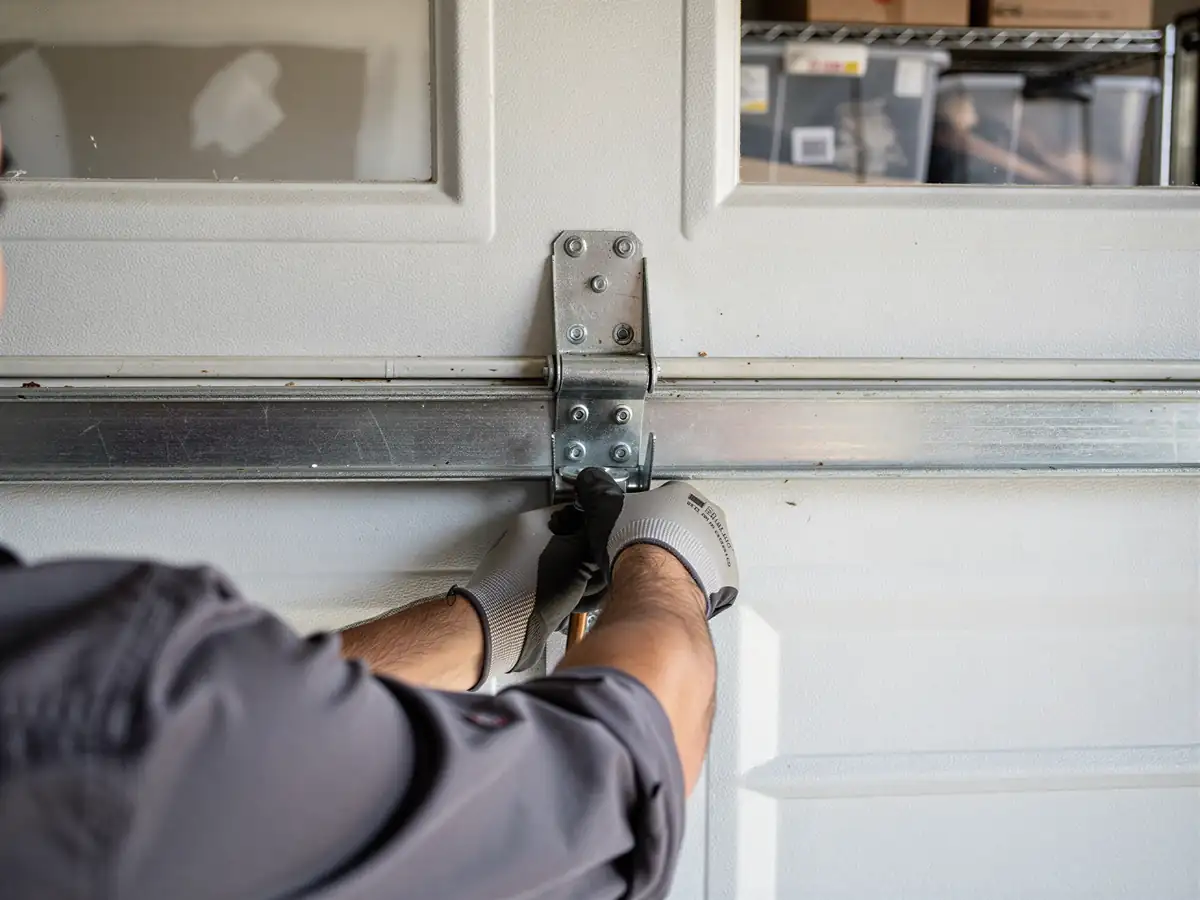
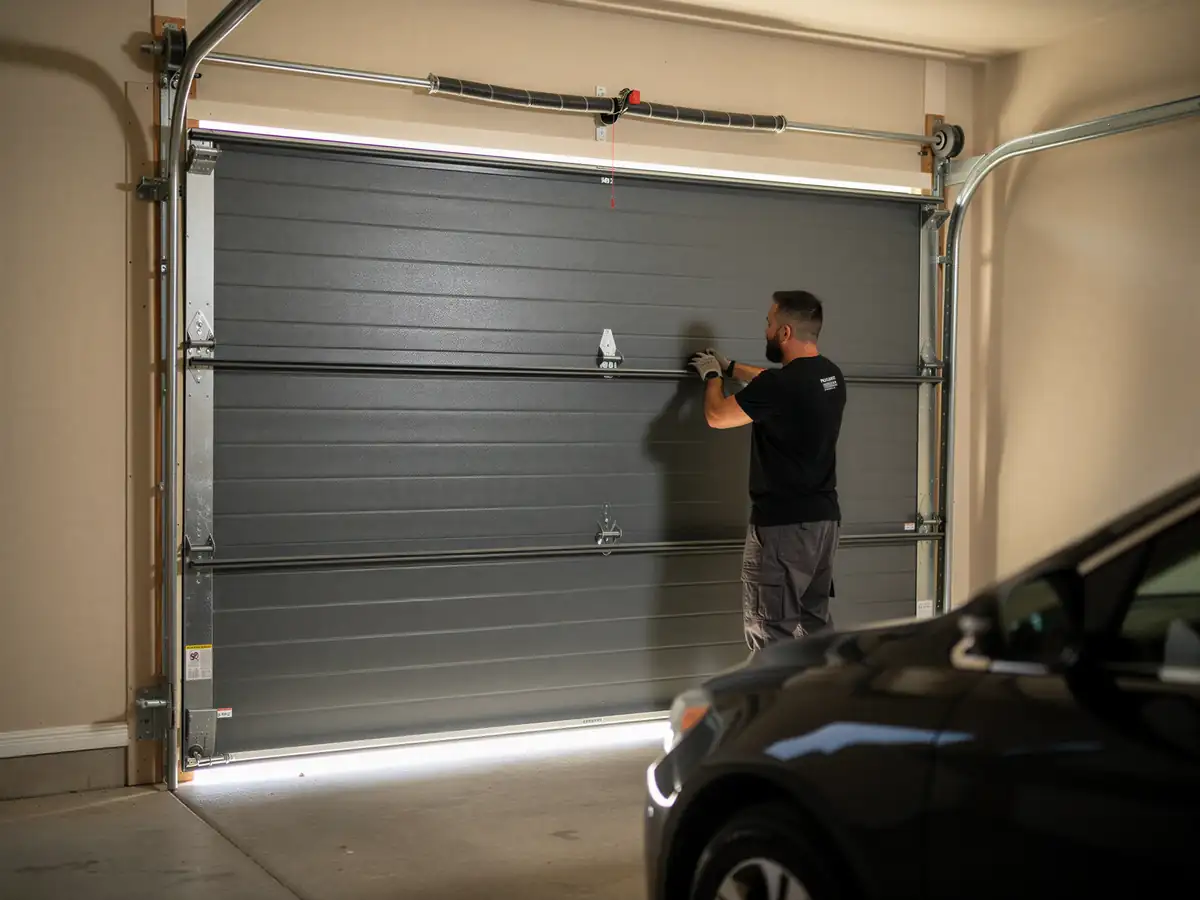
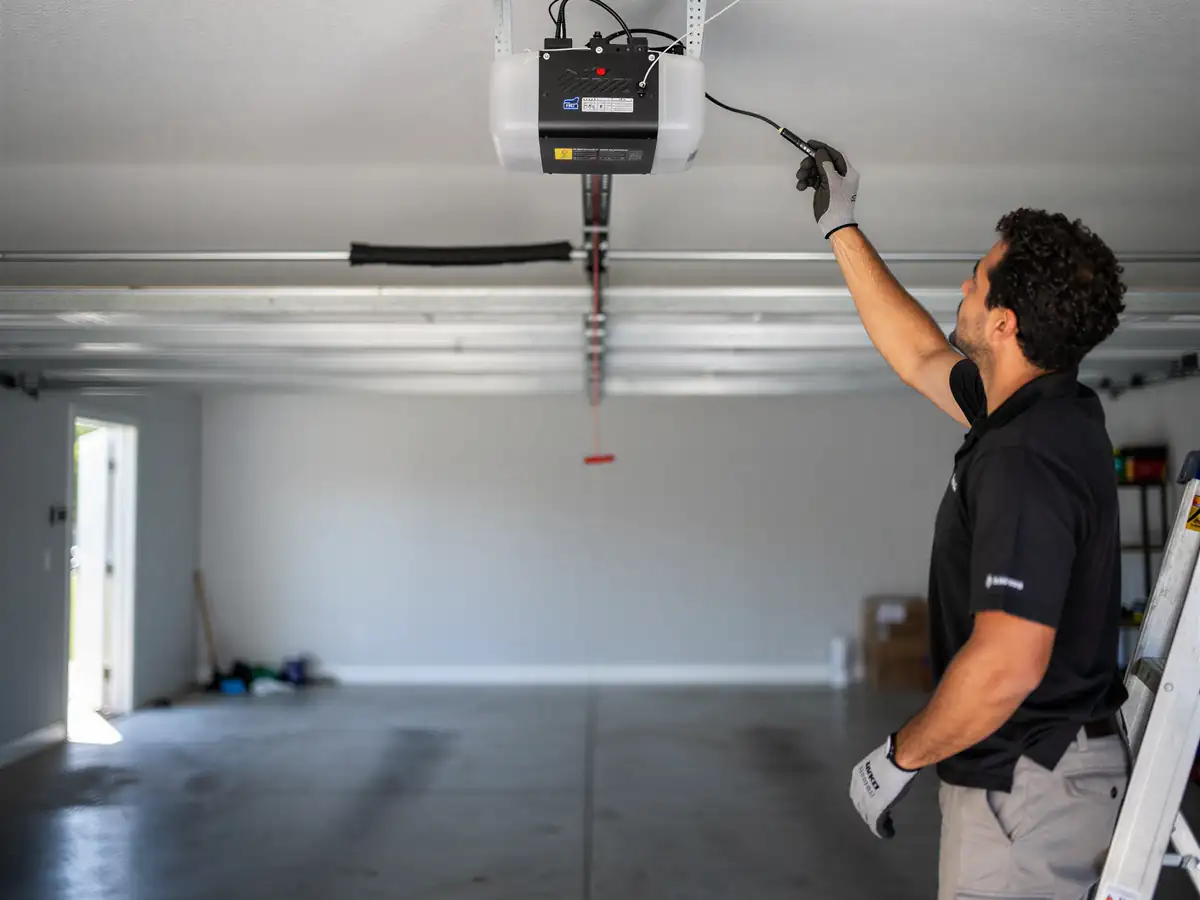
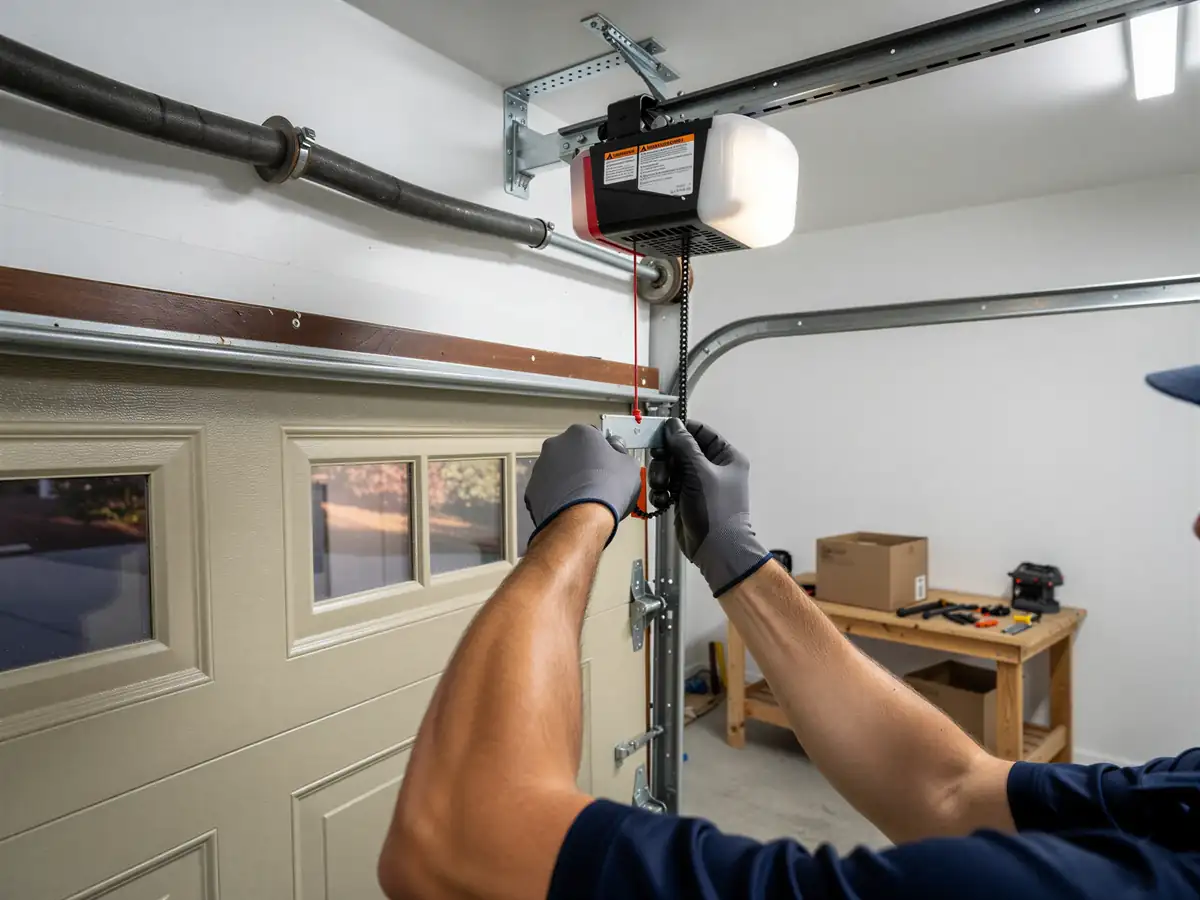
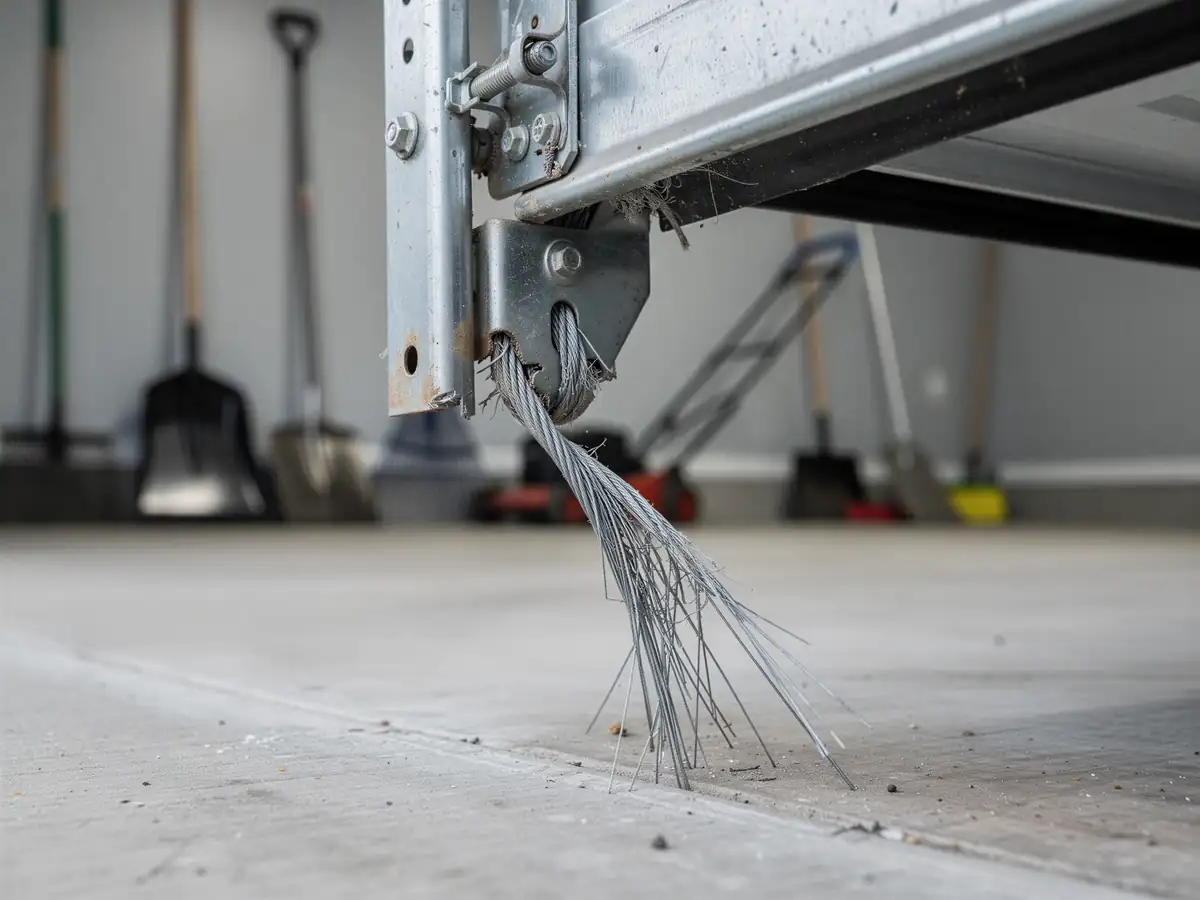
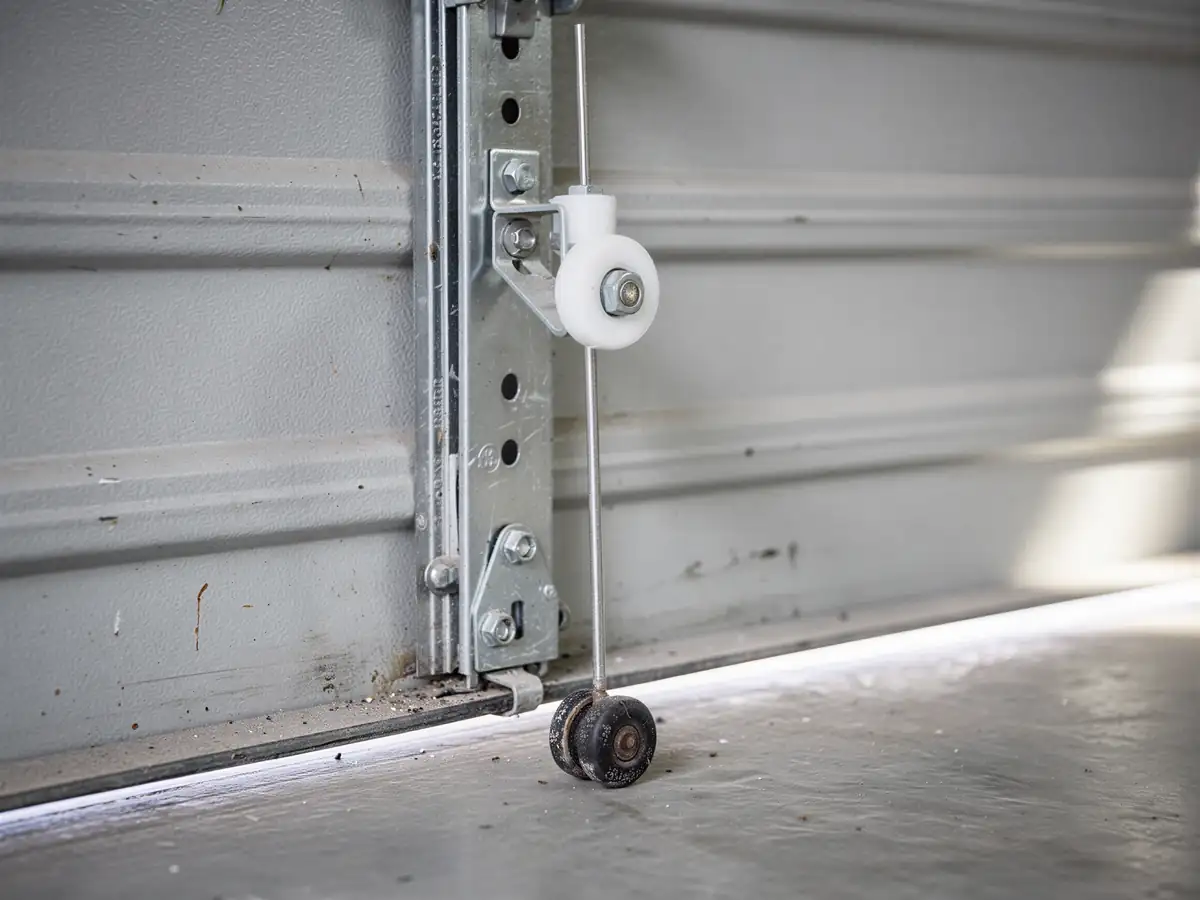
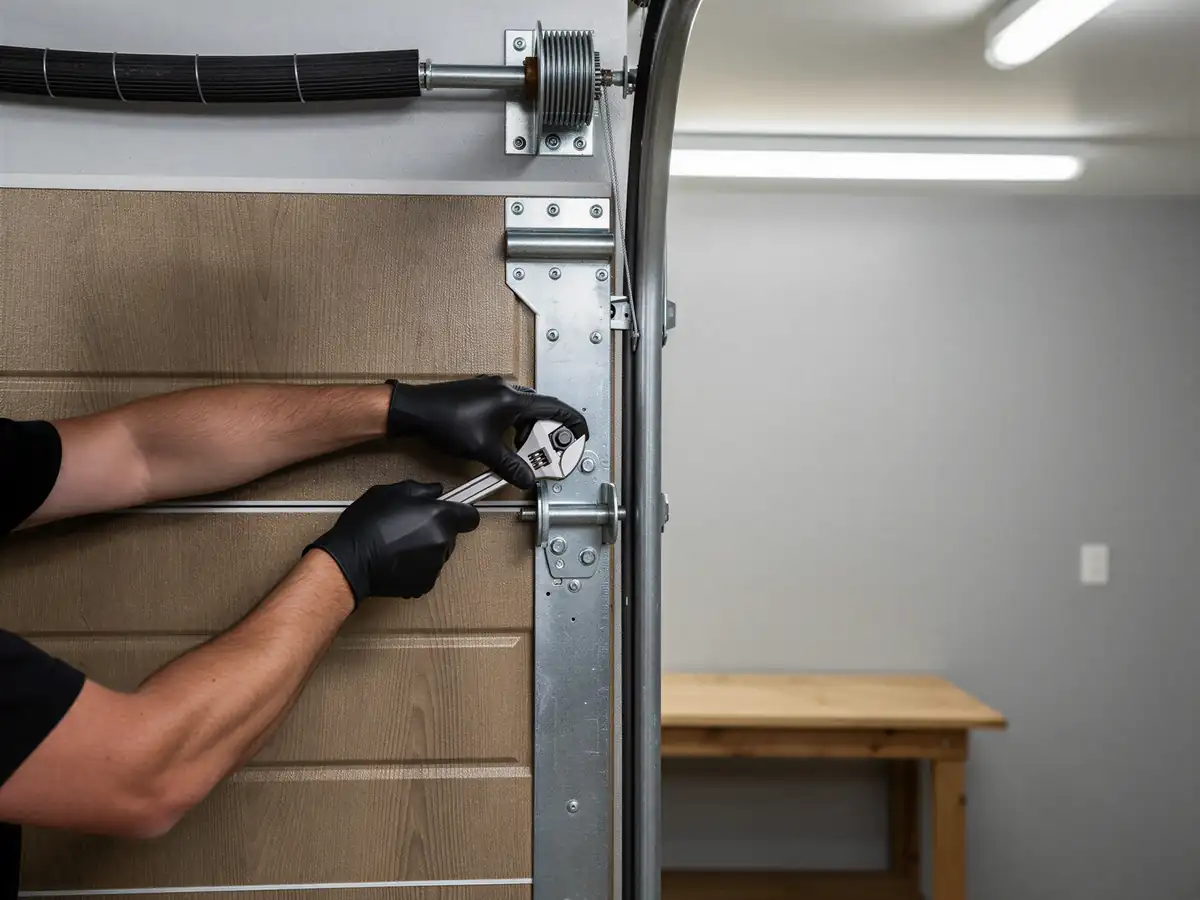
The region sits in a cold-moderate climate band, which means springs and cables go through the same freeze-thaw cycling as anywhere in this part of the state - just acting on newer steel. A door built in 2005 was likely installed with galvanized torsion springs rated for a standard cycle count, and twenty years of damp winters is enough to start fatiguing that coating even without visible rust yet. We also see more double-car doors on these builds than on the older single-bay garages common in the 1985-era housing stock elsewhere in our territory, and a wider door puts more load on a single torsion spring or asks more of a dual-spring setup that's never been rebalanced. Add in openers that are now old enough to need a logic board or belt replaced rather than just resprayed with lubricant, and the maintenance list on a Snoqualmie house tends to read: check spring tension, check cable fray near the bottom bracket, check opener force settings that may have drifted after fifteen-plus years of use.
Where This Job Goes Sideways
The mistake we see on newer doors like these is assuming