How It Shows Up
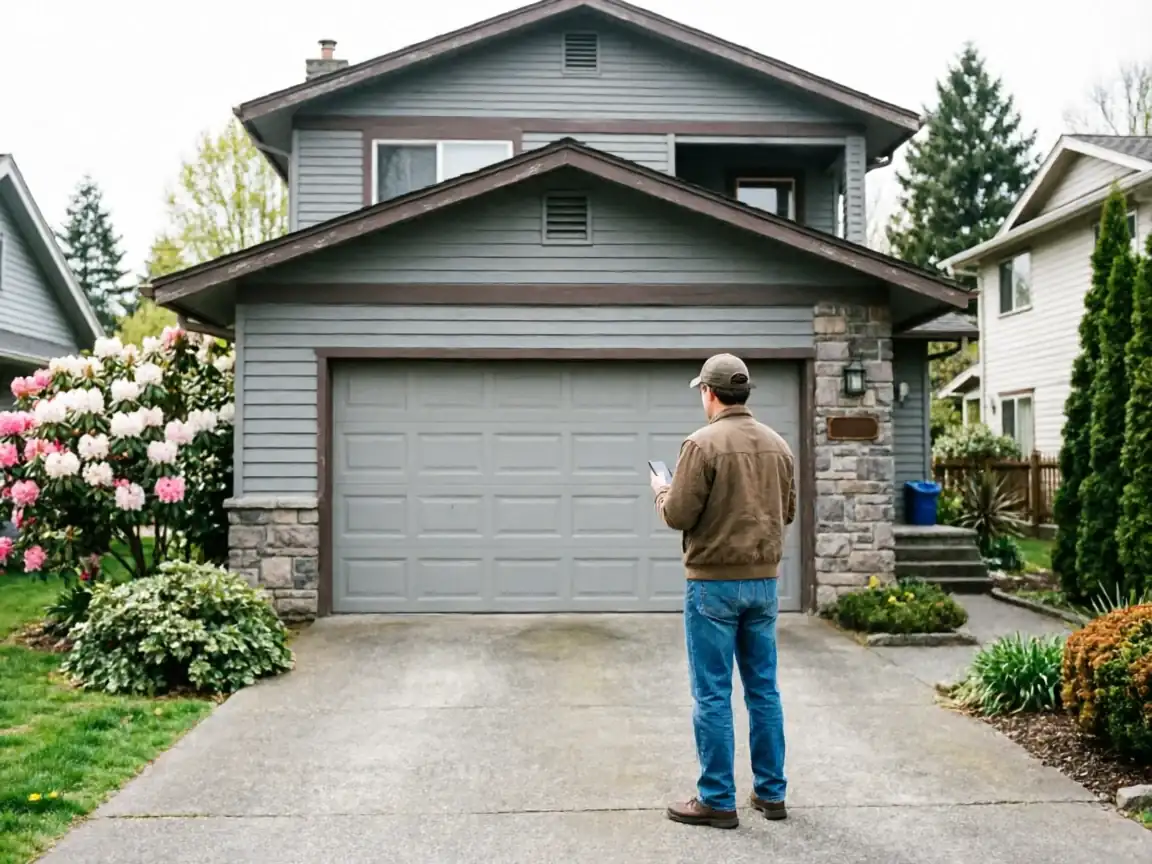
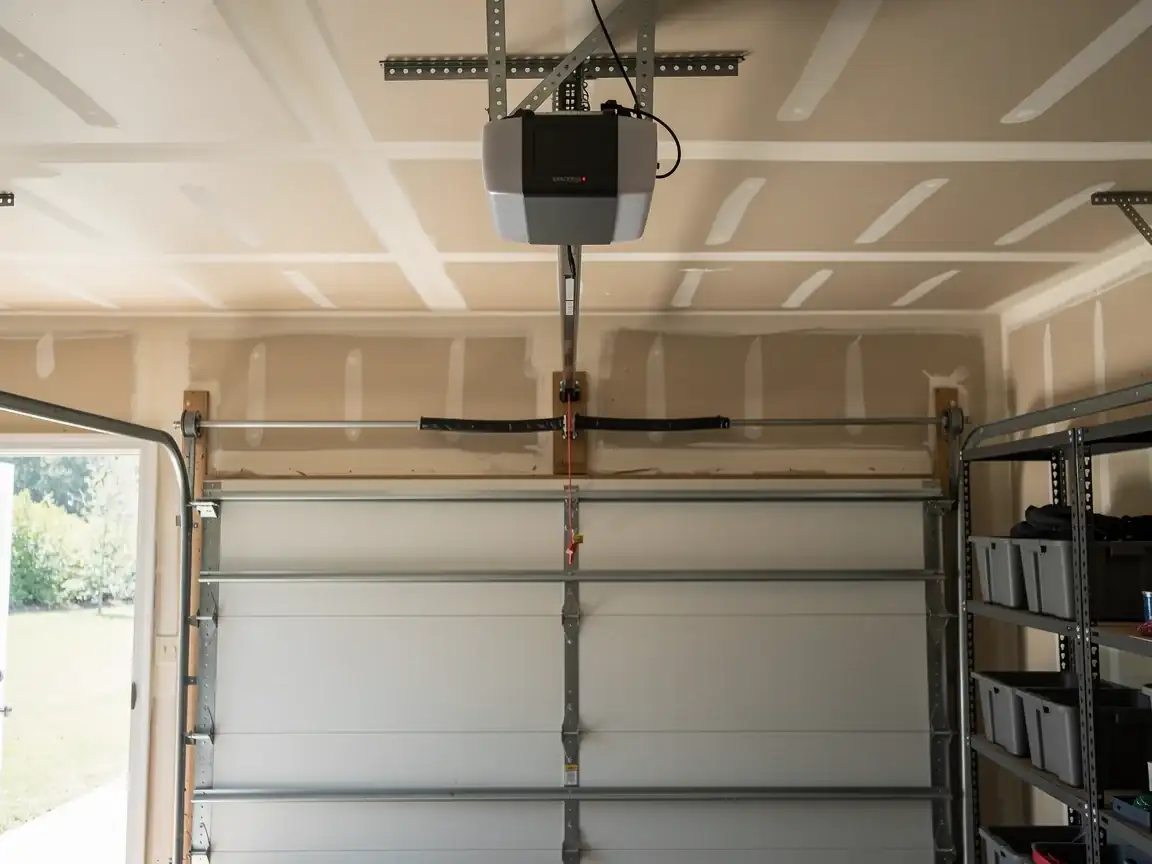
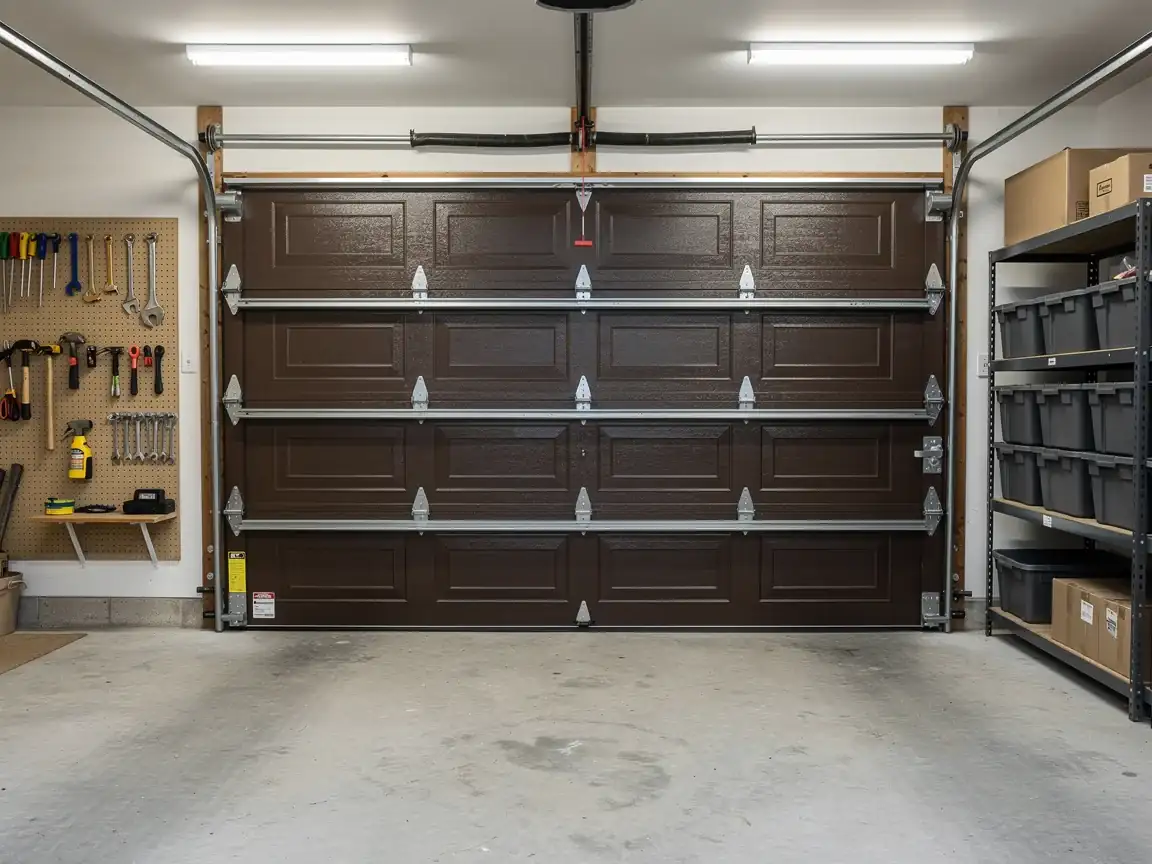
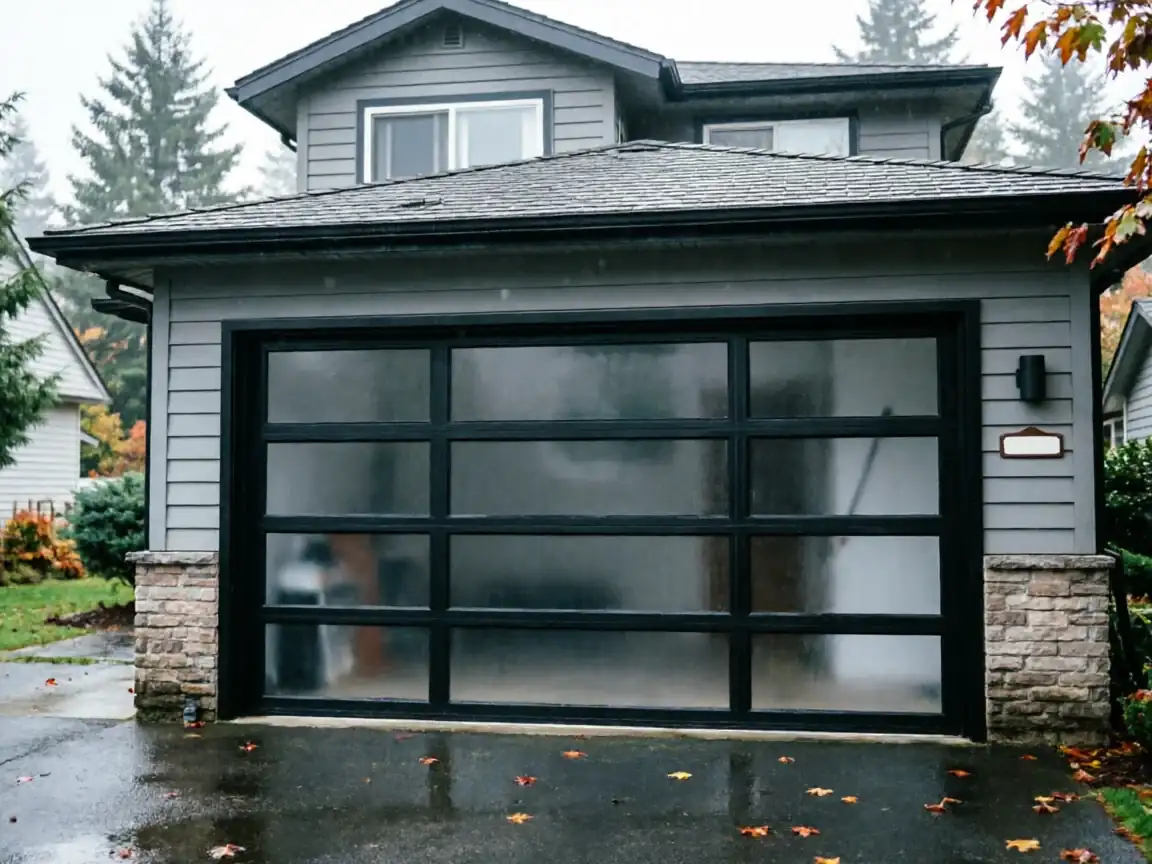
Most garages in Snoqualmie sit behind steel sectional doors built for houses with a median construction year around 2005 - a good two decades newer than the 1985 median across the rest of the territory we run out of Woodinville. That matters for what breaks. These are factory-insulated panels on wider double-car and three-car openings, already paired with torsion springs rated for the heavier door weight and openers that shipped with photo-eye sensors and rolling-code remotes built in, not retrofitted later.
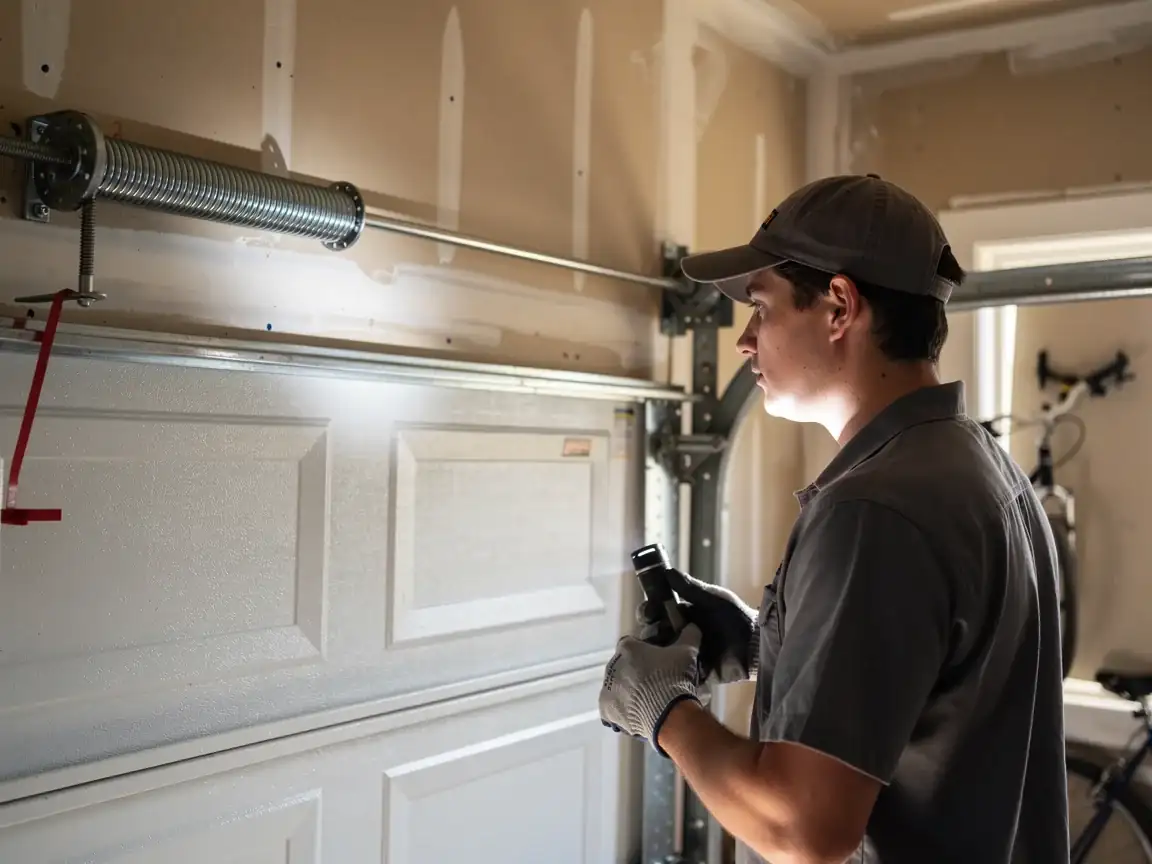
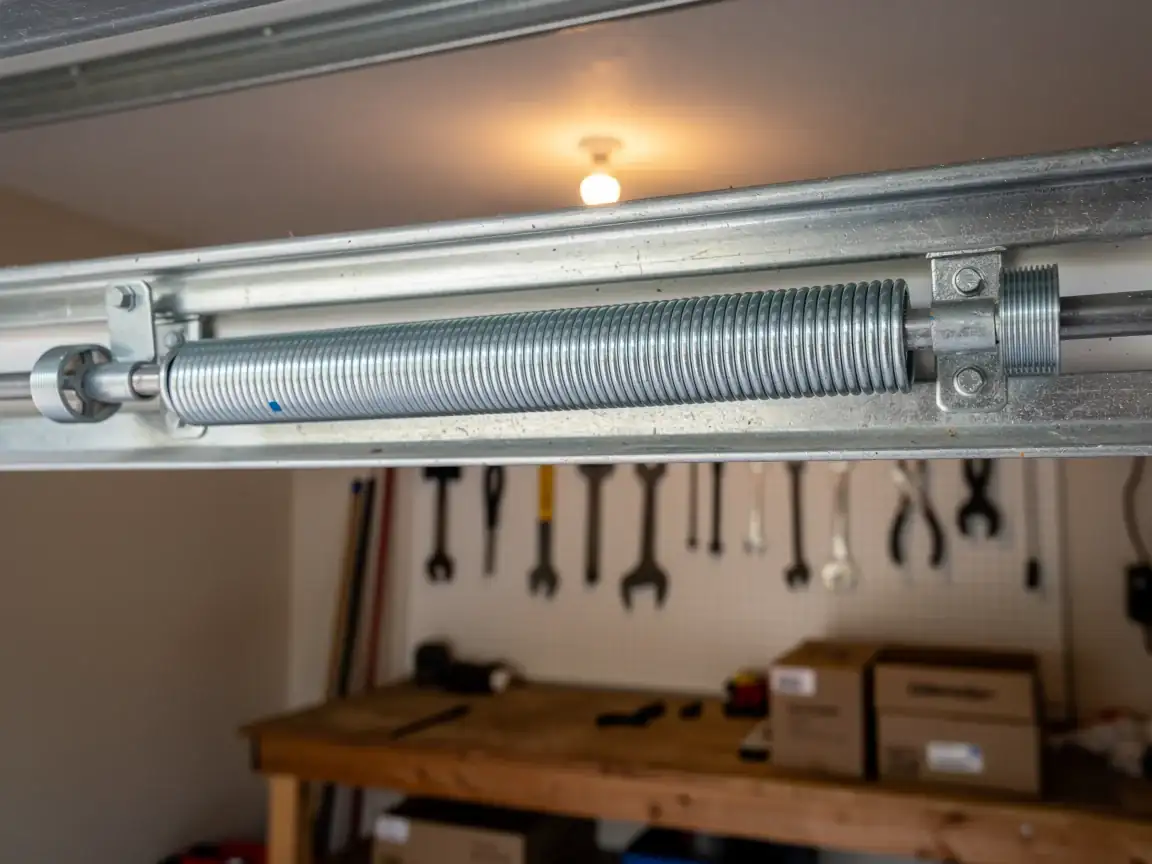
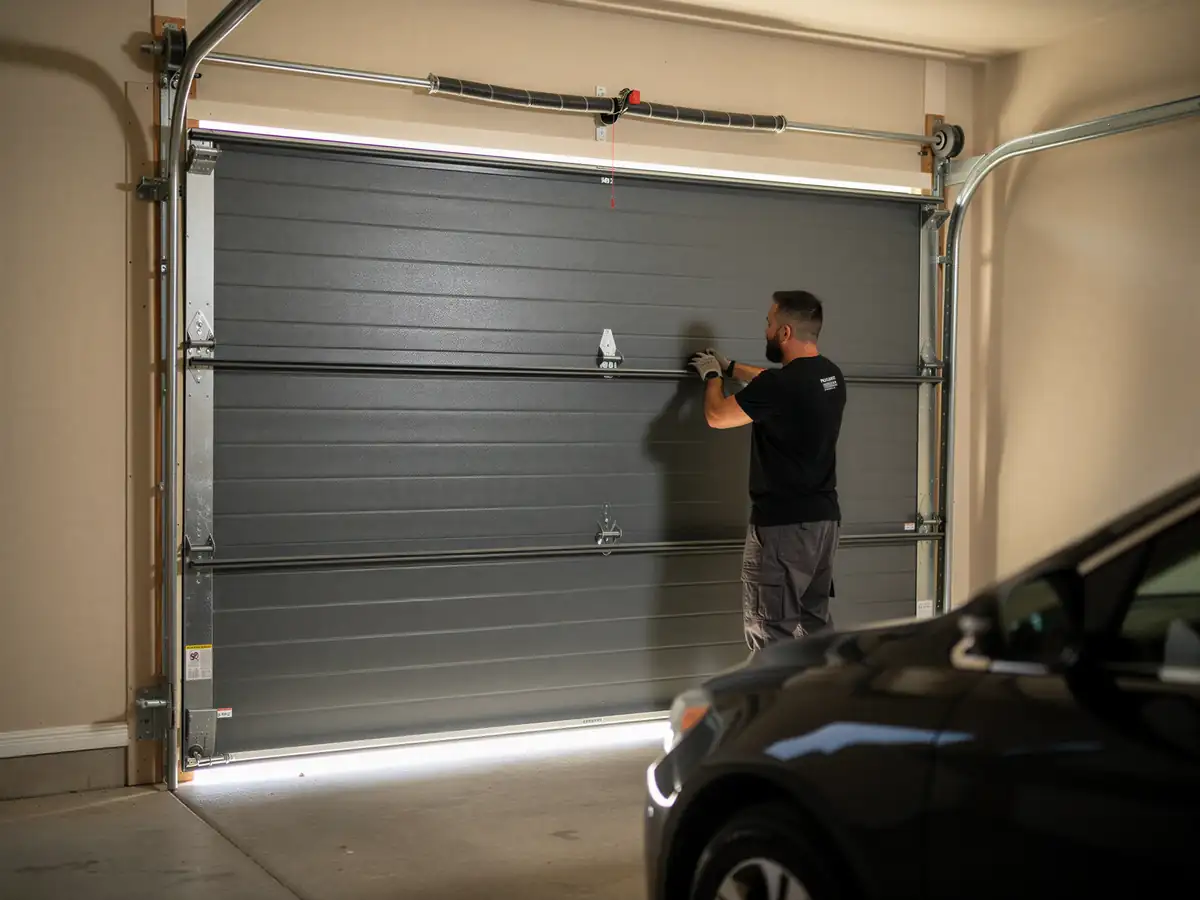
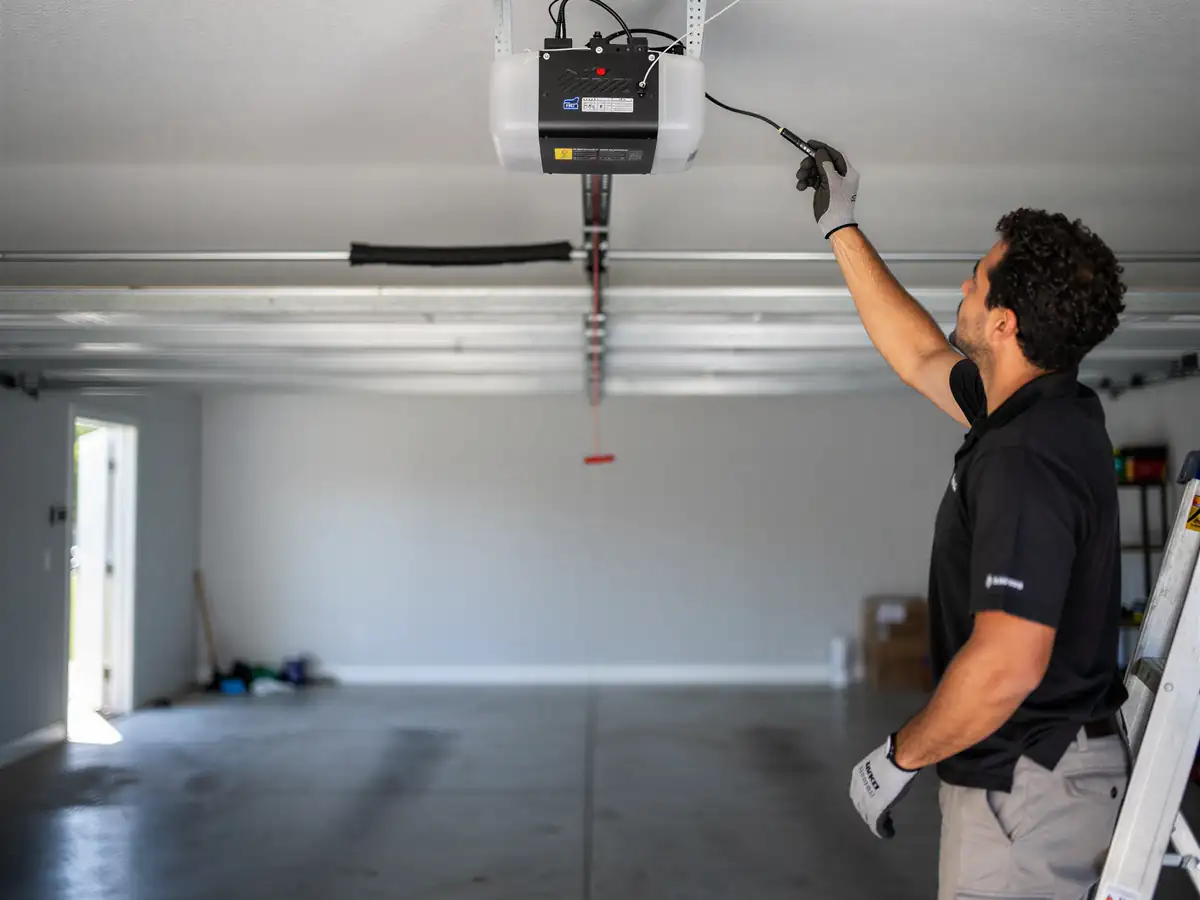
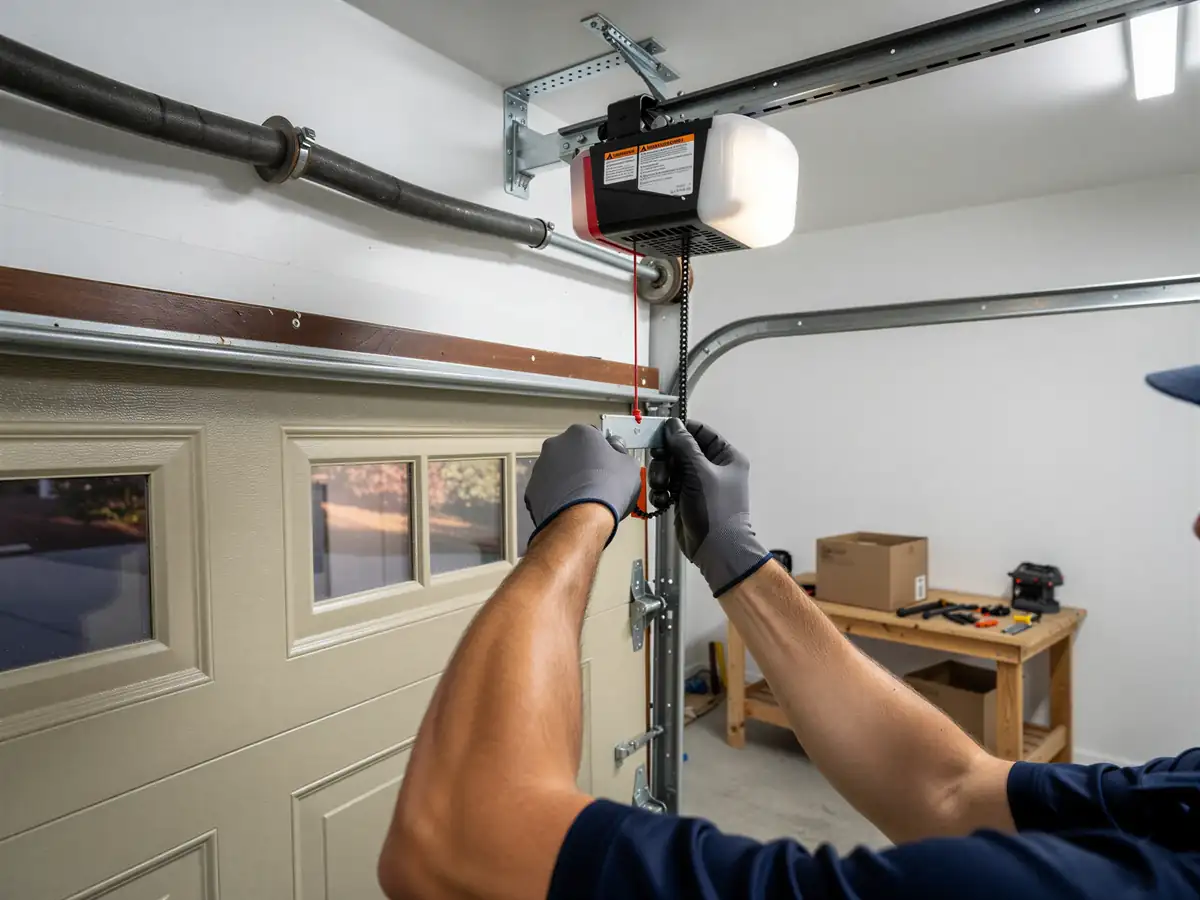
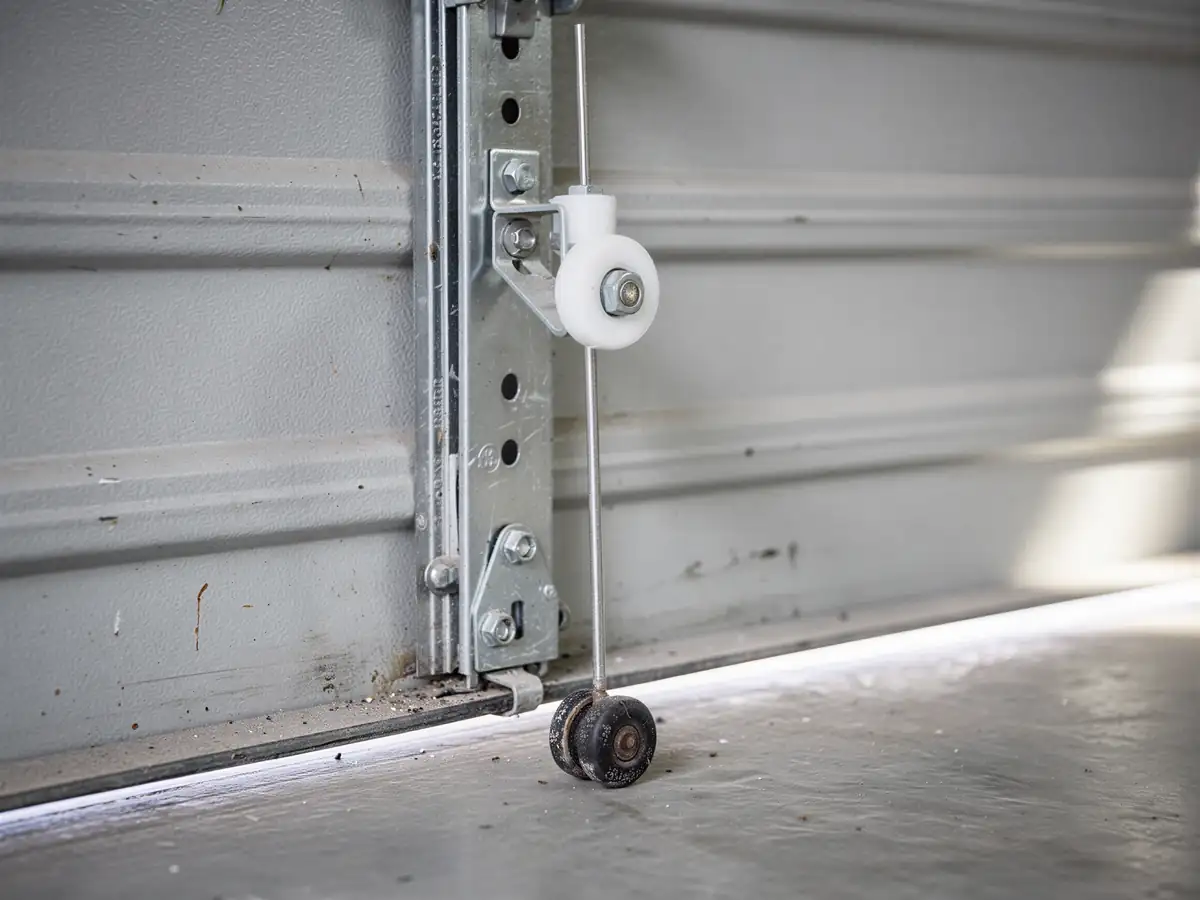
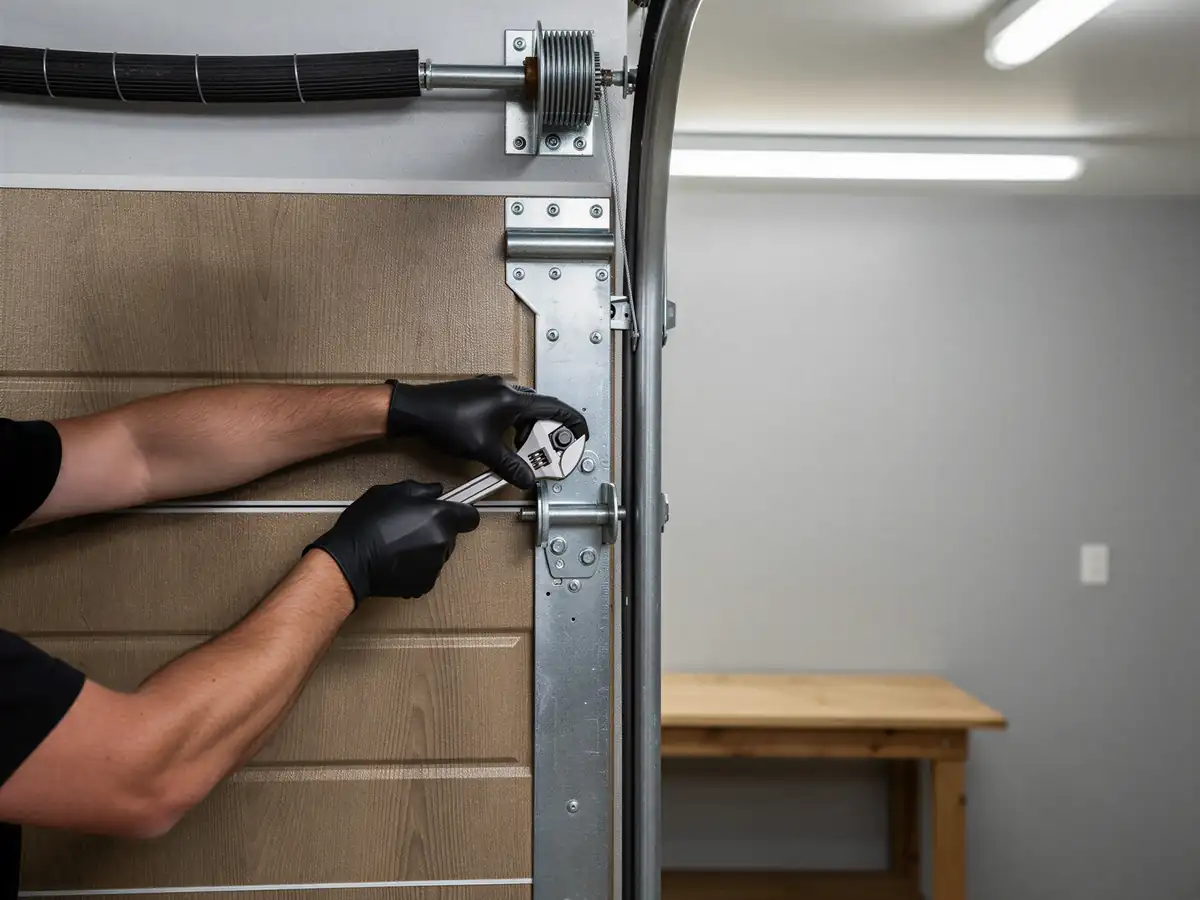
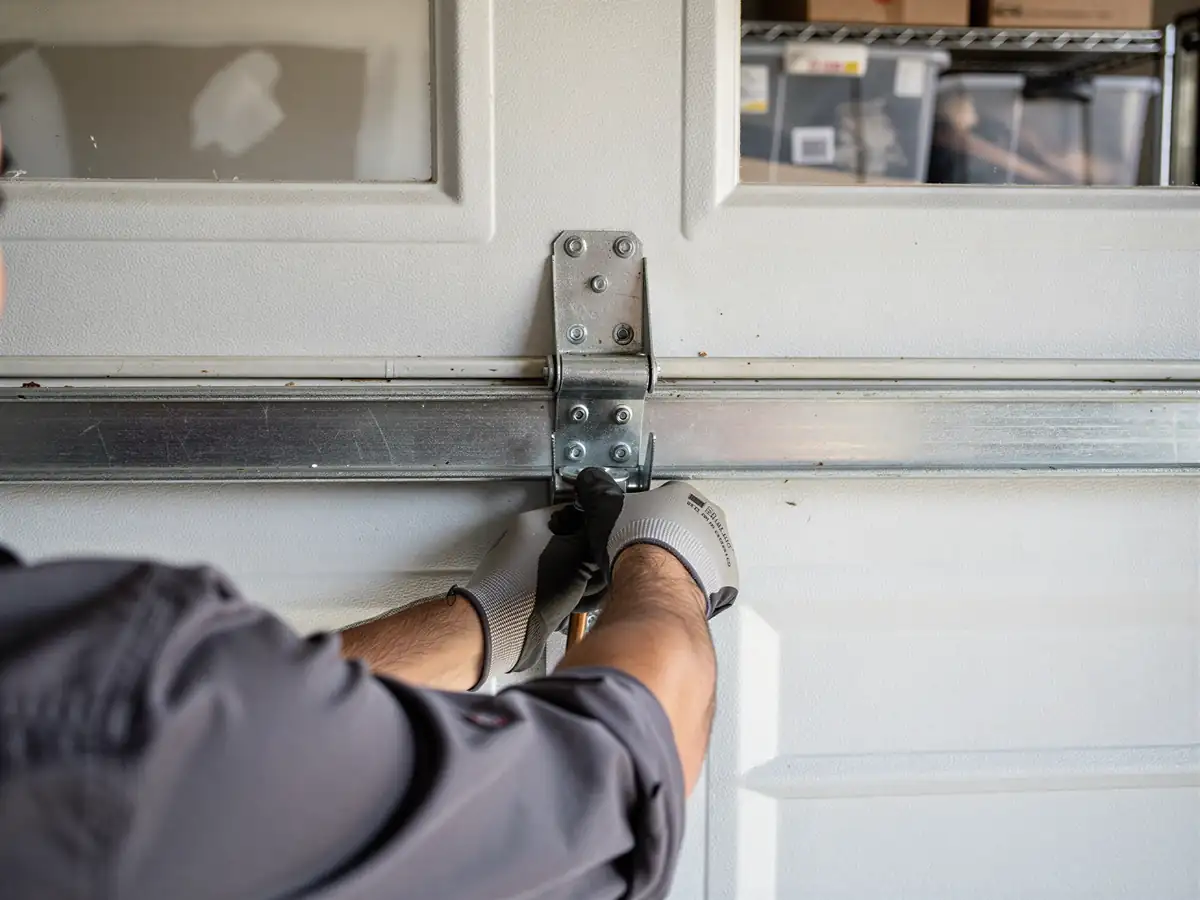
What fails on a door this age usually isn't the door skin. It's the moving parts that have now put in fifteen to twenty years of cycles: a torsion spring losing temper, nylon rollers cracking in their tracks, a drive gear in the opener head stripping out. You'll notice it as a door that groans and hesitates halfway up, a remote that works some mornings and not others, or a loud bang followed by a door that won't lift at all - that last one is almost always a broken spring, and on a double door that size it's not a job to force open by hand.
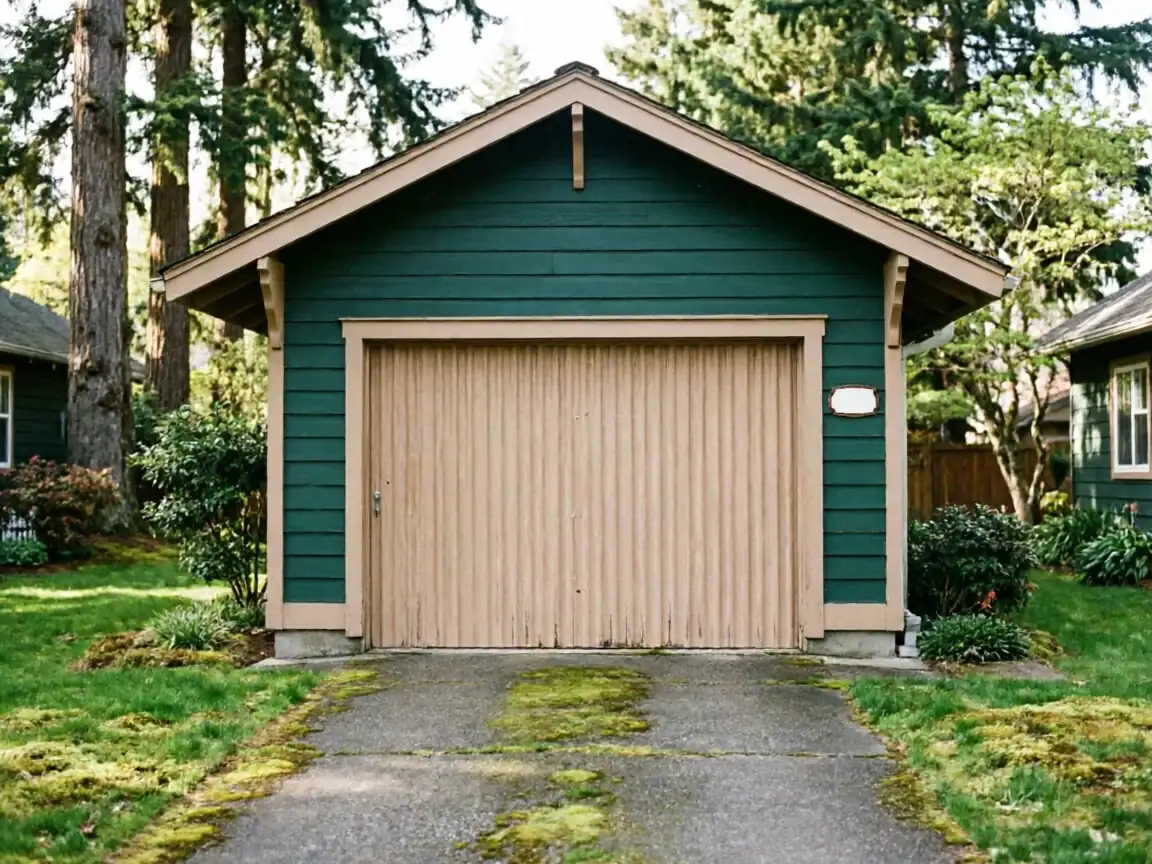
Because the stock here is newer than the surrounding area, you're less likely to be dealing with an original 1980s one-piece door on side-mounted hardware - that's more a Woodinville-core problem. Snoqualmie's issues trend toward opener electronics and spring fatigue instead.
Getting It Booked In
We run the truck out from Woodinville, about 20 miles each way on mostly highway driving
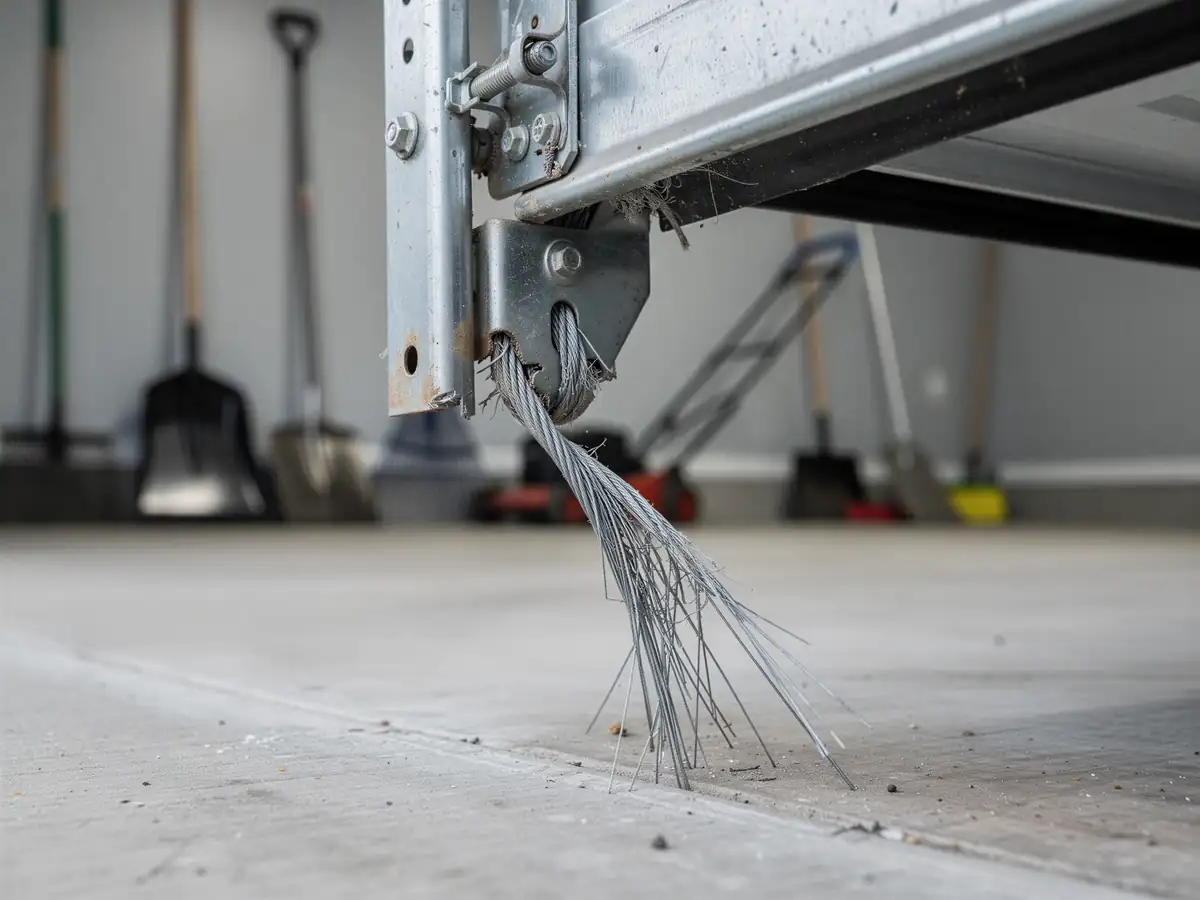
That distance is part of why we ask for a clear description of the fault up front - a stripped opener gear and a snapped cable call for different parts on the truck, and getting that right before we leave saves a second trip.
- 20 miles
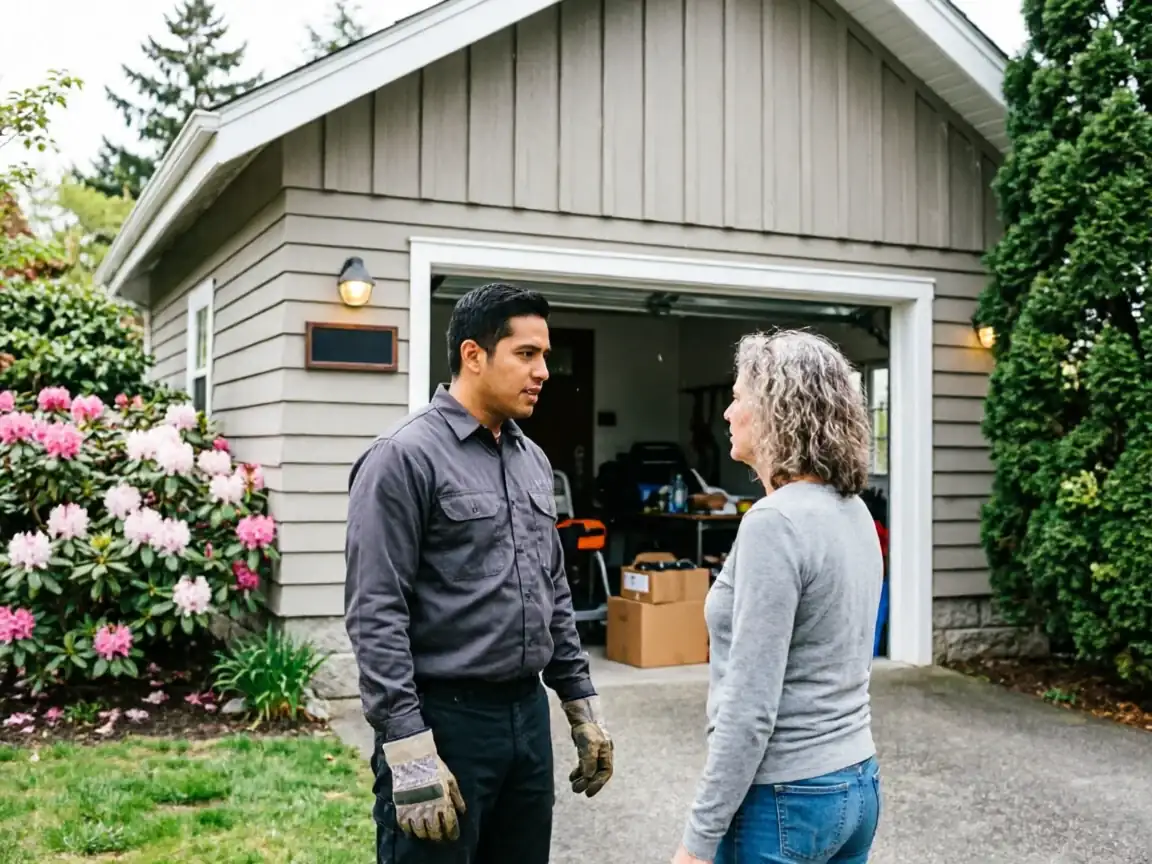
Tell us the door's behavior, not just that it's "not working." Does it move and stop?
Make a bang? Open but not close? Light blink a code on the opener unit? All of that helps us bring the right spring size, the right roller type, or the right logic board the first time, instead of diagnosing on-site and coming back later.
We don't keep a branch or a standing crew in Snoqualmie
Every call here is a dispatched trip from Woodinville, so the booking window depends on the day's route rather than a local response guarantee we can't back up. If your door is stuck in the open position overnight, say so when you call; that changes how we prioritize the day.
What Causes It Around Here
Snoqualmie sits in the same cold-moderate climate band as the rest of our territory, and that band drives one specific failure path on doors from this era: steel panels and torsion springs both contract in cold weather, and a spring that's already near the end of its cycle life tends to let go on the first cold snap rather than a mild one. On a door built with the wider single torsion spring common to post-2005 double garages, that's a heavier failure than the two-spring setups on older, narrower doors - more stored tension, more force when it breaks.
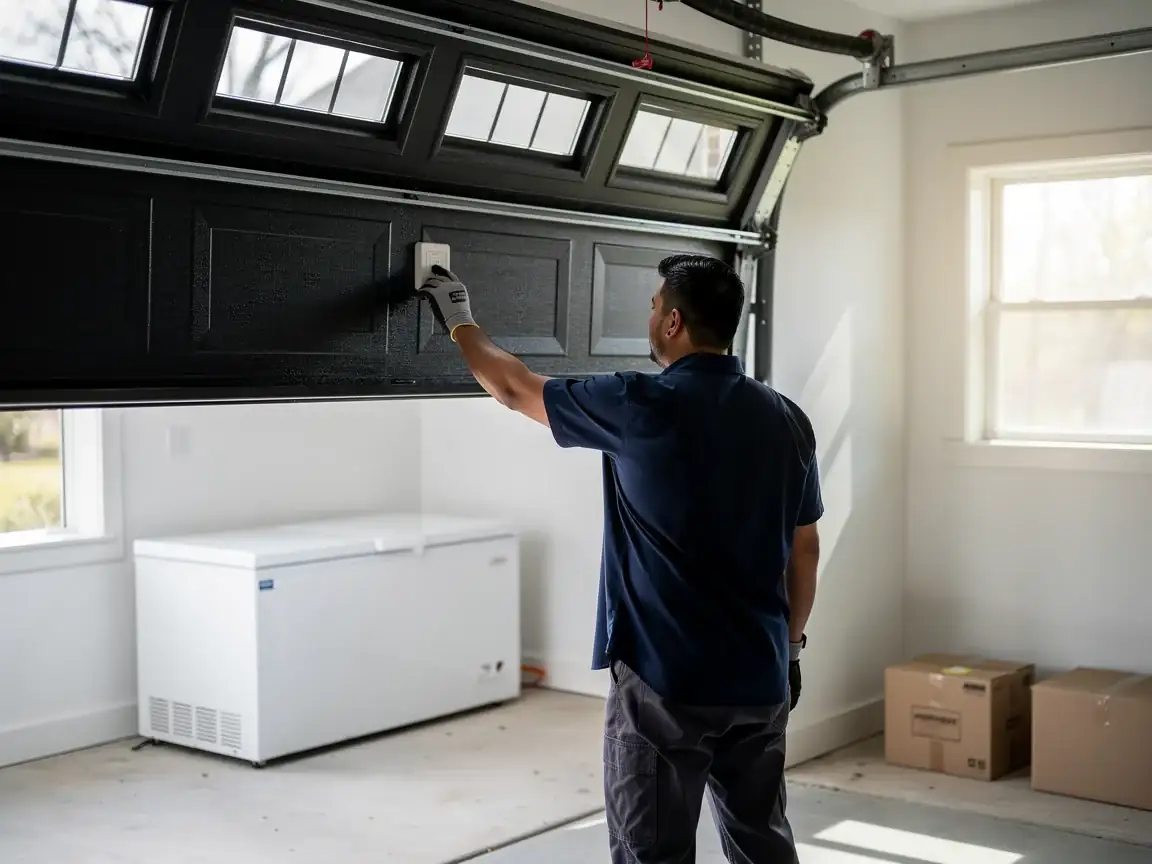
The other driver is just mileage on newer electronics. Openers from the early-to-mid 2000s used early photo-eye and logic-board designs that are now old enough to fail outright rather than just drift out of adjustment. A door that reverses for no reason, or won't close unless you hold the wall button, is usually a sensor or board problem, not a mechanical one.
We don't see much evidence of the older original-hardware failures that show up closer to Woodinville's 1985-median housing, simply because the building stock out here hadn't gone up yet when those doors were being installed.
Where This Job Goes Sideways
The most common misstep is treating a bad photo-eye sensor as a spring problem, or vice versa - they can produce similar symptoms (door won't finish closing, reverses partway) but call for completely different parts and completely different pricing. Get that wrong on your own and you've bought a part you didn't need.
The other place it goes sideways is DIY spring work on these wider double-door torsion setups. The single spring on a door sized for a three-car or oversized double opening is under more stored tension than the springs on a smaller single door, and winding or unwinding it without the right bars is a real injury risk - this is one job we'll flatly say isn't worth doing yourself, regardless of how capable you are with other home repairs.
We'll also be honest that parts for some opener models from the early 2000s aren't fast to source. If your board or sensor assembly is an older proprietary part, we may need to order it rather than carry it on the truck, which can mean a short wait between the first visit and the fix.
The Cost of This Job
We don't have a price list we can state here without risking a number that doesn't hold up by the time we're standing at your door
Torsion spring jobs price differently depending on door weight and spring count, and opener board or sensor replacement depends on the model. What we can tell you is what drives the cost on a Snoqualmie job specifically: the wider single-spring torsion setups common on post-2005 double garages typically mean a larger spring than you'd find on an older narrower door, and that's reflected in the part cost, not just the labor.
Given the median household income here runs noticeably higher than the $140,572 median across the rest of the territory, we'd rather be straightforward
Get an on-site quote before any work starts, and ask specifically whether the fix is a spring, a cable, or opener electronics, since those three repairs carry different costs and replacing the wrong one won't fix the door.