How It Shows Up
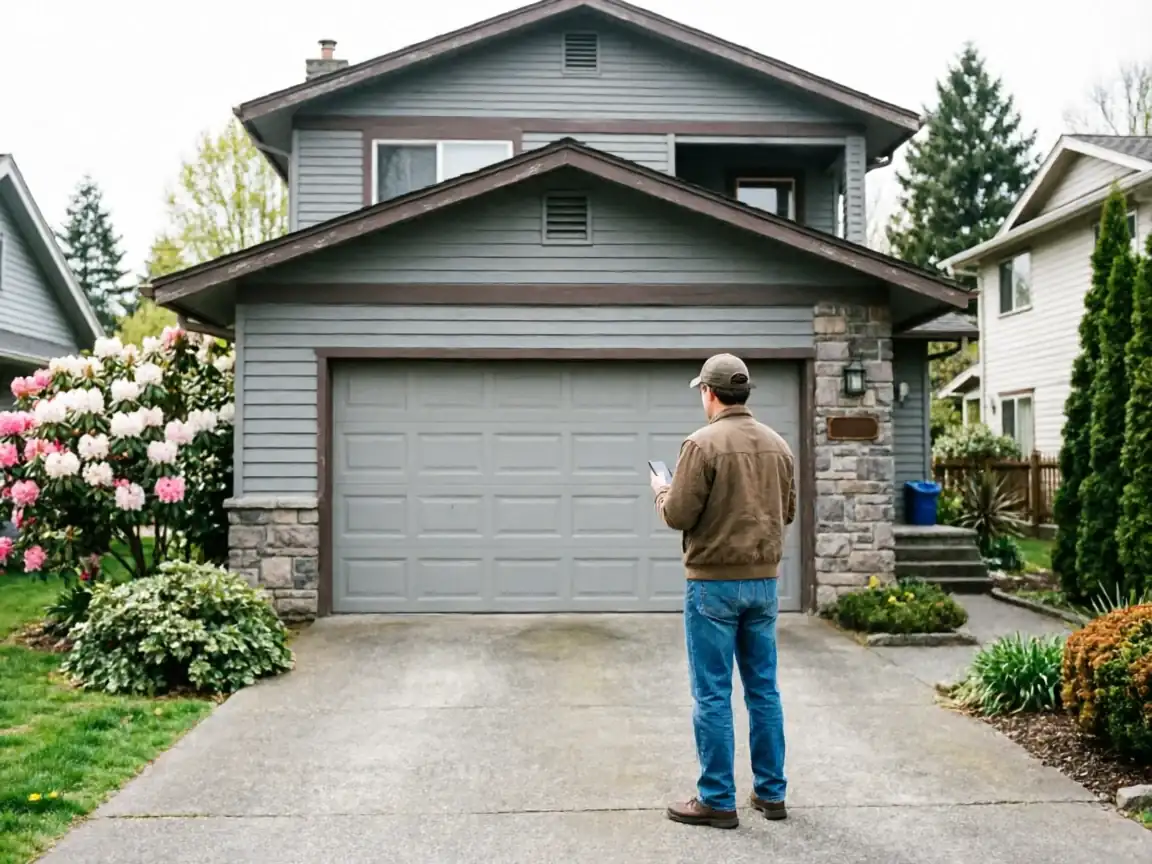
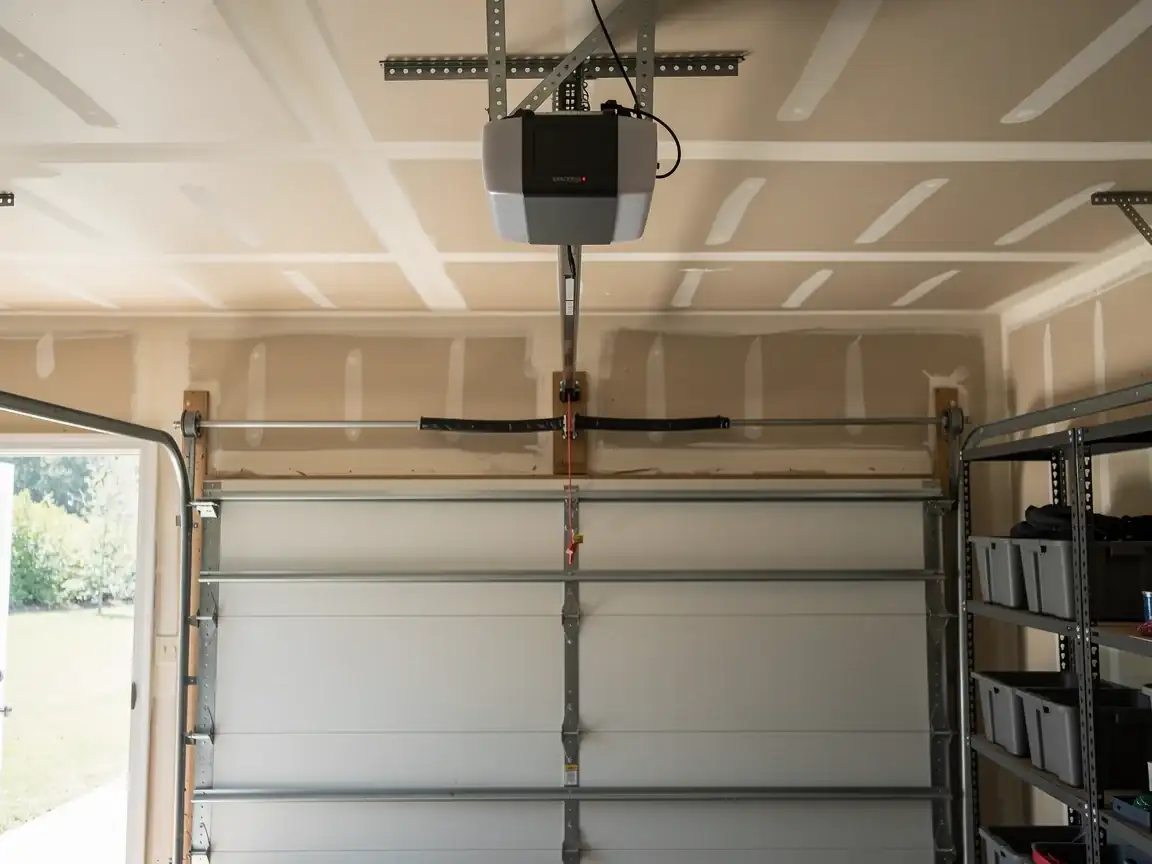
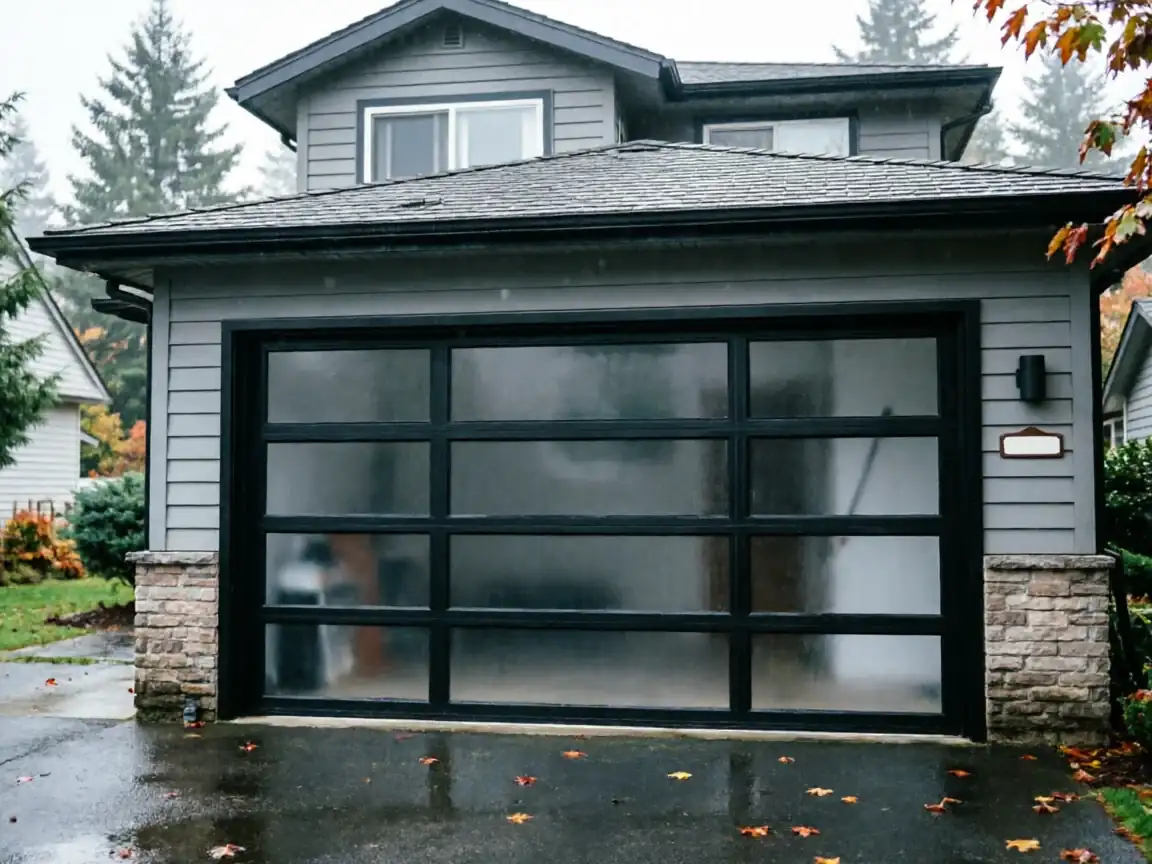
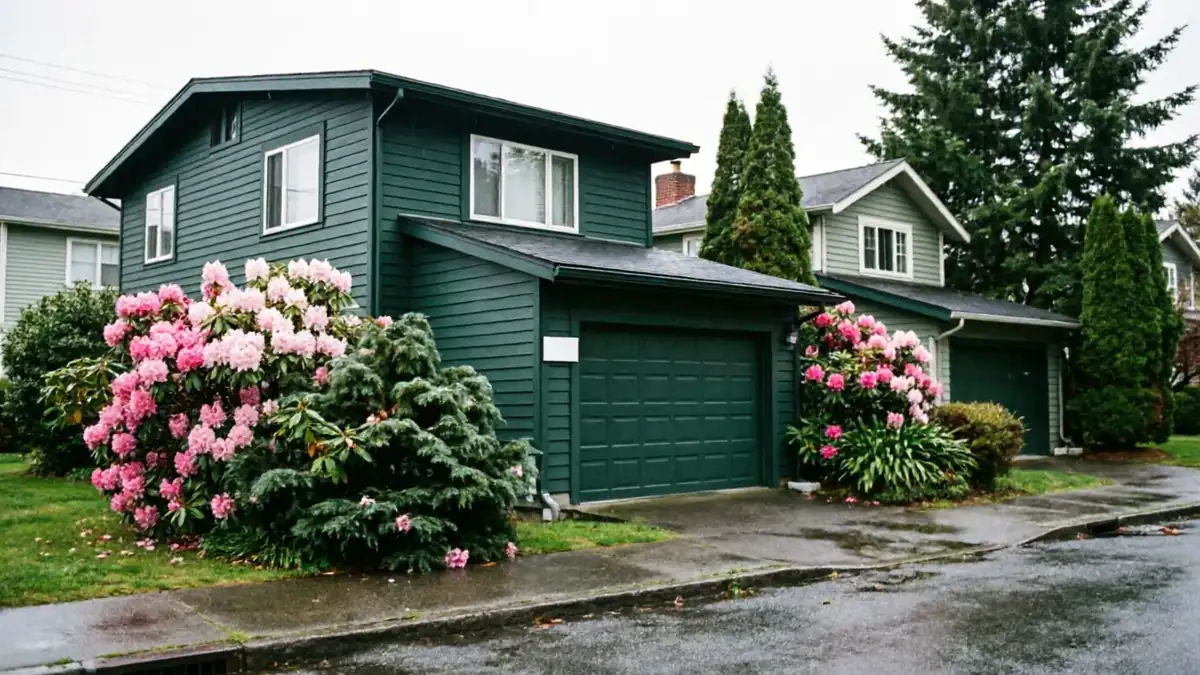
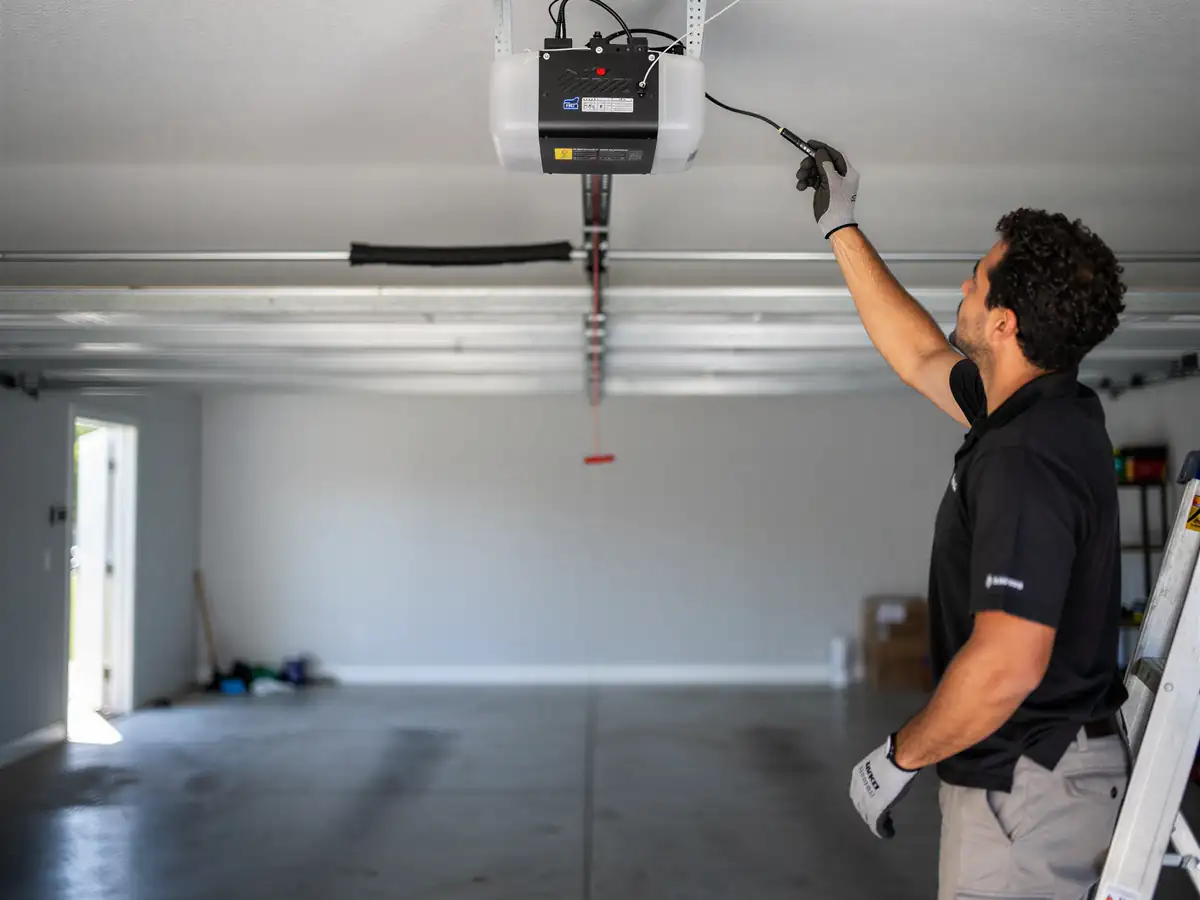
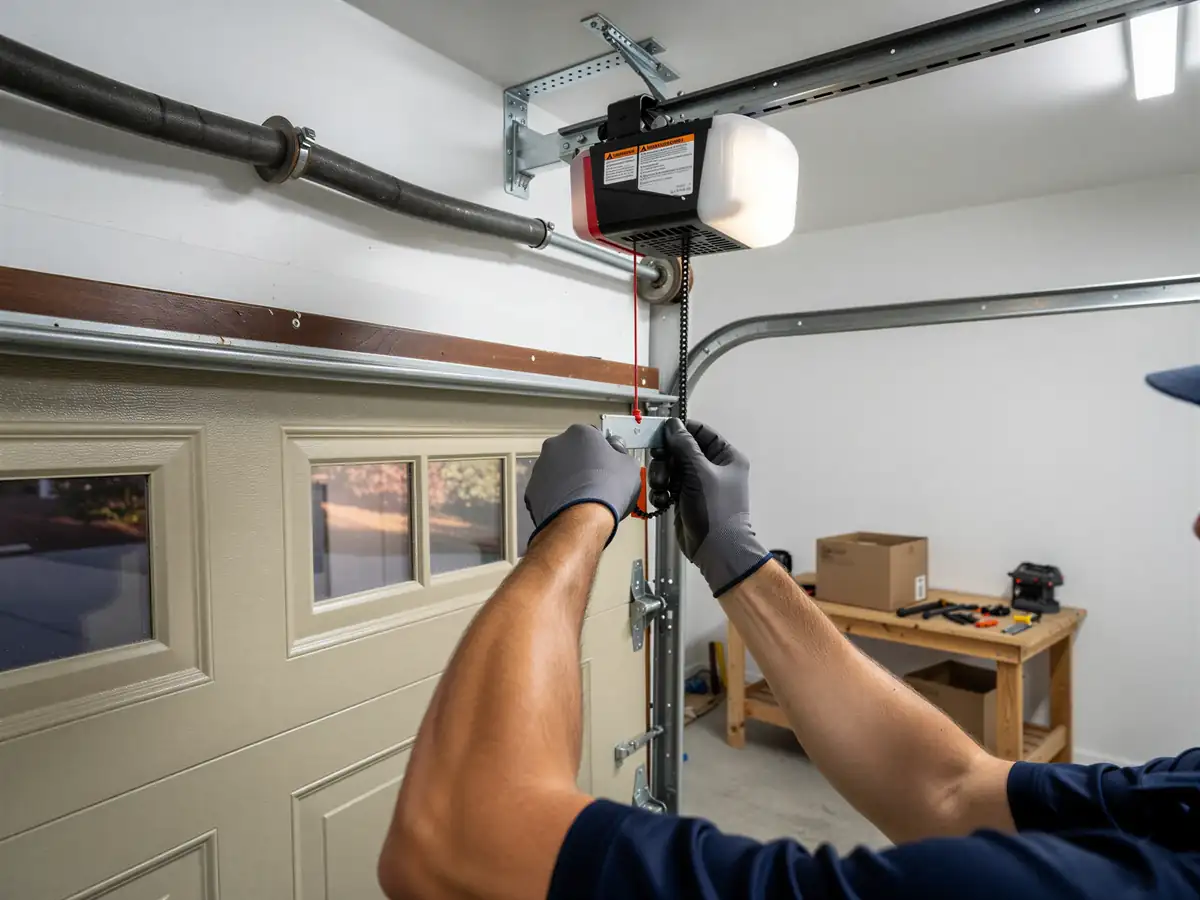
Snoqualmie sits apart from most of the territory we cover out of Woodinville. Across the wider service area the median home was built in 1985, but Snoqualmie's median build year is 2005 - two decades newer. That gap matters more than it sounds like it should. A house from 1985 usually has a retrofitted opener, sometimes its second or third, with whatever hardware fit at the time. A house from 2005 usually still has its original unit: an early safety-eye model, chain or screw drive, now coming up on 20 years of daily cycles. The failure mode is different too. You're less likely to be dealing with a unit someone bolted on top of mismatched brackets, and more likely dealing with a motor that's simply worn out its gear and capacitor on schedule, with the rest of the door hardware still sound. That's a cleaner job in some ways - and it means the opener itself, not the door, is usually the right thing to replace first.
What Causes It Around Here
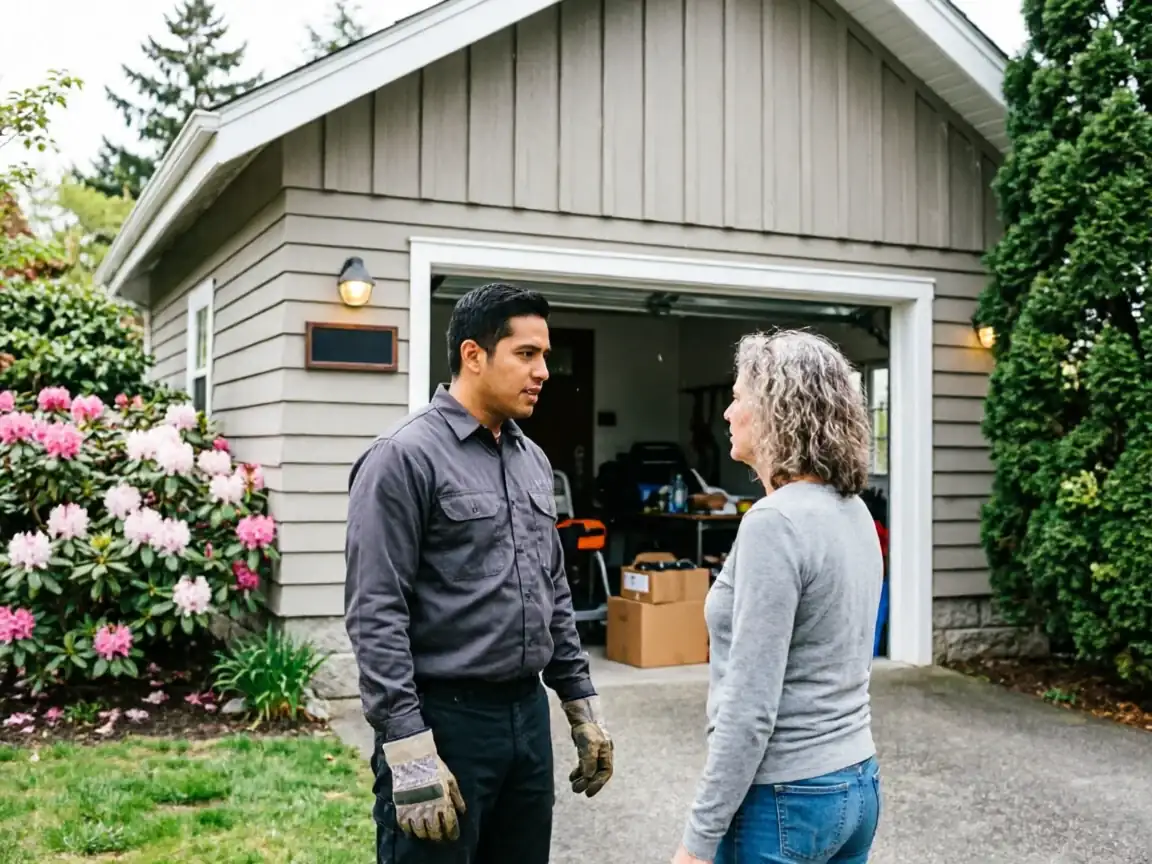
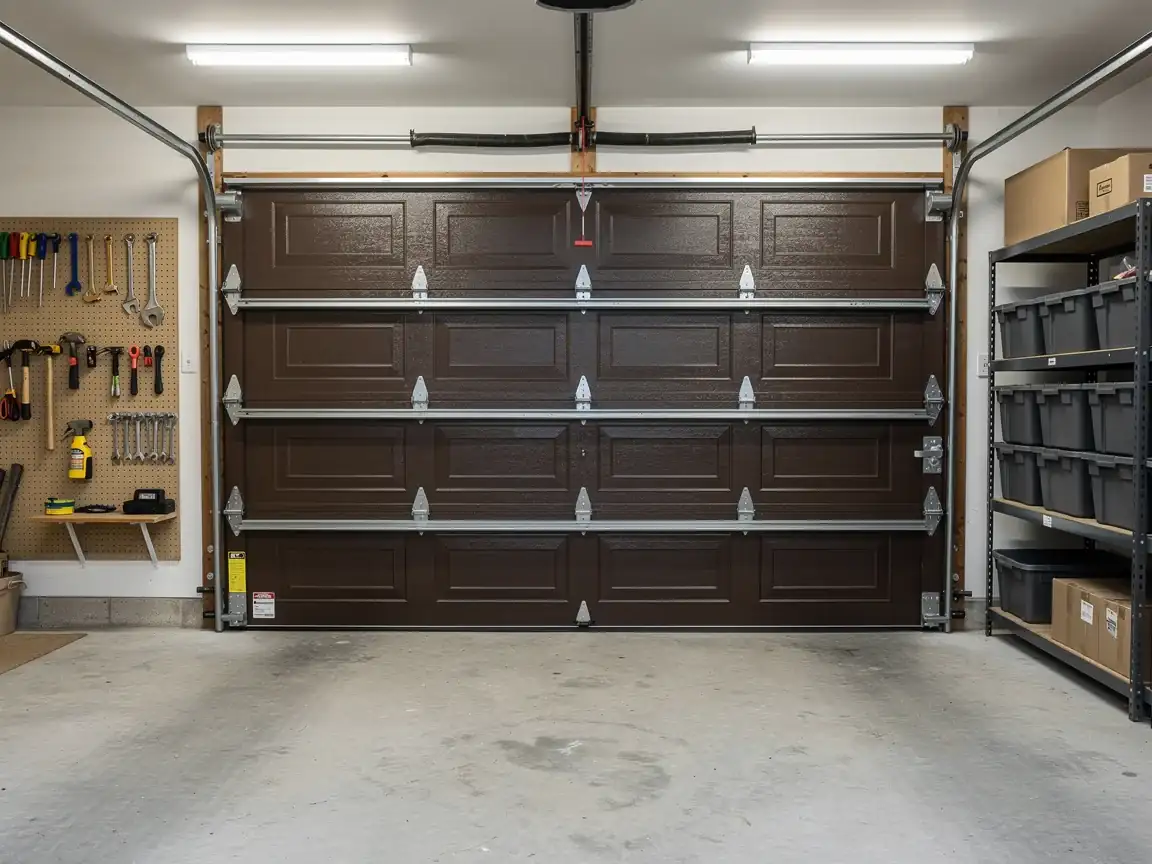
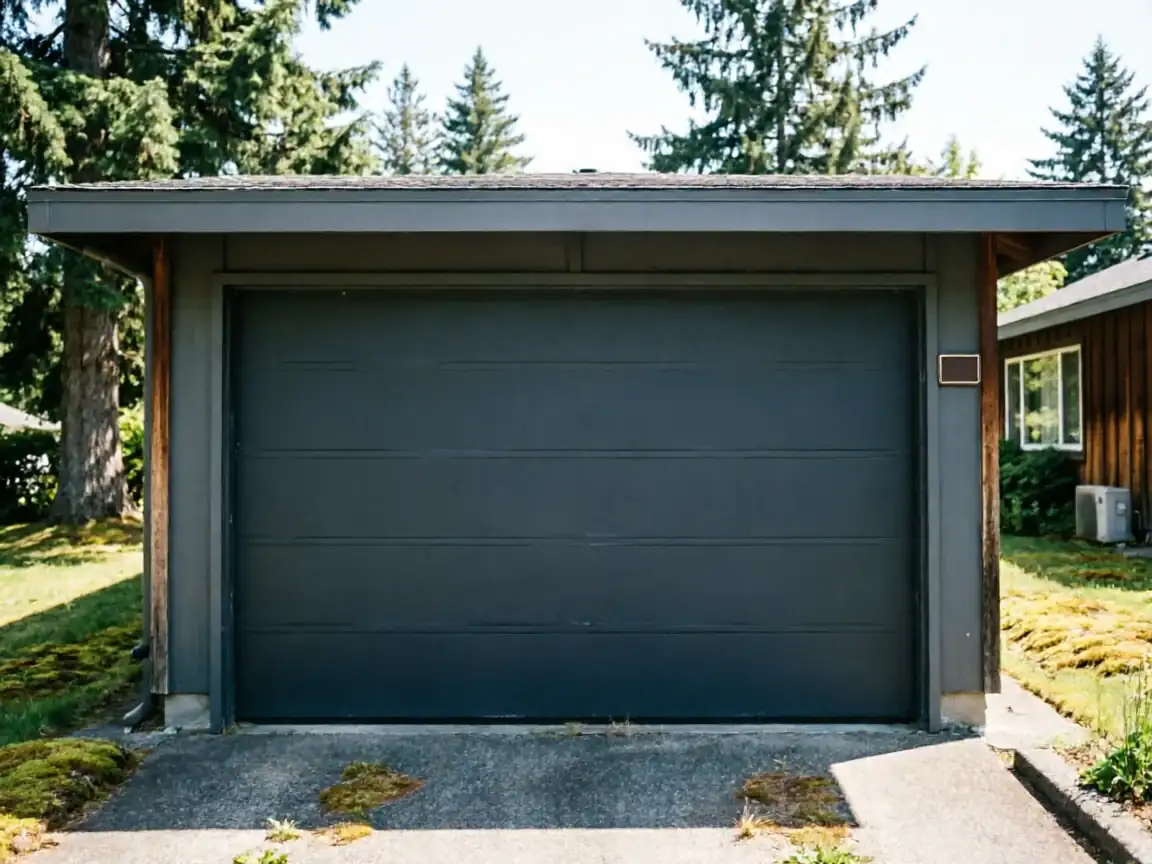
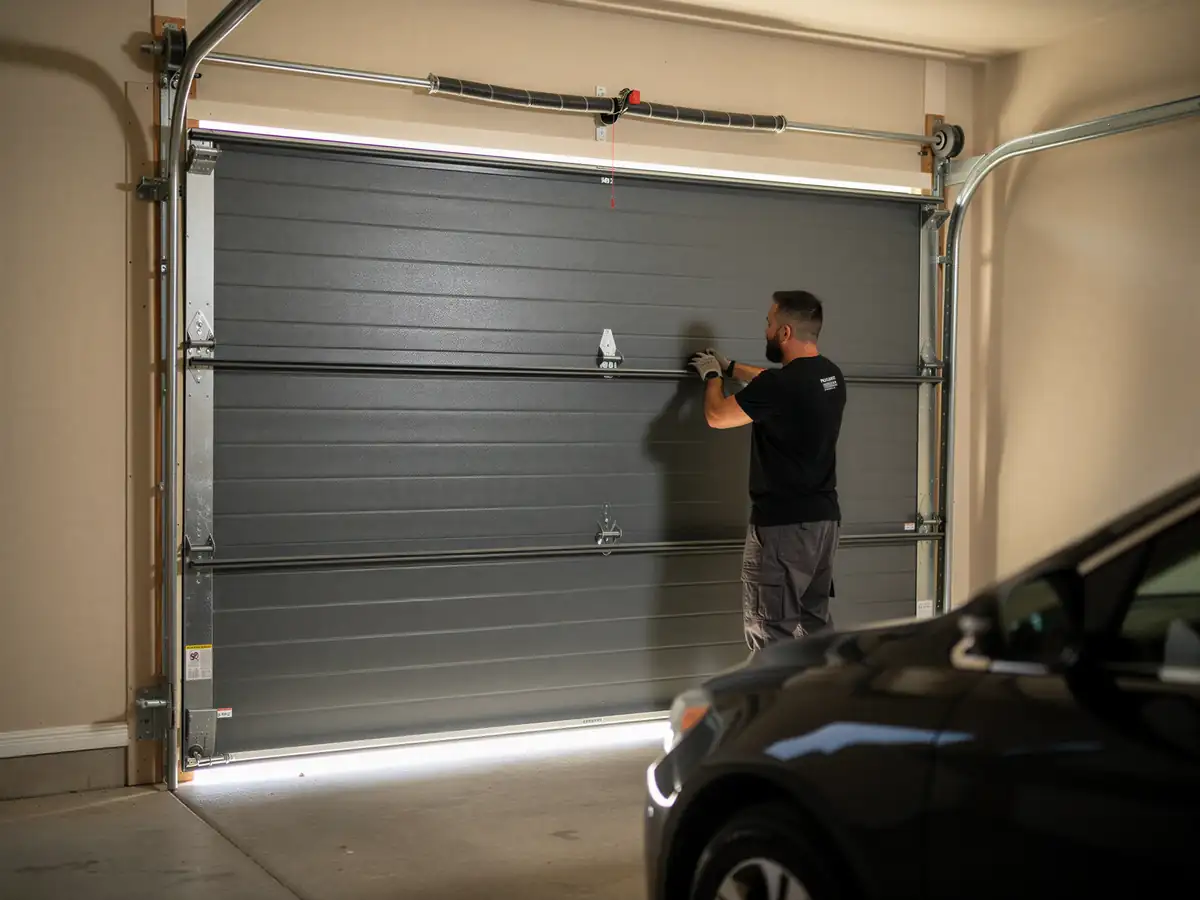
With a median household income of $197,531 and 4,389 households, most of what we see in Snoqualmie is wear, not neglect - openers that have simply run their service life on a door that gets used every day. Add to that the cold-moderate climate band that covers the whole territory: motors work harder lifting a door that's picked up moisture and a little extra weight from cold, damp air, and that extra load shortens the life of a drive gear faster than in a dry climate. On a 2005-built house the original door is usually a one-piece steel sectional on a standard 7-foot track, which narrows the opener choice to units rated for that lift without needing an extension kit. If your door is heavier than that - insulated, oversized, or a later replacement - that changes which opener actually fits, and we'd rather check in person than guess over the phone.
Where This Job Goes Sideways
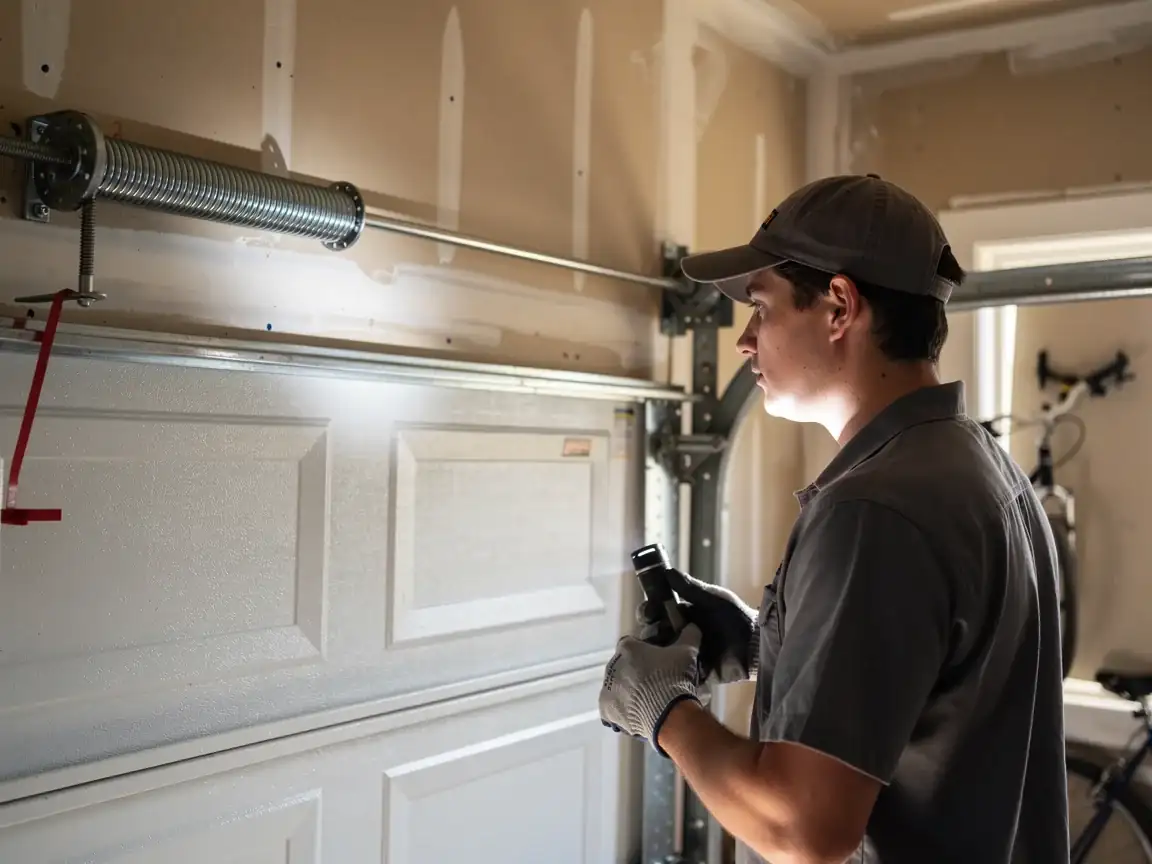
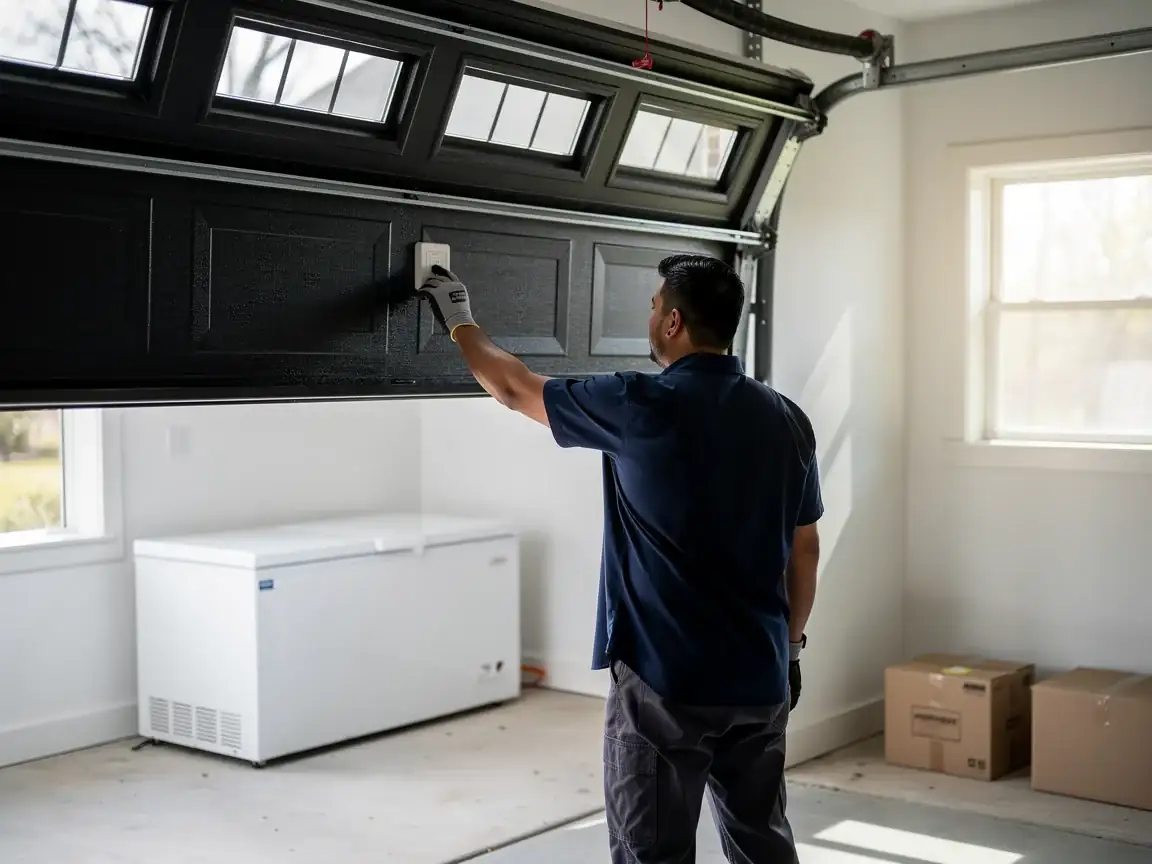
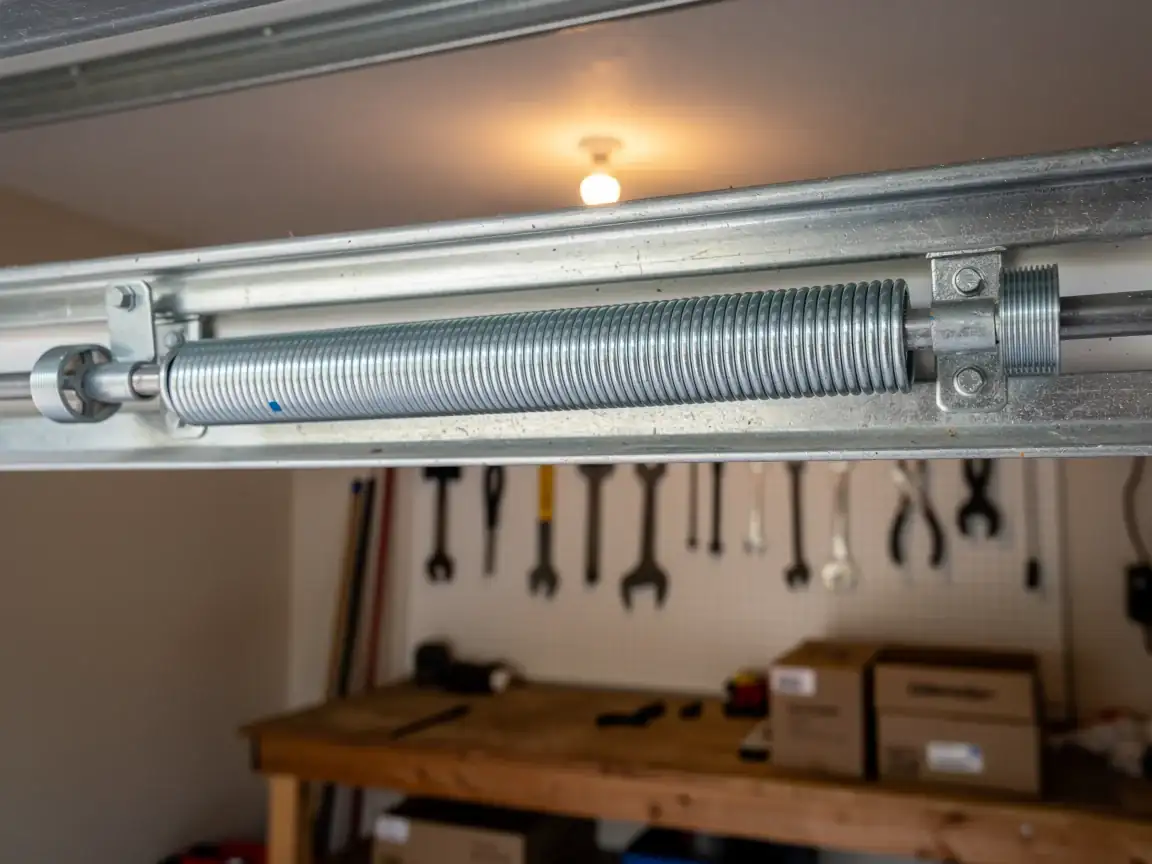
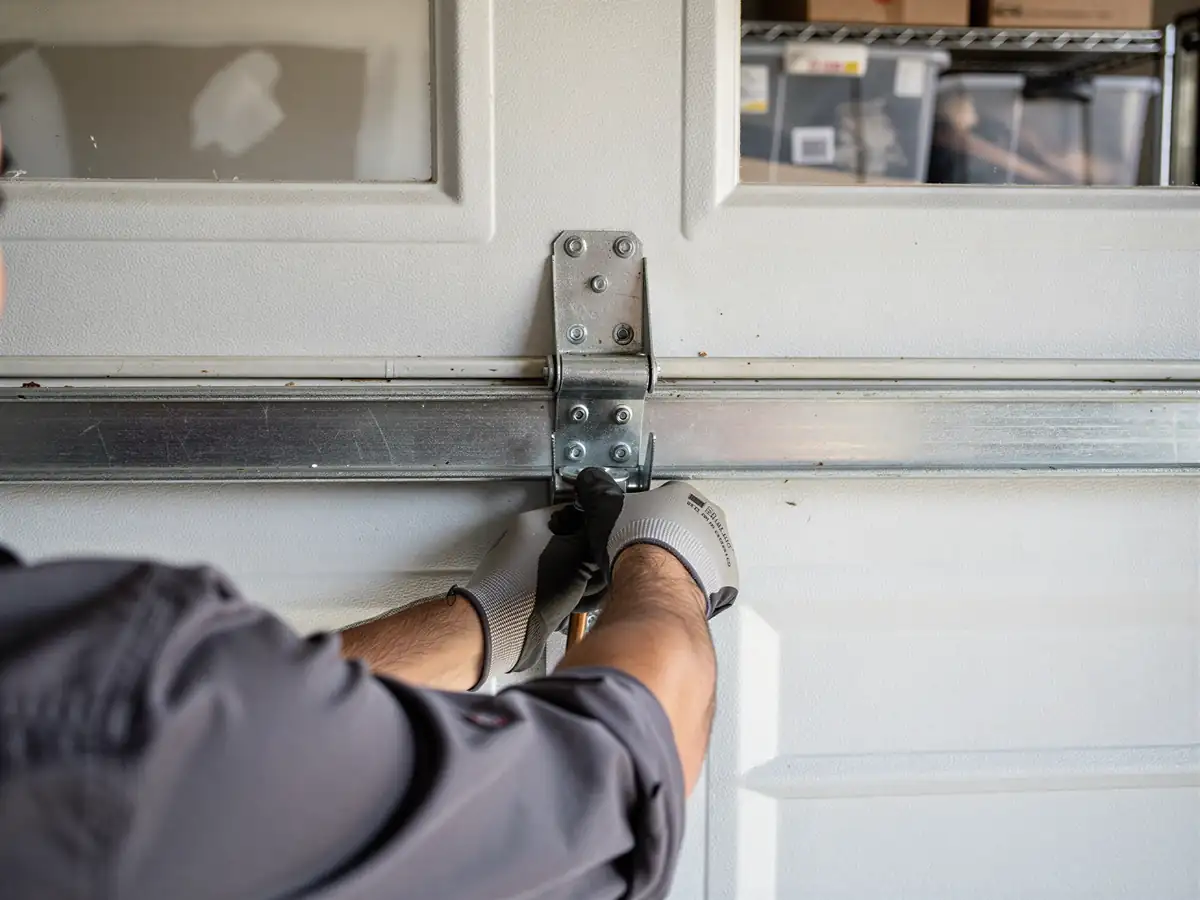
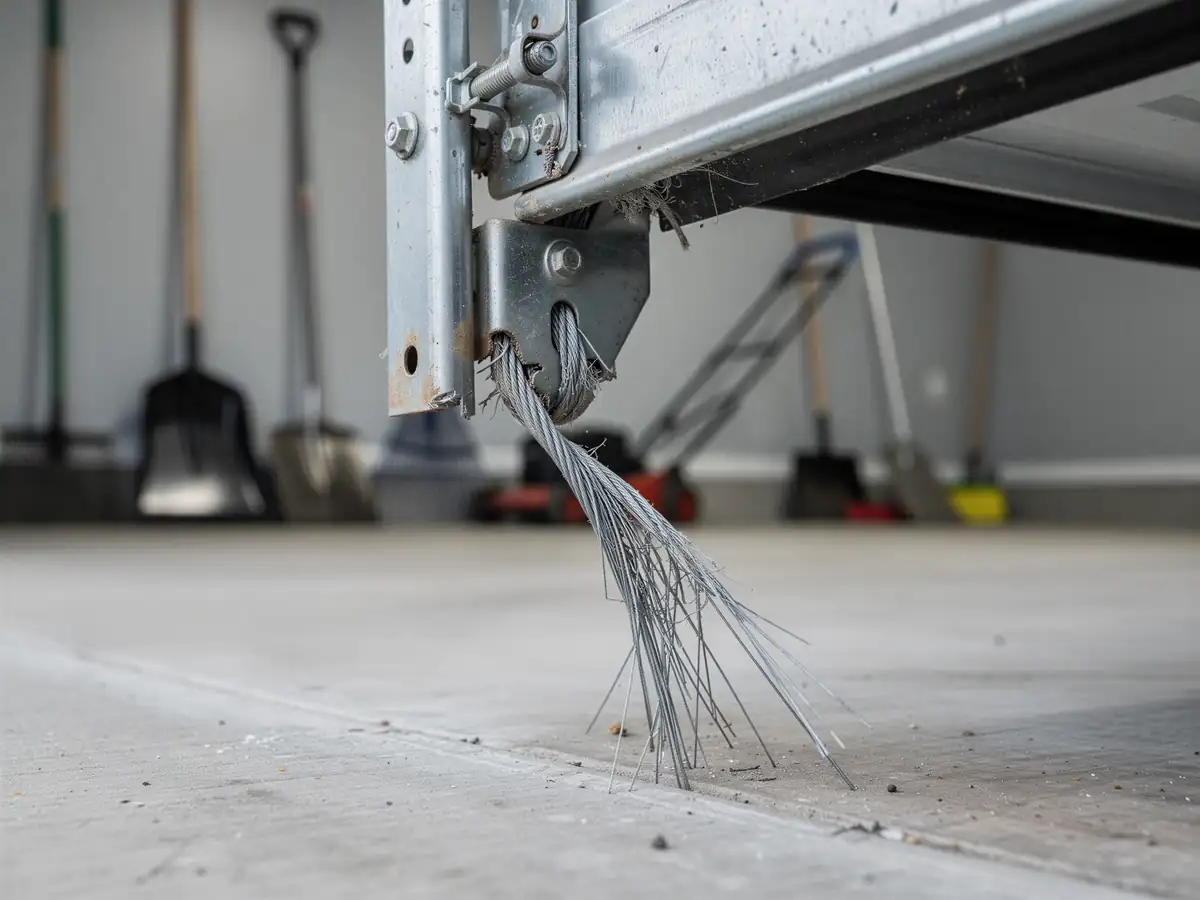
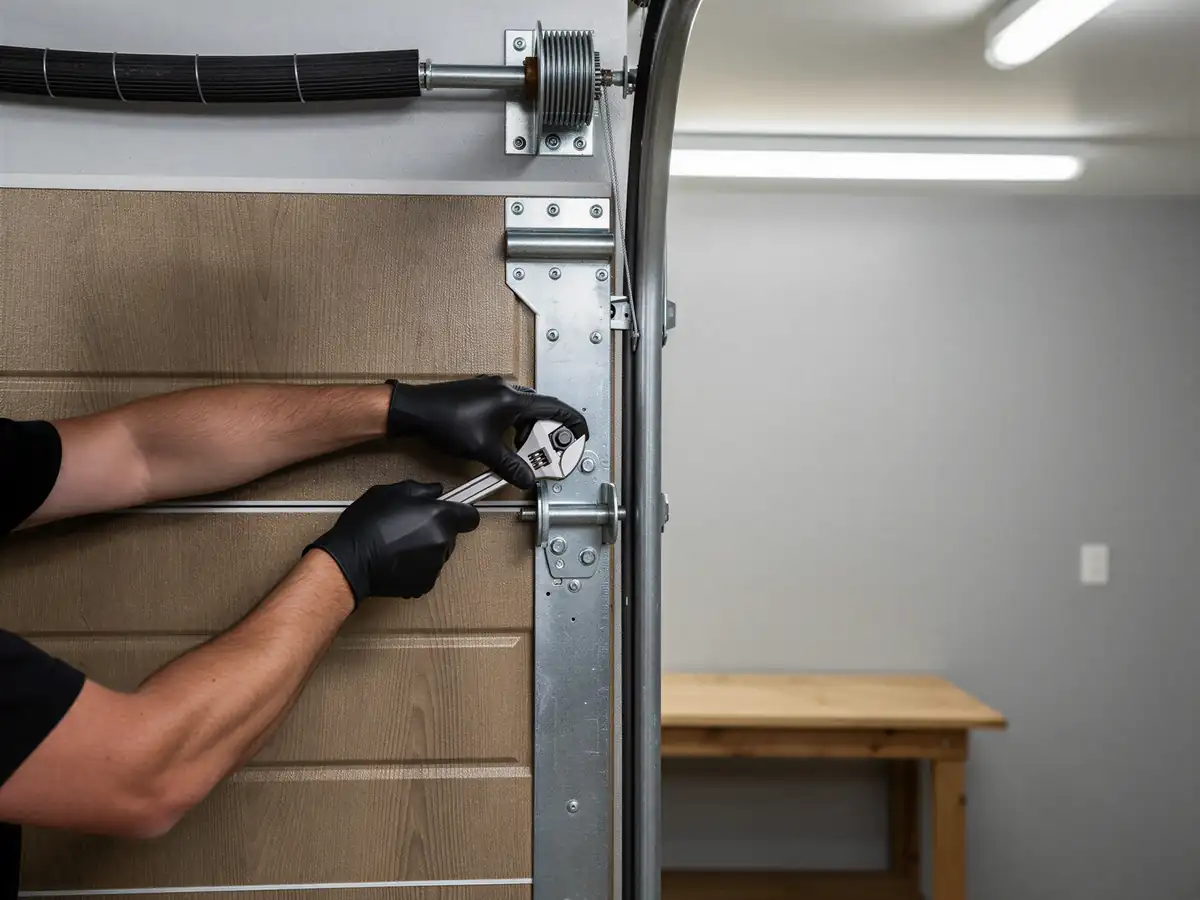
The job gets harder when the opener isn't actually the problem. If the springs are original to a 2005 install, they're also closing in on two decades of cycles, and a new opener bolted onto a dying spring will struggle and burn out early. We'll tell you if that's what we're looking at rather than install a motor that's fighting bad hardware from day one. The other place it goes sideways: battery backup. Given the climate band here, we'd lean toward a belt-drive unit with battery backup over the base chain model, since a dead opener during a winter outage means a car stuck inside. That's a real cost difference, and it's worth deciding on purpose instead of defaulting to whatever's cheapest on the shelf.