How It Shows Up
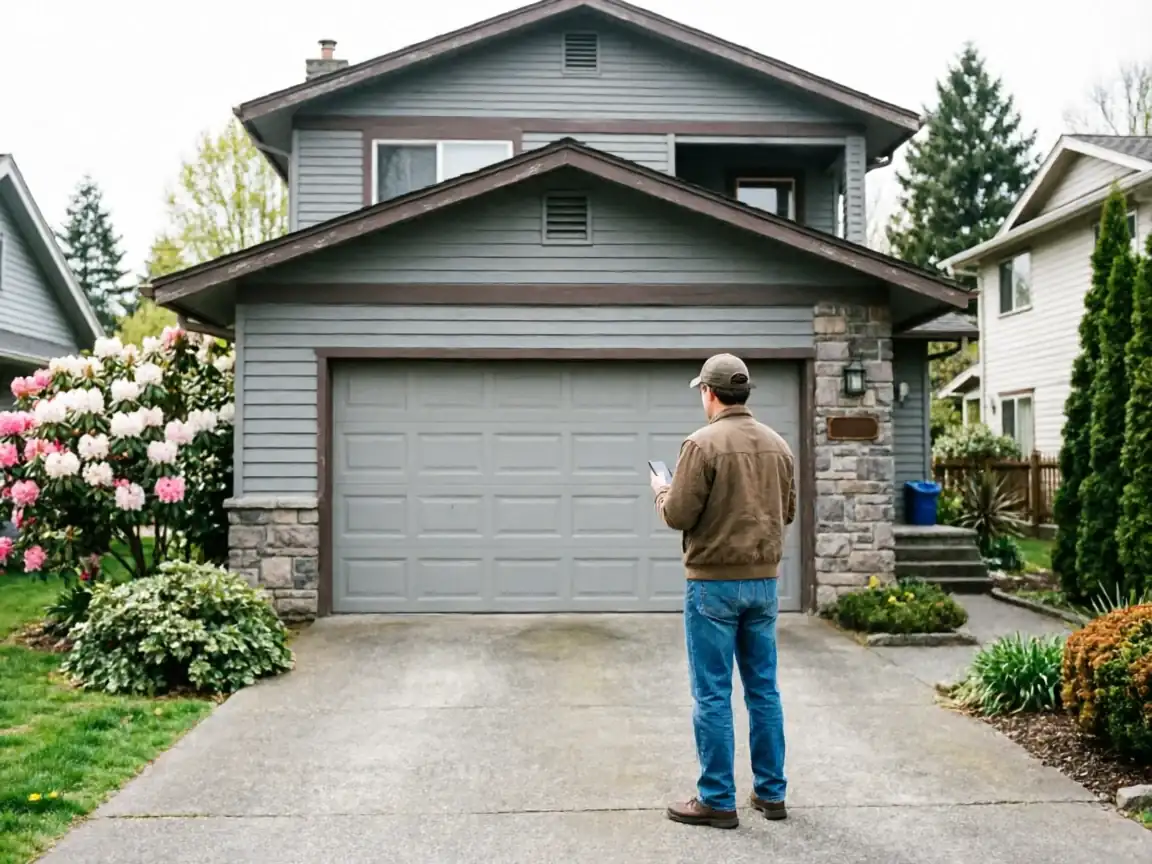
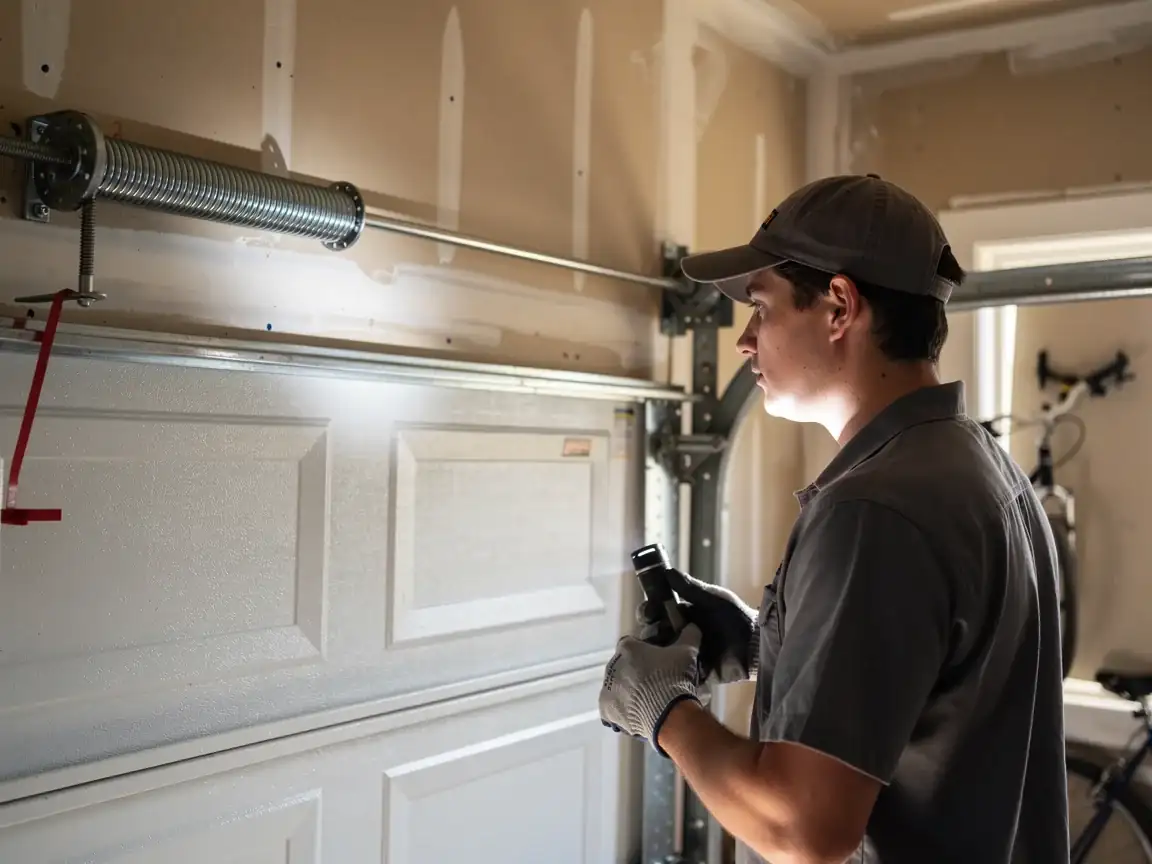
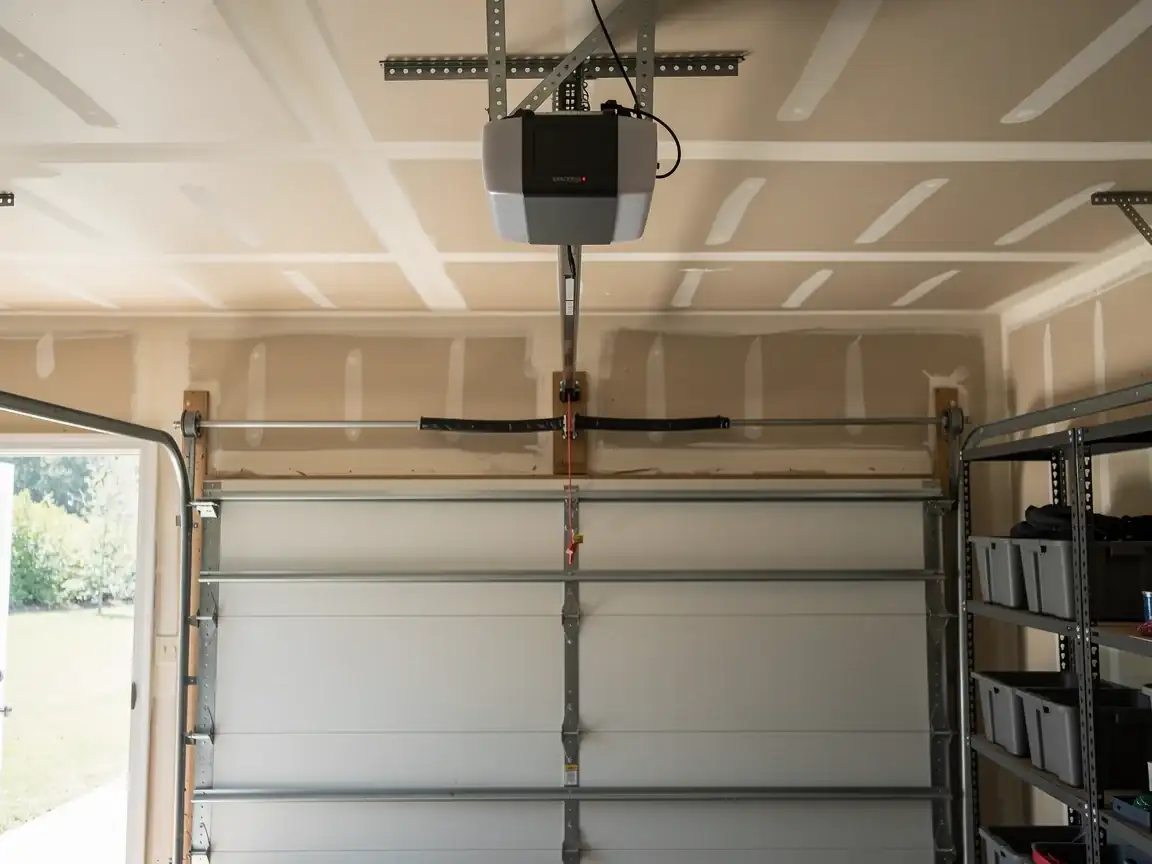
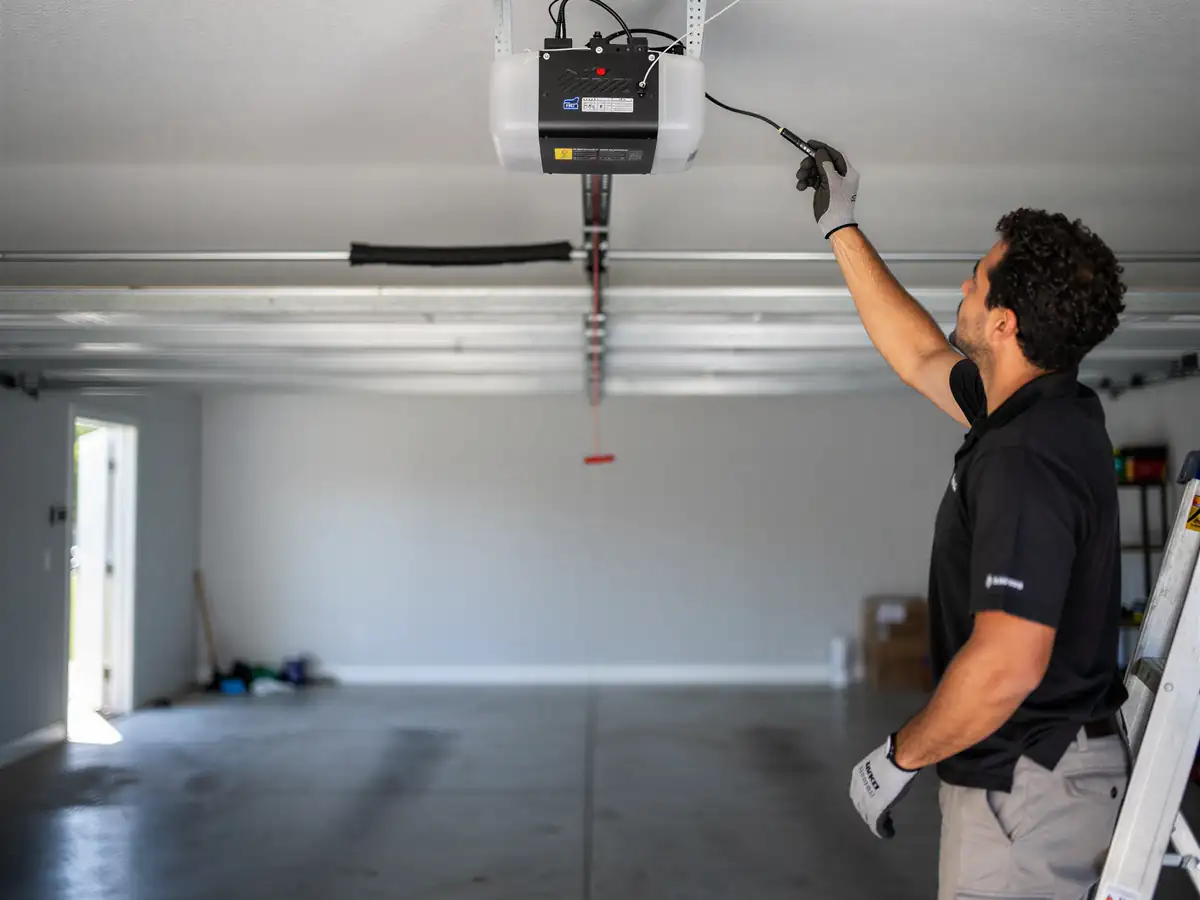
The call usually starts the same way: the door won't open, or it opens halfway and stops. Sometimes it's a grinding noise from the motor housing, sometimes it's the remote working fine but the wall switch doing nothing. On a chain-drive unit from the 1980s or 90s, the symptom is often a worn drive gear stripped down to plastic dust inside the housing - a part that was never meant to last 35+ years.
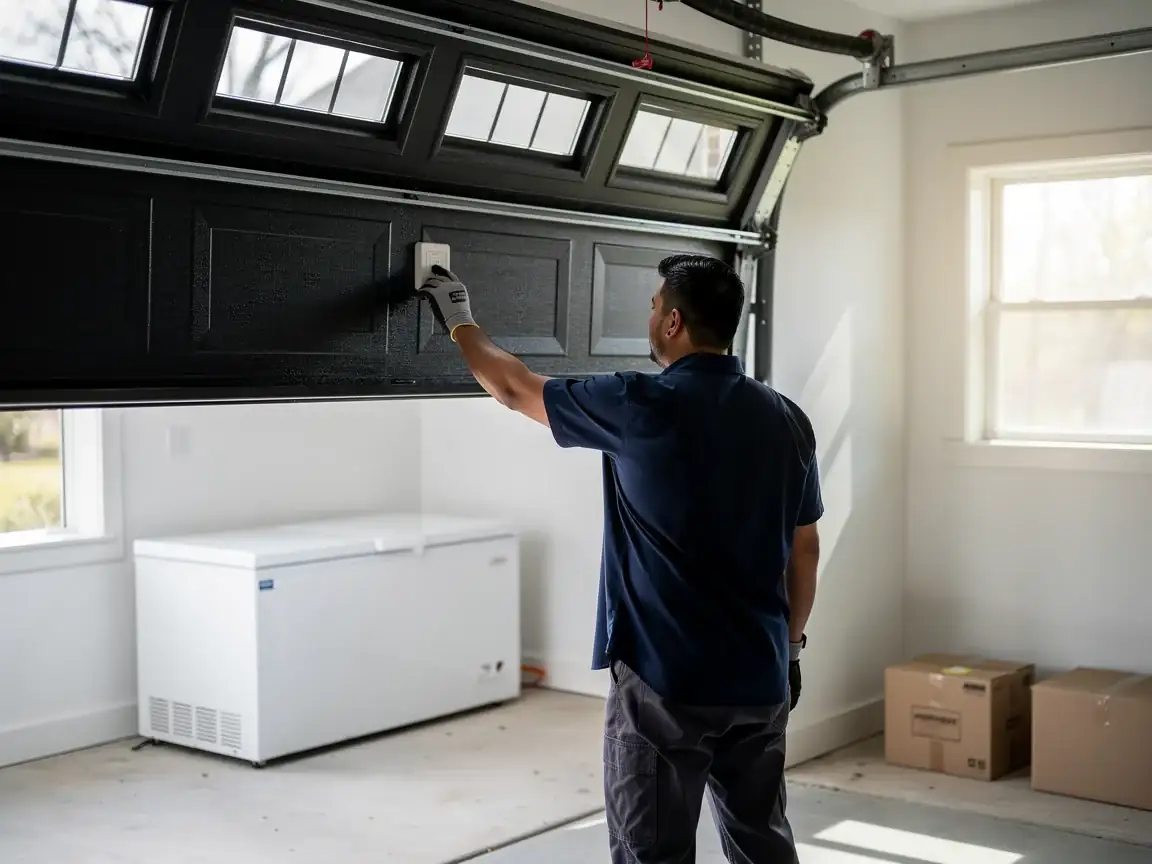
Other times the opener itself is fine but the logic board has failed after one too many power blips. You'll hear the motor hum, see the light blink, and the carriage won't move. On newer belt-drive units, the belt can slip off the rail if the idler pulley has worn loose, which shows up as a soft whirring sound with no movement at all.
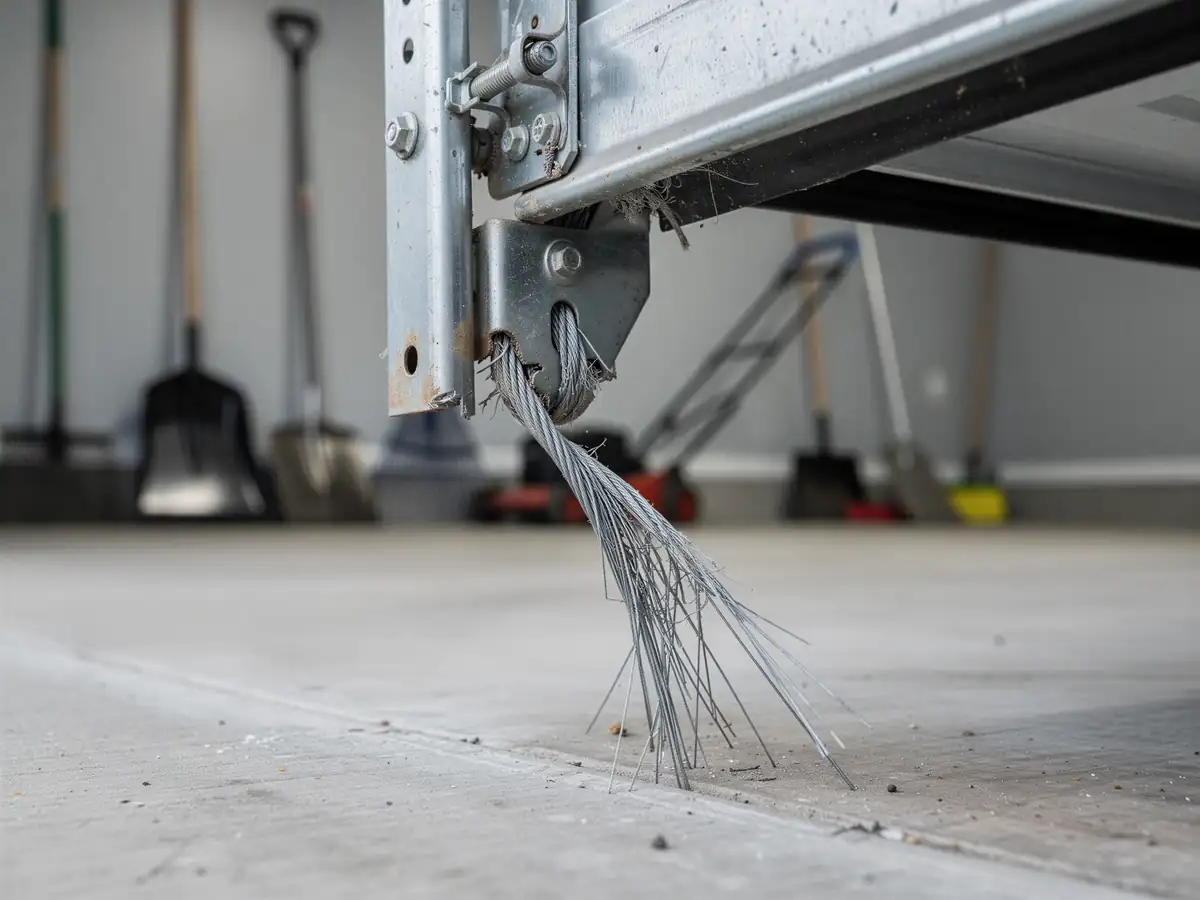
We also see openers that technically still work but shouldn't be trusted: travel limits drifting so the door reverses off a sensor, or a safety eye misaligned enough that it fails intermittently. None of that is a problem until the day it is. If your opener is original to the house, intermittent is often the last stage before it quits outright.
The Cost of This Job
We can't quote a number here because the job price depends on what's actually wrong and what opener you choose
But the cost drivers are consistent across the area. A straight swap - same mounting, same rail length, matching an existing bracket - is simpler and cheaper than a retrofit where the old unit used a mounting pattern that newer models don't match.
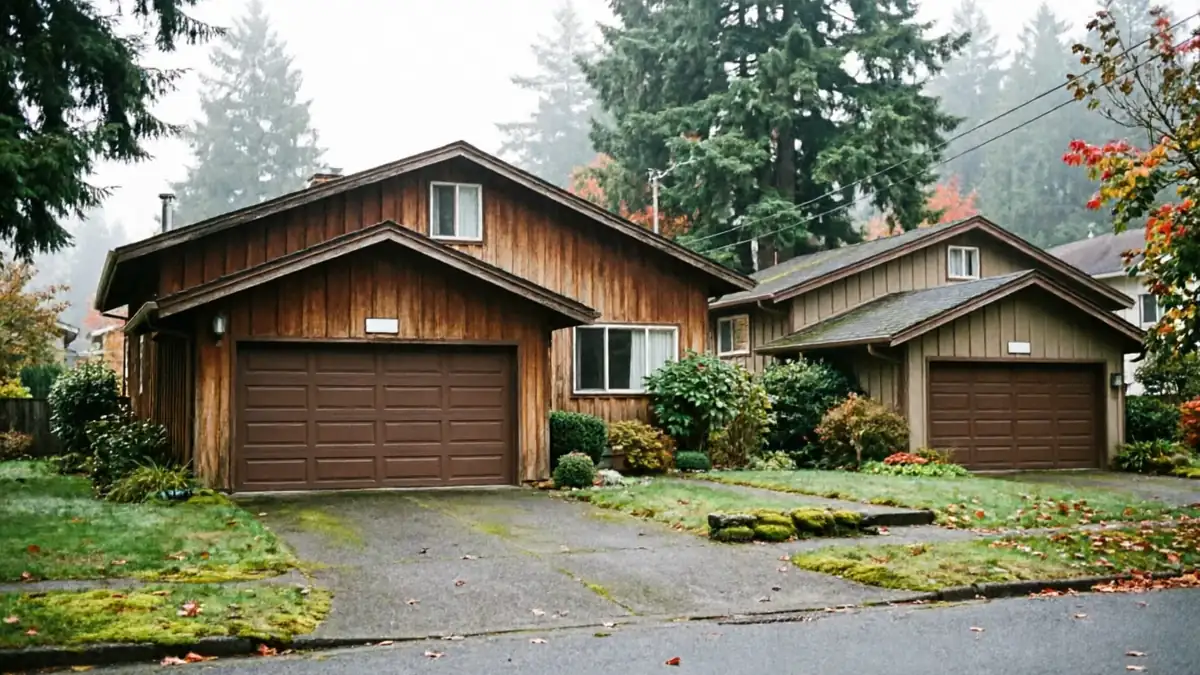
Houses built in the 1972-2005 window across this area (median year around 1985) often have ceiling clearance and rail positions designed for openers that are no longer made, so the labor sometimes includes adapting brackets or shortening a rail rather than a pure bolt-in swap
That's not an upsell - it's what the original installation forces.
The other variable is drive type
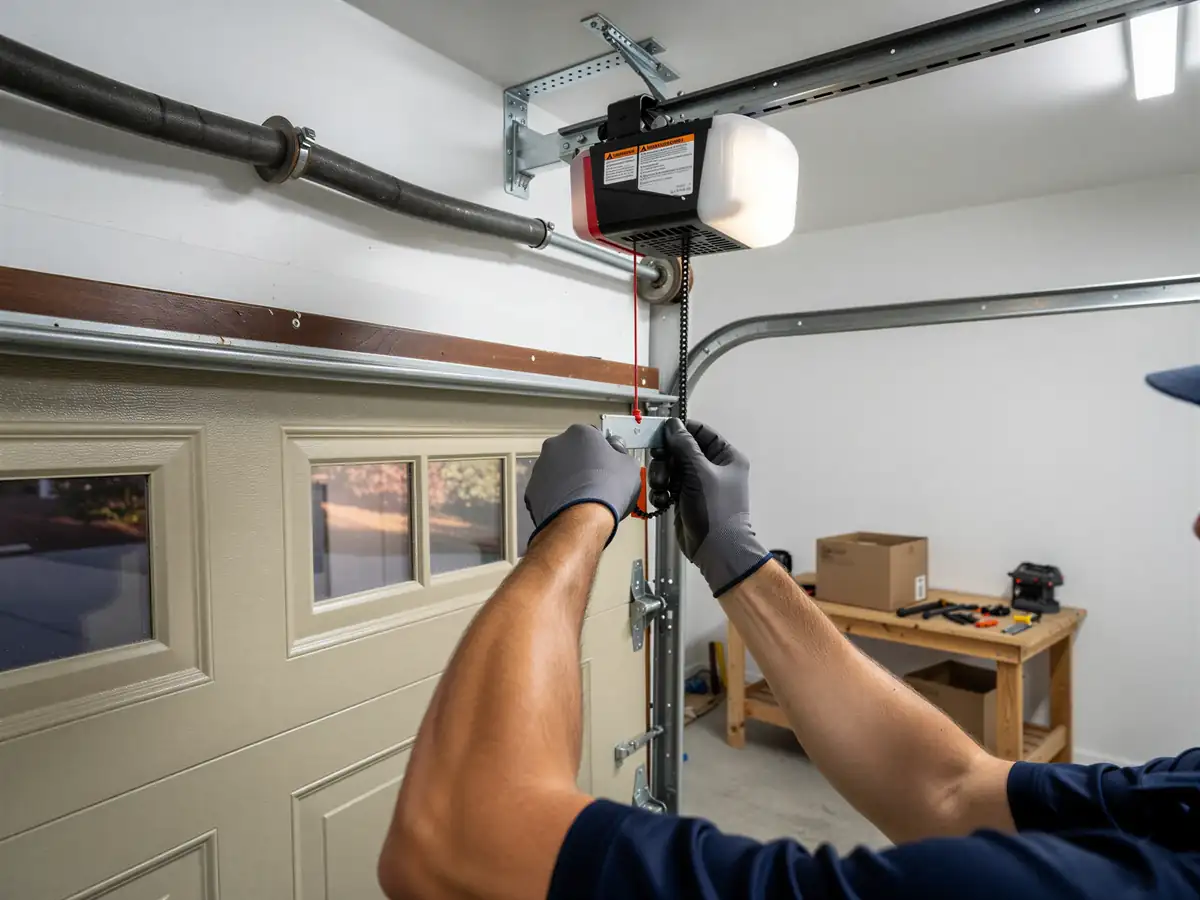
Chain is cheaper and louder. Belt costs more up front and runs quieter, which matters more in an attached garage under a bedroom than a detached one. We'll tell you plainly which option fits your situation instead of defaulting to whichever we have on the truck. One honest limit: if your garage wiring or door hardware needs work beyond the opener itself, that's a separate estimate, not folded into the install quote.
What Causes It Around Here
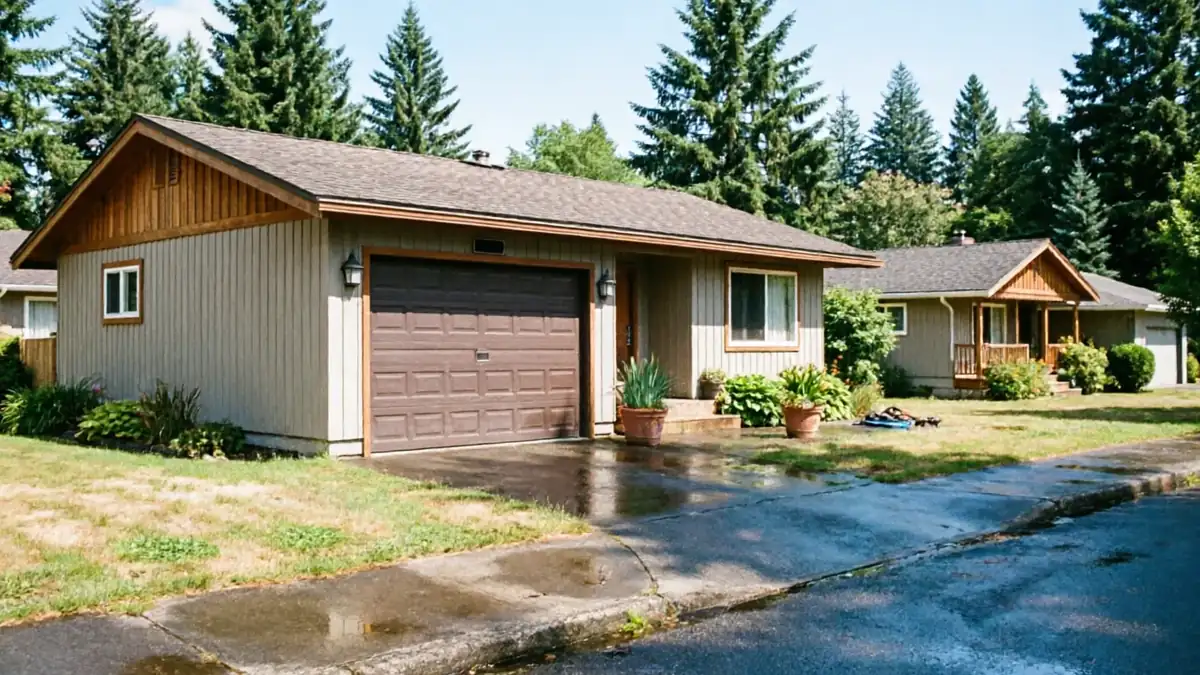
Most of the housing across this service area - 24 named areas, 31,680 owner-occupied houses - went up between 1972 and 2005, with the bulk clustering in the 1980s and 90s. That means a huge share of openers in this area are either original equipment or a single replacement generation old. Motors wear out on a schedule. A 30-plus-year-old chain-drive unit isn't a maybe-it-fails situation, it's a when.
The cold moderate climate here adds a second stress. Cold temperatures stiffen chain lubricant and tighten metal tolerances, so an opener that's already marginal tends to show its worst behavior on the coldest mornings - hesitating, grinding, or tripping the safety reverse when it wouldn't in warmer weather. That's not a coincidence of bad luck, it's thermal contraction working on parts that were already near the end.
Across 44,156 households in the service area, the pattern holds: older housing stock plus a climate that's hard on moving steel parts means opener replacement is one of the more predictable jobs we do, not a random failure.
Getting It Booked In
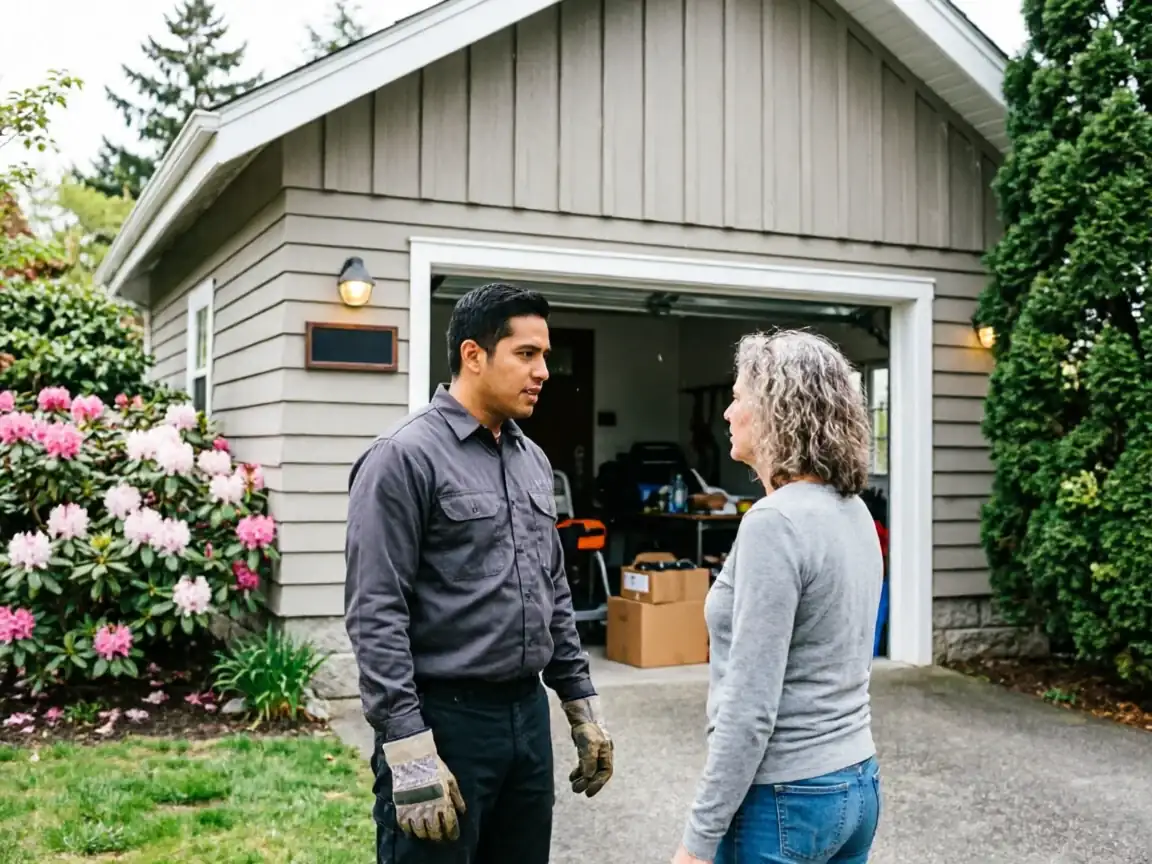
If your opener is acting up, don't wait for it to fail on the one morning you're already late. Call us and describe what you're seeing - grinding, no movement, remote not syncing - and we'll tell you honestly whether it's a repair or a replacement call before anyone drives out.
We cover the full service area, from Maltby just a few miles out to towns further afield like Duvall, Snoqualmie, and Carnation. Scheduling is straightforward: we ask for your opener's age and symptoms up front so the truck arrives with the right parts instead of guessing on-site.
Visit our home page at / for the rest of what we do if you've got other garage door issues alongside the opener - this page is just about getting a new unit installed correctly the first time.