How It Shows Up
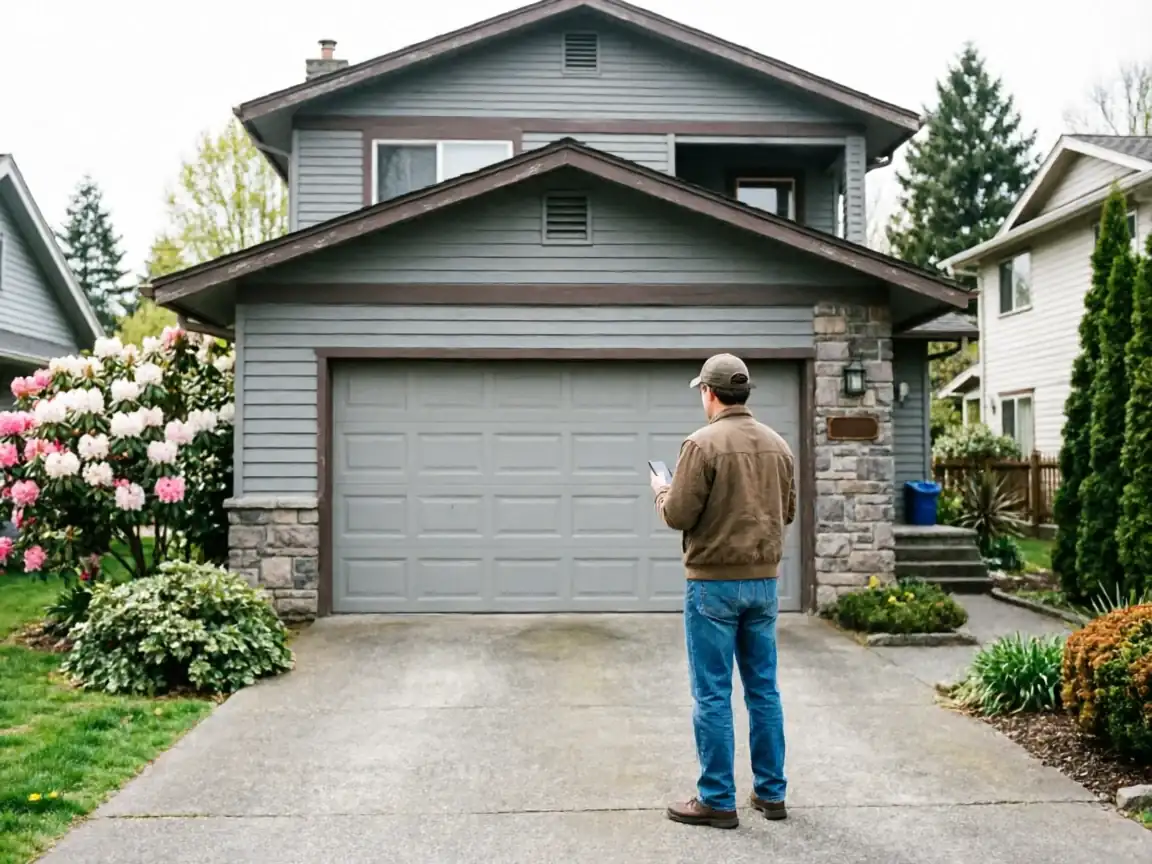
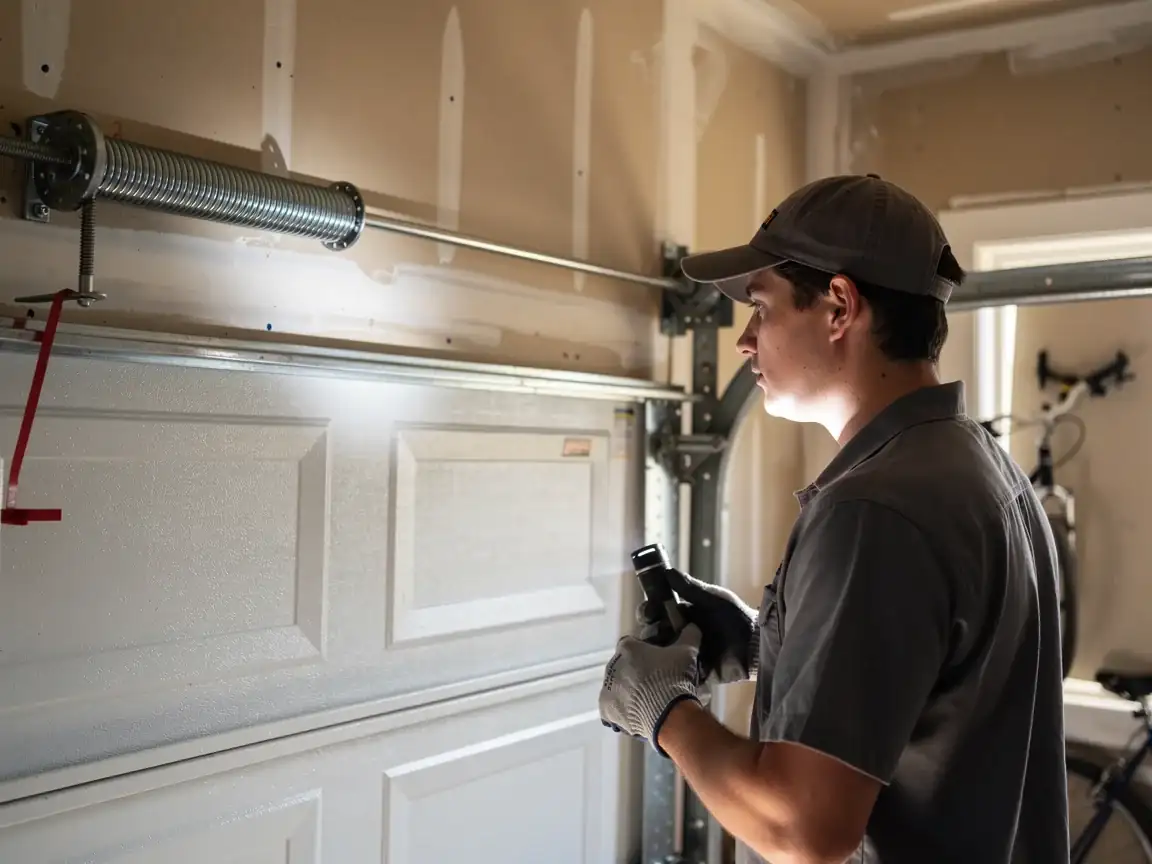
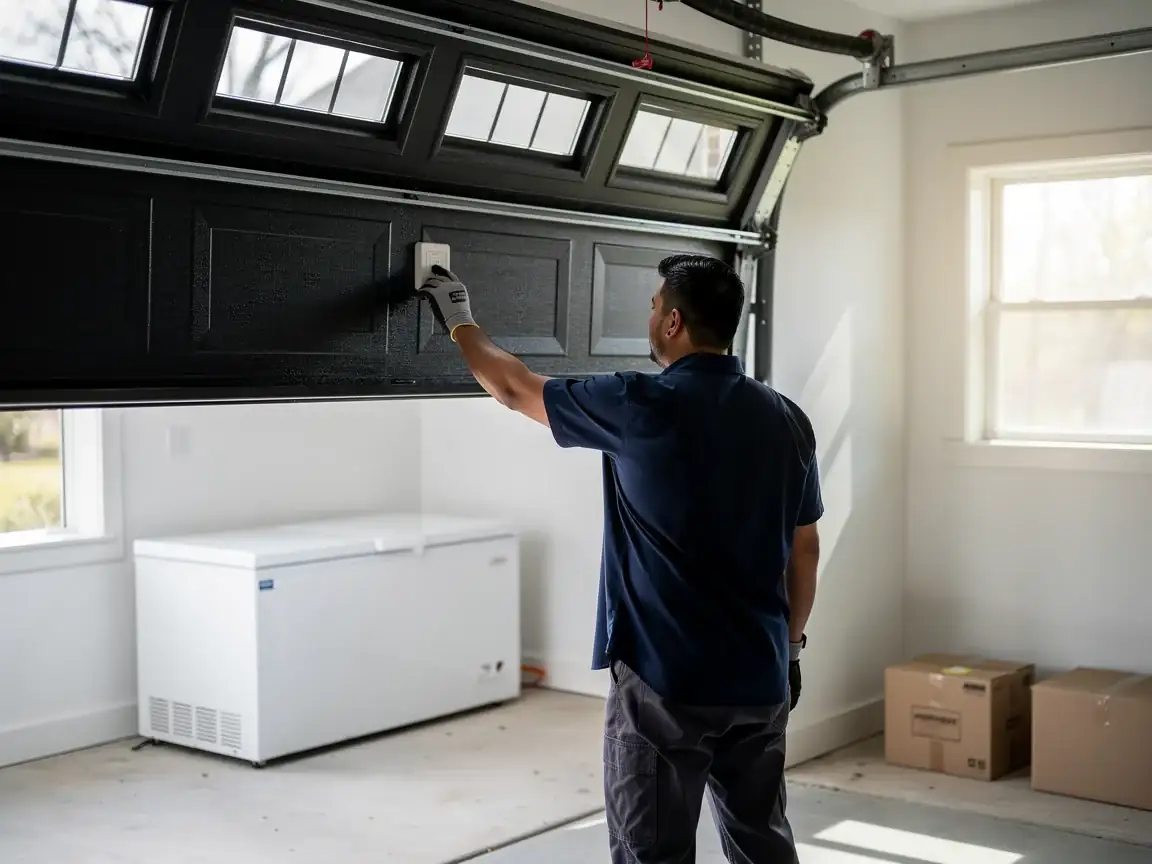
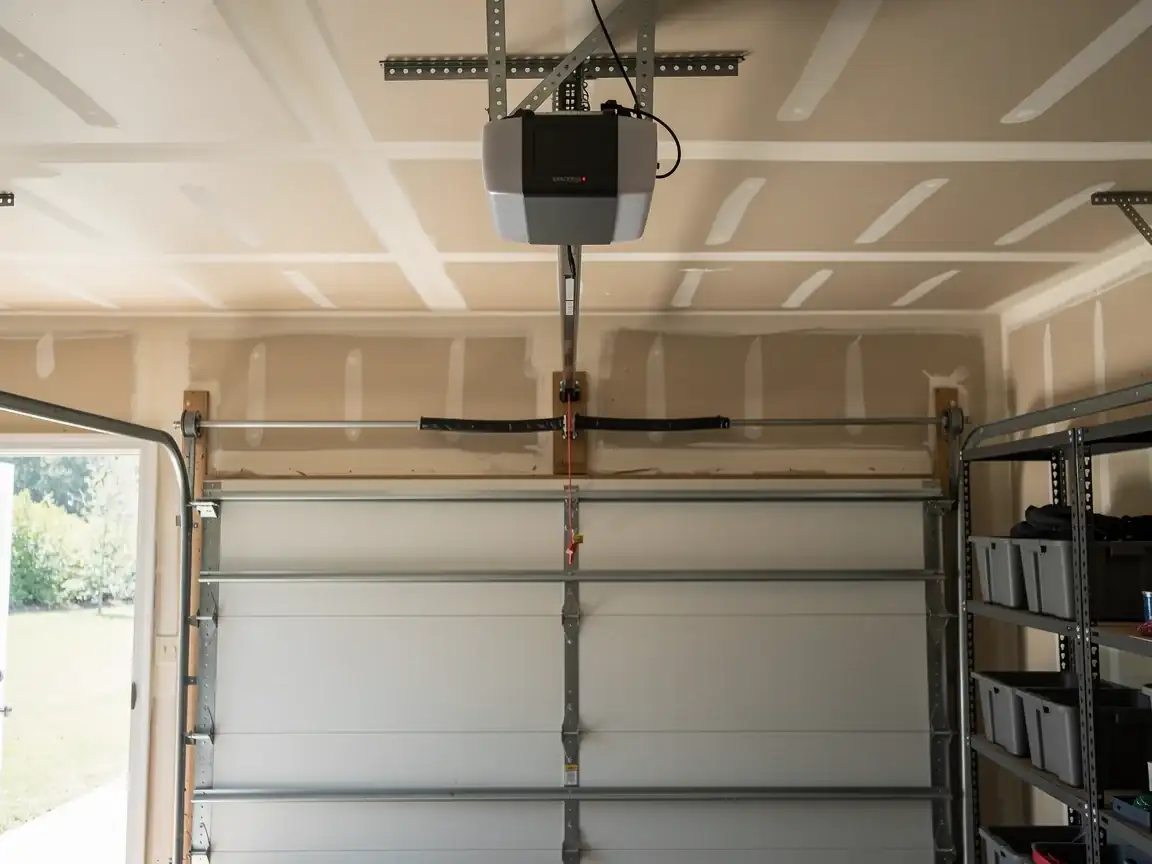
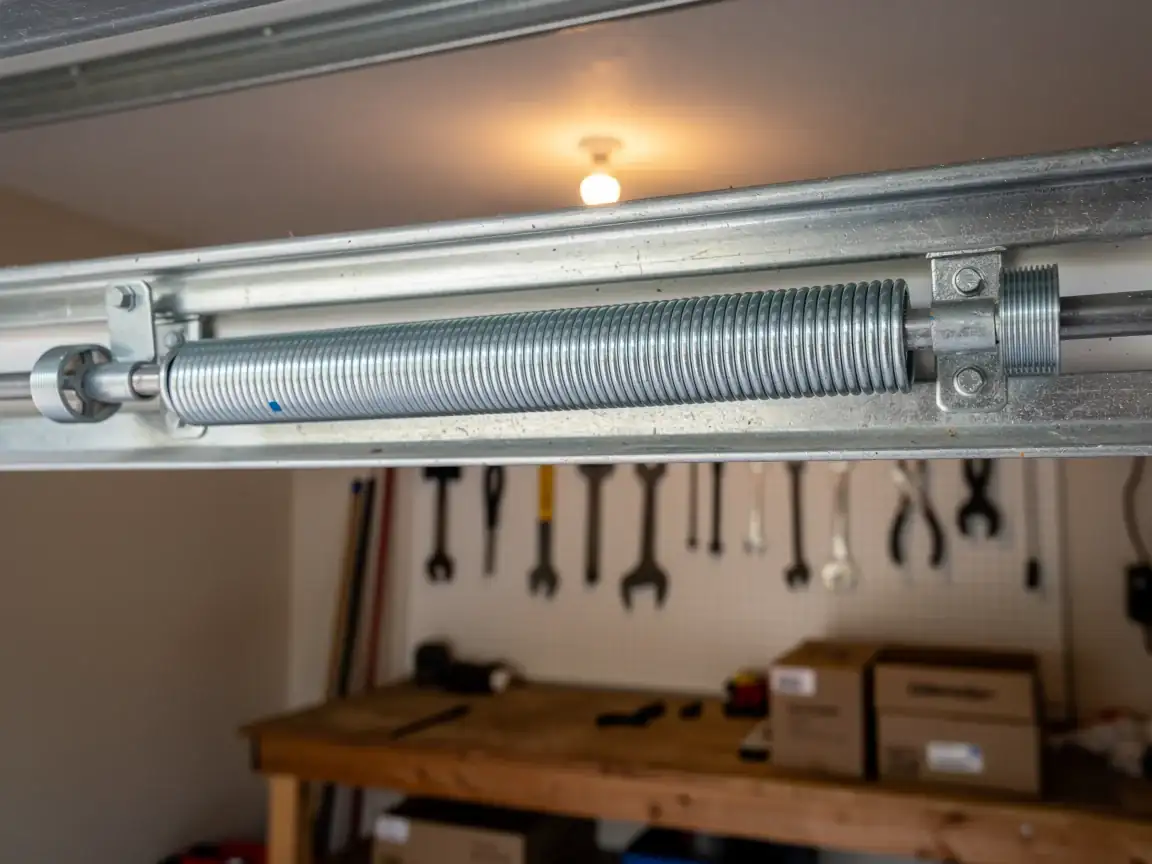
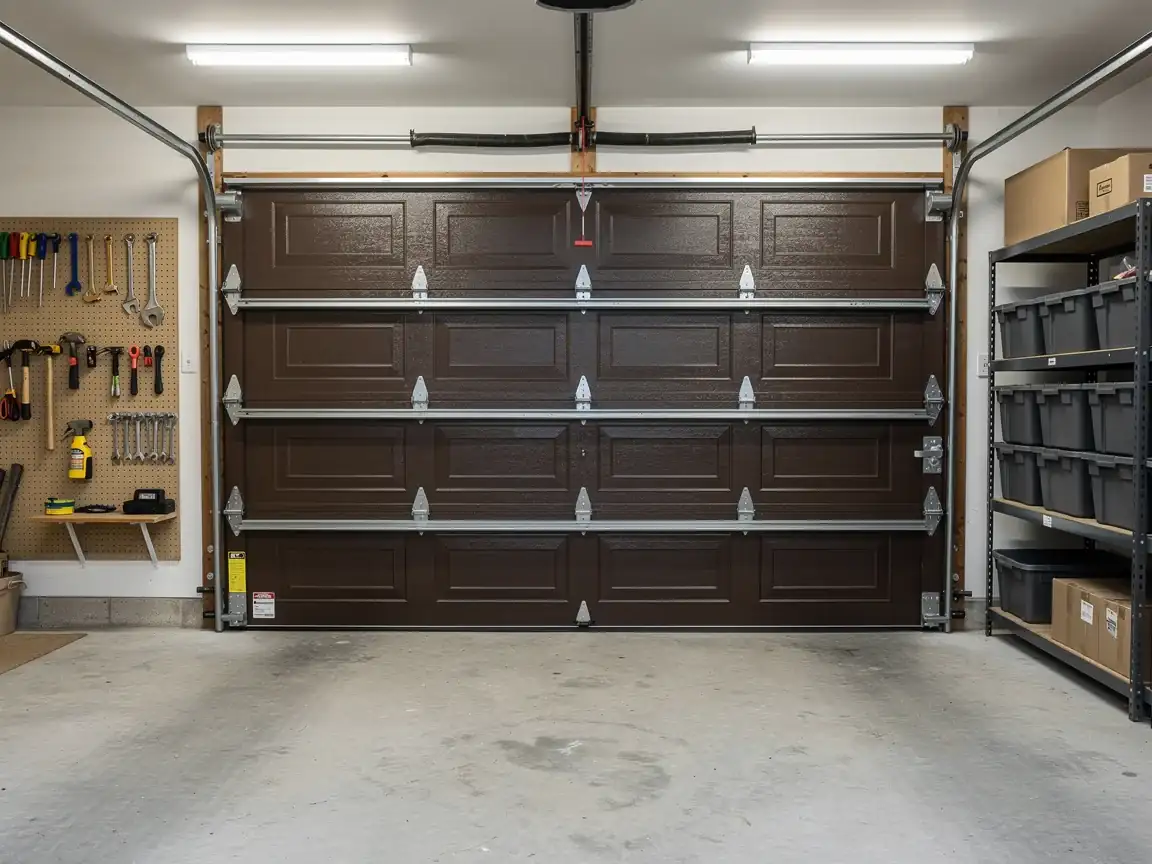
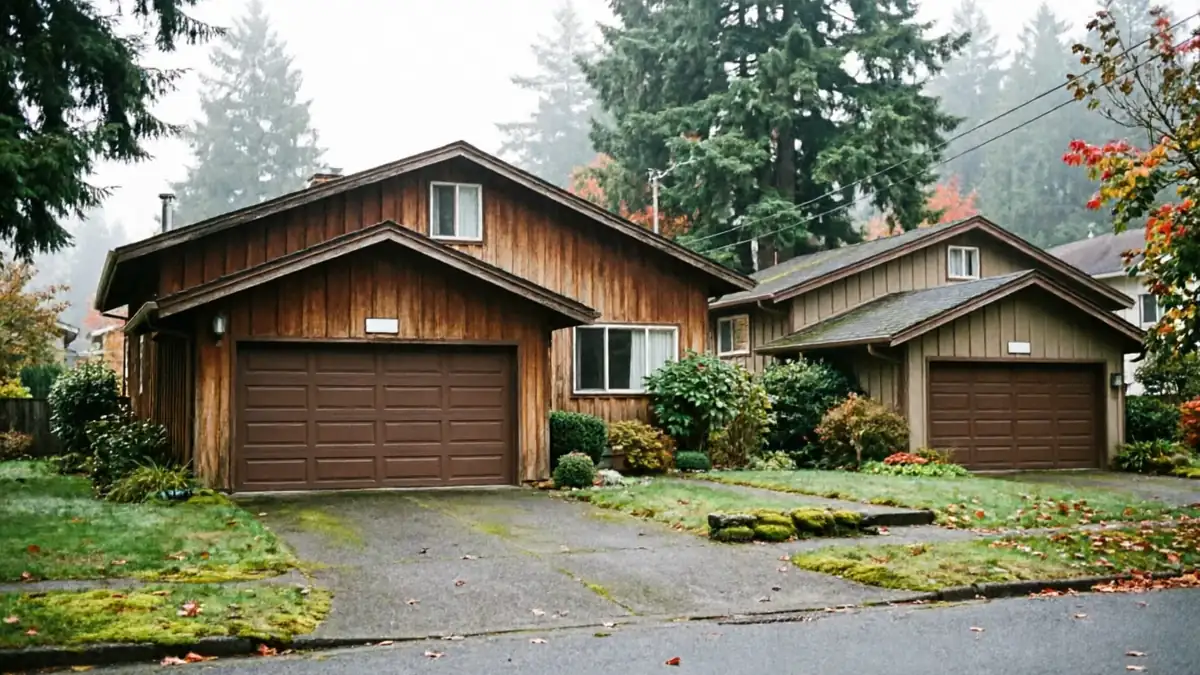
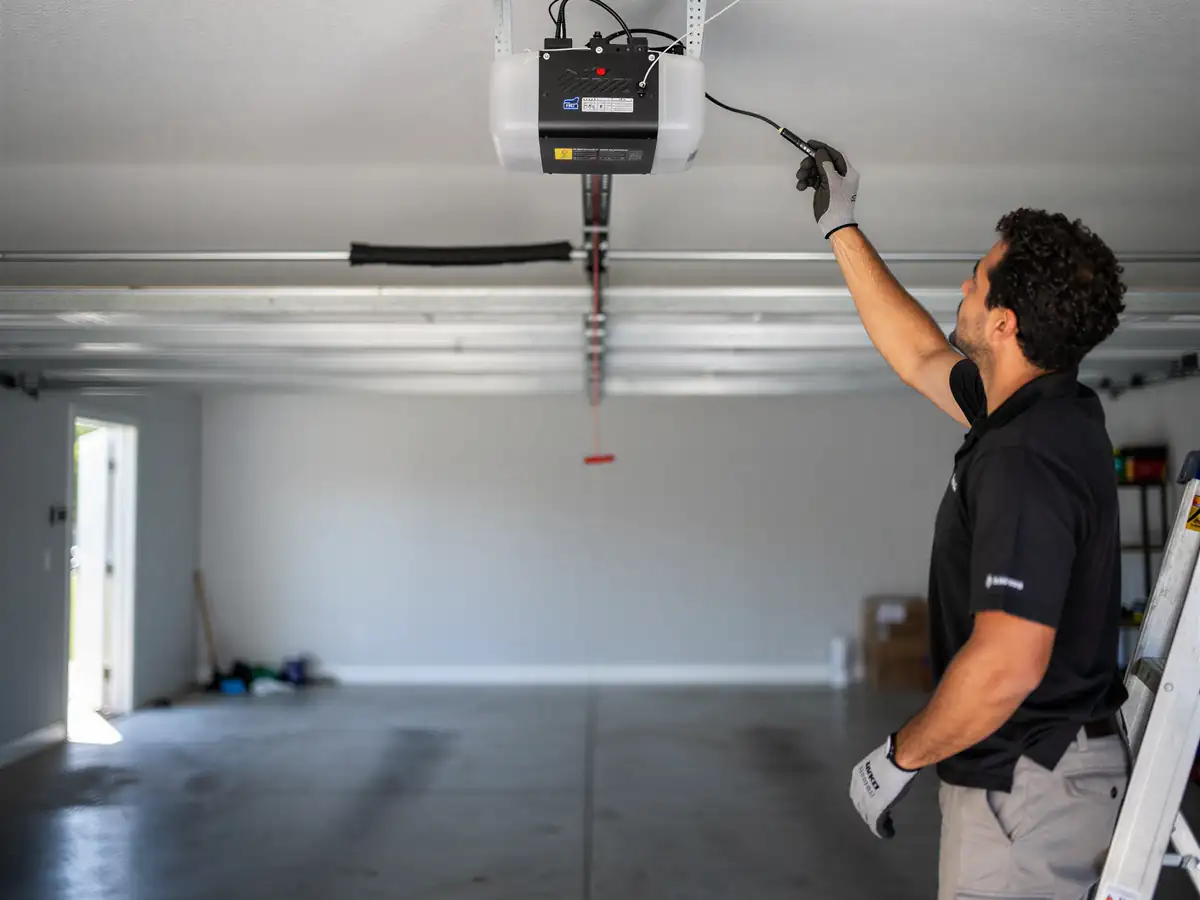
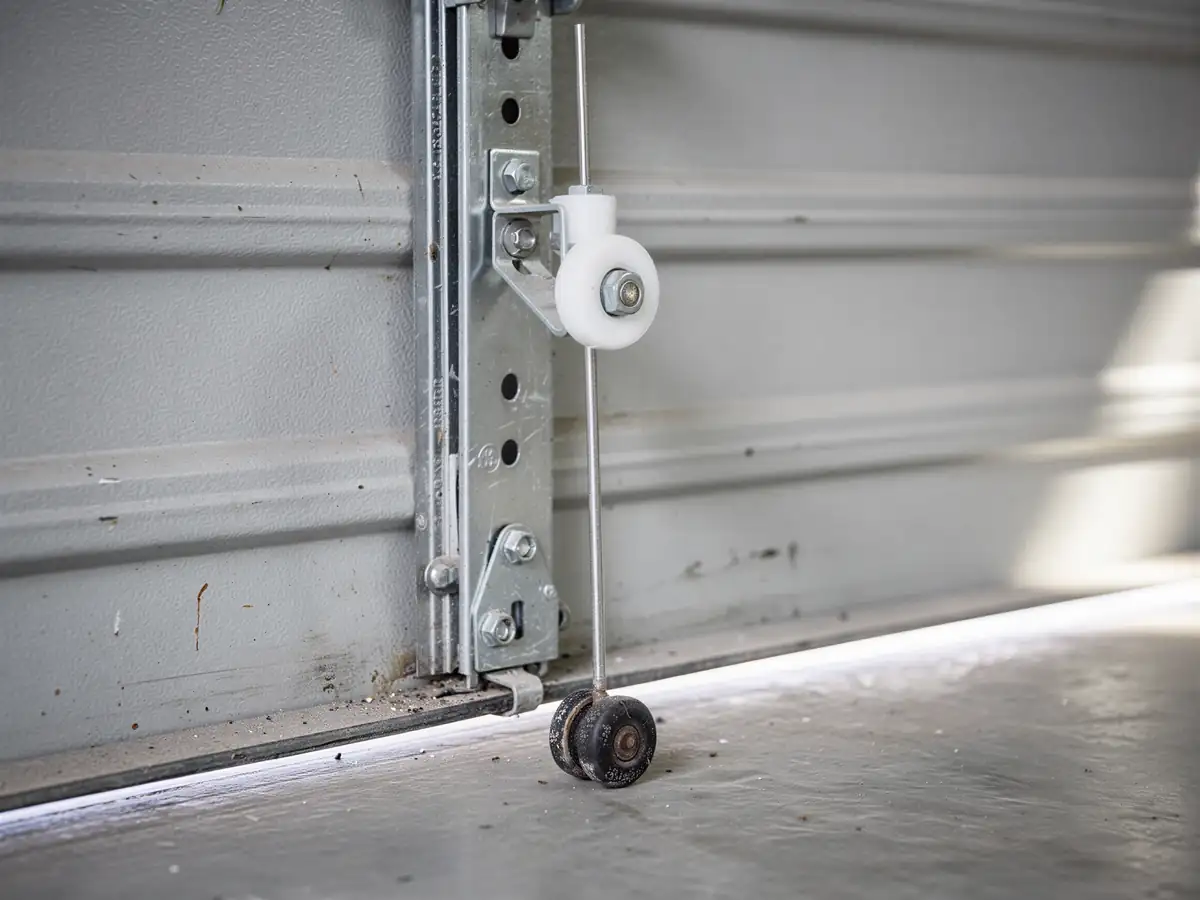
Most calls start the same way: the door stutters halfway up, or it slams the last foot instead of settling. Sometimes it just stops answering the opener at all. On a lot of the houses around here, built between 1972 and 2005, that's a torsion spring finally giving out after decades of cycles, or a roller track that's worn enough to bind. You'll hear it before you see it - a grinding or popping sound as the spring fatigues, or a hum from the opener motor that isn't moving anything.
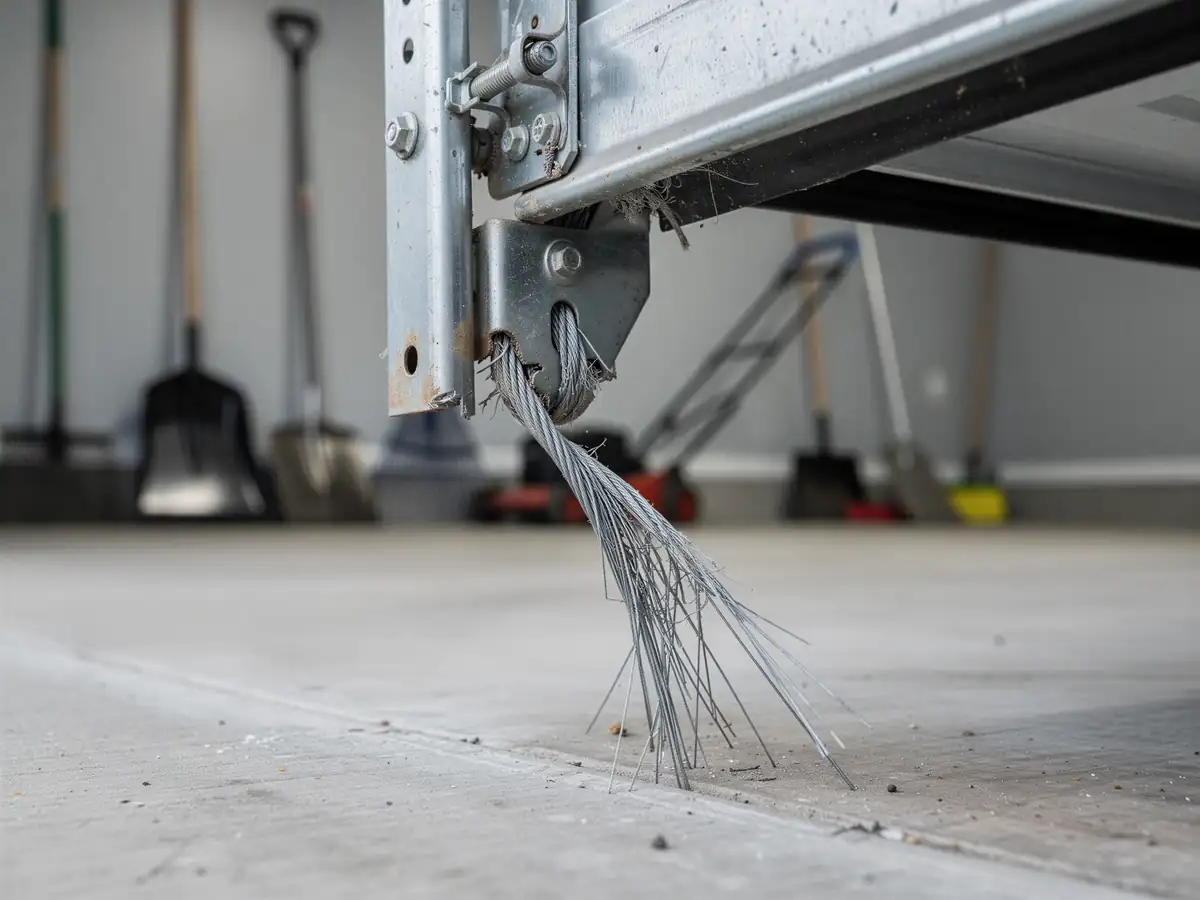
On the 1980s and 90s builds that make up a lot of this area's stock, the original hardware is often still in place. That's not a knock on the build quality - it's just that springs have a cycle life, and a door that's been opened twice a day for 35 years has used most of it up. Cables fraying near the bottom bracket is another one we see a lot, especially on doors that never got the track lubricated.
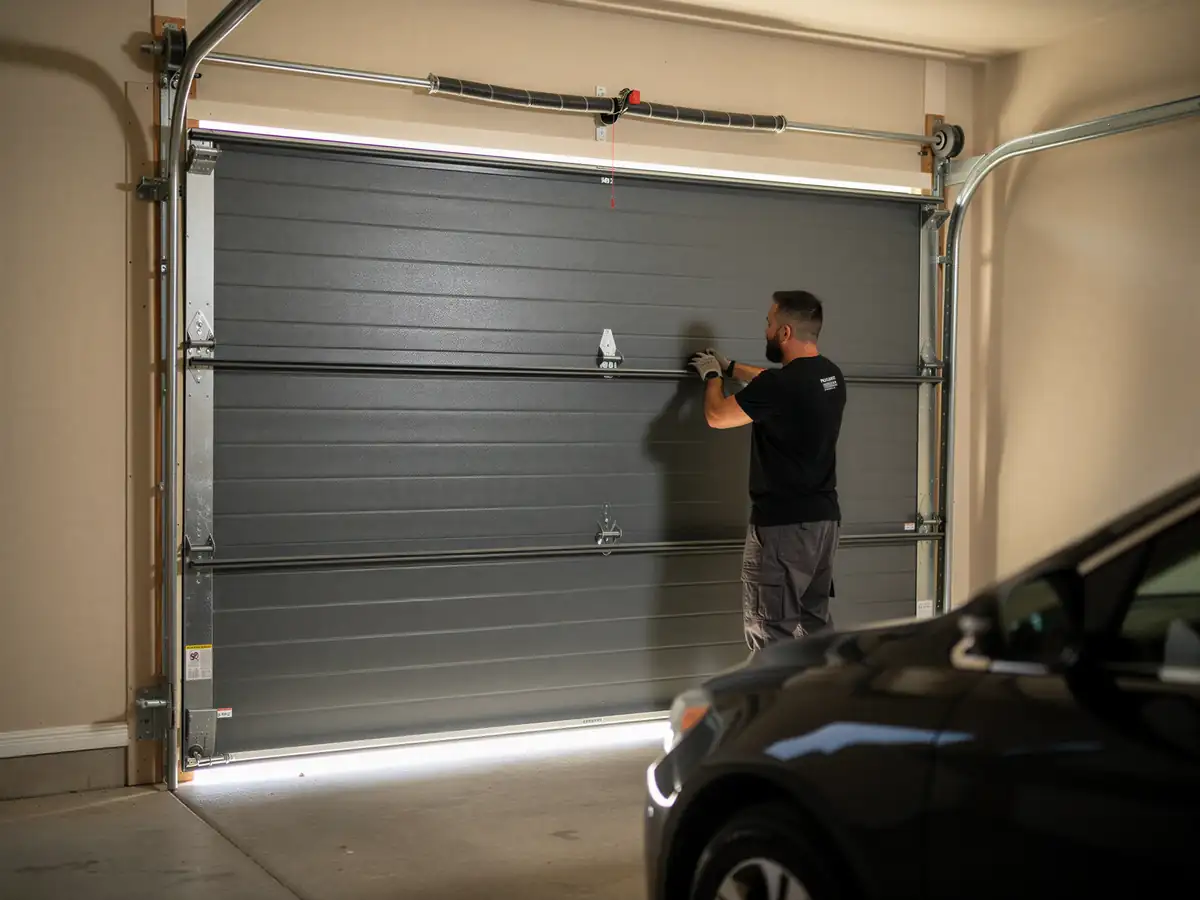
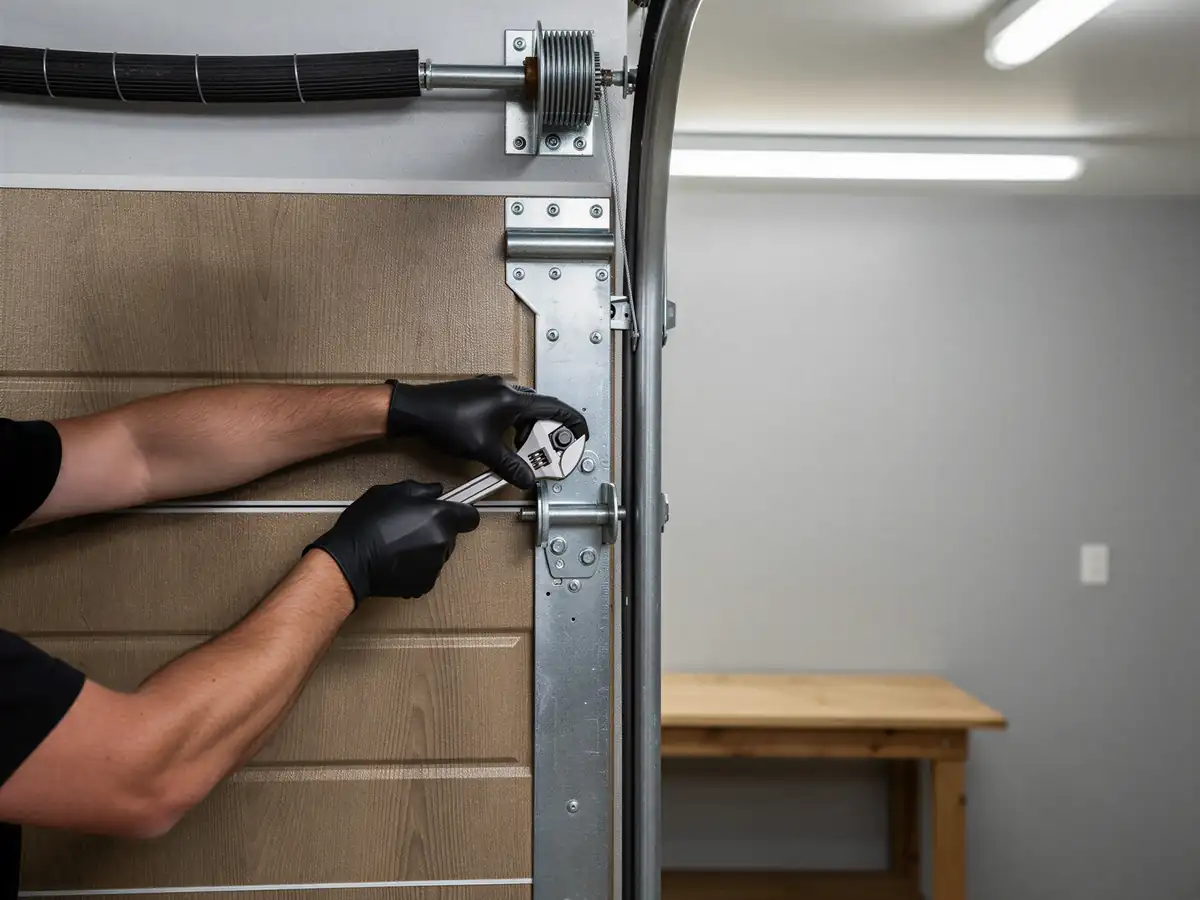
A door that drops suddenly or won't stay up on its own is not a DIY fix - that's spring tension, and it can hurt you. Call before you climb a ladder to look at it.
The Cost of This Job
We don't have a flat number to quote here without seeing the door
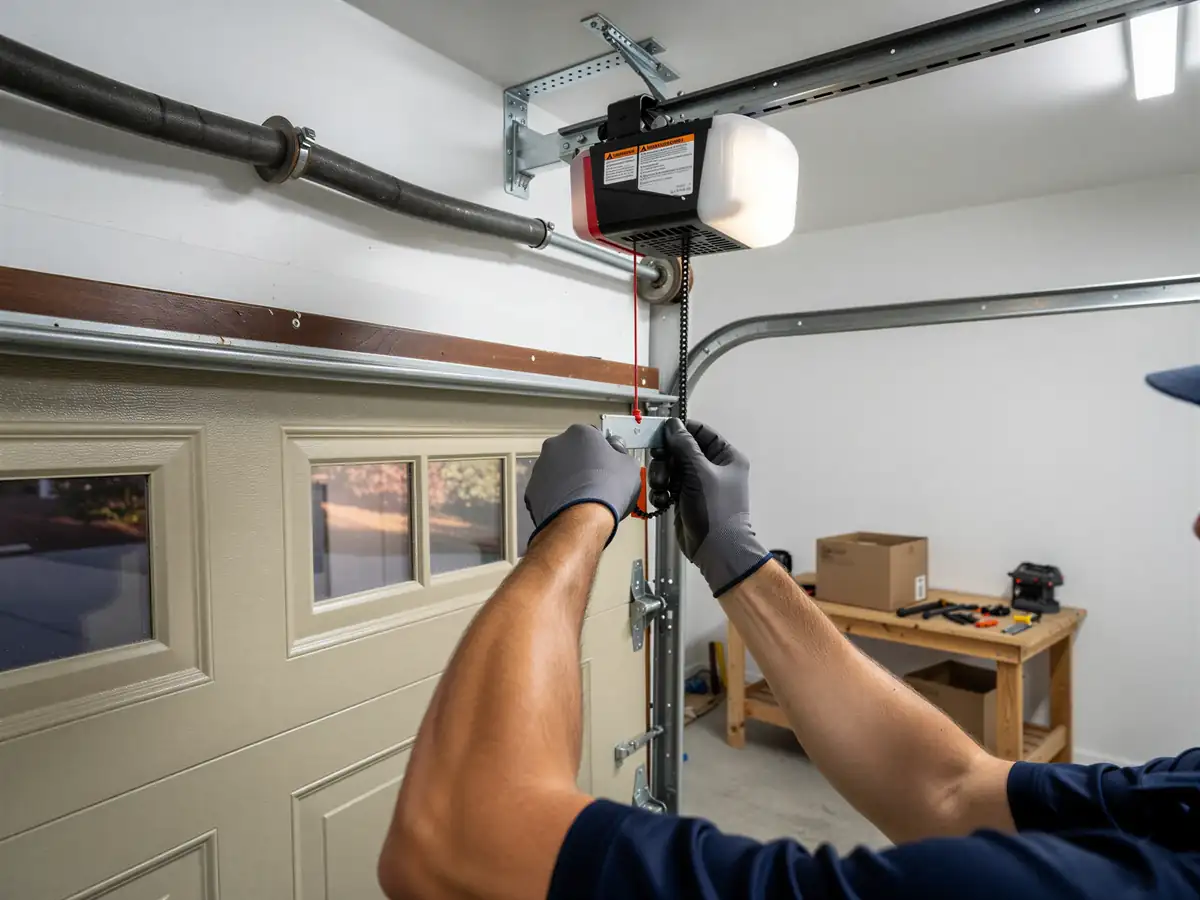
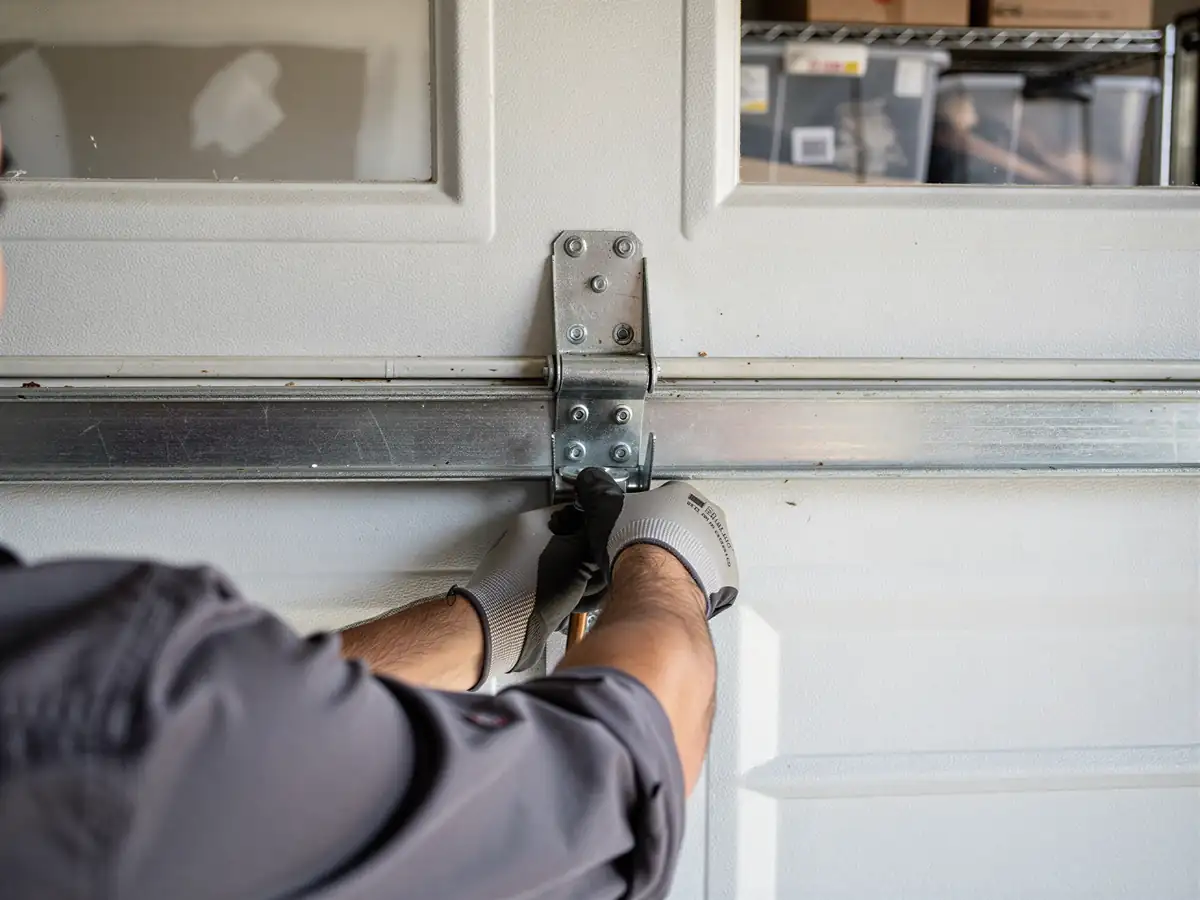
Spring size, cable condition, and whether the opener needs attention all change the job. What we can tell you is that houses from the 1972-2005 wave typically need the same handful of things: torsion spring replacement, roller swaps, or cable re-termination. None of those are exotic parts.
Given the income levels and home values typical of this service area
Most owners aren't looking to patch a door twice - they want it done right the first time, with parts sized for the door's weight and the cycle count it's actually going to see. That's worth asking about up front: a spring rated for a lighter door than yours will fail again, usually within a year or two, and you'll be back to square one. Ask what's being installed and why before the work starts.
What Causes It Around Here
This region sits in a cold-moderate climate band, which means steel hardware spends a lot of the year dealing with damp air and temperature swings rather than extreme heat. That's slower on metal fatigue than a hot, dry climate would be, but it's harder on lubrication - grease on tracks and hinges breaks down or washes out faster, and that shows up as noise and binding long before anything actually breaks.
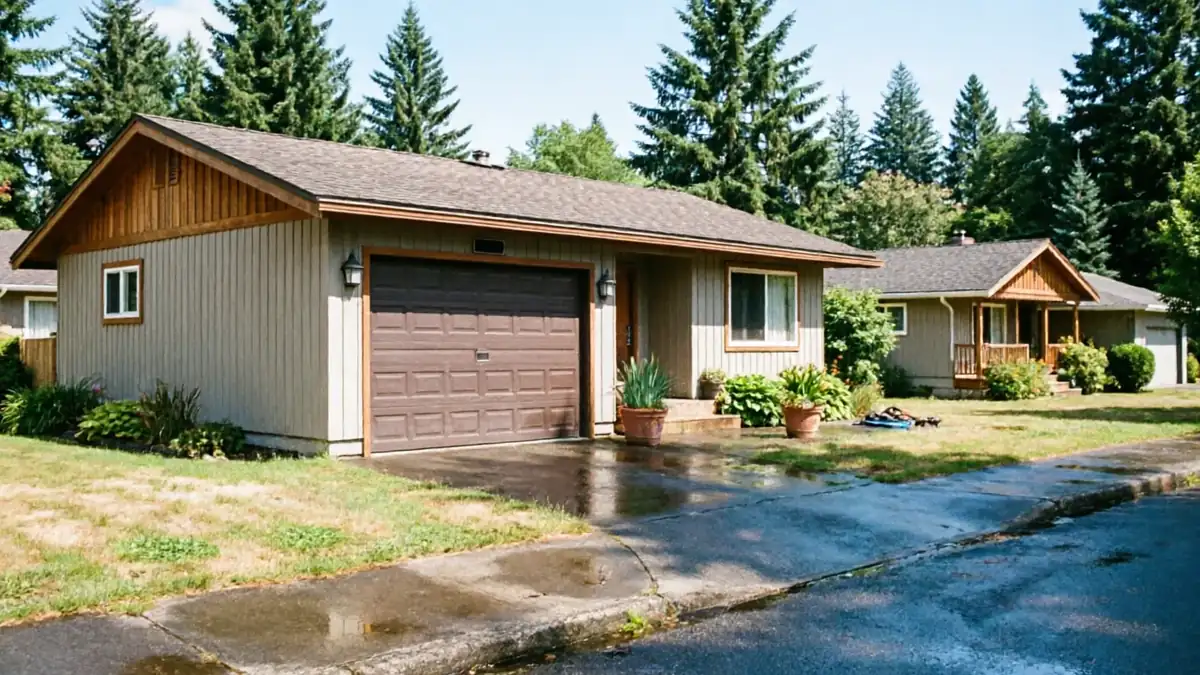
Across the 24 named areas that make up this housing stock, the pattern repeats: homes built mostly in the 1980s and 90s, now 30-45 years old, hitting the point where original torsion springs and rollers are past their rated life at the same time the galvanized coatings on older cable start to show wear. It's less about any one dramatic failure and more about several components aging out together. A door that's been fine for years can go from quiet to broken in a single cold snap once a spring is already near the end of its cycle count.
Getting It Booked In
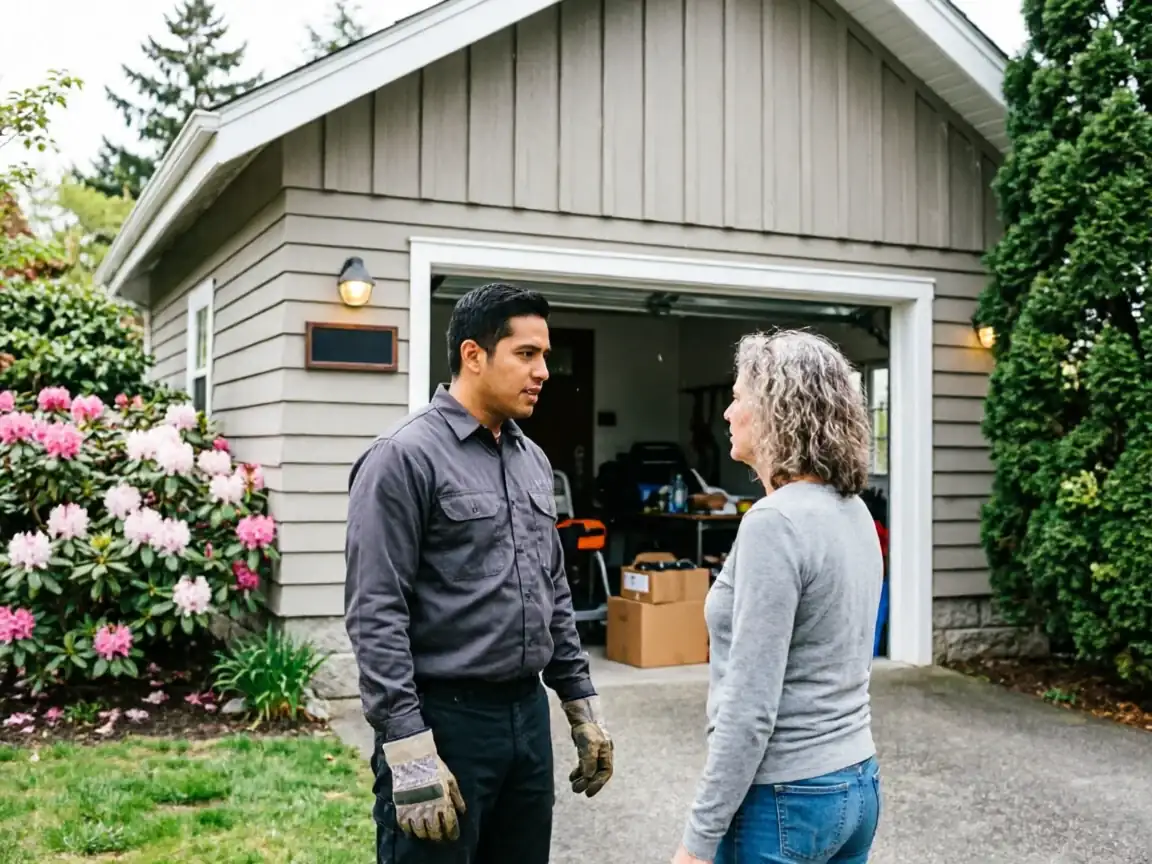
If your door is stuck, making noise, or the spring has visibly let go, call and describe what you're seeing - whether it's the door, the opener, or both. We work across the Woodinville area, including the surrounding communities like Maltby, and Cathcart.
One limit worth knowing: if a part needs to be special-ordered - an odd-sized panel on an older custom door, for instance - that's not a same-day fix no matter how urgent it feels. We'll tell you straight if that's the situation rather than promise a timeline we can't hit. For standard torsion spring and roller work, which covers most of what we see on homes from this era, we carry what's needed on the truck.