How It Shows Up
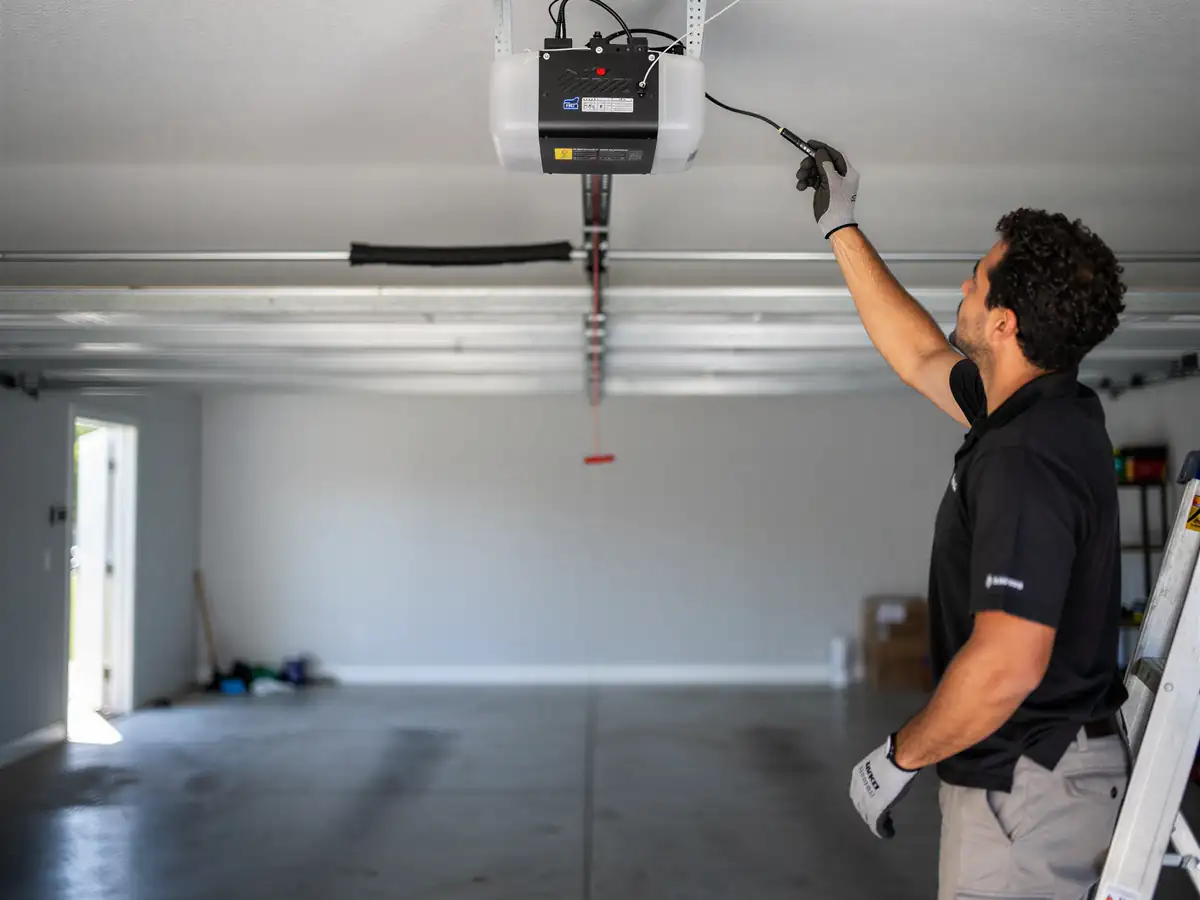
Most calls start the same way: you hit the remote and nothing happens, or the motor hums but the door won't budge. Sometimes it's a light that blinks a fault code and goes quiet. Sometimes the door reverses halfway up for no reason you can see.
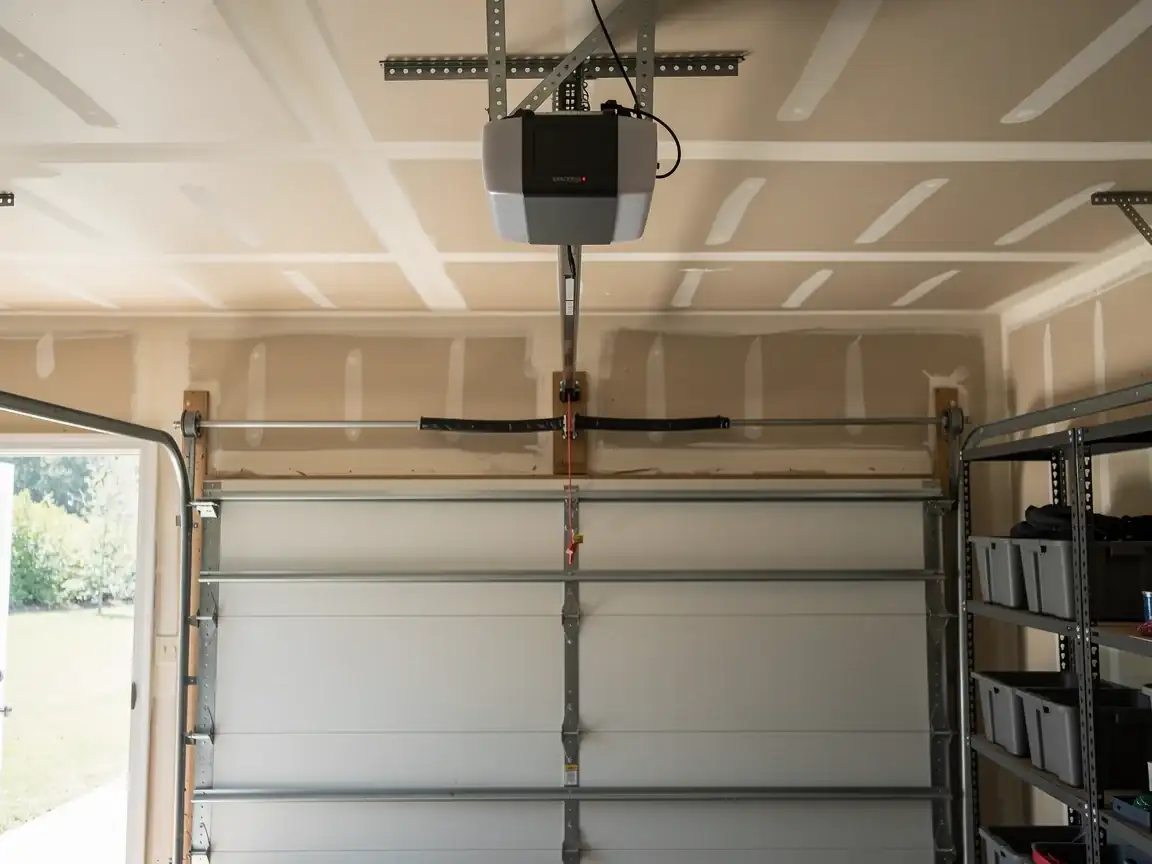
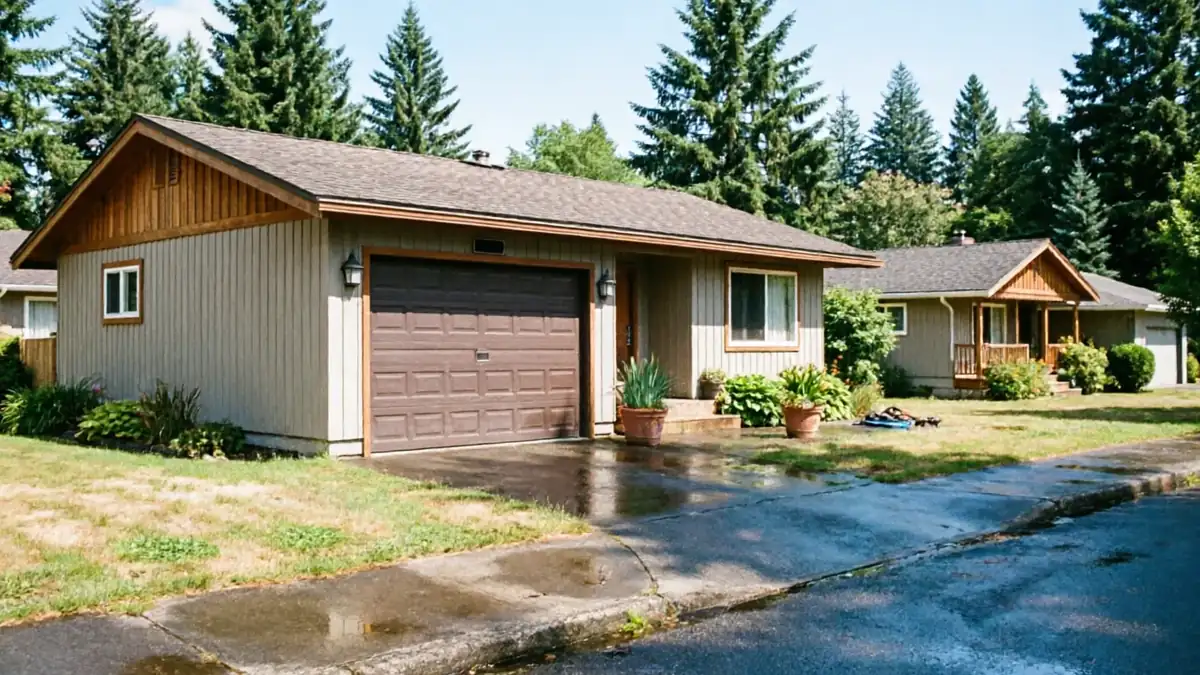
In a lot of Woodinville-area houses, the opener itself isn't the whole story. Homes in this service area were mostly built between 1972 and 2005, with the bulk of that stock going up in the 1980s and 90s across the two dozen neighborhoods we cover. Openers from that era, and even the replacement units installed in the 90s and early 2000s, are reaching the end of their working life at the same time as the gear sets, capacitors, and logic boards start to go. A door that worked fine last winter and won't respond this winter is often just a motor that's done its 20 or 30 years.
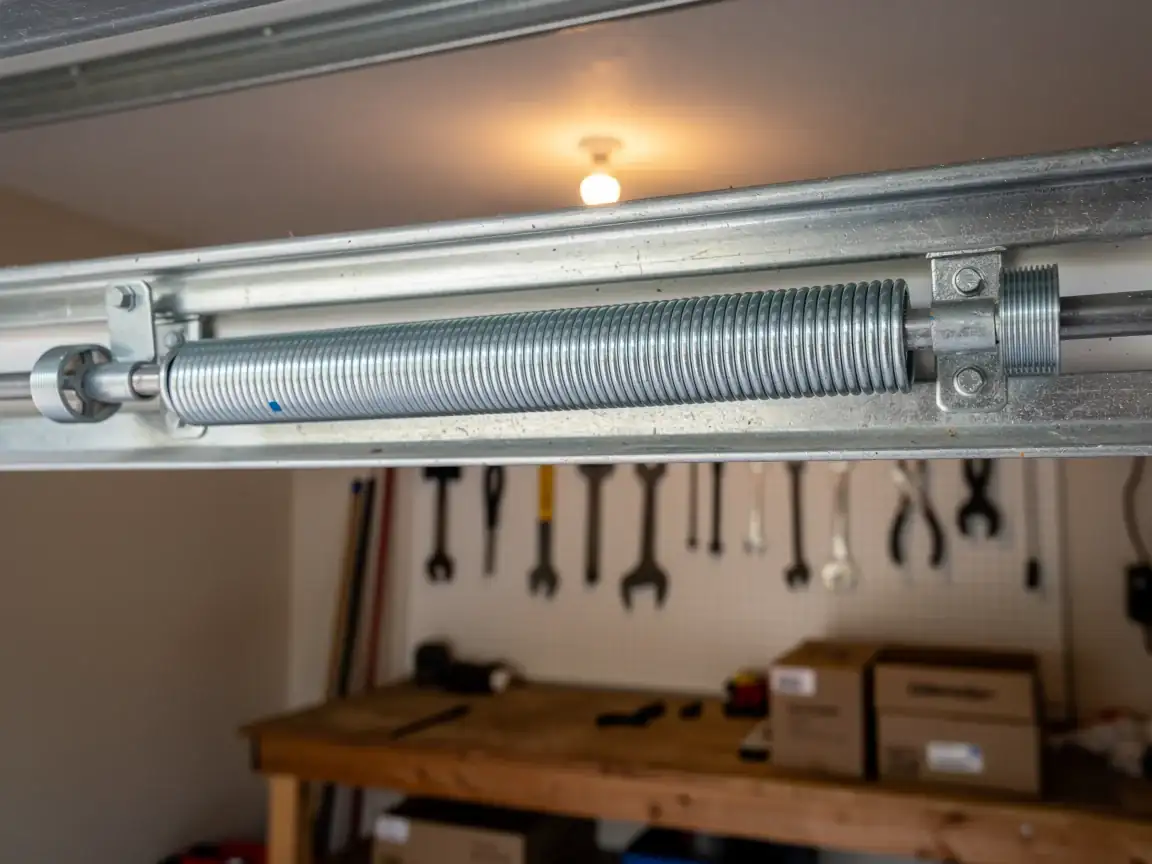
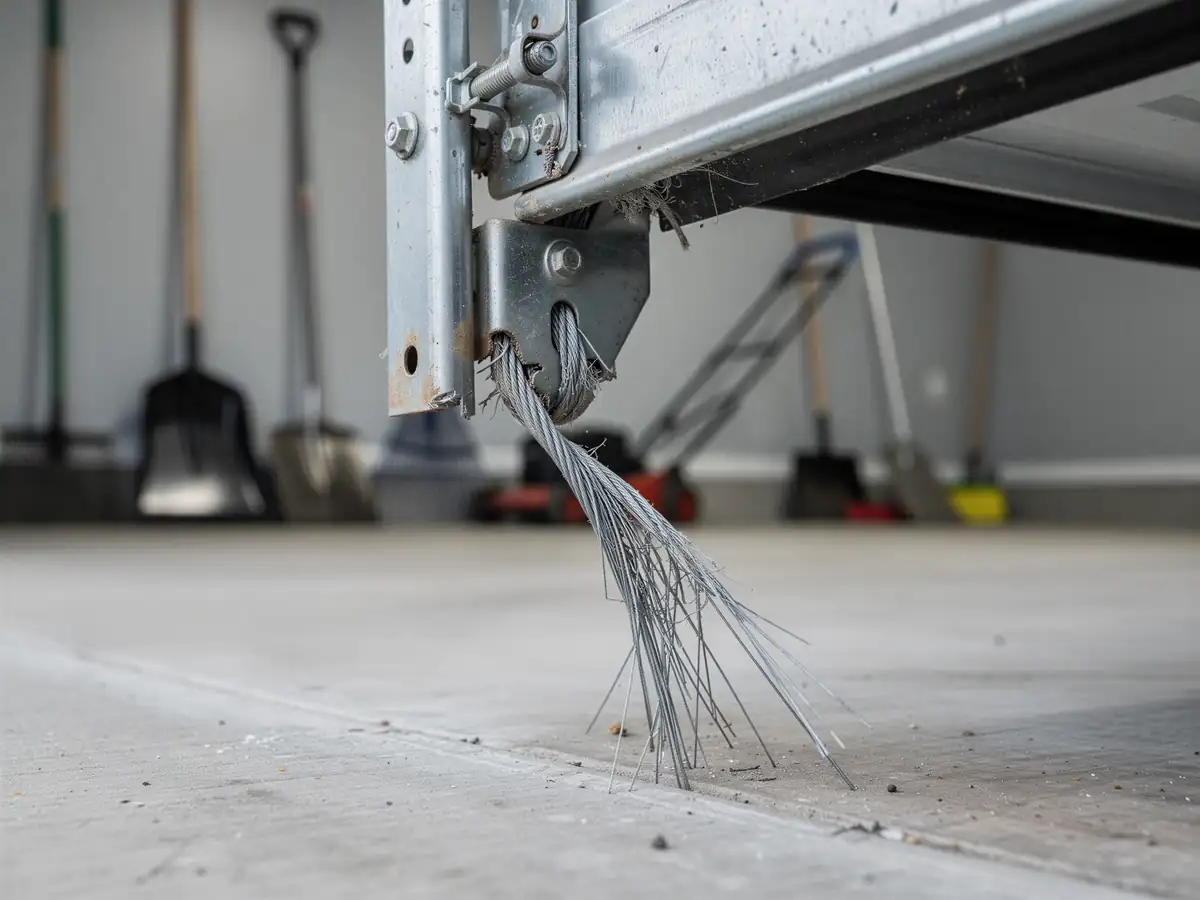
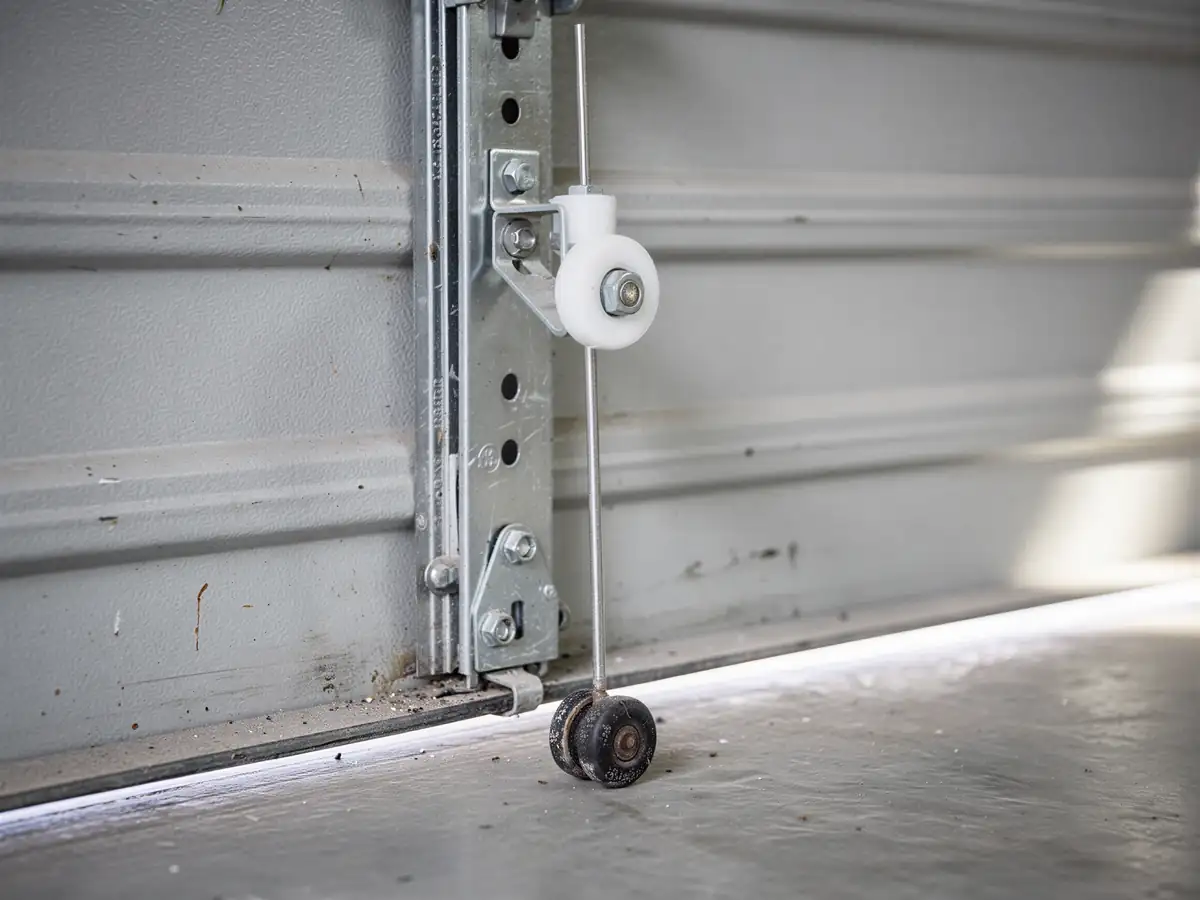
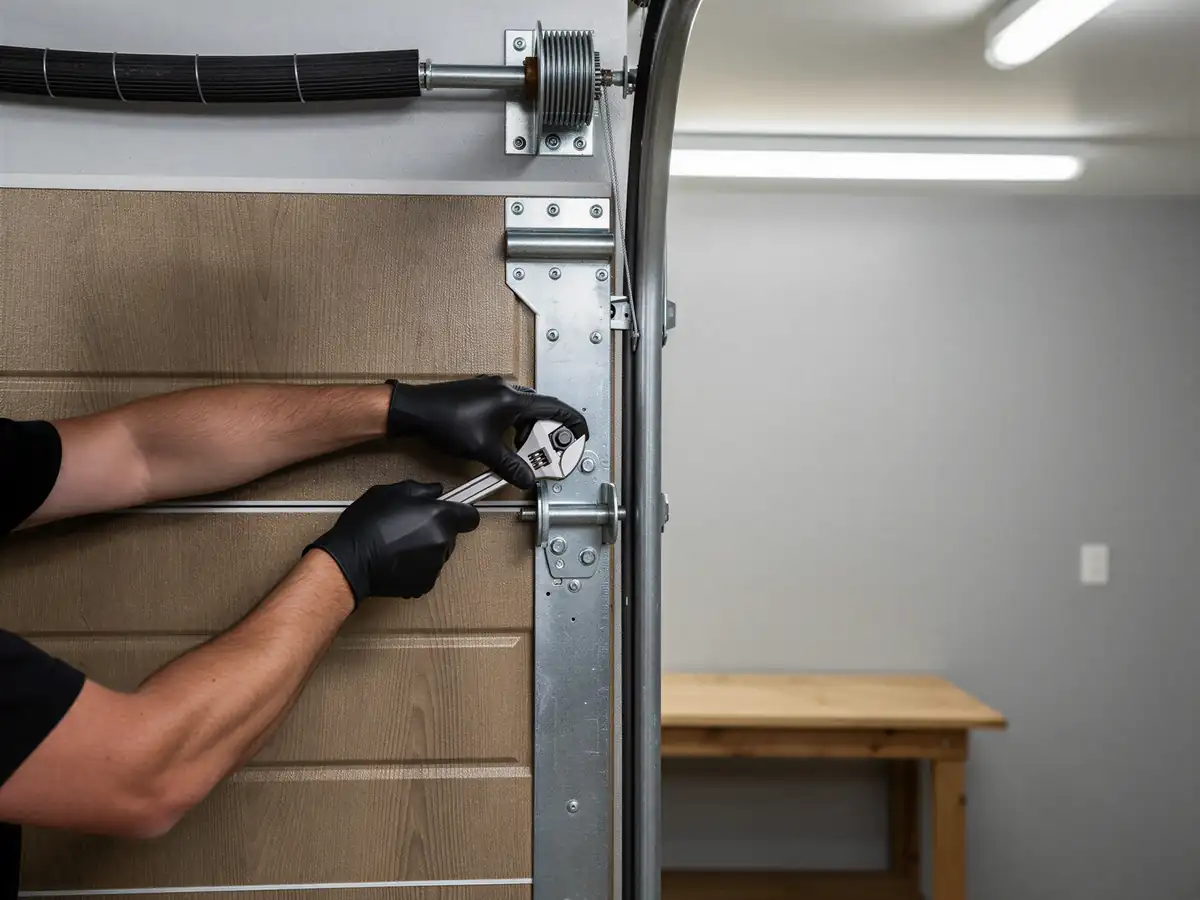
We also see openers that work but strain - grinding on the way up, stuttering, or tripping the breaker. That's usually not the opener's fault at all; it's a spring or track problem making the motor do work it was never built to do. Diagnosing which one you've got is most of the job before any part gets replaced.
The Cost of This Job
We don't have a flat number to quote here, and we're not going to make one up
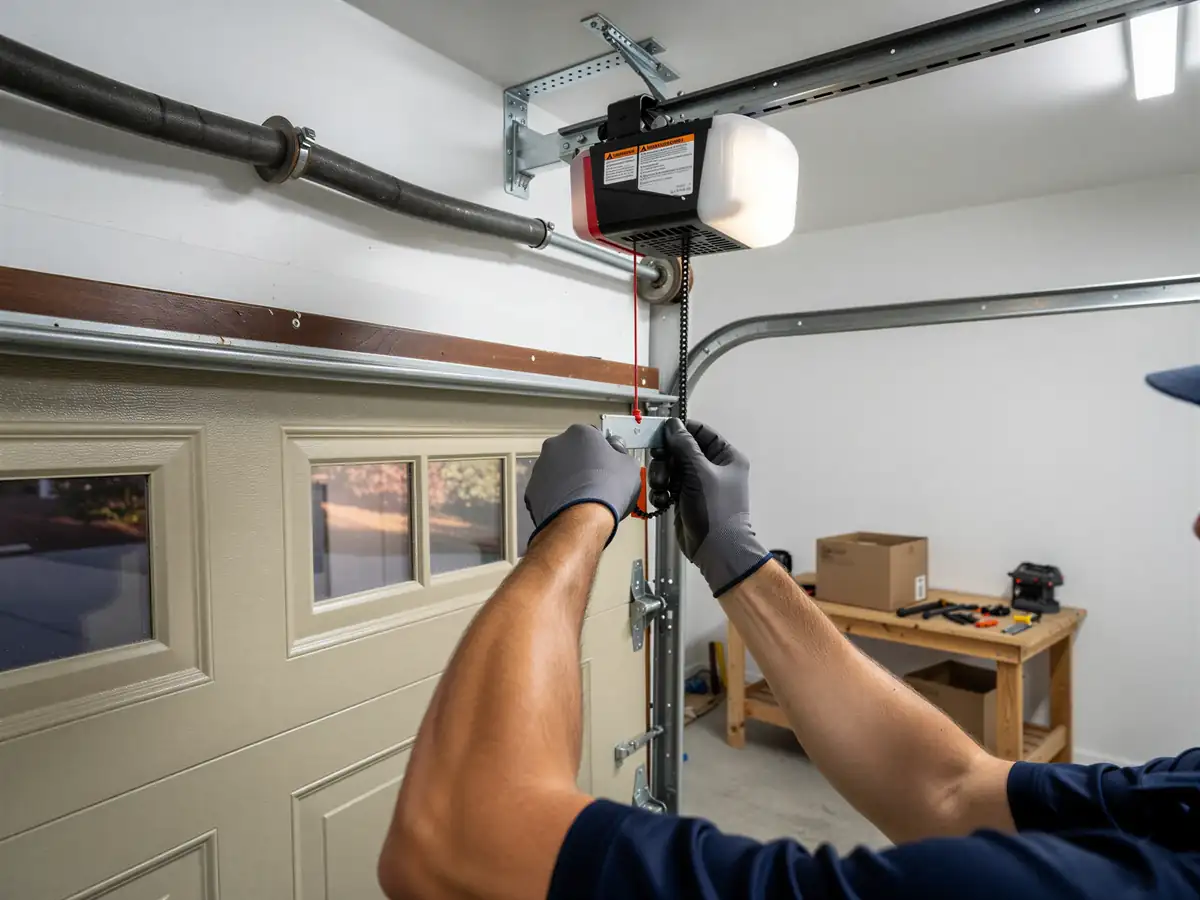
What drives the price on an opener repair is whether it's a part swap - a circuit board, a sensor, a drive gear - or a full unit replacement, and whether the opener is a standard chain or belt drive versus something older with proprietary parts that are harder to source.
One honest limitation
If your opener is an older model from the original 1980s-90s builds common in this area, we sometimes can't get a matching logic board or remote receiver at all. At that point repair isn't the cheaper option - replacement is, because chasing a discontinued part can cost more in truck time than a new unit. We'll tell you straight if that's where your job is headed instead of running up a bill trying to find a part that doesn't exist anymore.
We size up the job in person before we give you a number
Because a sensor alignment and a dead motherboard look identical from the driveway.
What Causes It Around Here
The service area sits in a cold-moderate climate band, and that matters more for openers than people expect. Cold mornings make grease inside the gearbox stiffen up, so the motor pulls harder to turn over - that extra load is what burns out drive gears and capacitors years before they'd otherwise fail. Humidity swings through the wet months also get into circuit boards and wall-mounted controls that weren't sealed well to begin with, especially on units installed before manufacturers started weatherproofing those components as standard.
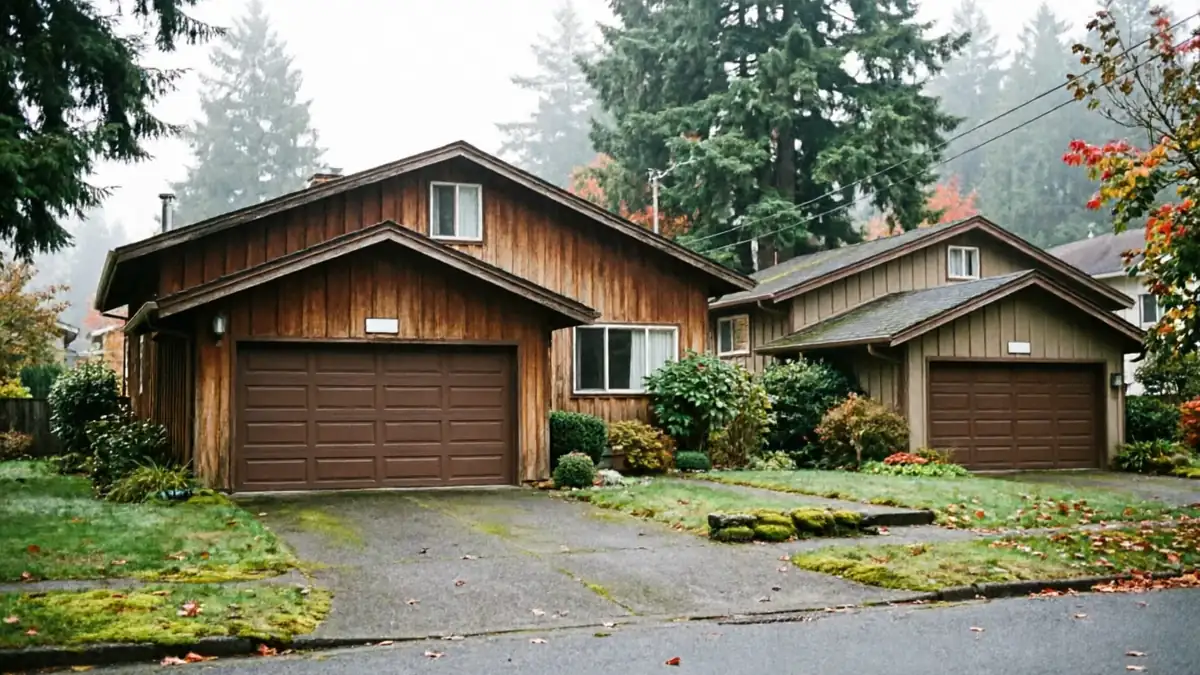
Age is the other half of it. With most of the housing stock here dating to 1985 on the median, a huge share of openers in this area are original or first-replacement units nearing or past their expected service life. We see the same failure pattern across the two dozen neighborhoods in this service area - it's not a single bad batch or a bad street, it's a whole generation of hardware aging out at once, pushed along by winters that are hard on motors and seals alike.
Getting It Booked In
With roughly 31,680 owner-occupied houses across this service area, opener repair is one of the calls we get most, and most of them can be scheduled without an emergency rush. If your door is stuck open or stuck shut and that's a security or access problem, say so when you call and we'll treat it that way.
Give us the brand on the motor housing if you can see it, and tell us whether the door moves at all, makes noise, or does nothing. That helps us bring the right board or sensor kit on the first trip instead of a second visit. You can start on the home page.