How It Shows Up
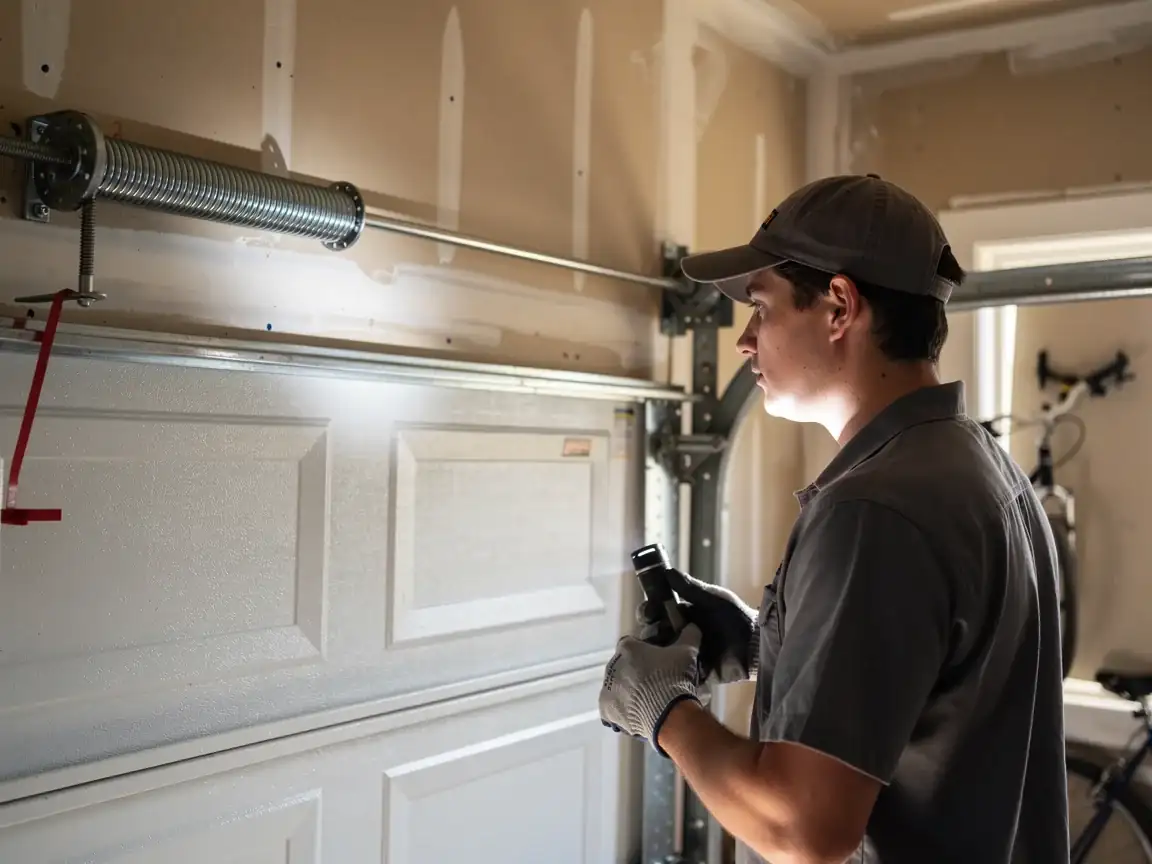
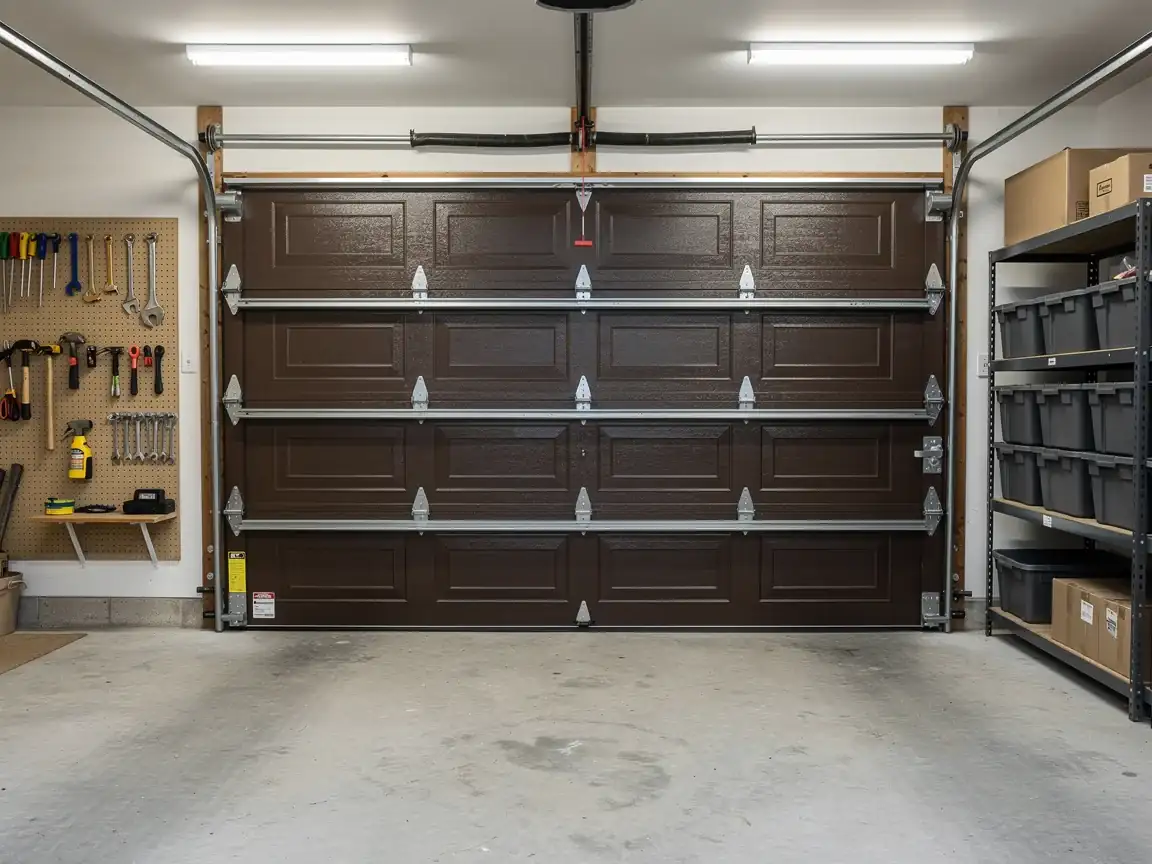
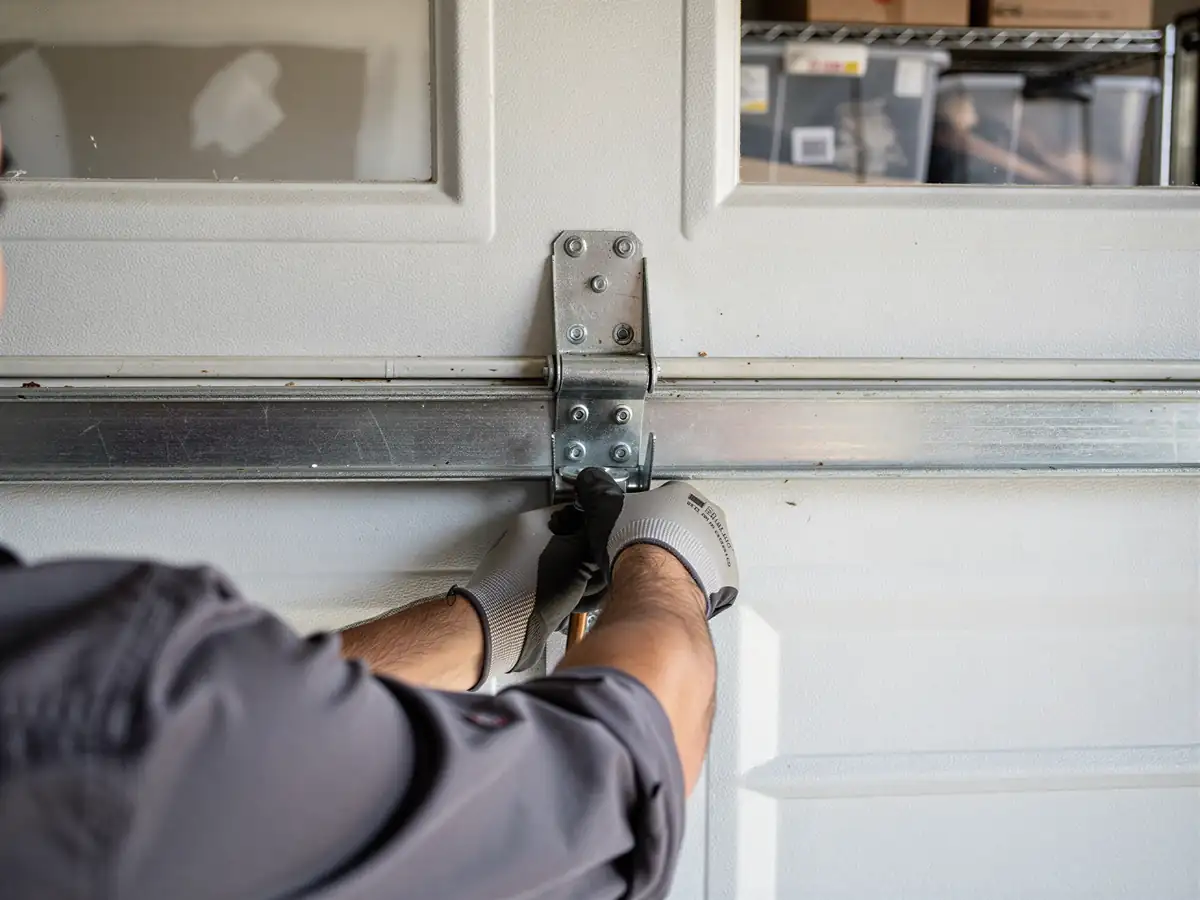
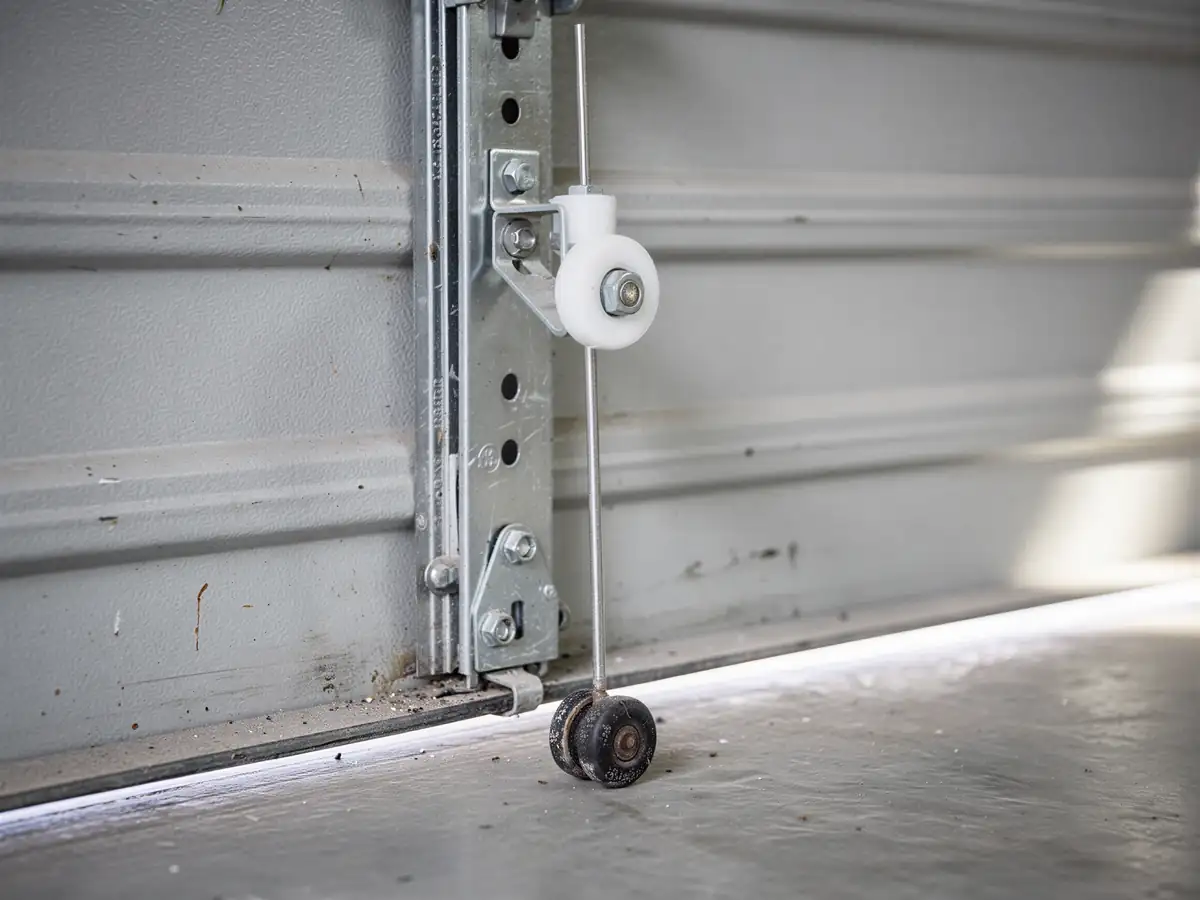
The door starts loud before it starts broken. You'll hear a grinding or clunking sound as the door travels, usually worse on one side of the track than the other. Look closely at the rollers and you'll often see flat spots worn into the wheel, a cracked nylon shell, or a roller stem that's bent and no longer riding straight in the track. Some owners notice the door hesitates or jerks at the same spot every cycle - that's a roller hitting a worn section of track, not an opener problem.
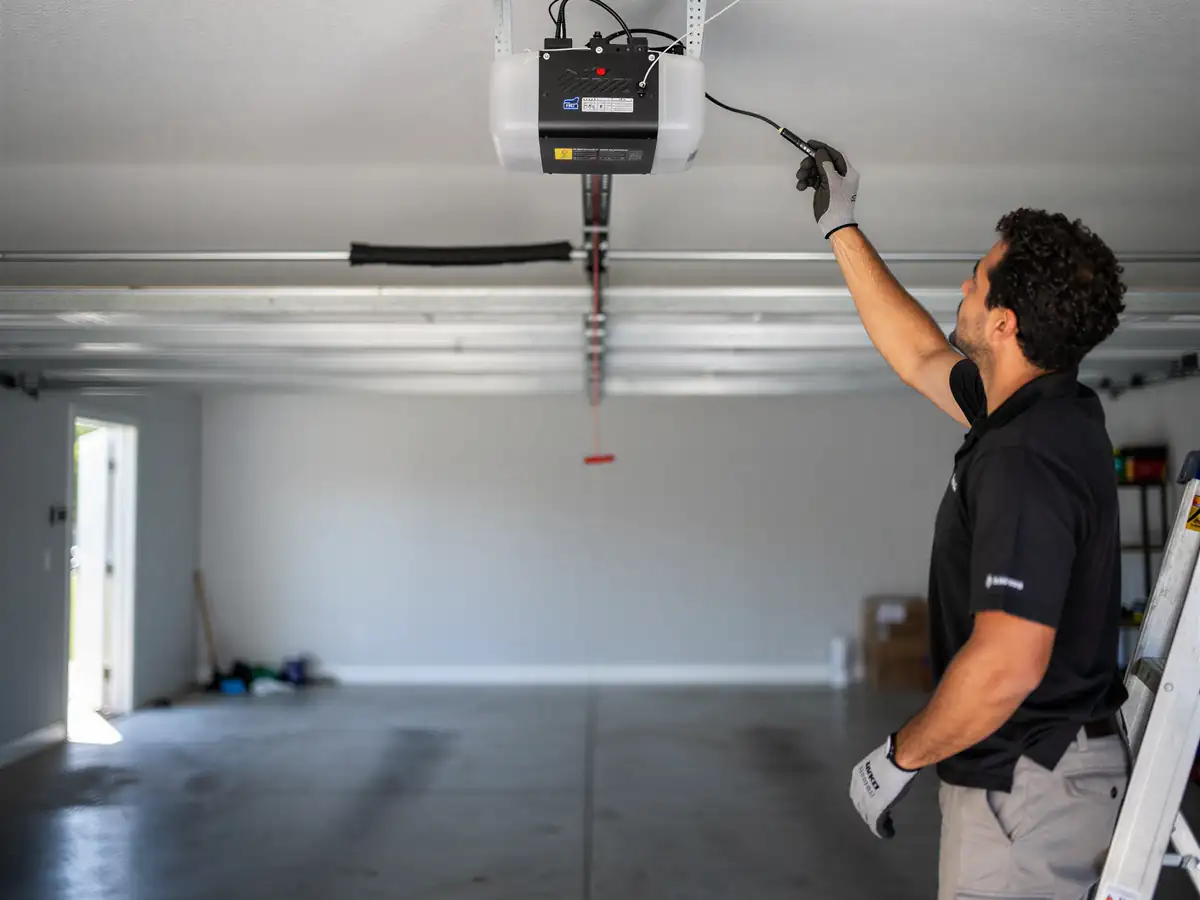
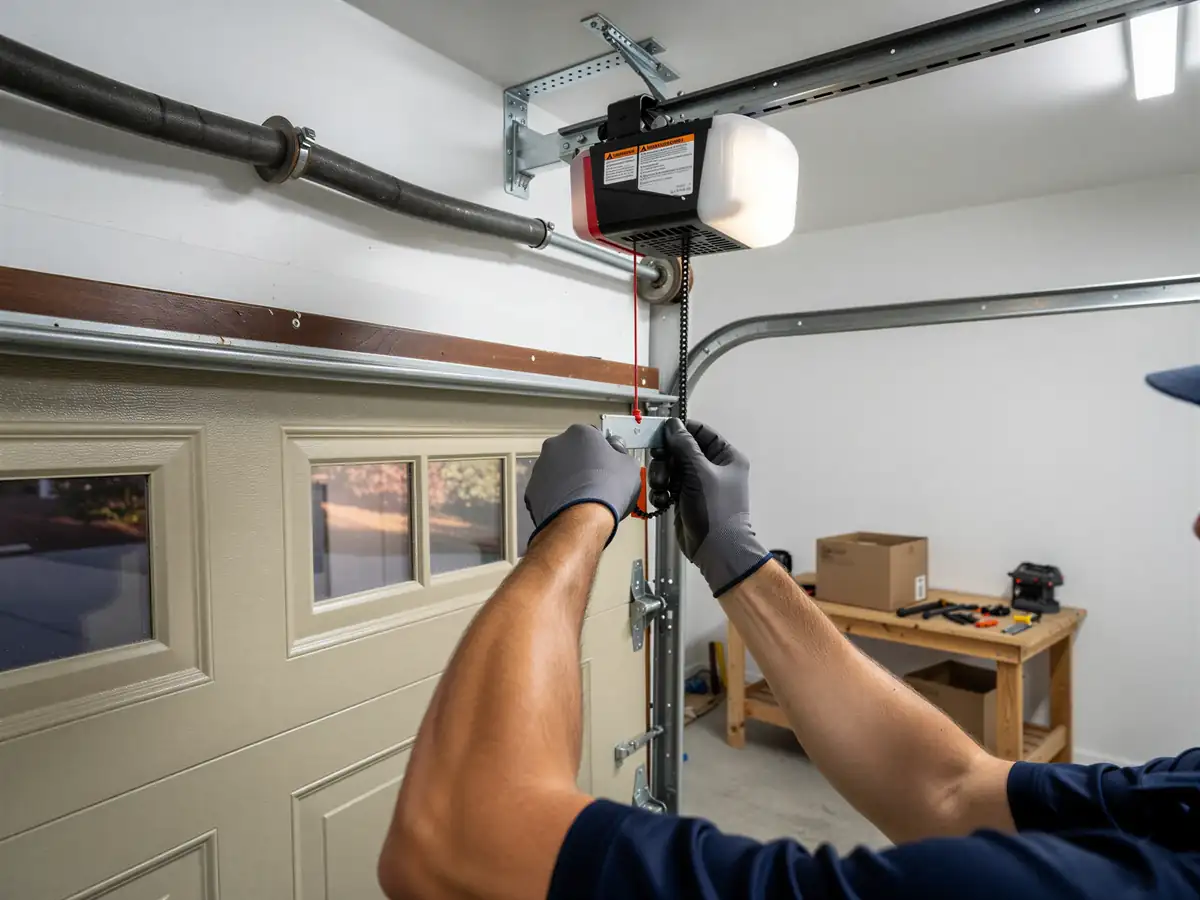
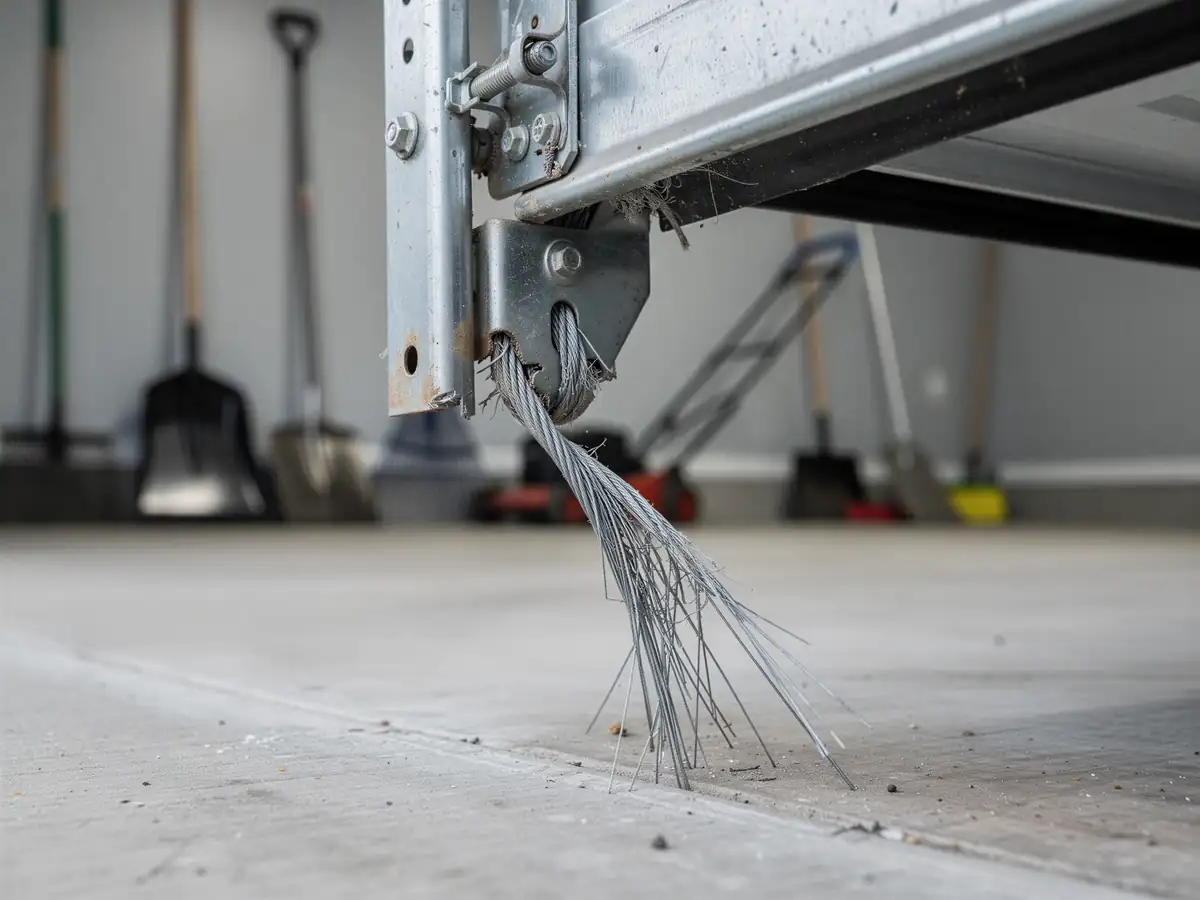
If you let it go, the door starts to bind. A binding door puts extra load on the opener's drive gear and on the cables, which is how a $20-a-roller problem turns into a cable or opener repair. We see doors come in where two or three rollers are shot but the owner only noticed the loud one - by the time one roller fails outright, the ones next to it are usually close behind, since they've been carrying uneven load for months.
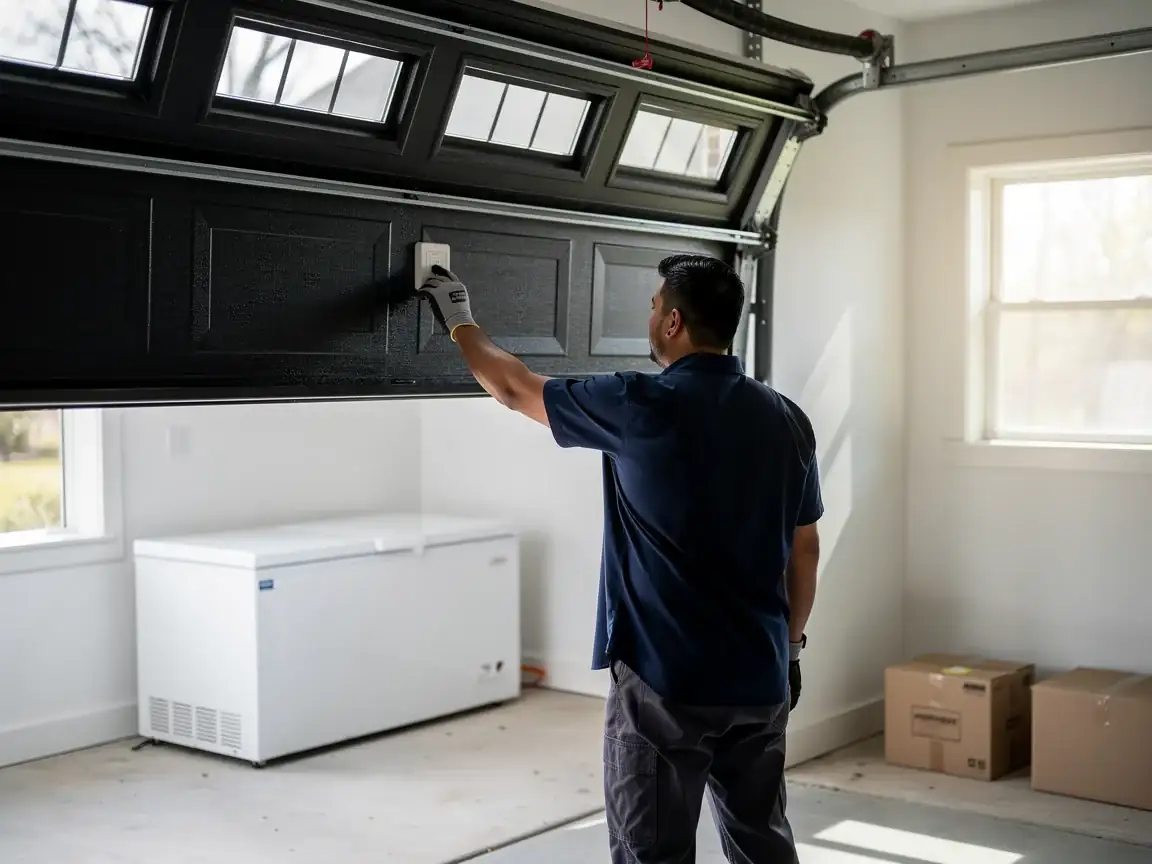
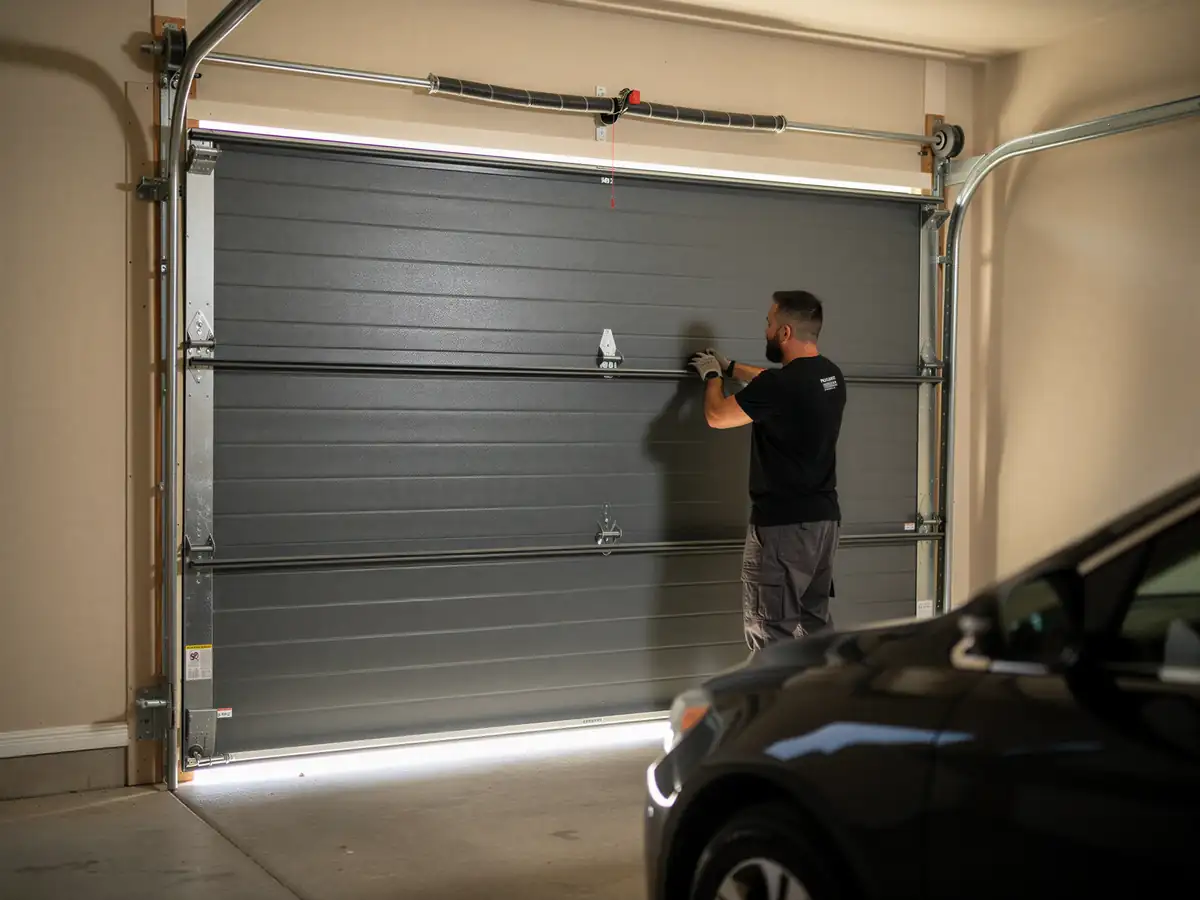
On a steel door with roughly ten to twelve rollers per track, you don't need to replace them all, but we'll tell you honestly when a full set makes more sense than patching the two that are visibly bad.
The Cost of This Job
We can't quote a number here without knowing which roller type your door uses, how many need replacing, and whether the track itself needs adjustment or replacement alongside them - that's specific to the door in front of us, not something we'll print as a flat rate on a page like this
What we can tell you is what drives the cost up or down: nylon rollers with sealed bearings cost more than plain steel wheels but run quieter and last longer, which matters in our climate; a job that's just rollers is a fraction of one where the track has also worn oval from years of a bad roller grinding against it.
One honest limitation
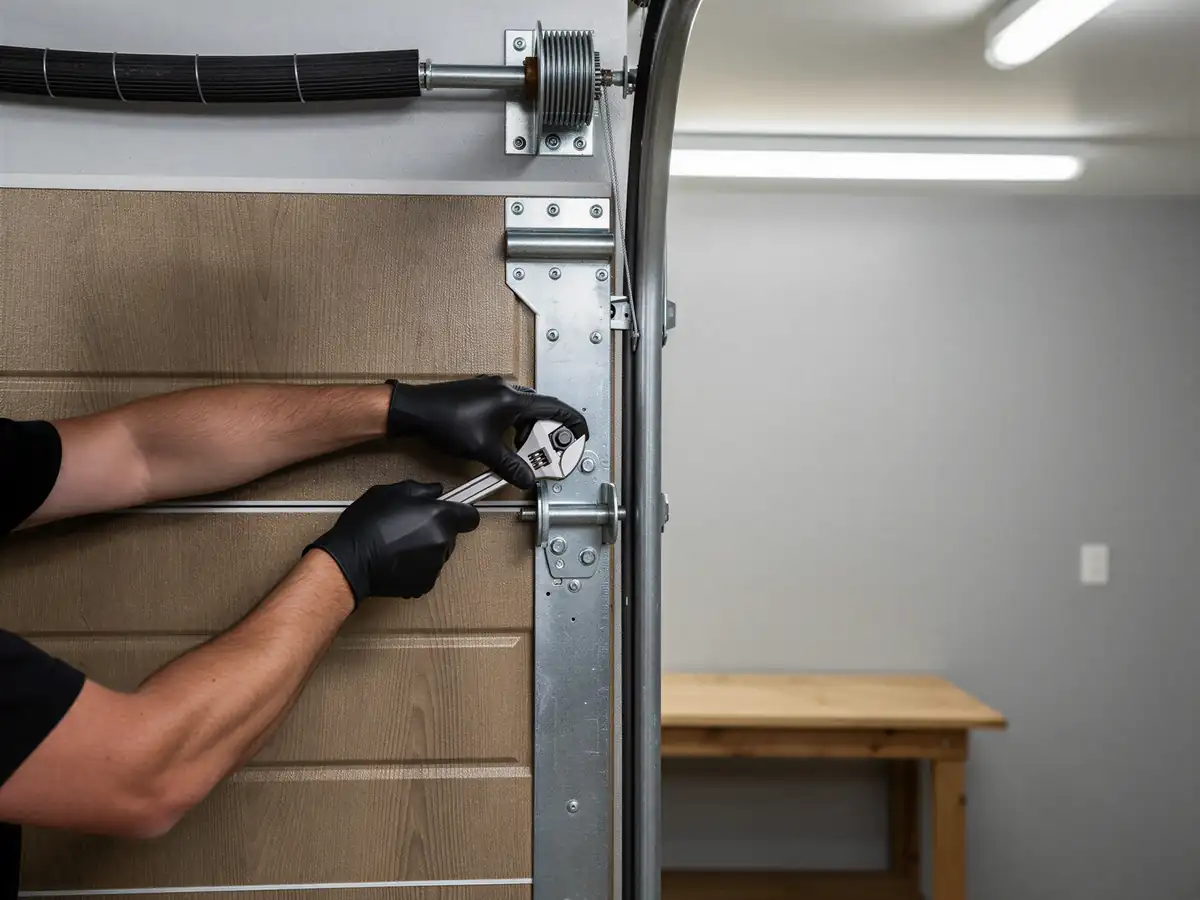
If your rollers have been bad long enough to score or bend the track, replacing rollers alone won't fix the noise or binding - the track has to come out too, and that's a different job with different parts cost. We'd rather tell you that up front on the call than have you pay for rollers and still hear the grind.
What Causes It Around Here
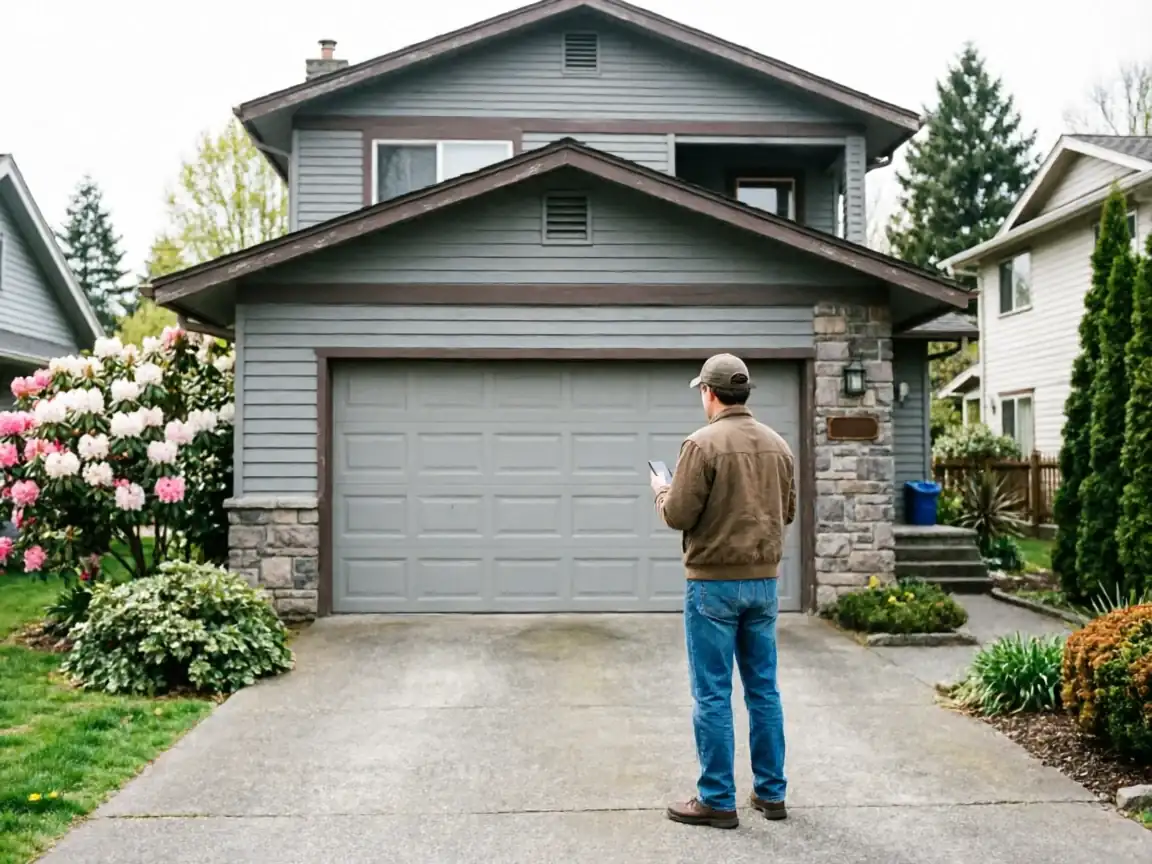
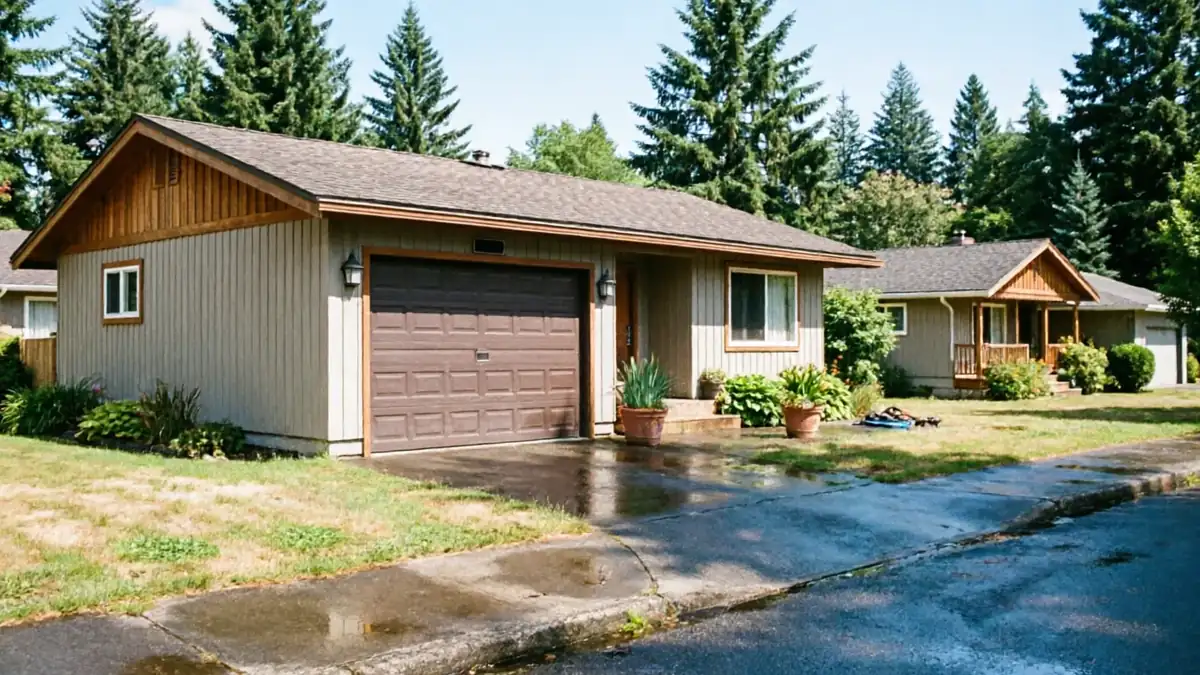
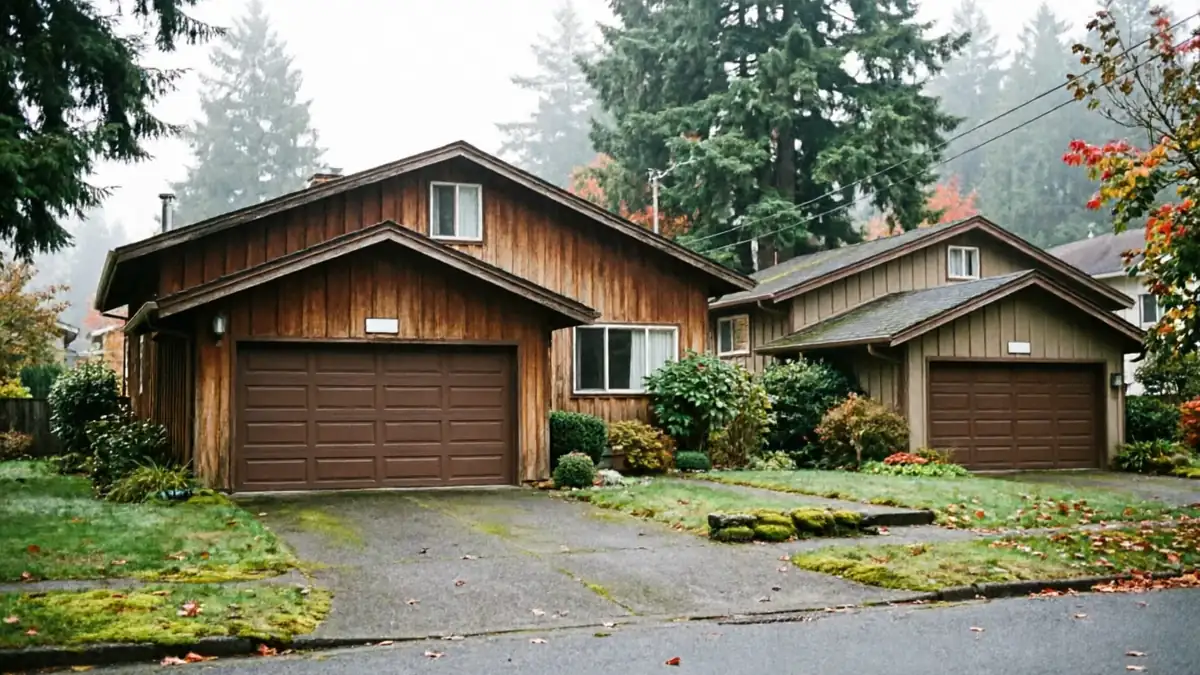
Most of the housing across this service area went up between 1972 and 2005, with the bulk of it dating to the 1980s and 90s - that's the stock we see most often across the 24 communities we cover. Doors and track hardware from that era were built to the standards of their time, and original steel rollers on a thirty- to forty-year-old track have had decades of cold, damp cycling to wear down.
The climate band here runs cold and moderate rather than dry - garages sit unheated, and the swing between a cold overnight and a daytime thaw puts condensation on steel track and roller stems. That moisture doesn't rust things overnight, but over twenty or thirty years it pits the roller bearings and roughens the track surface, which is exactly the combination that makes rollers grind and bind instead of just wearing quietly. Homes built in the 1990s boom years are hitting the point where original rollers are at or past their service life, and that's the pattern we see most in this area - not a sudden failure, but years of cold-weather wear catching up at once.
Getting It Booked In
We cover the Woodinville area along with the nearby communities out to roughly Snoqualmie, Carnation, and Snohomish - if you're closer to one of those towns, call anyway, the diagnosis and parts are the same job regardless of which side of the service area you're on.
Tell us what you're hearing when you call - grinding, a specific spot in the travel, a door that catches - and we can usually narrow down whether it's rollers, track, or both before a truck shows up. That saves you time and gets the right parts on the truck the first visit instead of a second trip.