Where People Go Wrong
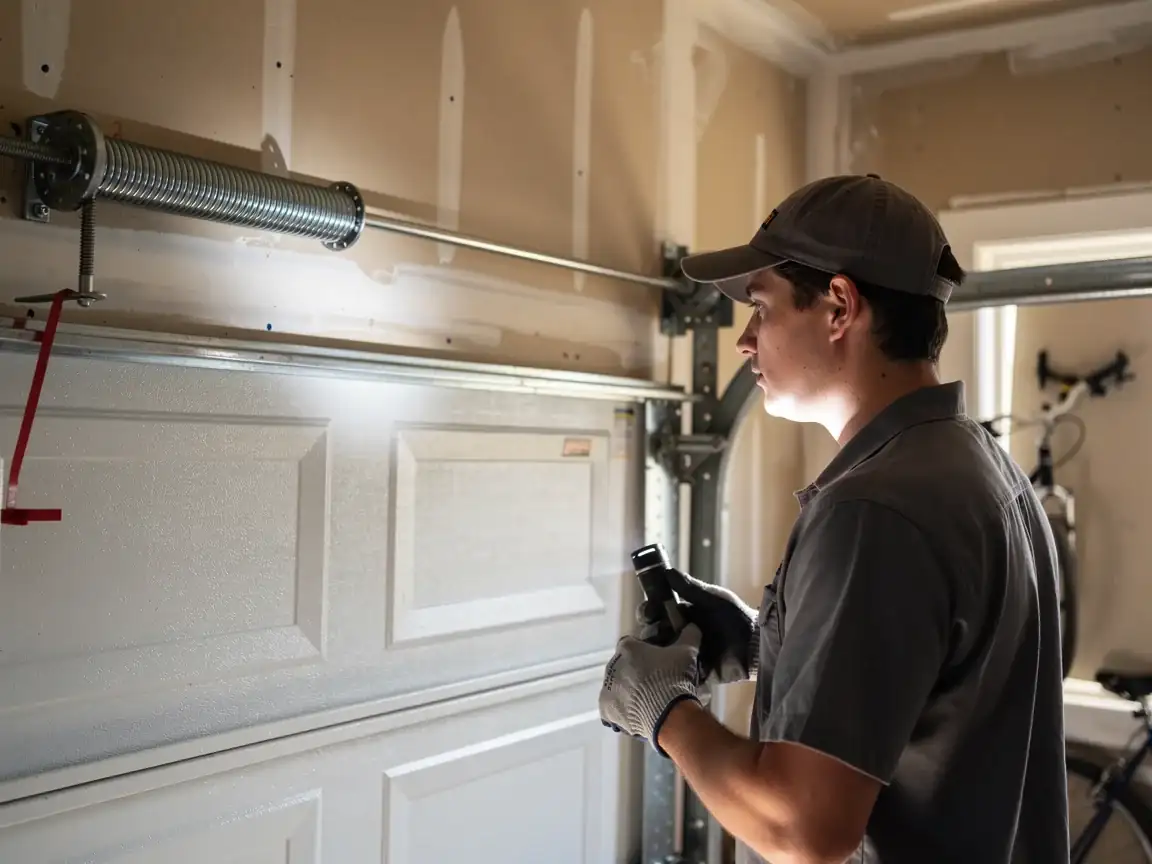
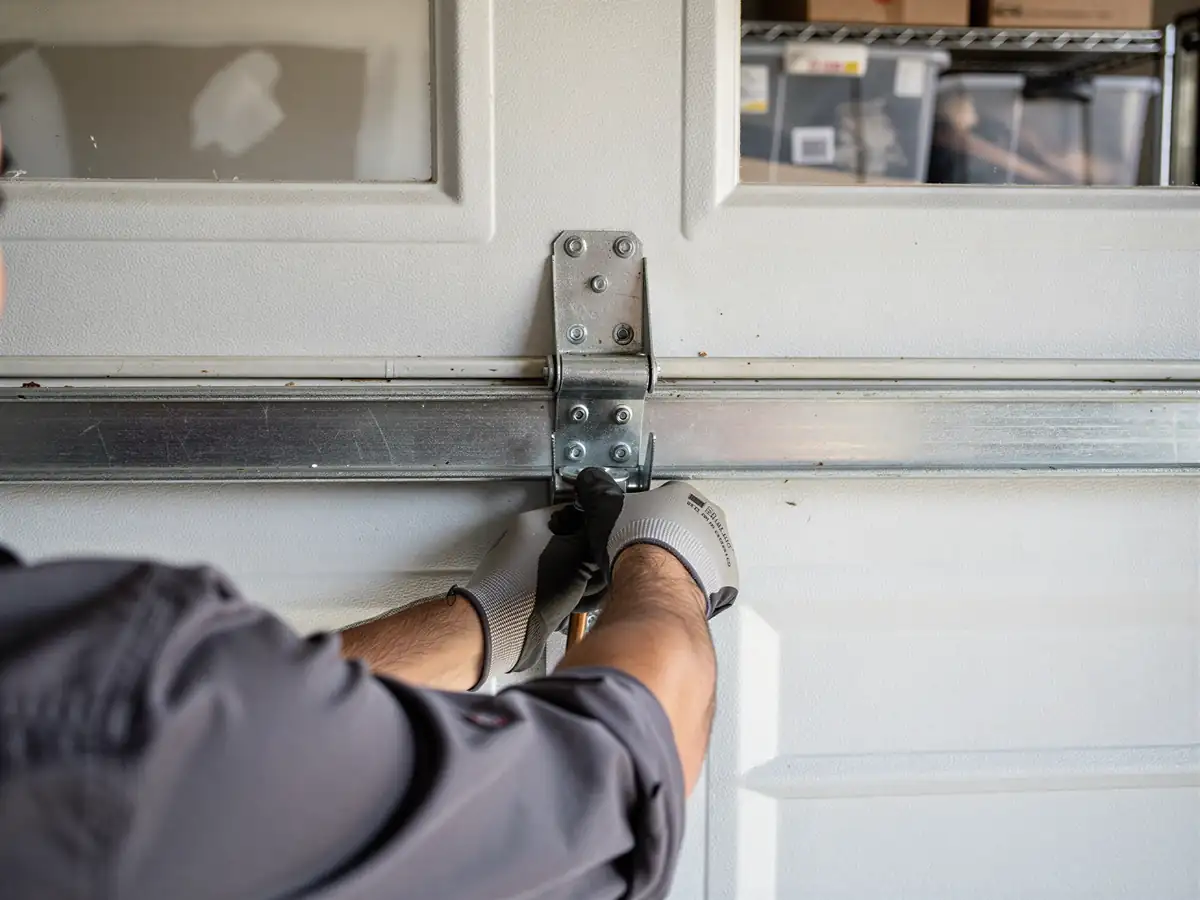
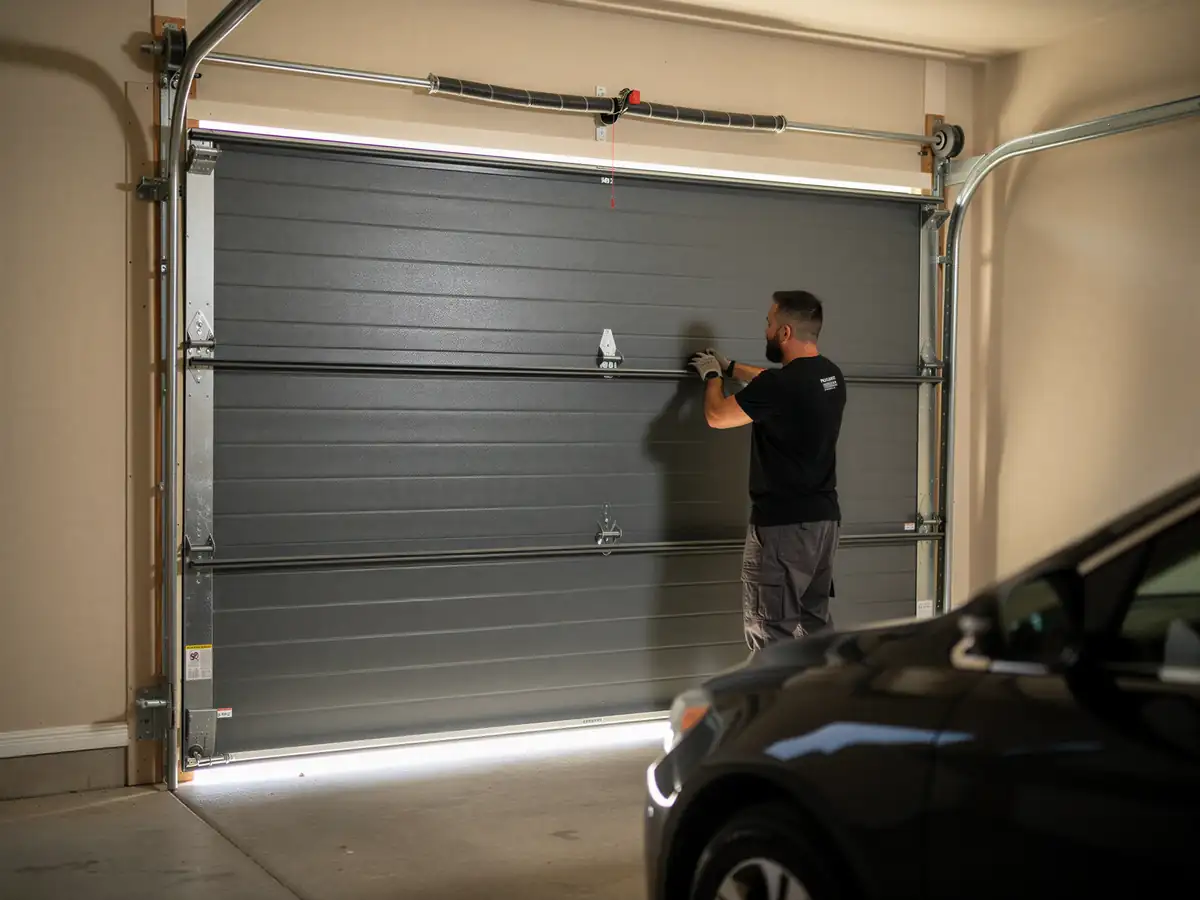
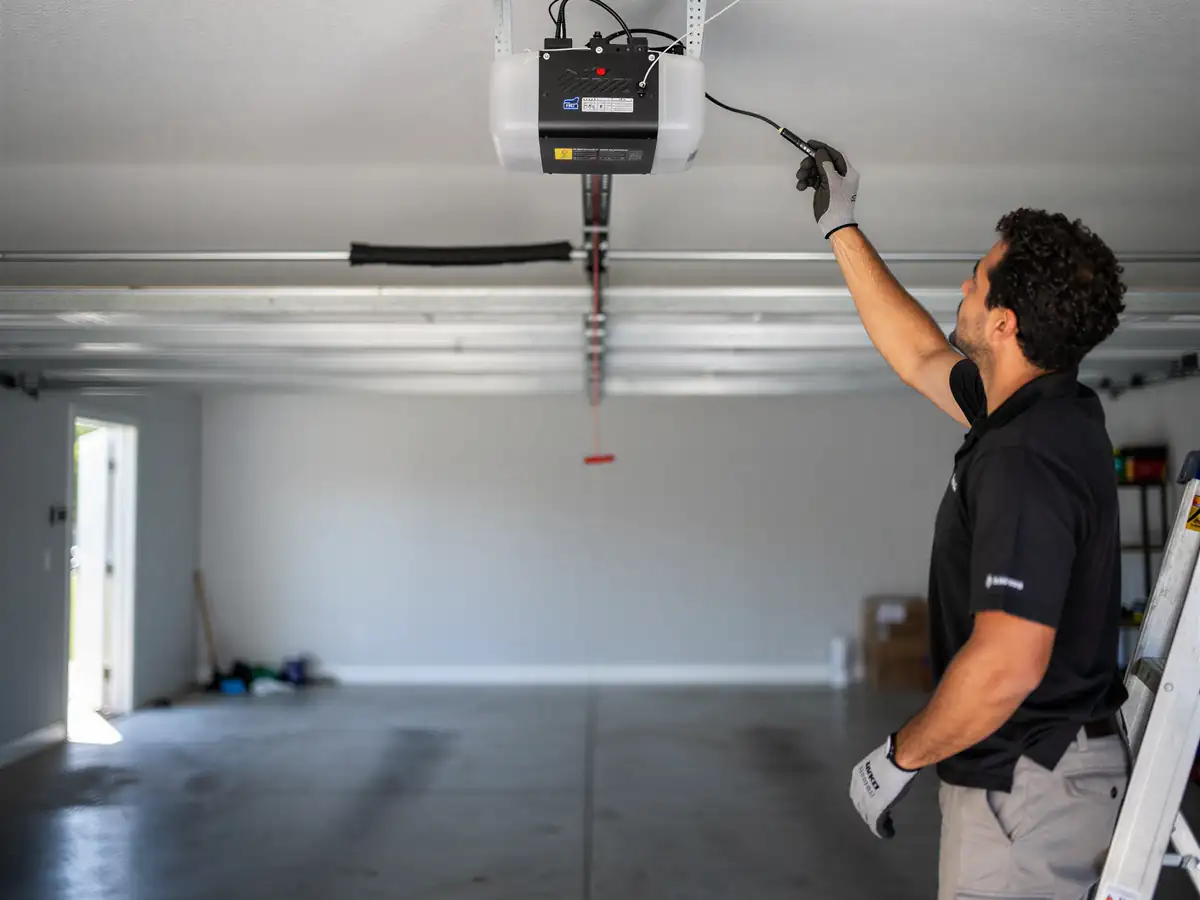
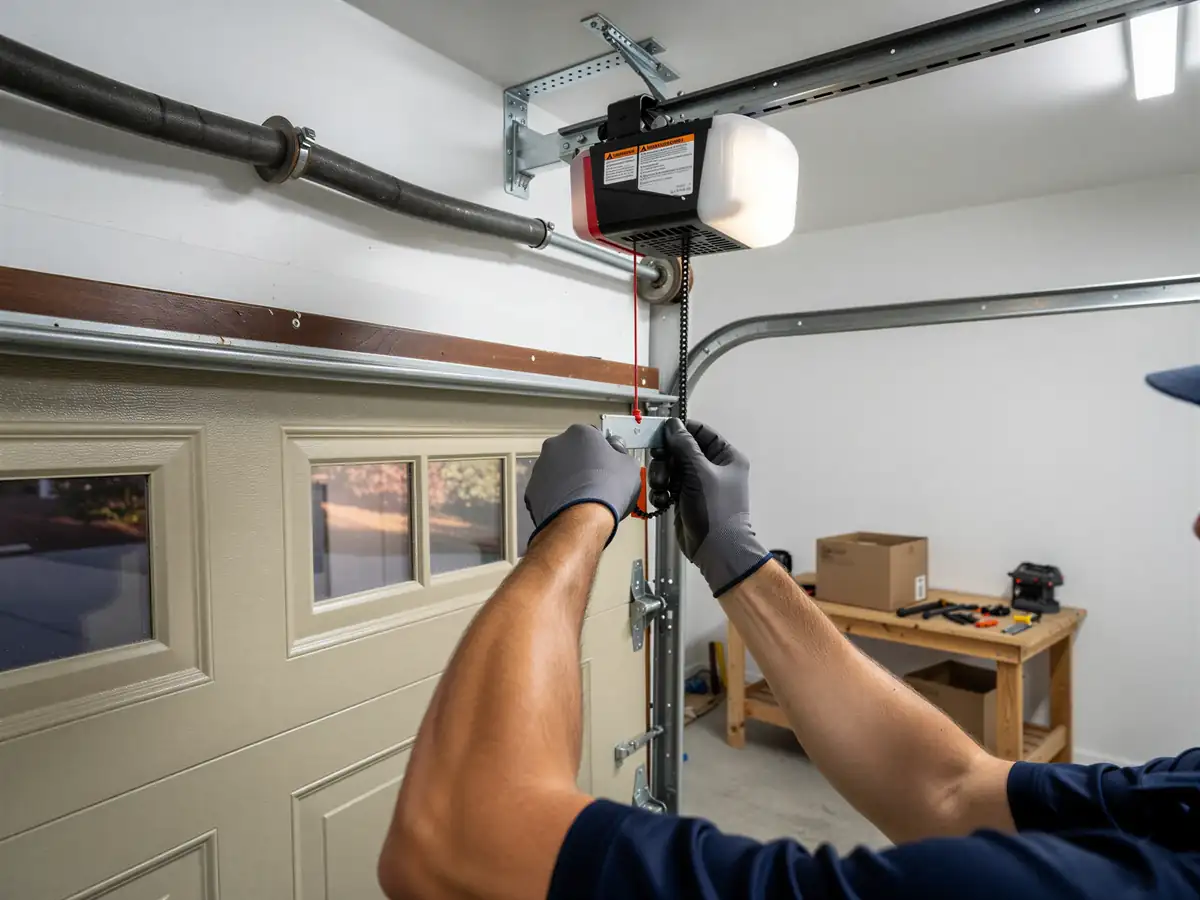
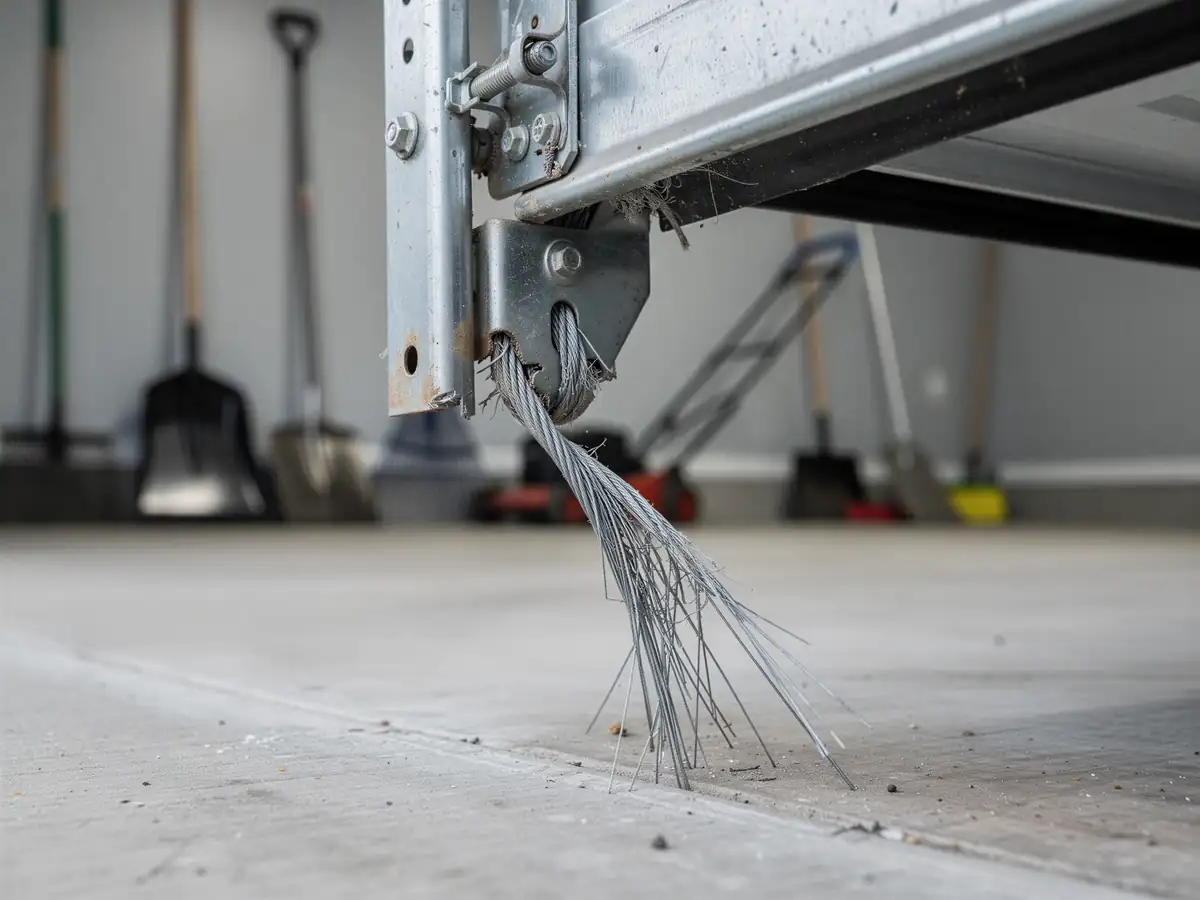
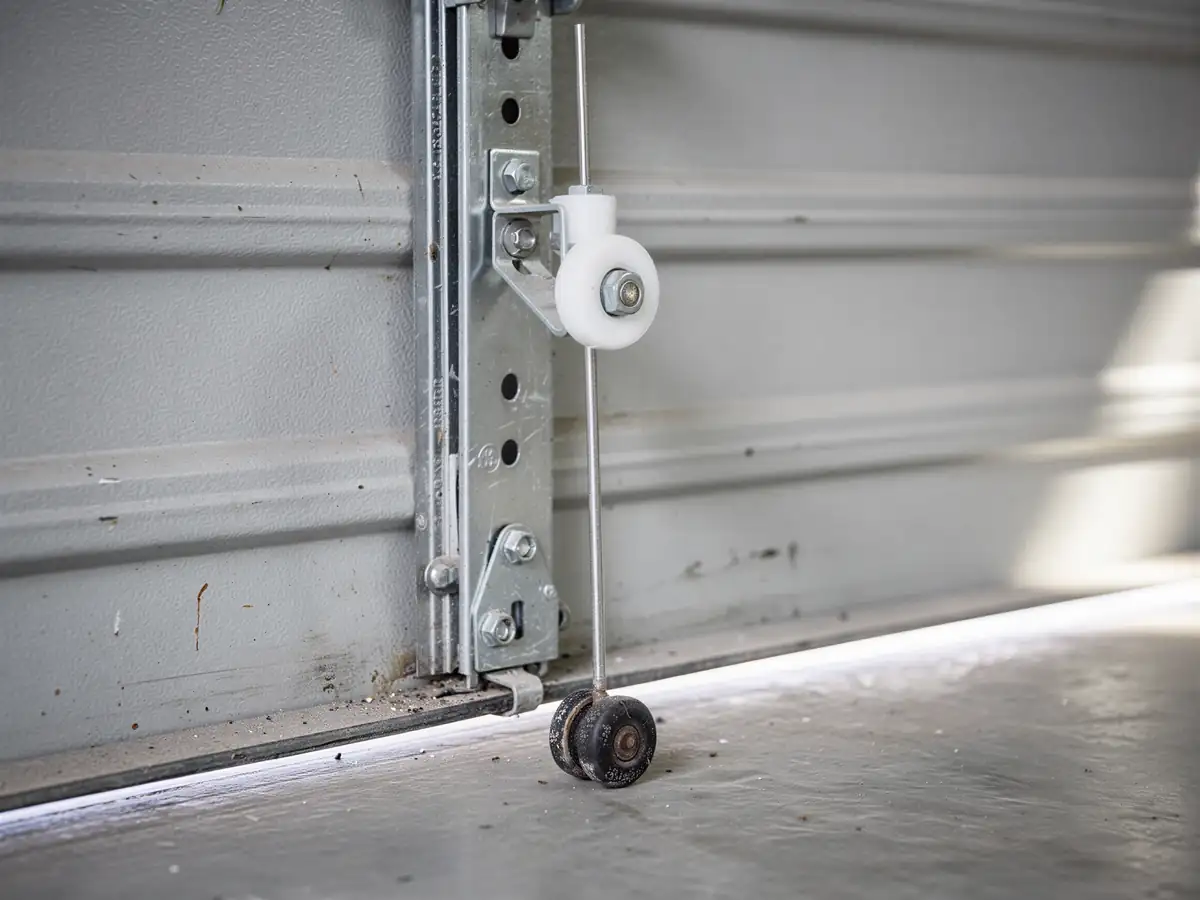
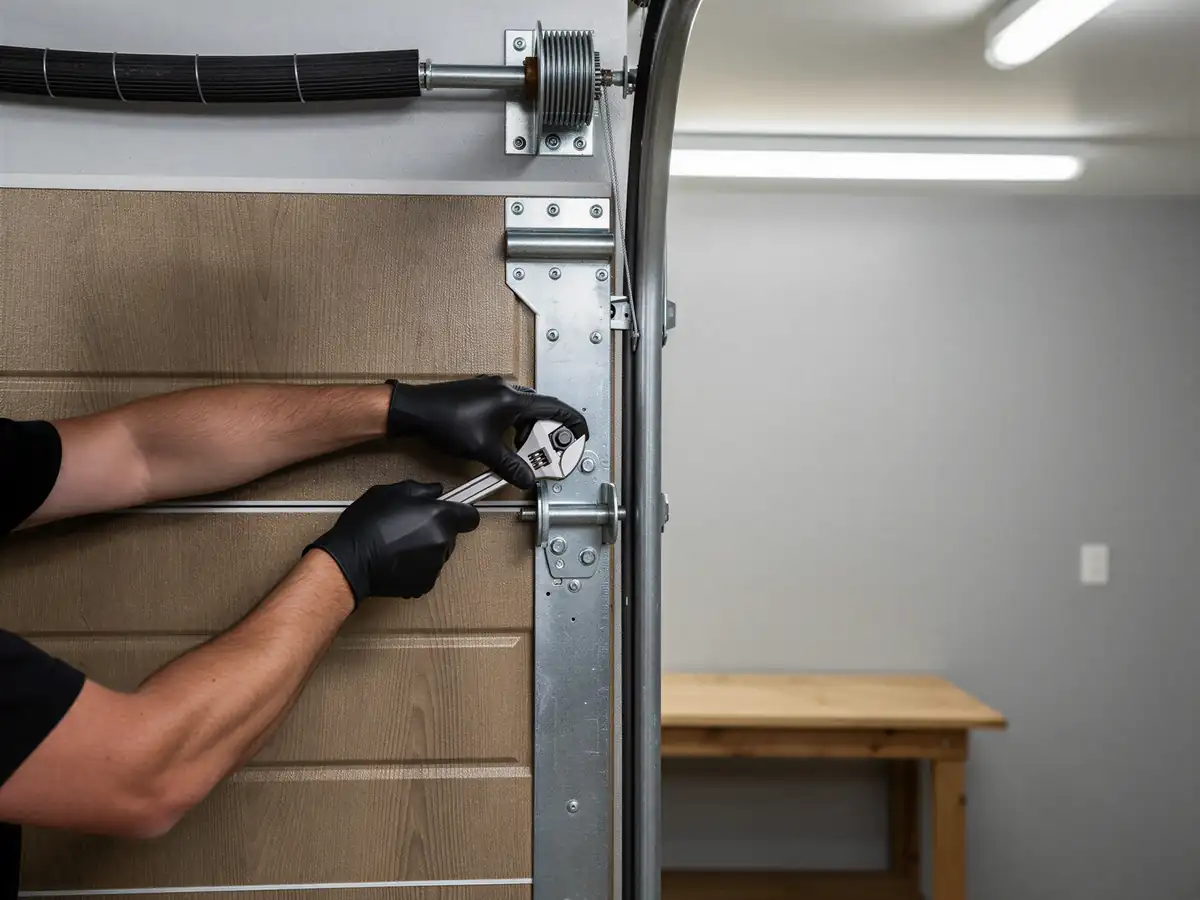
The mistake we see most is treating a stiff door as an opener problem. Most houses in Woodinville's service area went up between 1972 and 2005, with the typical build year sitting around 1985, which means the torsion spring doing the lifting is either original or a first-generation replacement sized to a door style builders stopped using decades ago. When that spring loses tension, the opener motor tries to make up the difference. It strains, the gear wears faster, and the owner ends up replacing a $200 opener to fix a $90 spring problem. The second mistake is spraying any lubricant that's in the garage onto the track and calling it maintenance. Thick grease grabs dust and grit, and in a cold snap it stiffens up instead of helping the rollers move. On an 80s-era door with steel rollers and a worn track, that stiff lubricant can be the difference between a door that opens and one that binds halfway up. The fix isn't more product, it's the right product in the right spot, and knowing which part is actually failing before you touch anything.
The Situation
The service area here covers 24 named communities, and the housing in nearly all of them dates to the same stretch: 1972 through 2005, with 1985 as the midpoint. That's a specific window for garage doors, too - steel sectional doors with extension or torsion springs, openers from a handful of manufacturers who've since changed their drive systems twice over. Across the area there are 44,156 households and 31,680 owner-occupied houses, and median household income runs $140,572, which tells you most of these doors were installed as part of original construction rather than a later upgrade. That matters because original hardware on a 35-to-50-year-old door is reaching the end of its practical life at roughly the same time across whole streets, not one house at a time. We're not guessing at a generic repair schedule - we're looking at a specific generation of door that's aging out together, which is why spring and cable calls cluster the way they do in this stretch rather than showing up at random.
What the Weather Here Does to It
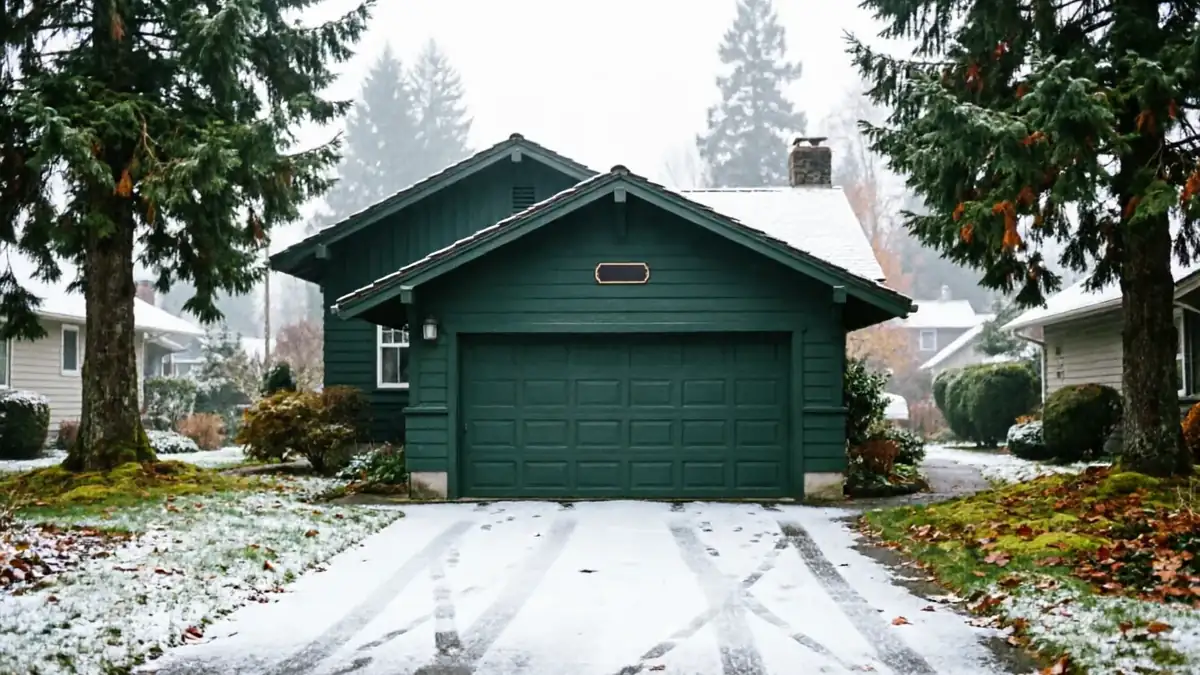
Woodinville sits in a cold-moderate climate band - not the hard freezes you'd get further inland, but enough sustained cold through the winter months to change how steel behaves. A torsion spring that's been slowly losing tension for years can hold on through mild weather and then snap the first cold morning it's asked to lift a door that's heavier than usual because the garage itself has dropped in temperature overnight. Cold steel is less forgiving - it doesn't flex the way it does at 60 degrees, so a spring near the end of its life is more likely to give out exactly when the temperature drops, not gradually. The same cold stiffens standard grease on rollers and hinges, which is why a door that opened fine in September can start grinding or catching by January even though nothing physically broke. None of this is dramatic weather - it's ordinary cold doing ordinary damage to hardware that was already due. That's the pattern worth watching for, more than any single storm.