Serving Woodinville, WA & nearby
(425) 225-4355
Woodinville, WA

What a Grinding, Popping, or Scraping Garage Door Is Telling You

In Woodinville, most houses were built between 1972 and 2005, and that specific hardware era is why certain garage door noises mean something, not nothing.

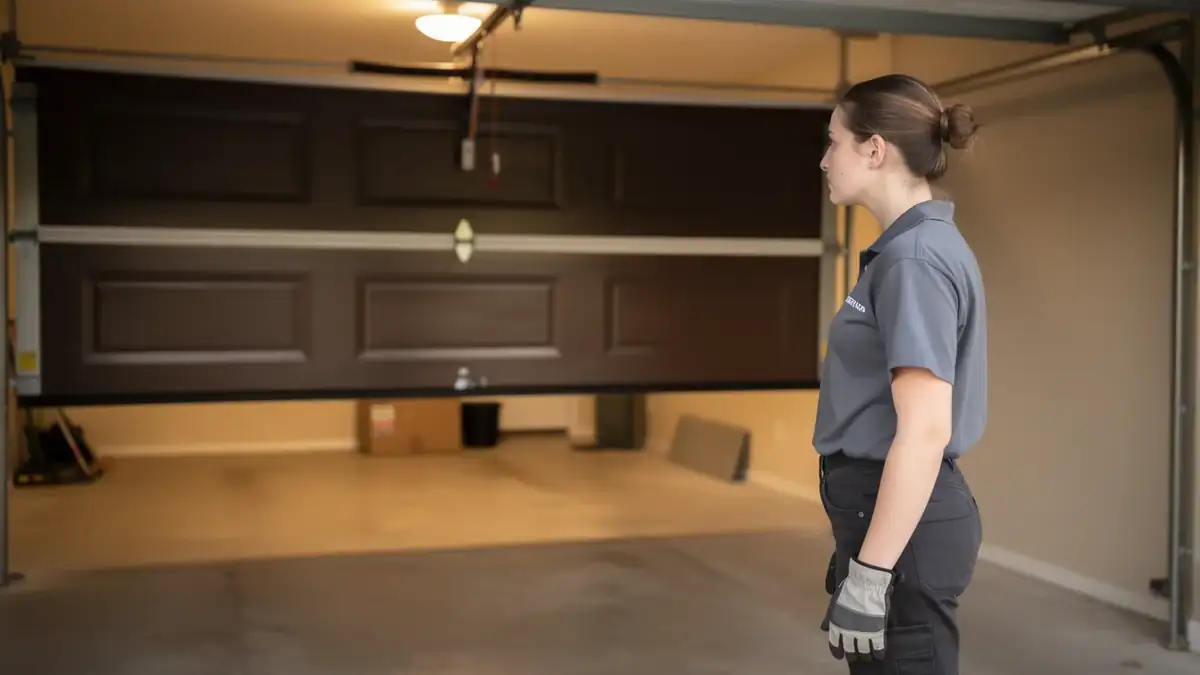
A technician stands in a garage looking at a brown garage door.

Where People Go Wrong

The mistake we see most is treating every noise the same way: a squirt of oil and move on. That works for a chirp from a dry hinge. It does not work for a deep grinding sound from the spring area, or a popping cable, and it especially does not work in a neighborhood where most houses went up between 1972 and 2005, median around 1985. That means a lot of garage doors in this area are running original torsion springs and original lift cable that have been cycling for twenty to forty years.

Owners hear a noise, it goes away for a week, and they figure it fixed itself. It didn't. A spring under tension doesn't heal - it either holds or it's further along toward not holding. Across the roughly two dozen subdivisions that make up this part of the map, from the older pockets near to the newer builds further out, the pattern repeats: same era, same hardware, same eventual failure point. The noise isn't random. It's a part telling you where it is in its life, and on a door this age, that conversation is worth taking seriously instead of oiling over.

Leaving It Alone

  1. Here's the honest part

    We don't try to re-grease a cable that's already frayed, or re-tension a spring that's already stretched past where it should be. At that point you're not maintaining a part, you're delaying a failure, and when a torsion spring on a double door lets go, it lets go all at once - usually with the door in the up position and someone standing under it.

  2. Leaving a known noise alone doesn't make the underlying wear go away

    A squealing roller on a nineteen-eighties track is metal wearing against metal every single cycle. A hollow, popping sound from the spring area on a door built in that same window usually means the spring has reached the end of its rated cycle count, not that it needs quieting down. We'd rather tell an owner straight that a part is done than sell a lubrication visit that just buys a few more weeks before the same call comes in anyway, except now it's an emergency instead of a scheduled fix.

The Situation

The service area runs from houses built as early as 1972 through construction as late as 2005, with the median landing around 1985. That's a wide window, but it's a consistent one: this is overwhelmingly 1980s and 90s housing stock, spread across roughly two dozen named areas rather than concentrated in one subdivision. Maltby sits about four miles off, Brier and High Bridge six, Alderwood Manor and Cathcart seven - the stock doesn't change much as you move through that ring, which means the same torsion spring gauge and the same steel roller setup shows up house after house.

With 31,680 owner-occupied houses across roughly 44,156 households in this area, a lot of garages are carrying hardware from the same ten- to fifteen-year construction window. That's useful to know, because it means the noise your neighbor's door made last year is probably the same noise yours is about to make. It's not a coincidence - it's the same part, installed around the same time, finally giving out.

What the Weather Here Does to It

This area sits in a cold-moderate band - winters cold enough to stiffen grease in an unheated garage, not cold enough to snap steel outright. That combination is actually harder on a door than a true deep freeze would be, because the hardware goes through repeated cycles of contracting in the cold and picking up condensation as the garage warms through the day. On a spring or cable that's already thirty-plus years old, that moisture cycle speeds up surface rust at the exact points where metal flexes most - the spring coils and the cable ends.

A grinding noise that shows up specifically in the colder months, then quiets down some in summer, is often stiff grease rather than a worn part - that one can sometimes wait for a scheduled visit. A noise that stays constant year-round, or gets worse regardless of temperature, is wear, not weather. Knowing which one you're hearing is the difference between a lubrication job and a spring replacement, and on houses from this construction era, it's worth listening for the difference before you call.
How it works

From “it’s stuck” to “it’s fixed”

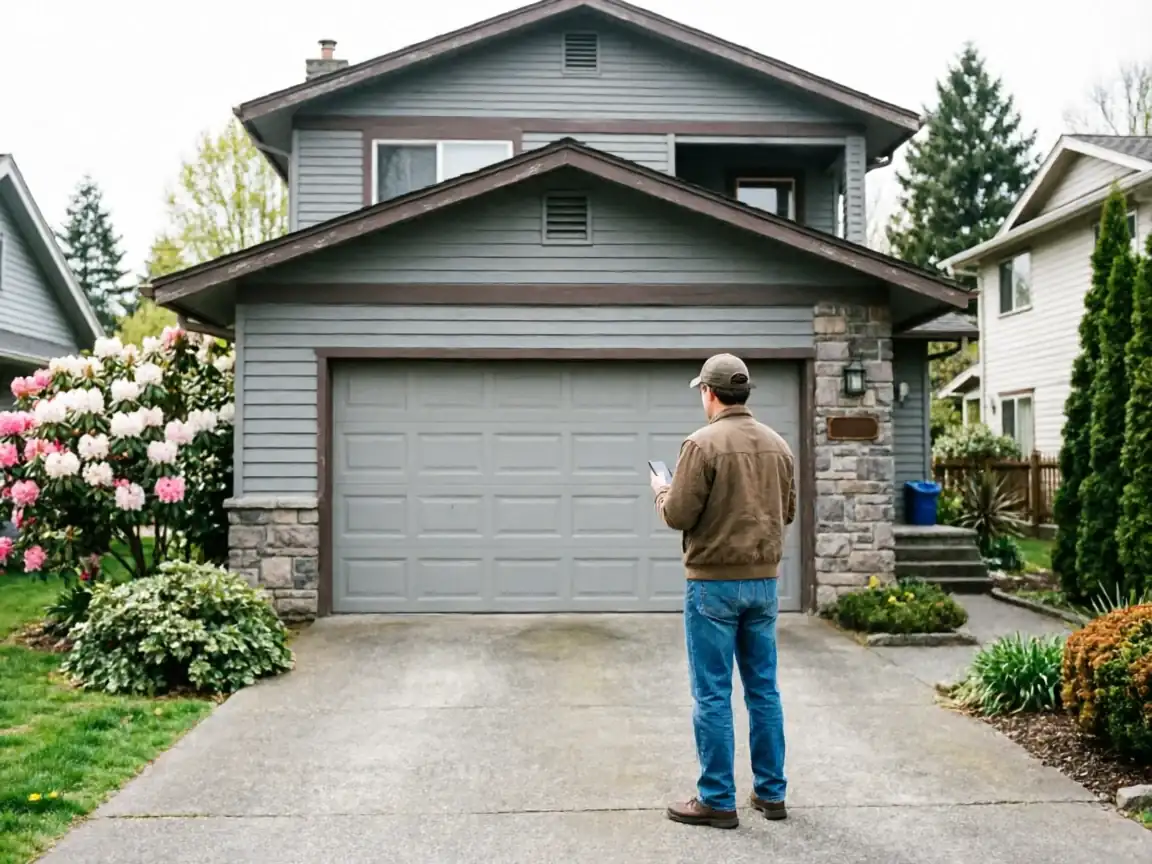
A technician stands in a driveway looking at a gray garage door.

Tell us what’s wrong

Describe the symptom - won’t open, loud bang, opener runs but the door won’t move.

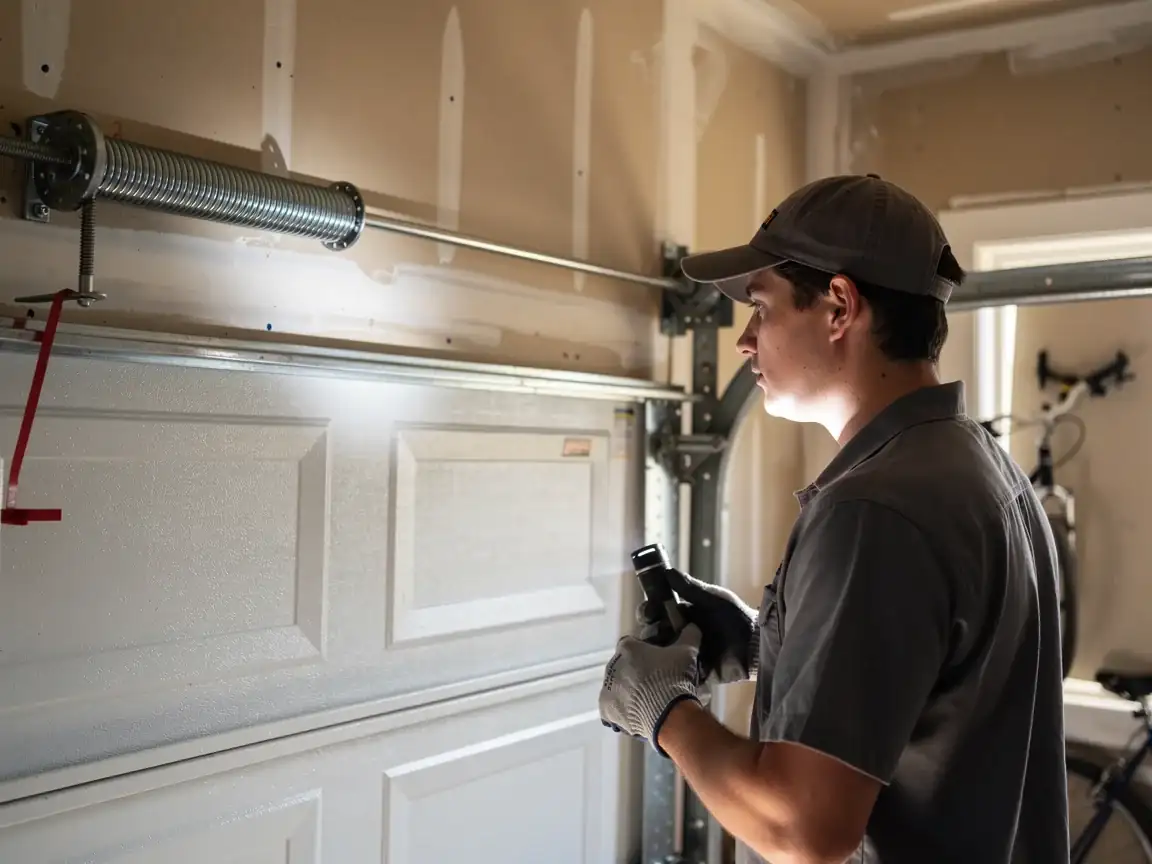
A technician in a gray shirt and cap inspects a white garage door with a flashlight.

On-site diagnosis

A technician tests the door under power and by hand and finds what actually failed.

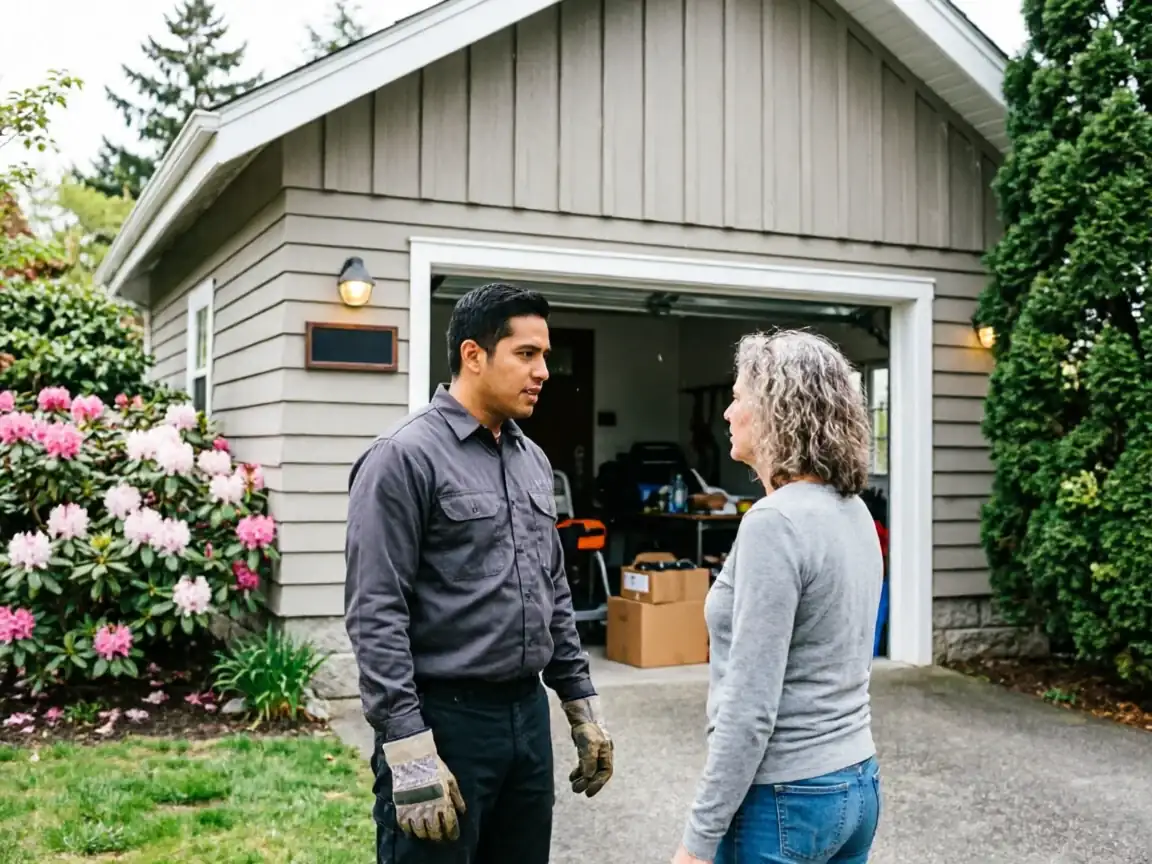
A technician talks to a woman in front of an open garage door.

Clear, up-front plan

You get the fix that’s needed and what drives the cost - before any work starts.

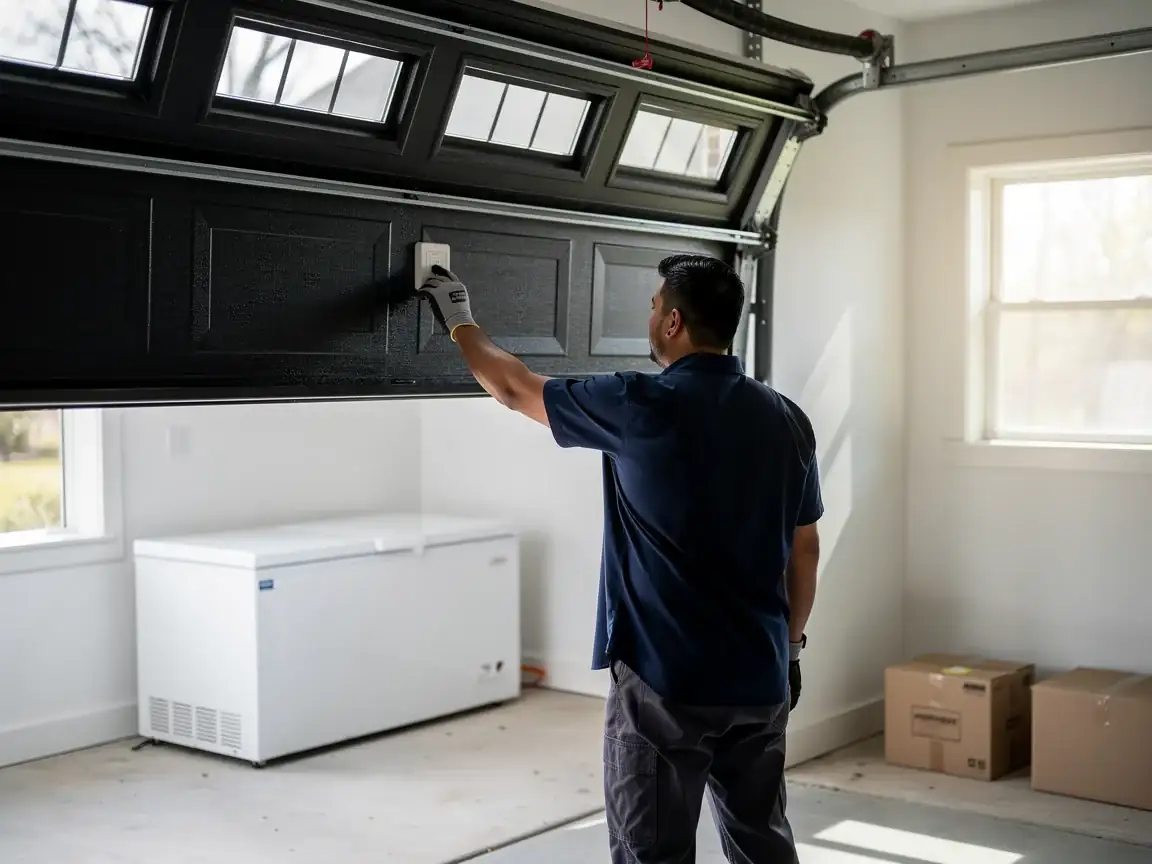
A technician adjusts a black garage door with windows in a white garage.

Repaired & tested

The repair is done, the door is set true and tested, and the work area left clean.

Not sure which repair your door needs in Woodinville, WA? Describe what it’s doing - every job starts with a diagnosis.

How we work

What to expect

Diagnosis firstEvery visit starts by finding what actually failed - not a pre-written parts list.
The right part for the doorSprings and openers matched to the door’s weight and age, so the fix holds up.
Straight answersWhen a repair makes more sense than a replacement - or the reverse - you hear it plainly.
Clean, careful workTension released safely, hardware set true, the door tested under power before we leave.
What we do

Garage Door Services

Repair and installation work for Woodinville homes and businesses.

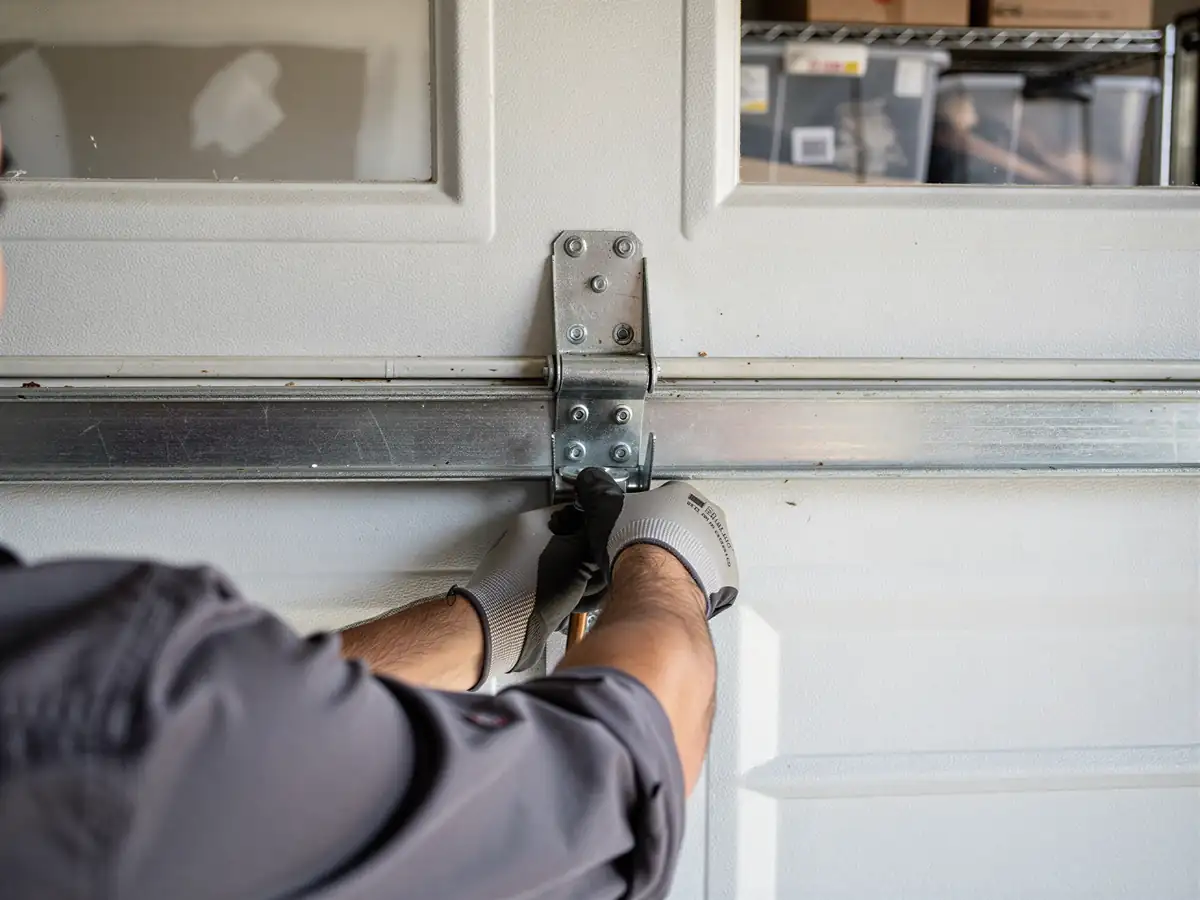
A technician in gloves works on a garage door hinge and roller.

Garage Door Repair

Garage door repair for Woodinville homes built 1972-2005, where original torsion springs and worn rollers are finally giving out. Local, straightforward, no guesswork.

Learn more
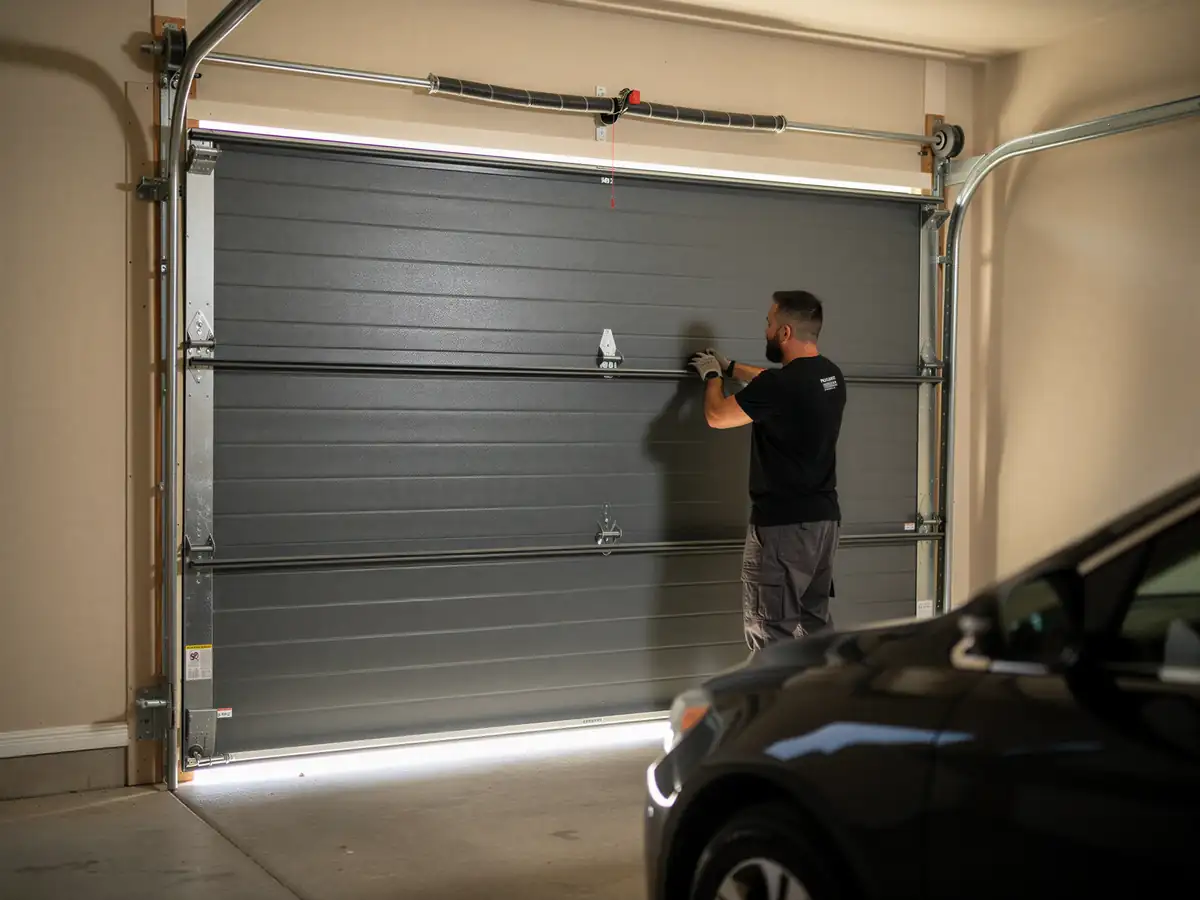
A technician adjusts a gray garage door with a black car in the foreground.

Garage Door Installation

New garage door installation for Woodinville homes built mostly between 1972 and 2005, sized for cold, damp Pacific Northwest winters and the original openings in this housing stock.

Learn more
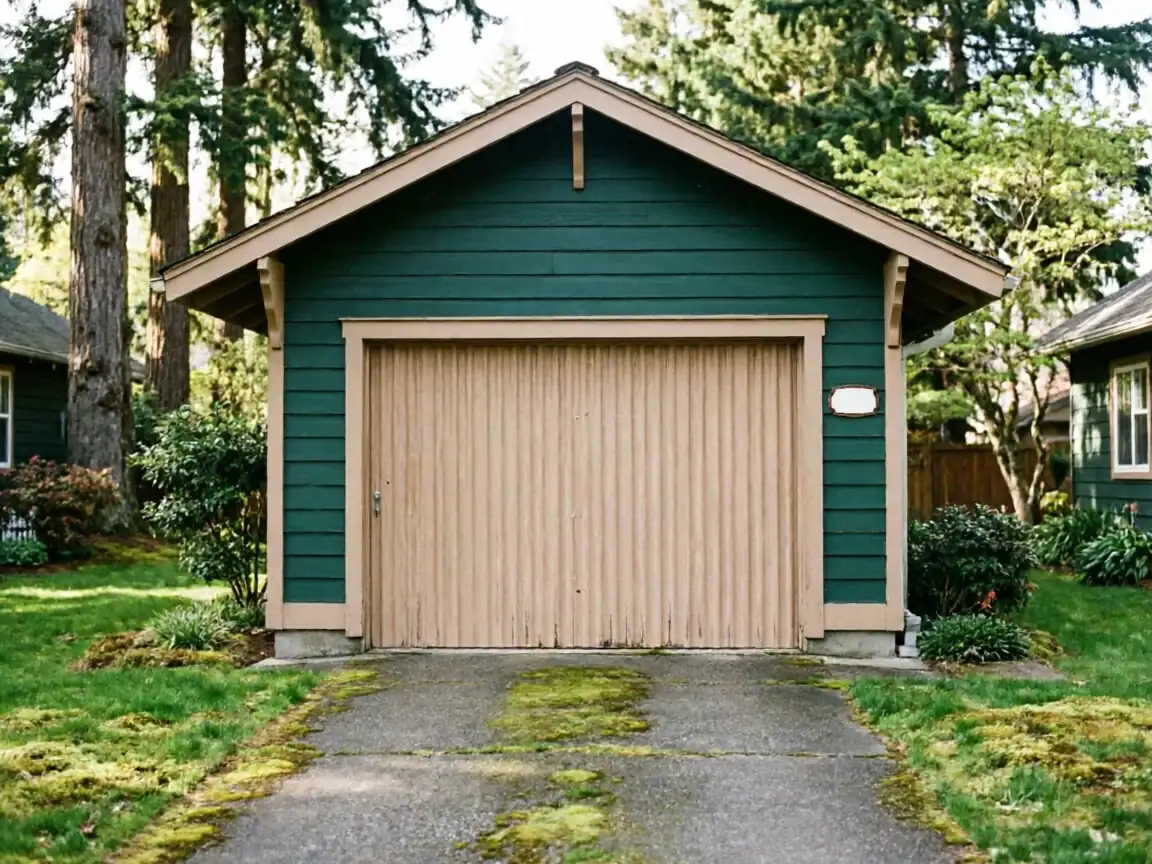
A detached green garage with a tan wooden garage door and a mossy driveway.

Garage Door Service

Garage door service for Woodinville's 1972-2005 housing stock. We know which hardware wears out first in cold-moderate winters and why. Call for a visit.

Learn more
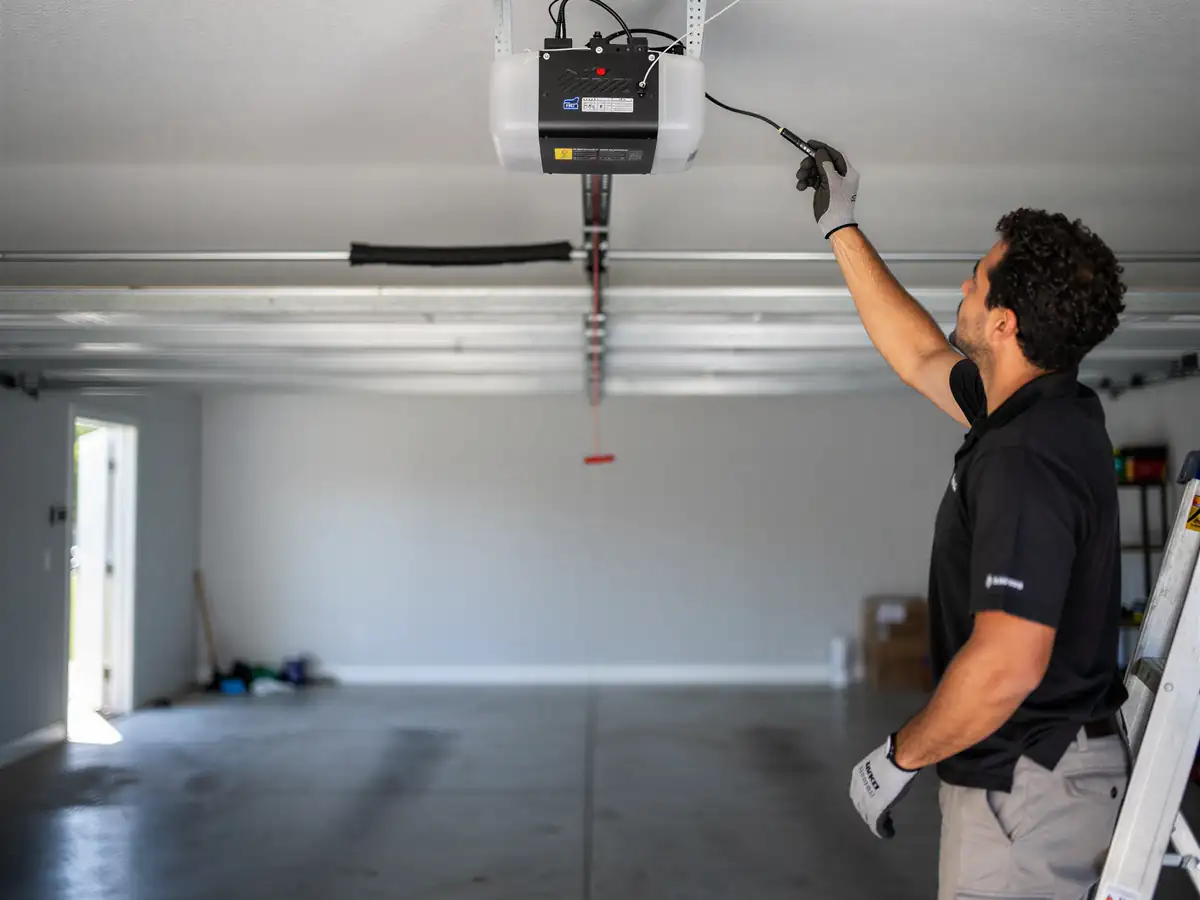
A technician on a ladder adjusts a garage door opener in an empty garage.

Opener Repair

Opener failures in Woodinville tend to trace back to 1980s-90s installs and damp, cold winters. Here's how it shows up, what it runs, and how to get a tech out.

Learn more
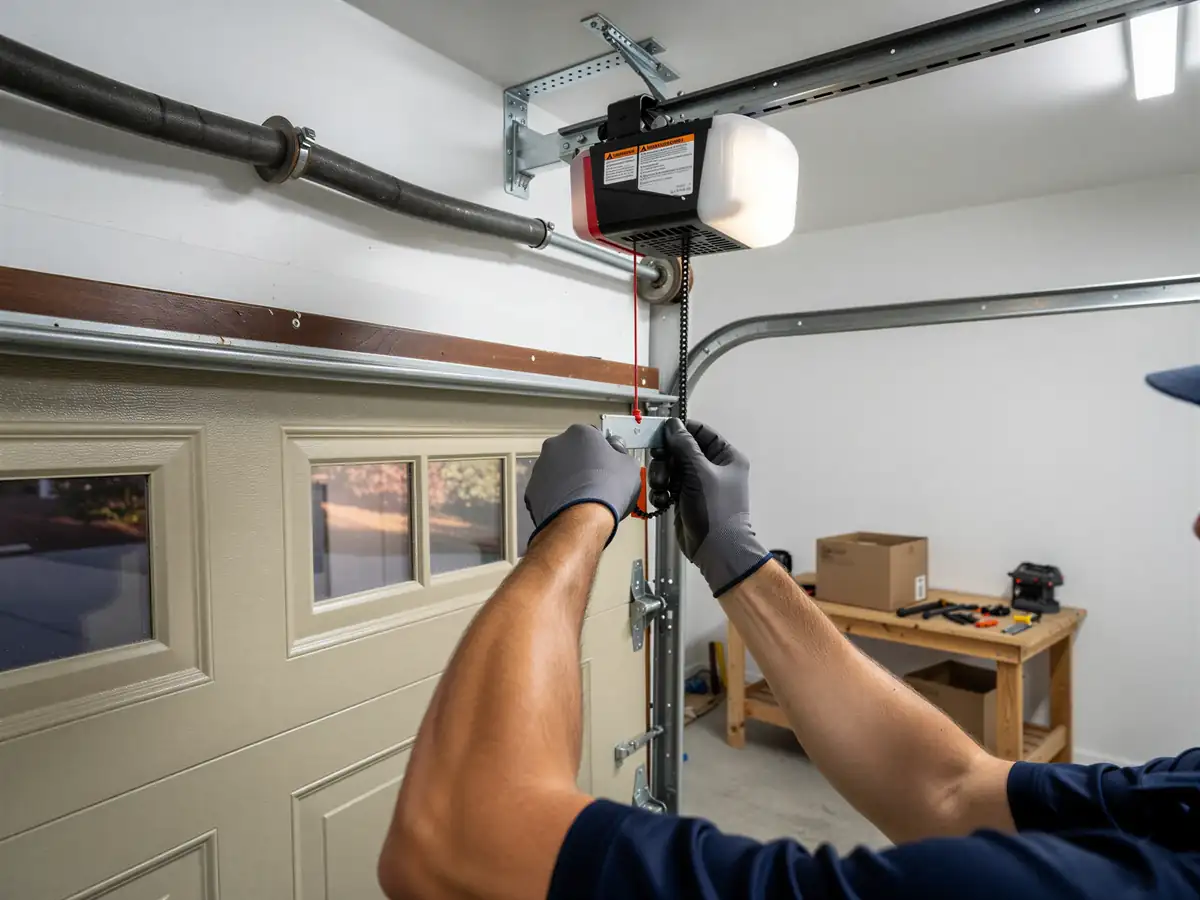
A technician in gloves works on a garage door opener and chain.

Opener Installation

Opener installation for Woodinville-area homes built mostly in the 1980s and 90s. We explain the failure patterns, the real cost drivers, and how to book the job.

Learn more
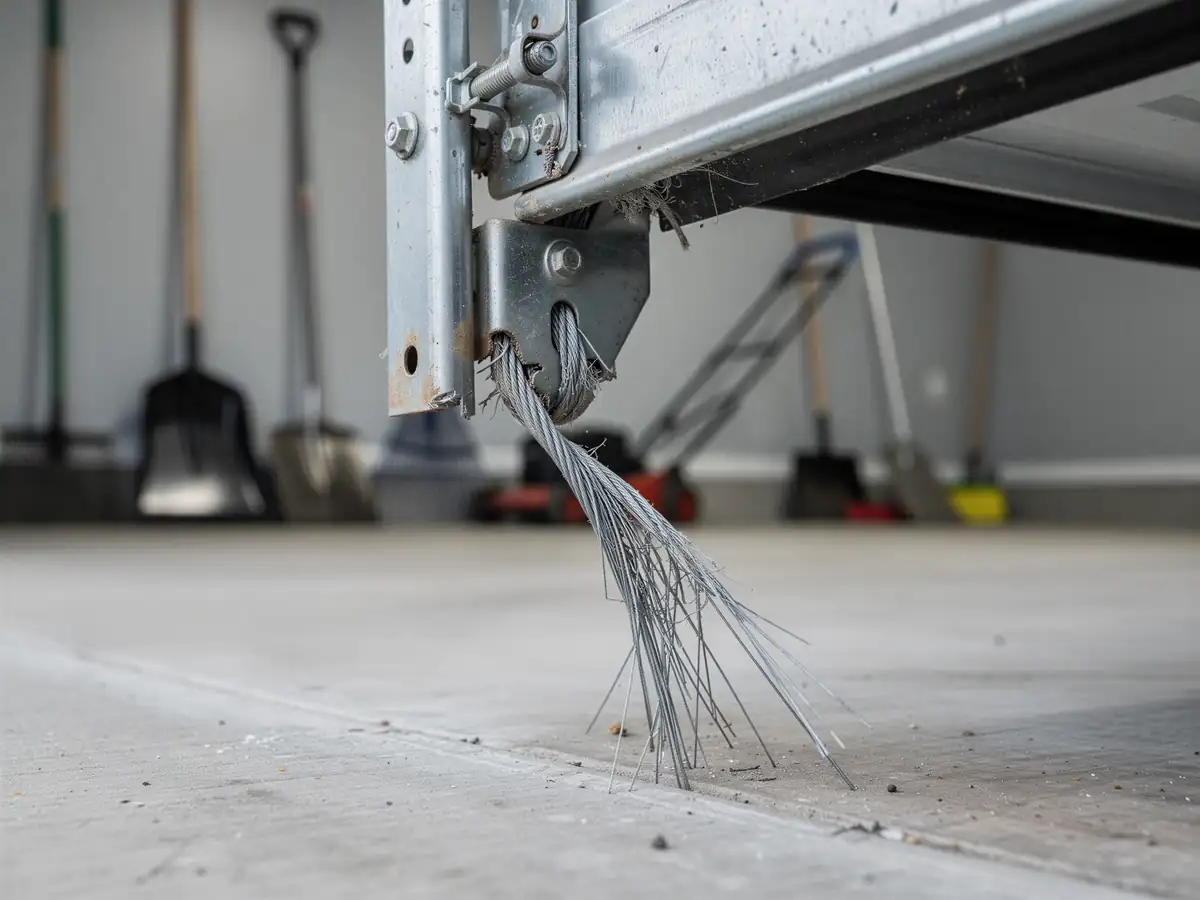
The frayed garage door cable hangs from the bottom of the garage door.

Cable Repair

Cable repair for Woodinville garage doors built mostly between 1972 and 2005, where cold, wet winters wear lift cables faster than drier climates. Same crew, straight pricing.

Learn more
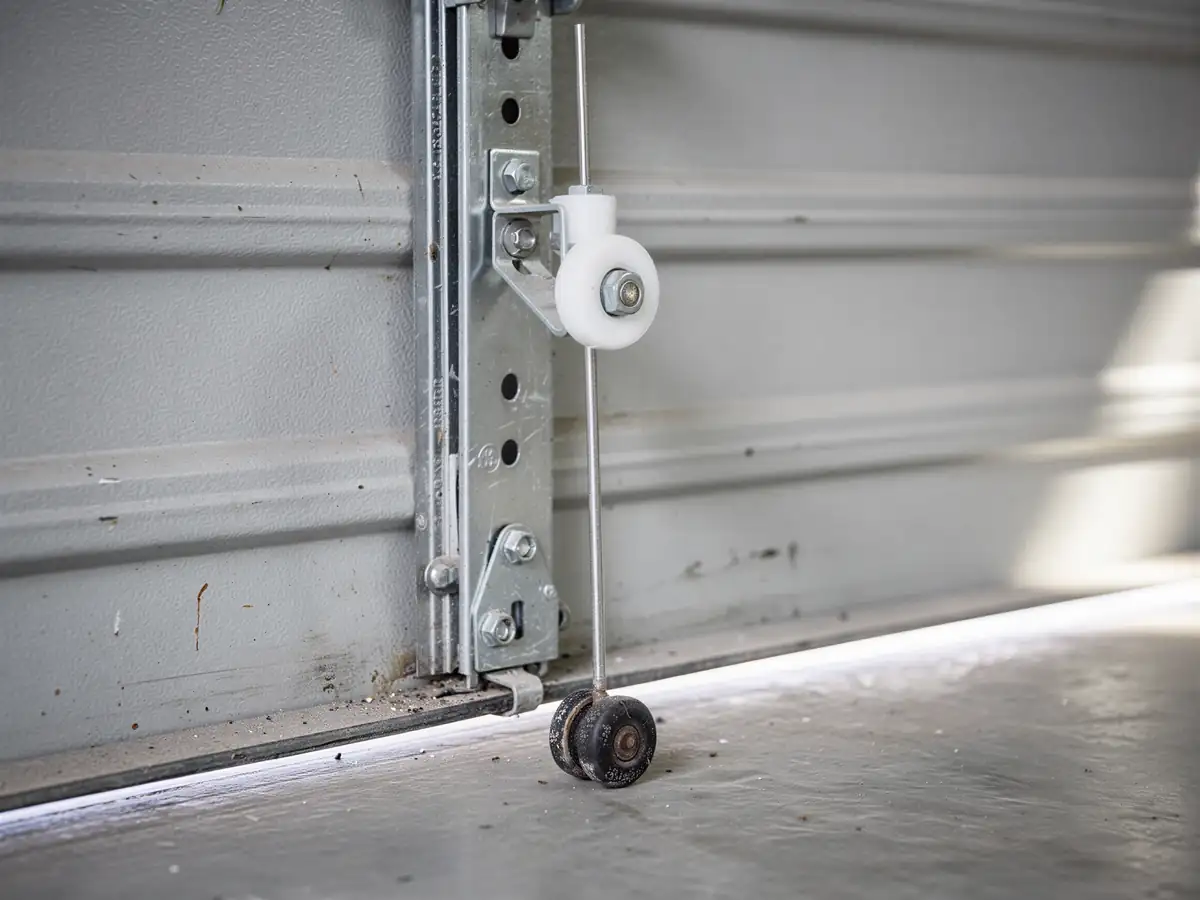
A garage door roller and track are visible with a dirty floor.

Roller Replacement

Worn rollers on Woodinville homes built in the 1970s-2000s boom era grind, stick, and derail more in our cold damp winters. See what drives the wear and what the job runs.

Learn more
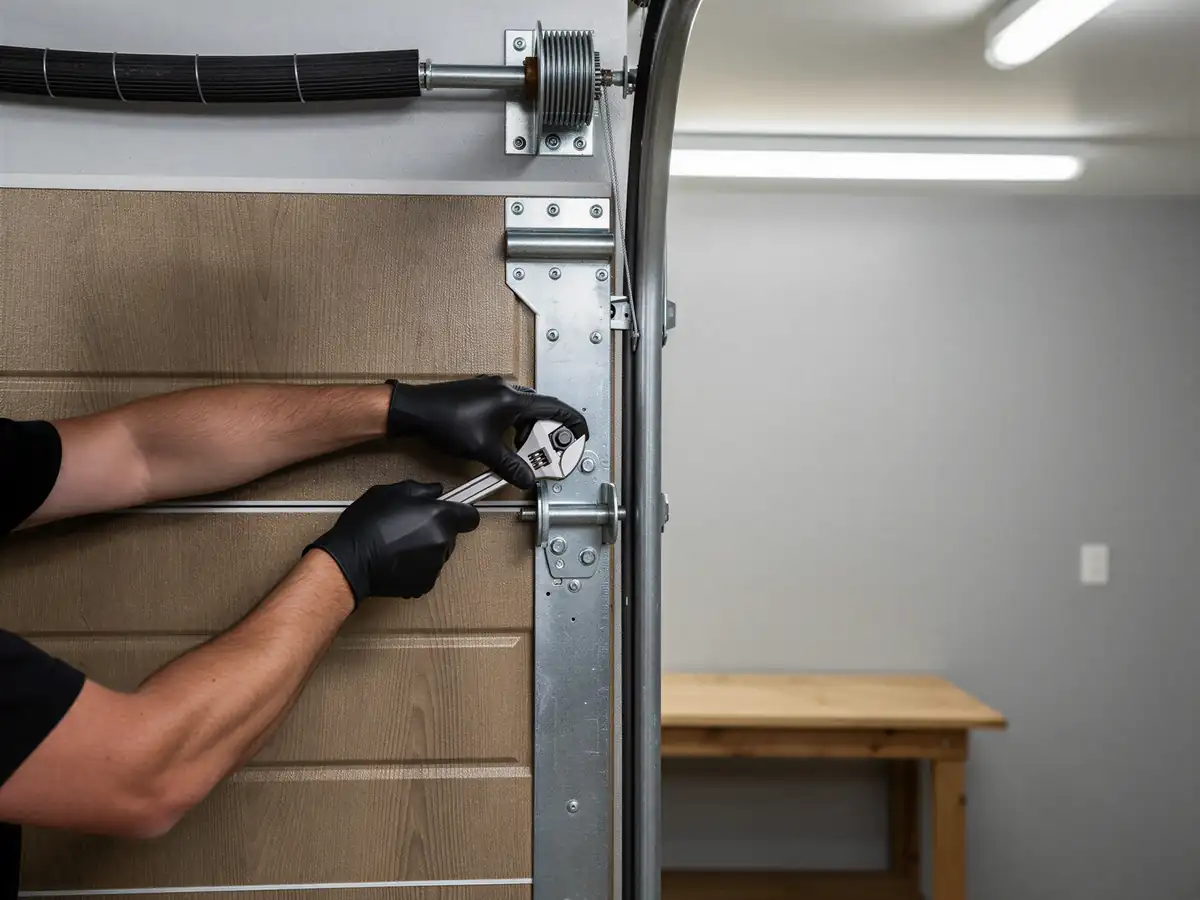
A technician wearing black gloves adjusts a garage door roller with a wrench.

Maintenance

Garage door maintenance for Woodinville's 1970s-2000s housing stock. Spring tension, roller wear, and track alignment checked before a cold snap finds the weak point.

Learn more
Questions

Frequently asked

Straight answers about garage door repair in Woodinville. Still unsure? Ask us directly.

My garage door makes a loud bang when it closes. Is that a spring?

On a house from the 1972-2005 construction window common in this area, a sharp bang on closing is more often a worn roller hitting the track seam or a loose hinge than the spring itself. A spring failure usually sounds more like a pop followed by the door dropping or jamming, not a bang on an otherwise normal close.

Why does my door only squeal in winter?

That's usually grease gone stiff in the cold-moderate winters typical here, not a broken part. It thickens overnight in an unheated garage and loosens up once the door's been cycled a few times. If the squeal disappears by midday and comes back the next cold morning, that's the pattern to expect.

Is a grinding noise always the spring?

No. Grinding more often points to a worn roller or a track that's out of alignment, both common on doors from the 1980s-90s stock that makes up most of this area. A failing spring usually announces itself with a sudden pop or a visible gap in the coil, not a steady grind.

Ready to get your garage door sorted?

Tell us what it’s doing and where you are in Woodinville - we’ll take it from there.

Request a QuoteCall