Where People Go Wrong
Most calls we get about garage door openers start the same way: the power flickered, came back, and now the opener won't do anything. People treat that like a broken opener. Half the time it isn't.
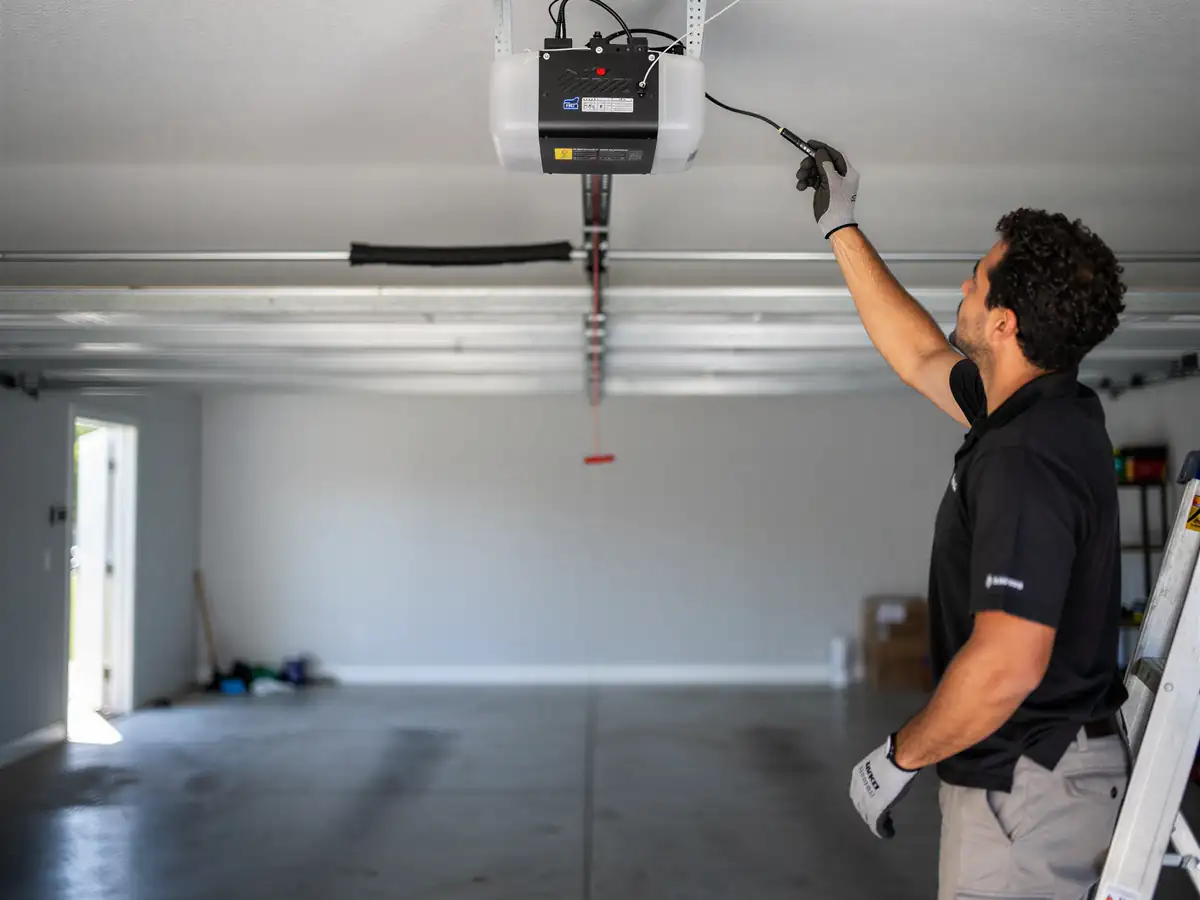
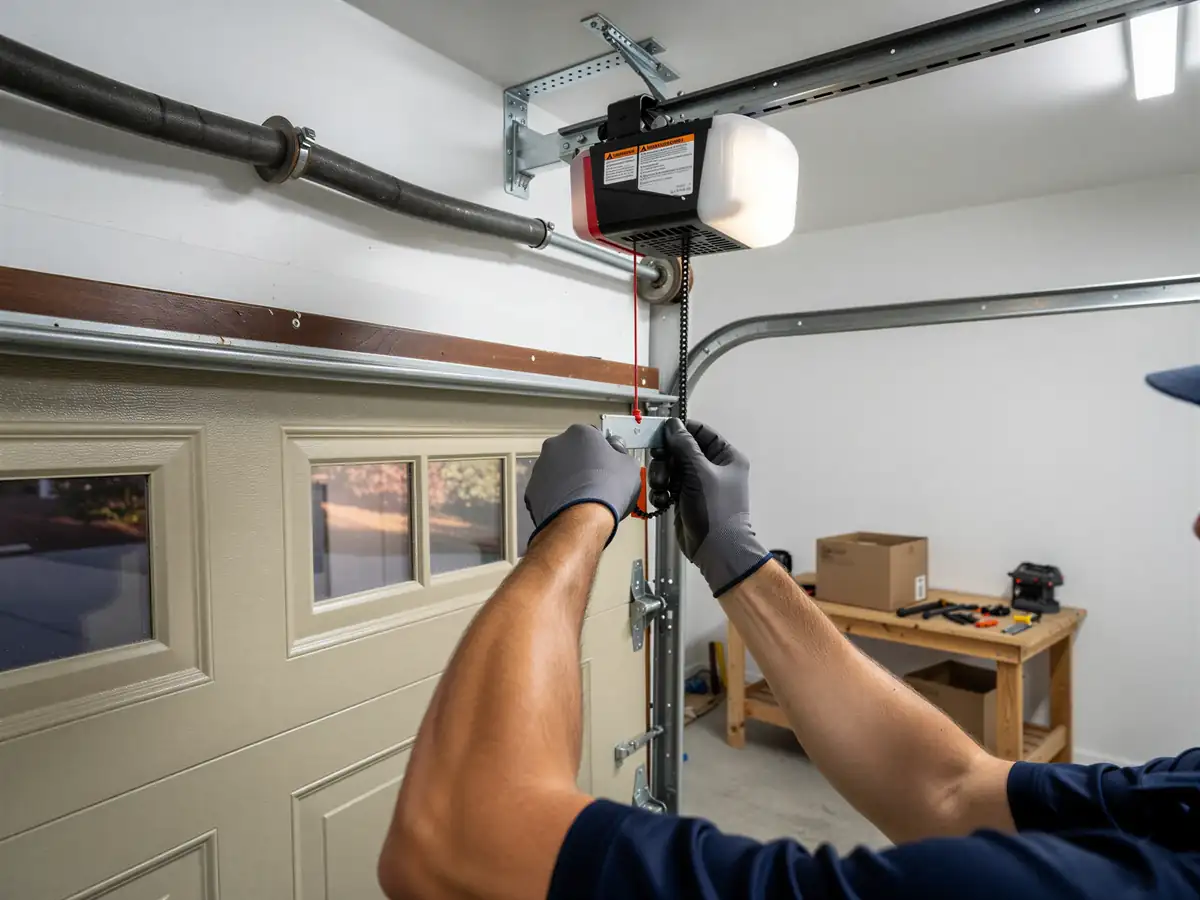
Woodinville's housing stock mostly went up between 1972 and 2005, with the median build year landing around 1985. That means a big share of the openers out there are the original chain-drive units installed when the house went up - units built before battery backup was standard equipment on residential openers. When the power cuts, those units don't have a backup cell to lean on. They just stop. No lights, no motor, nothing.
The mistake is assuming the opener board fried. Usually it didn't. The unit is doing exactly what a non-backed-up opener from that era is supposed to do when the circuit goes dead: nothing. The fix isn't a new logic board, it's figuring out whether the owner wants to keep running a 30- to 40-year-old motor without backup, or finally add a unit that holds through a short outage.
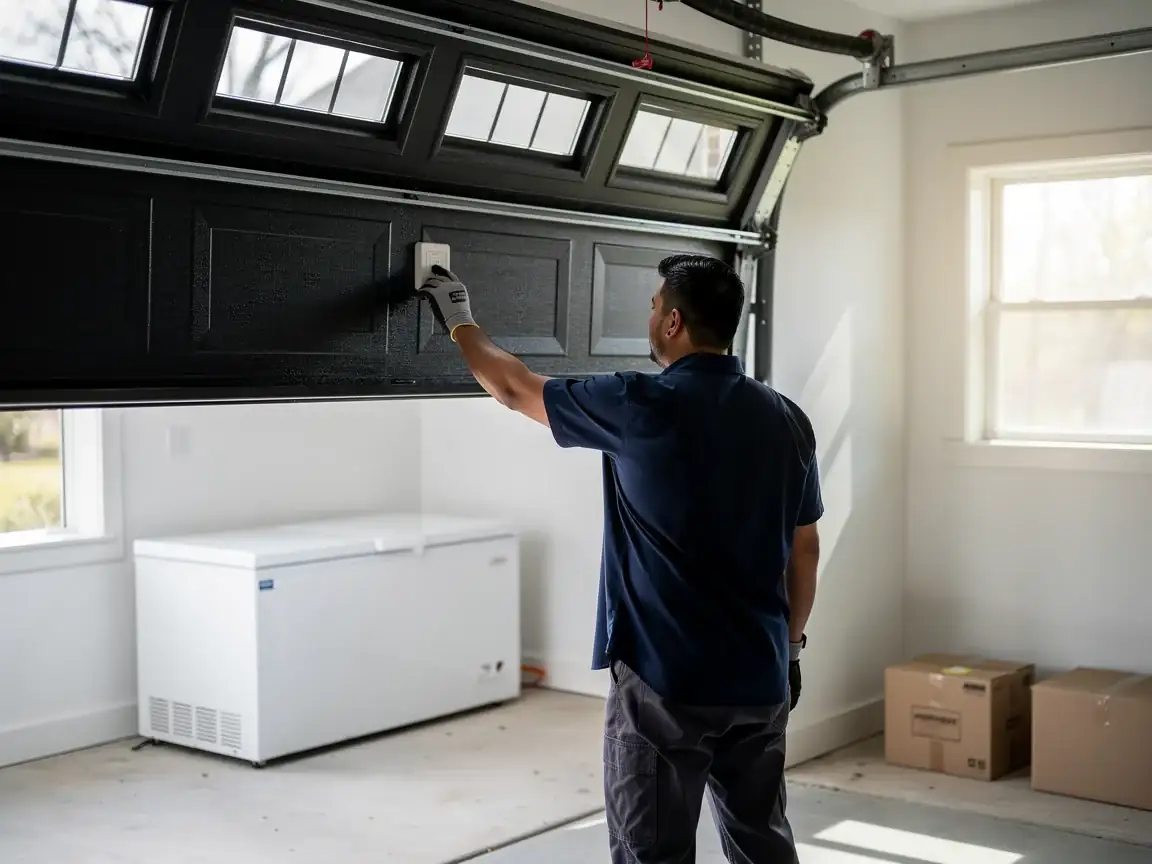
People also forget the disconnect handle exists until the power's already out and they're standing in the dark trying to lift a double door by hand.
Leaving It Alone
The second mistake is doing nothing once power's back
The opener relearns its limits, the light blinks, and everyone moves on. But an opener that's been yanked off its circuit hard - tripped breaker, surge, brownout - doesn't always come back the way it left.
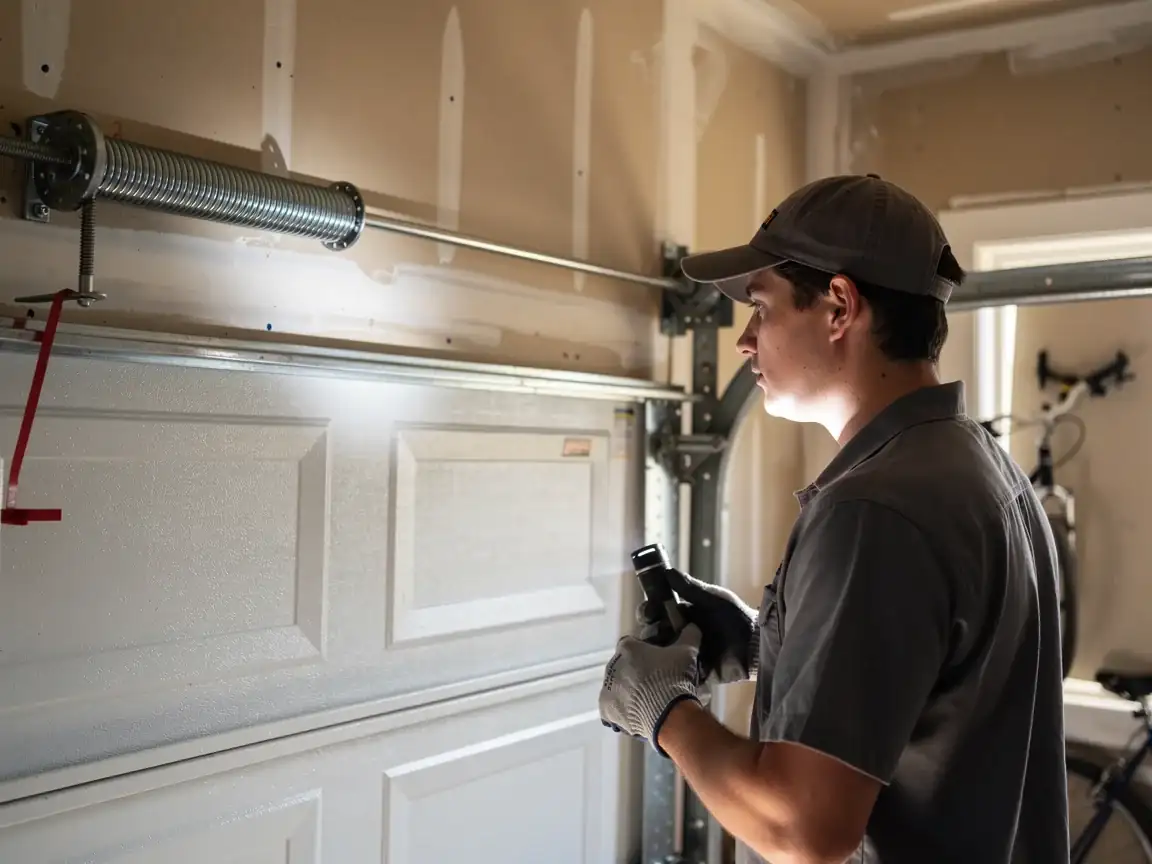
We've opened up units after an outage and found the logic board took a hit that didn't show up for weeks
The opener runs, but the safety reversal sensors stop talking to it right, or the travel limits drift so the door doesn't seat right at the floor.
Here's the honest part
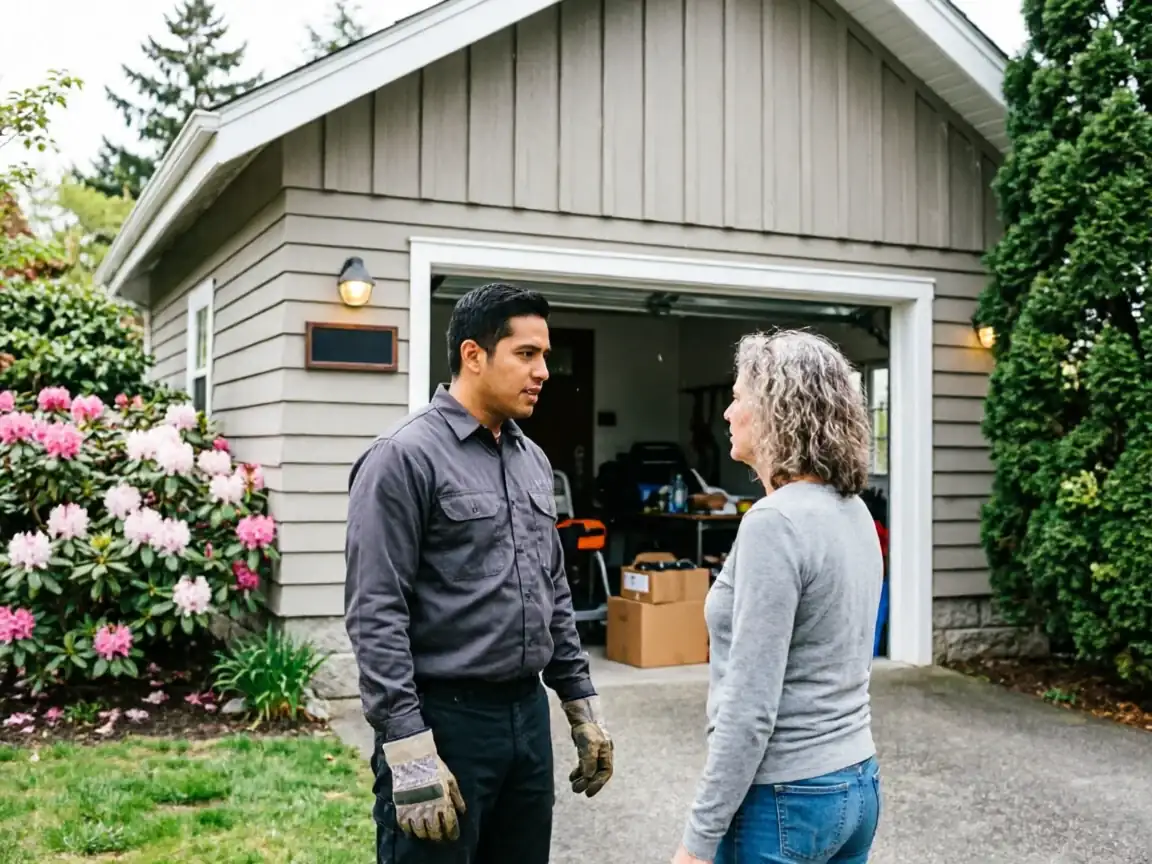
We can't always tell from a phone call whether a board got cooked or just needs a reset. And once a board that old is actually damaged, parts for an opener from the 1980s or 90s often aren't worth chasing down - replacing the head unit costs less than hunting a compatible board for something that's been out of production for decades. Leaving a flaky opener running after an outage because it 'mostly works' is how a disconnect handle becomes the only way in or out of that garage.
The Situation
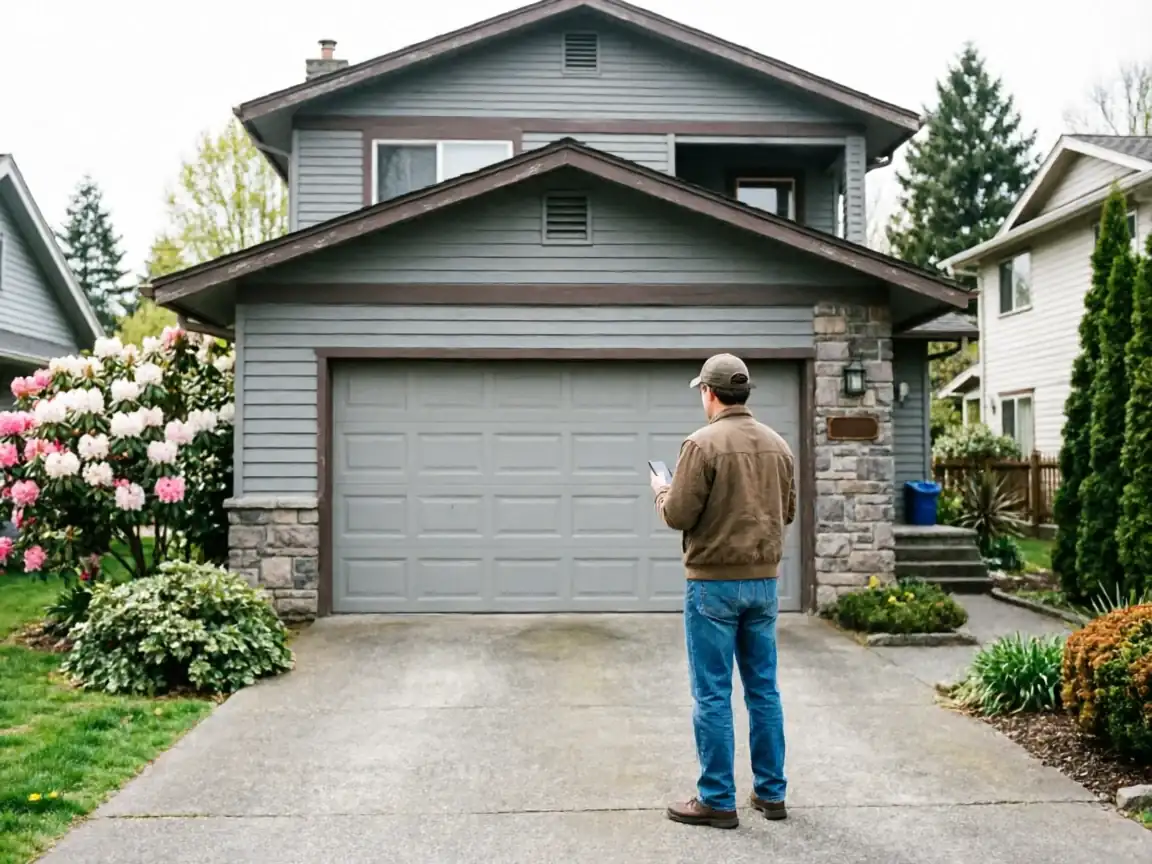
The service area here covers 44,156 households and 31,680 owner-occupied houses, spread across two dozen named areas that mostly built out in the same window - the 1980s and 90s. That matters for openers specifically, because opener models and installation habits track housing booms. A neighborhood that went up in 1987 got whatever opener was standard that year, and a lot of those units are still bolted to the ceiling.
Drive a few miles in any direction and the pattern holds. Maltby, four miles out, barely a mile ENE, sit in the same build era. High Bridge and Brier, six miles off, run the same. It's not a coincidence that service calls cluster around the same failure: original 80s/90s-era openers with no battery backup, hitting a power cut at the same time a storm rolls through.
Median household income in the area runs $140,572, which shows up in the calls too - once people understand what an old opener does and doesn't do during an outage, a good number choose to replace the whole unit with something that holds through a short cut rather than keep patching a 30-plus-year-old motor and board.
What the Weather Here Does to It
This area sits in a cold moderate climate band - not brutal, but cold enough and wet enough that outages tend to come in short, sharp bursts through the winter months rather than long multi-day blackouts. That's actually the worst pattern for an opener with no battery backup: just long enough to kill power mid-cycle, short enough that nobody thinks it's worth doing anything about.
Cold also slows the grease in an old chain-drive unit, so the motor's already working harder before the power even cuts. Add a brief outage on top of that and you get a door that stalls halfway down its track - not because the track's bent, but because the opener lost power exactly when the chain needed the most torque to keep moving.
None of this is dramatic weather. It's just enough cold, enough wet, and enough short power blips to expose an opener that was fine for twenty years and finally isn't. The houses built in the 1980s and 90s around here are hitting the age where that gap shows up - the opener was never the problem until the one night it mattered.