Where People Go Wrong
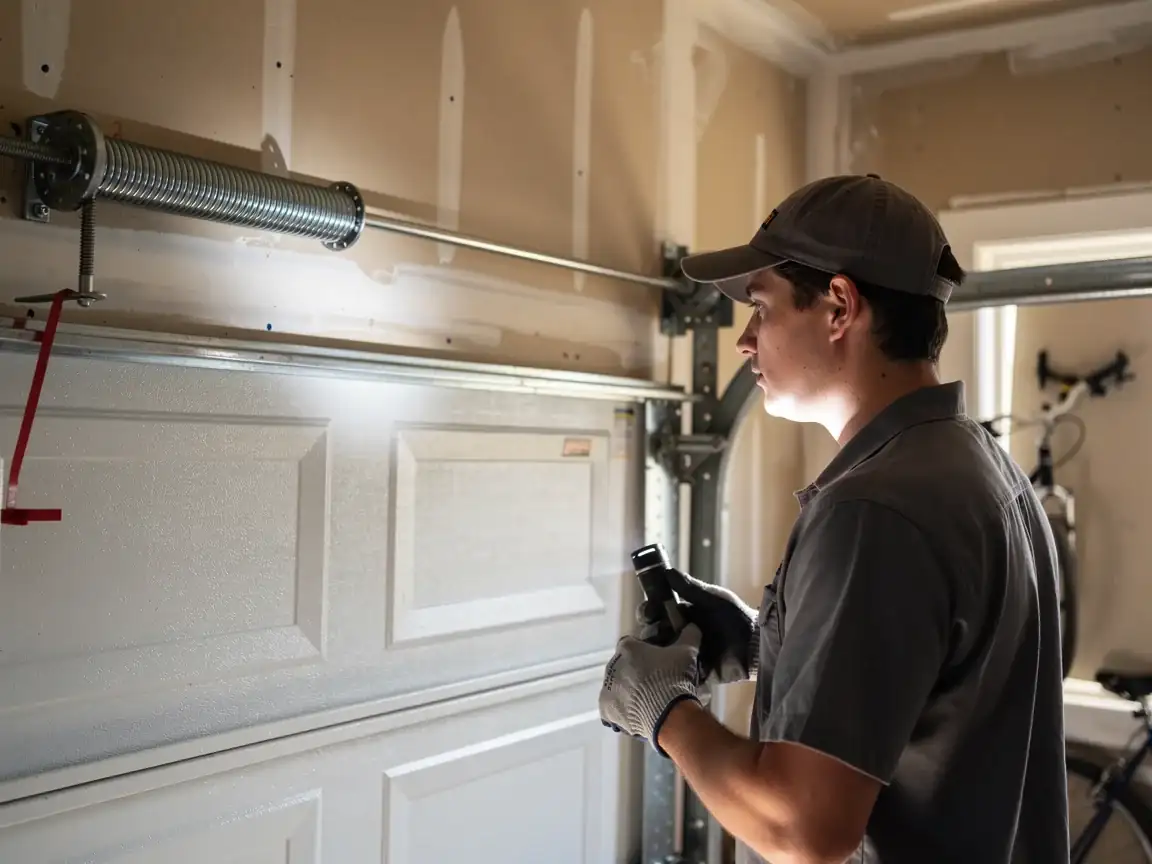
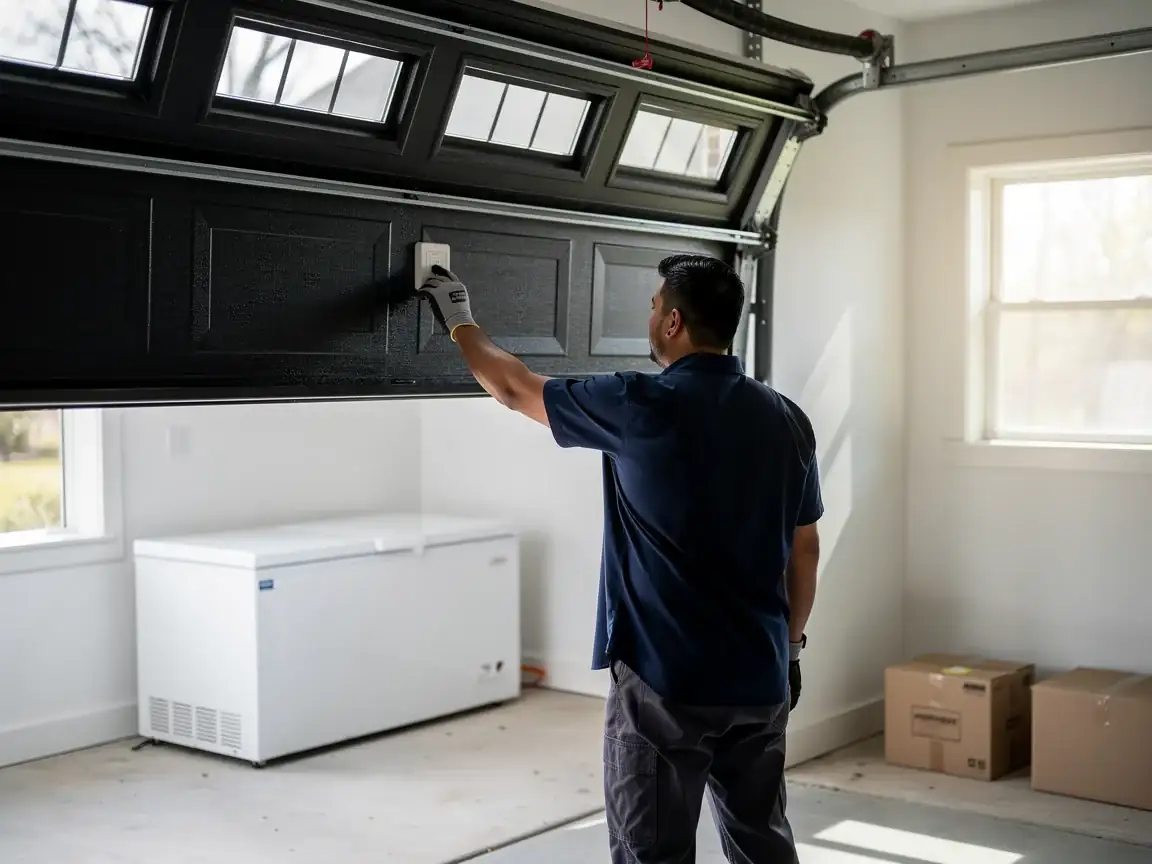
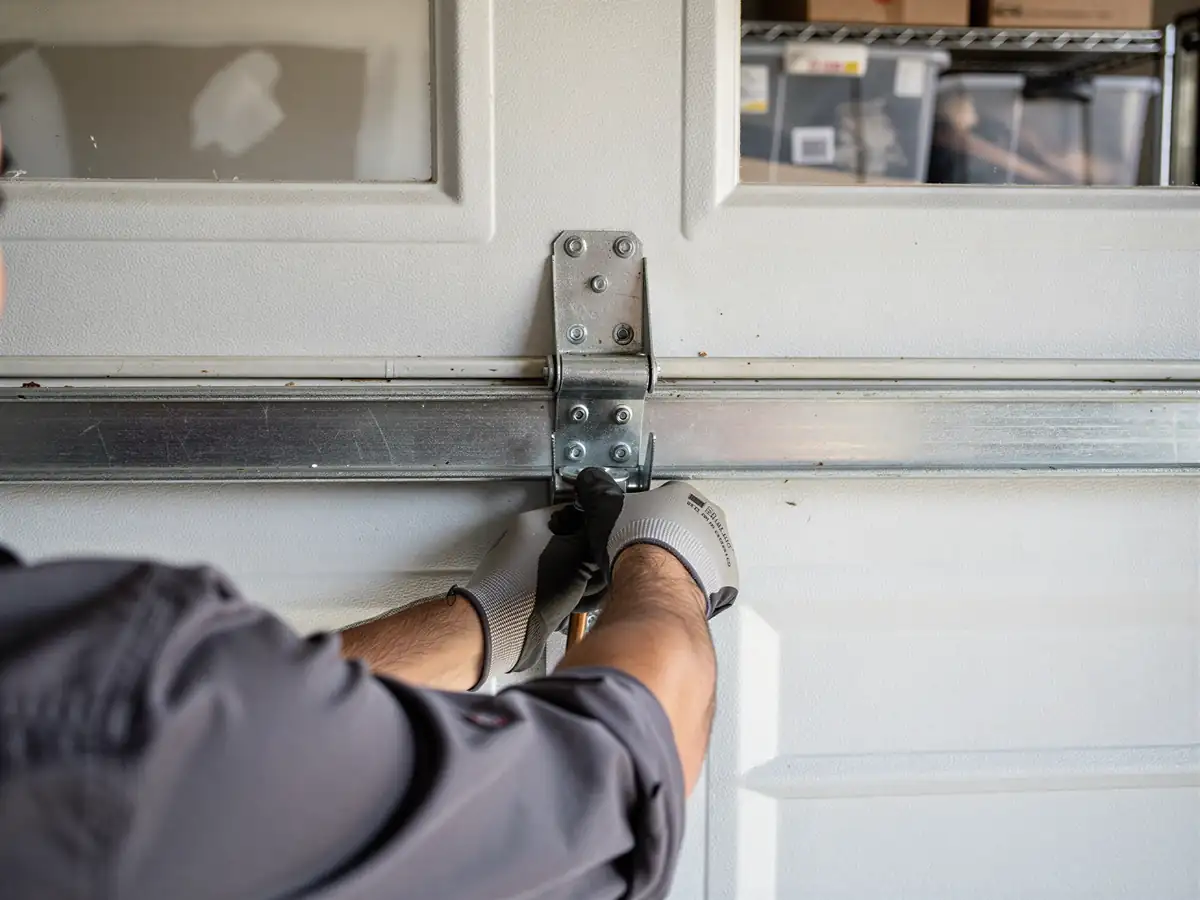
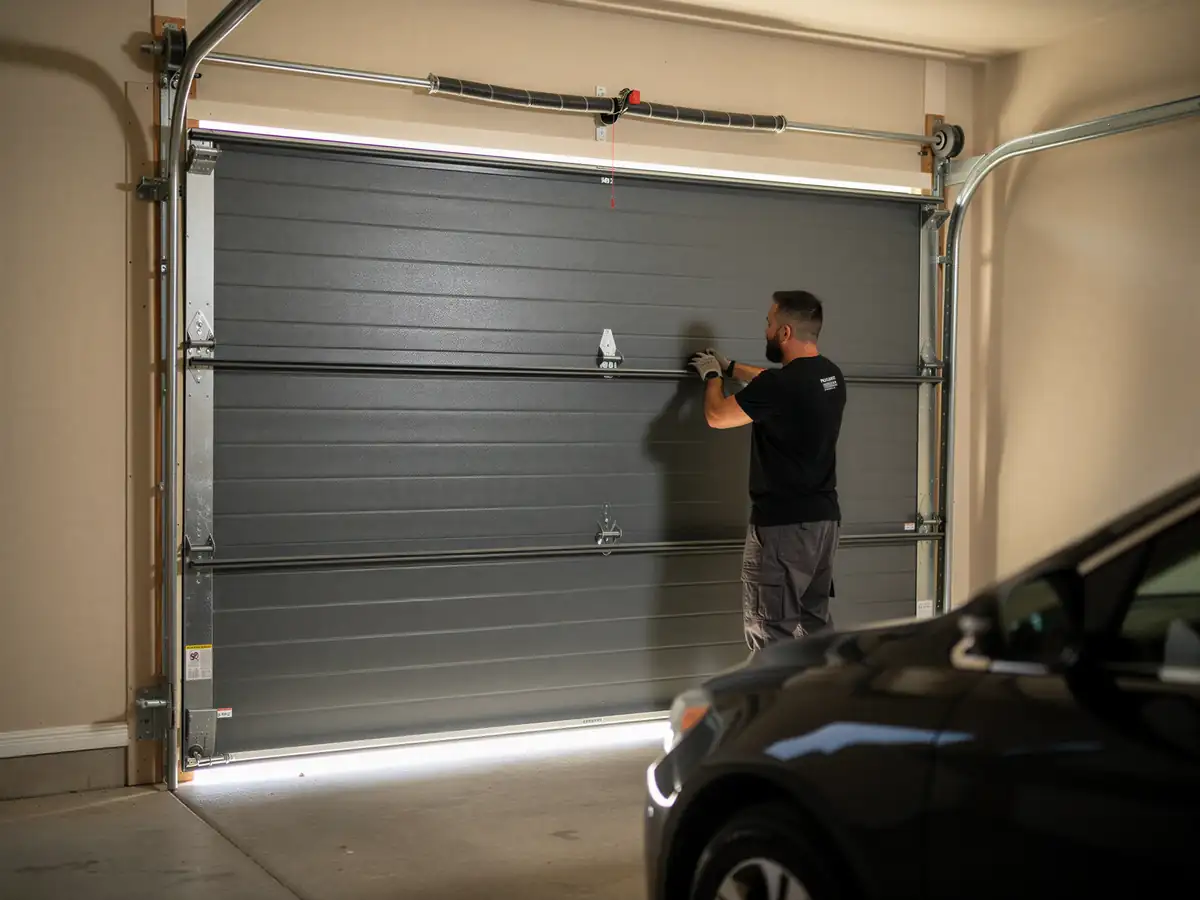
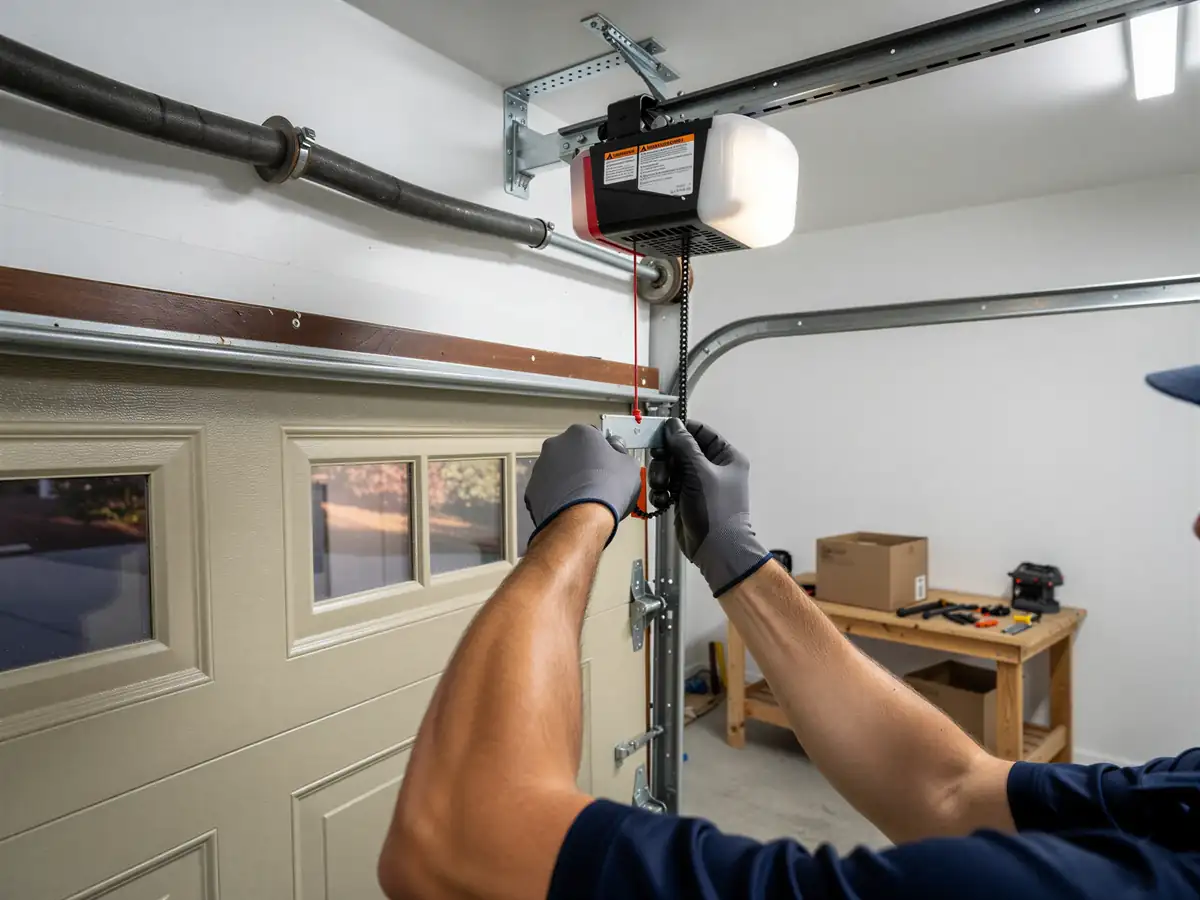
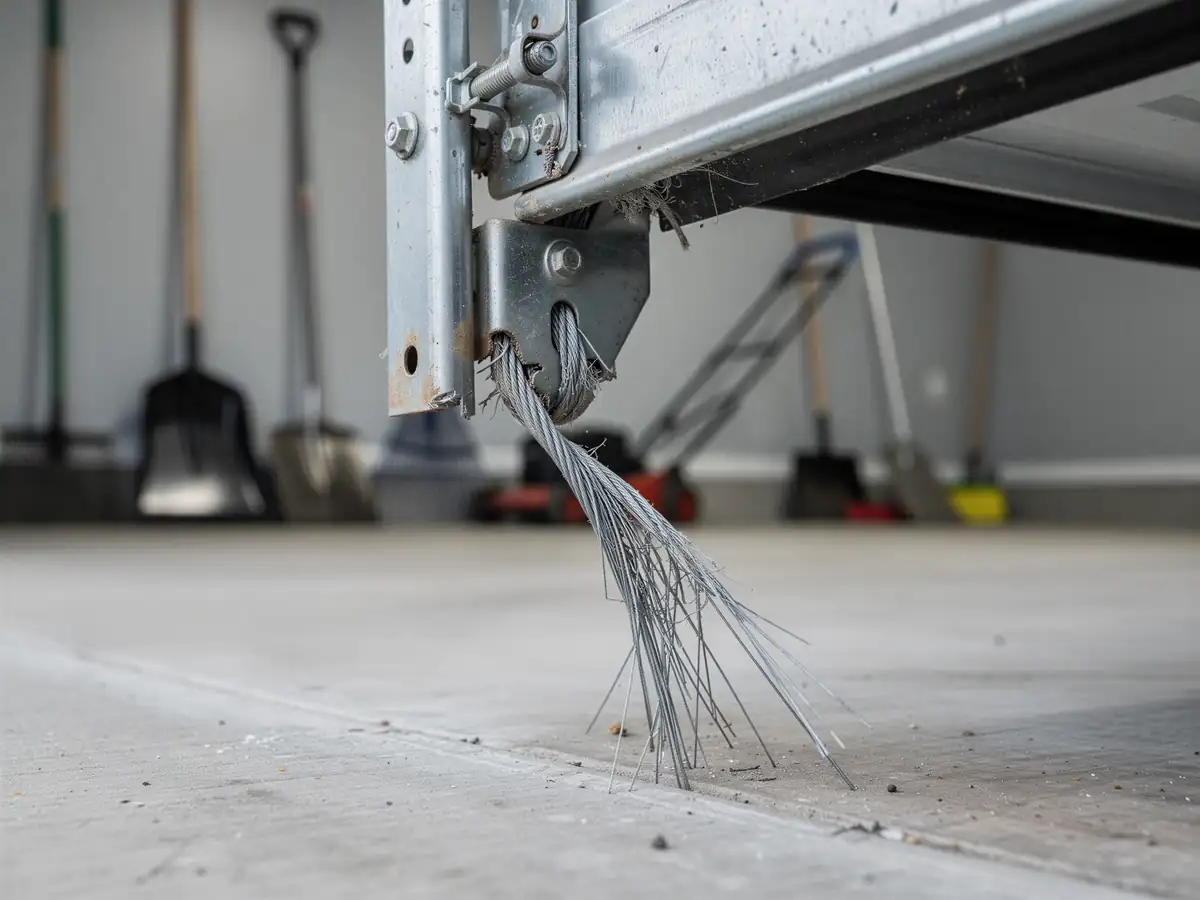
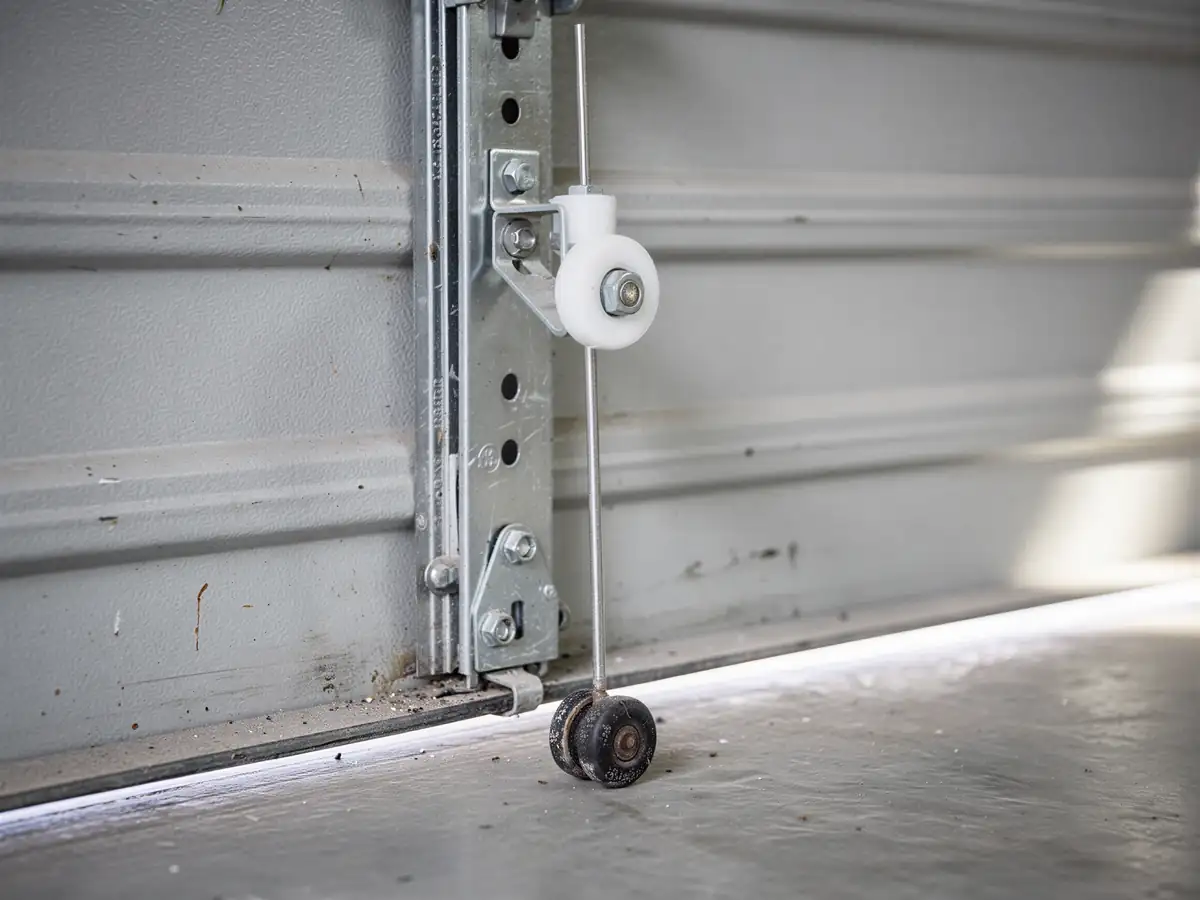
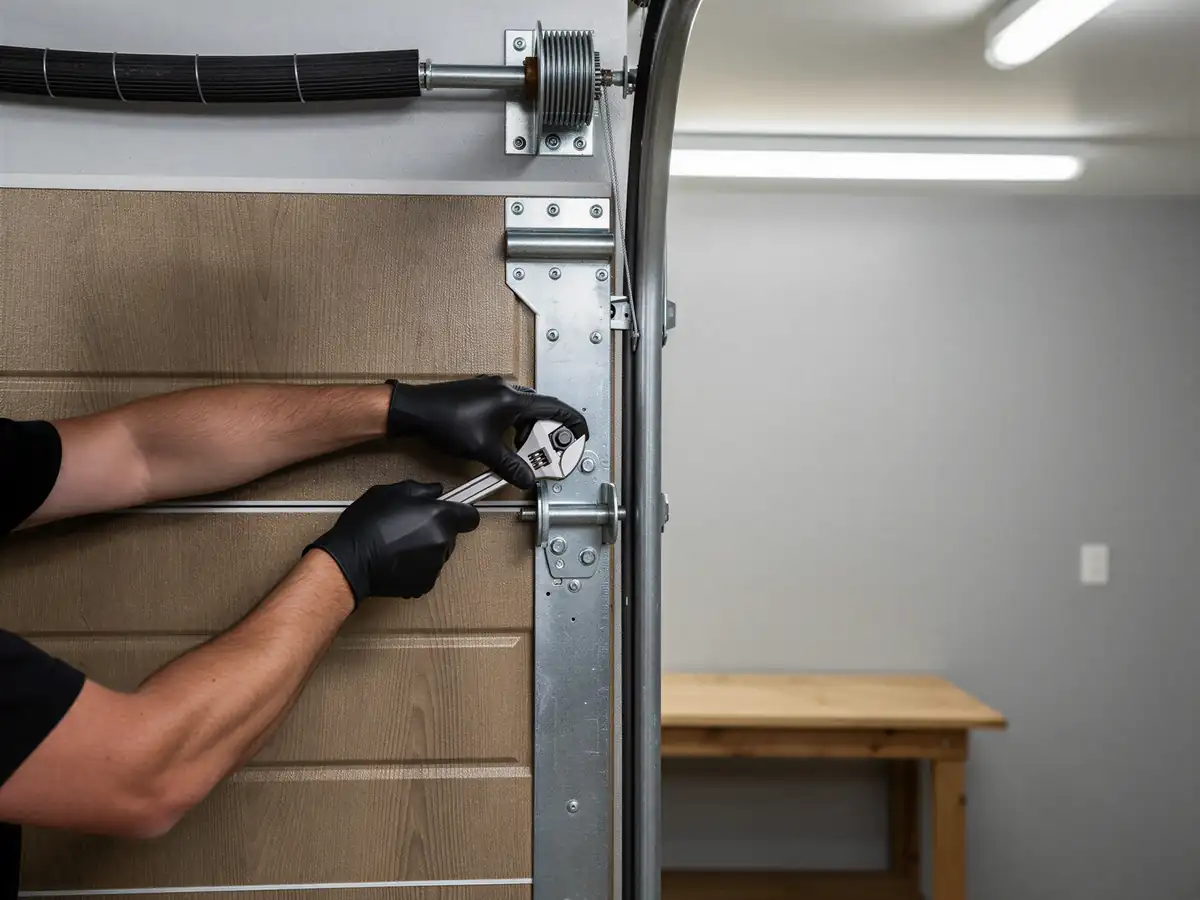
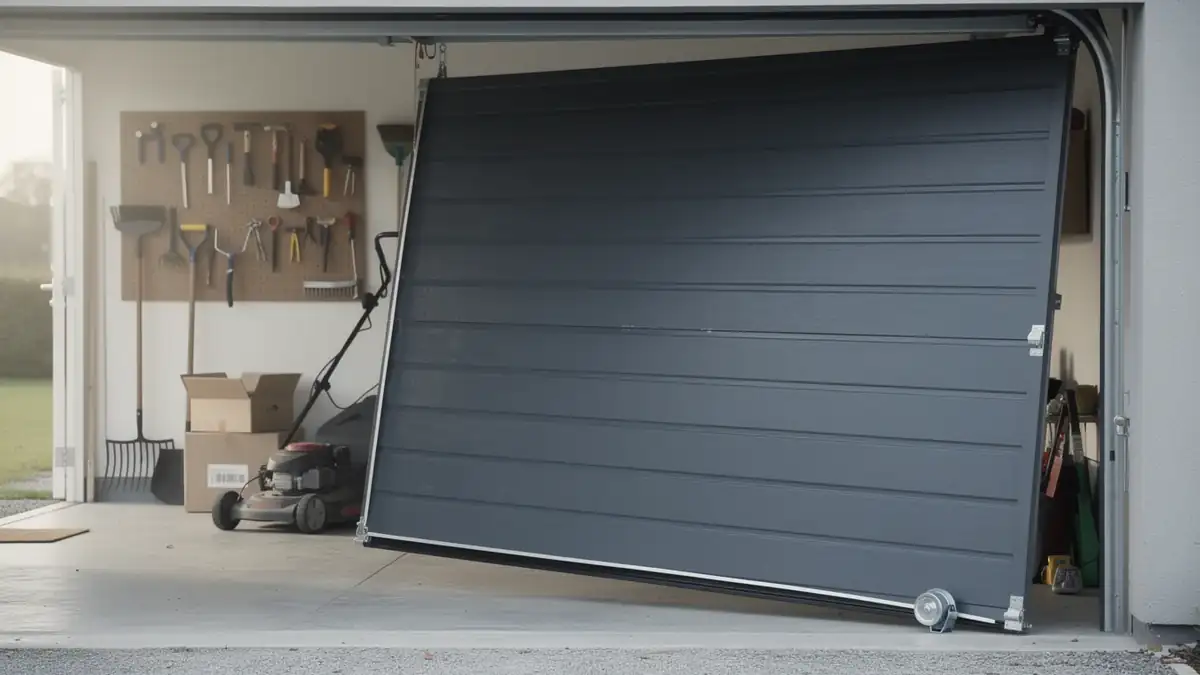
Most of the track problems we see start the same way: someone notices the door rubbing or squealing on one side and decides to "fix" it by loosening the track bracket and tapping it back into line. That buys a week, maybe two, before the door jumps the roller again. The actual cause is almost never the track itself - it's the track mounting into framing that's moved slightly, which is common in houses built between 1972 and 2005, the range that covers most of this area. Wood framing from that era settles over decades, and a track bolted straight to a stud that's shifted an eighth of an inch will throw the whole door out of plumb. Bending the track back doesn't fix the framing underneath it. The other mistake is ignoring a bent track corner after a car bumps it, or after someone backs a trailer in too fast. A dented track doesn't flex back on its own, and running the door on it wears the rollers unevenly until one side binds hard enough to pop off the rail entirely. If your door is rubbing one side more than the other, that's the track telling you something before it fails outright.
The Situation
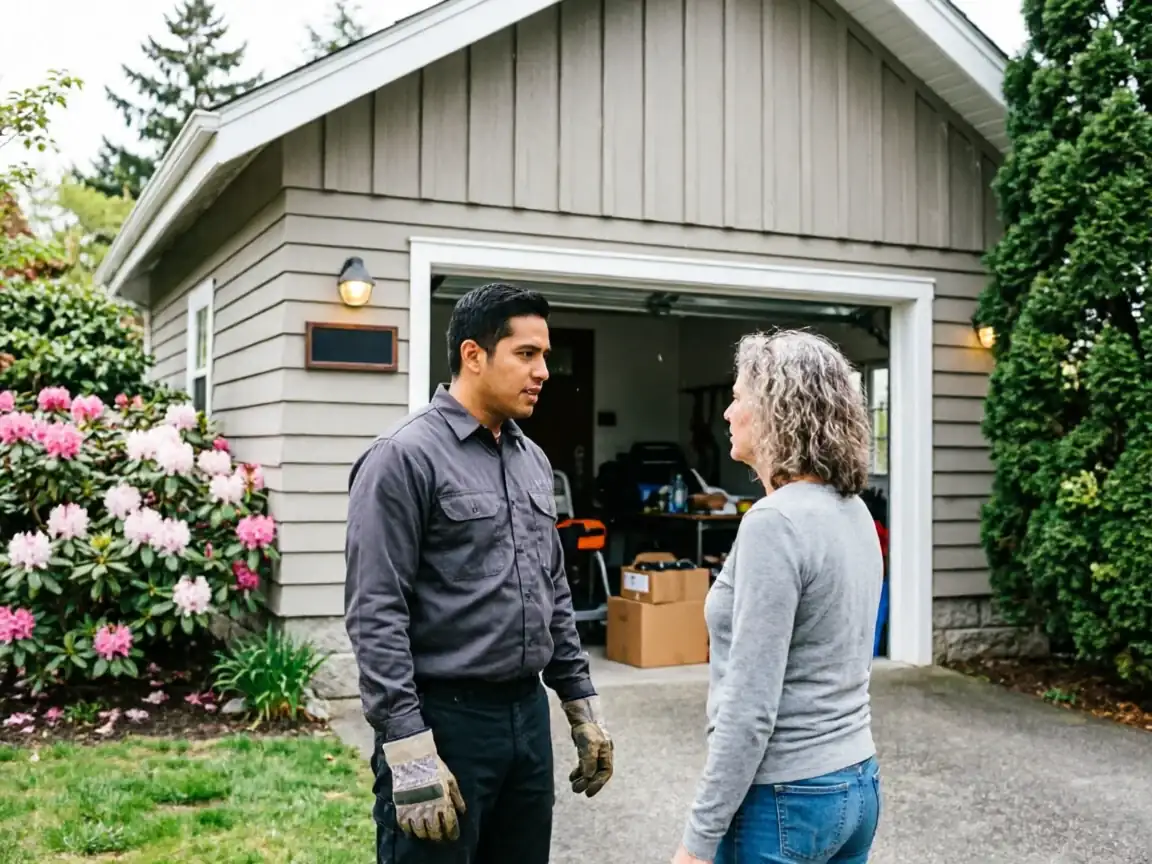
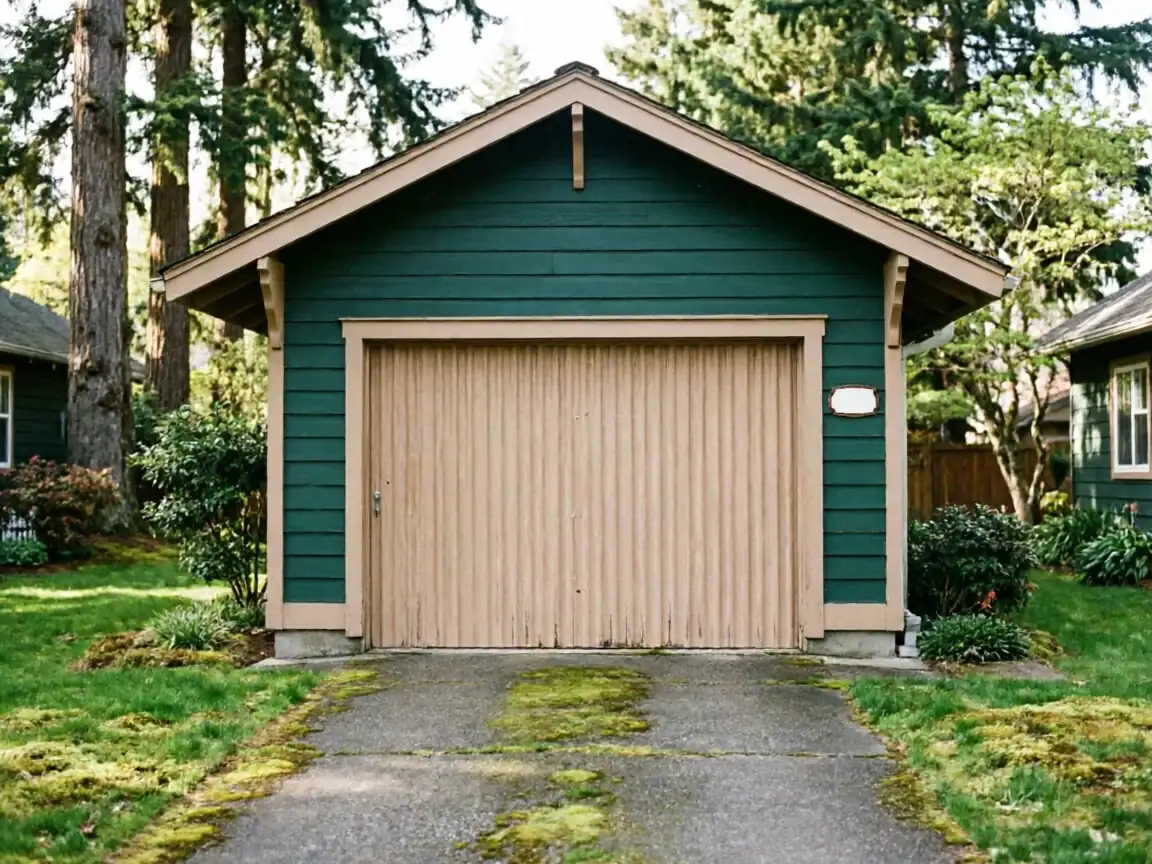
Woodinville and the surrounding area - from Maltby and Cathcart in close to Snohomish and Duvall further out - is built mostly on housing stock from the 1980s and 90s, with construction stretching from 1972 to 2005 overall. That matters for track problems specifically because garage doors and their hardware installed during that build-out are now 20 to 50 years old. Track brackets loosen, lag bolts back out of aging jamb wood, and the original steel track - thinner gauge than what's used today - dents more easily and doesn't hold alignment as well once it's been bumped. Add to that a service area with a median household income over $140,000 and a lot of owner-occupied homes, meaning these are houses people maintain rather than let go, but garage doors are often the one thing nobody looks at until it's loud. We see a lot of original hardware still in service on doors from the 80s and 90s vintage that makes up most of the local stock, and that hardware is due for attention whether or not the door is making noise yet.
What the Weather Here Does to It
This area sits in a cold, moderate climate band - not the deep freeze of the mountains, but cold enough and wet enough that moisture is a constant factor on garage hardware. Track brackets and roller housings that stay damp through a wet winter season corrode slowly at the mounting points, and corrosion loosens the grip of a lag bolt long before it looks bad from the outside. Cold mornings also stiffen the lubricant in old rollers, so a door that tracks fine in July can bind and jump in January simply because the roller isn't spinning freely at the temperature it's running in. We see a seasonal pattern in track calls tied to this: more of them land in the colder, wetter months than in summer, and a door that was fine in warm weather is often the same door that complains once the temperature drops. None of this means the track itself failed on its own - the climate just speeds up wear that was already building in older hardware.