Getting Here
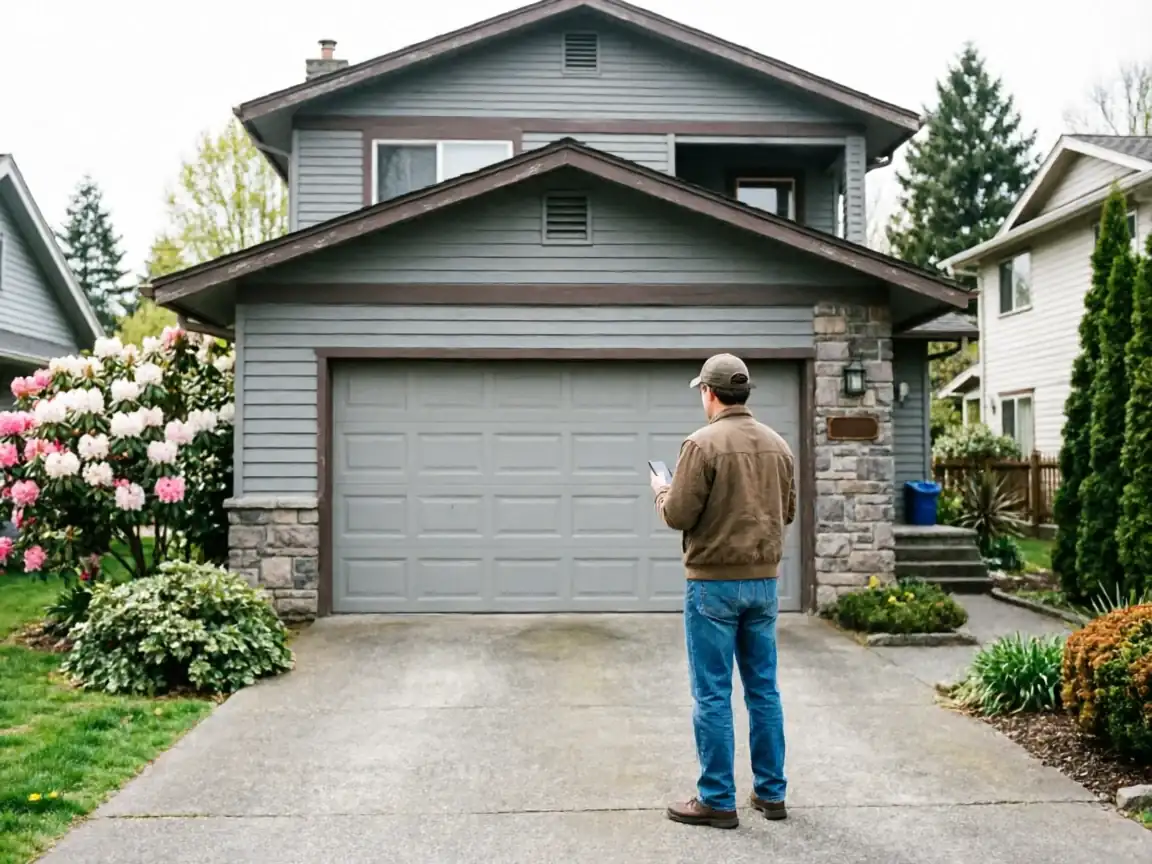
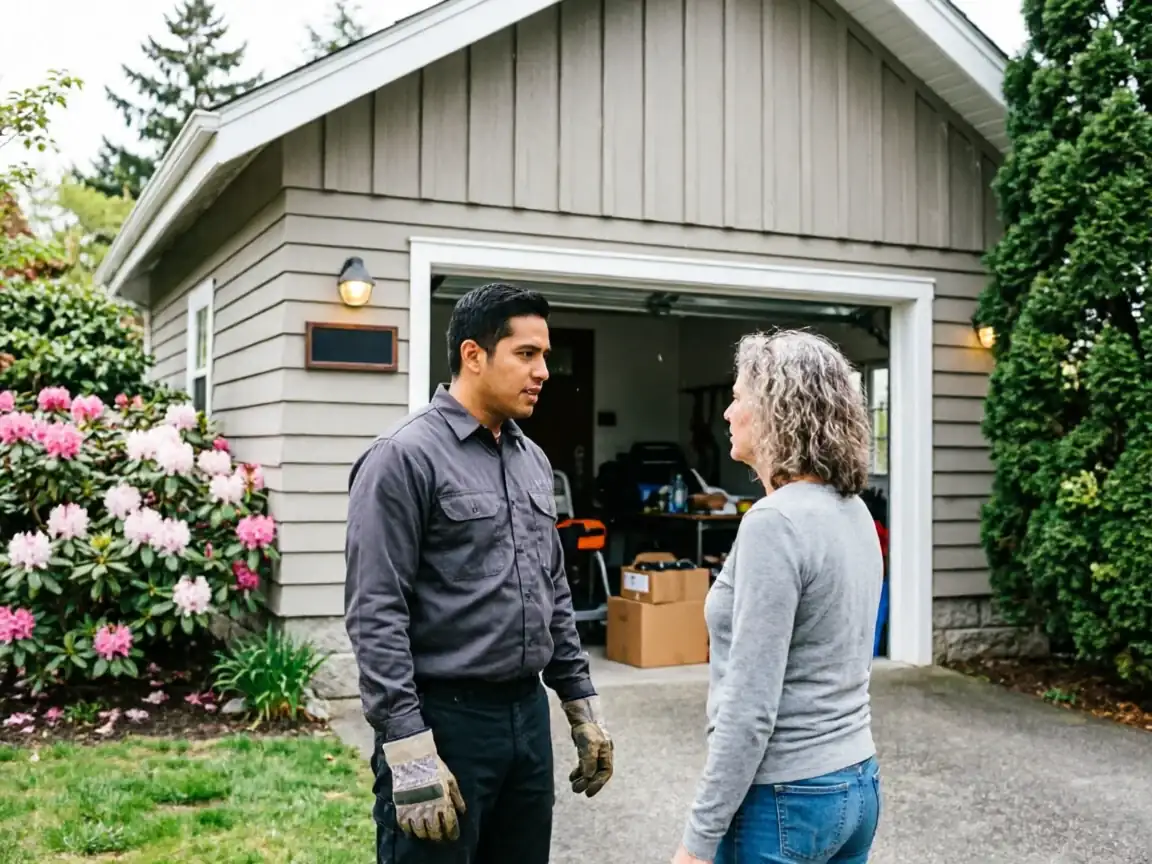
Picnic Point sits about 11 miles from our shop in Woodinville. We don't keep a crew stationed out here, so when you call, you're booking a truck that drives out from Woodinville rather than one already parked a few blocks away. That's worth knowing up front: same-day isn't guaranteed the way it might be for a job closer to the shop, and we'd rather tell you that than promise a window we can't hit. Once the truck's on the road, the drive itself isn't the bottleneck - it's getting the right spring or opener part loaded before we leave, which is easier when you can describe your door's age and symptoms on the phone first. If you're calling about a dead opener or a spring that let go overnight, having the rough age of your house ready helps us guess the hardware before we even pull up.
Older vs Newer Streets
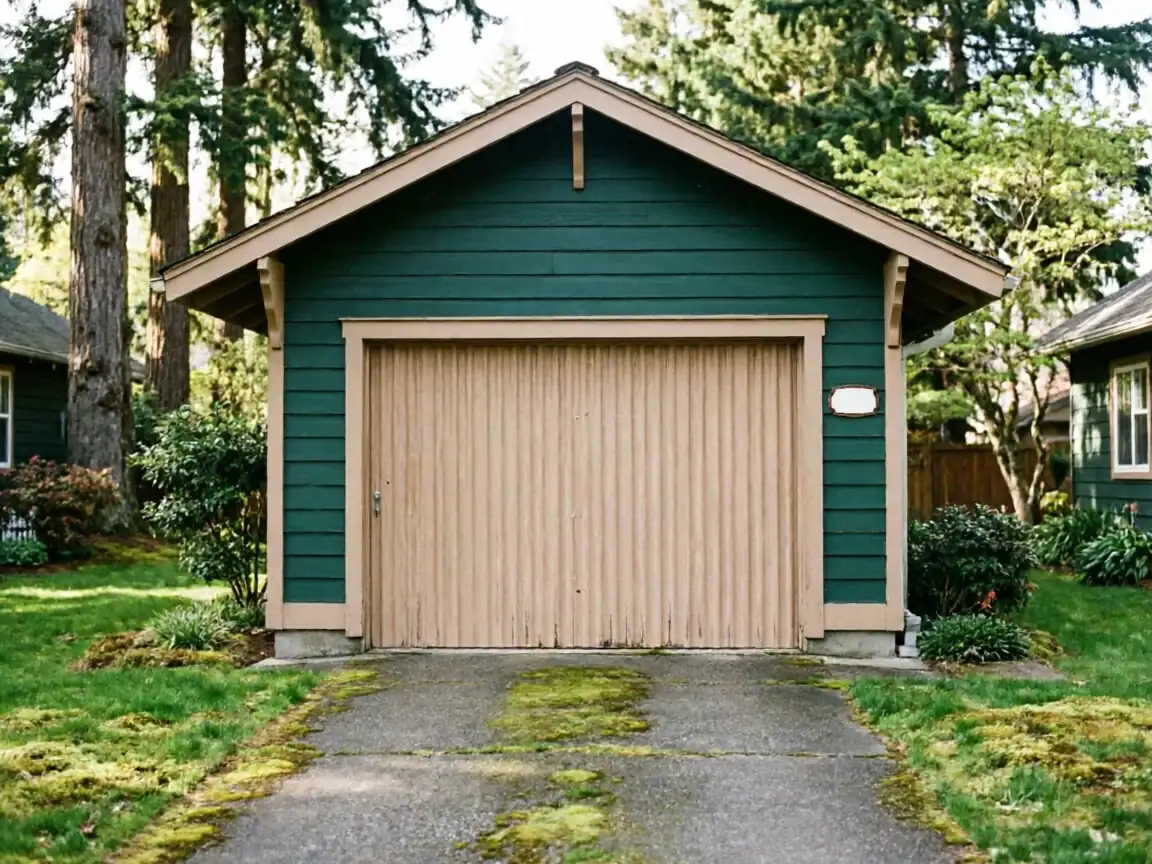
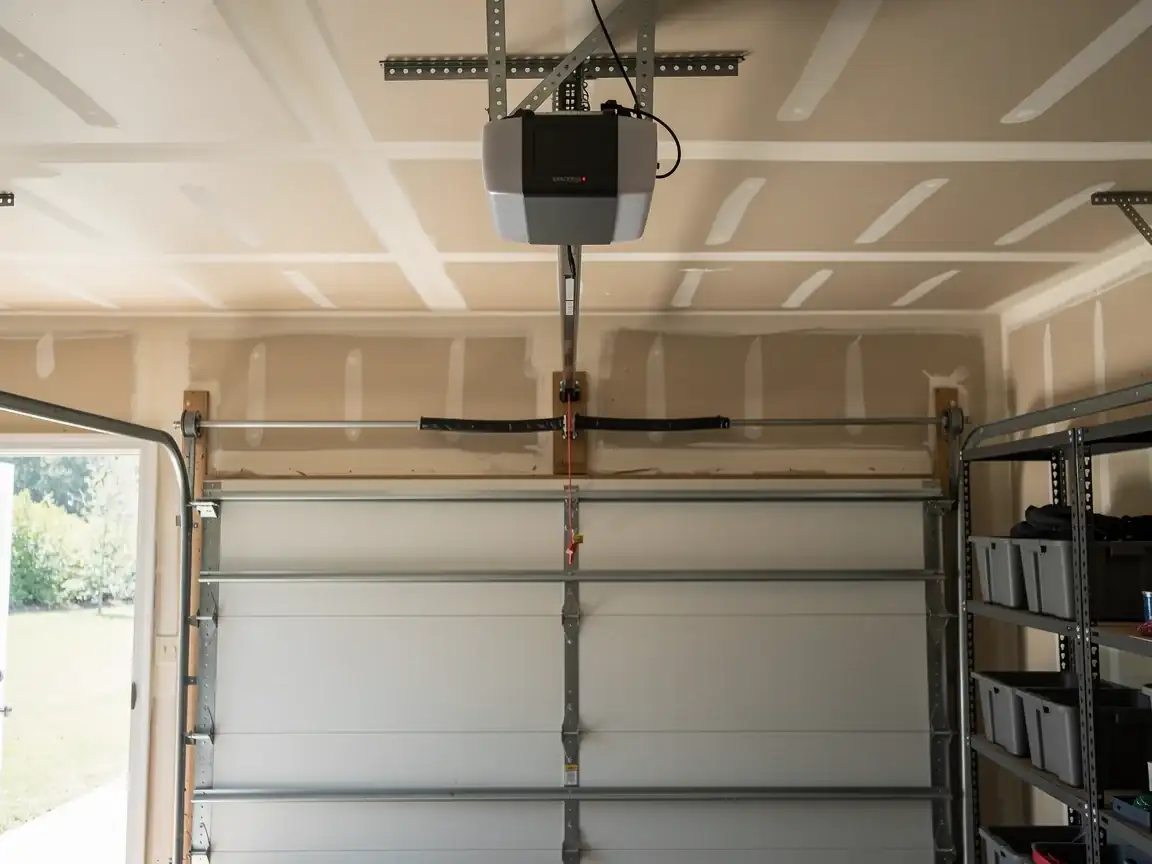
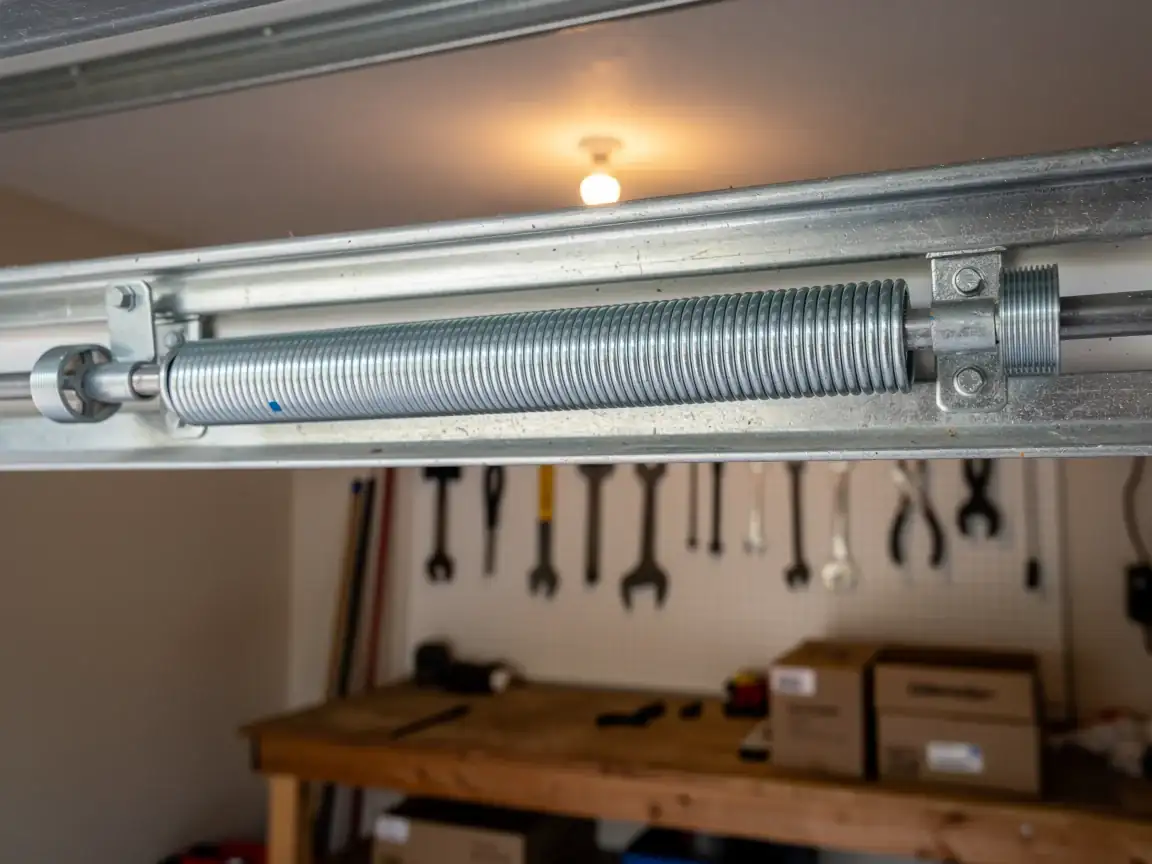
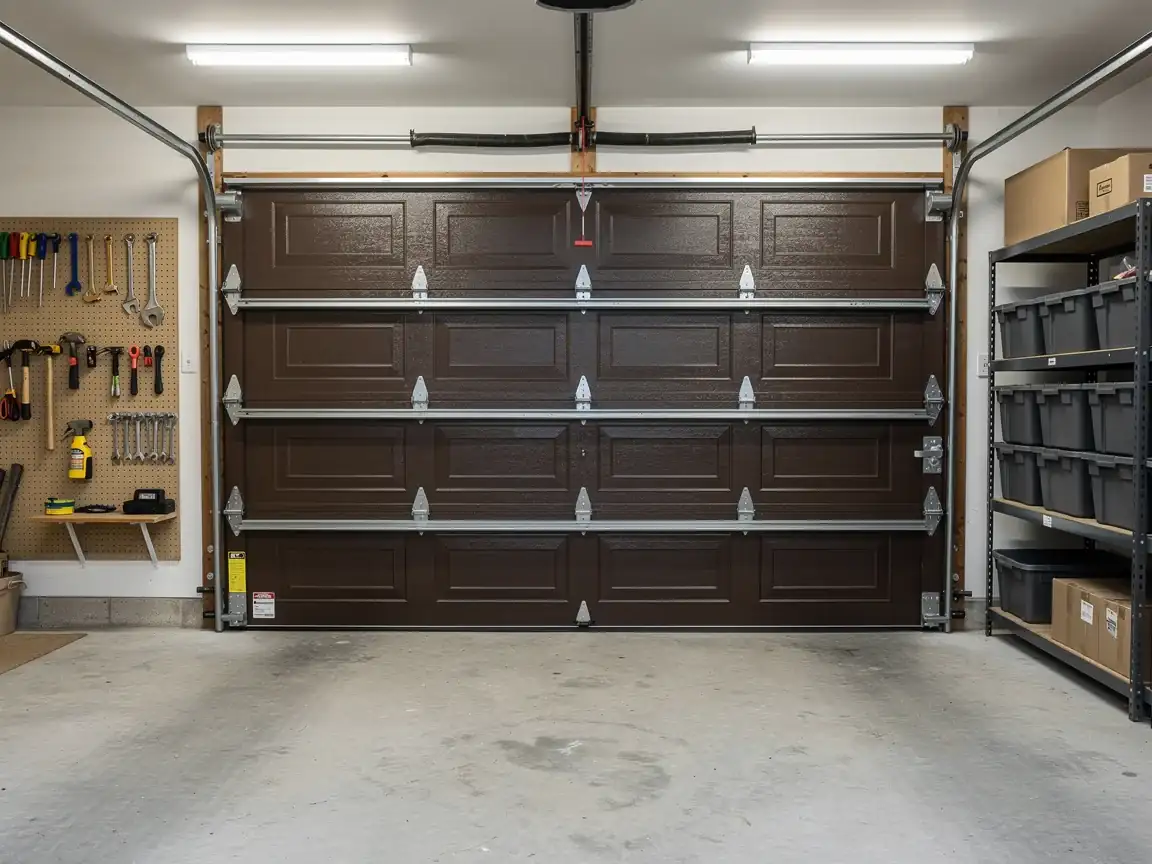
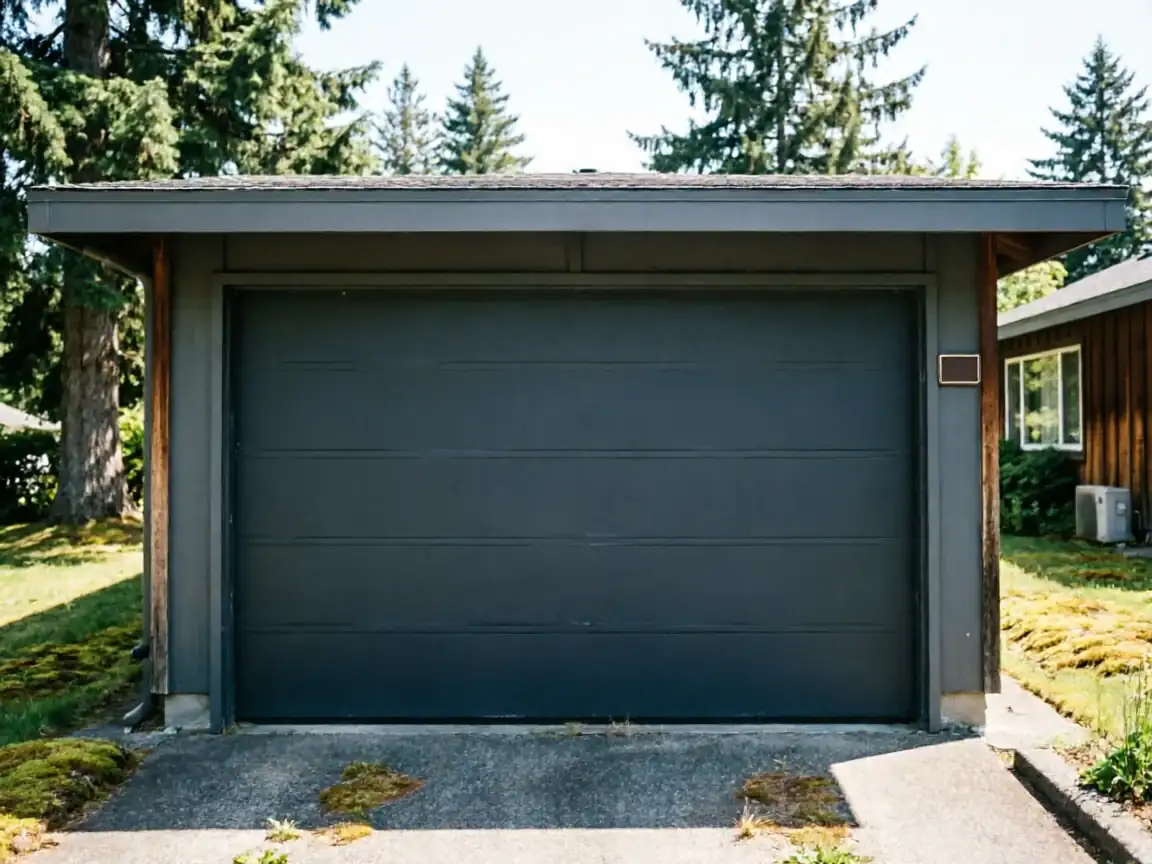
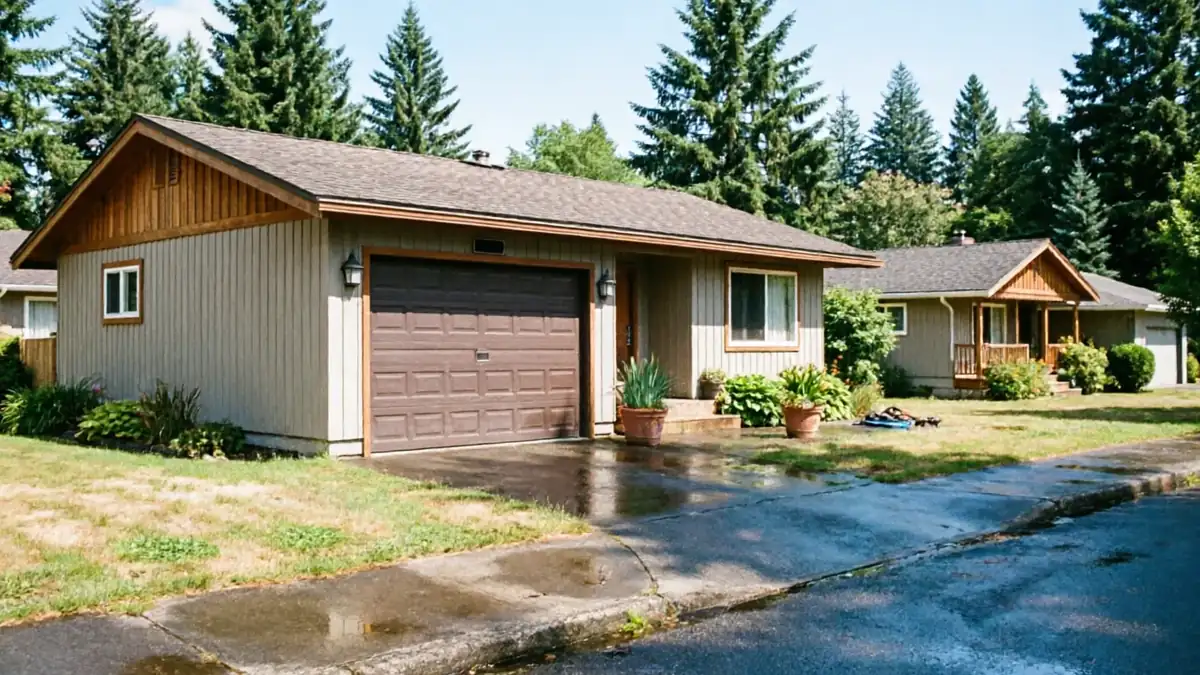
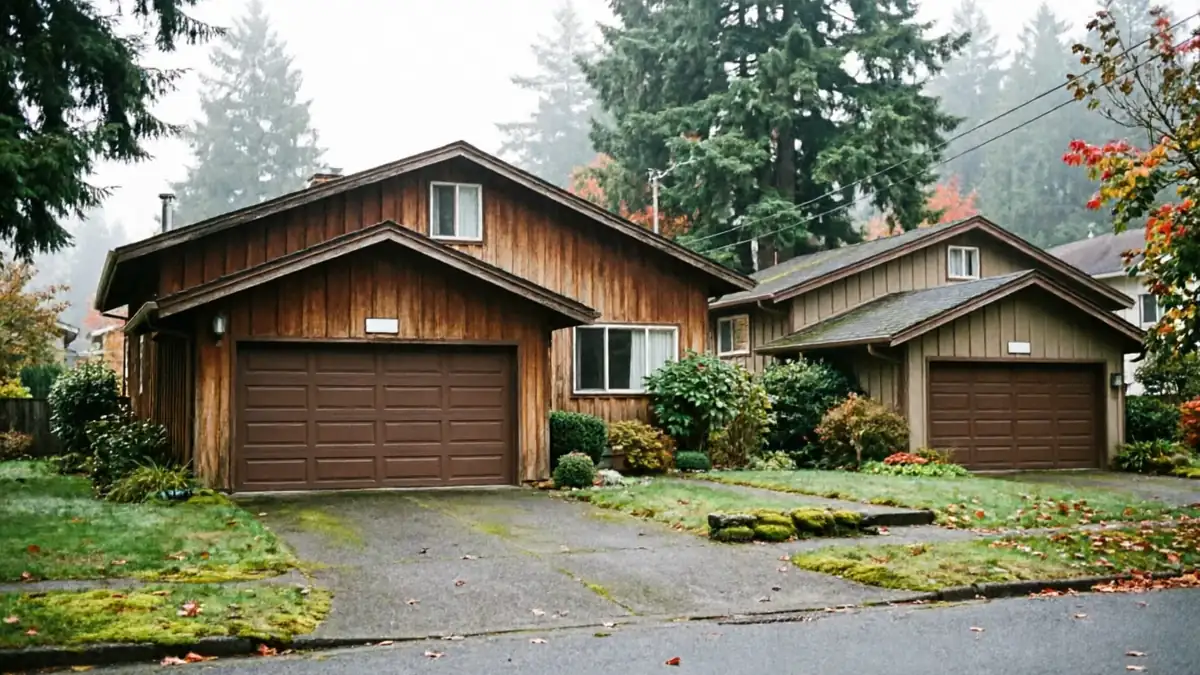
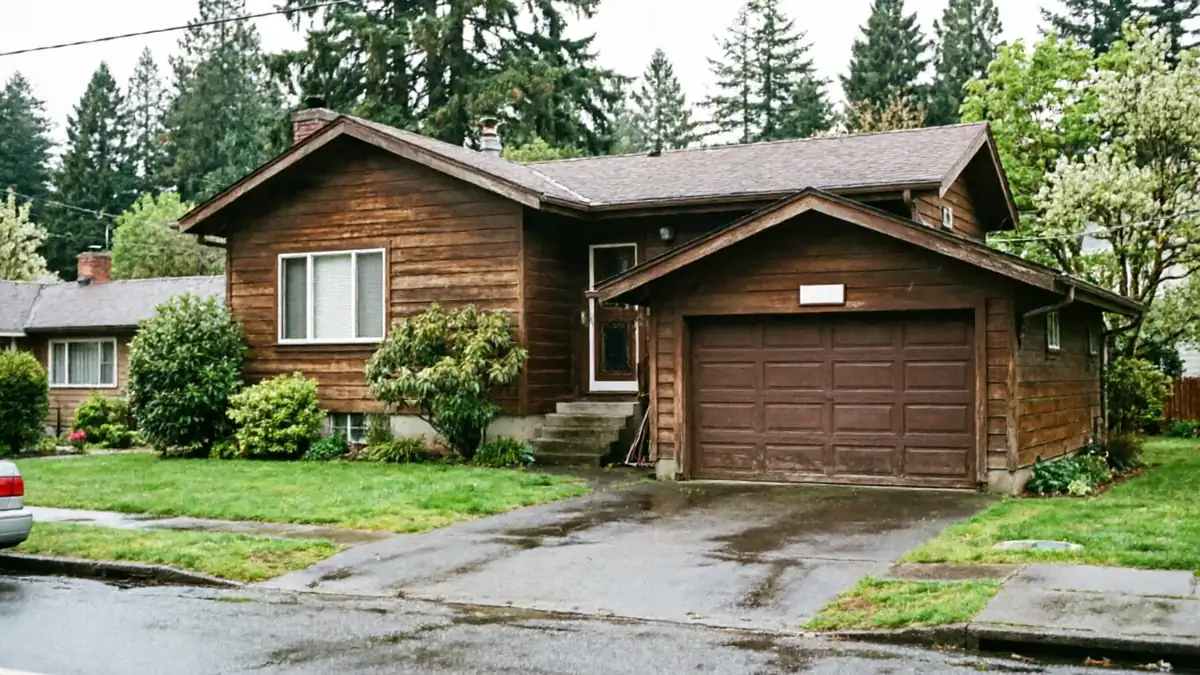
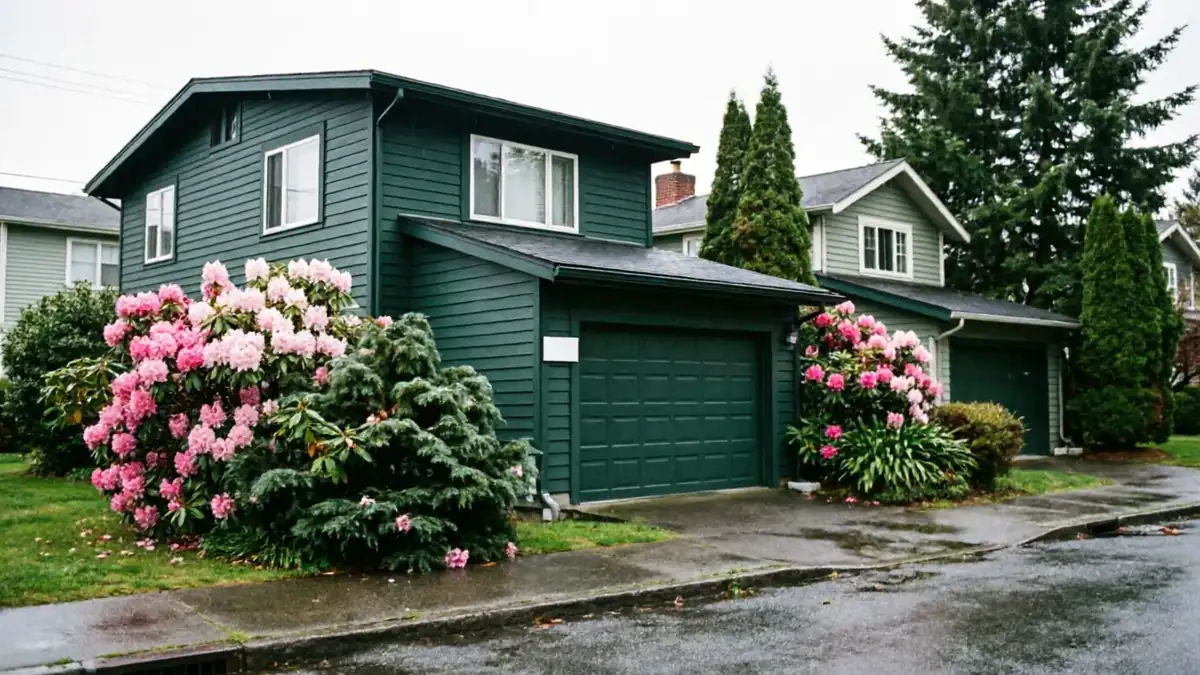
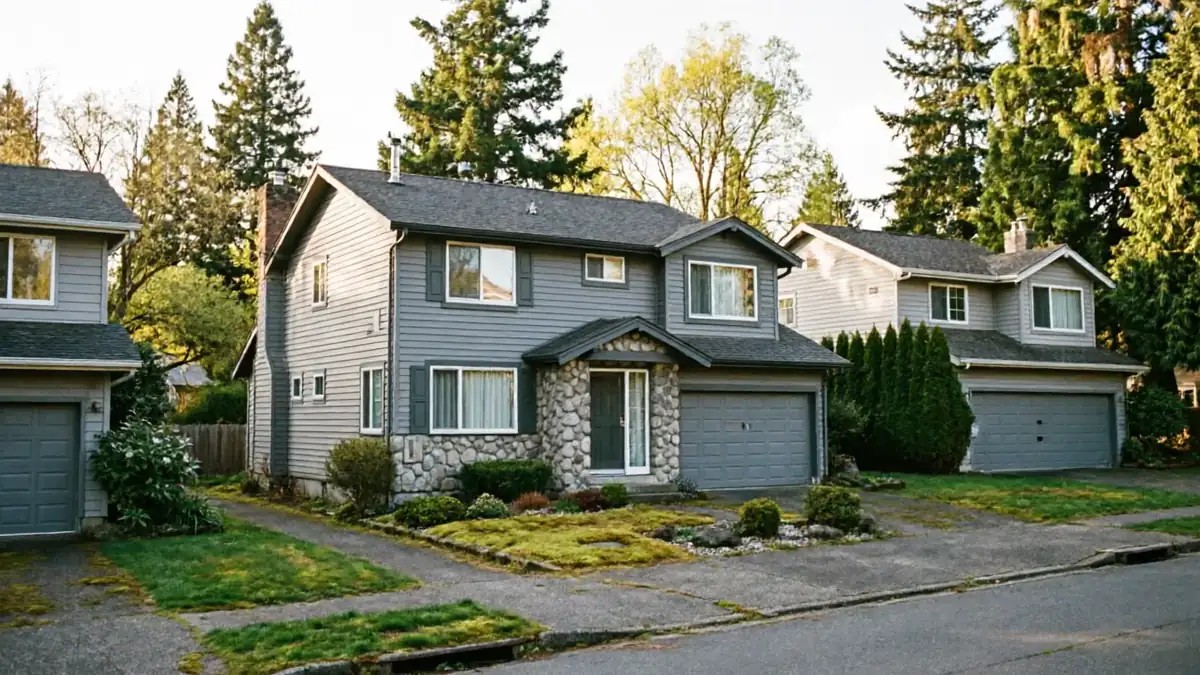
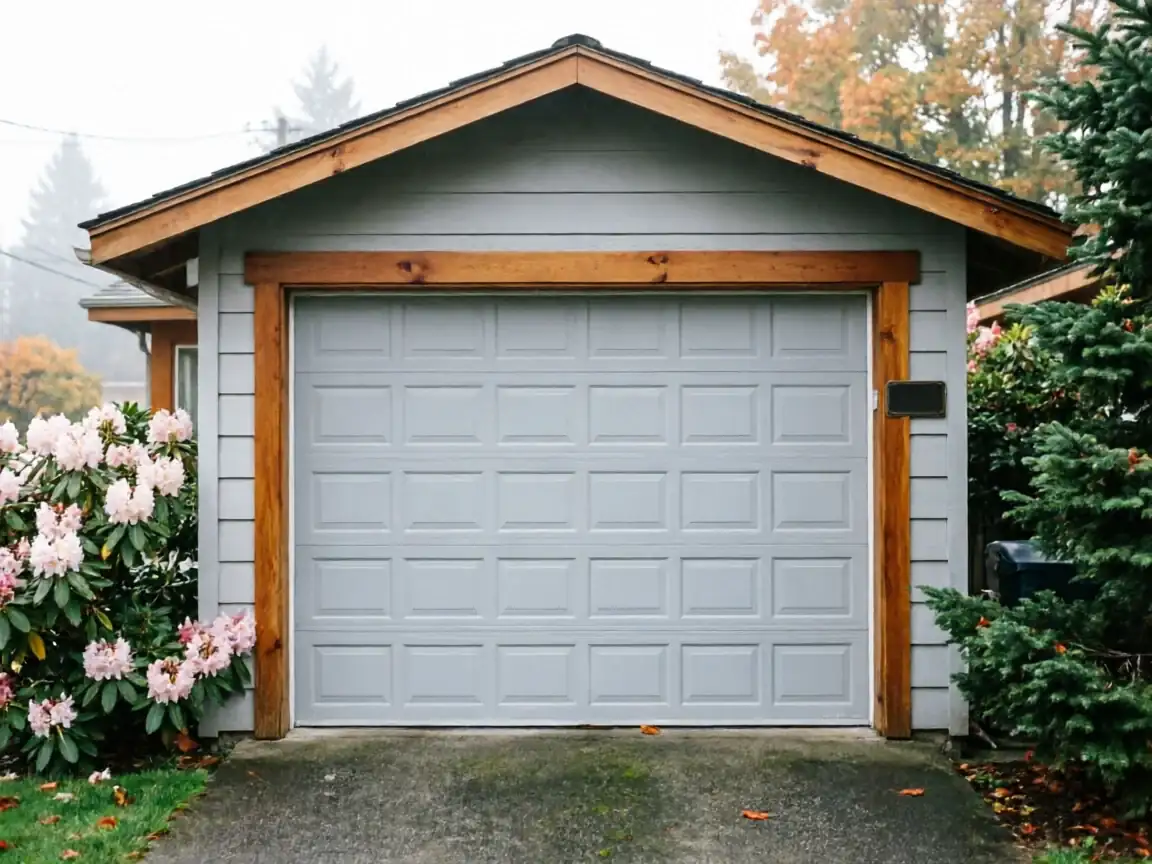
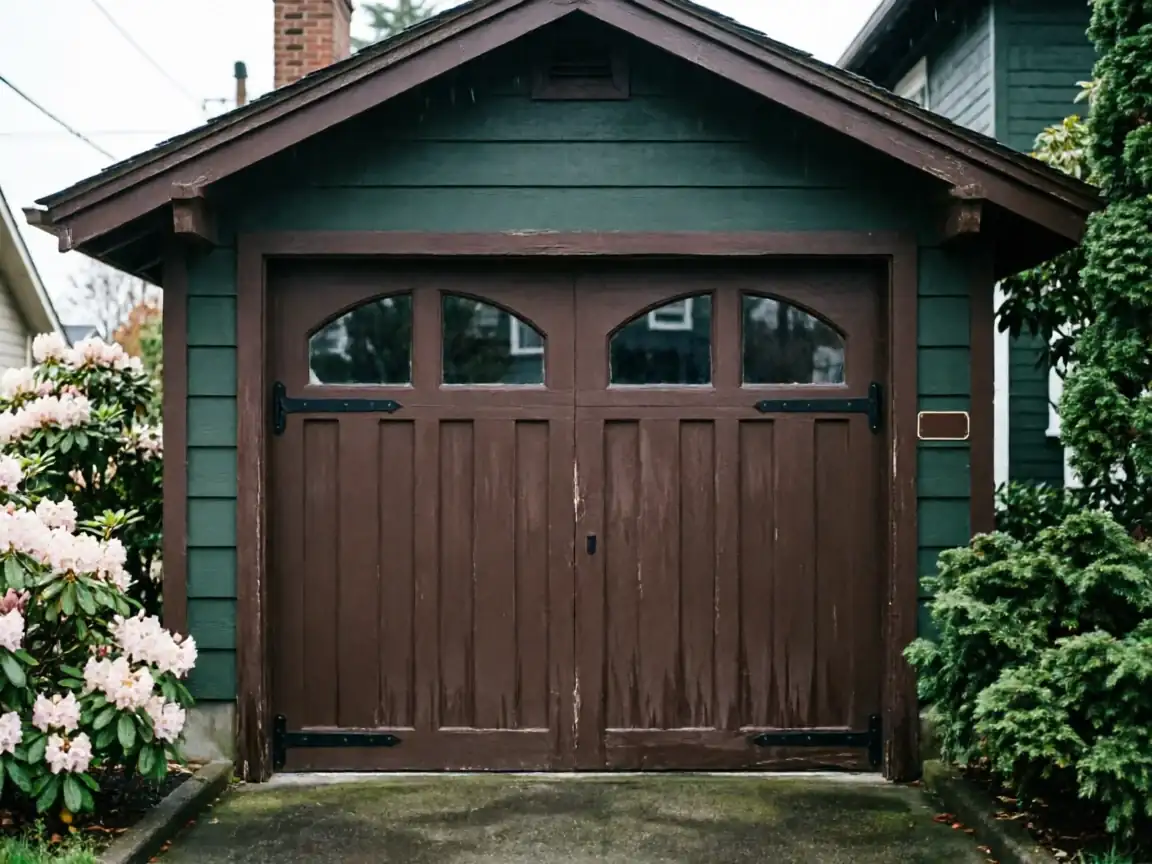
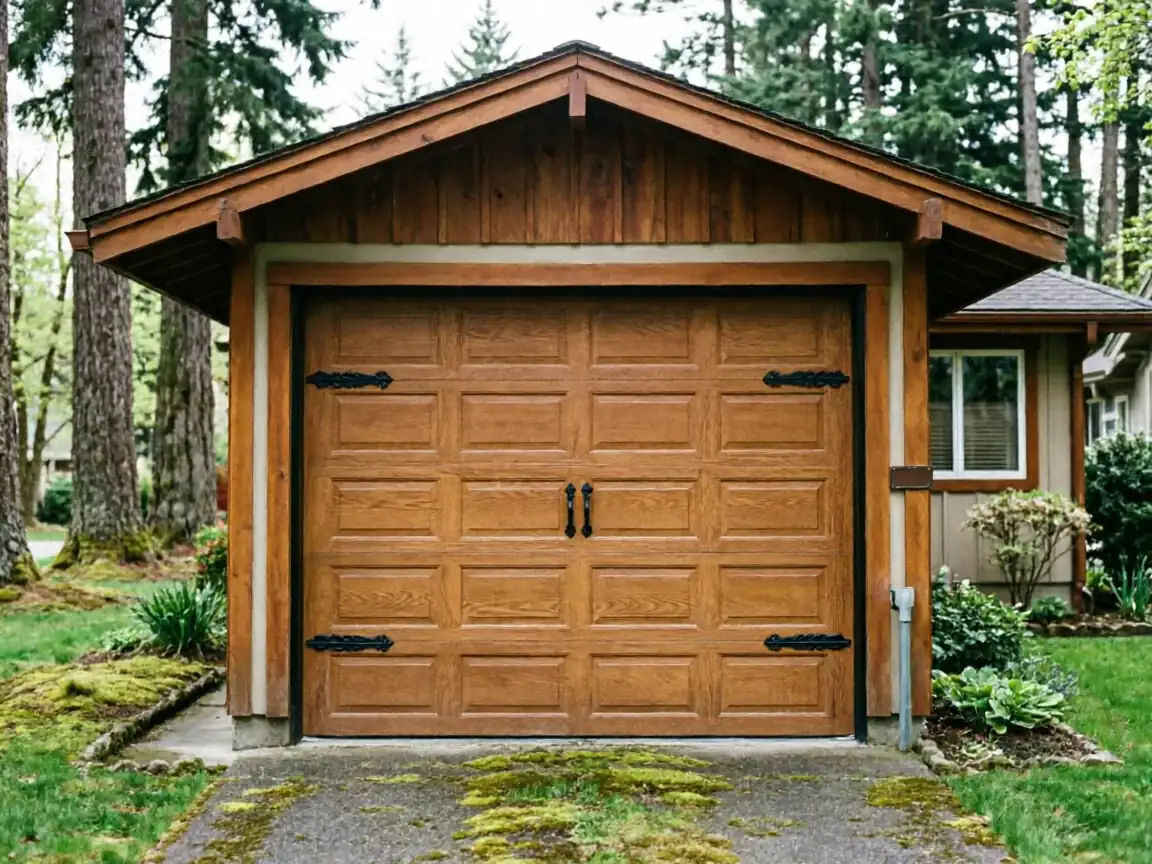
Walk a few blocks in either direction here and you'll see the split: pre-1980 homes with doors on torsion springs mounted directly above the opening, paired with openers that were already a second or third generation of hardware by the time they went in, versus the slightly newer builds running through the mid-80s and beyond with more standardized track spacing and safety-sensor brackets. The older end of that range is where we find springs that have simply outlived their wind cycles - nobody replaces a torsion spring on a schedule, so it goes when it goes, usually without warning. The newer end tends to bring opener issues before hardware issues: circuit boards and logic boards from that era weren't built for 40 years of Pacific Northwest damp, and they fail quieter than a spring does.
What the Housing Means for Your Door
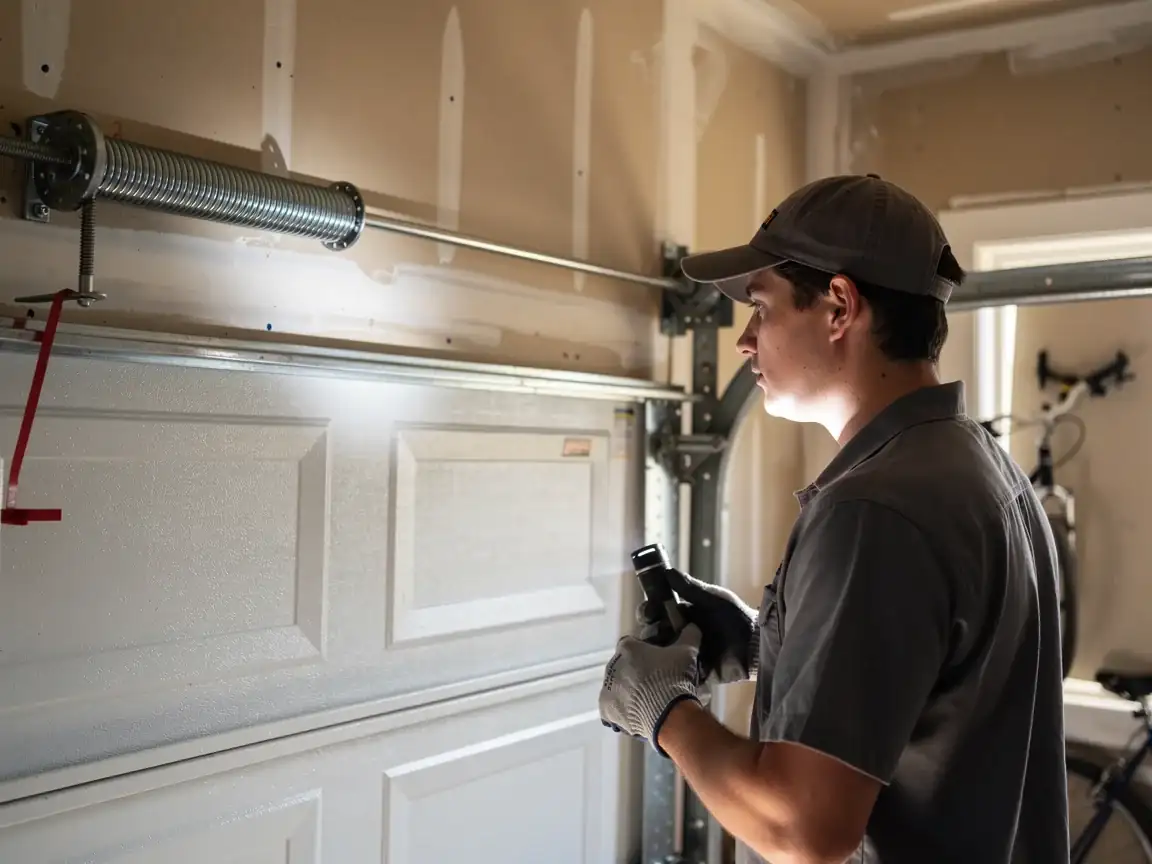
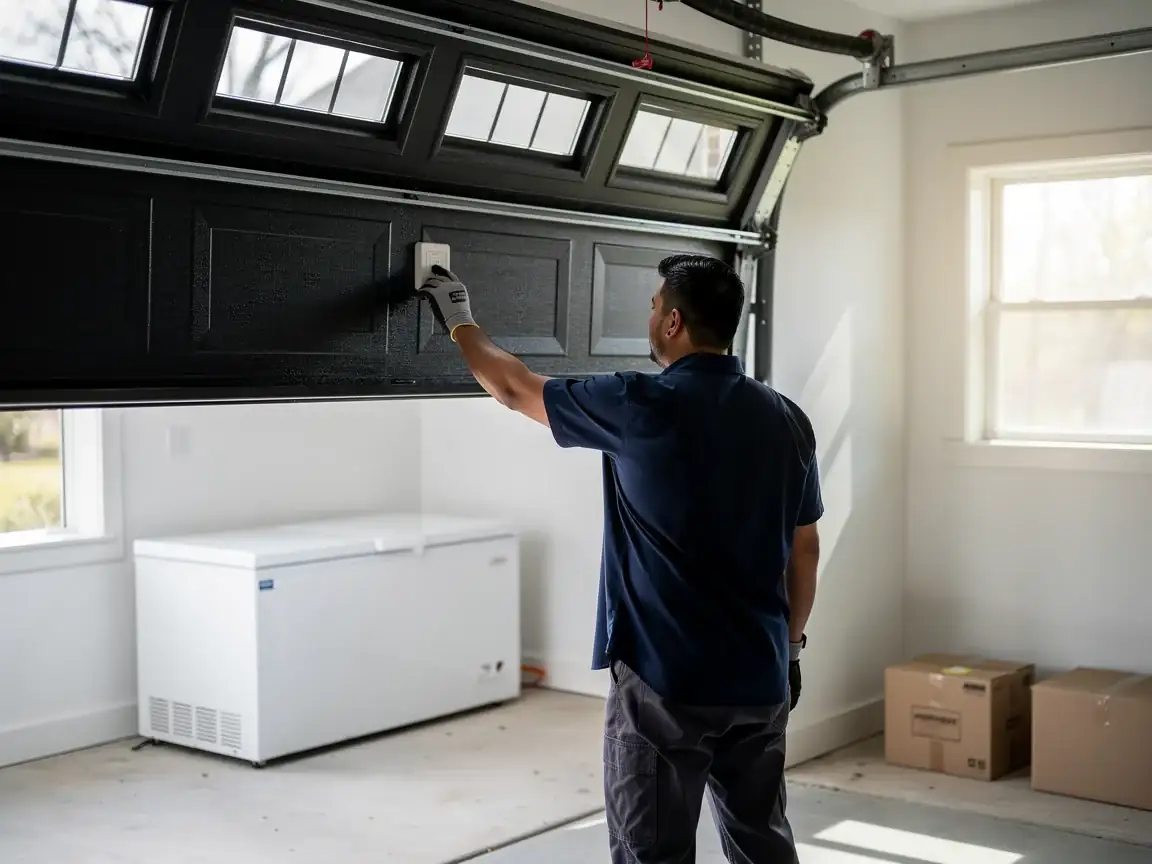
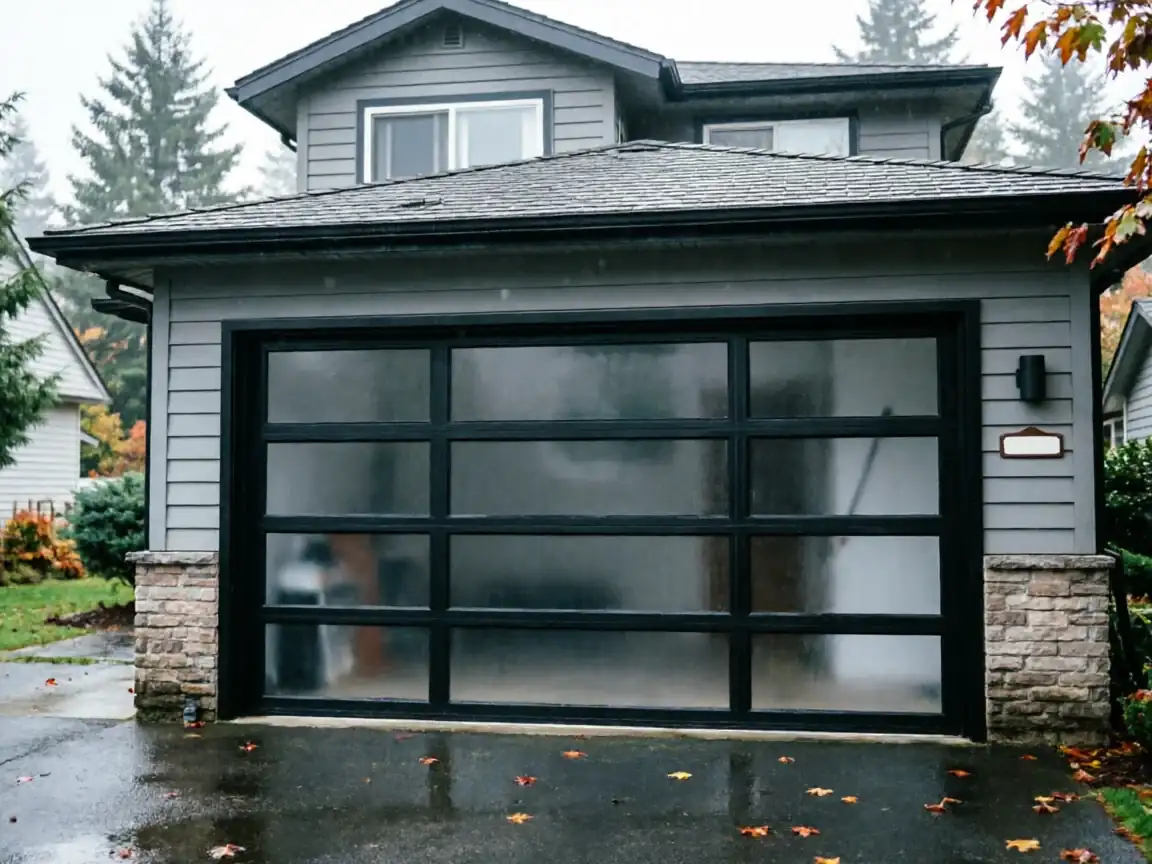
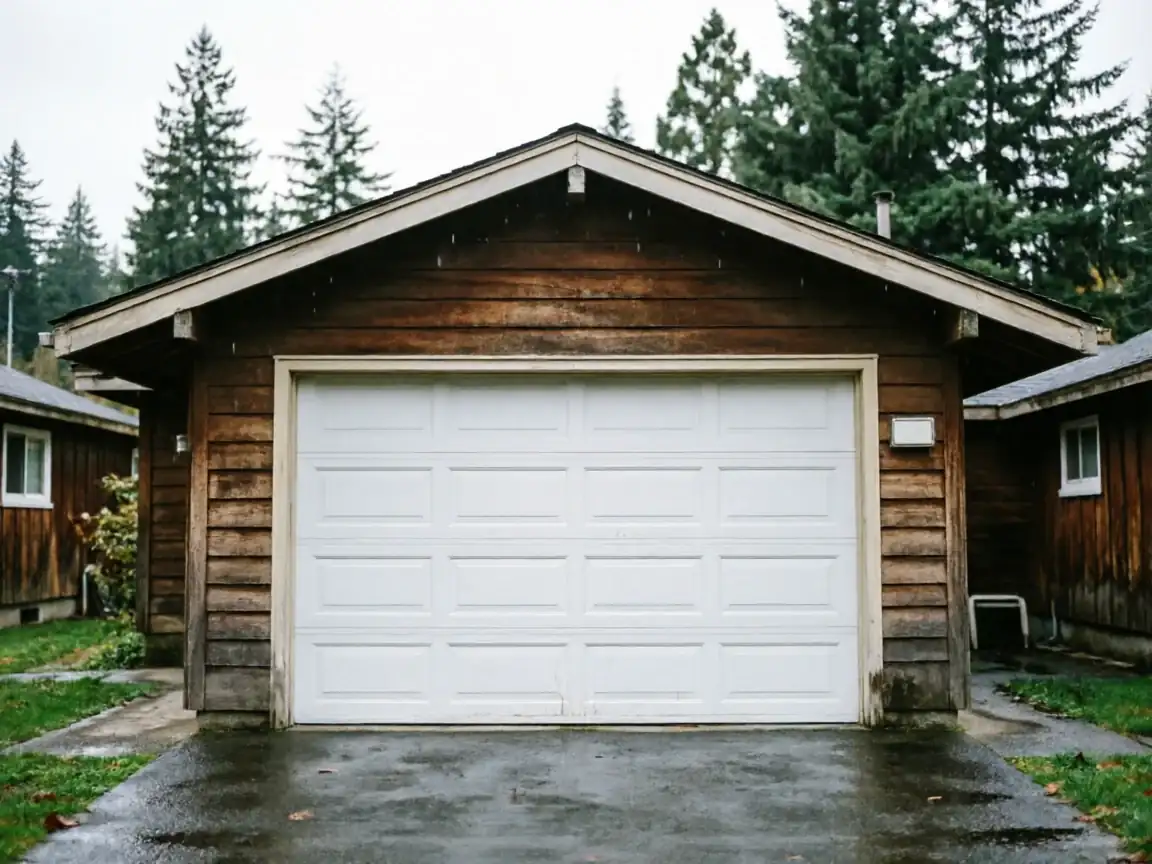
Given the climate band here - cold and moderate, with the damp that comes with it - steel doors and galvanized hardware from the early 80s have usually taken some corrosion on rollers and cable ends even if the panels themselves look fine. That's the first thing we check on a Picnic Point service call: not the spring, not the opener, but whether the rollers are still round and the cables are still rated to hold tension. A door that's sagging on one side more often than not traces back to a roller that's worn oval rather than a spring that's weak. We'll say plainly where we draw the line - if the track is bent badly enough or the panel's rusted through at the bottom, we're not going to spend your money patching it. At that point a new door section or a full replacement costs less over five years than repeated repair calls on a door that's structurally done.