Where This Job Goes Sideways
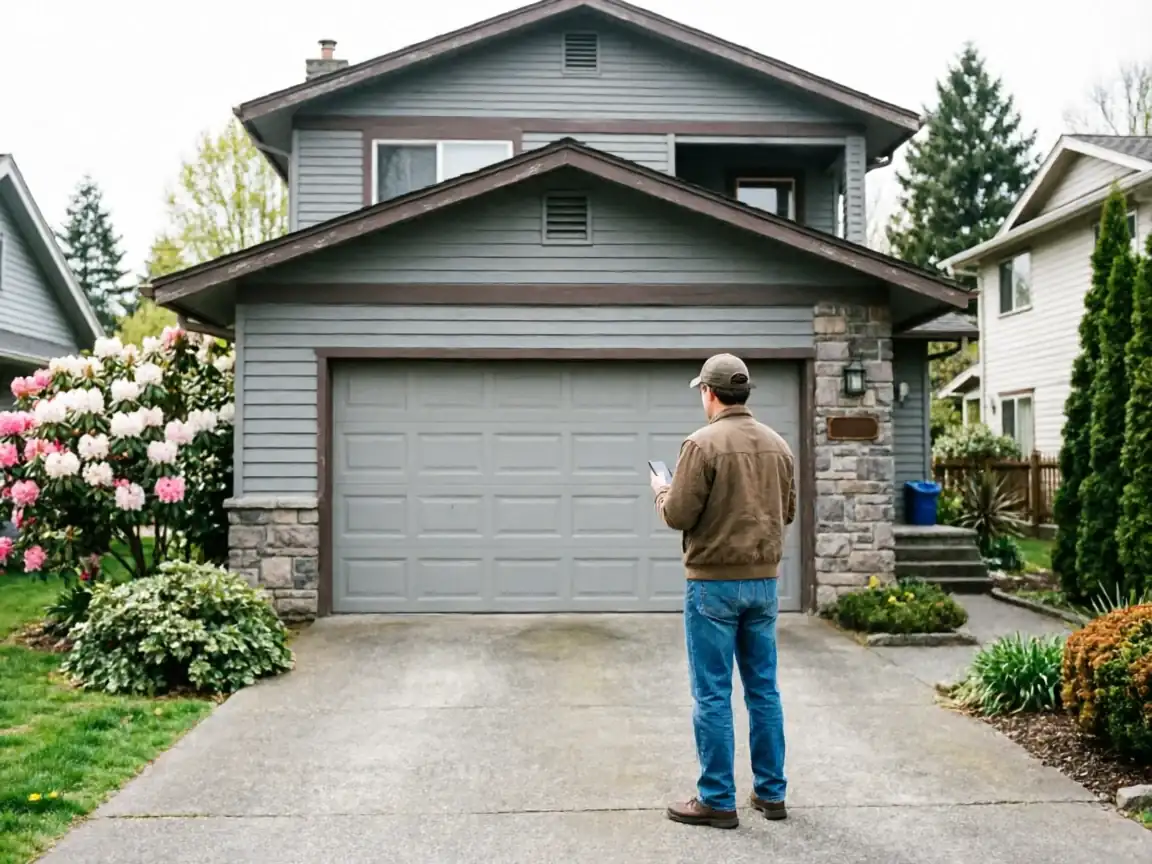
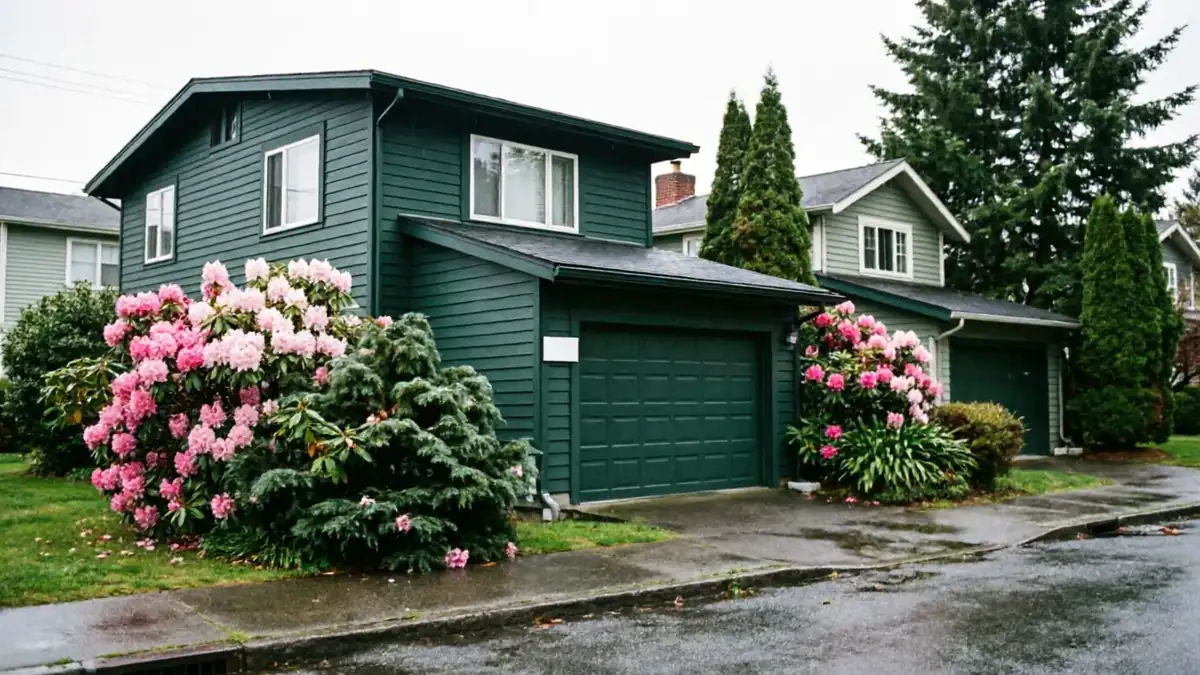
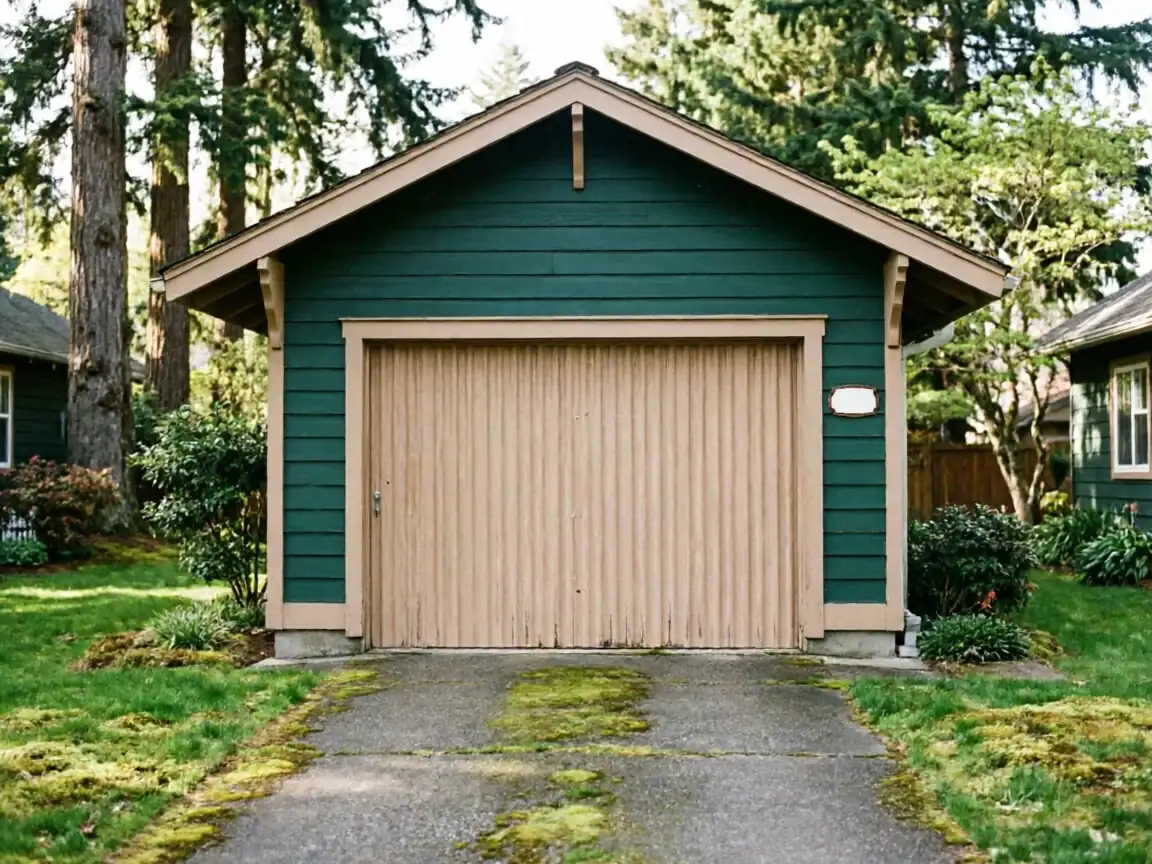
The median house in Picnic Point went up around 1980, which puts a lot of these garages at 44 years old or more with hardware nobody has touched since the original install. That's not a guess about one street - it's what the build era tells you. A torsion spring from 1980 has outlived its rated cycle count several times over, and if the opener was ever swapped, odds are good the spring and the track behind it weren't.
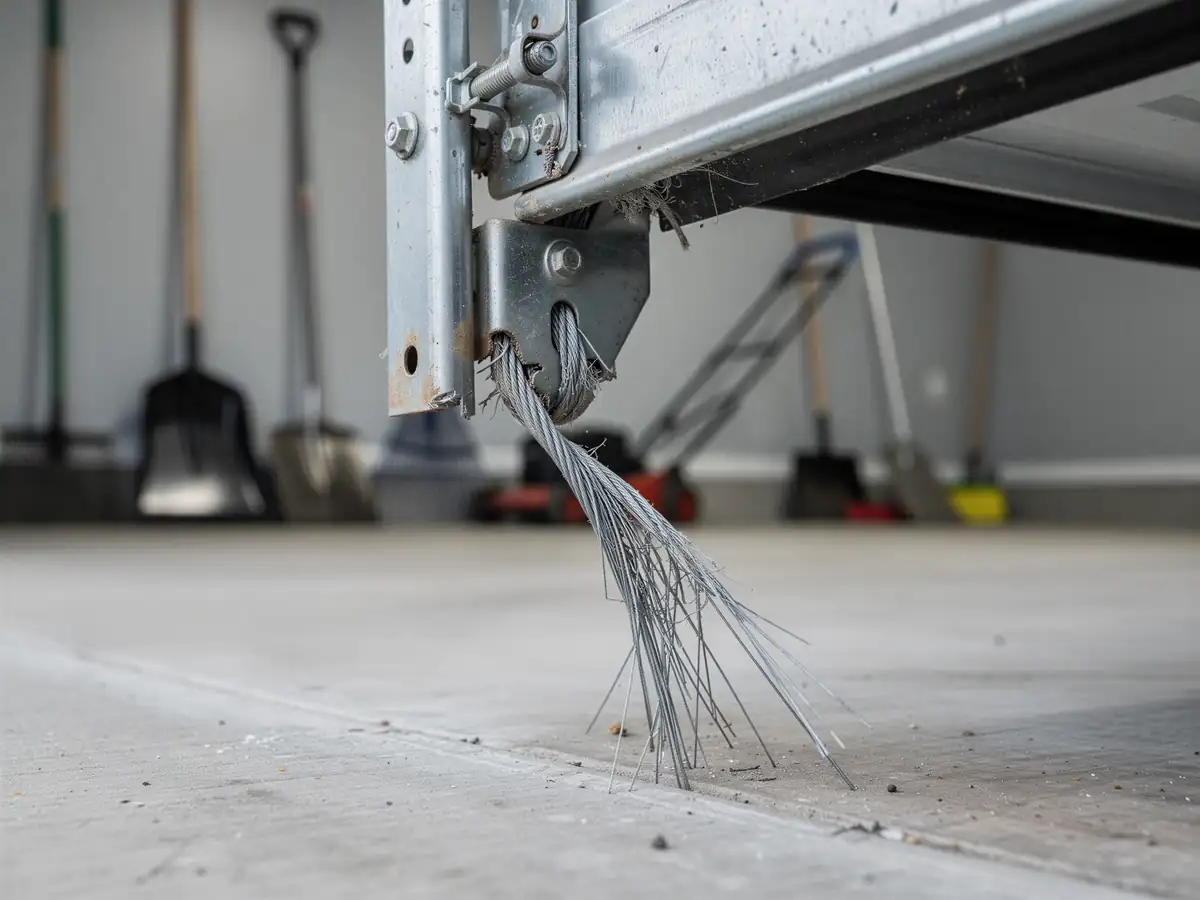
This area sits in a cold-moderate climate band, which means the grease in that 1980-era hardware has gone through decades of seasonal thickening and thinning. Steel cable gets brittle at the fray points years before it snaps outright. Rollers that were steel to begin with - common for that build period - wear grooves into the track that a new roller won't fix on its own, because the track itself has worn with it.
The failure we see most in houses this age isn't the spring going all at once. It's the slow stuff: a door that's gotten heavier to lift by hand, an opener straining and burning out its gears trying to compensate for springs that lost tension years ago. By the time the door won't open at all, the opener's usually taken damage too.
Getting It Booked In
We run out of Woodinville, about 11 miles from Picnic Point
So there's no local branch here - just a truck that comes when you call. We don't have a stated response window to promise you, and we'd rather tell you that than make one up.
- 11 miles
When you call, tell us the year the house was built if you know it
Or just say it looks original. That one detail changes what we load on the truck - torsion spring sizes, roller types, and cable gauge were different in the early 1980s than what's sold today, and showing up with the wrong stock means a second trip.
If you're not sure what's wrong
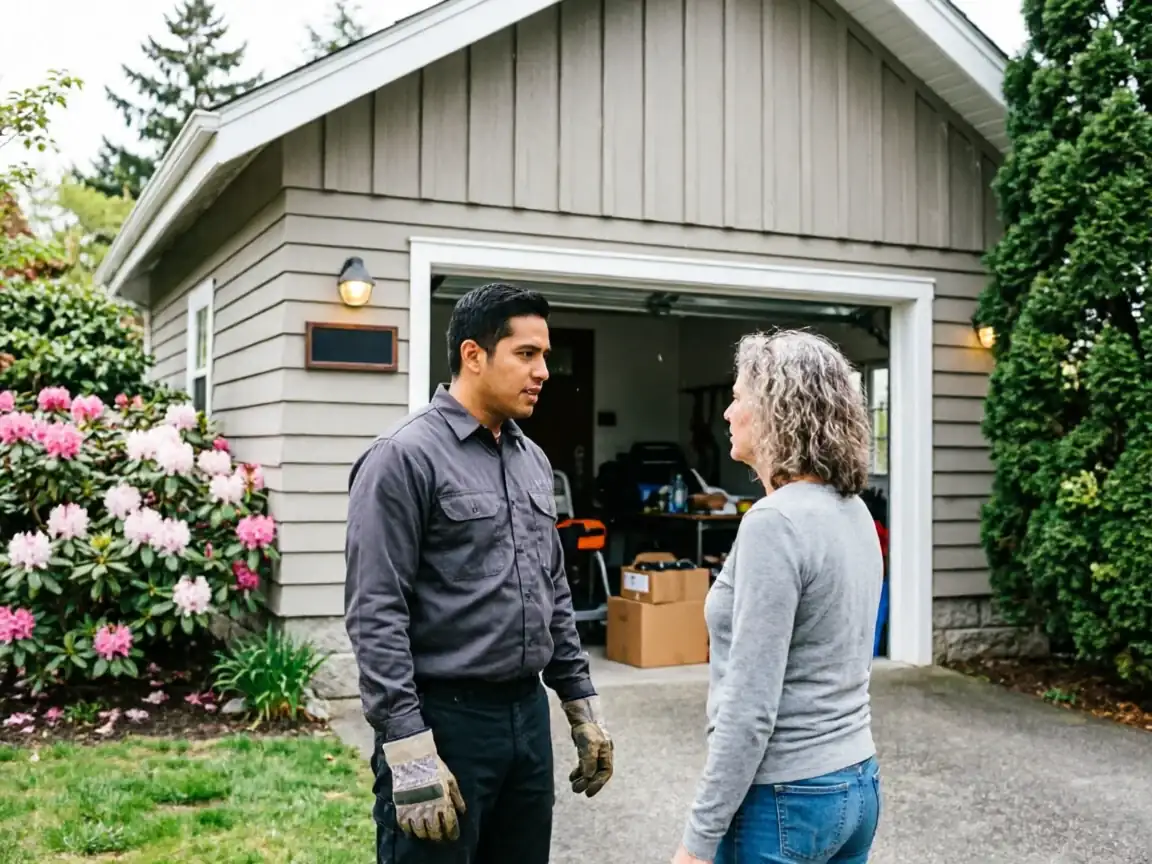
Door's heavy, door's noisy, opener clicks and does nothing - describe what you're seeing and hearing. Half the diagnosis happens on the phone before the truck leaves.
How We Fix It
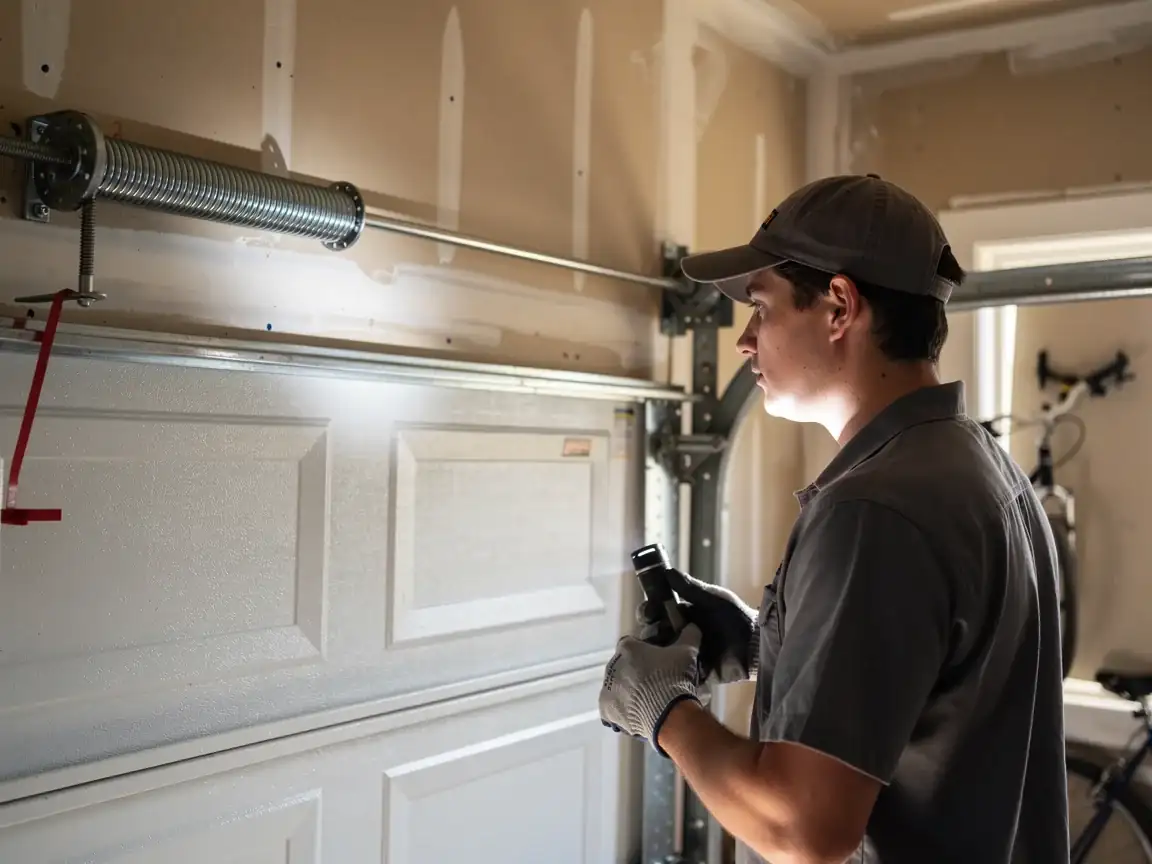
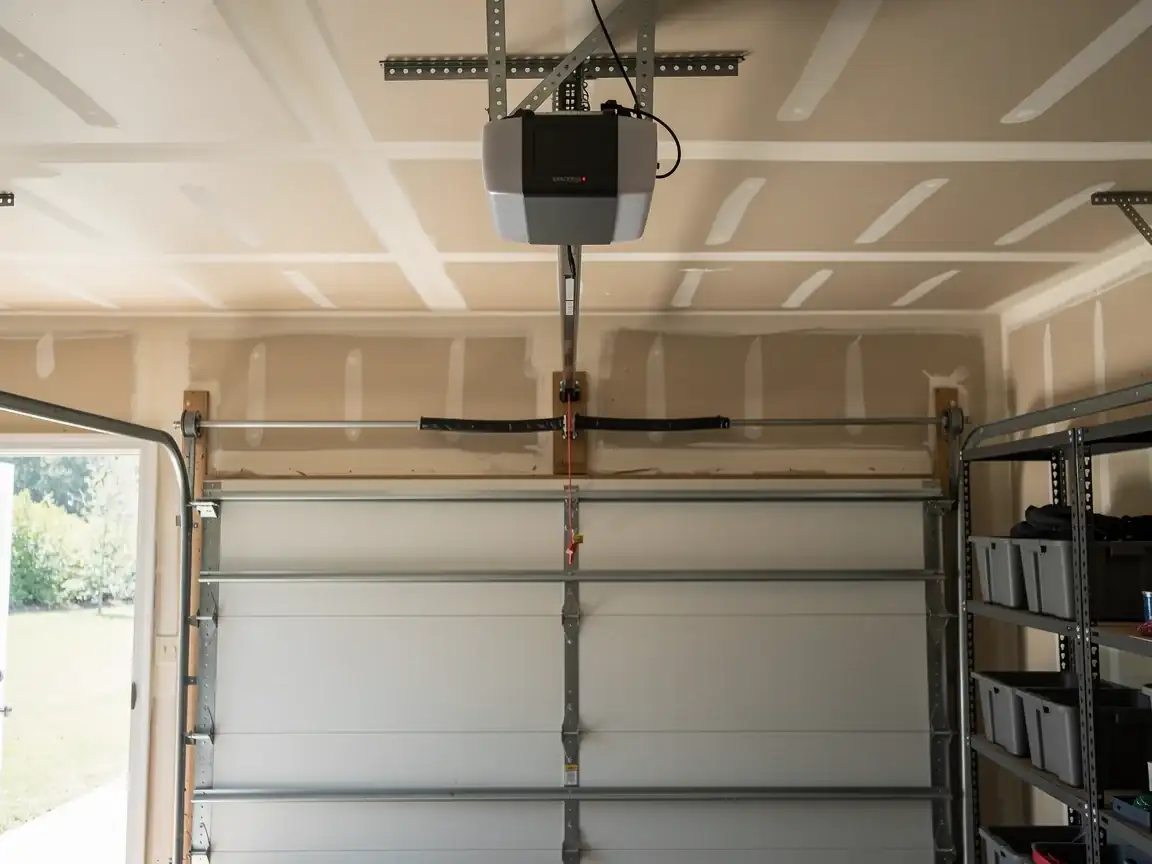
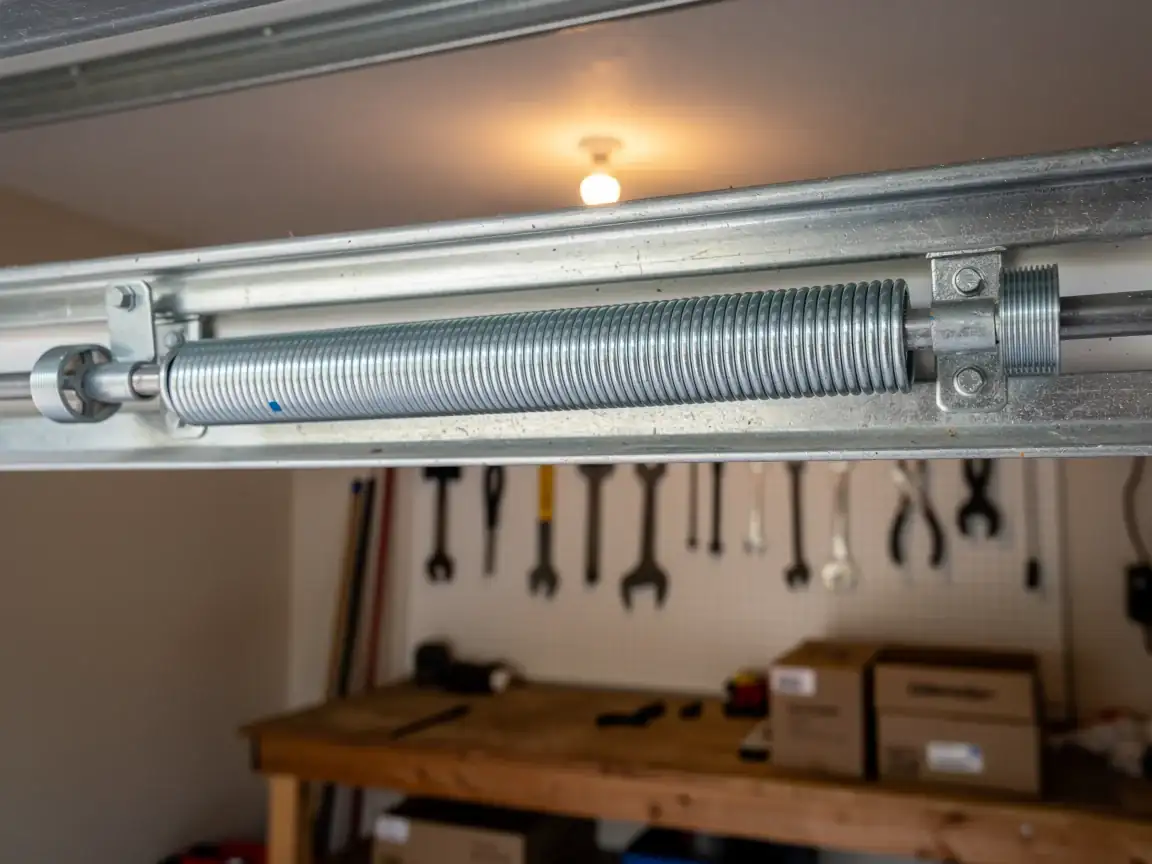
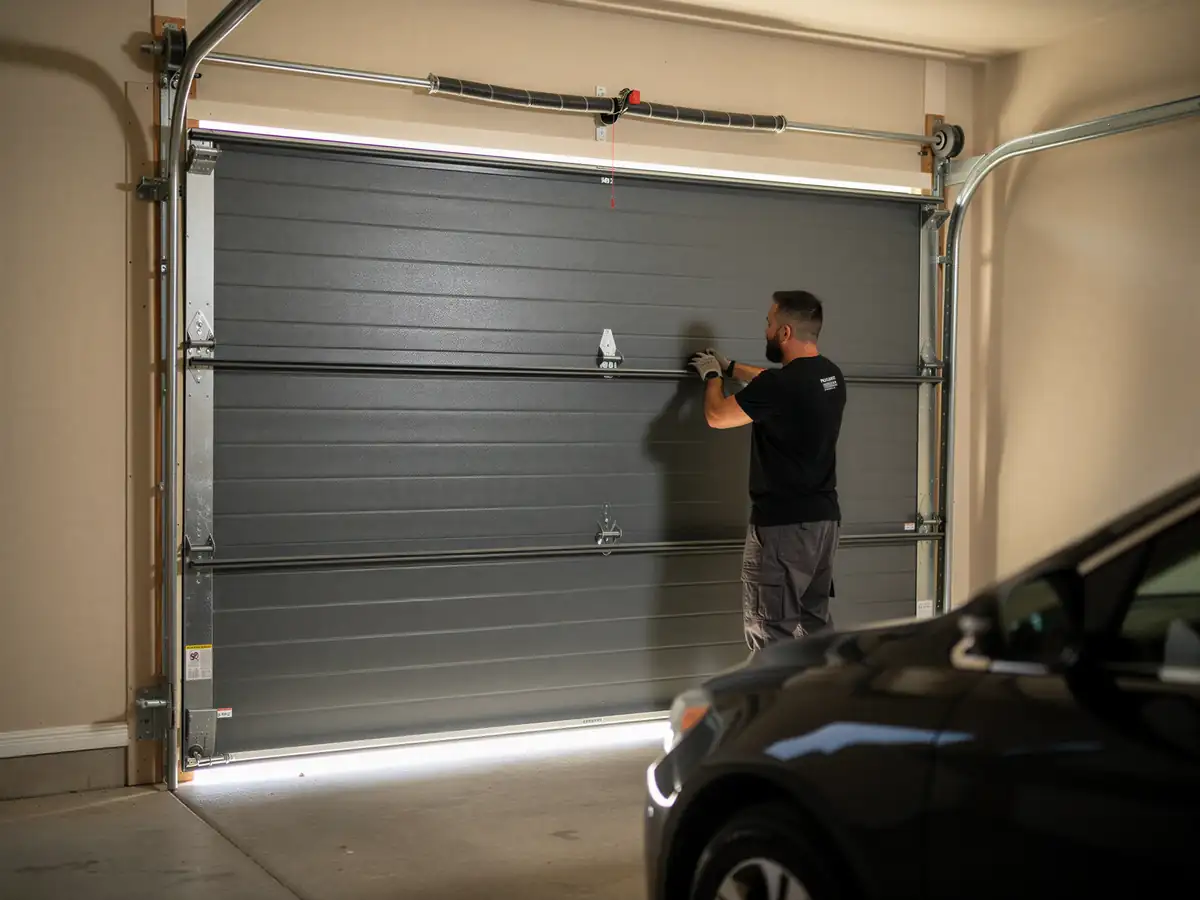
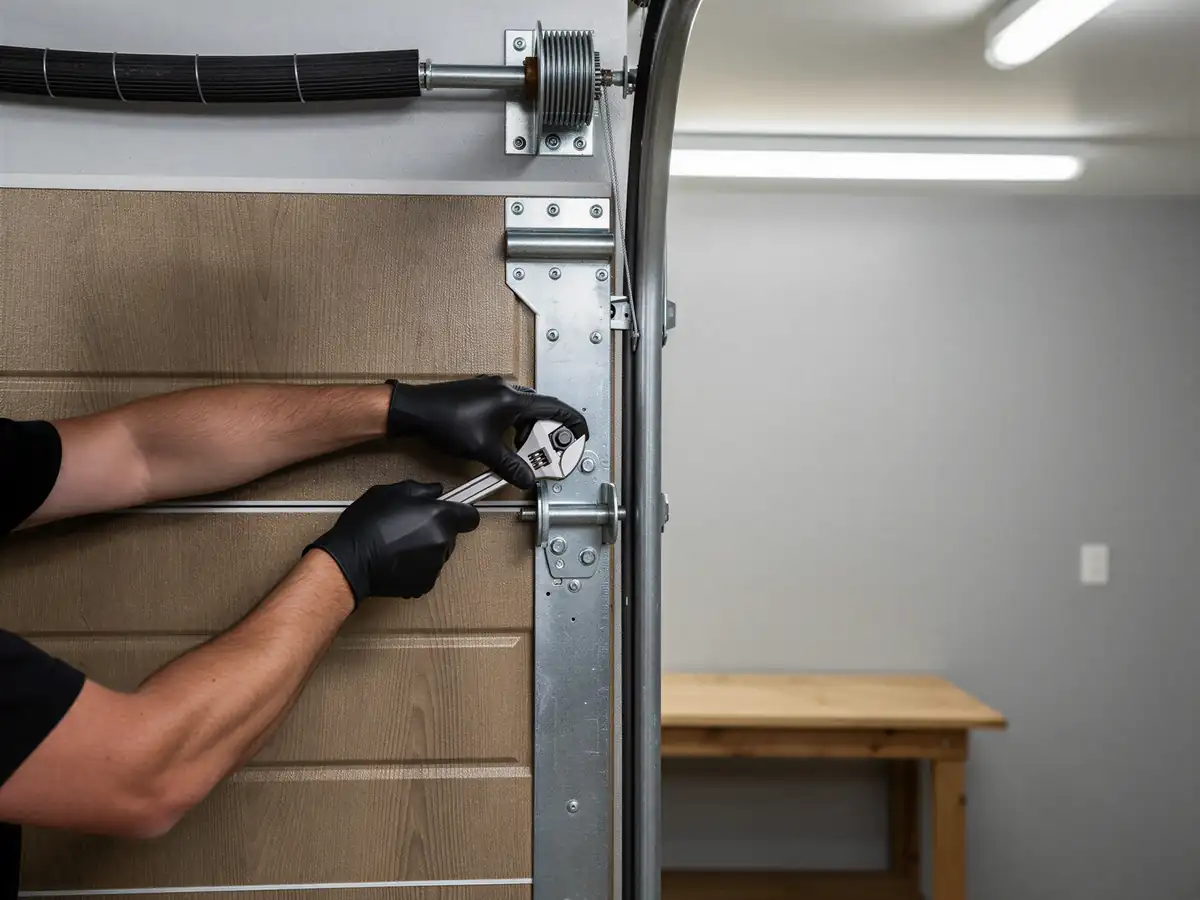
On a house from this era, we start at the spring, because tension loss there is what makes every other symptom worse. If the torsion spring is original, we're not patching it - we replace the pair, matched, because running one old and one new spring on a double door throws the balance off and wears the new one unevenly.
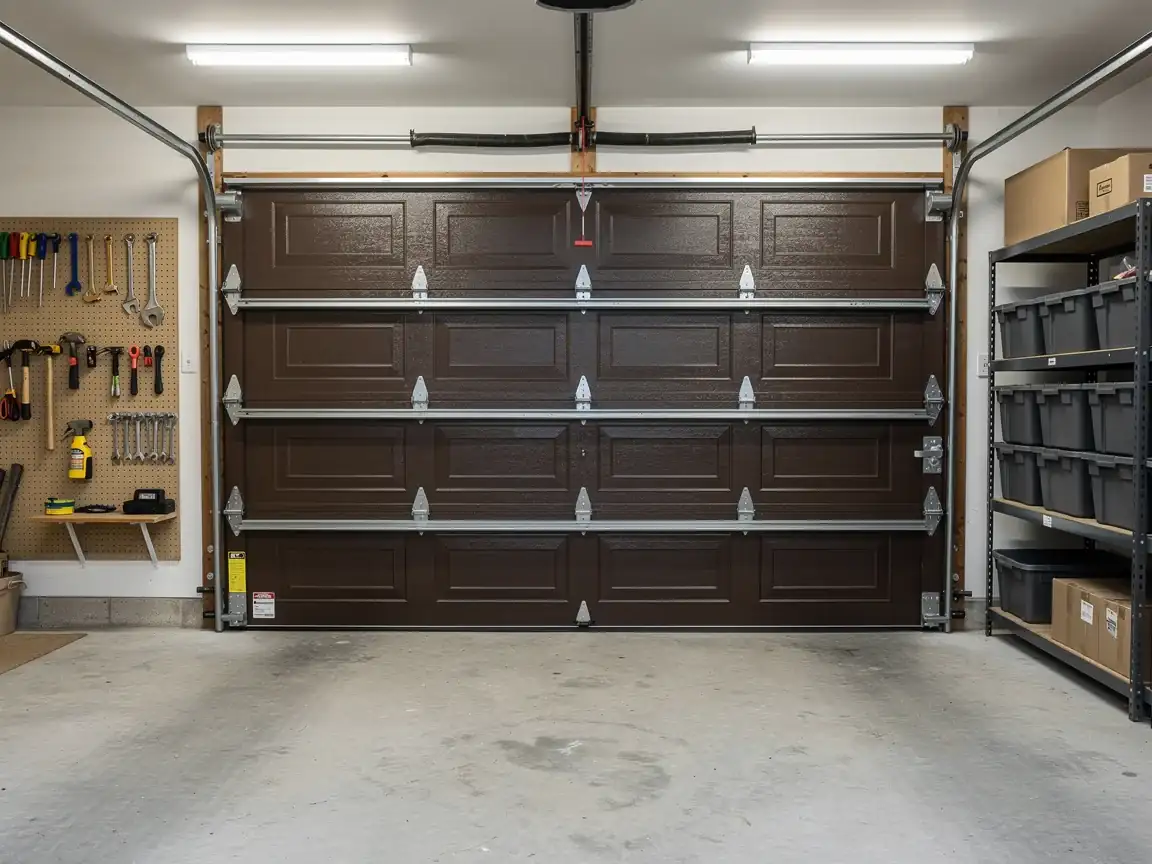
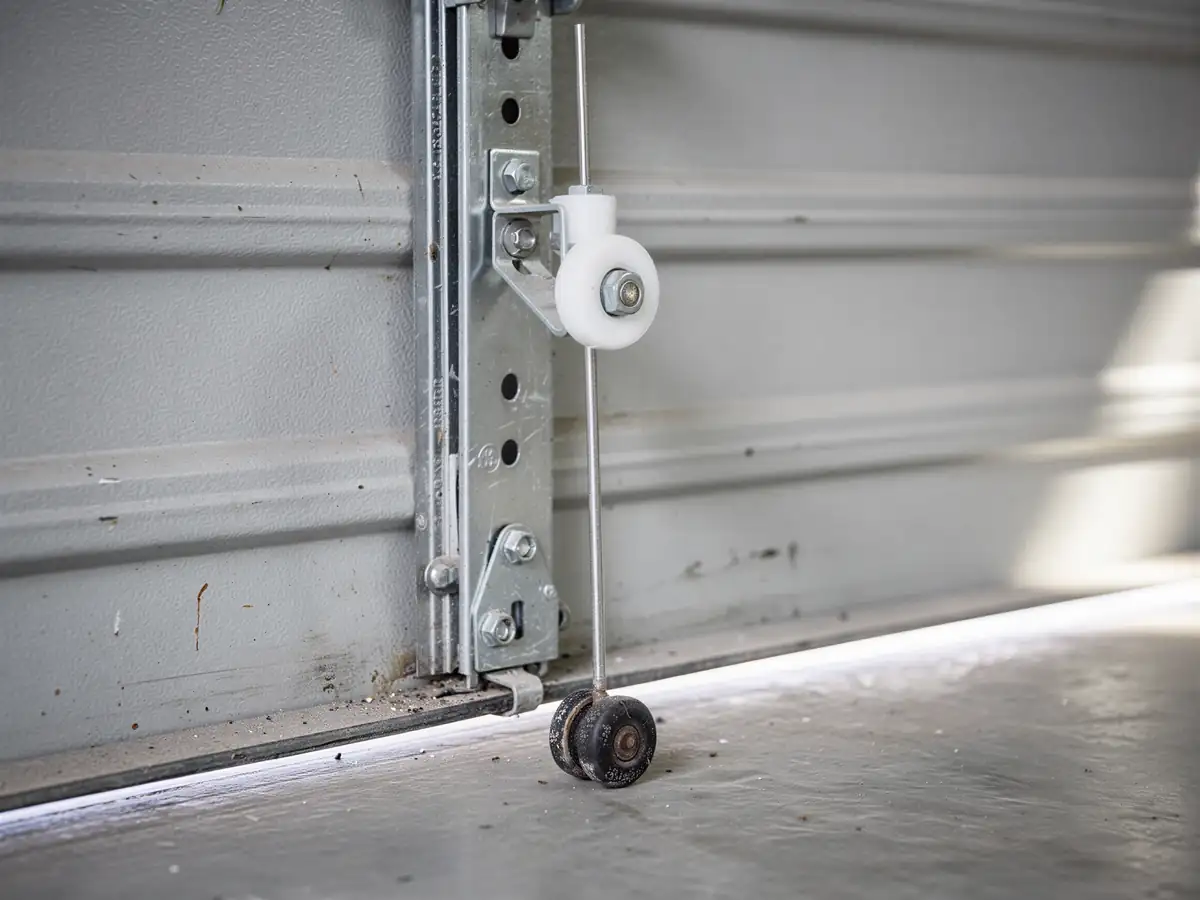
Track and rollers get checked next. If the rollers are the original steel ones, we're usually swapping them for nylon, which runs quieter and doesn't chew the track the way steel does over 40-plus years. If the track itself has wear grooves deep enough to catch a fingernail, replacing rollers alone won't solve the noise - the track needs to come out too.
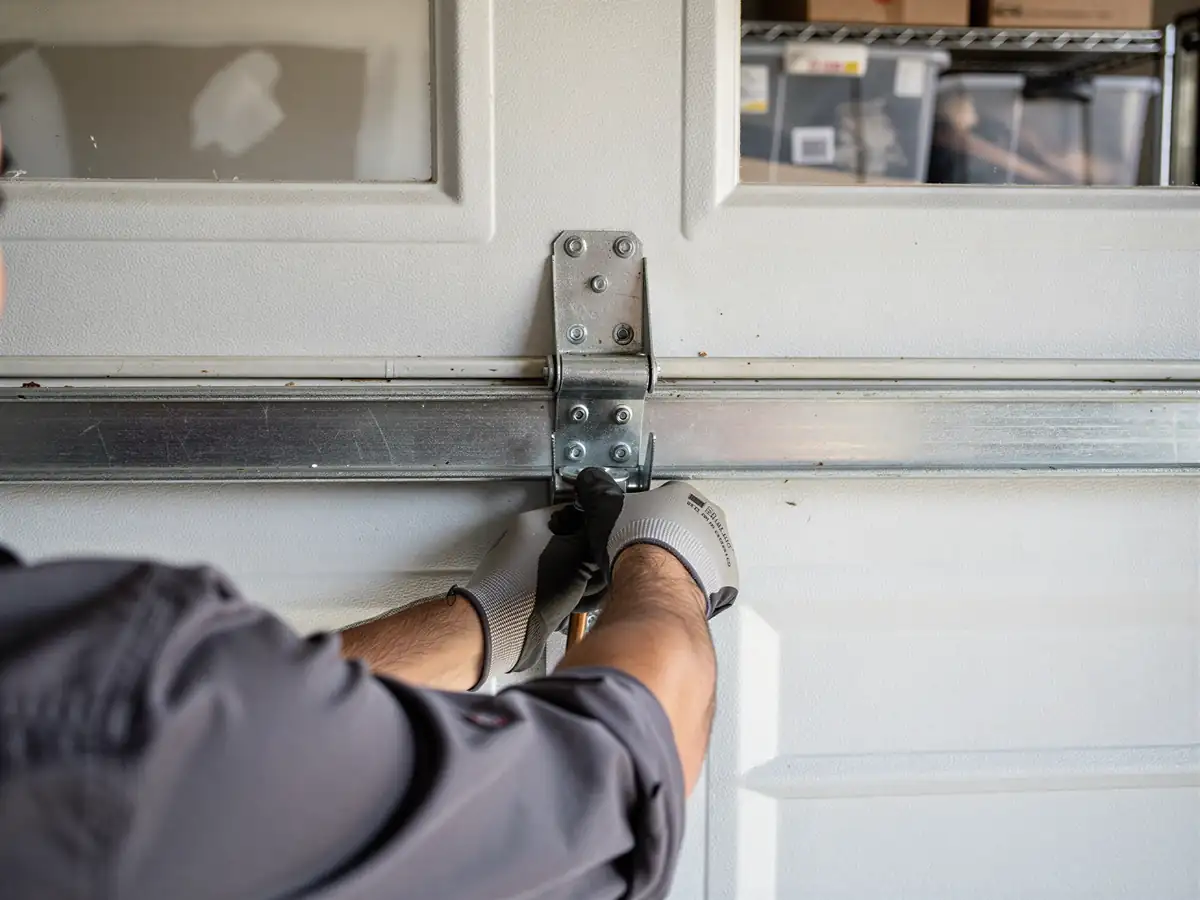
Cables and the bottom bracket get inspected for fray and rust pitting, both of which show up faster in a cold-moderate climate where moisture sits on steel through the winter months. We don't replace what's still sound just because it's old - a cable with clean strands and no rust gets left alone.
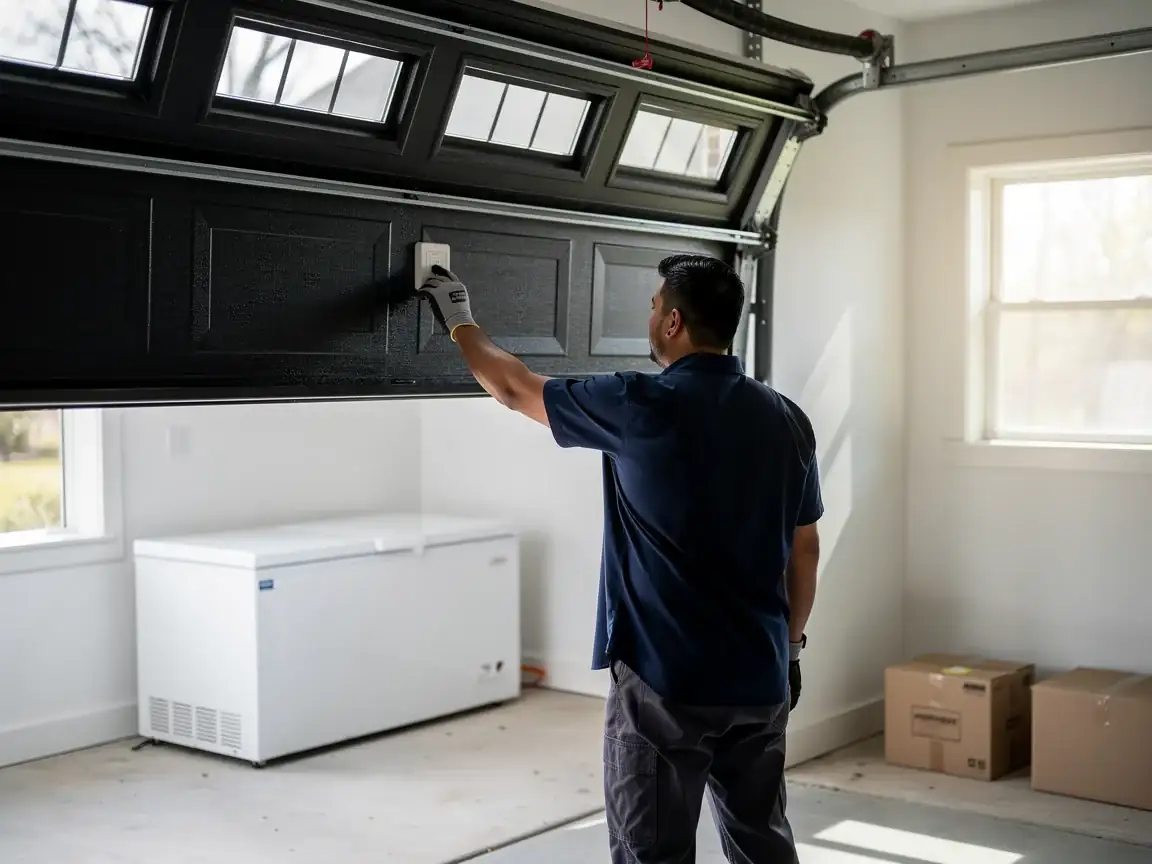
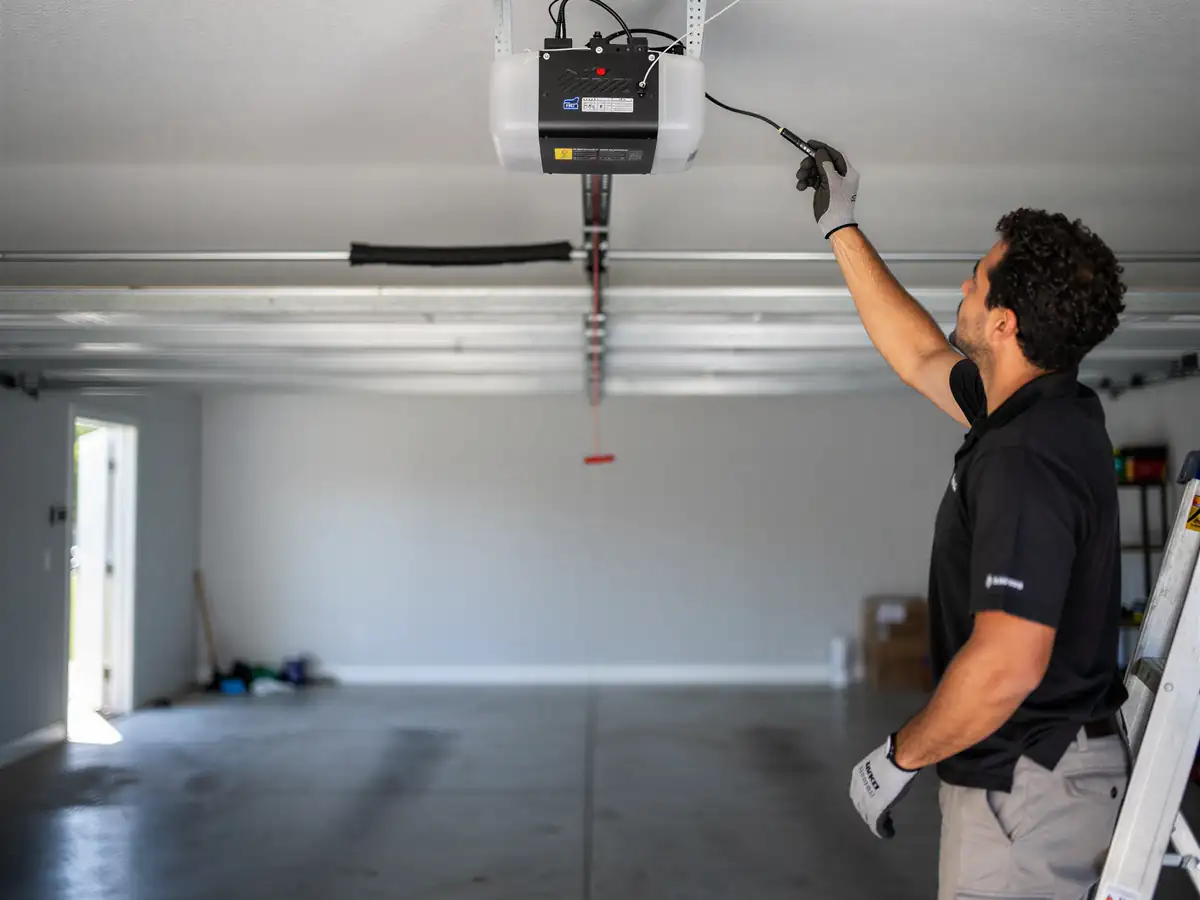
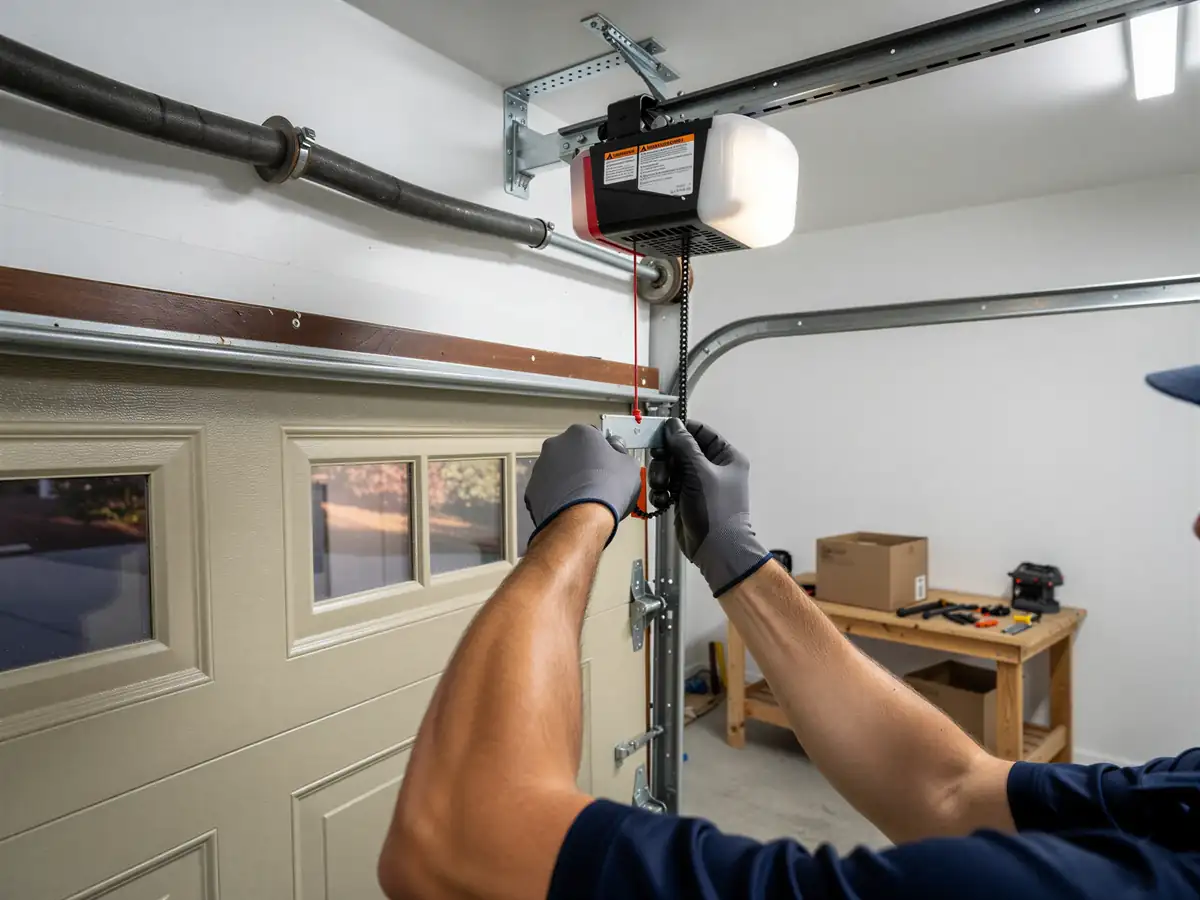
Opener gear sets from houses that never upgraded get checked last, since a worn gear often turns out to be the spring's fault, not the opener's.
The Cost of This Job
We don't post a flat number here because what a 1980-built door in Picnic Point needs depends on how much of the original hardware is still in it - a spring-only job costs less than a job that turns up a worn track or a stripped opener gear once we're under the door.
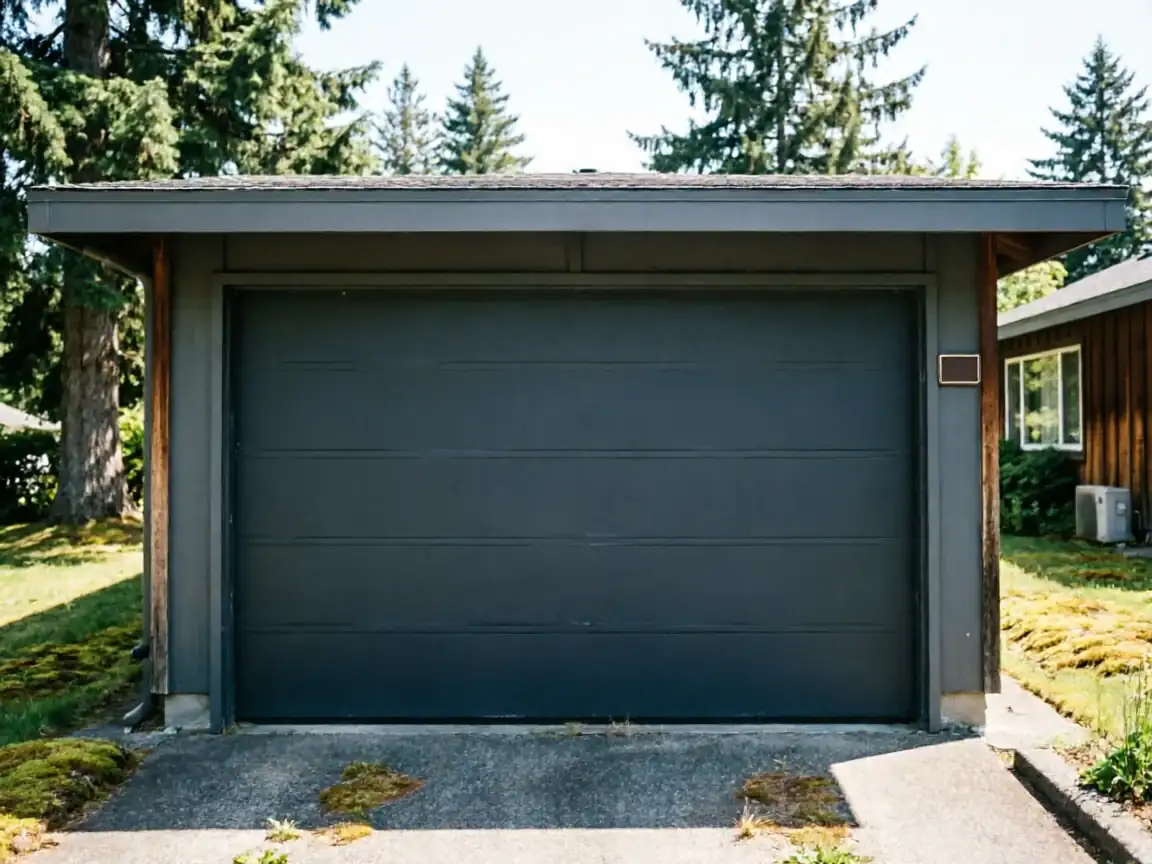
Honest limitation: if the door itself is original wood or an early steel panel that's rusted through at the bottom, repair stops being the cheaper option. We'll tell you straight if replacement costs less over the next few years than patching hardware onto a panel that's failing on its own.
Median household income in this part of the service area runs a bit below the broader Woodinville coverage area, and we price the same hardware the same way regardless of the address - the job dictates the cost, not the zip code.