Where This Job Goes Sideways
Picnic Point is an eleven-mile drive from our shop in Woodinville, which puts it on the far edge of what we cover without a dedicated local address here. That distance matters for maintenance specifically: a once-a-year tune-up visit has to actually happen, not get skipped because the truck has a closer job that day. We build Picnic Point stops around full mornings or afternoons rather than squeezing them between other calls, because a half-finished inspection on a door we won't see again for twelve months isn't worth sending anyone out for.
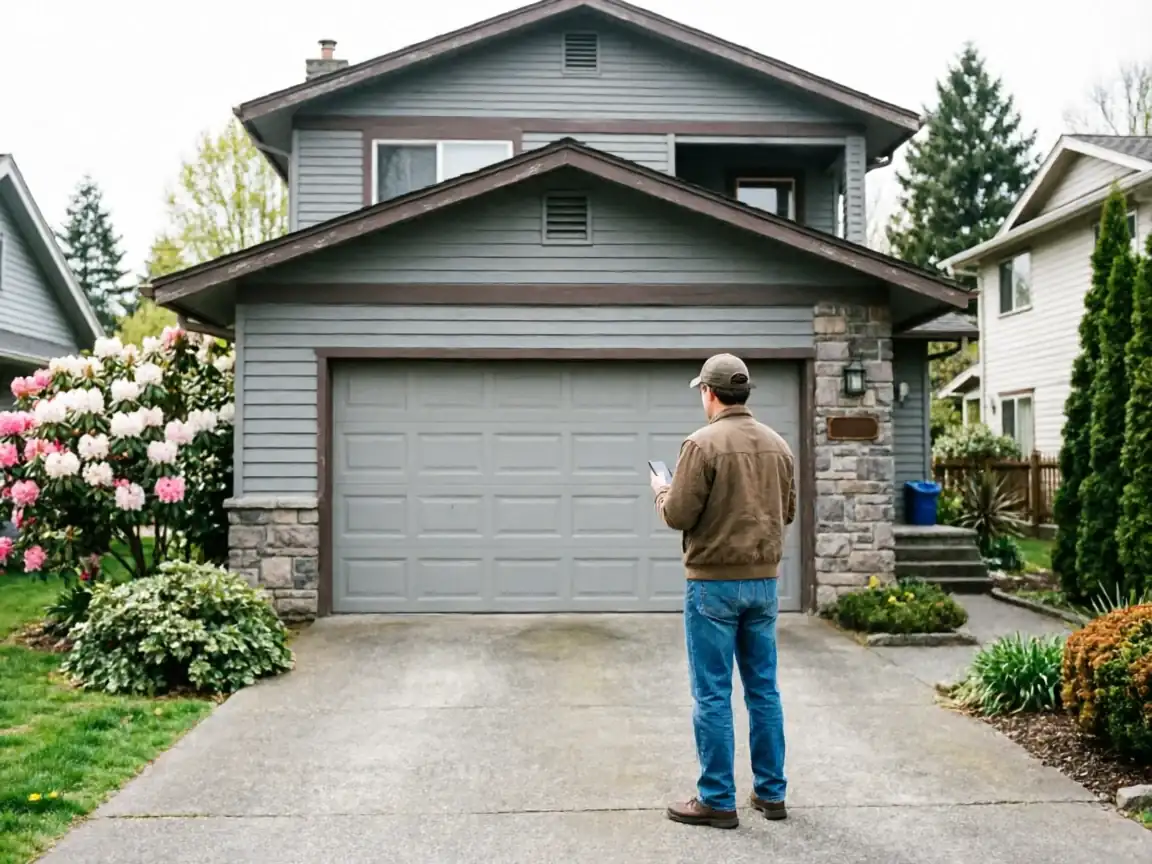
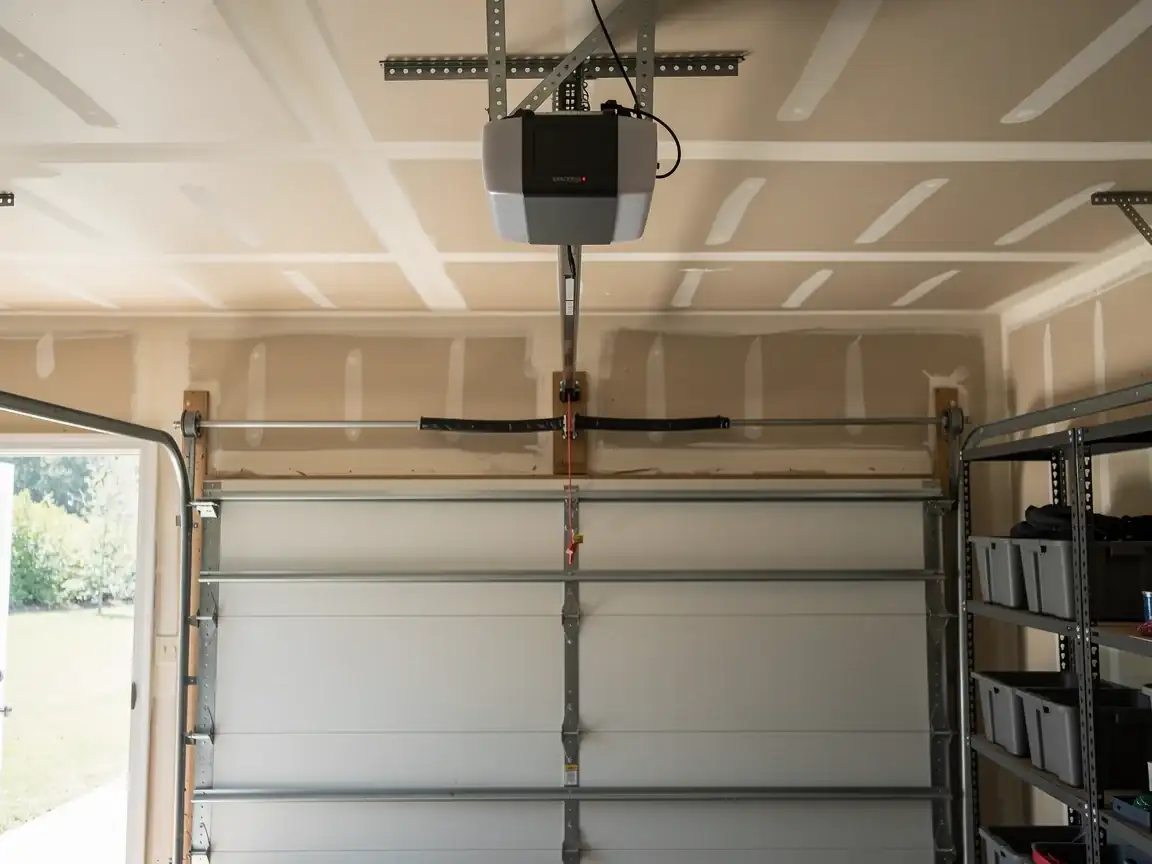
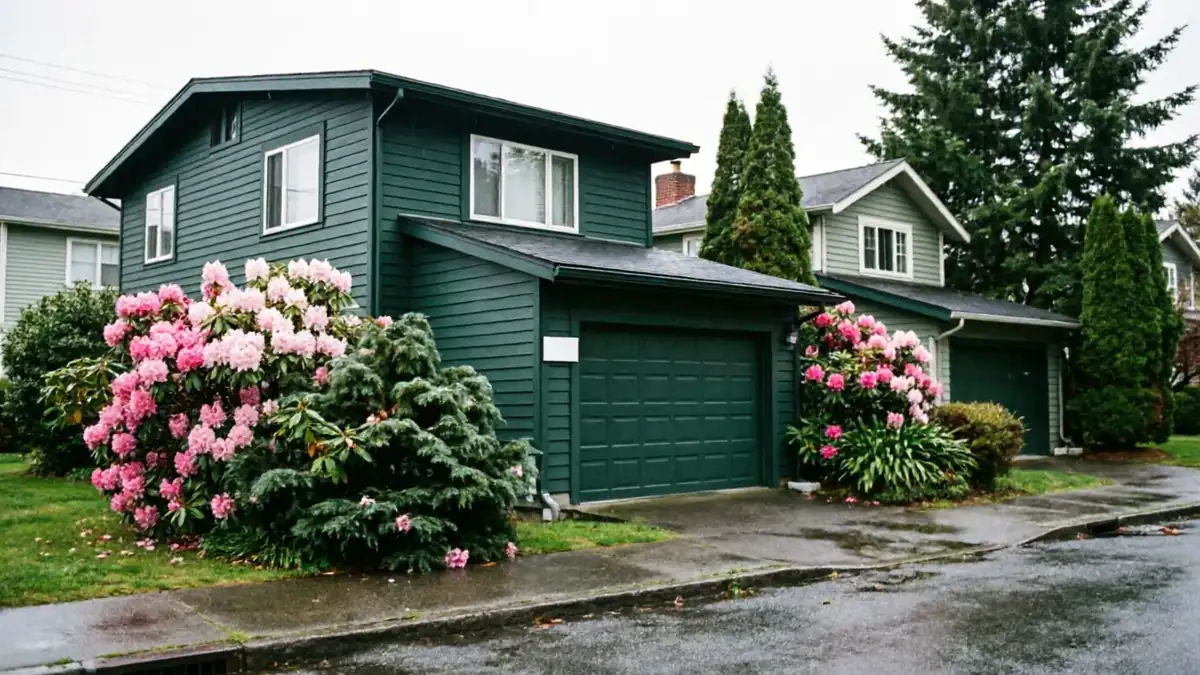
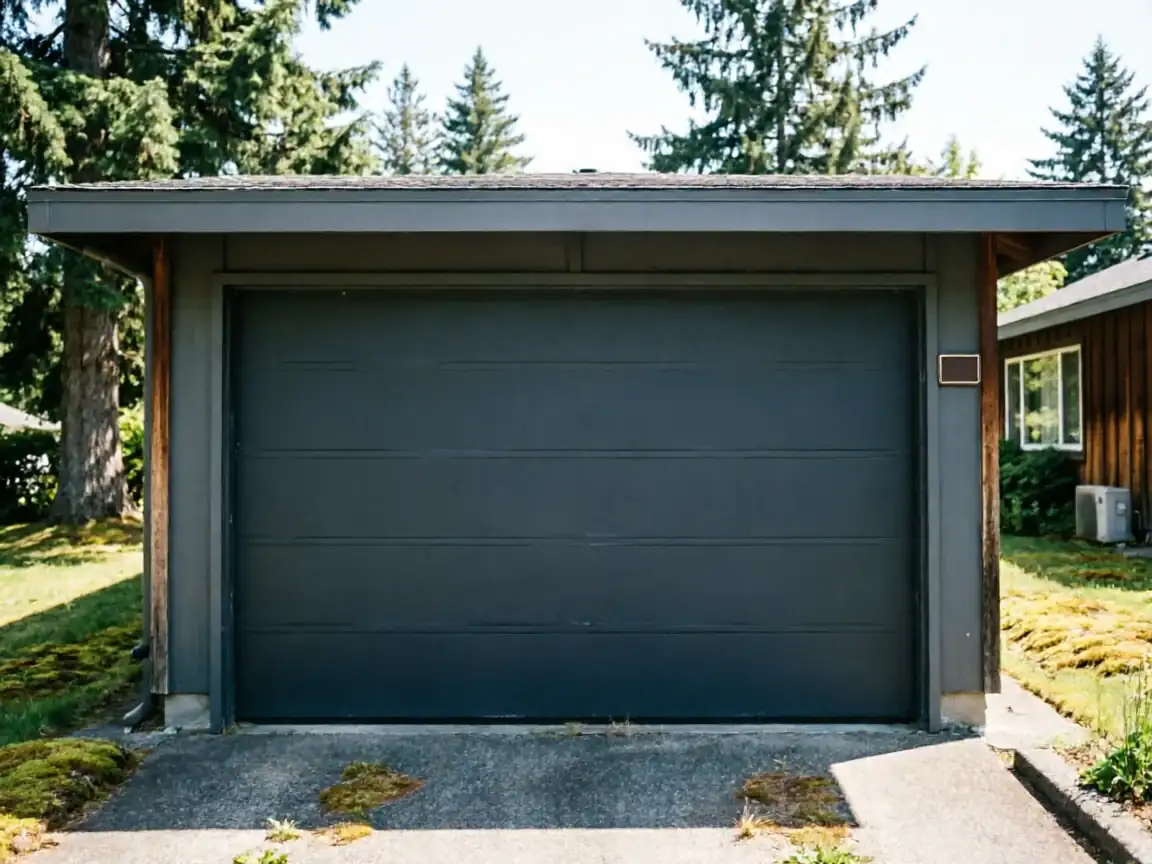
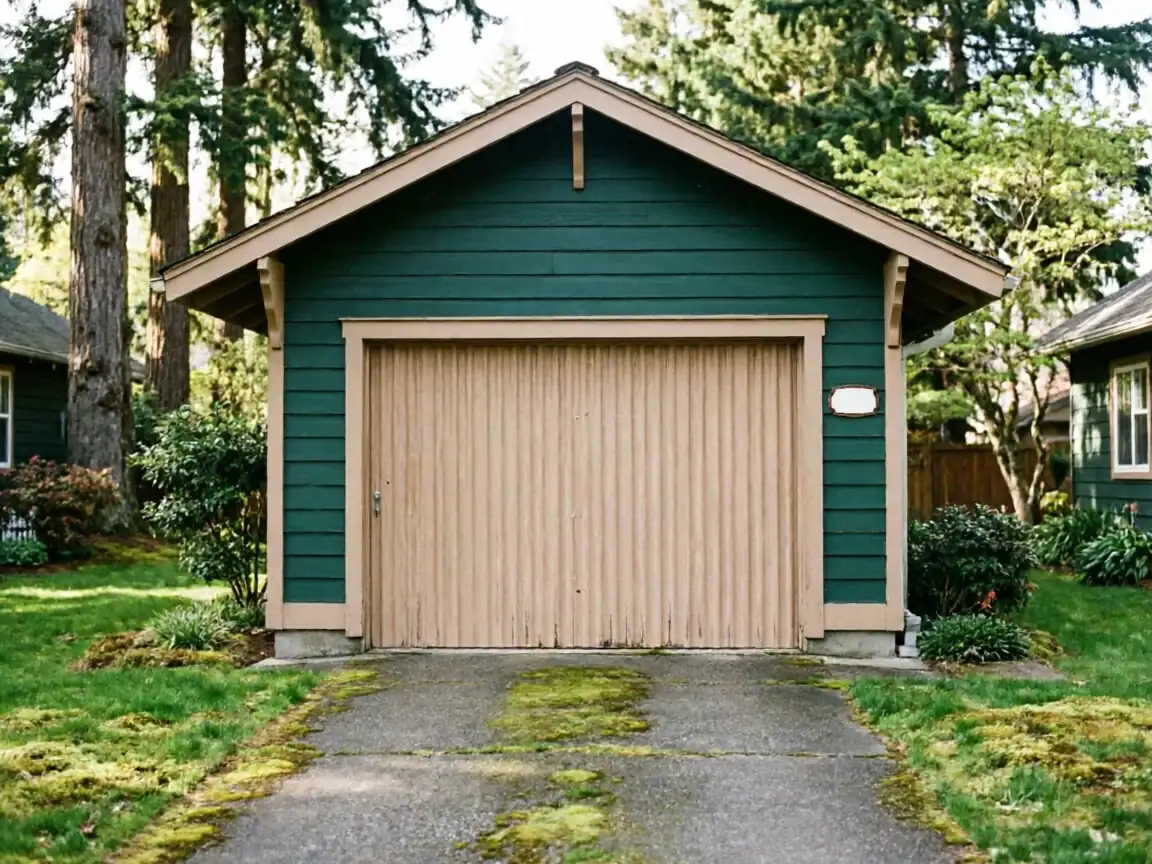
The houses themselves tell you what to expect. Most of this corner of the service area went up around 1980, which lines up with the broader pattern we see across the 24 communities we cover, where the bulk of the stock dates to the 1980s and 90s. Doors from that era are usually on their second or third opener by now, often a chain-drive unit bolted to original track that's never been shimmed or re-leveled. The springs on these are old enough that nobody should be guessing at their wind count anymore - that's a measurement, not a memory.
Getting It Booked In
Because Picnic Point isn't a stop we pass through on the way to somewhere else
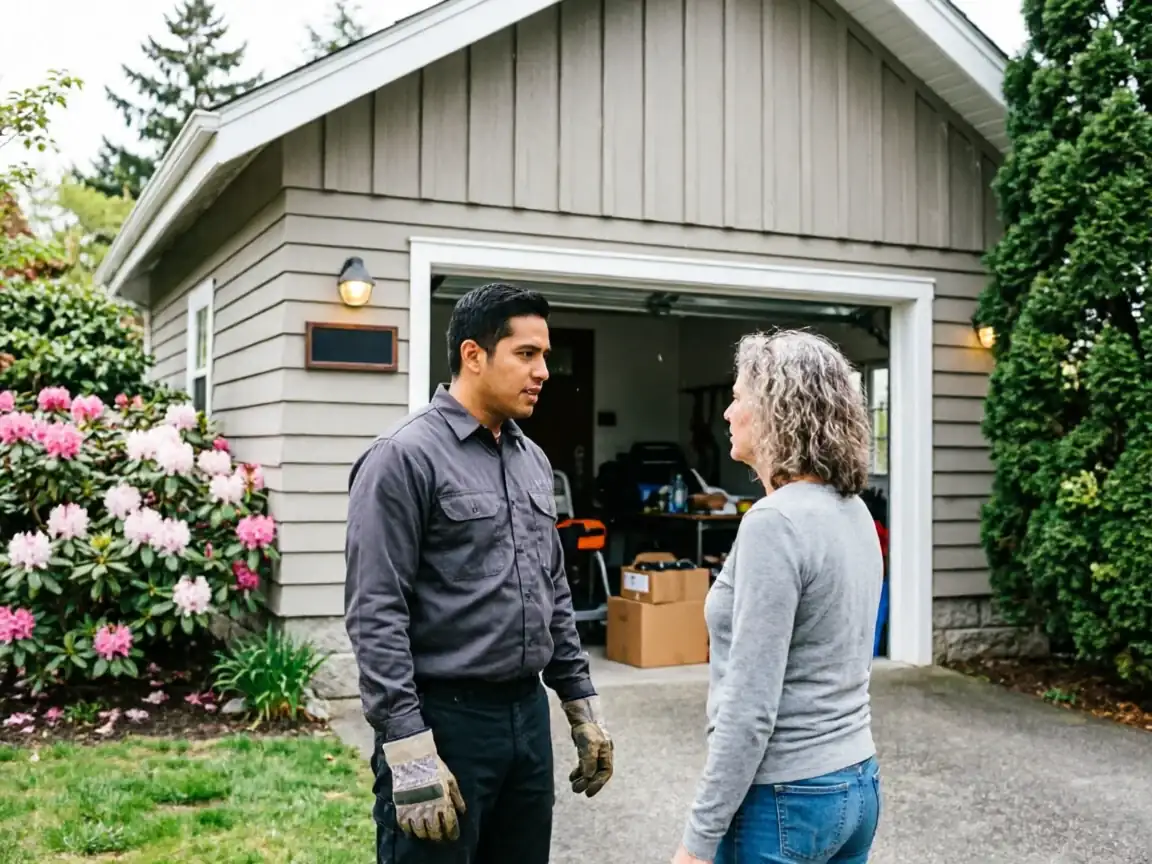
Maintenance here works best scheduled in advance rather than called in same-week. We ask what year the house was built and whether the opener has ever been serviced, since a door original to a 1980-built home needs a different checklist than one with a replacement unit from the 2000s. Given the distance, we try to combine a full inspection with any adjustments the door needs in that one visit, so you're not waiting on a second trip for something we could have caught the first time.
If you're not sure the door needs anything beyond a look-over, say so when you call
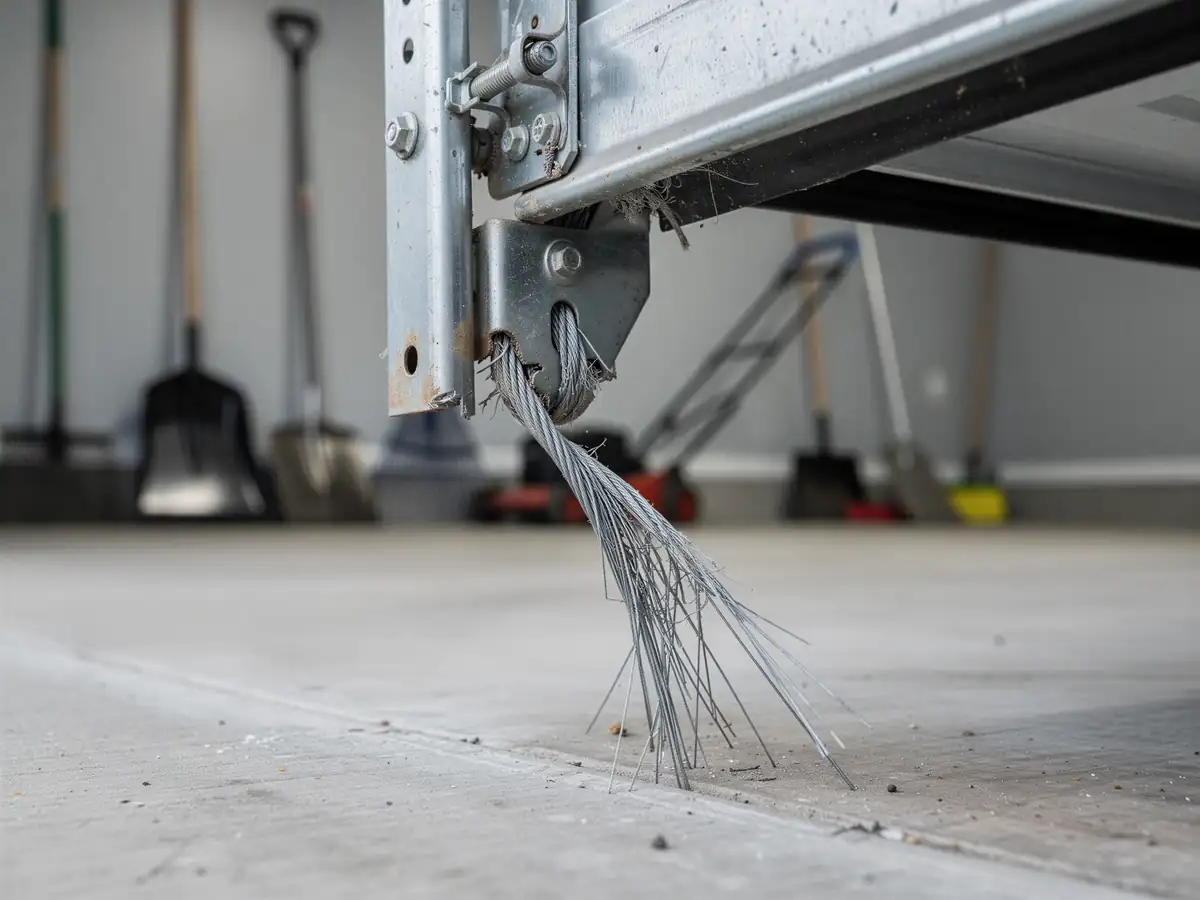
A straightforward tune-up and a job where we find a cracked panel or a cable starting to fray are two different conversations, and it helps to know which one you're expecting before the truck is on the road for eleven miles.
How We Fix It
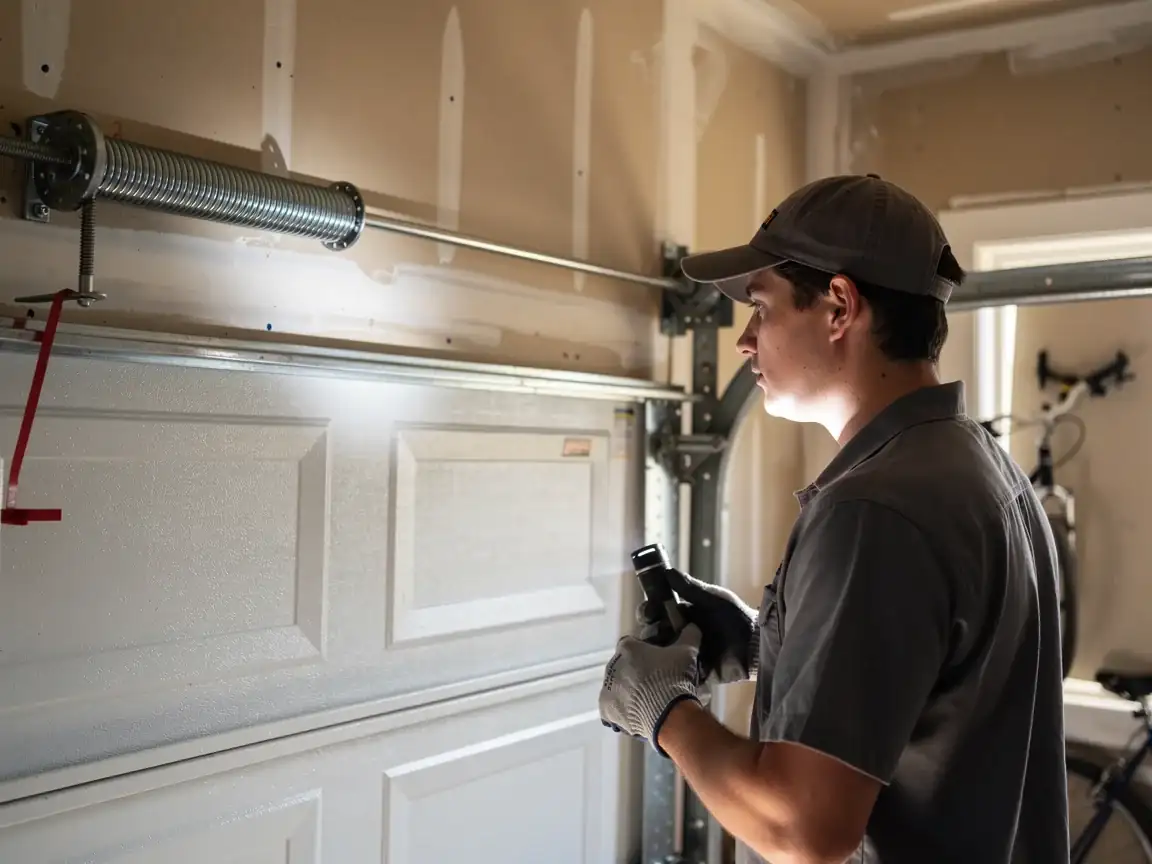
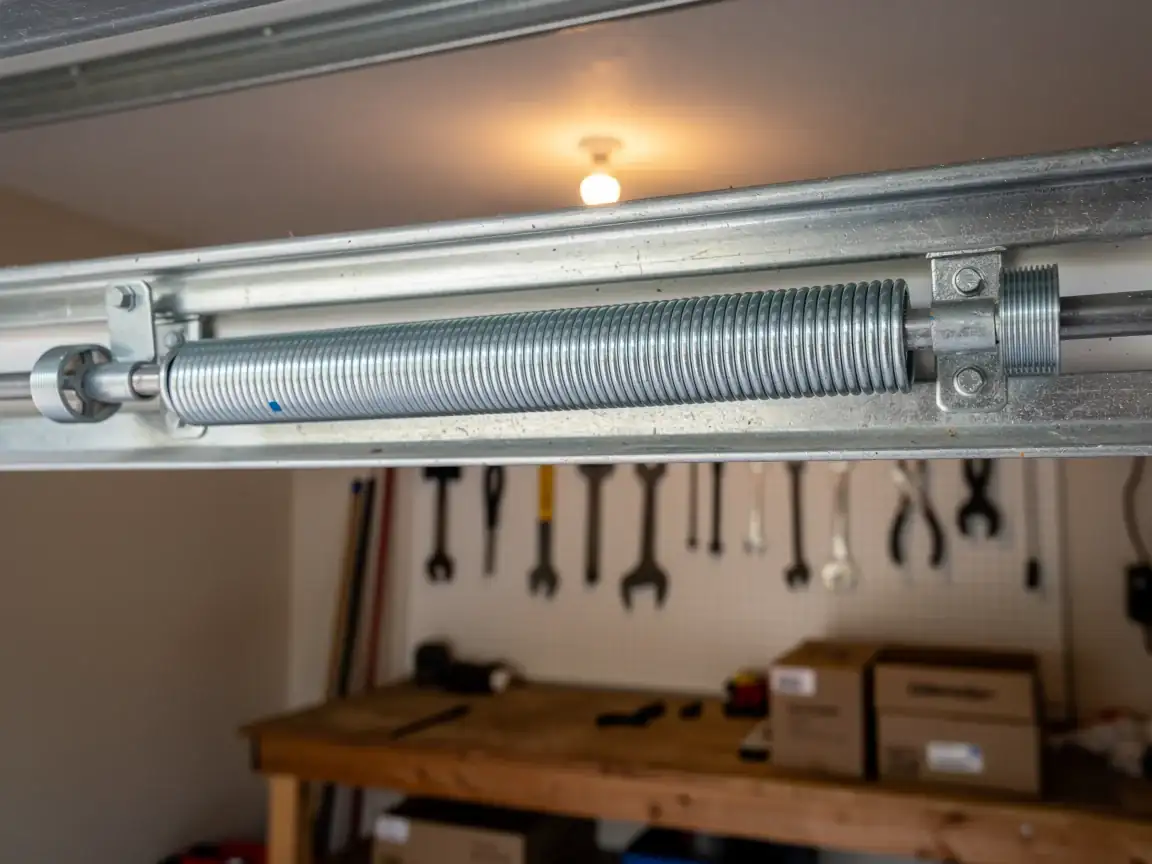
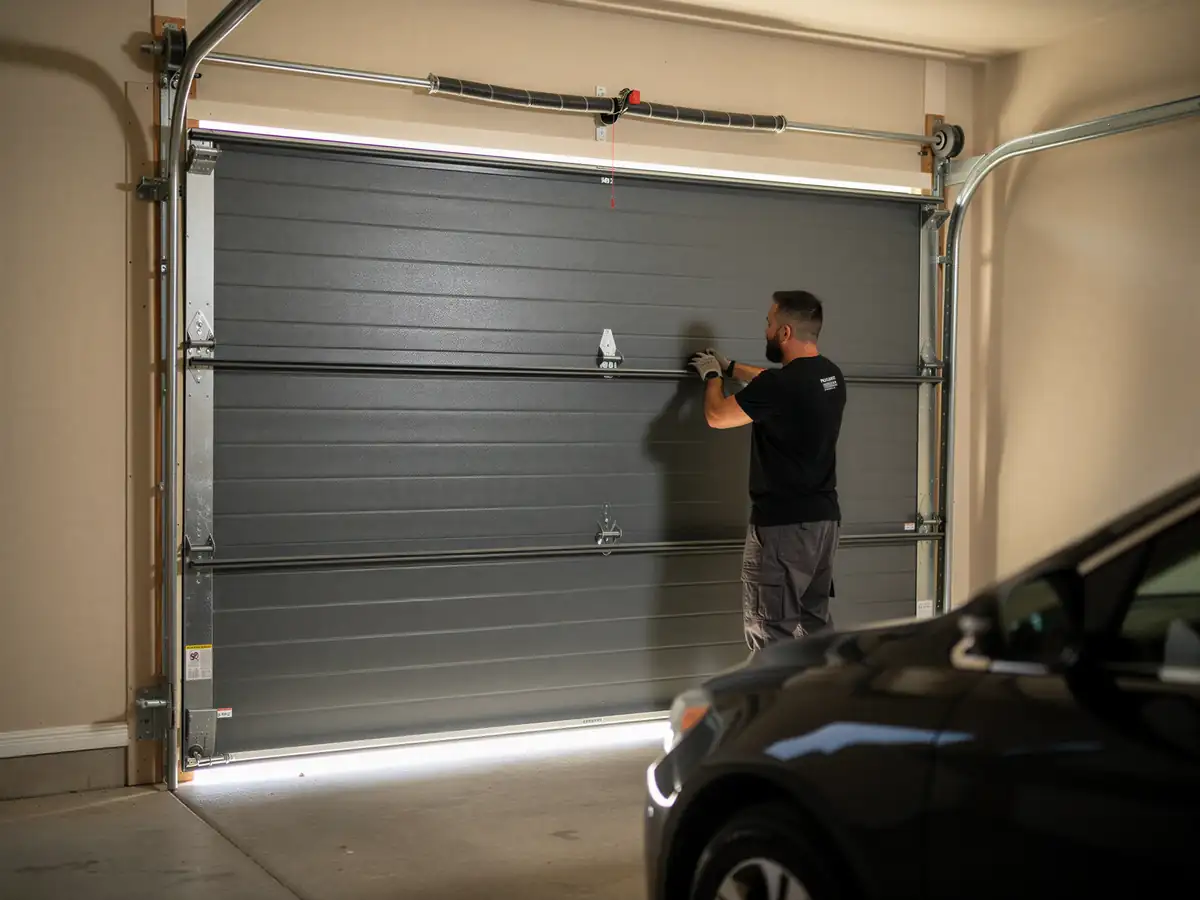
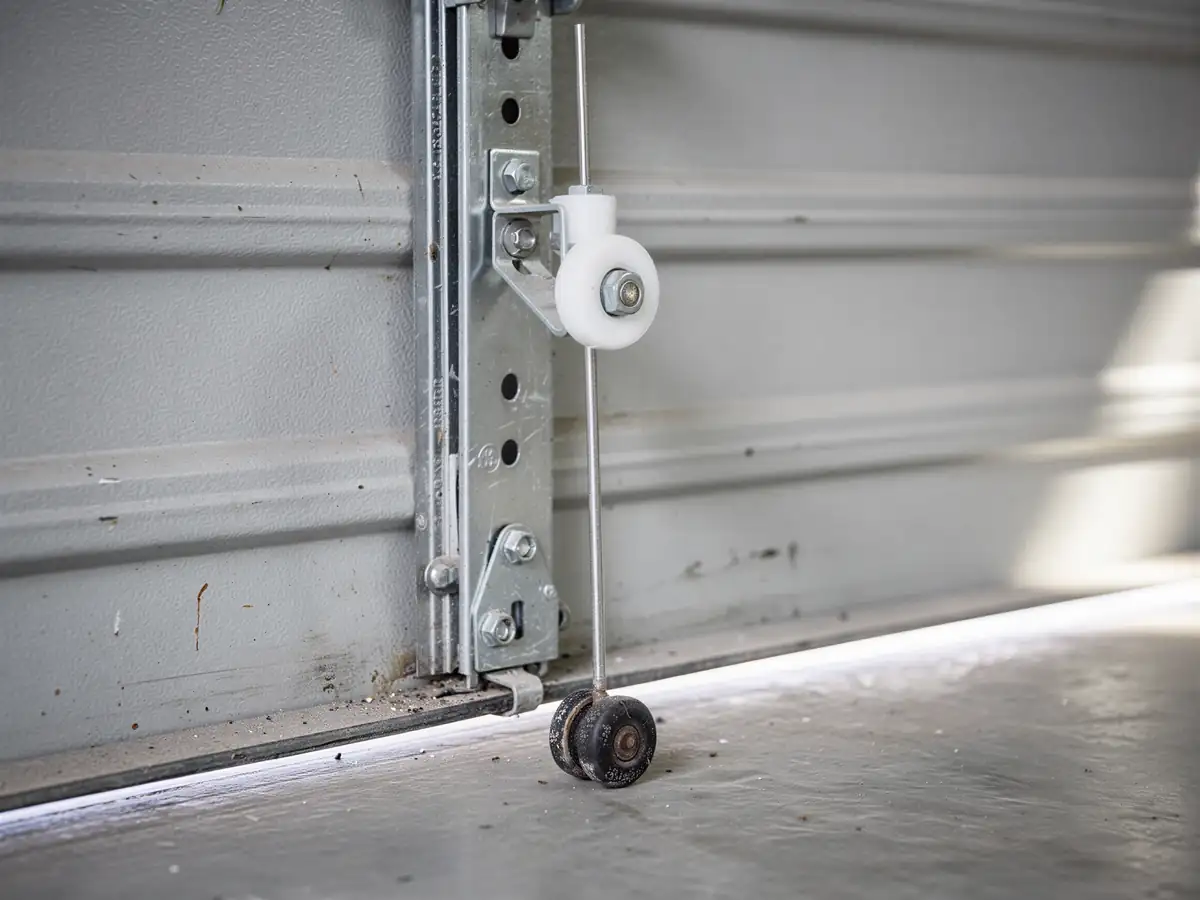
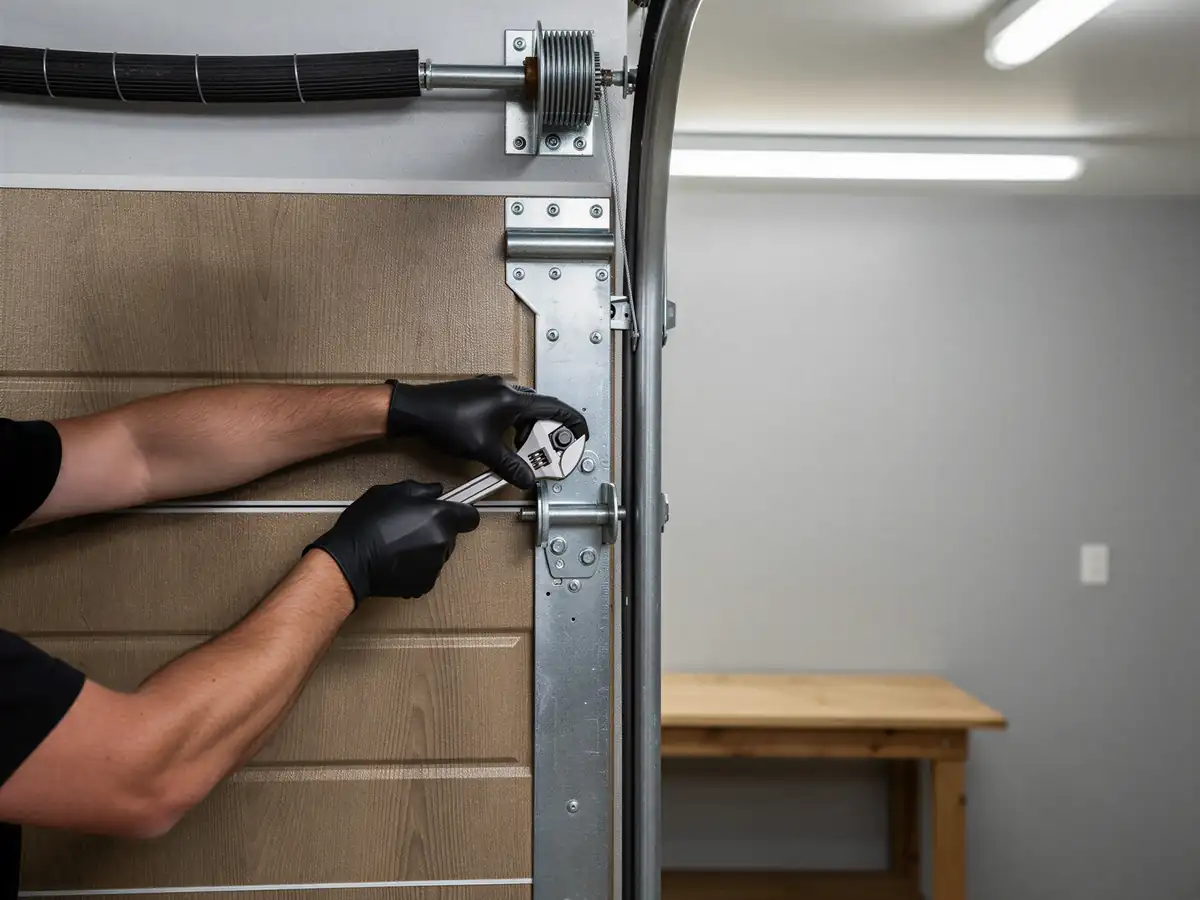
A real maintenance visit here starts with the spring, not the opener. On a 1980s door, that's almost always a torsion spring mounted above the track, and we check the wind, the winding cone, and the cable drums before we touch anything electronic. Rollers from that era are usually steel, which means noise and wear patterns different from the nylon rollers found on newer doors - we're listening for a specific kind of grinding, not just general rattle.
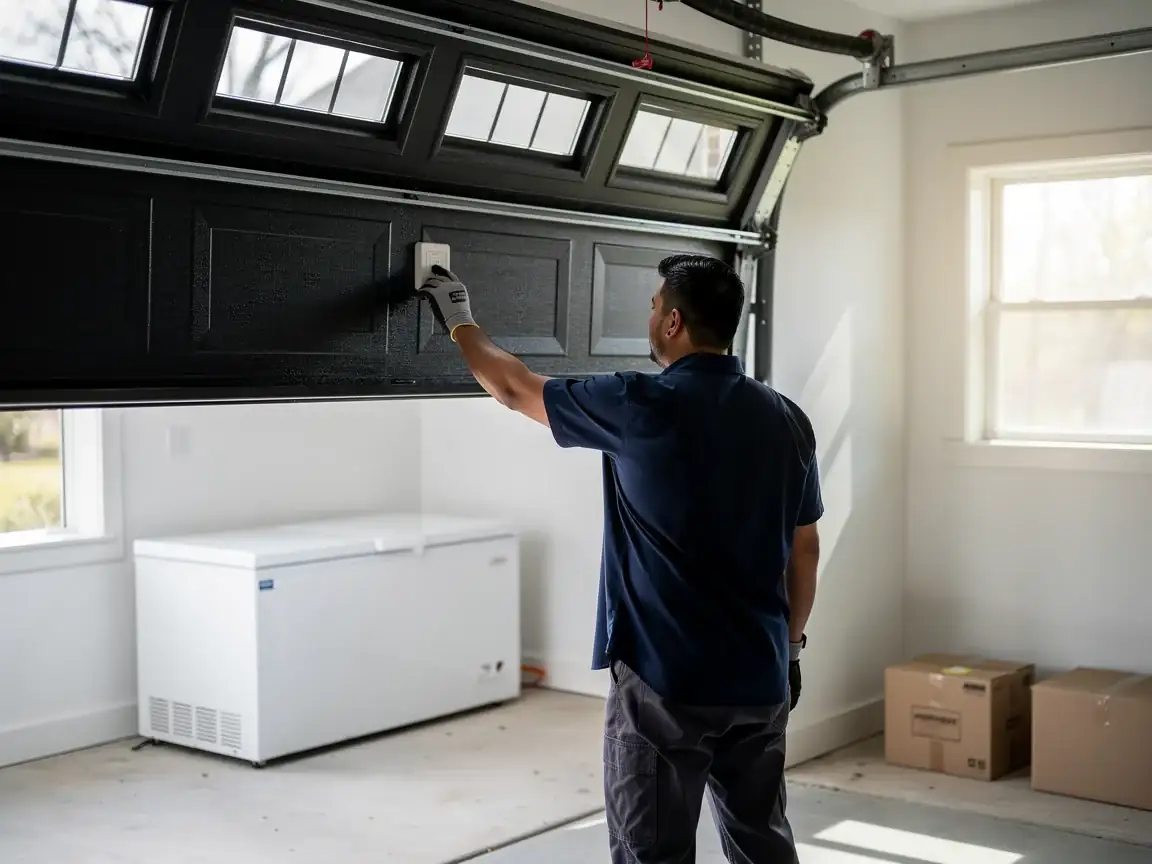
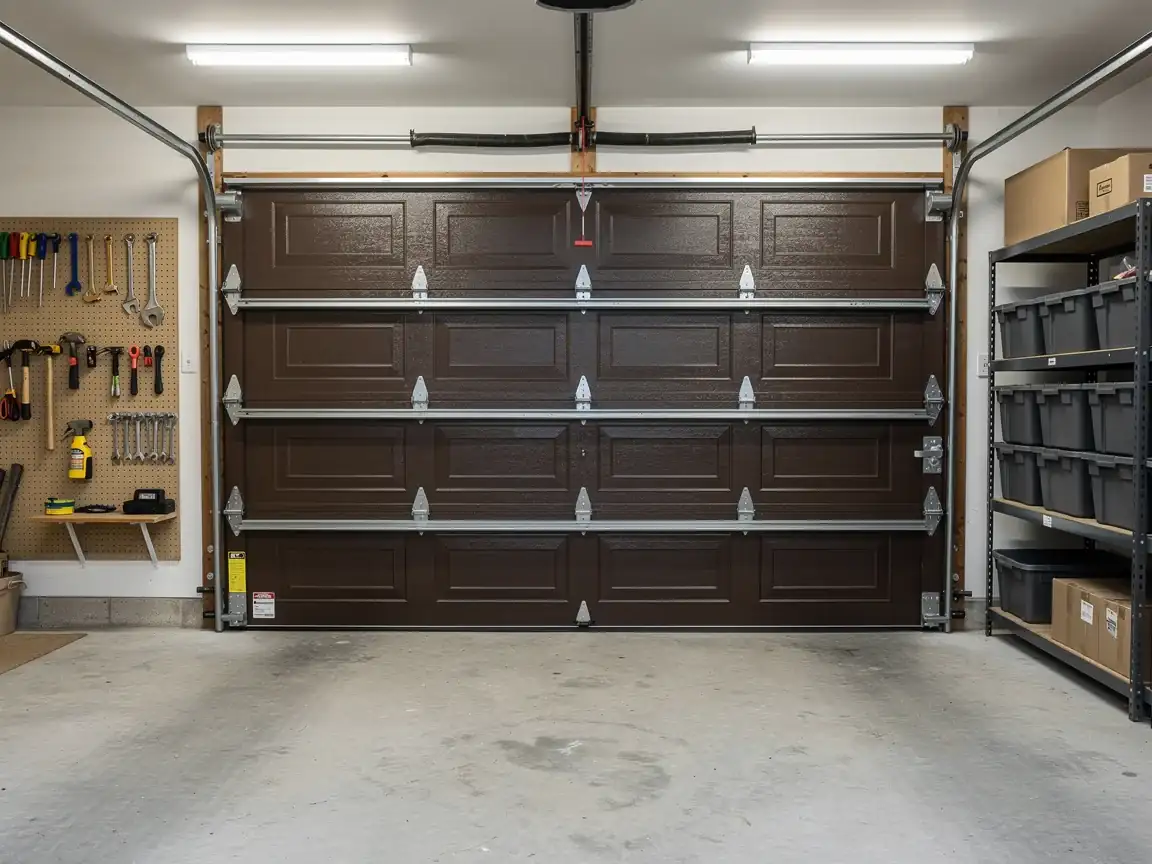
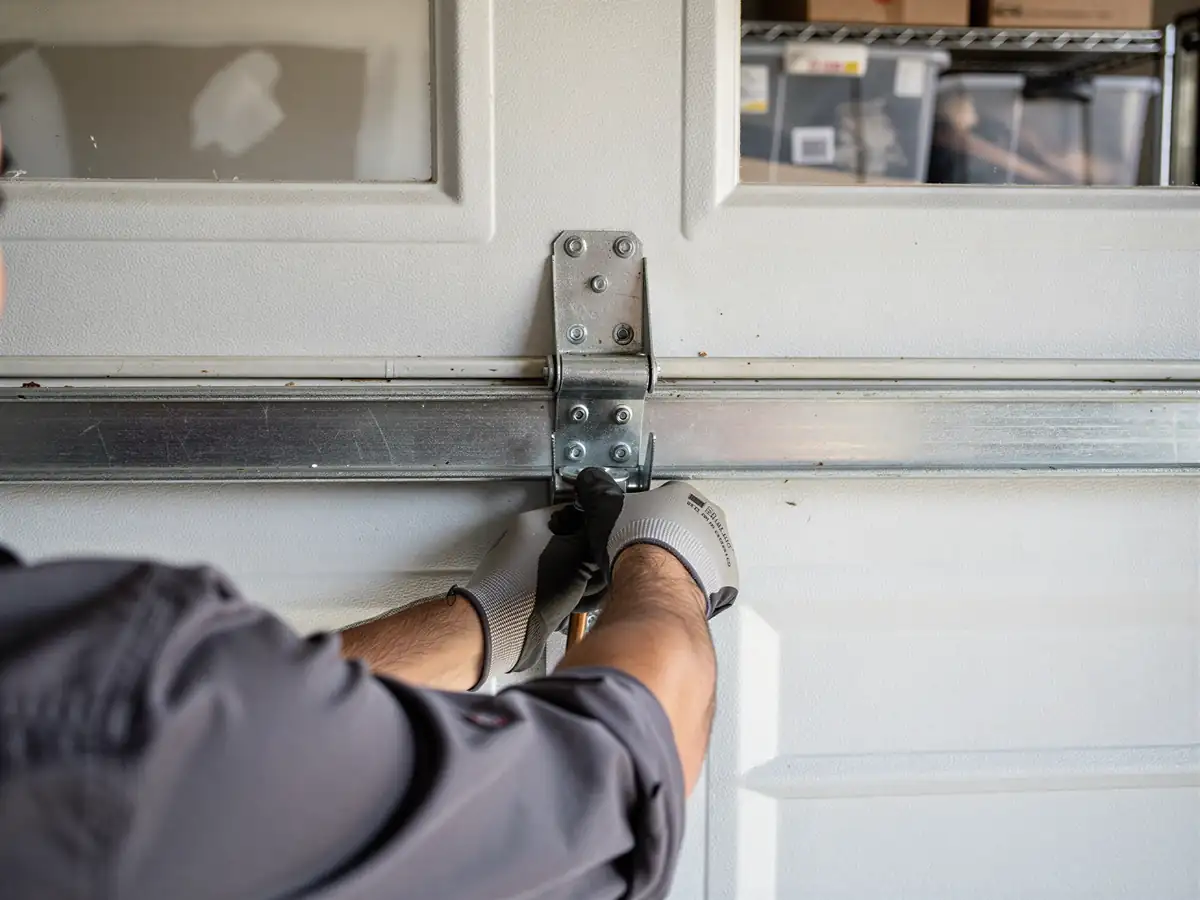
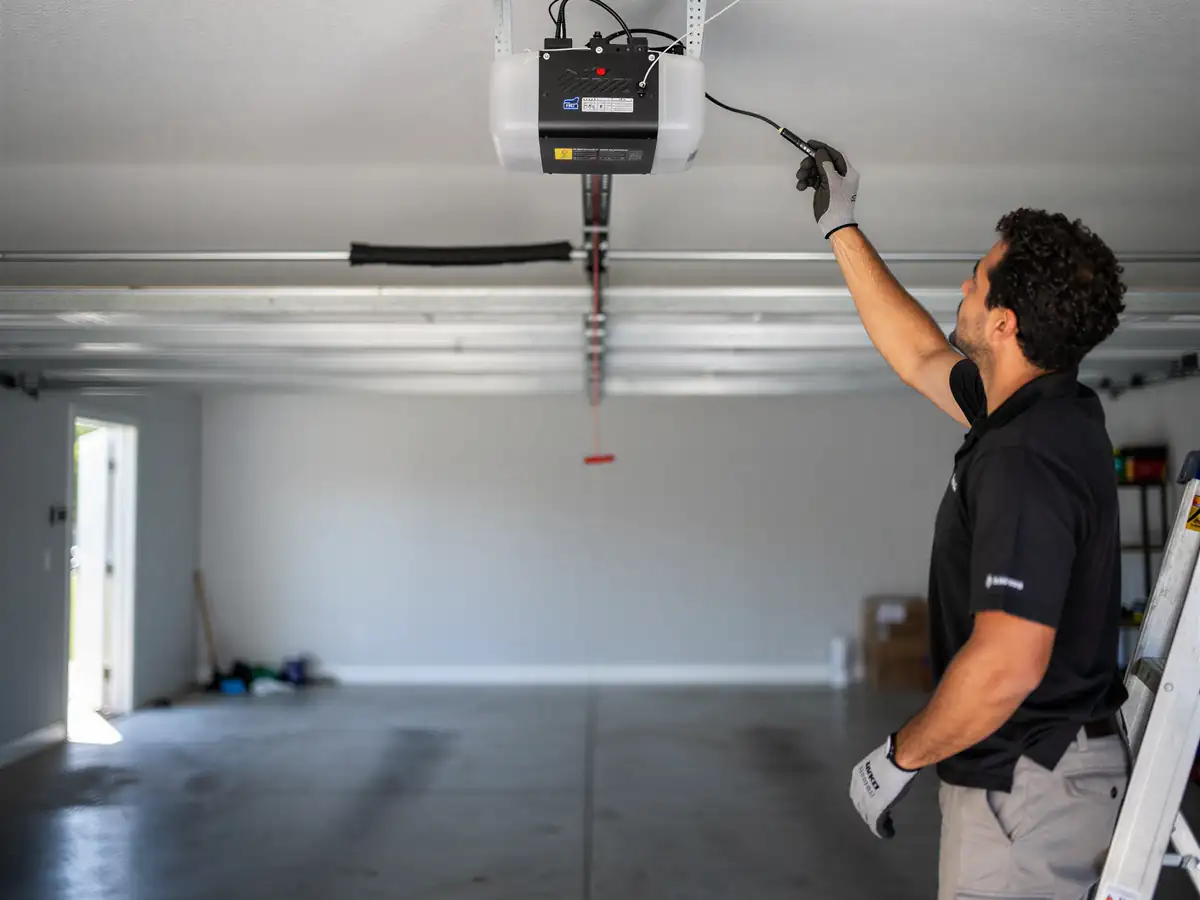
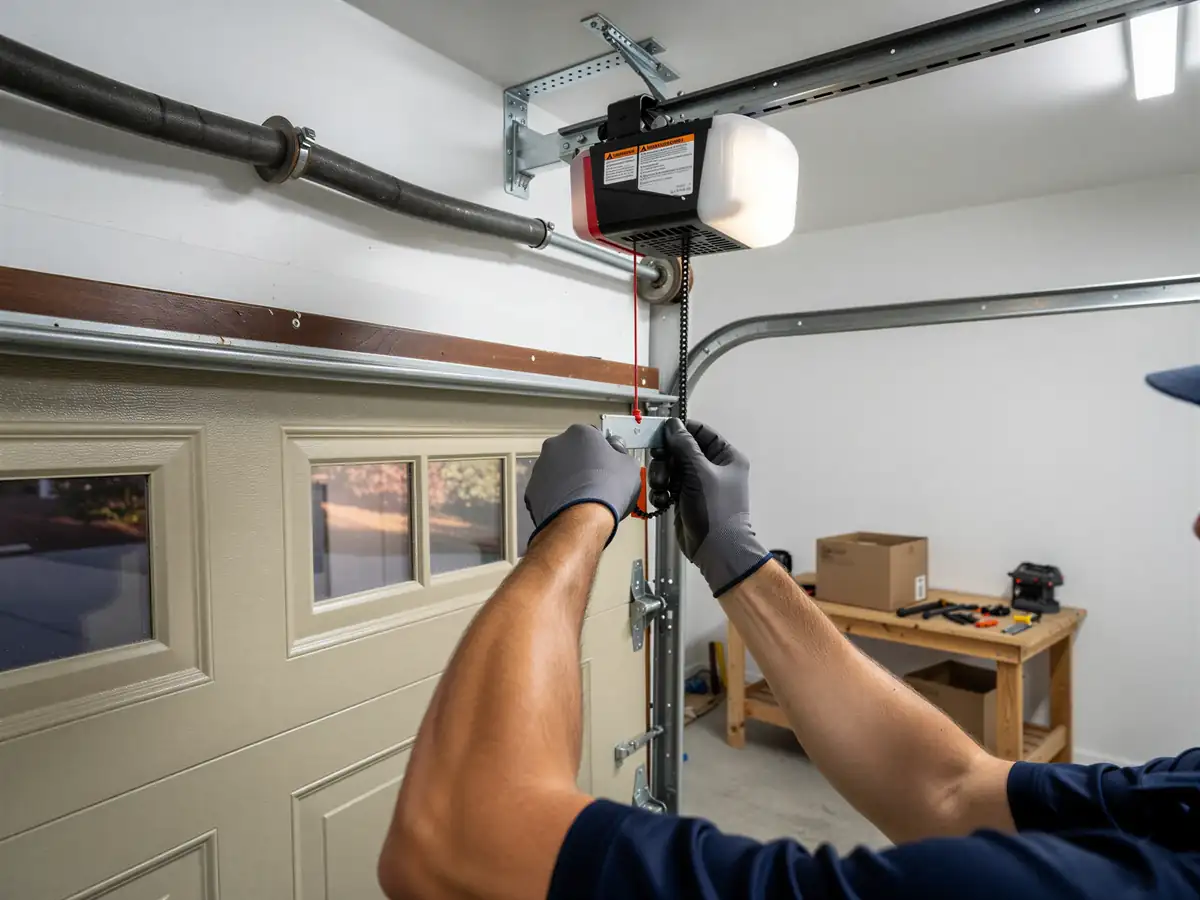
Track alignment gets checked next, since houses settling over four decades often pull the vertical track a few degrees out of plumb, which shows up as a door that binds on one side before it ever looks obviously crooked. We lubricate hinges and rollers, test balance by hand with the opener disconnected, and check the auto-reverse safety function, which on older openers sometimes needs the force setting backed off rather than left where it was installed. We don't replace parts that are still within spec just because they're old - if the spring has wind left in it, it stays. Full detail on what a standard visit covers is on the service page. For houses that need a wider look at options, our Woodinville maintenance page covers the general service in more depth.
The Cost of This Job
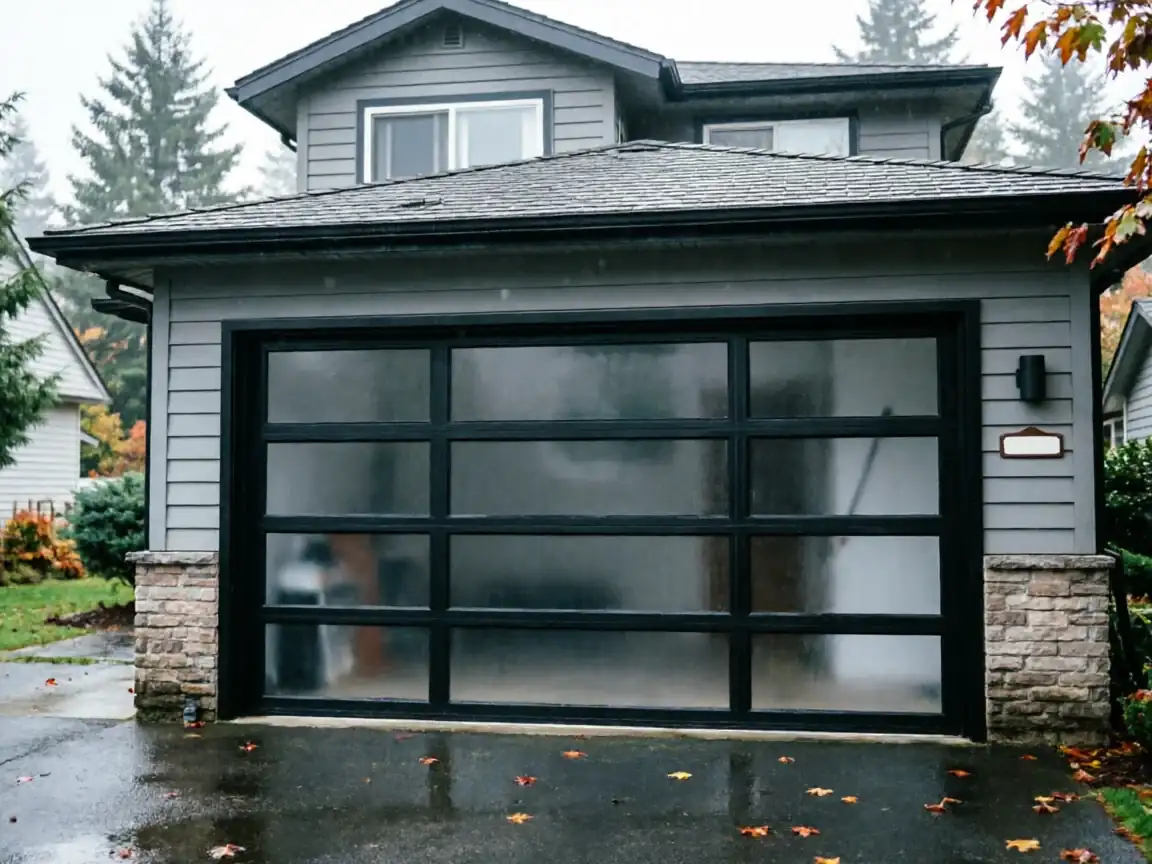
We don't quote maintenance pricing by town, since the work itself - spring check, roller inspection, track alignment, opener test - is the same whether the door is in Picnic Point or anywhere else we drive to. What does vary here is what we find once we're under the hood, so to speak. A household income figure around $128,295 for this area tells us less about what people can spend than about what kind of door they likely bought in 1980: these are mostly standard steel sectional doors, not high-end wood or custom glass units, so parts availability is usually straightforward rather than special-order.
The honest caveat: if a spring or cable actually needs replacing during the visit, that's a separate line item from the inspection itself, and we'll tell you the number before we do the work, not after. We also won't talk anyone into replacing an opener that's still doing its job correctly just because it's old - if it passes the safety and balance checks, it stays.