Getting Here
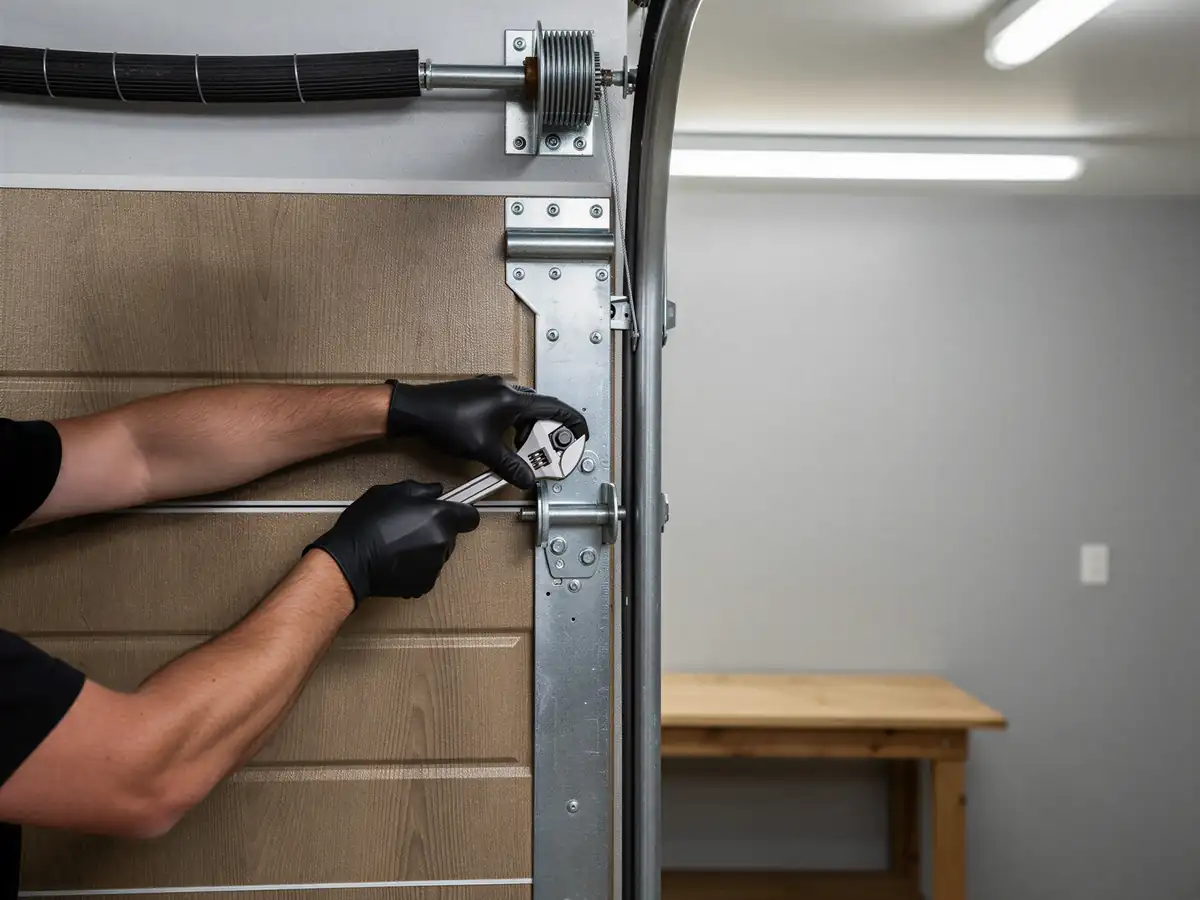
We run trucks out of Woodinville, and Brier sits about 6 miles from there, a short haul that doesn't change the price of a service call but does matter for scheduling same-day work. We don't keep a depot in Brier itself - every job starts from Woodinville and comes to you. That's worth saying plainly: if you need a part that isn't on the truck, there's a trip back before the job finishes. Most torsion springs, rollers, and standard openers we carry stock, so this rarely slows a repair down. Where it matters is on older or oddball doors - a non-standard track width, a discontinued opener board - where we may need to order the part before we can finish the job. We'll tell you up front if that's the case rather than guess and leave you with a door half-done.
Older vs Newer Streets
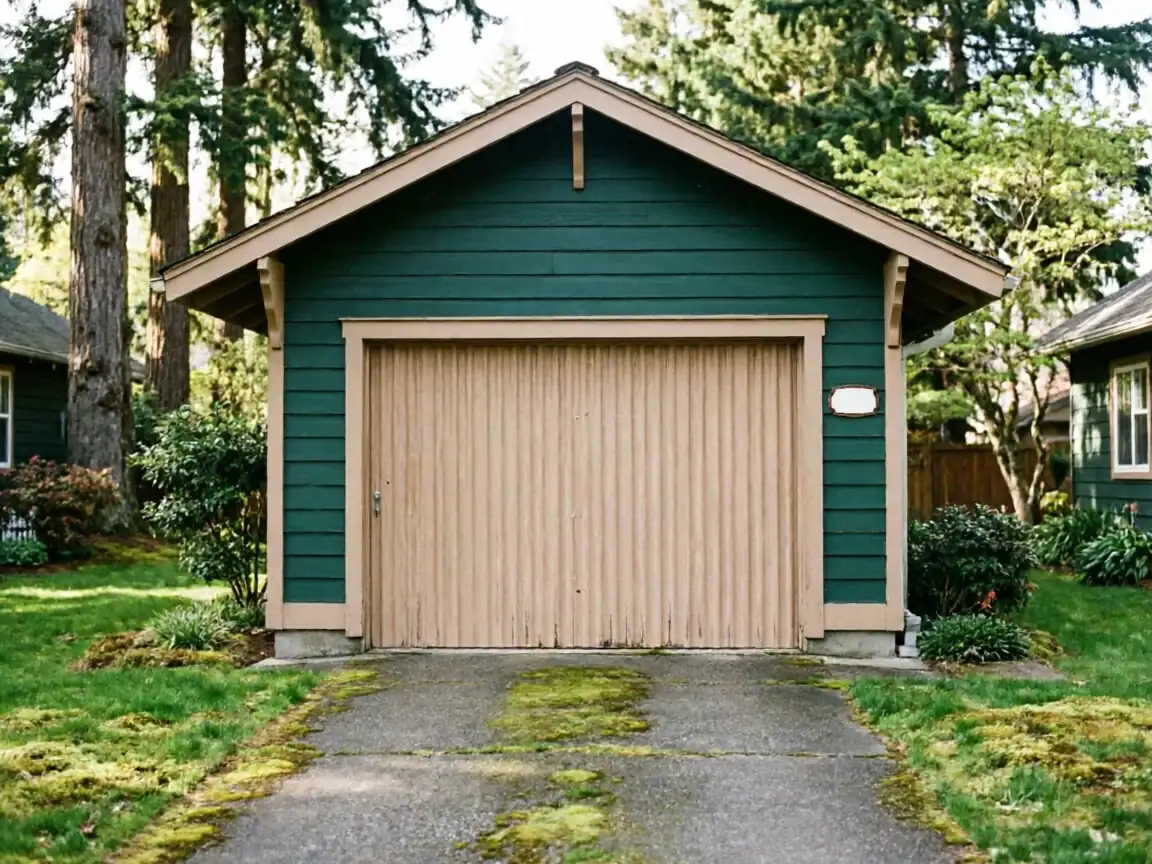
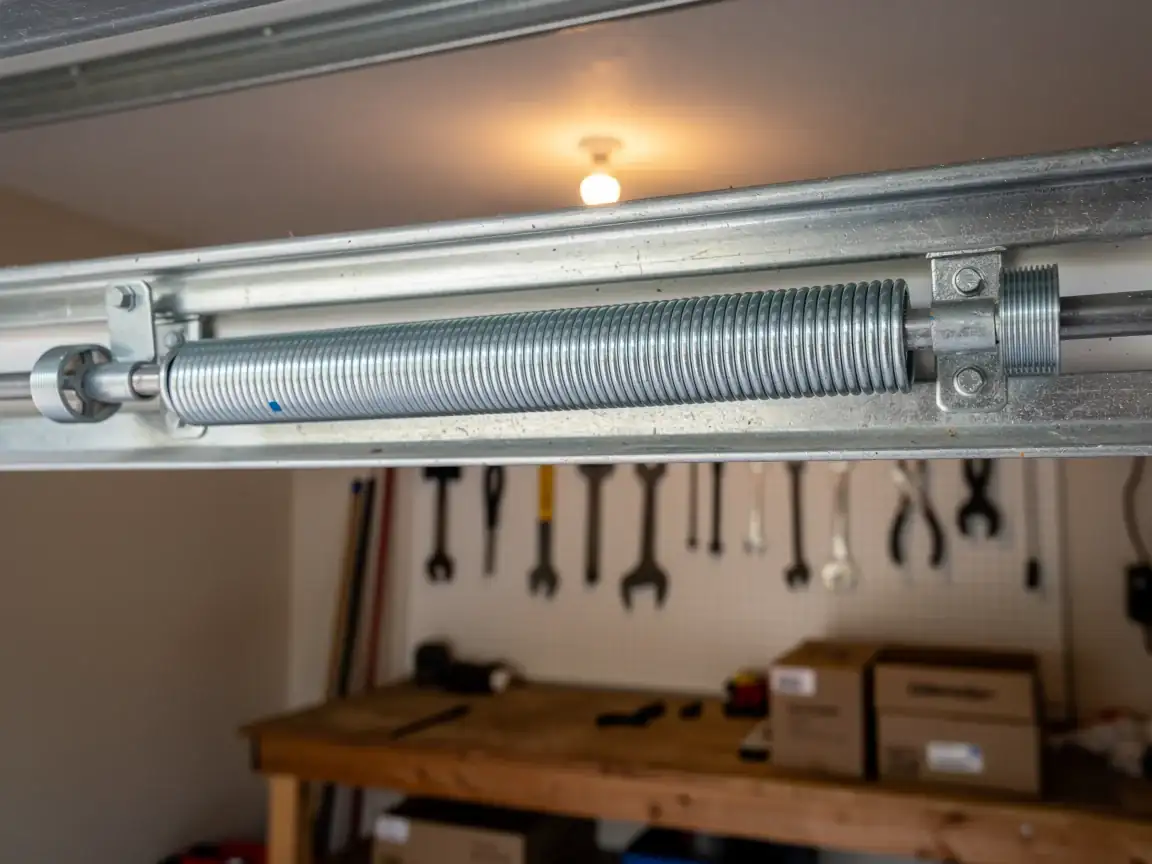
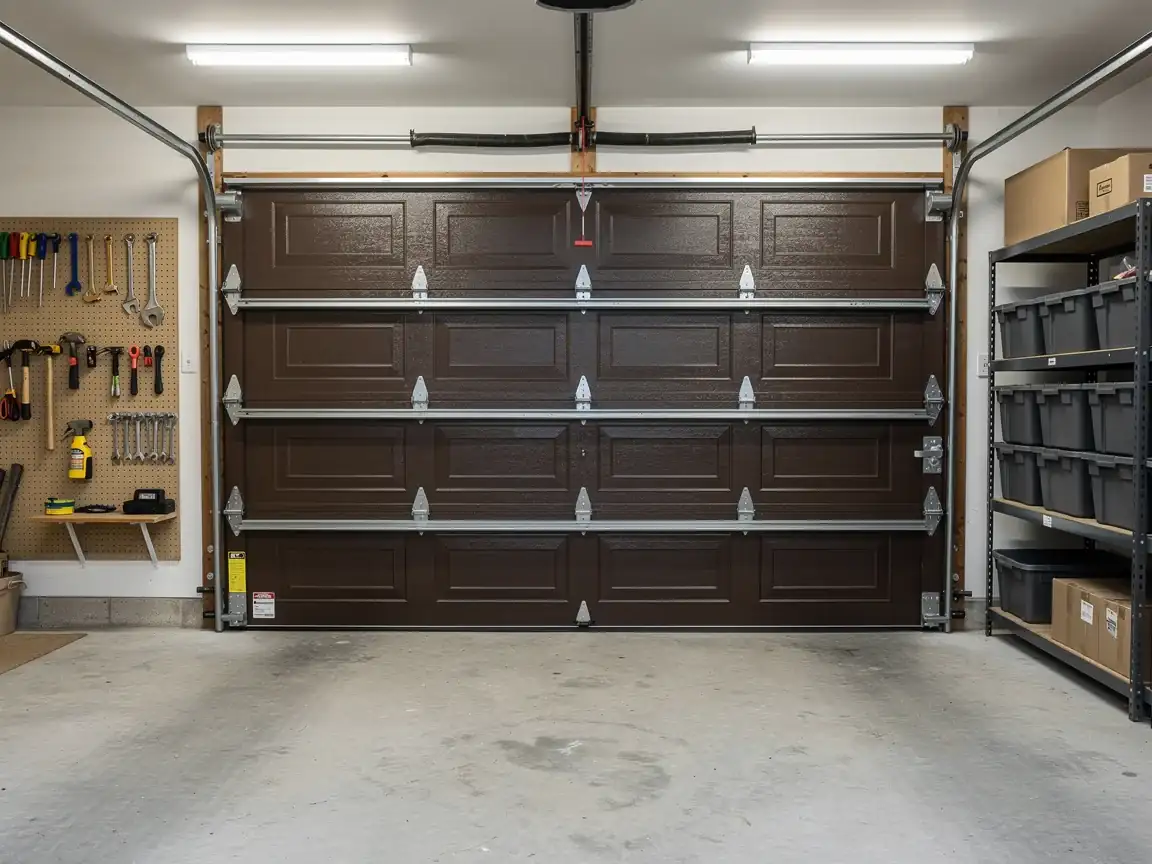
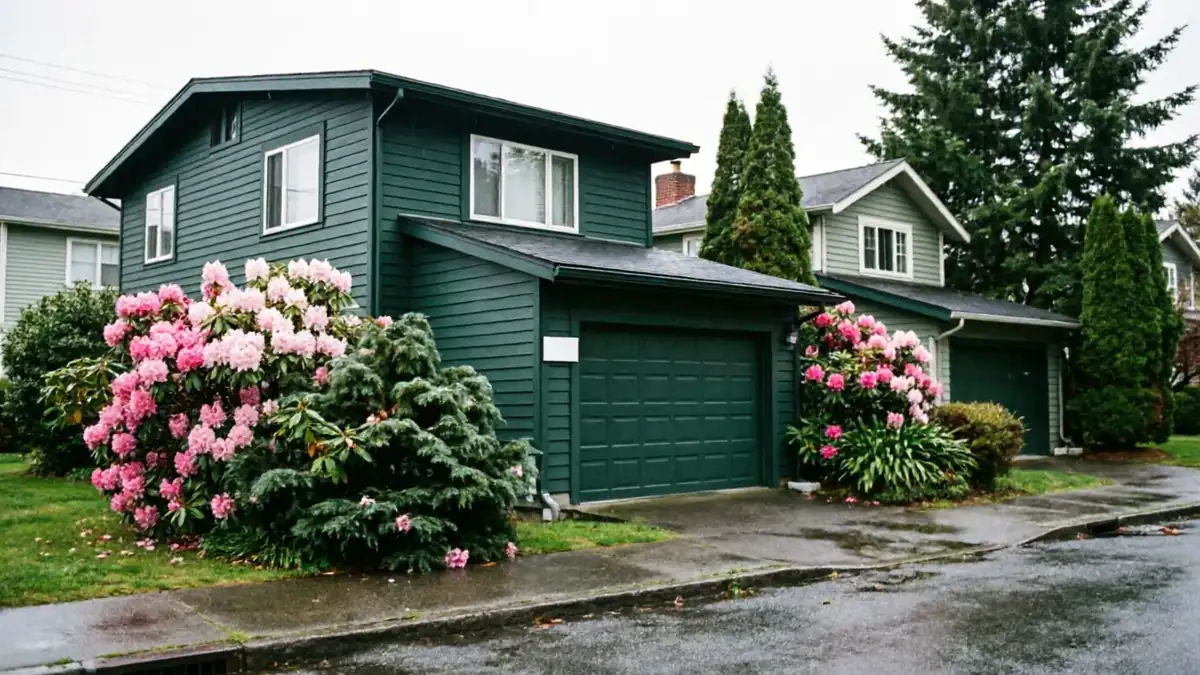
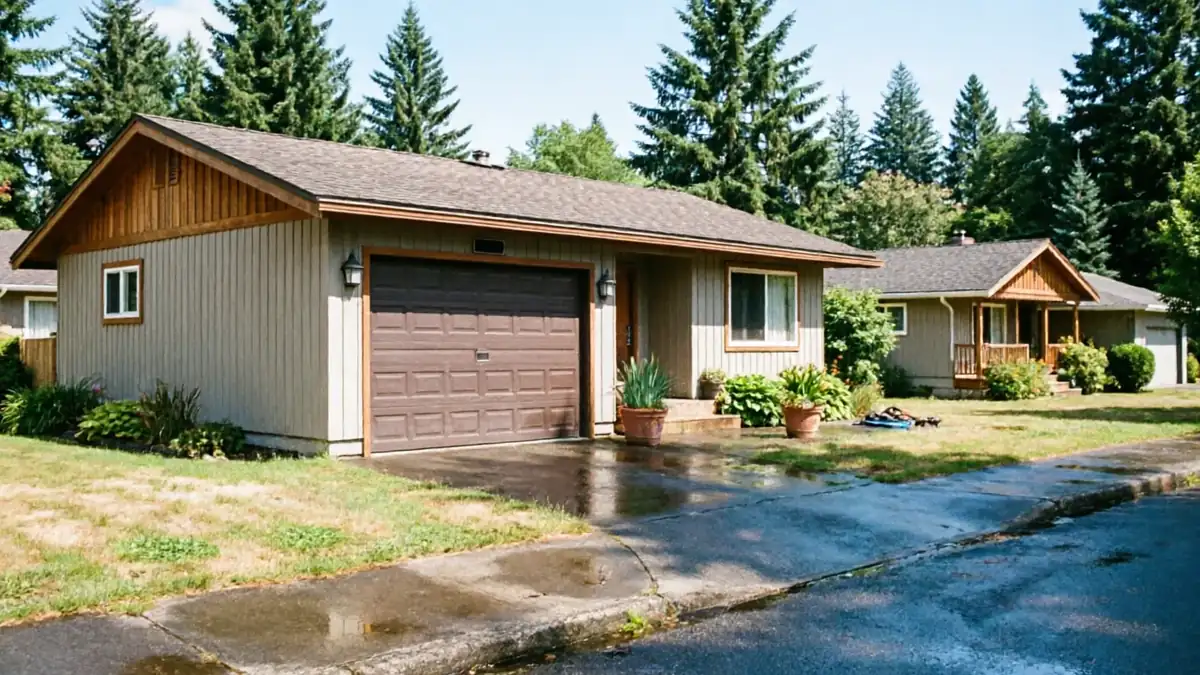
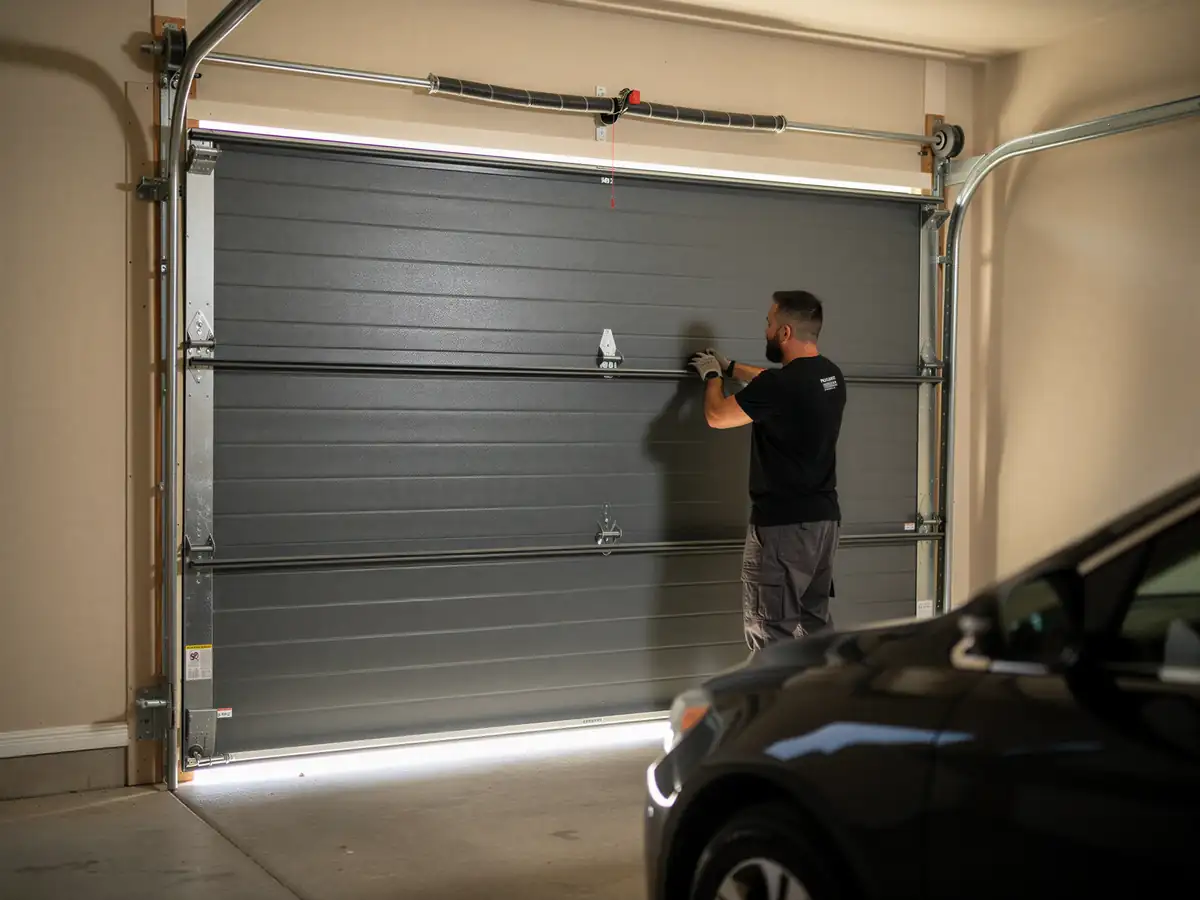
A 1986 median doesn't mean every street is 1986. Some pockets in Brier went up earlier in the 1972-2005 window the wider area spans, and those houses are more likely to still carry original steel sectional doors on extension spring setups rather than the torsion systems that became standard through the late 80s and 90s. The newer end of that range brought heavier insulated panels and torsion hardware rated for them - different spring wind, different drum sizing, not interchangeable parts. If your house is on the older side of the street's build-out, the door hardware is probably original too, since extension spring systems tend to get replaced in kind rather than upgraded unless something forces the issue. Knowing which decade your section went up tells us more about what's in your garage than the address does.
What the Housing Means for Your Door
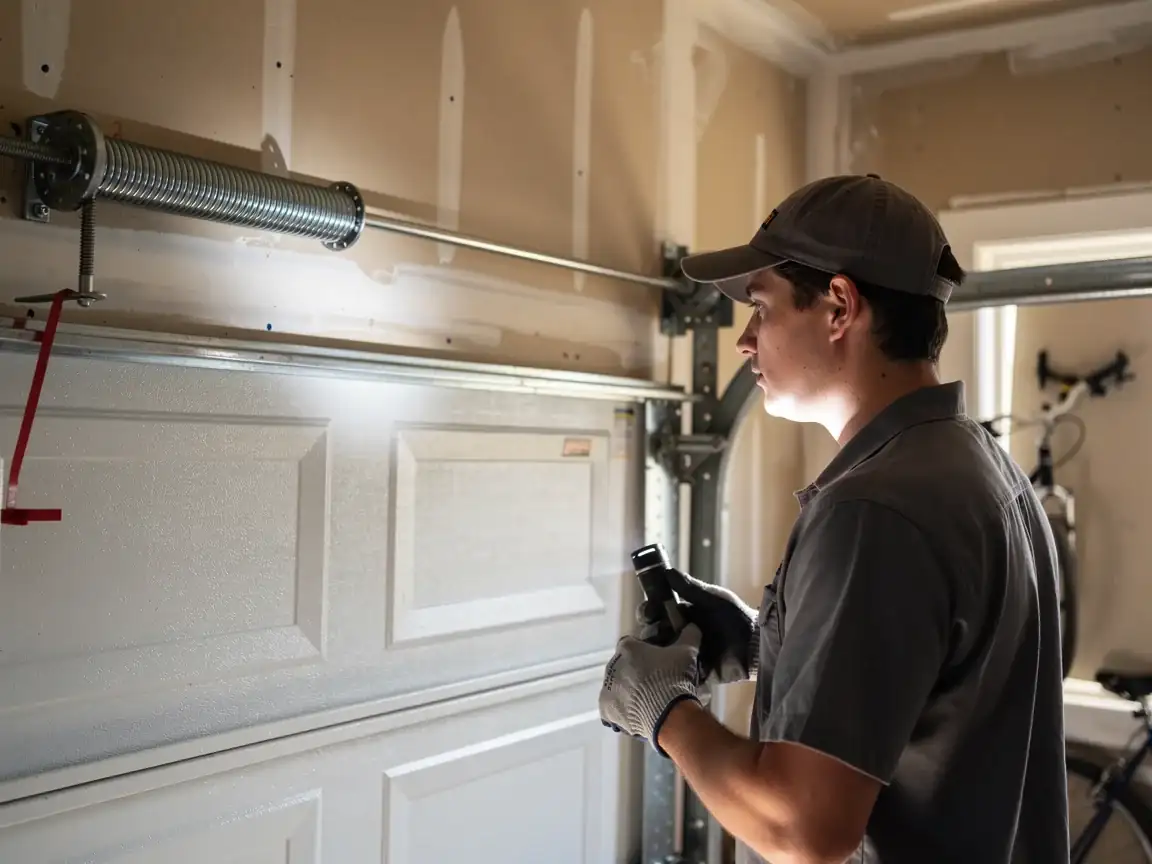
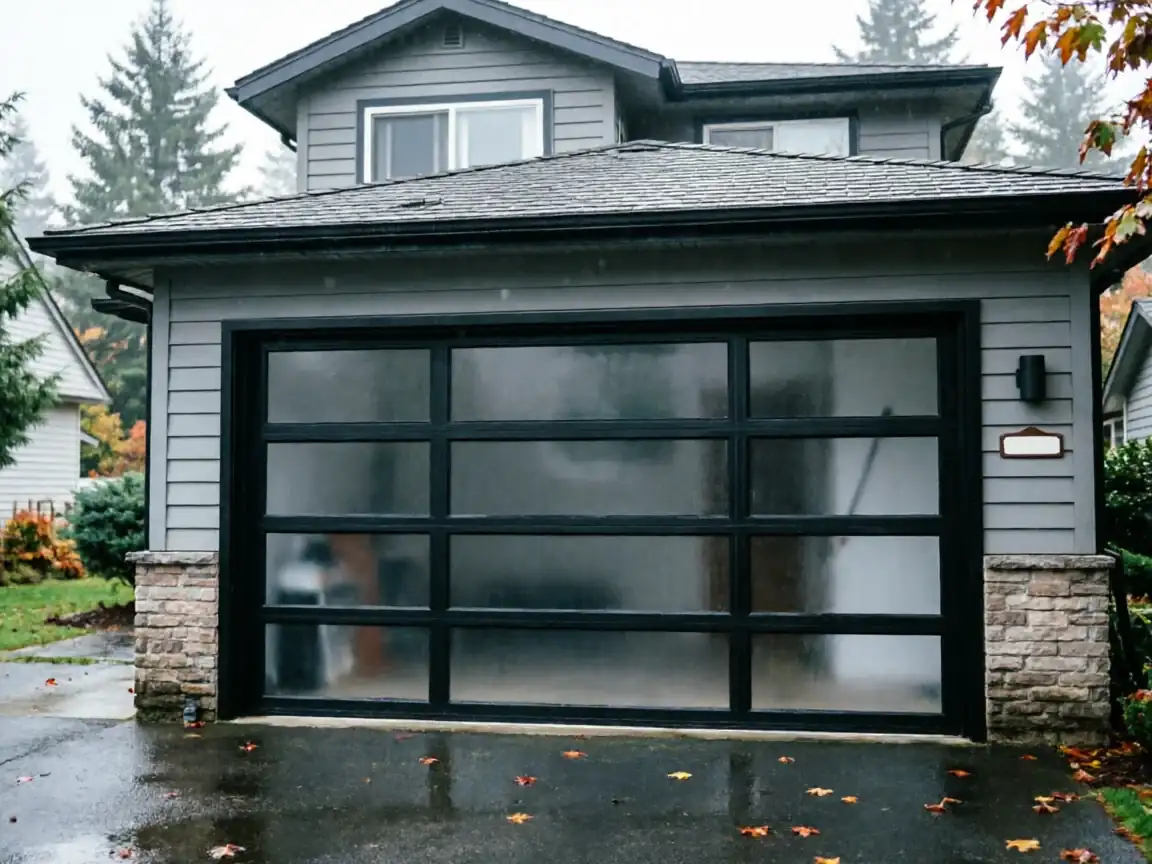
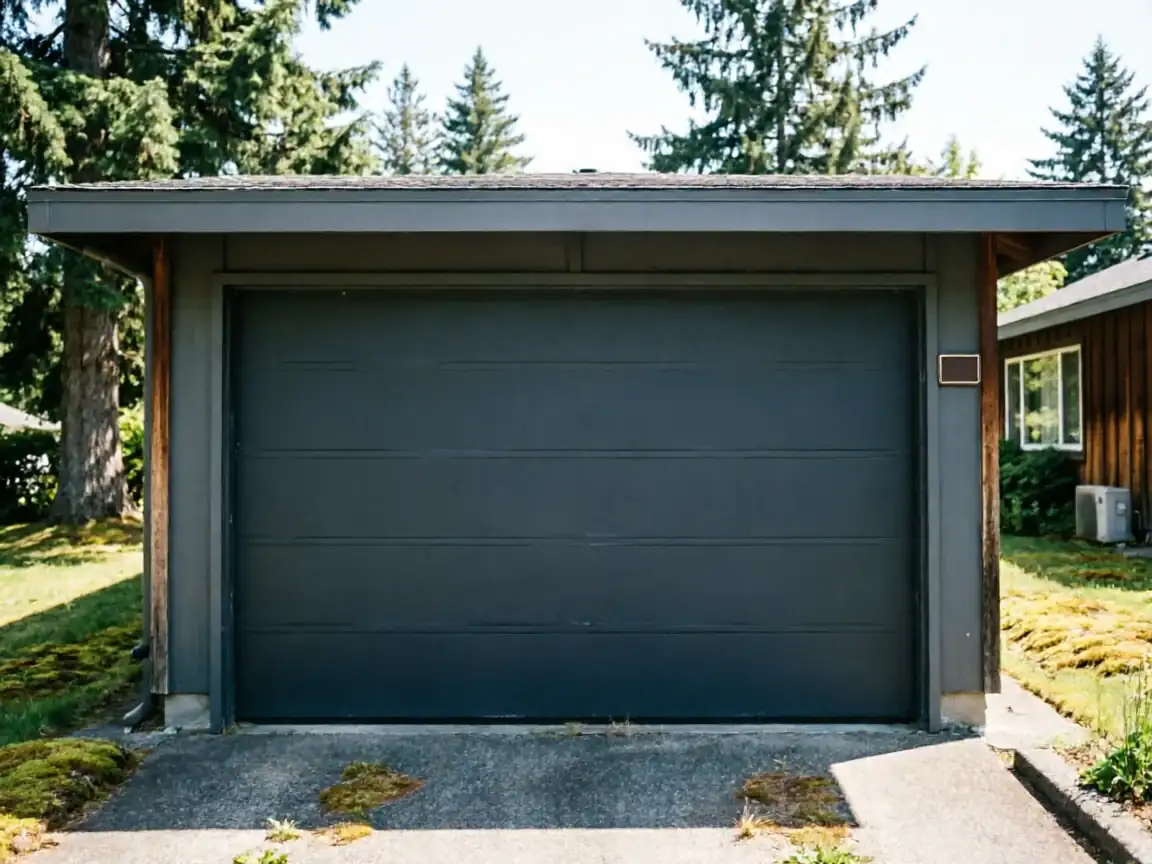
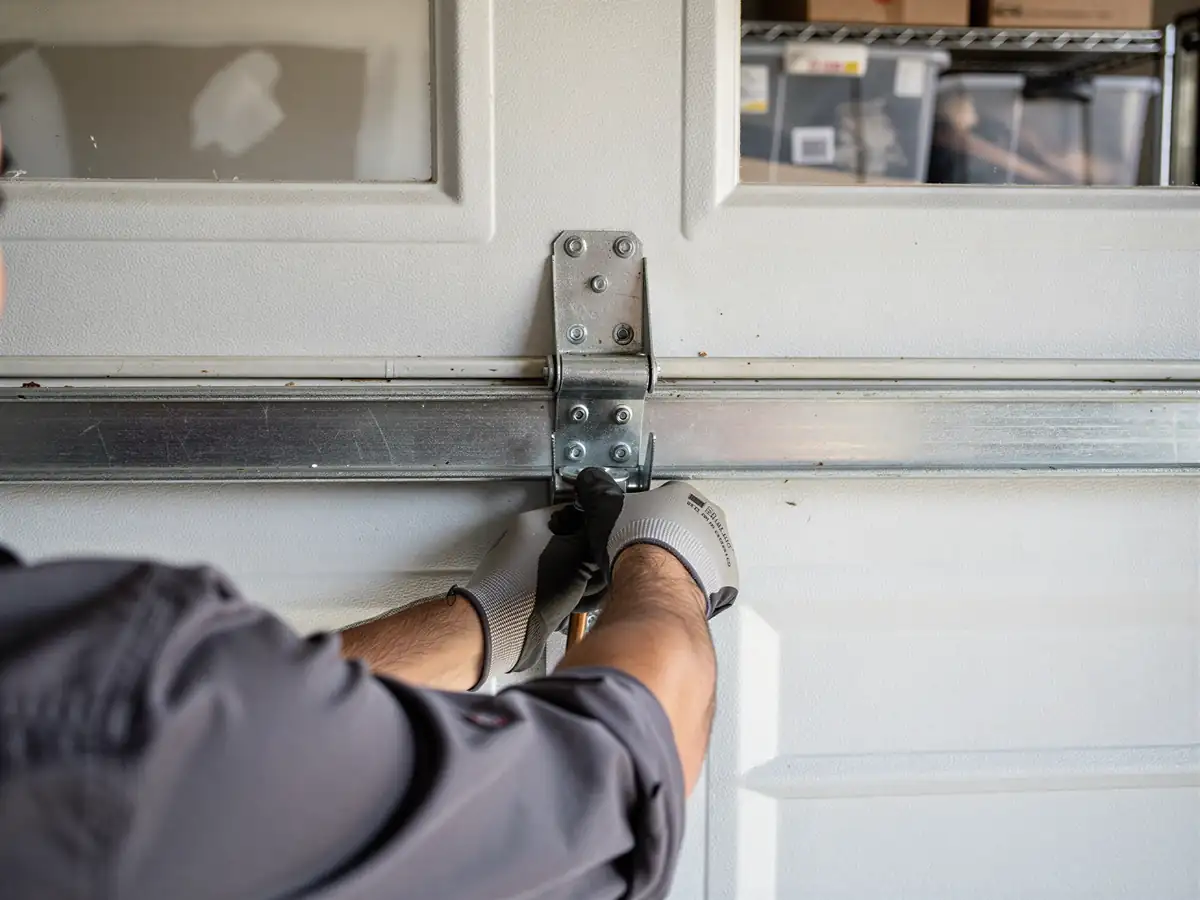
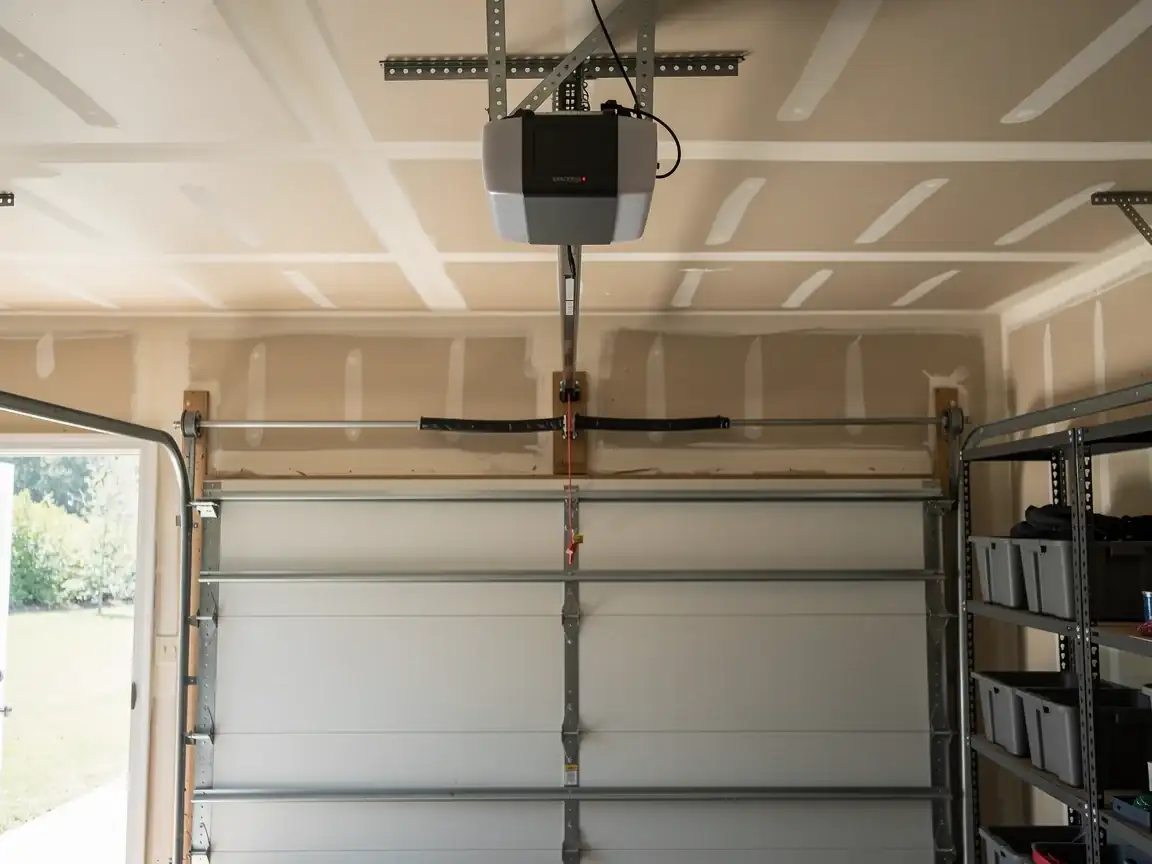
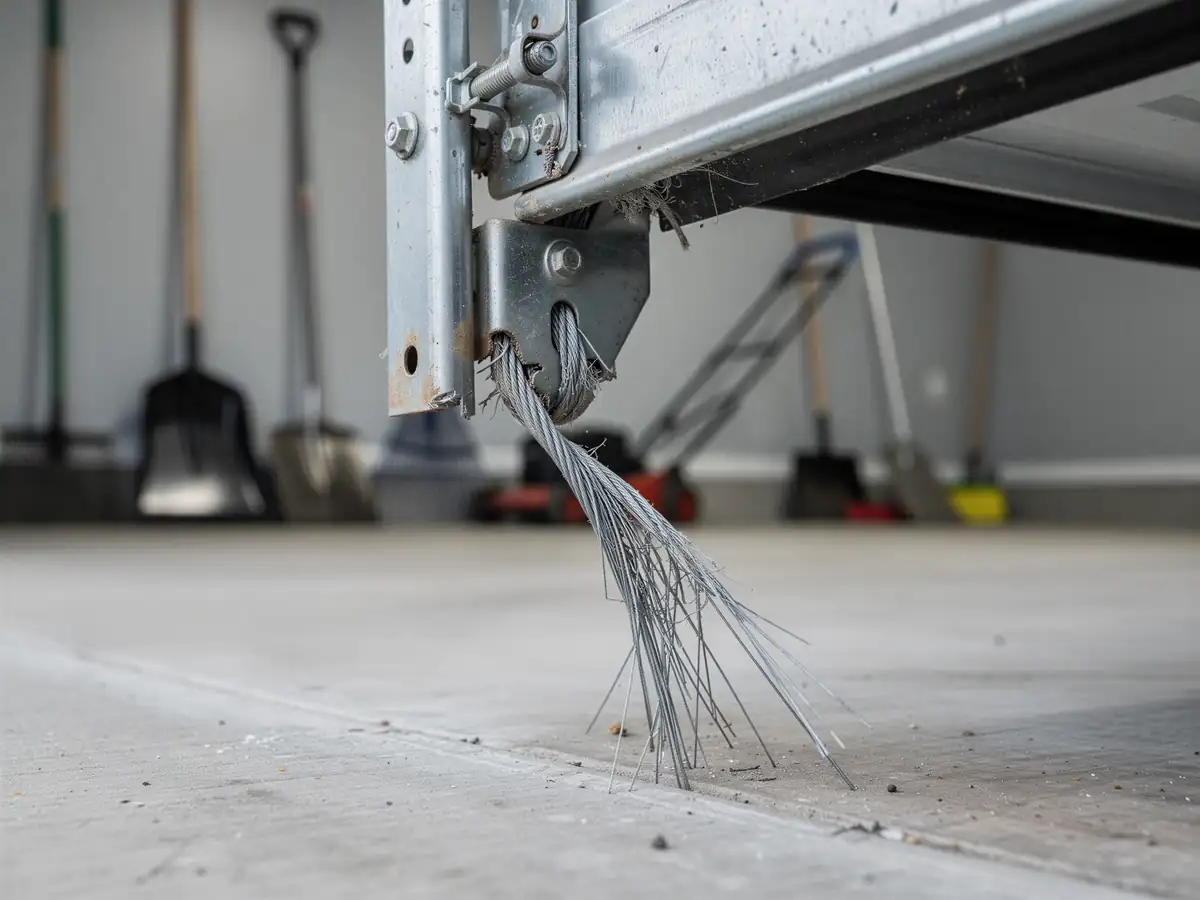
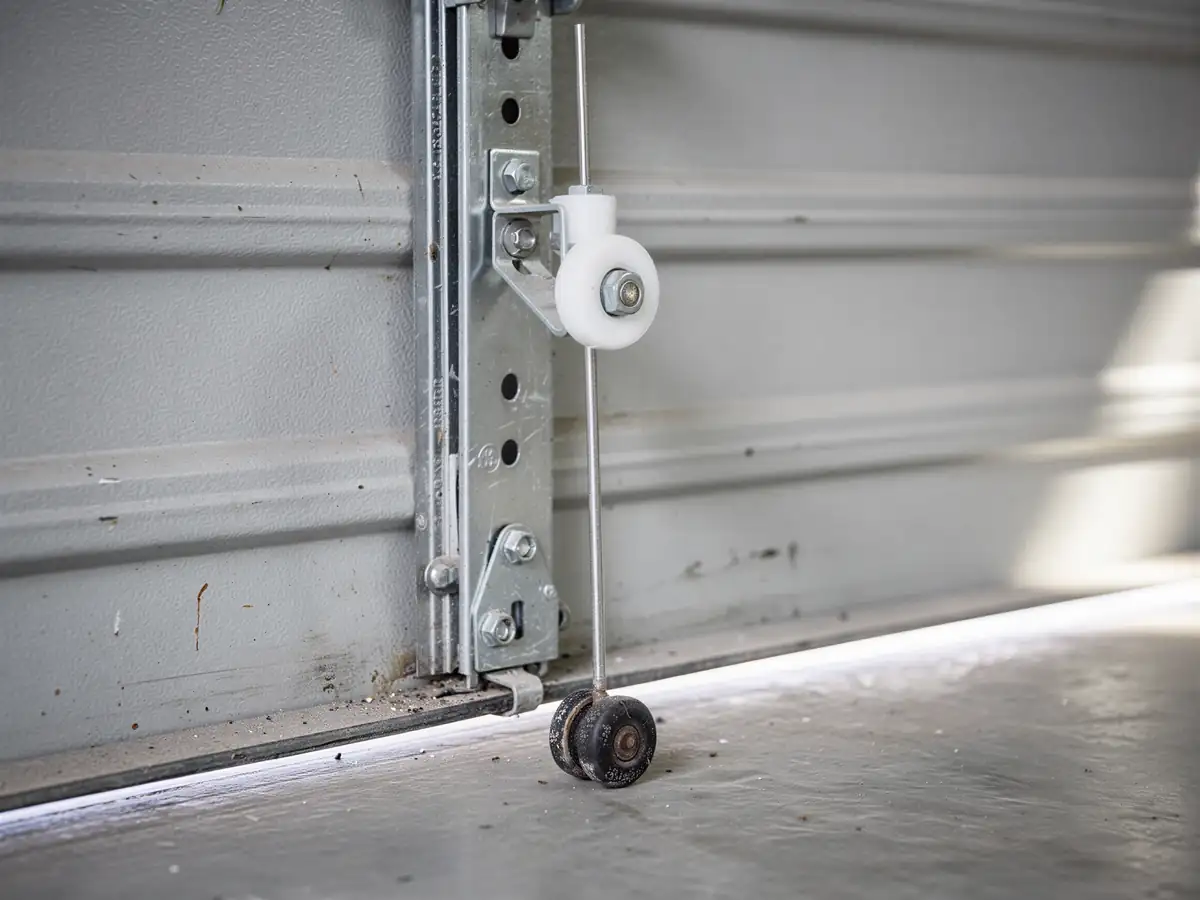
The cold-moderate climate this area sits in doesn't produce the frost-heave failures you'd see further inland, but it does mean steady damp and temperature swings that work on steel over 35-plus years - rust at the bottom panel seam, roller shafts seizing in their brackets, weatherstrip that's gone stiff and stopped sealing. On a door from the mid-80s, that's the age we're usually fighting, not a design flaw. The torsion springs common to this era's doors are rated for a service life that most of them have now exceeded, so a spring that lets go without warning on a Brier door built around 1986 is closer to expected than unusual. We don't recommend replacing a door just because it's original - plenty of these panels are solid - but once the springs, rollers, and opener are all original to a house this age, it's often cheaper over time to replace the whole system at once rather than keep repairing it piece by piece.