Where People Go Wrong
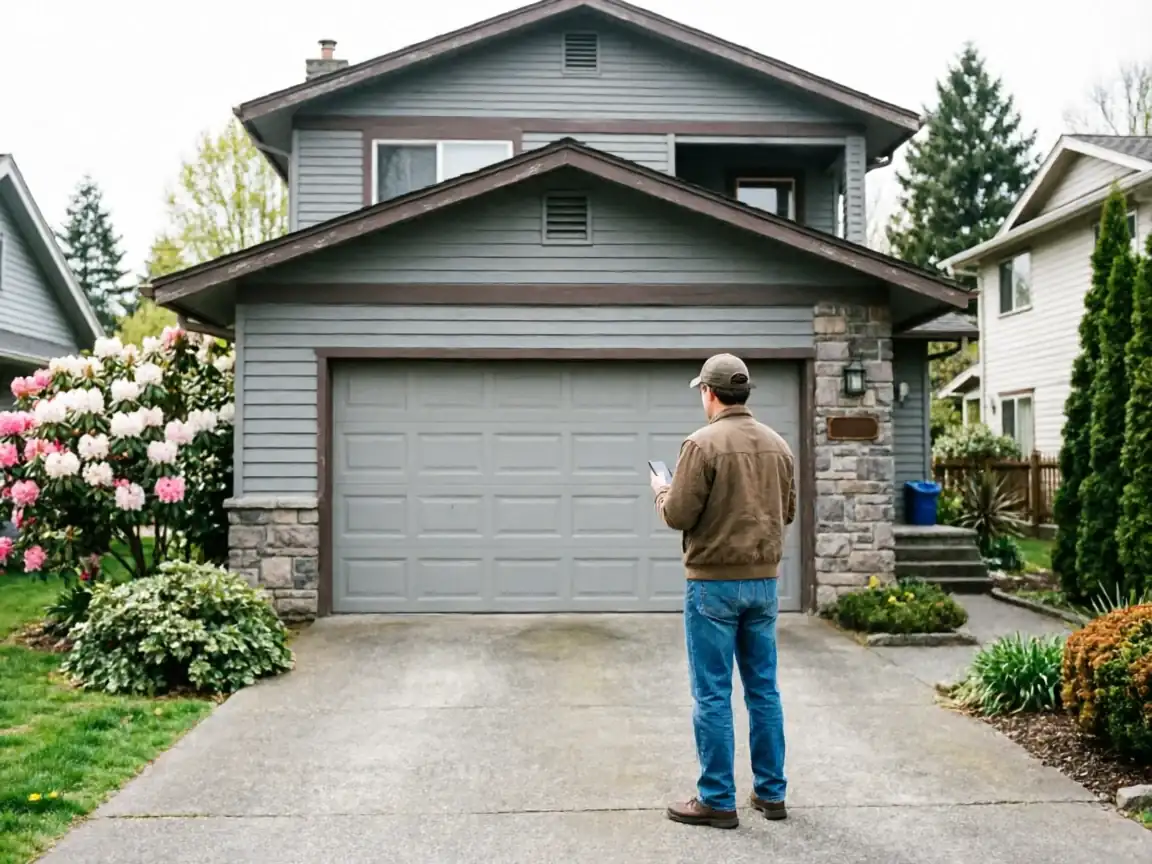
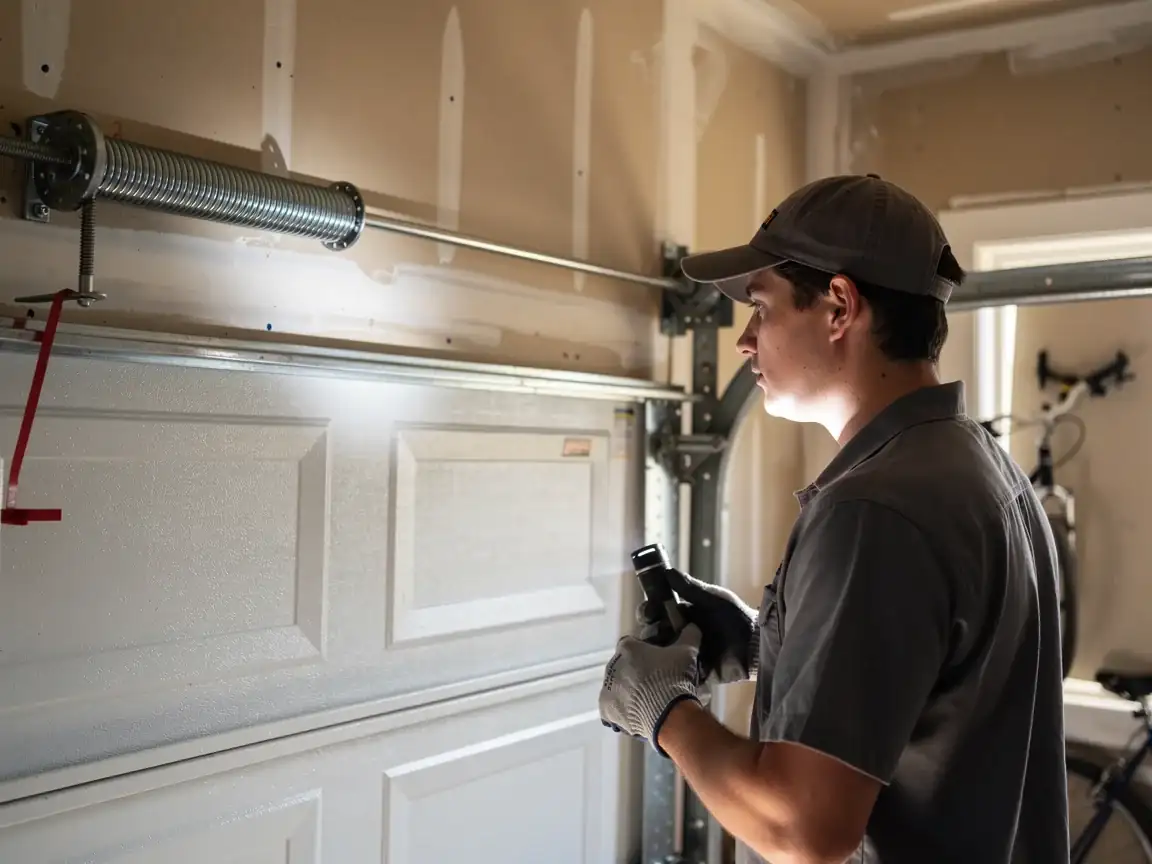
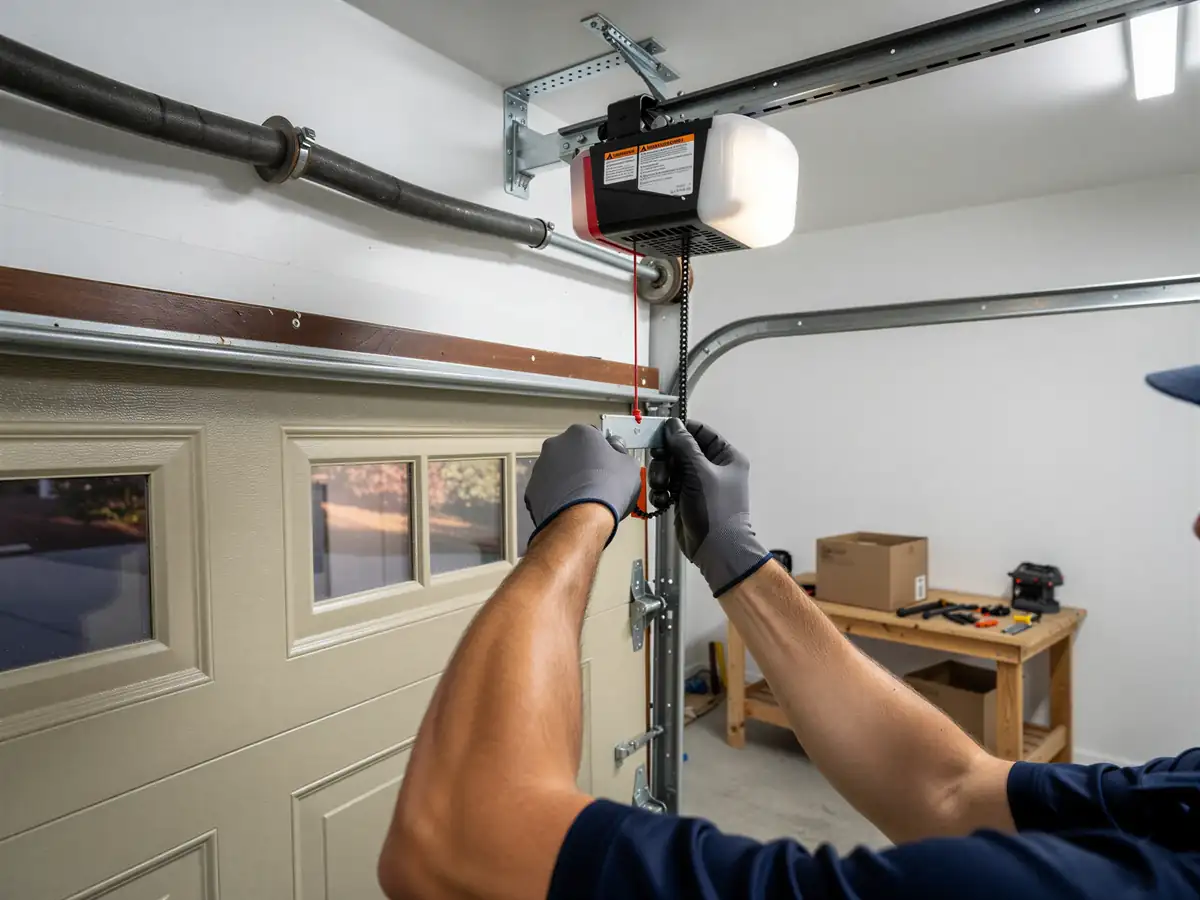
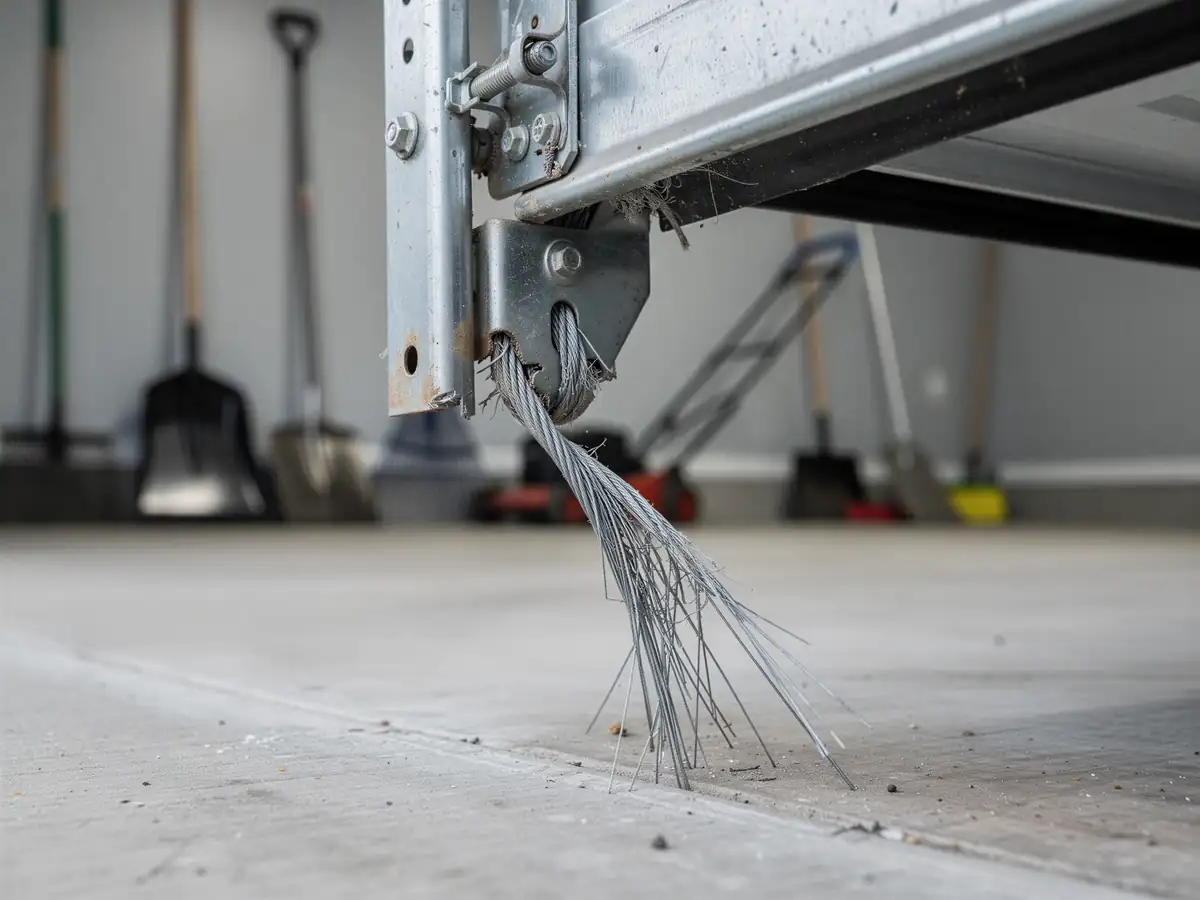
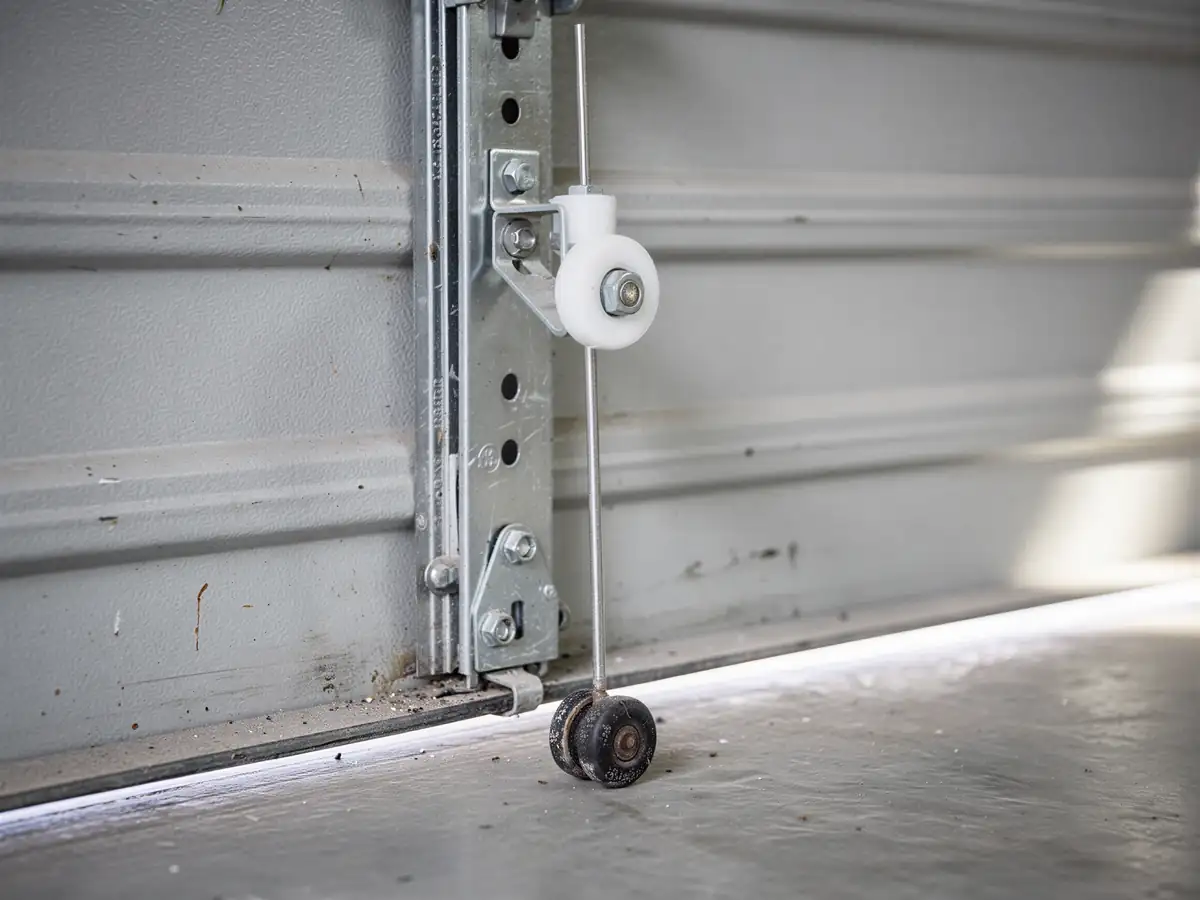
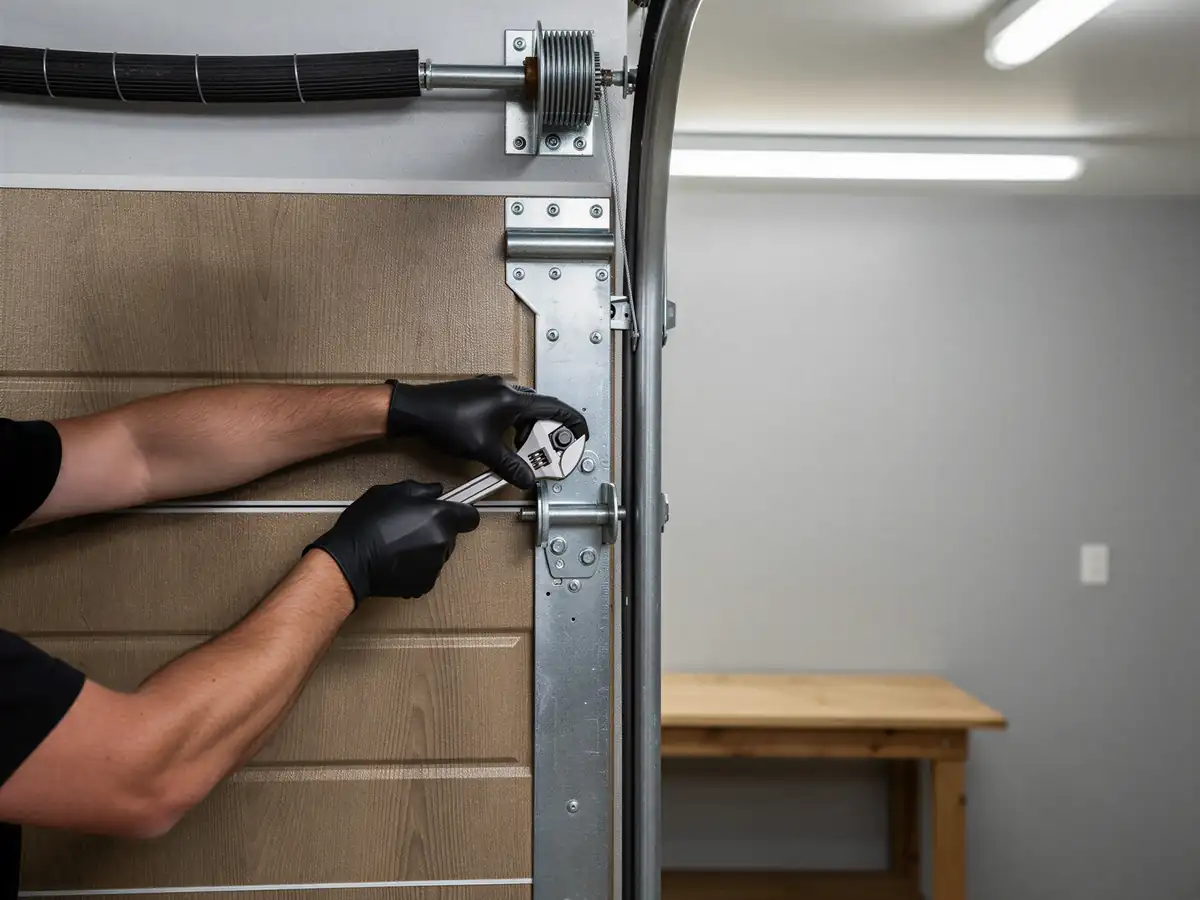
Most houses on this side of Woodinville went up between 1972 and 2005, with the median build year sitting around 1985. That matters because a huge share of the doors and openers we see on service calls are original to the house, or close to it. Homeowners often treat a noisy door or a slow opener as cosmetic - lube the hinges, maybe swap a roller, call it done. But on a door that's been running since the Reagan administration, a noisy track usually means the spring is carrying uneven tension, not that the hardware needs grease. We get calls where someone has replaced the remote twice before anyone checked whether the cable was fraying at the drum. The mistake isn't laziness, it's guessing at the wrong part. On a door this old, the symptom you can hear almost never points to the part that's actually failing. A proper call starts with the spring and cable, not the opener.
The Situation
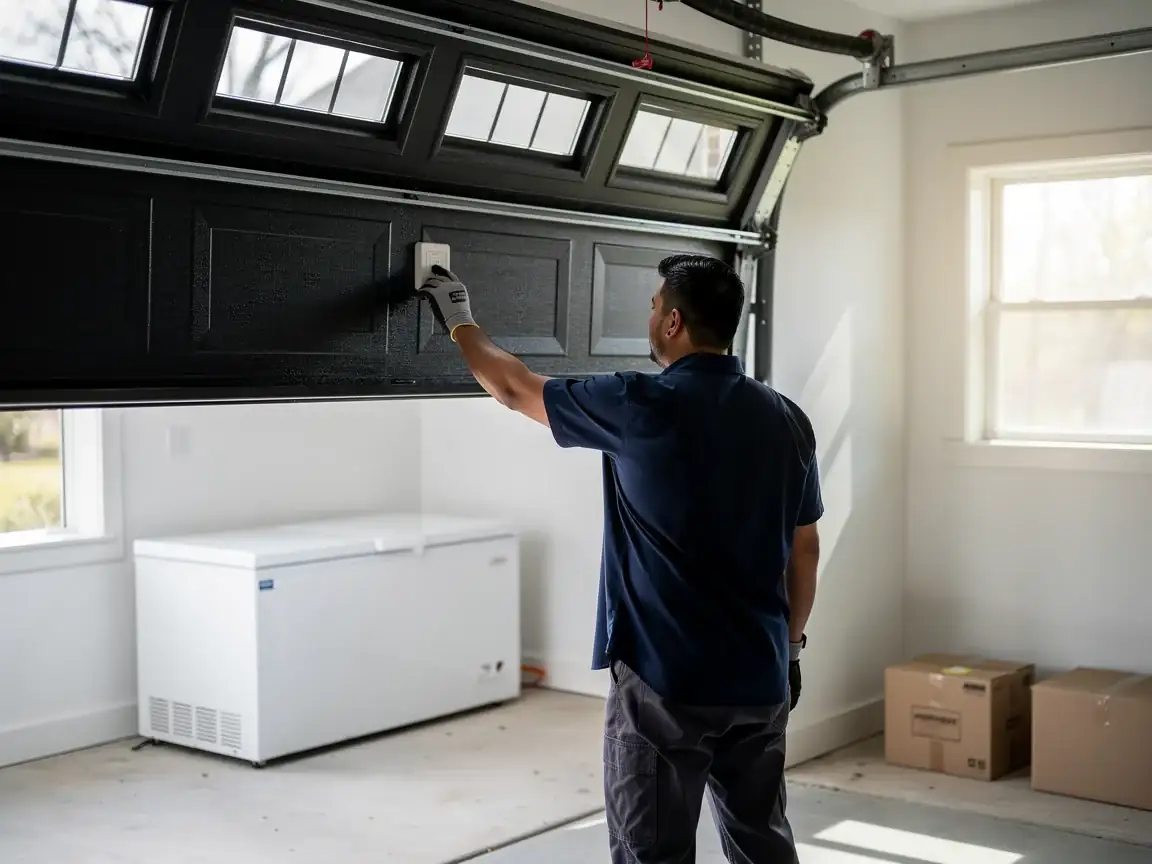
The Woodinville service area covers 44,156 households and roughly 31,680 owner-occupied houses, and across the 24 named areas in that footprint the housing stock is overwhelmingly from the 1980s and 90s. With median household income around $140,572 in this area, most owners aren't choosing a $40 fix over a $400 one out of necessity - they're choosing it because nobody's told them the cheap fix doesn't address what's actually wearing out. The real situation is this: a door built in 1985 was engineered to a spring cycle count that's long since passed, running hardware that was never meant to be serviced forever. At some point replacing the spring set, cable, and rollers together costs about the same as doing them one at a time over three separate calls, and it fixes the door once instead of three times.
What the Weather Here Does to It
This area sits in a cold, moderate climate band - not the extreme freeze-thaw of the Midwest, but enough seasonal damp and temperature swing to matter over thirty or forty years. Steel torsion springs and tracks don't like sitting in a garage that goes from cold and wet in winter to warm and humid in summer; that cycle is what turns a spring coil slightly rusty at the ends, which is exactly where it's most likely to snap. Weatherstripping on doors from the 1980s stock has usually hardened and cracked by now, which lets in enough moisture to accelerate rust on the bottom panel and the track's lower section. We can't stop that cycle, but we can tell you when a door's hardware has had enough of it - and sometimes the honest answer is that a worn seal and a slightly rusted track aren't worth a full repair call yet, just a note to watch.