How It Shows Up
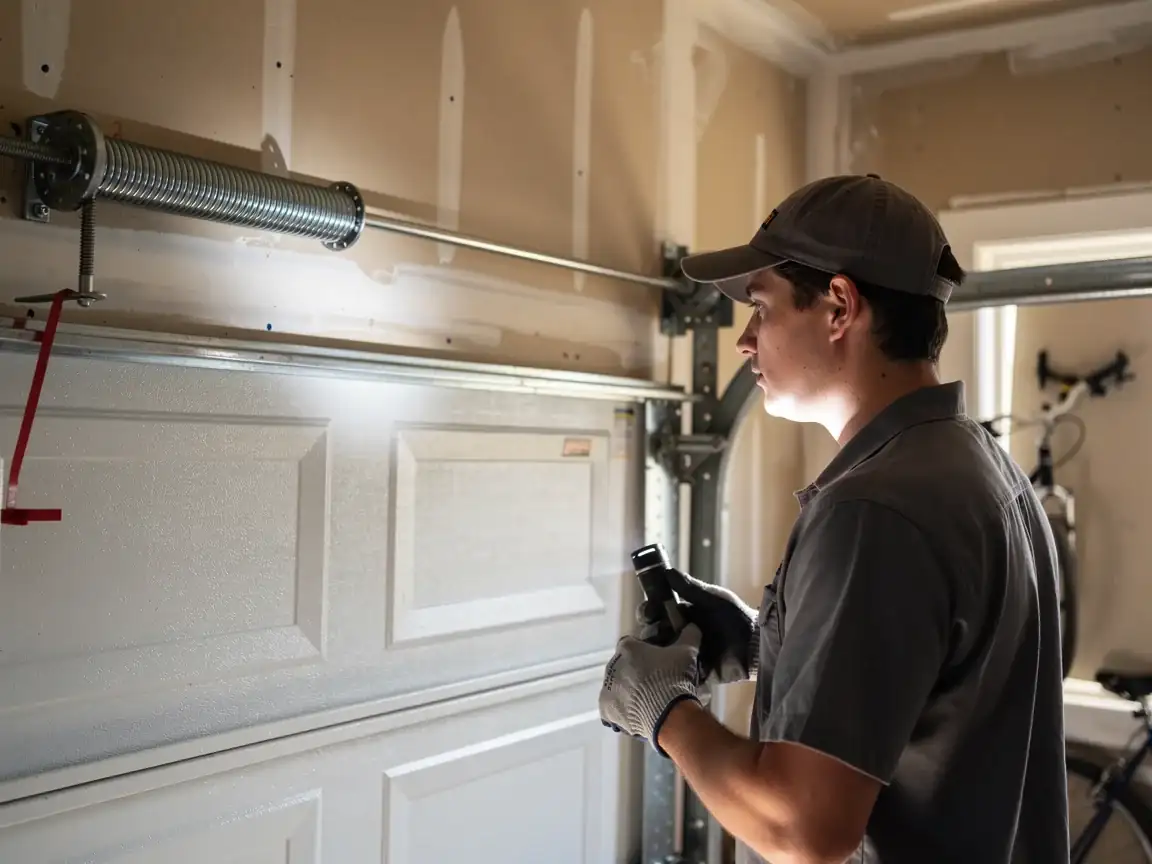
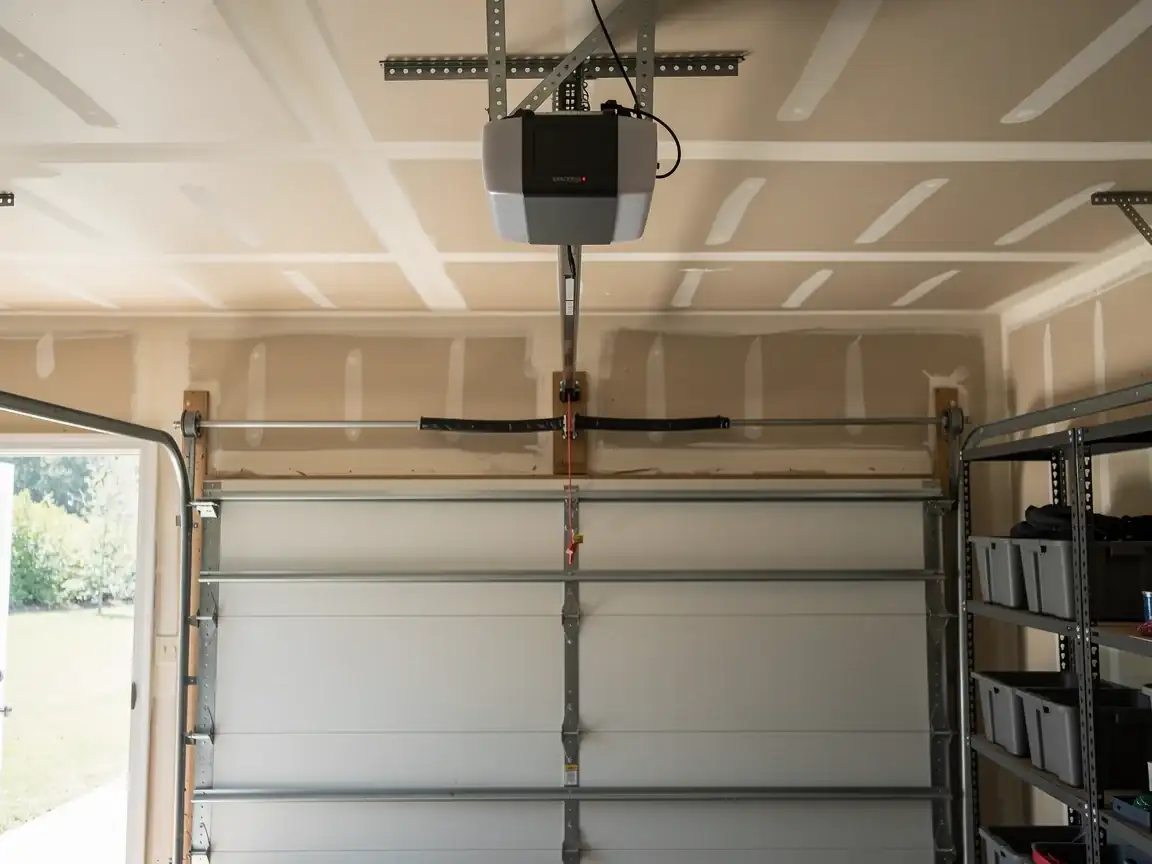
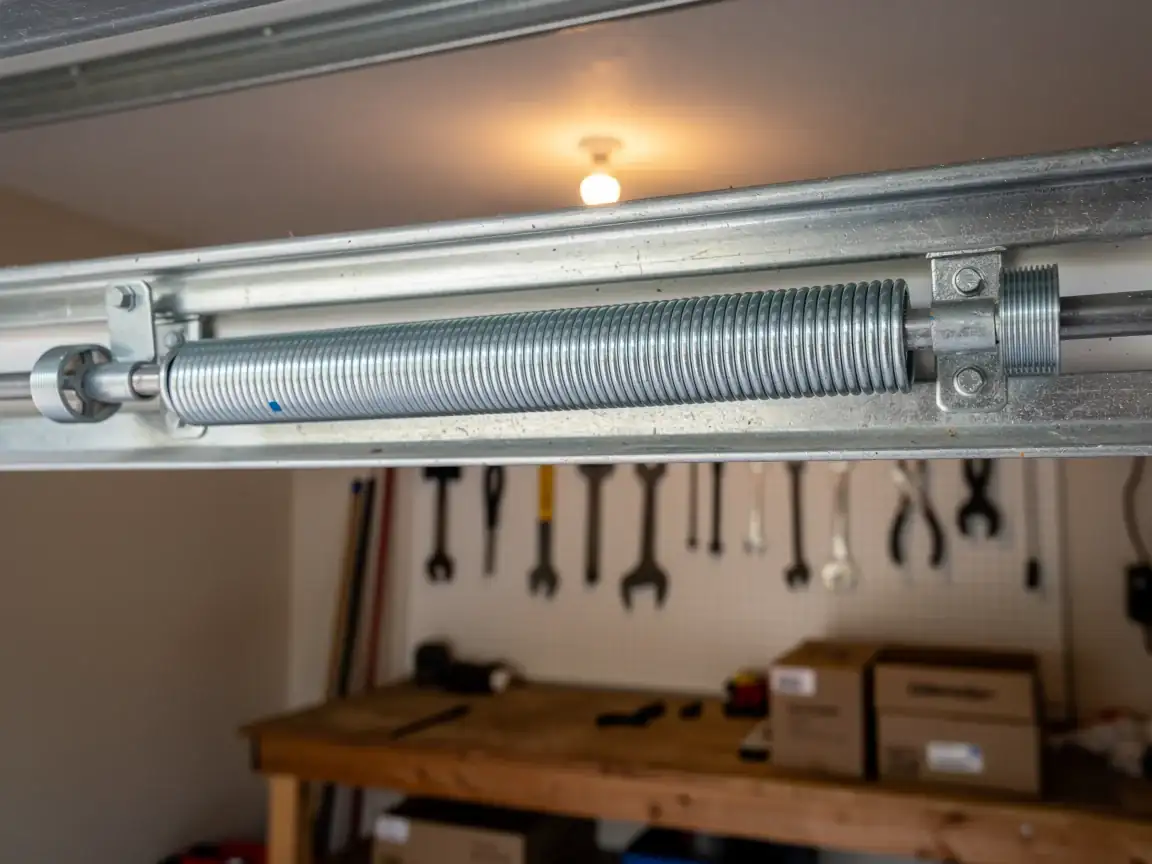
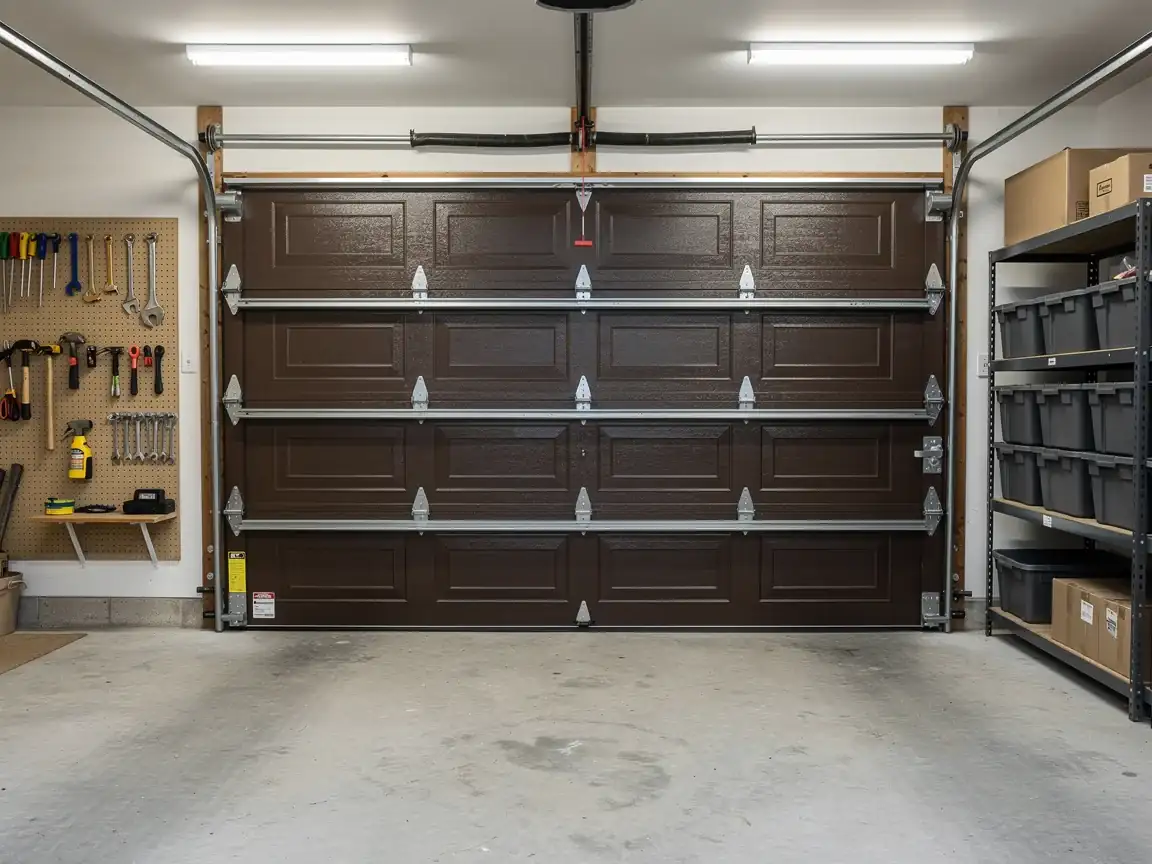
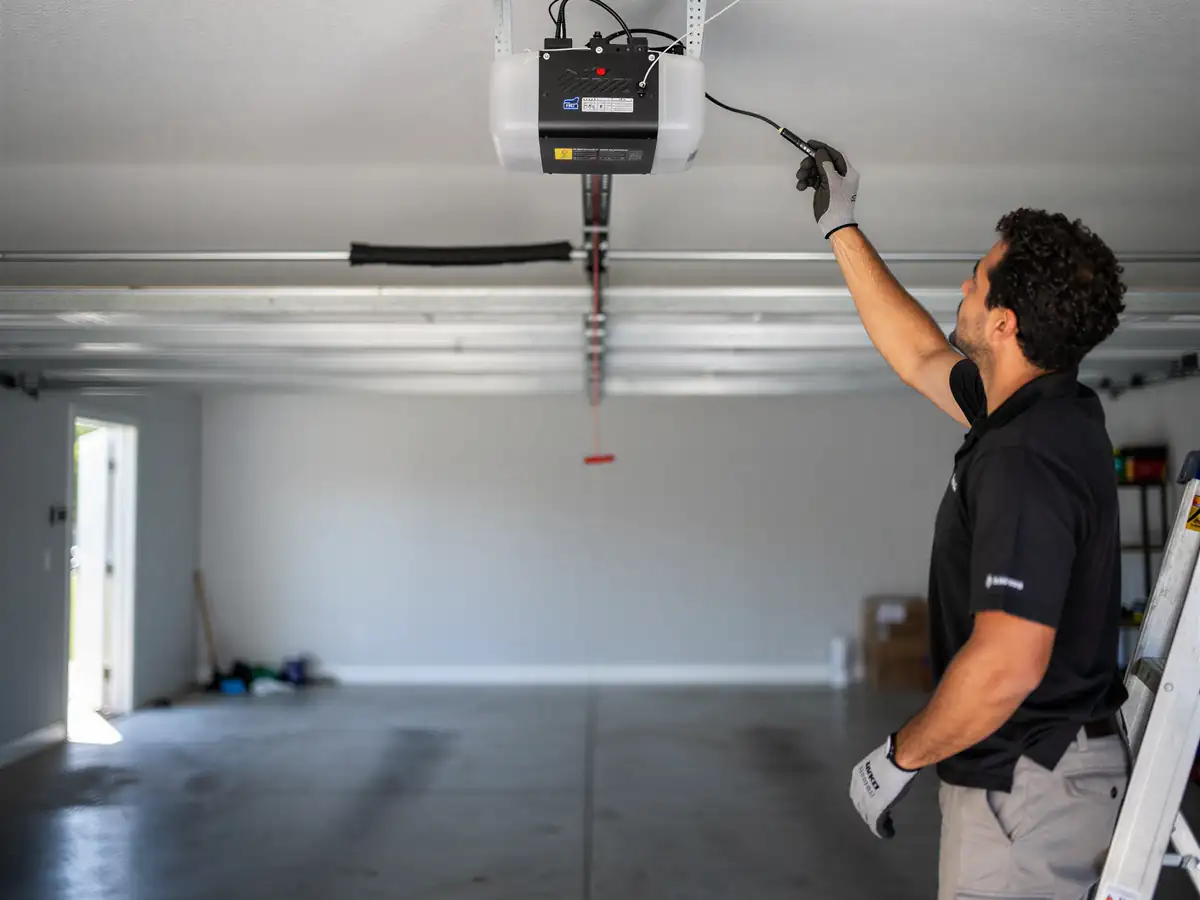
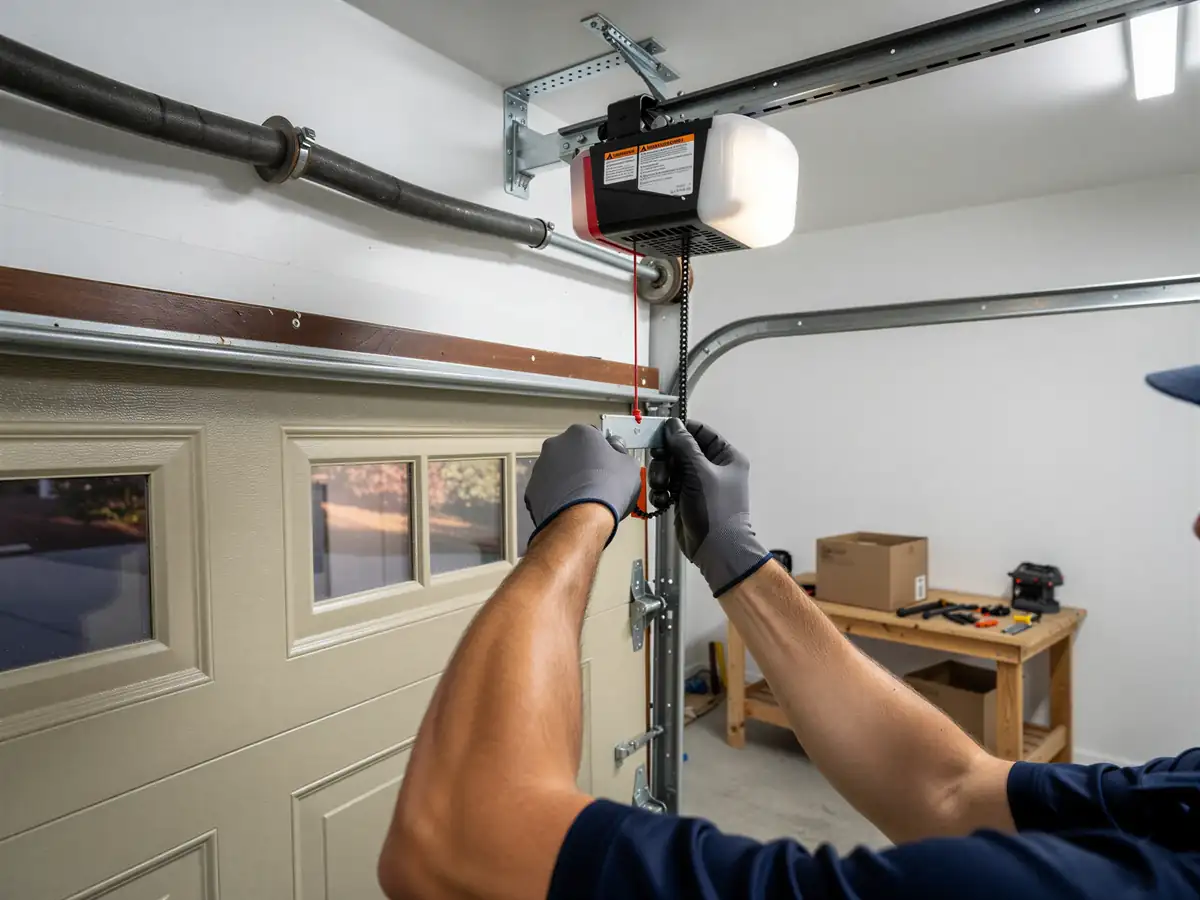
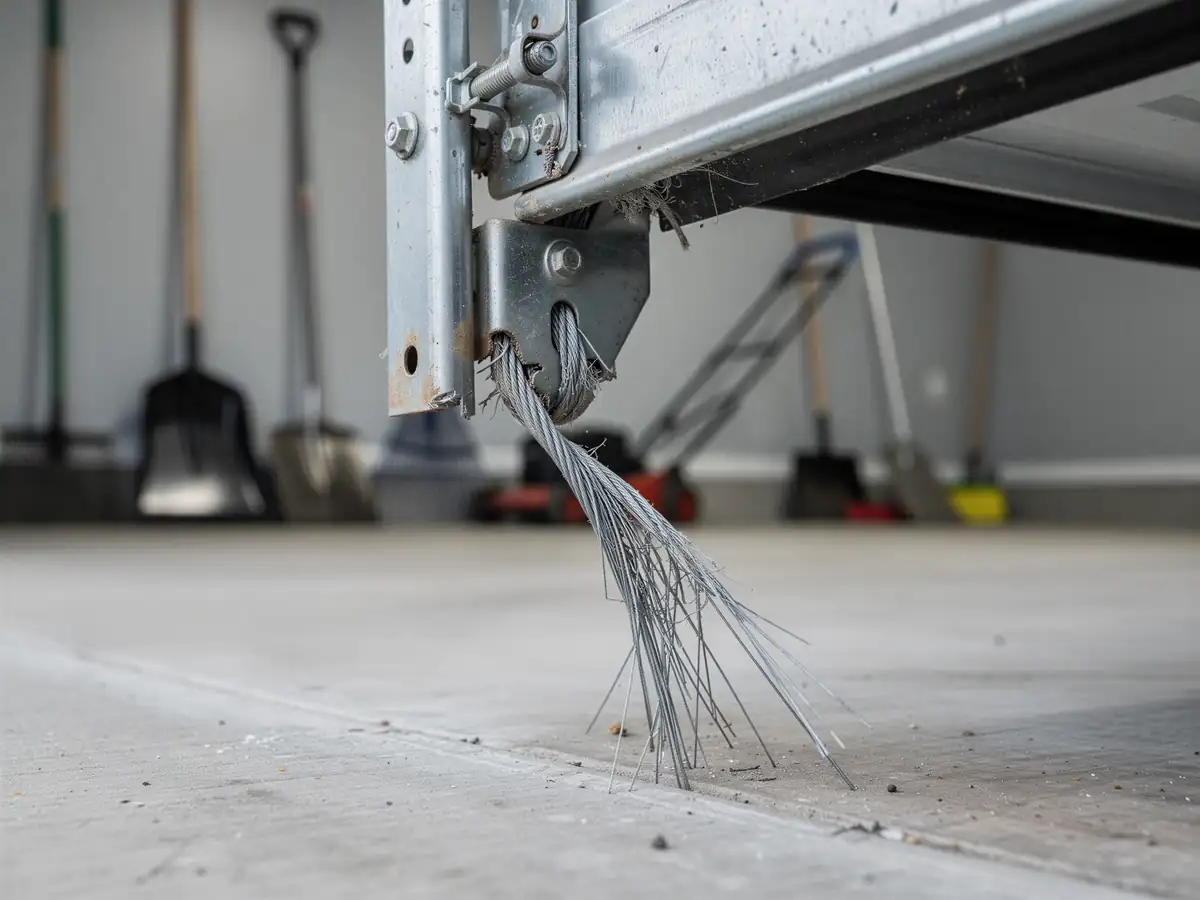
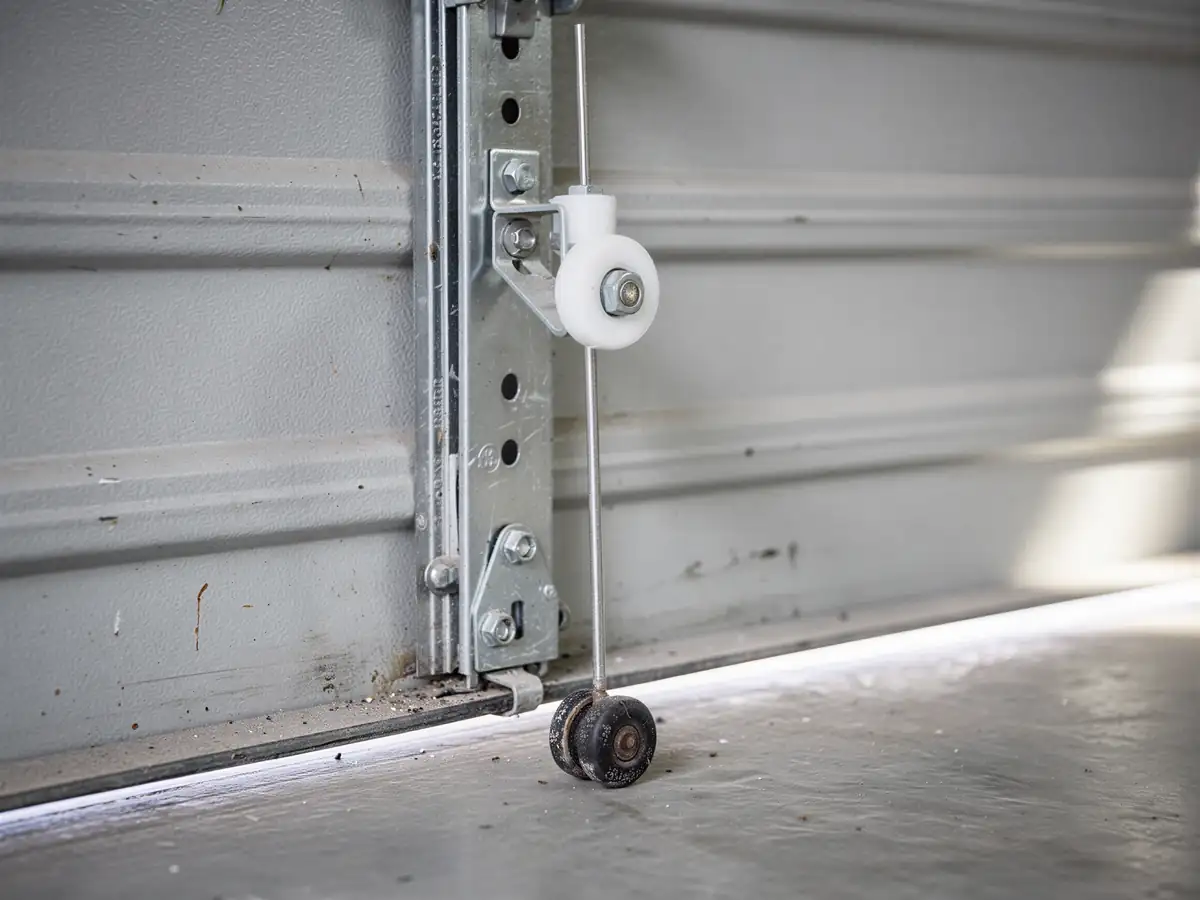
The first sign is rarely a door that won't open. It's a door that opens slower than it used to, or makes a new sound on the way down. Rollers start chattering in the track before they seize. A torsion spring loses a coil of tension gradually, so the opener motor works harder each month to compensate, until one day it can't anymore and the cable jumps the drum. Weatherstripping along the bottom panel cracks and curls, letting cold air and moisture into the garage long before anyone notices a draft. None of this happens overnight, which is exactly the problem - by the time a homeowner calls because the door is stuck, the spring has usually already failed rather than just worn. Maintenance is about catching the chatter, the slow opener, the curling seal, before any of that turns into a cable off the drum or a panel that won't track straight. On a door that's been running the same hardware for two or three decades, these small signs are the only warning you get.
What Causes It Around Here
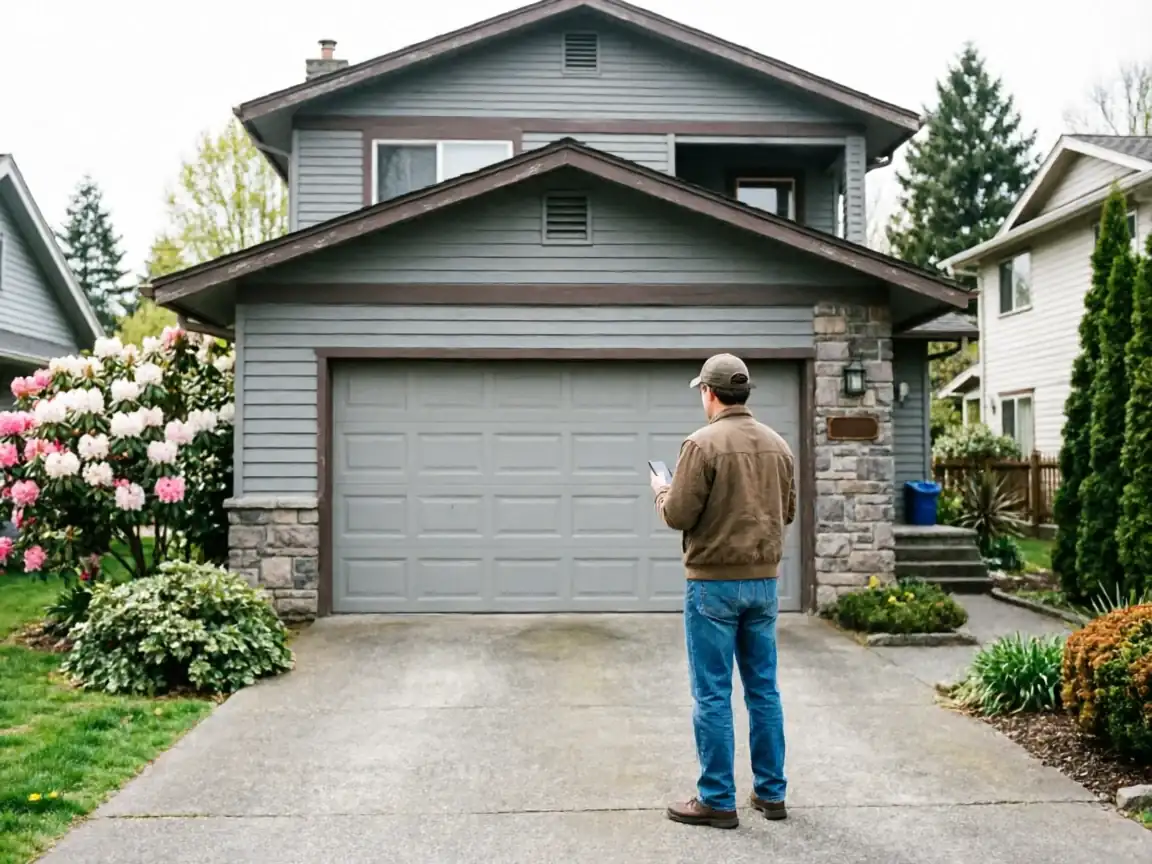
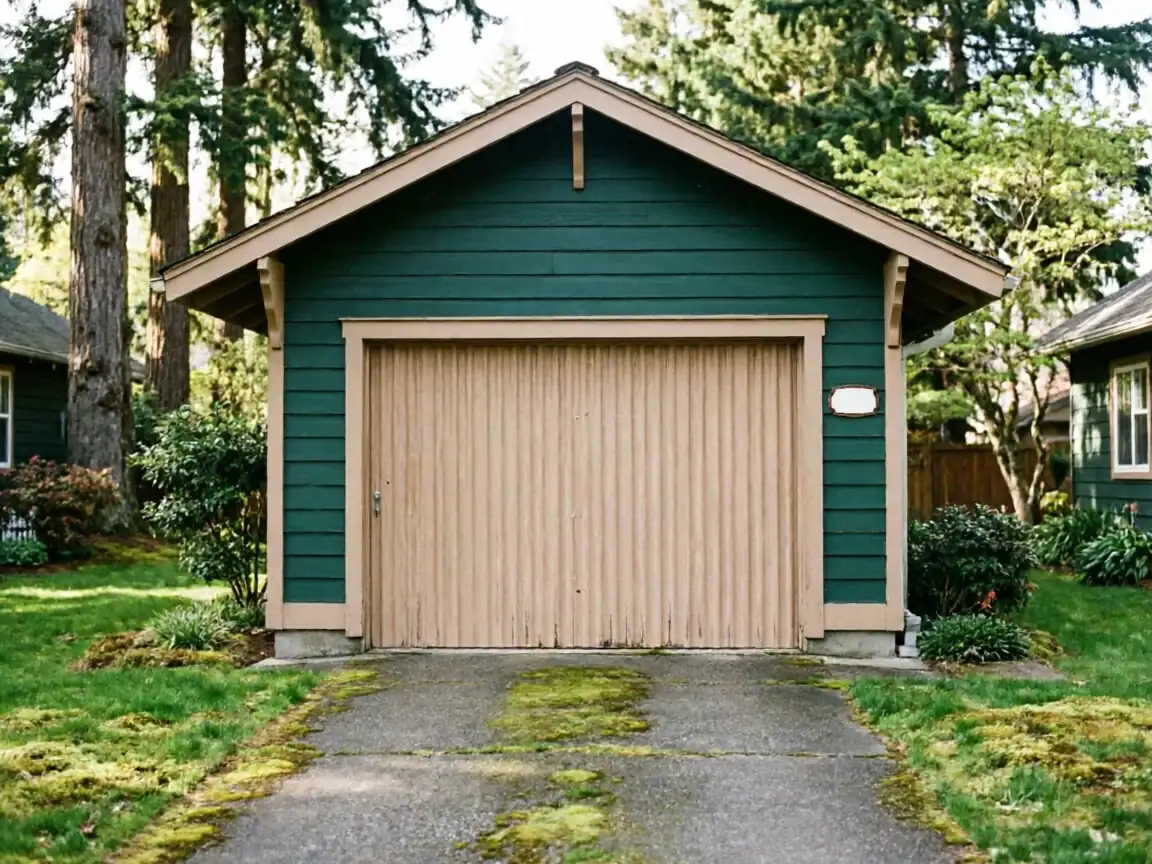
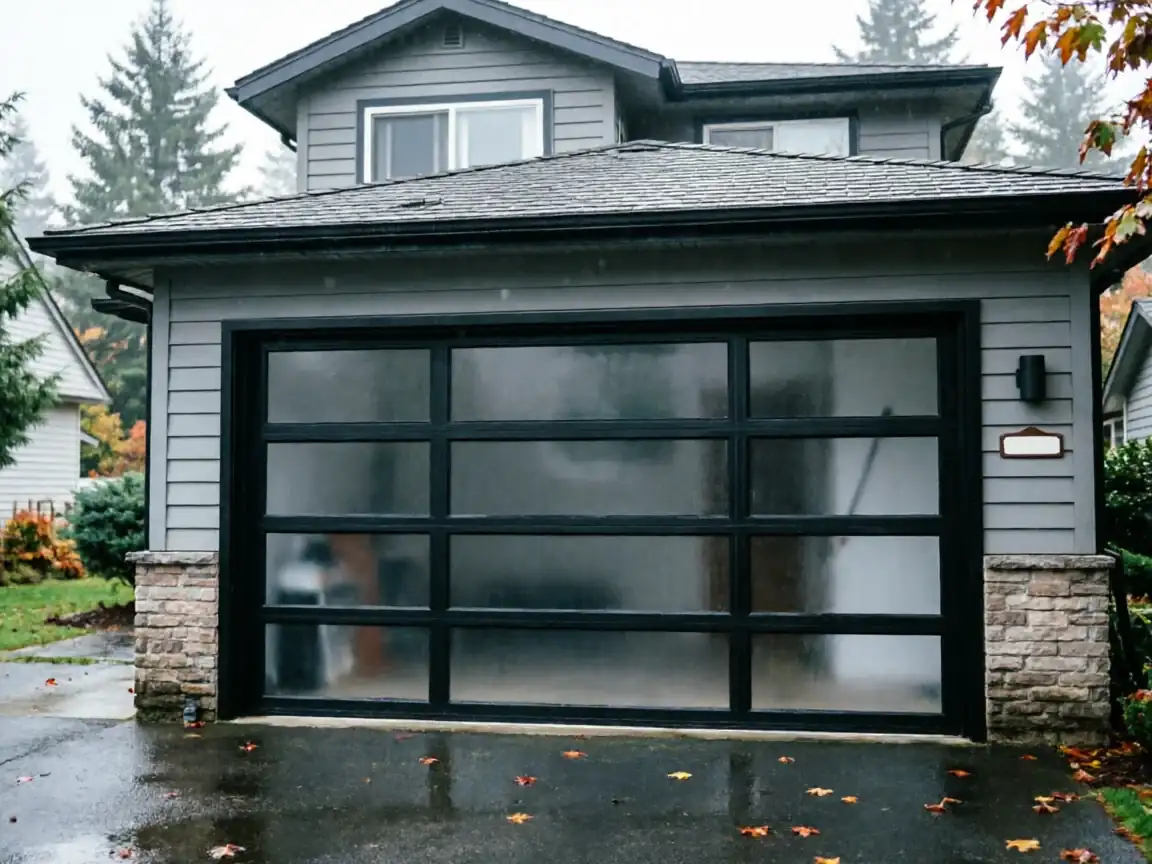
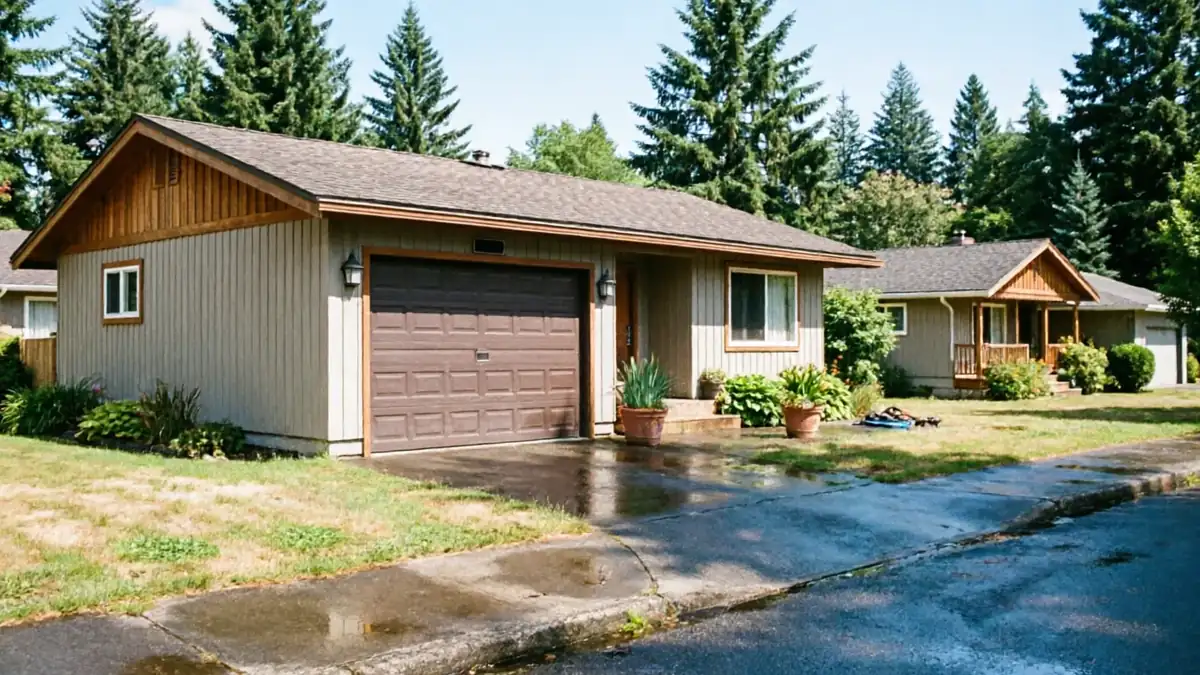
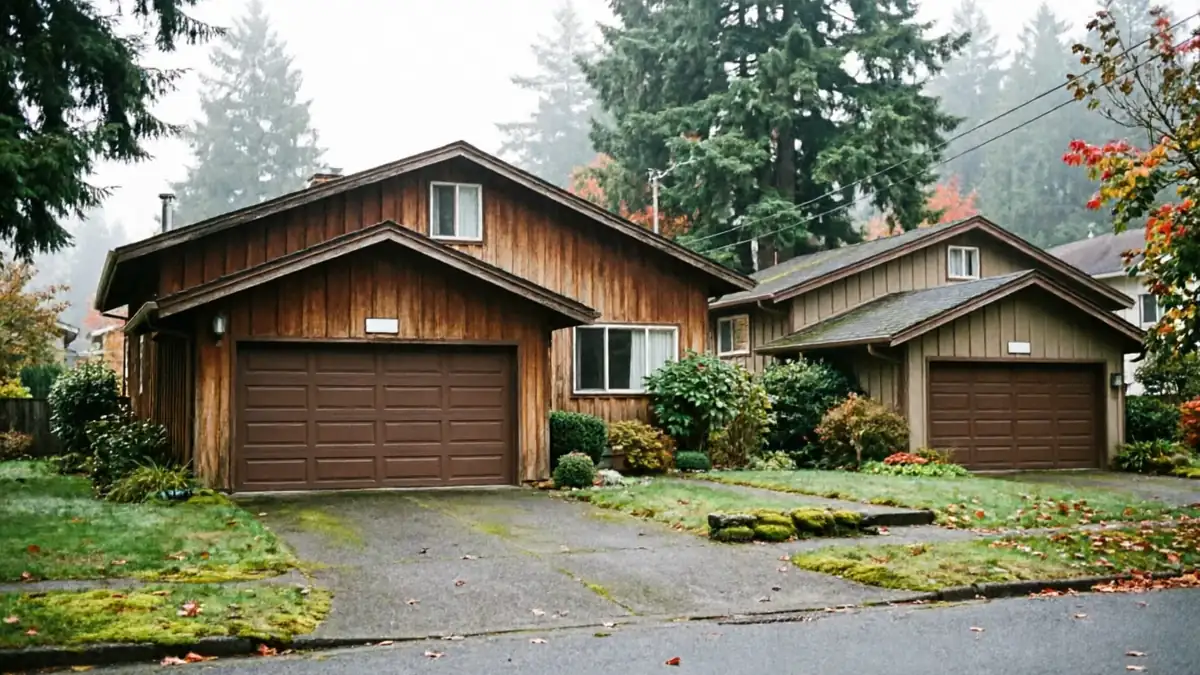
Housing across Woodinville's service area mostly went up between 1972 and 2005, with the bulk of it built in the 1980s and 90s - median build year sits around 1985. That means a huge share of garage doors still running today came with hardware designed for a 20 to 30 year service life, and a lot of it is now well past that mark without ever having been serviced. Original torsion springs on these houses weren't built with maintenance schedules in mind; they were built to last the first owner's tenure, not two or three. Across the 24 named areas this covers, that same era of construction repeats itself, so the same spring fatigue and roller wear show up house after house. Add the climate - Woodinville sits in a cold, moderate band, with damp winters and drier summers that put steel hardware through a yearly expansion-and-contraction cycle. That cycle loosens track bolts, stiffens lubricant, and accelerates corrosion on springs that were never sealed against moisture. A door built in 1985 in a climate like this needs more frequent checks than the same door would in a dry, mild one.
Getting It Booked In
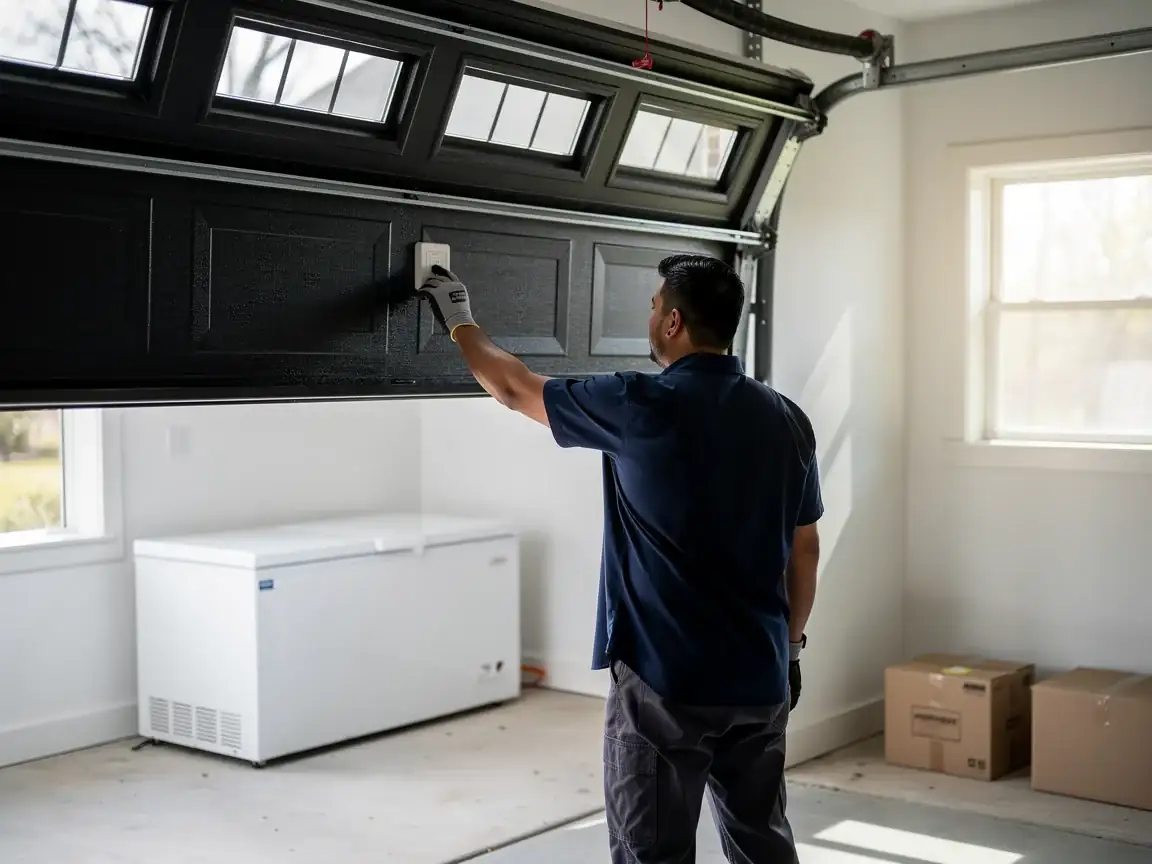
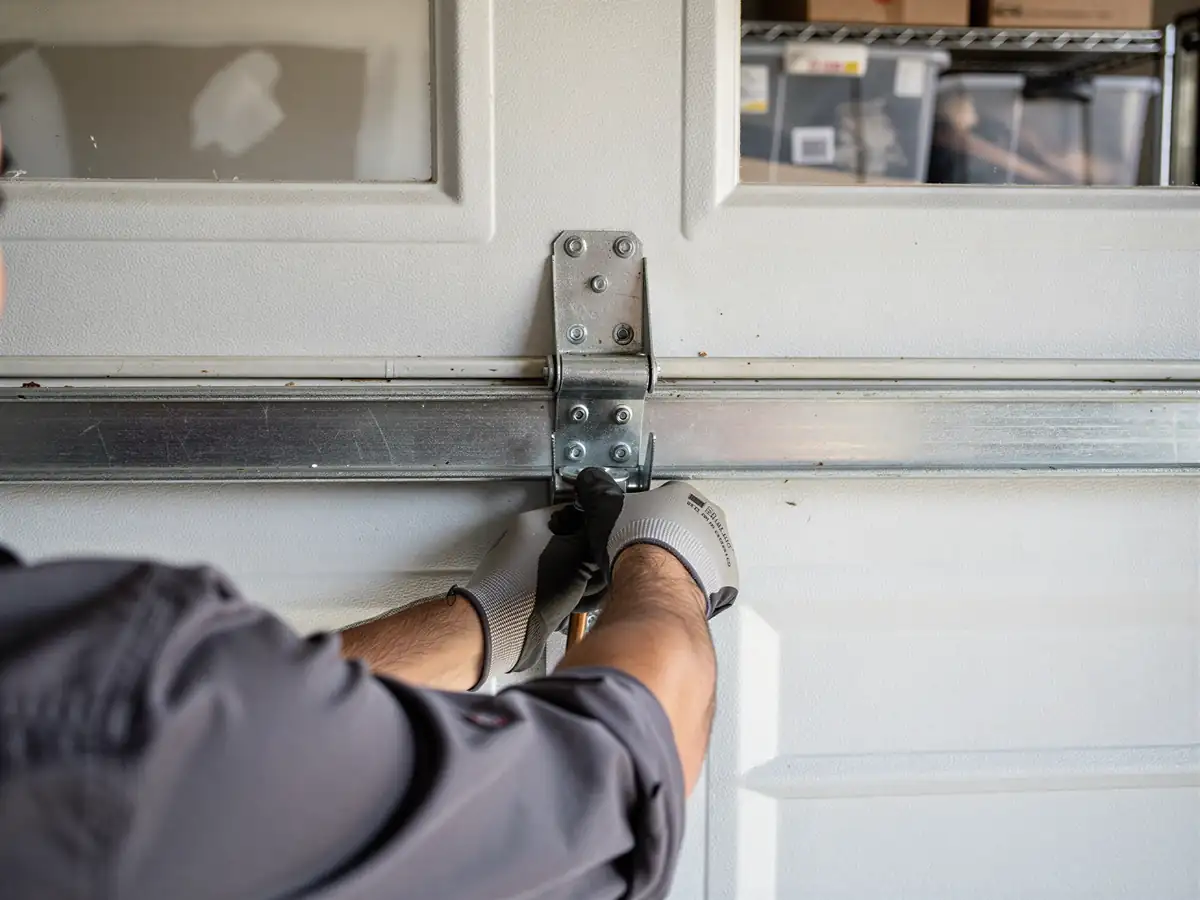
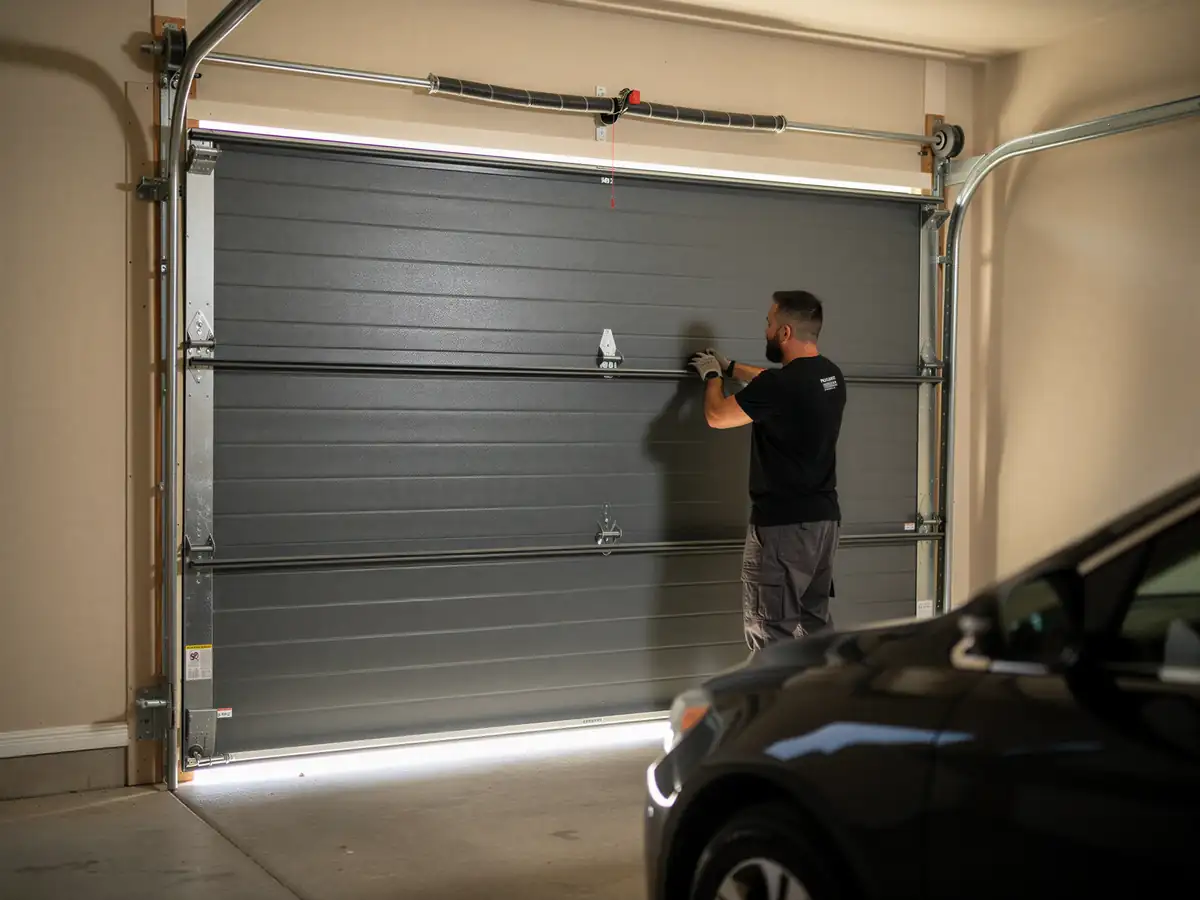
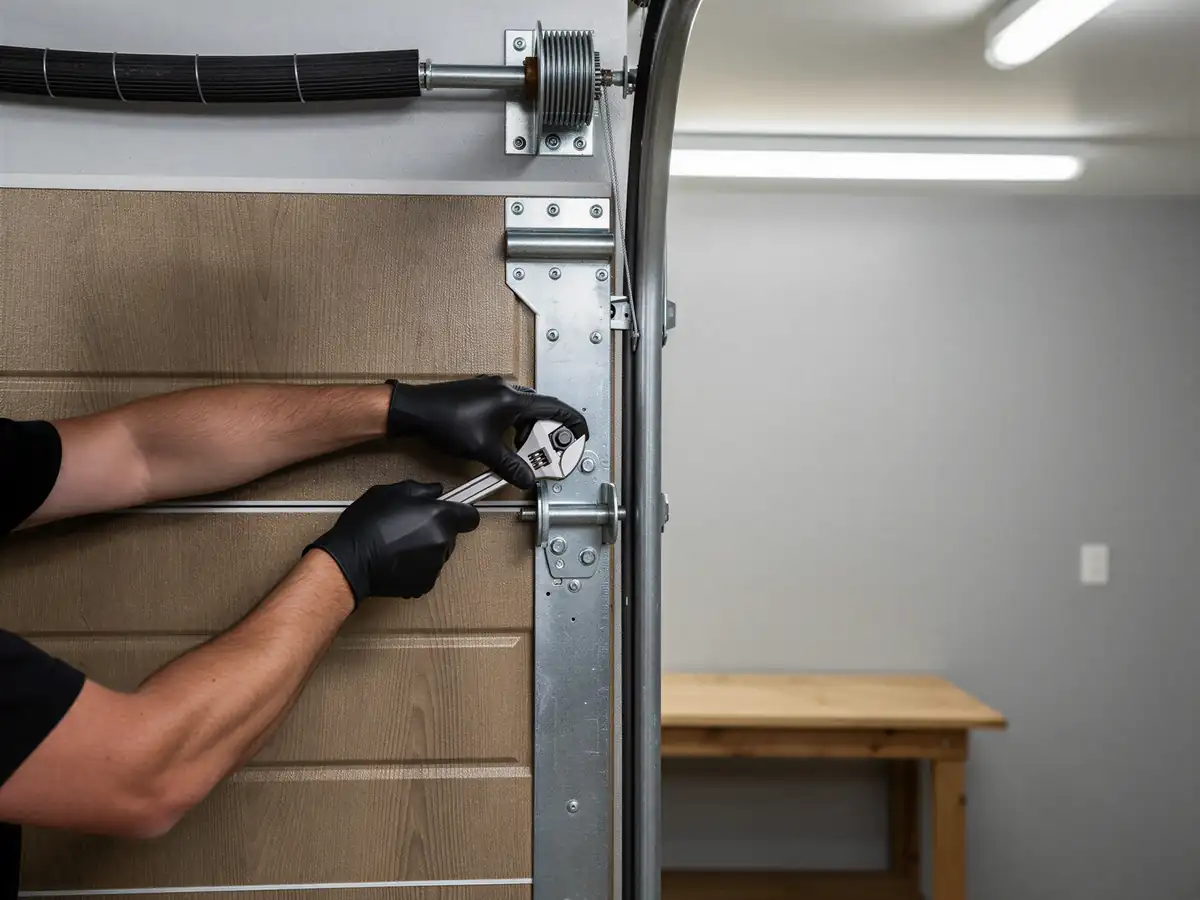
If your door is making a new noise, closing slower than it did last winter, or the opener seems to be straining, that's worth a look before it becomes a stuck door on a Saturday morning. We cover the full service area, from a mile up the road to towns like Snoqualmie and East Renton Highlands twenty miles out, and the tune-up is the same inspection wherever the house sits - springs, cables, rollers, track alignment, opener force settings, and weatherstripping. We'll tell you plainly if something's past the point a tune-up fixes. Get in touch through the site to get a visit scheduled.