Where This Job Goes Sideways
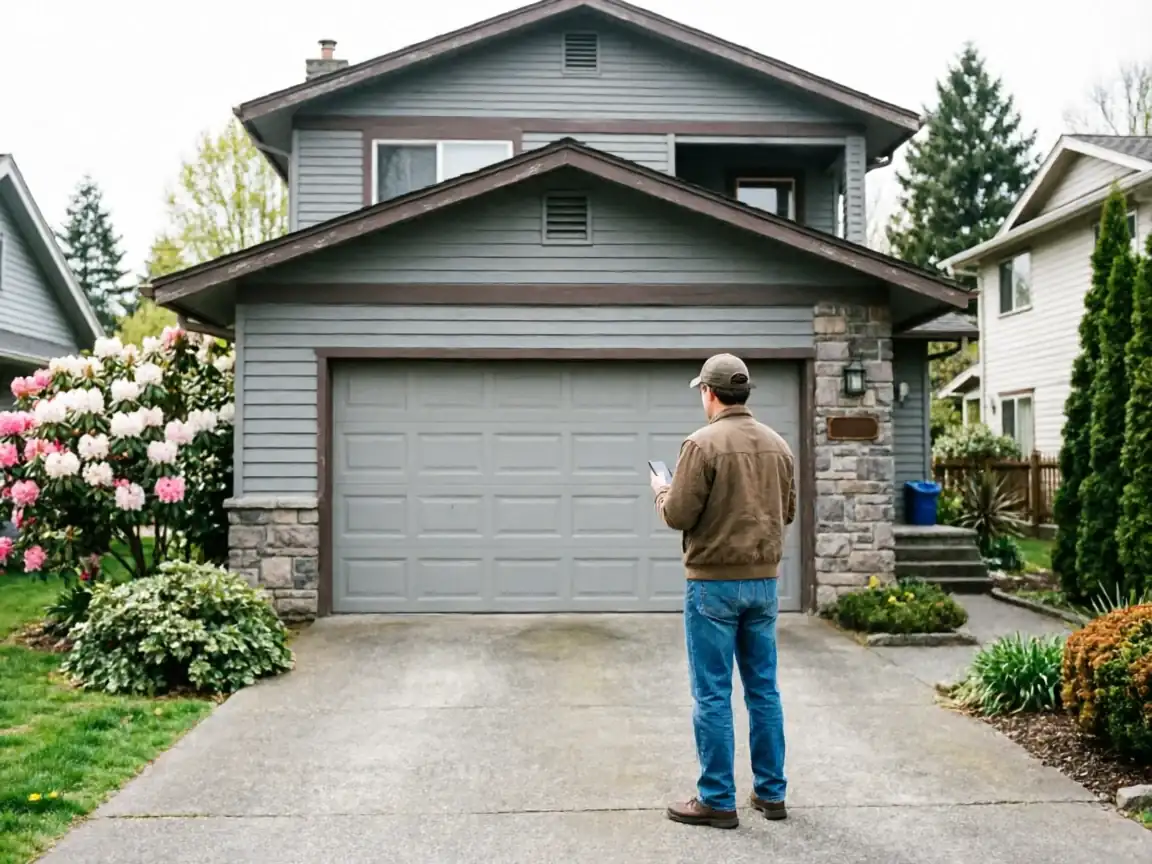
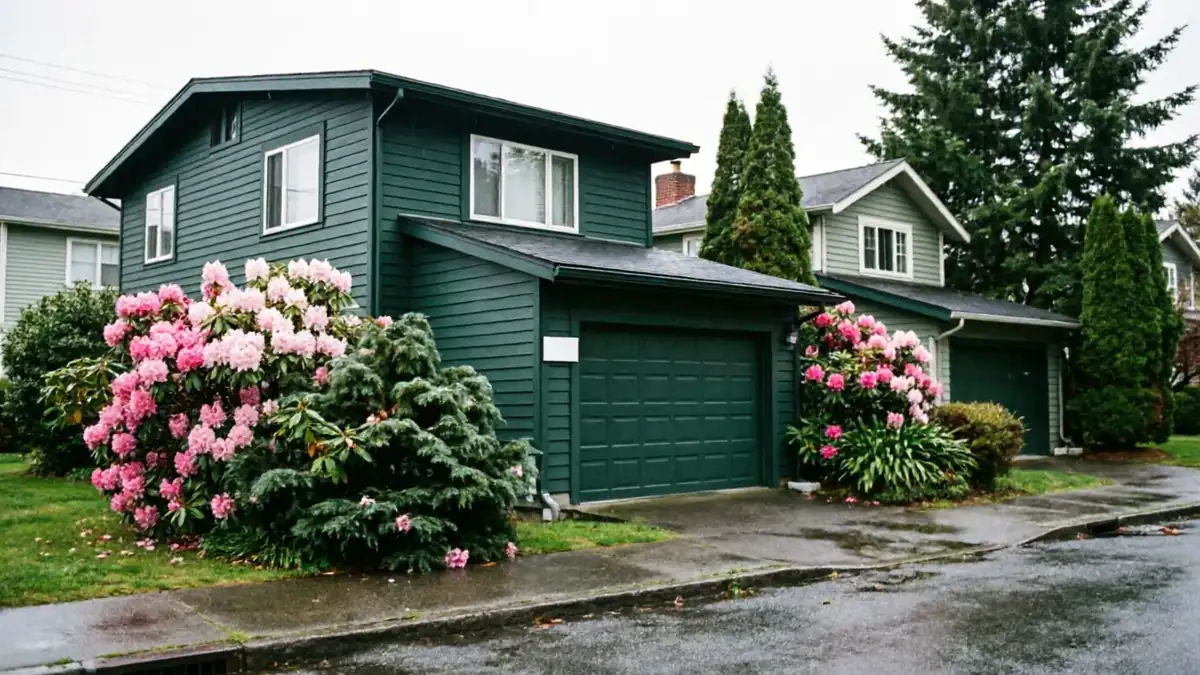
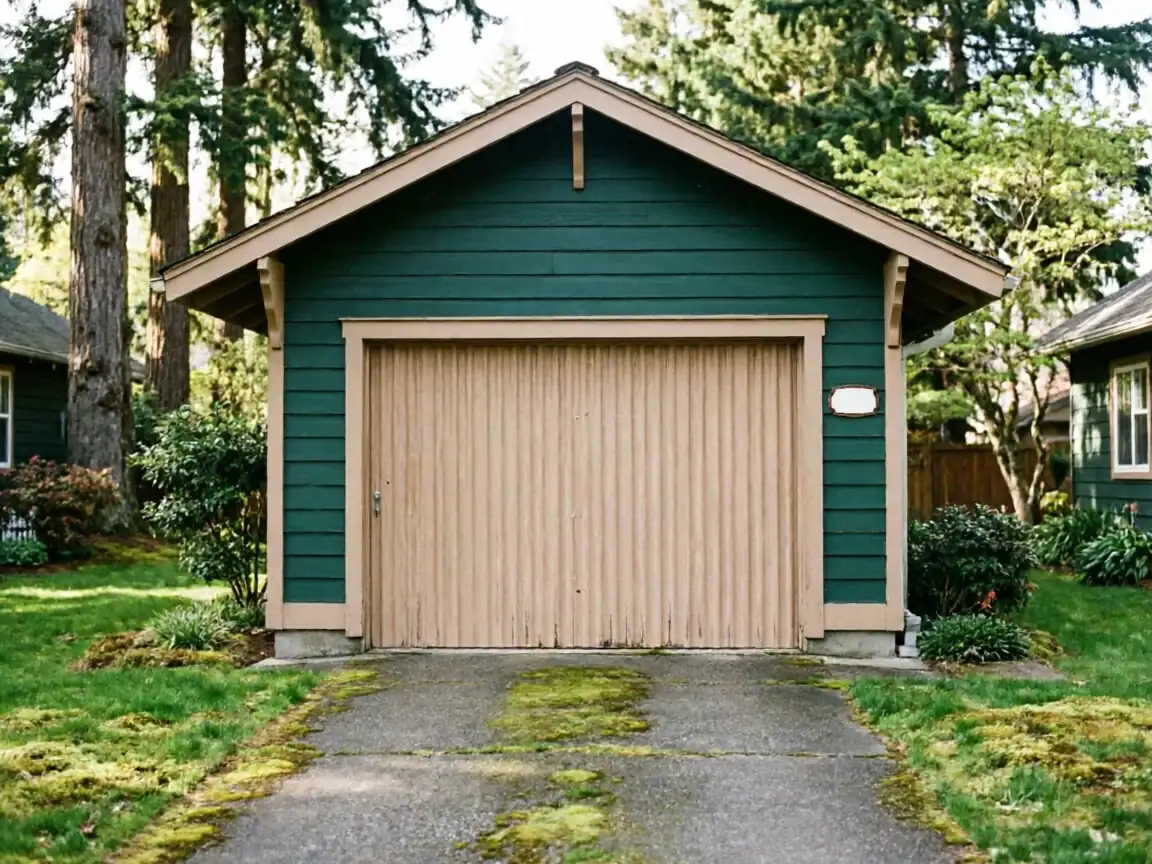
Most houses on this stretch of Picnic Point went up around 1980, which puts them square in the era of single-layer, non-insulated steel doors - 16-by-7 double-car slabs hung on standard torsion springs sized for a panel that was lighter than what most owners put in today. Thirty-plus years of freeze-thaw cycling in this cold-moderate climate band has worked on those thin steel skins from both sides: condensation rusting the bottom panel from inside the garage, and repeated expansion and contraction loosening the track brackets that were only ever lag-bolted into jamb framing built to a lighter standard.
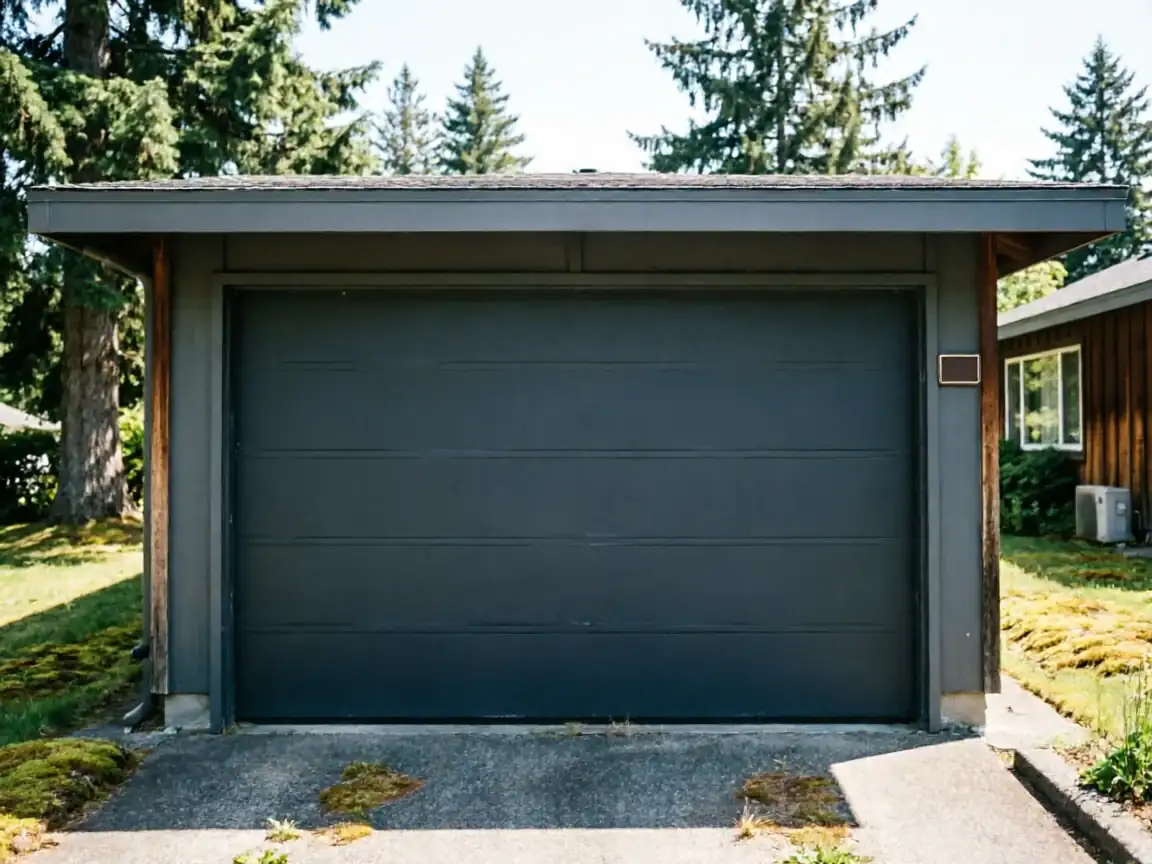
When a door from this era finally gets replaced rather than patched, the failure that pushes the owner to call is rarely the spring. It's usually a bottom panel that's rusted through, or a track that's pulled so far out of plumb the door binds every time temperatures swing. By the time we're called out, the original hardware is often mismatched to anything a new door needs - which means the job is a full swap of door, track, and springs together, not just a panel drop-in.
That's the angle worth knowing before you call anyone: a straight panel replacement on a 1980-built door almost never works, because the opening and the spring system were sized for a product nobody makes anymore.
Getting It Booked In
We run this job out of Woodinville, about 11 miles from Picnic Point
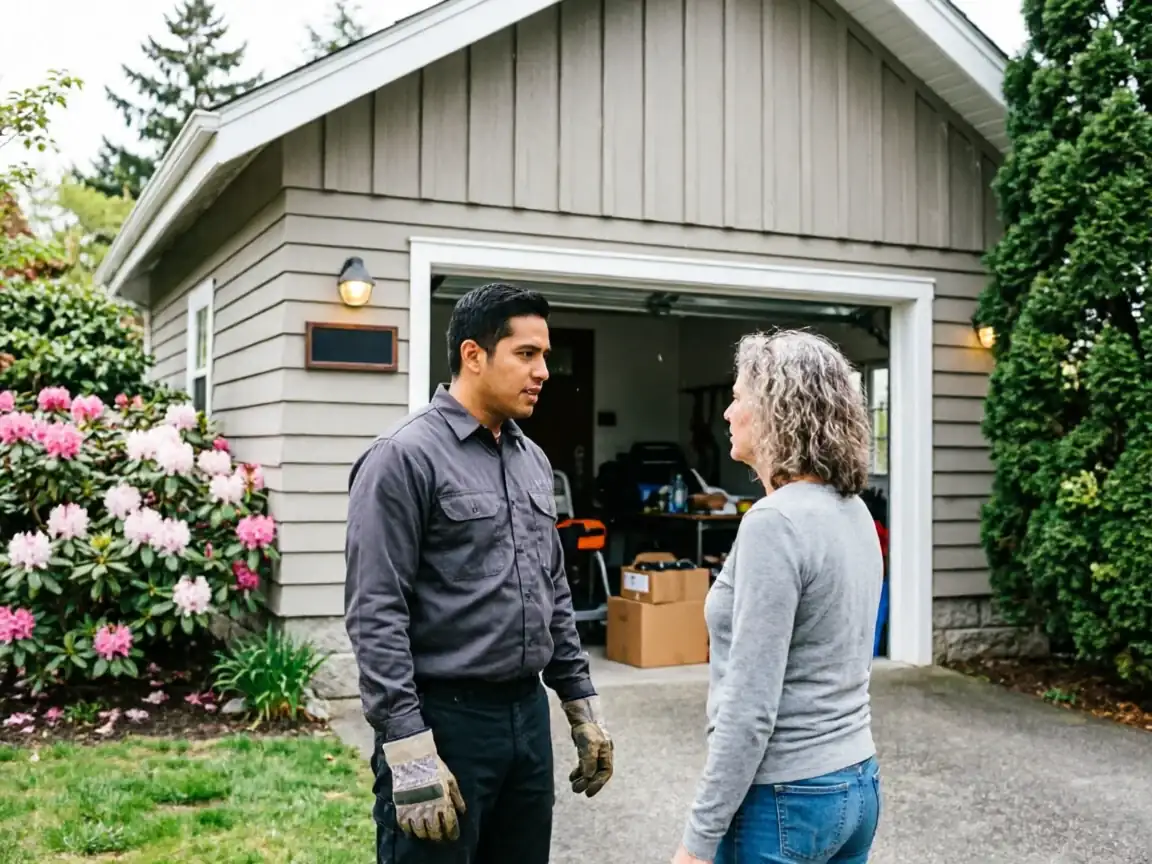
So there's no local branch or drop-in counter here - every visit is a scheduled truck trip, not a walk-in. That distance matters for one practical reason: we measure and quote off photos and a phone walkthrough first, then bring the right door and hardware on the install day rather than making a first trip just to look.
- 11 miles
Because Picnic Point isn't a stop we pass through daily, we batch these jobs
If you're flexible by a day or two on timing, it usually works in our favor on price, since we're not sending a truck out for one job alone.
We don't keep every obsolete 1980s-era spring size in stock on the truck
If your opening turns out to be a non-standard width - which does turn up in this housing stock - expect a short order wait on the door panel itself rather than a same-week install. We'll tell you that up front, not after we've pulled the old door off the track.
How We Fix It
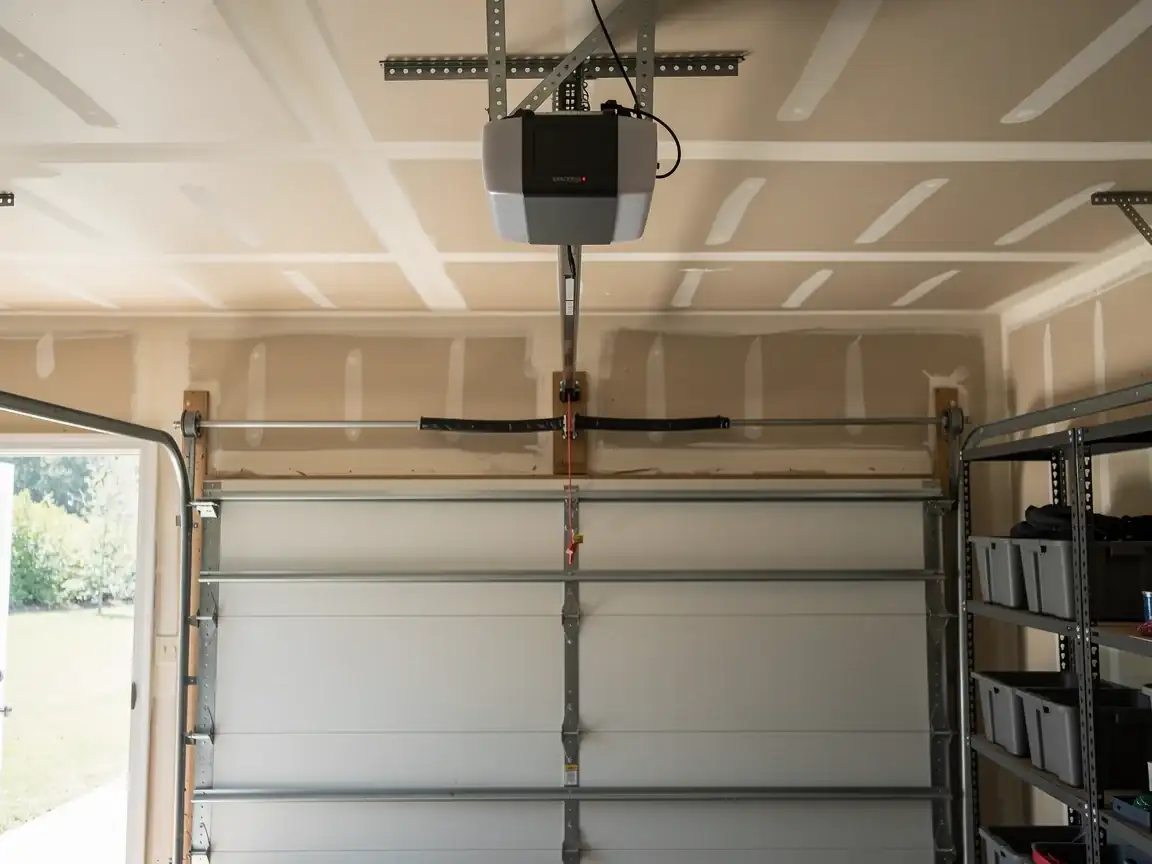
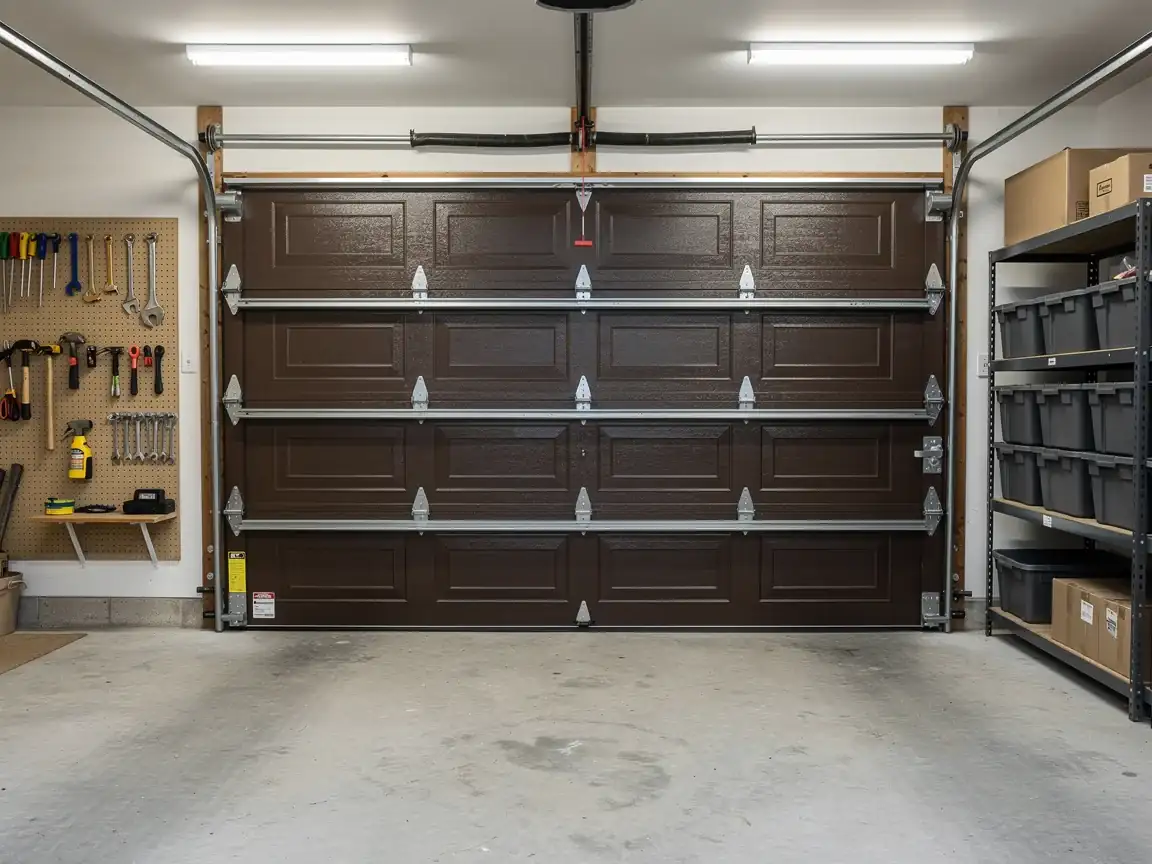
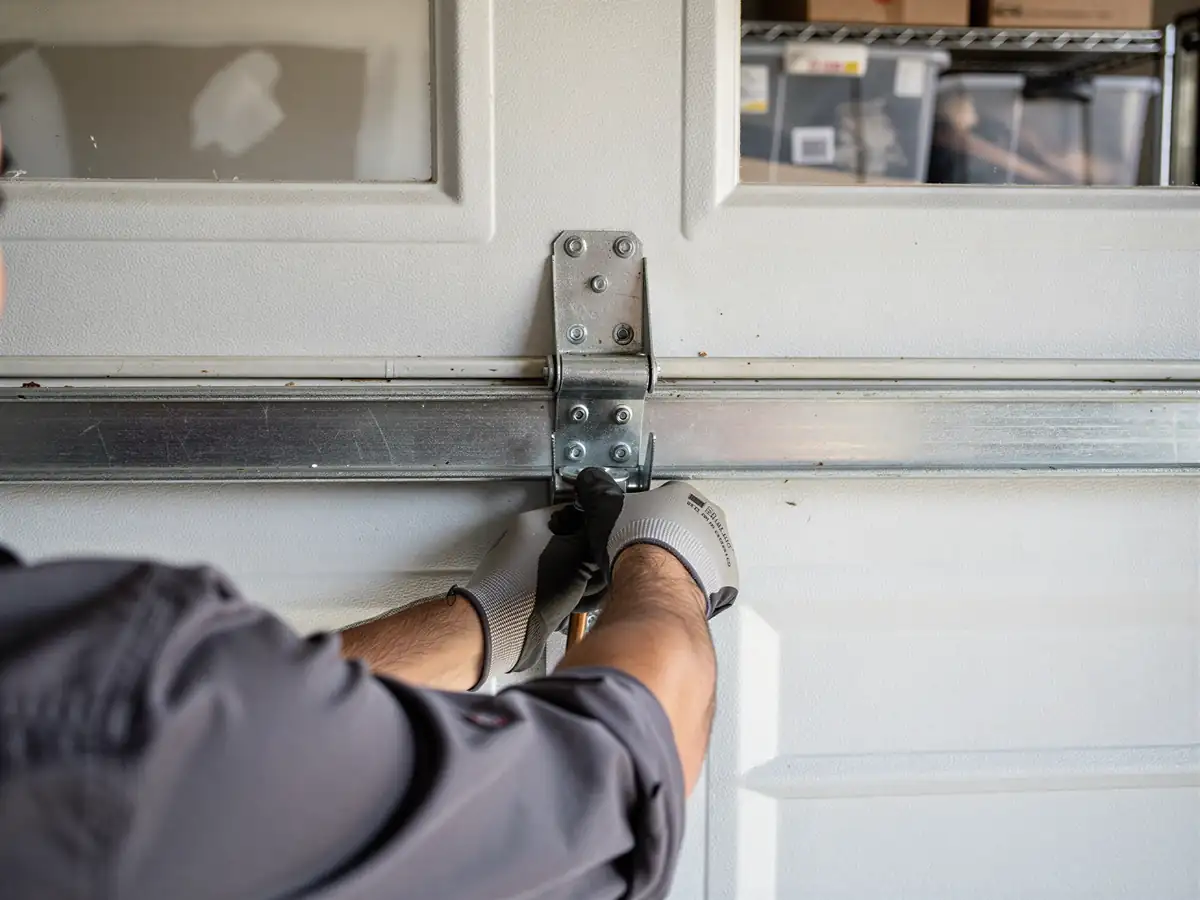
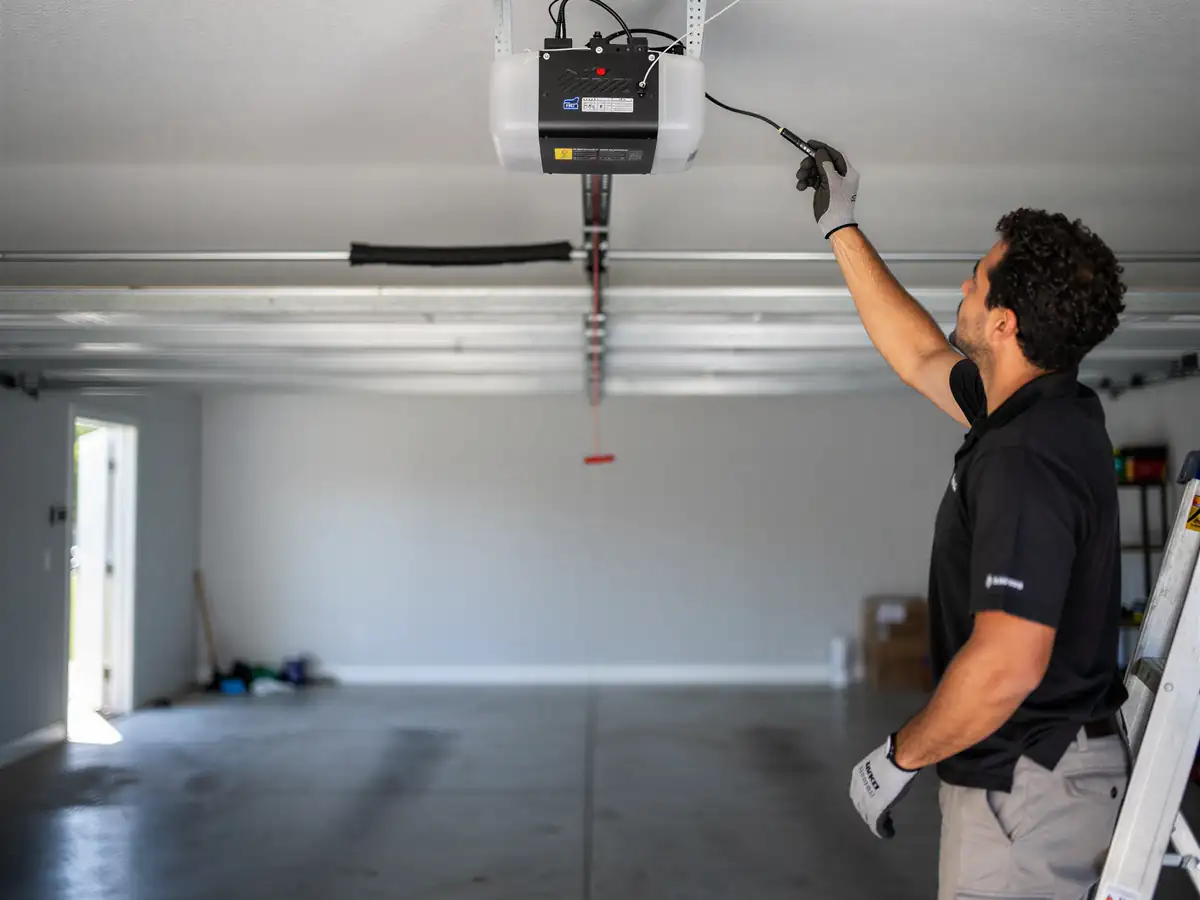
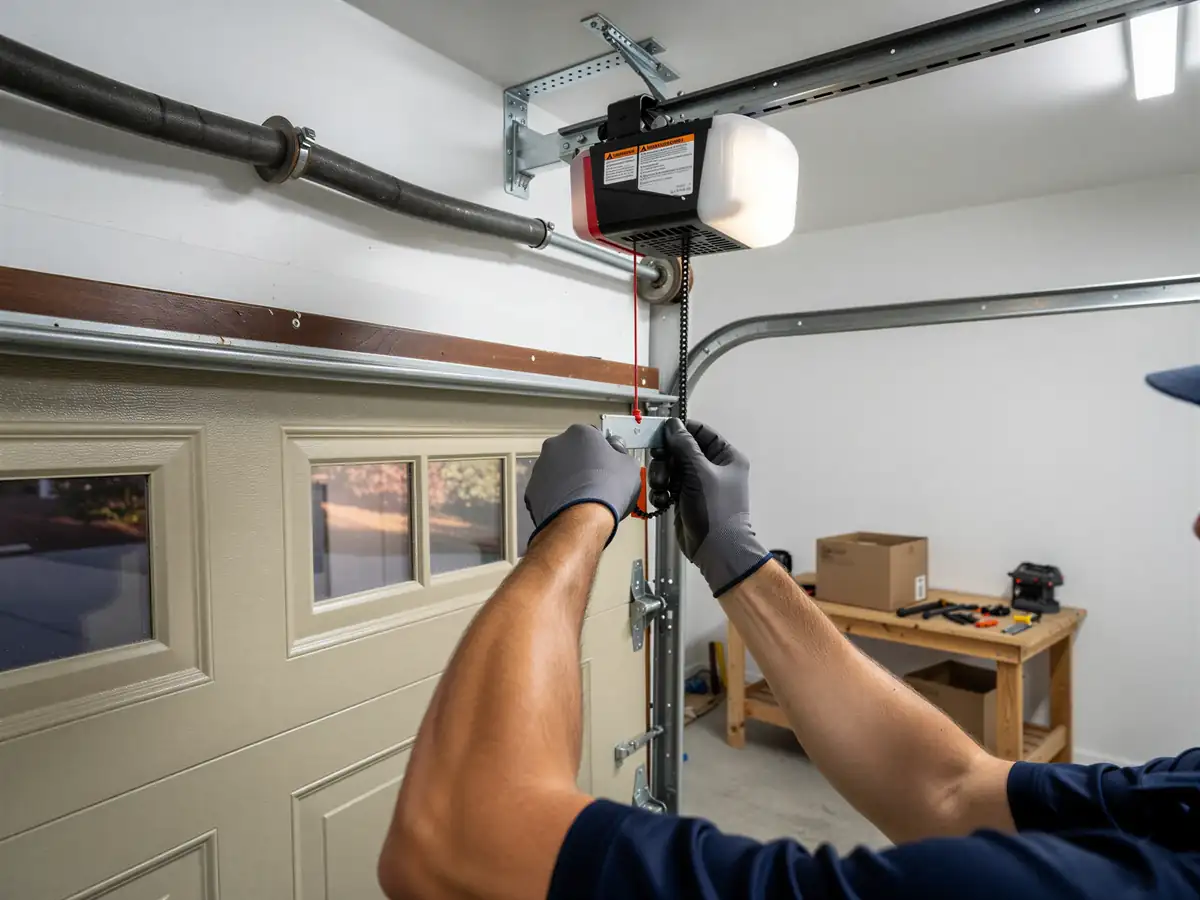
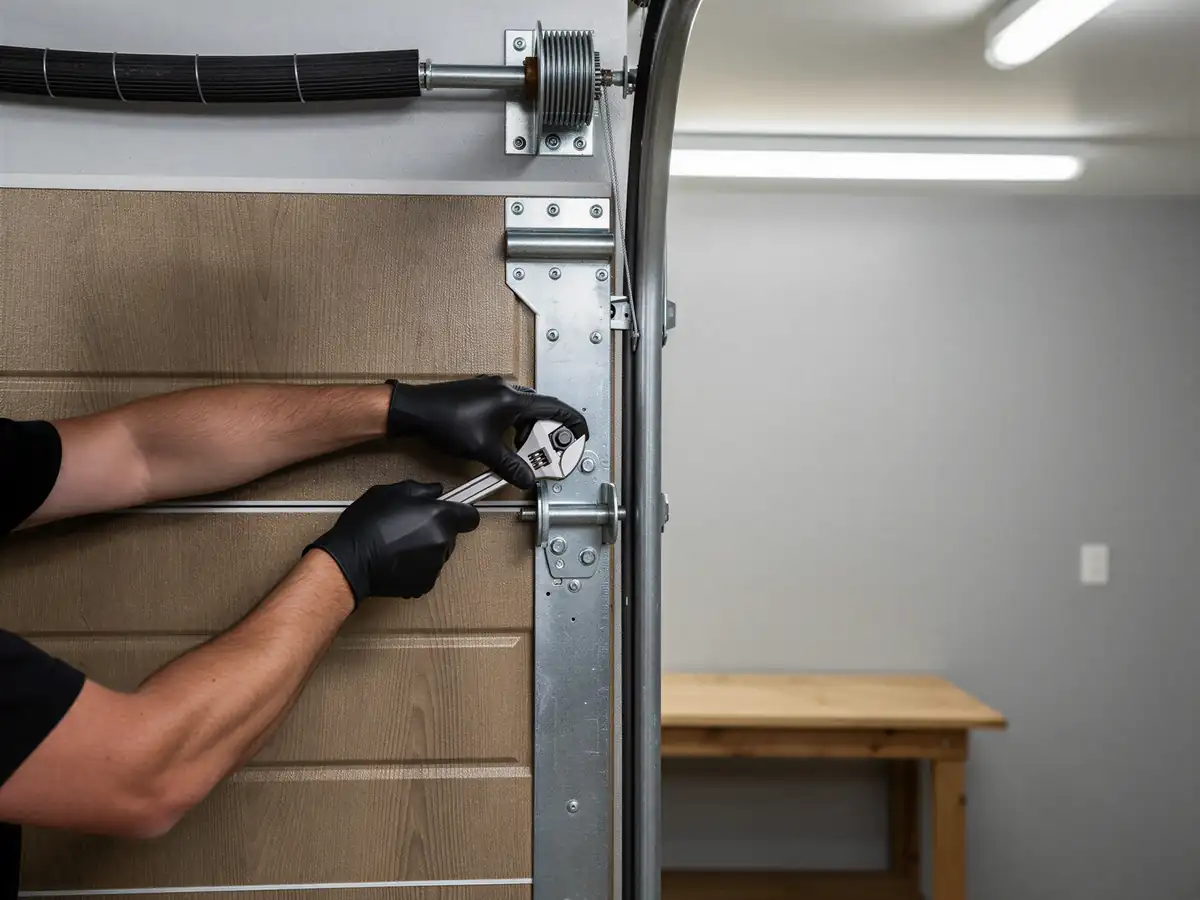
For a house built to this era's standard, the install is a full-depth job: we pull the old door, the old track, and the old torsion spring system together, because reusing any one piece against a new door usually means the new door runs crooked within a year.
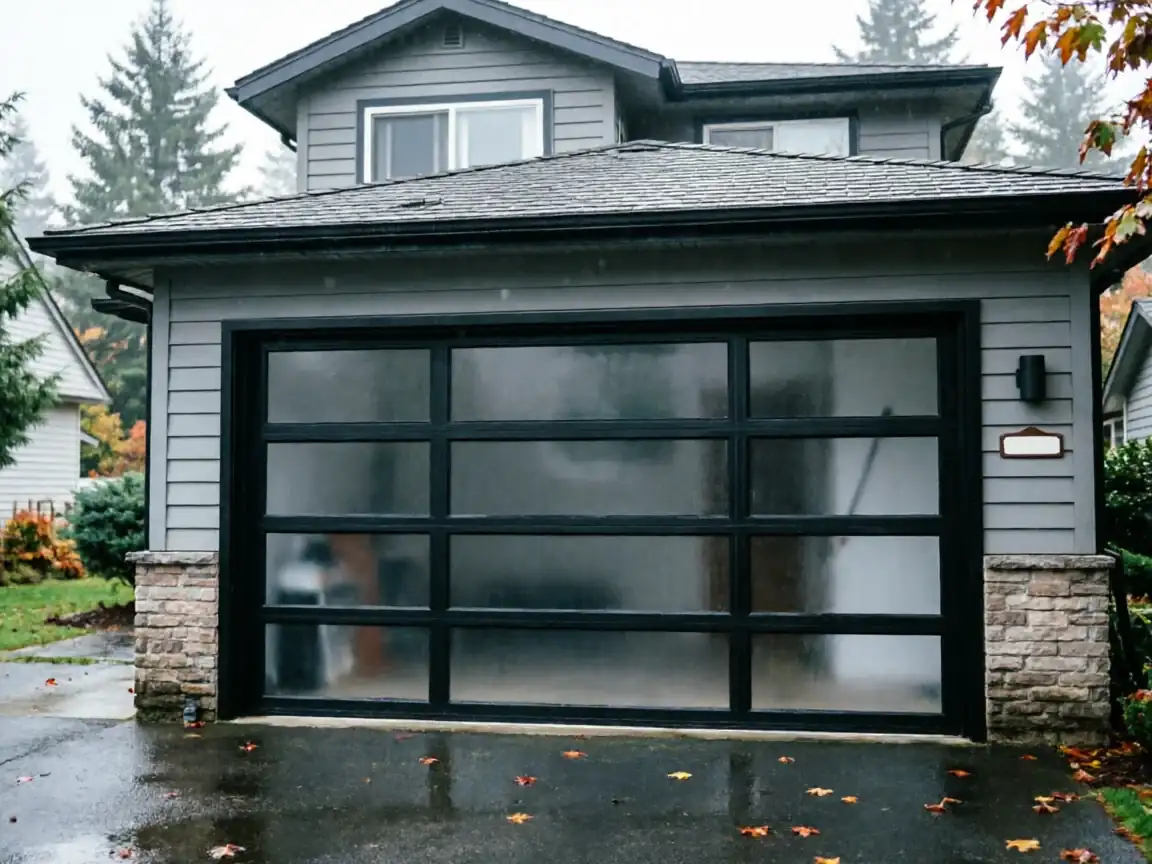
Given the cold-moderate climate swings this area sees, we spec insulated steel or composite doors rather than the single-layer steel that was standard when these houses were built - the insulation does real work keeping condensation off the inside face of the door, which is what rotted out a lot of the original panels in the first place.
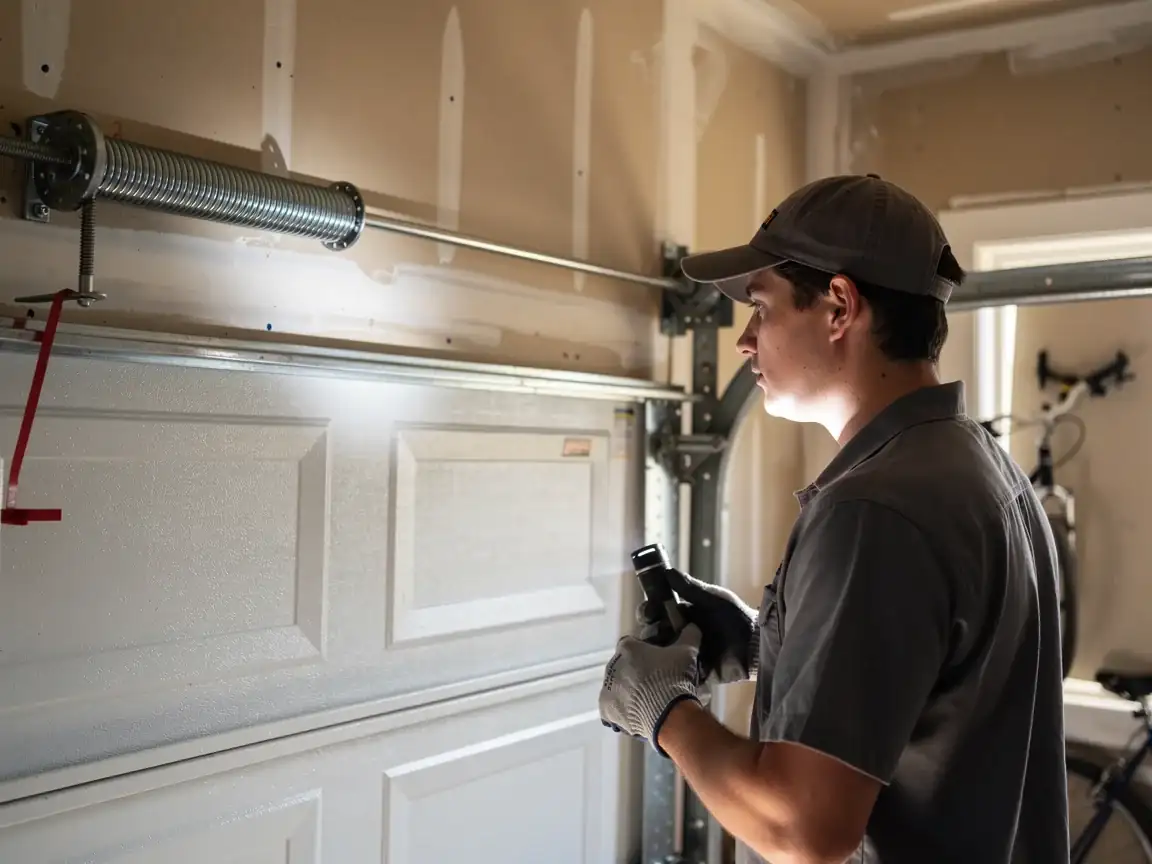
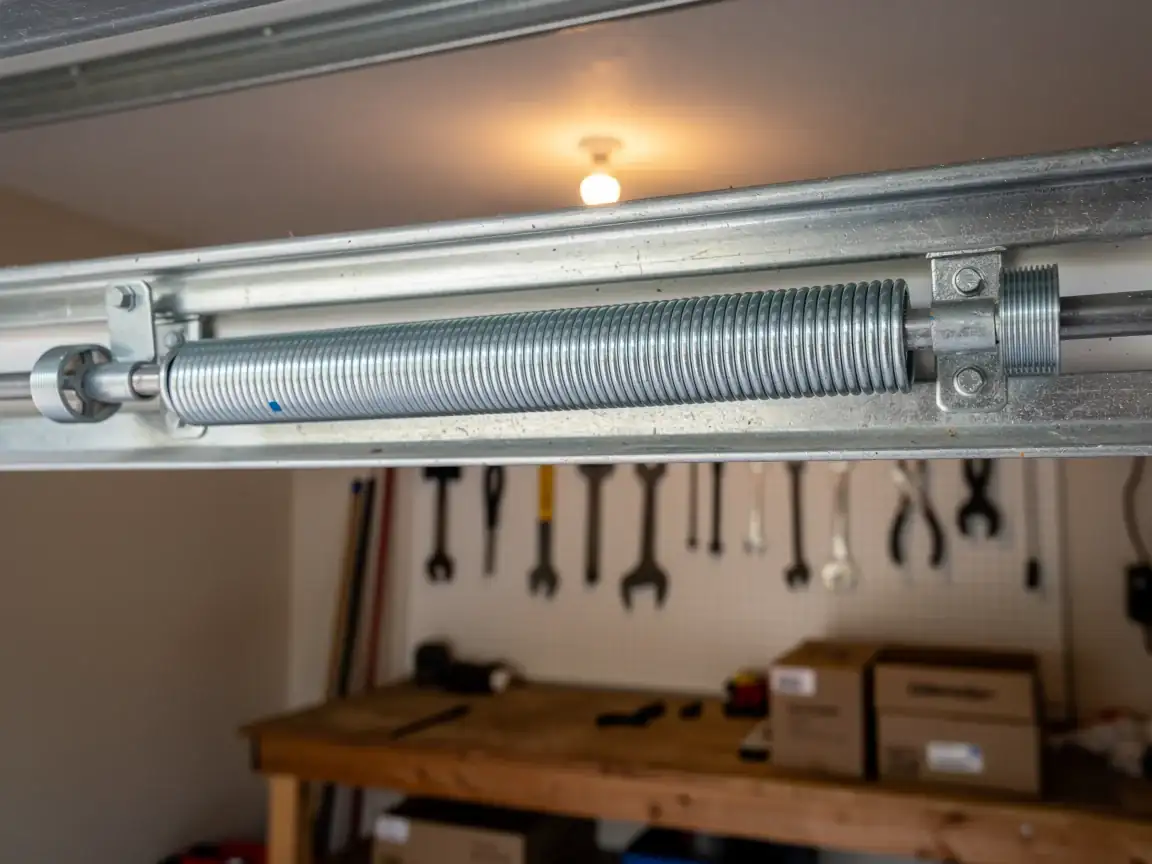
New torsion springs get sized to the actual door weight, not to whatever was on the opening before - a mismatch there is the single most common cause of an opener burning out early. We set the track plumb against the actual jamb, which on a house this age has usually shifted slightly from the original framing, and we balance the door by hand before connecting any opener.
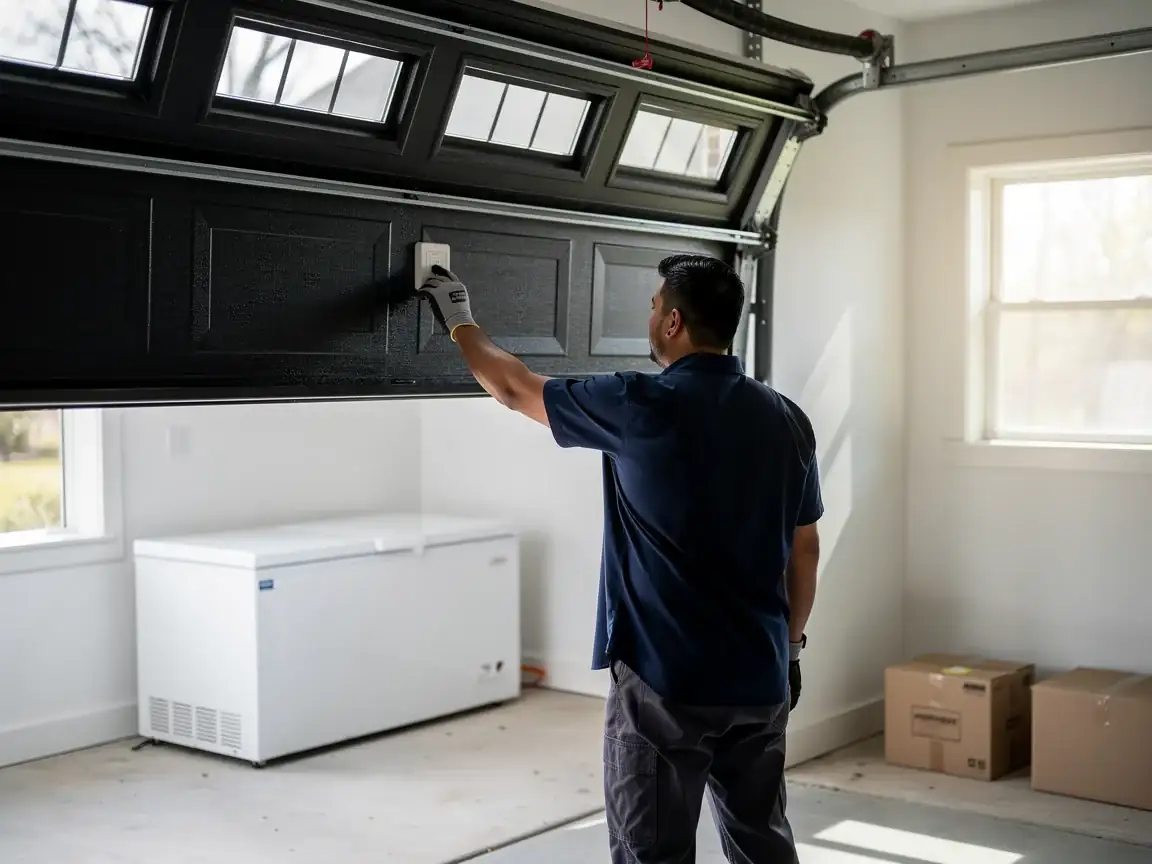
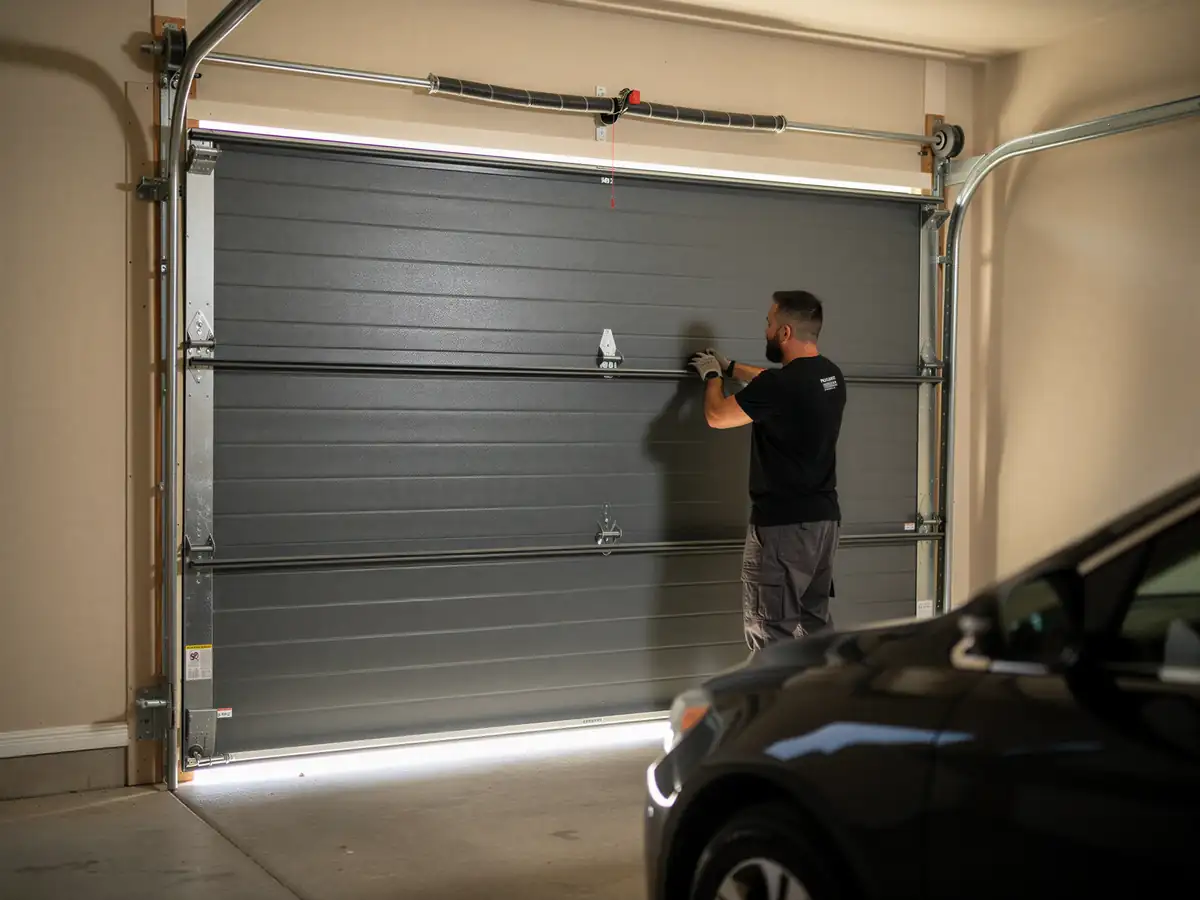
We test the full cycle - open, close, auto-reverse - before we call the job done, not just a single open-close pass.
The Cost of This Job
We don't have a flat number to quote here without seeing the opening, so we won't invent one. What drives the price on a job like this is mostly the door itself - insulated versus non-insulated, steel versus composite - and whether the opening turns out to be standard width or one of the non-standard sizes common in this era's construction.
Household income in this part of the service area runs higher than the regional median, and we see that reflected more in door material choice - composite over steel, for instance - than in corner-cutting on the install itself. That's a pattern, not a quote; your actual number comes from the walkthrough.
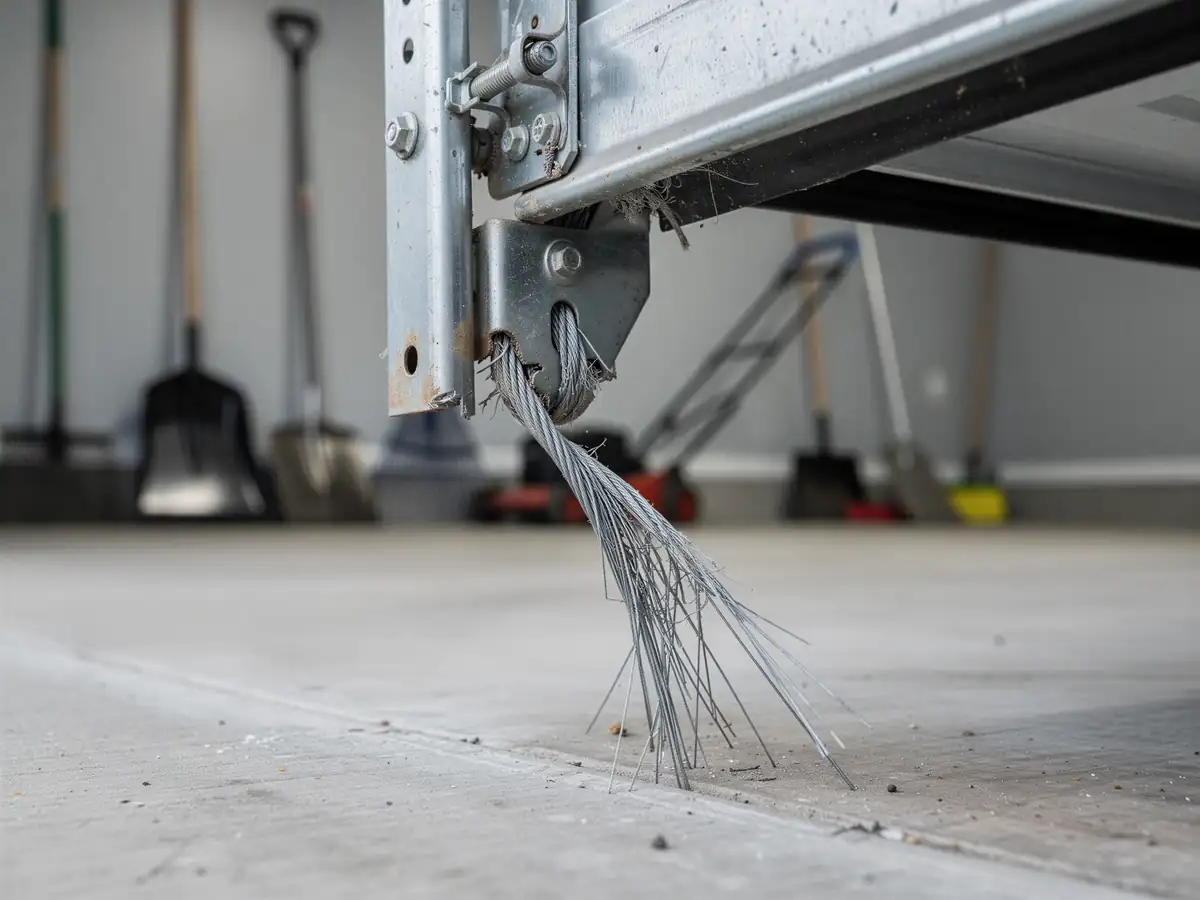
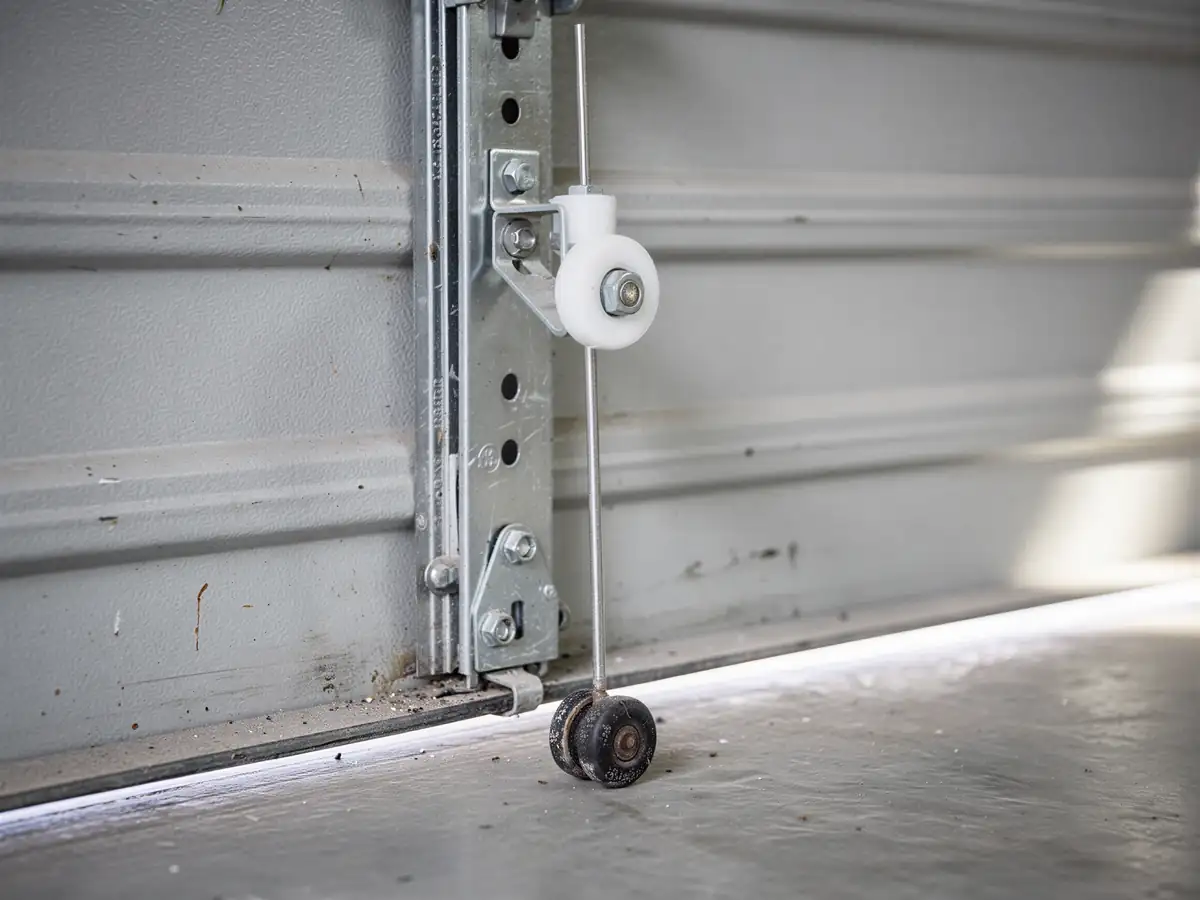
The one place we'll talk you out of spending money is a full replacement when the door itself is sound and the complaint is really a spring or a bent track section. If that's your situation, a repair visit costs less than a new install and we'll say so before recommending a swap. Replacement earns its price when the panel or the frame itself has gone - not before.