Where This Job Goes Sideways
Start with the money, because it decides most of what happens next. Picnic Point's median household income sits at $128,295, below the wider Woodinville-area figure. That gap matters when an opener dies: a logic board swap is a reasonable repair, but a full unit replacement is a bigger ask on a budget like this one than it is a few miles away, and we try to size the fix to the house, not the other way around.
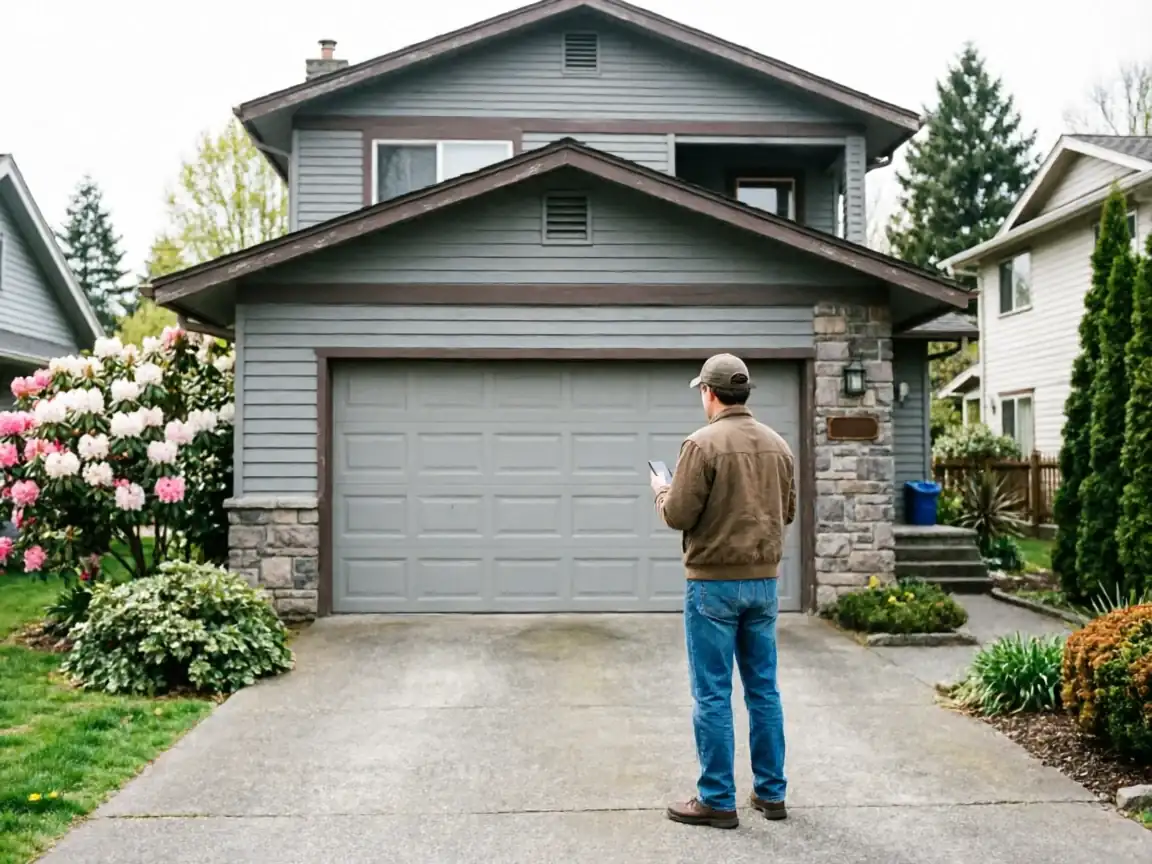
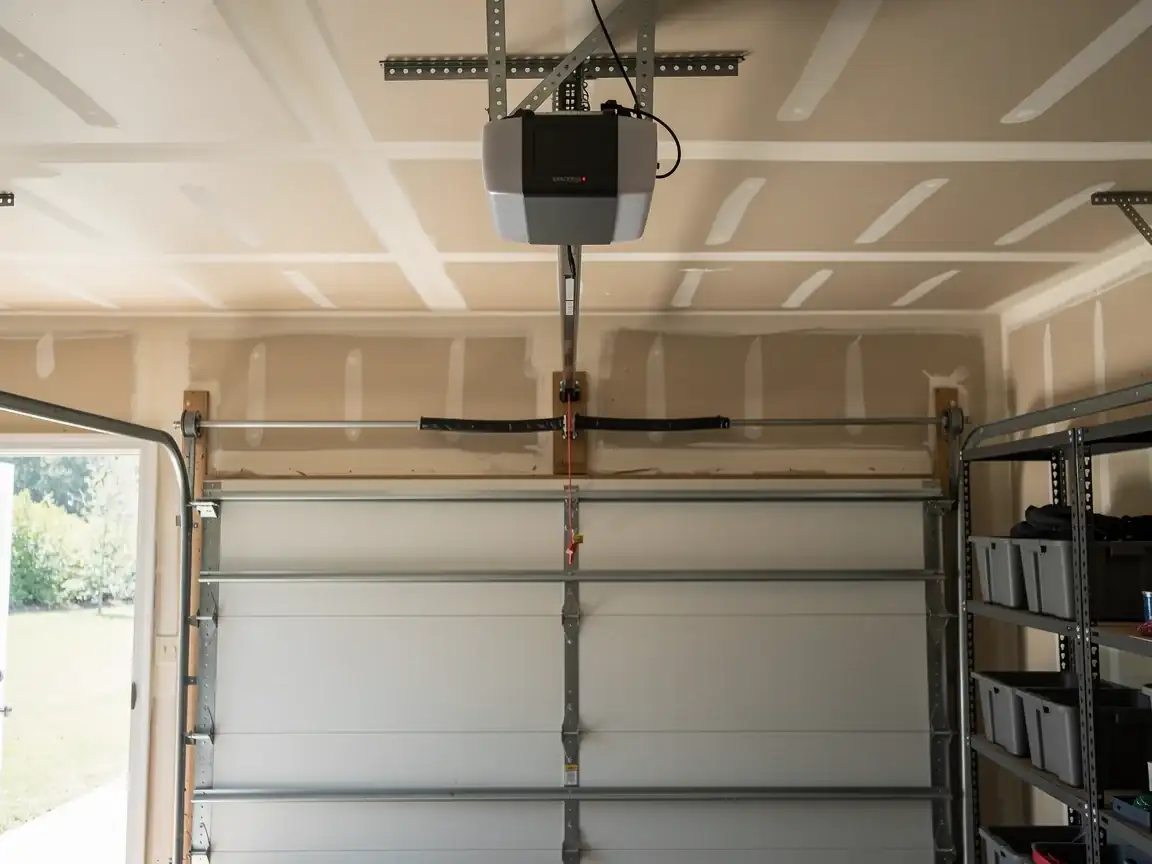
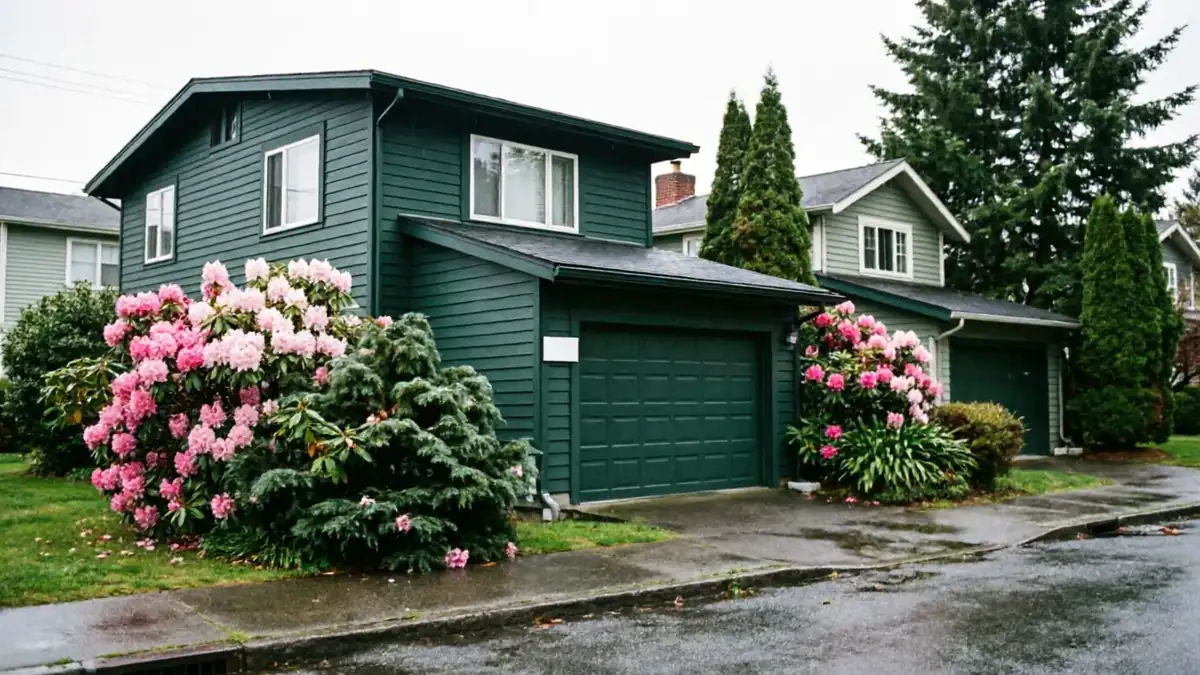
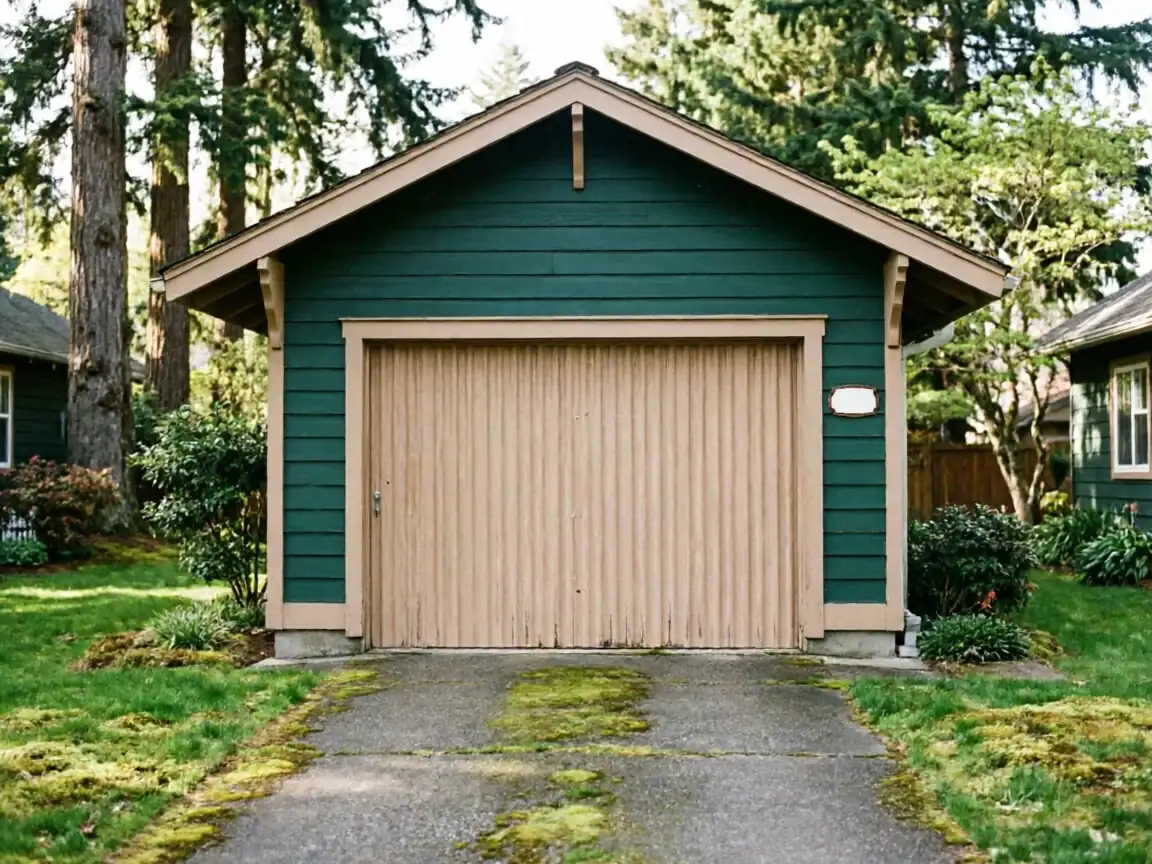
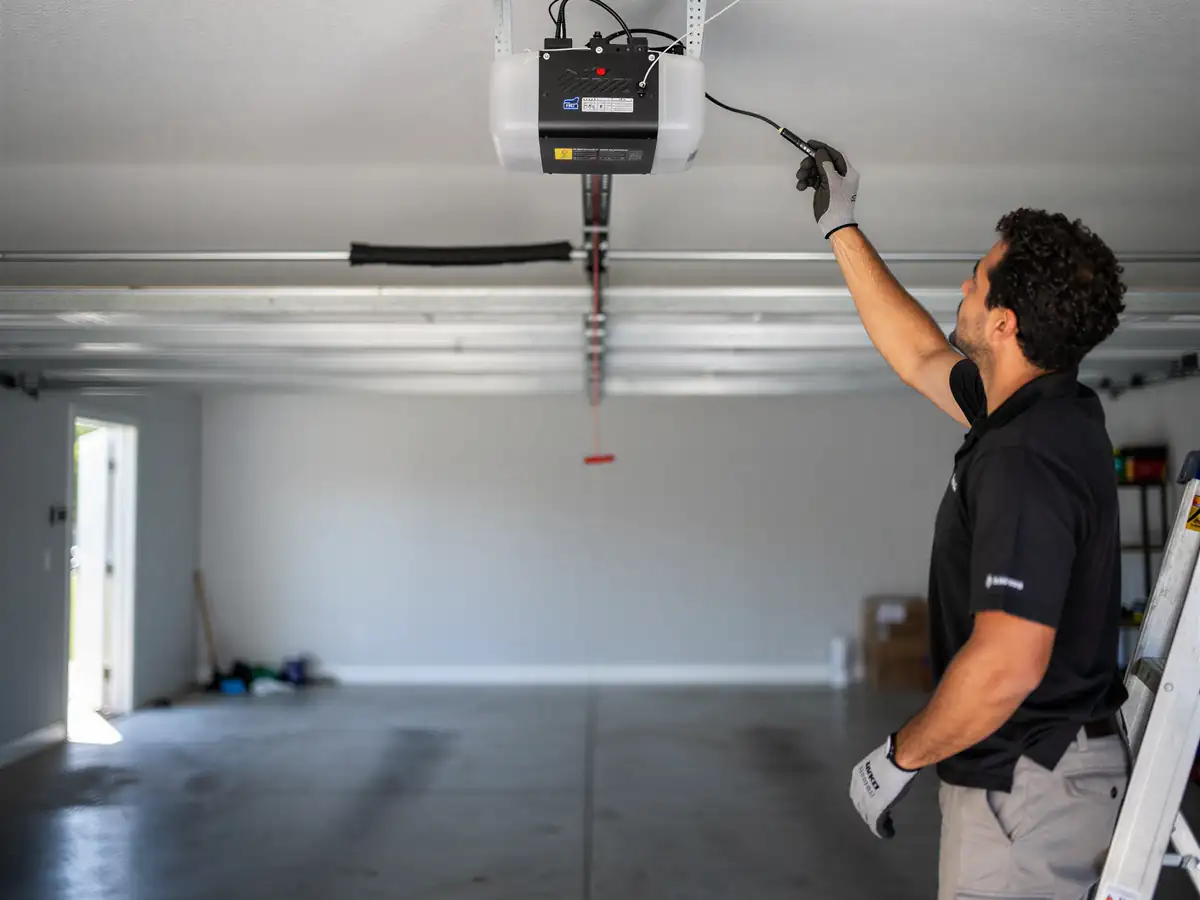
The houses themselves tell the rest of the story. Picnic Point's homes mostly date to around 1980, which puts most original garage door openers well into their third or fourth decade if nobody's touched them. Chain-drive units from that era run steel gears that strip, capacitors that weaken, and logic boards with components nobody manufactures anymore. Add the region's cold, moderate winters, and you get stiff grease and sluggish travel limits as the first symptom, often mistaken for a dying motor when it's really just old lubricant seizing up in the cold.
With roughly 3,581 households in the area, a lot of these units have already been replaced once since 1980. The ones that haven't are the ones we get called out for.
Getting It Booked In
We run out of Woodinville, about 11 miles from Picnic Point
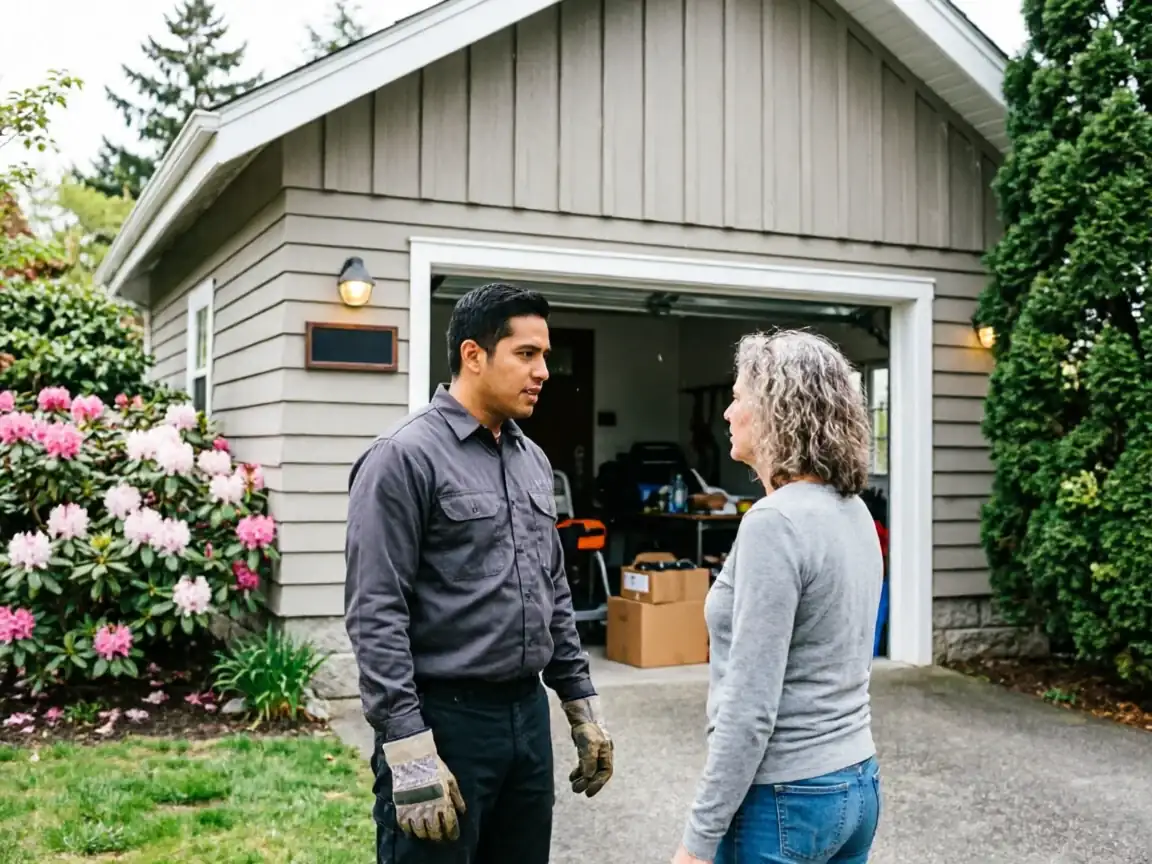
So there's no local branch or drop-in counter here - every job starts with a call where we ask what the opener is doing, how old the house is, and whether the door still moves by hand. That lets us load the truck with the parts an opener this age is likely to need before we ever head out, instead of diagnosing on-site and driving back for a part.
- 11 miles
Because we're not based in the neighborhood
We don't promise a same-day slot just because you're close. What we can do is use the age pattern we see across this part of our service area - most Picnic Point openers installed near the home's original 1980 build date - to narrow down the likely fault before we arrive. If your opener is original to the house, tell us that up front. It changes what we bring.
How We Fix It
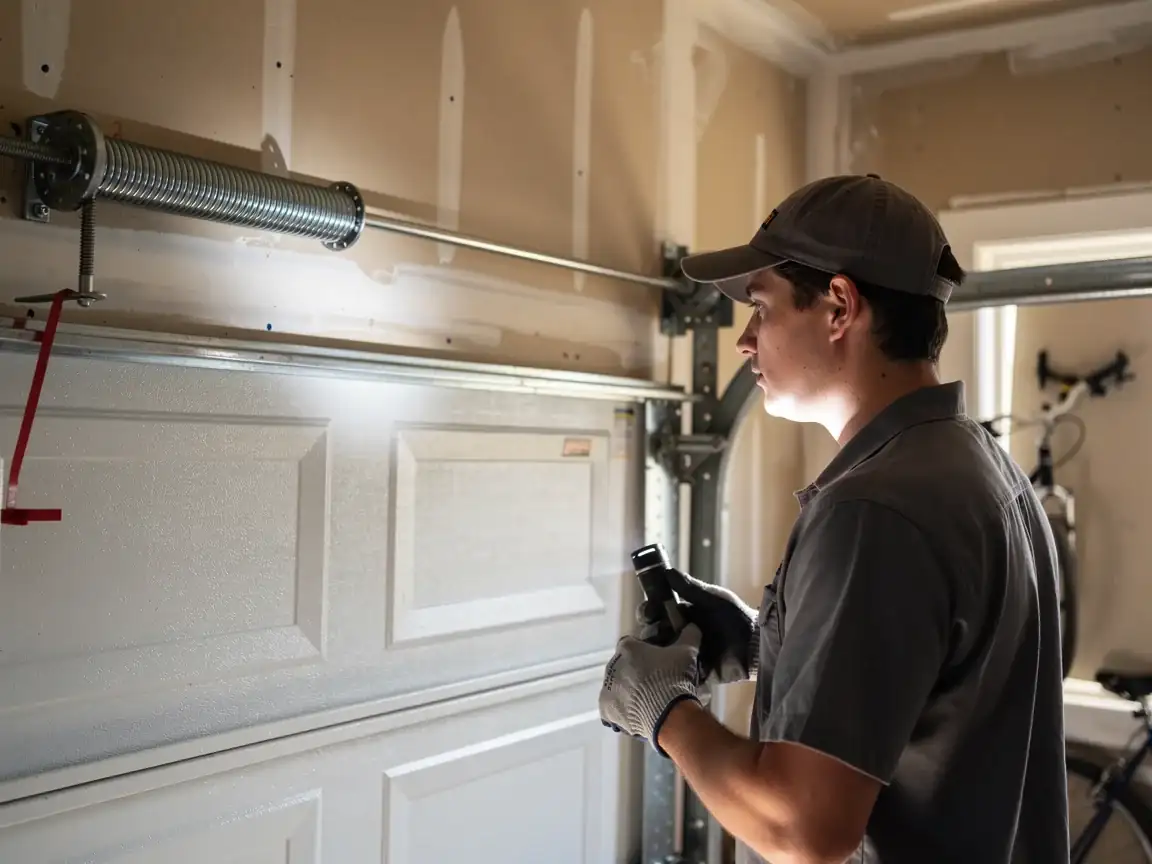
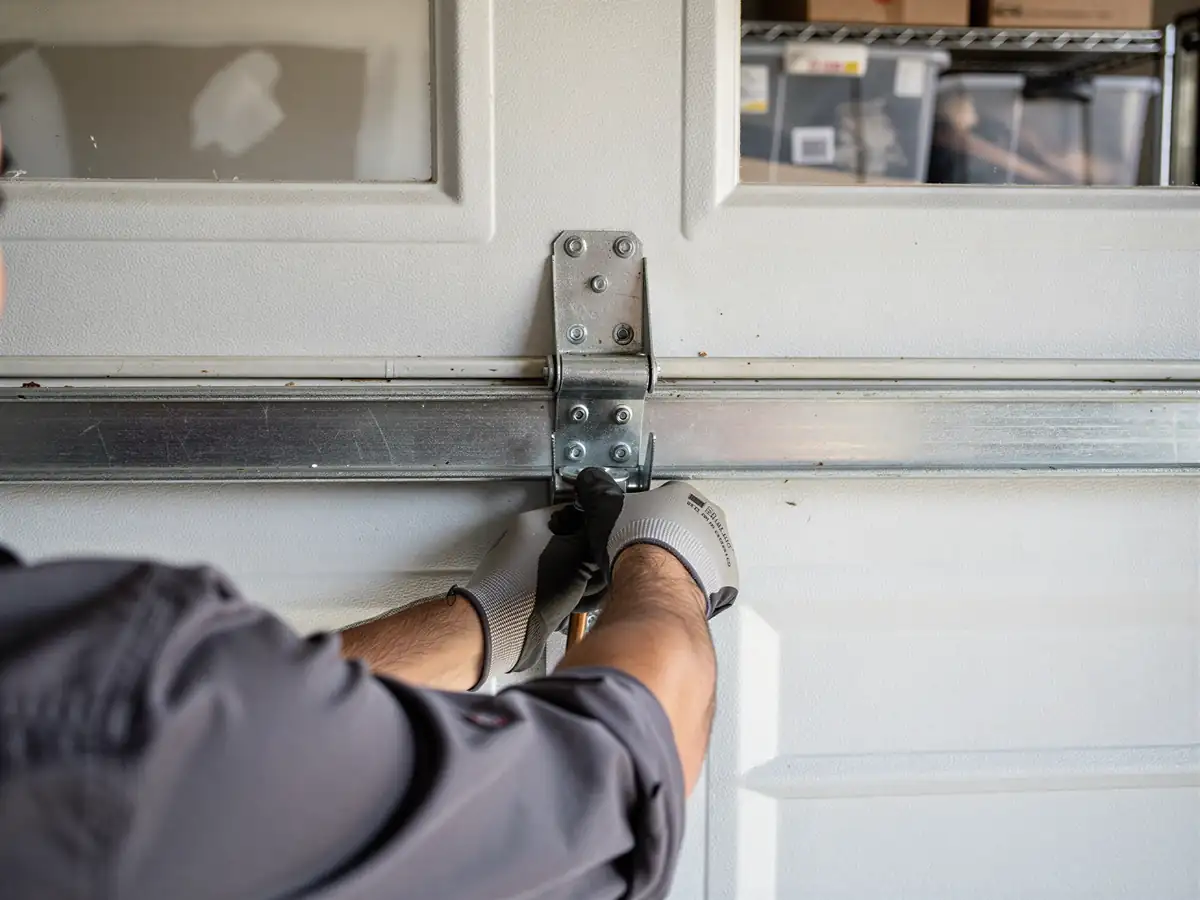
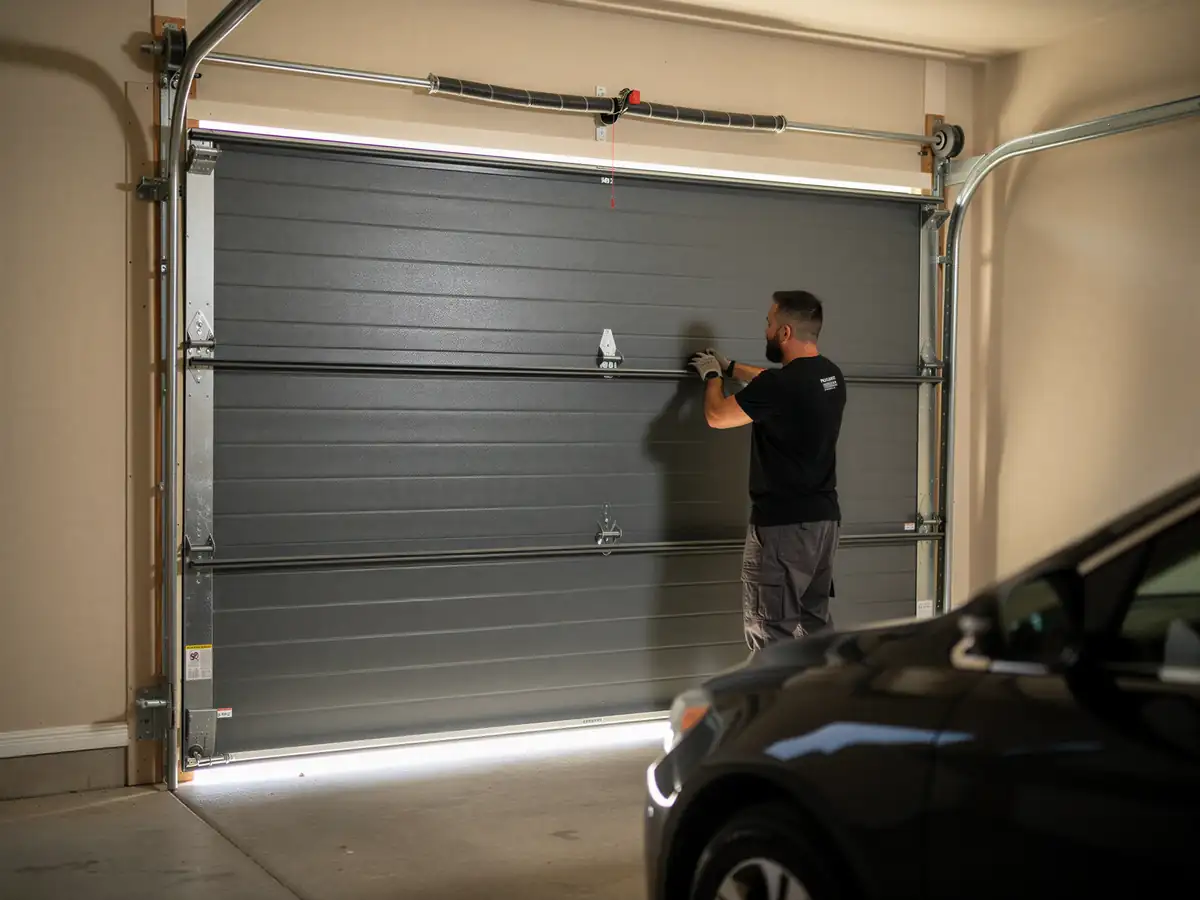
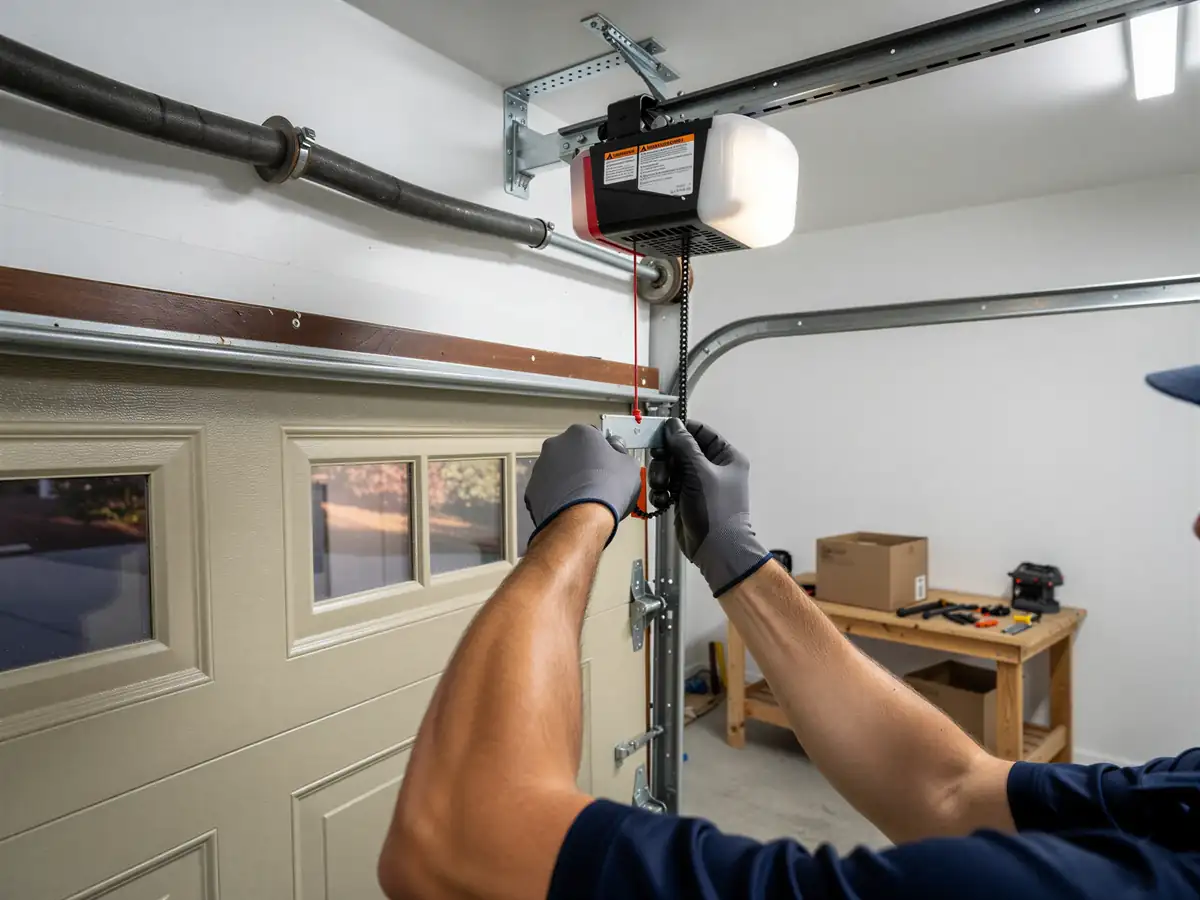
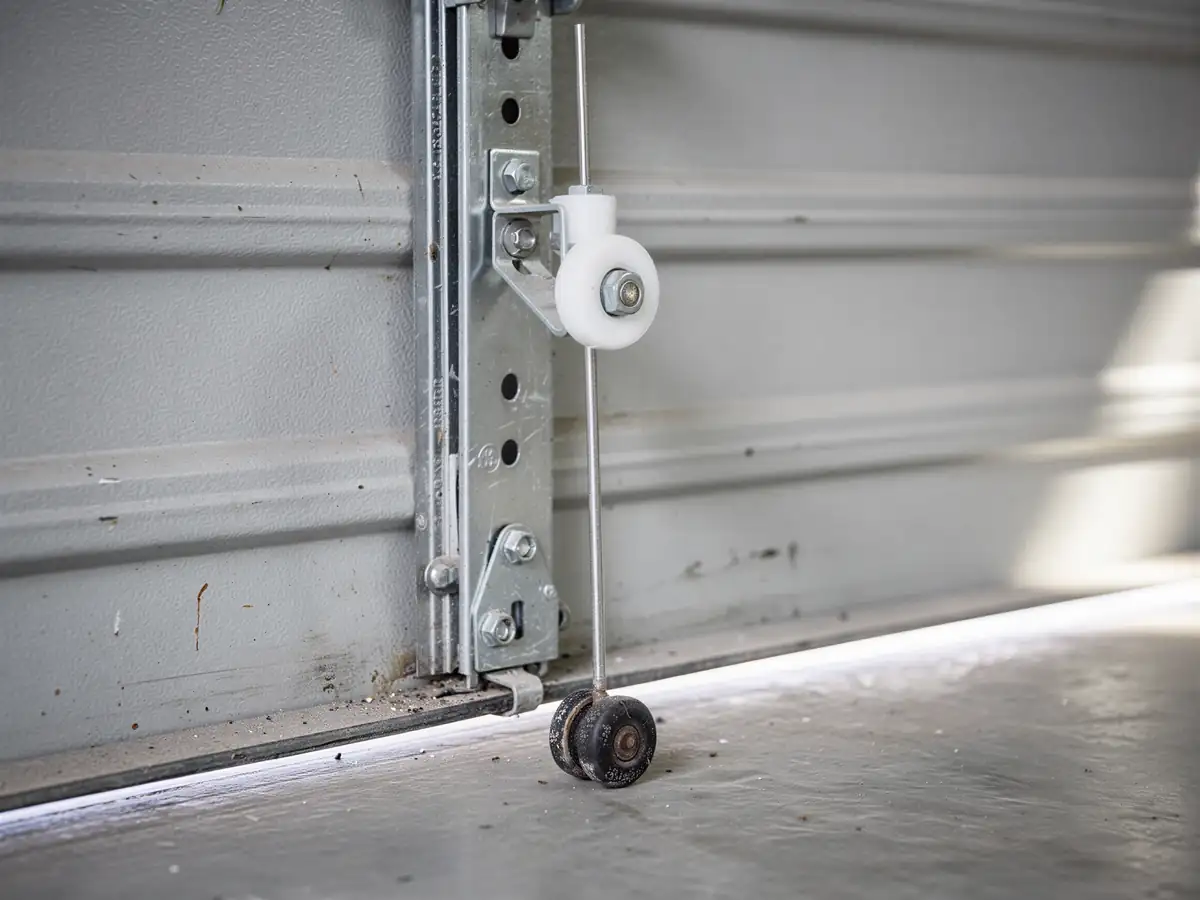
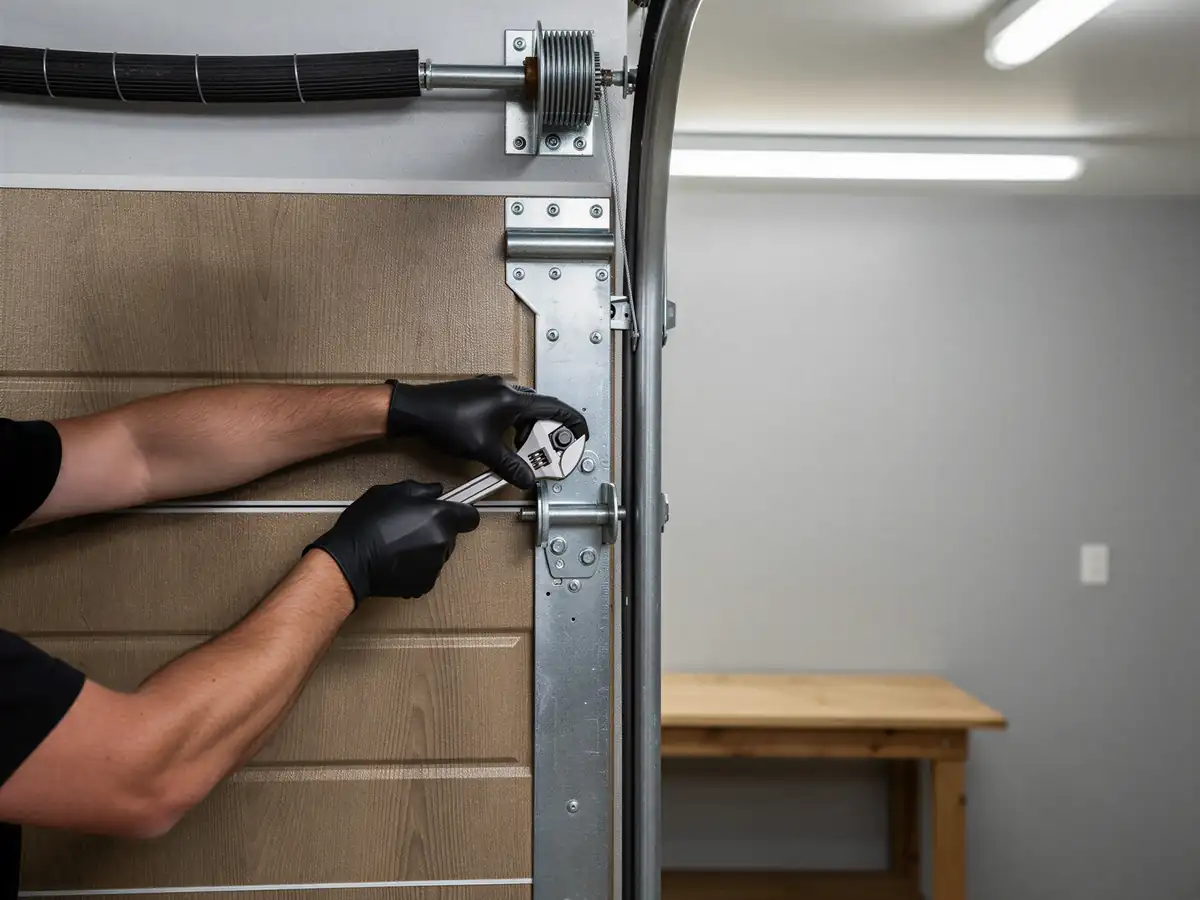
Most calls on a house from this era land in one of three places: a worn drive gear that's stripped its teeth, a circuit board that's failed from age or a power surge, or a safety sensor pair that's drifted out of alignment. We test the logic board first, since that's the cheapest fix if it's the culprit, then check the drive assembly for the chain or belt wear typical of a unit that's run for decades without the internal gear ever being replaced.
Here's the honest limit: if the opener is a chain-drive unit from the original 1980s construction and the circuit board has failed, we usually can't source an exact replacement board. At that point we tell you straight that replacement is the better call rather than hunting for an obsolete part that may fail again in a year. We don't pad out a repair just to avoid saying that.
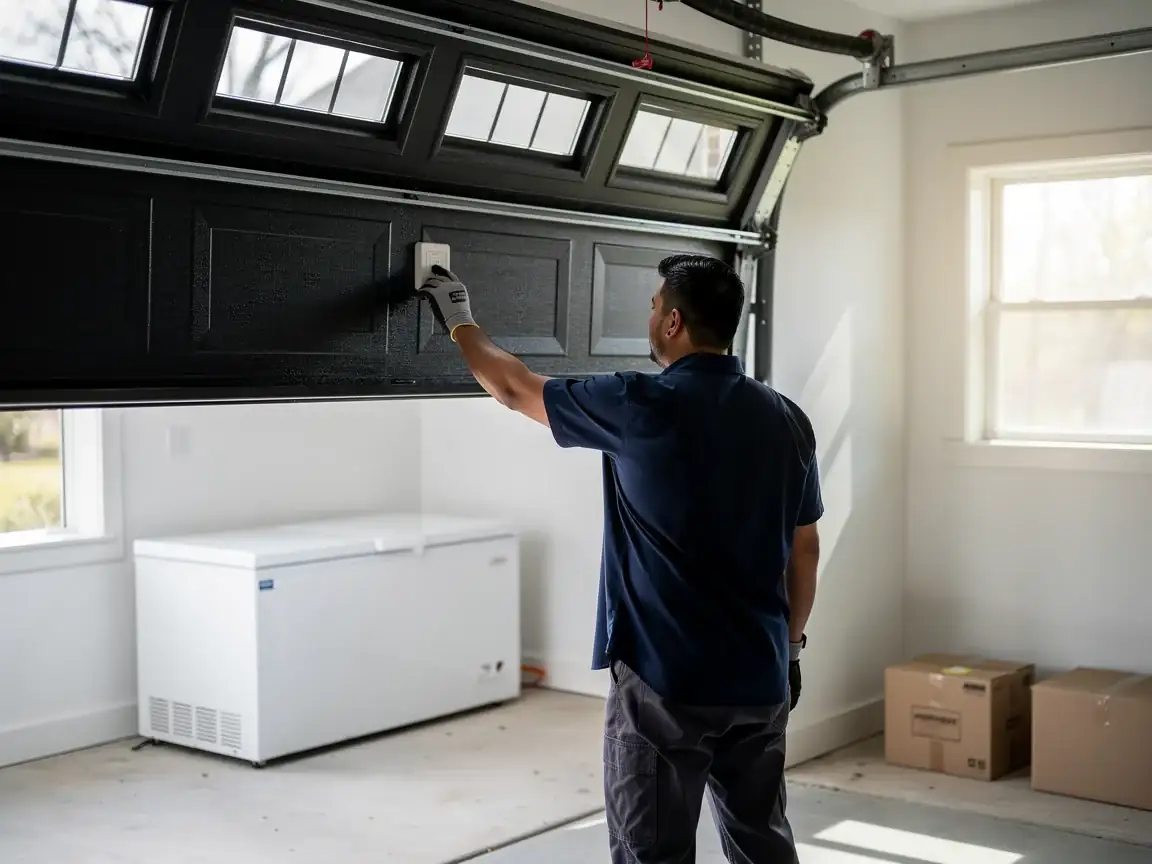
For newer openers installed as replacements sometime after the original build, parts availability is much better and a board or sensor swap is usually a same-visit fix once we've got the right part on the truck.
The Cost of This Job
We don't post flat prices here because the fix depends on what's actually broken - a sensor realignment costs a fraction of a board replacement, and a board replacement costs a fraction of a full unit swap. What we can say is how the decision usually breaks for a neighborhood at this income level: with a median household income of $128,295, a full opener replacement is a bigger stretch here than in higher-income parts of our service area, so we lean toward repair when the drive assembly and motor are still sound and only the board or sensors have failed.
If the opener is original to a 1980-built house, though, repair stops making sense once two major components have failed the same year. At that point the math flips, and we'll tell you so rather than keep billing you for parts on a unit that's done.