How It Shows Up
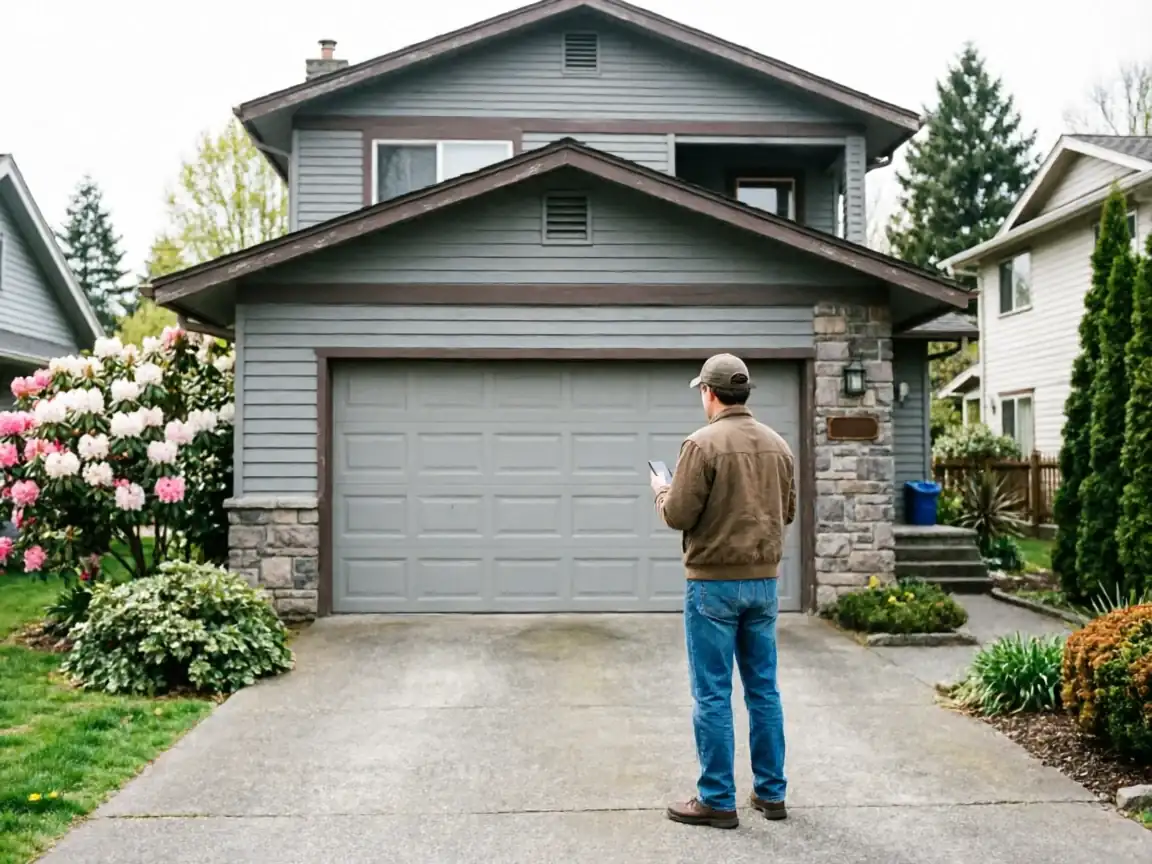
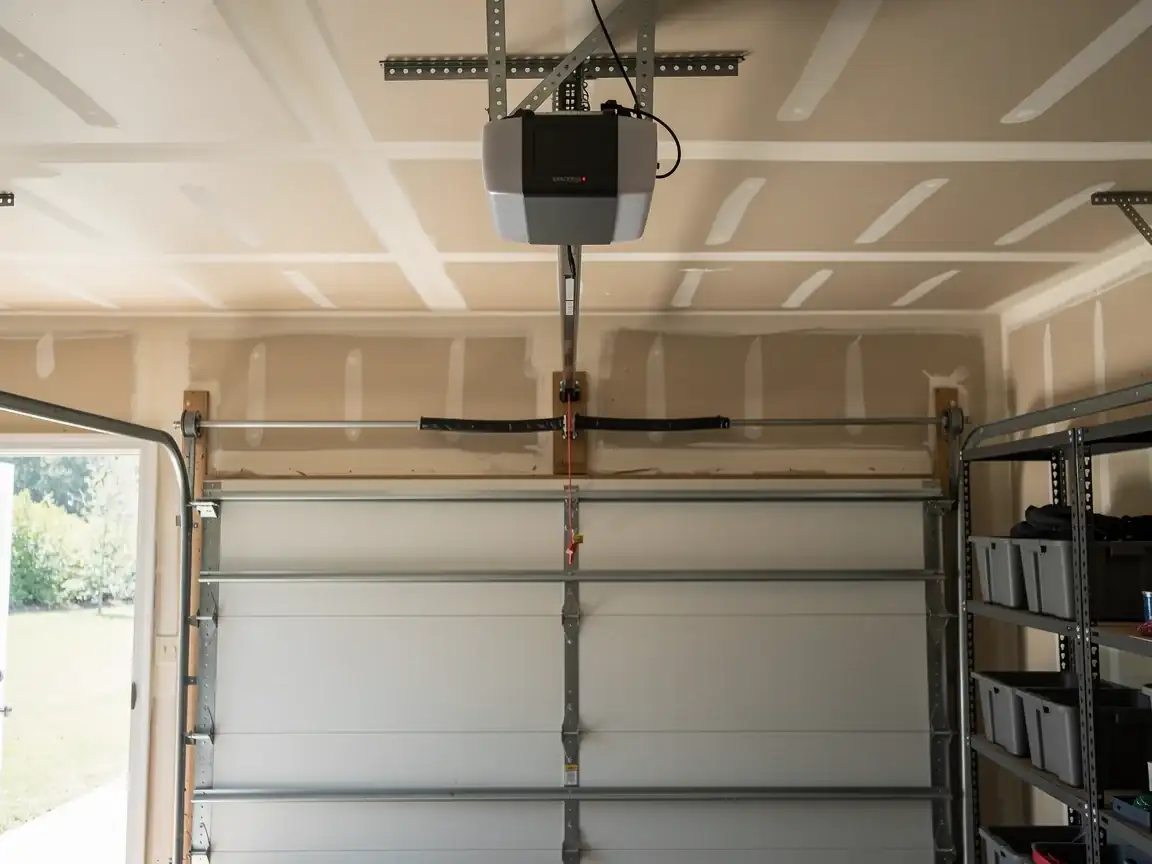
The call we get from Snoqualmie isn't usually "my door won't open." It's "the light blinks and nothing happens" or "it opens from the wall but not the remote." That's a different animal than a worn-out mechanical opener, and it's worth knowing why before anyone comes out.
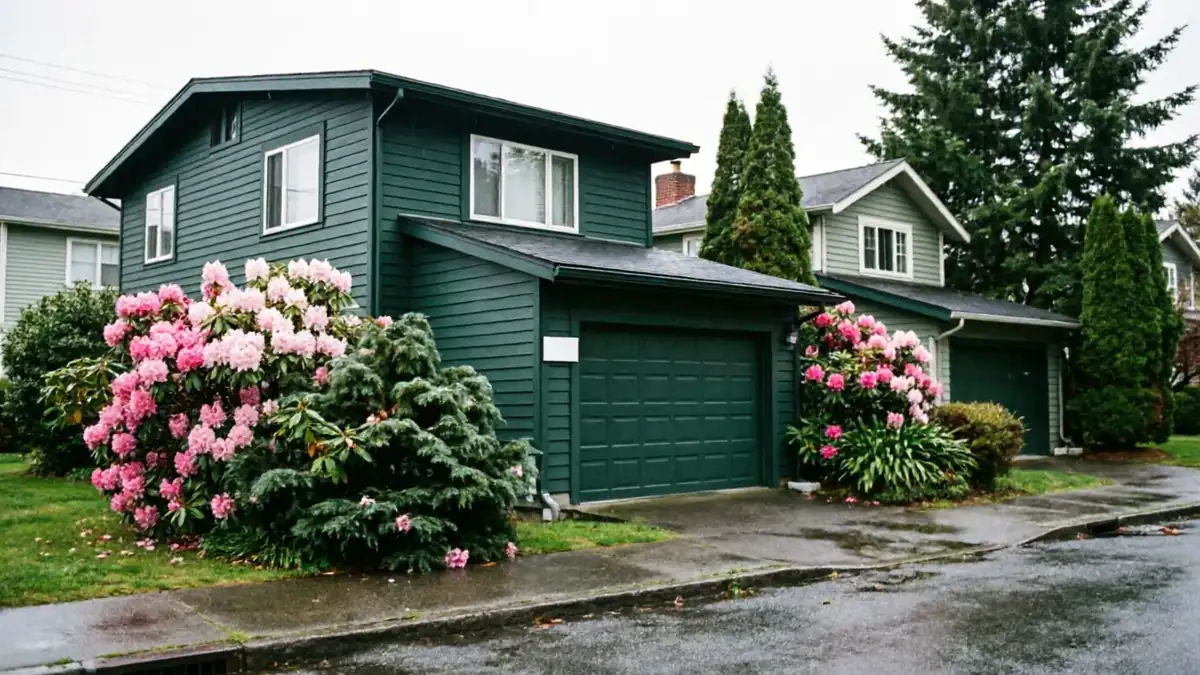
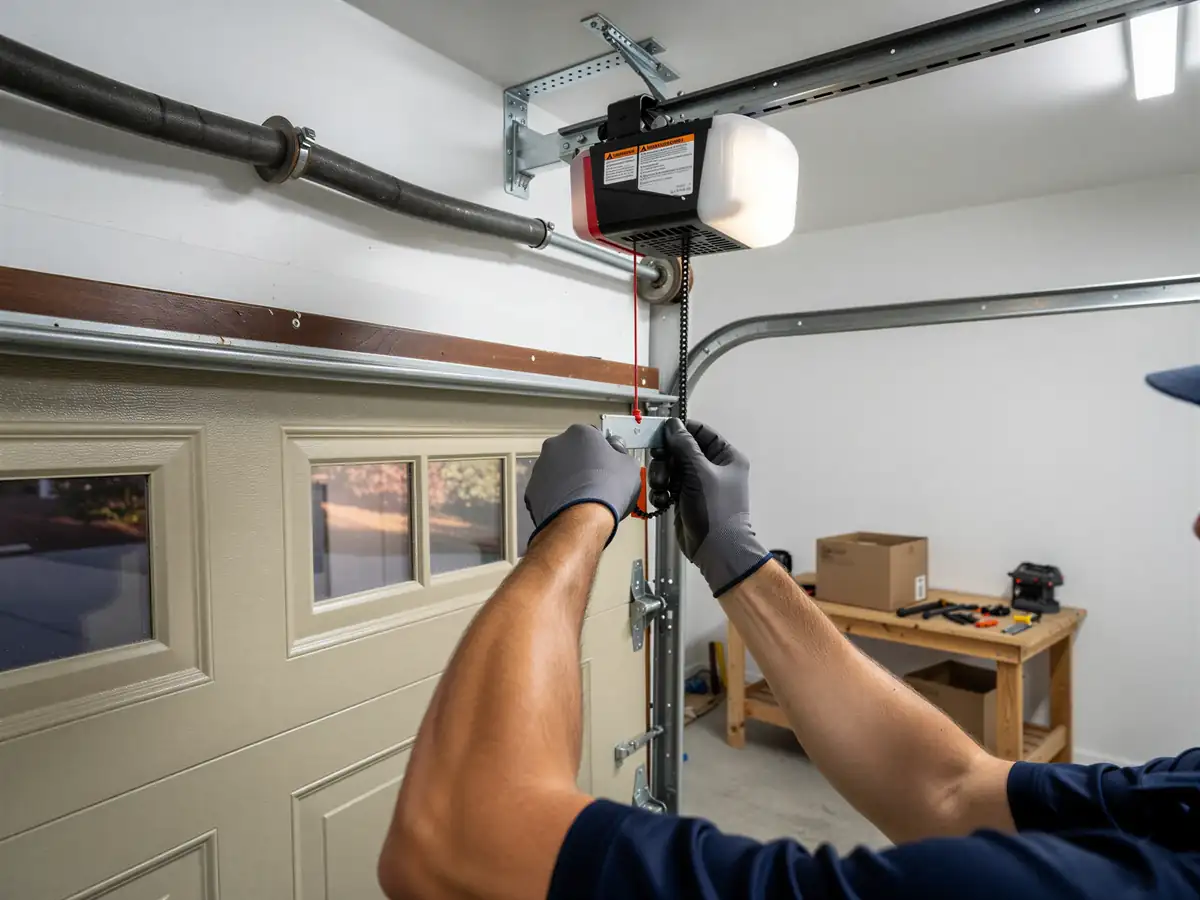
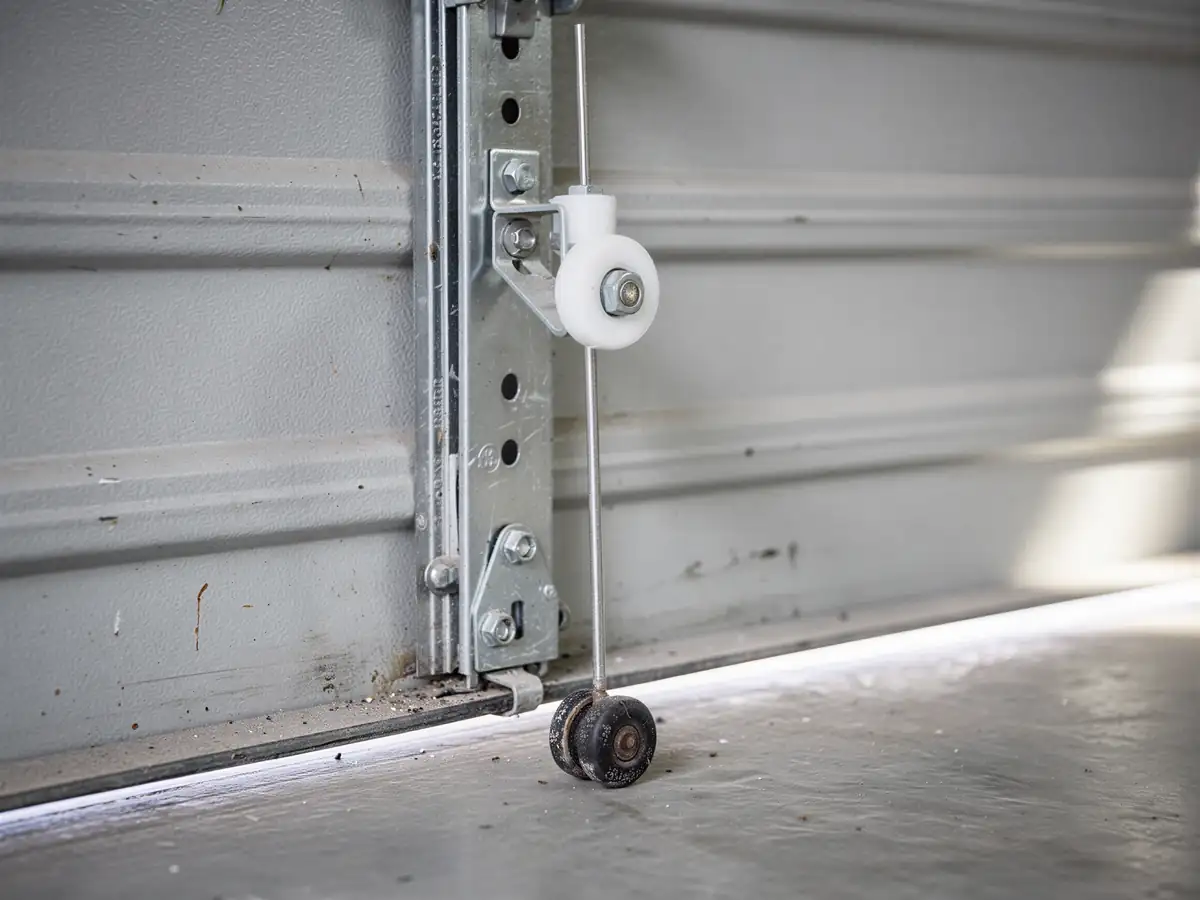
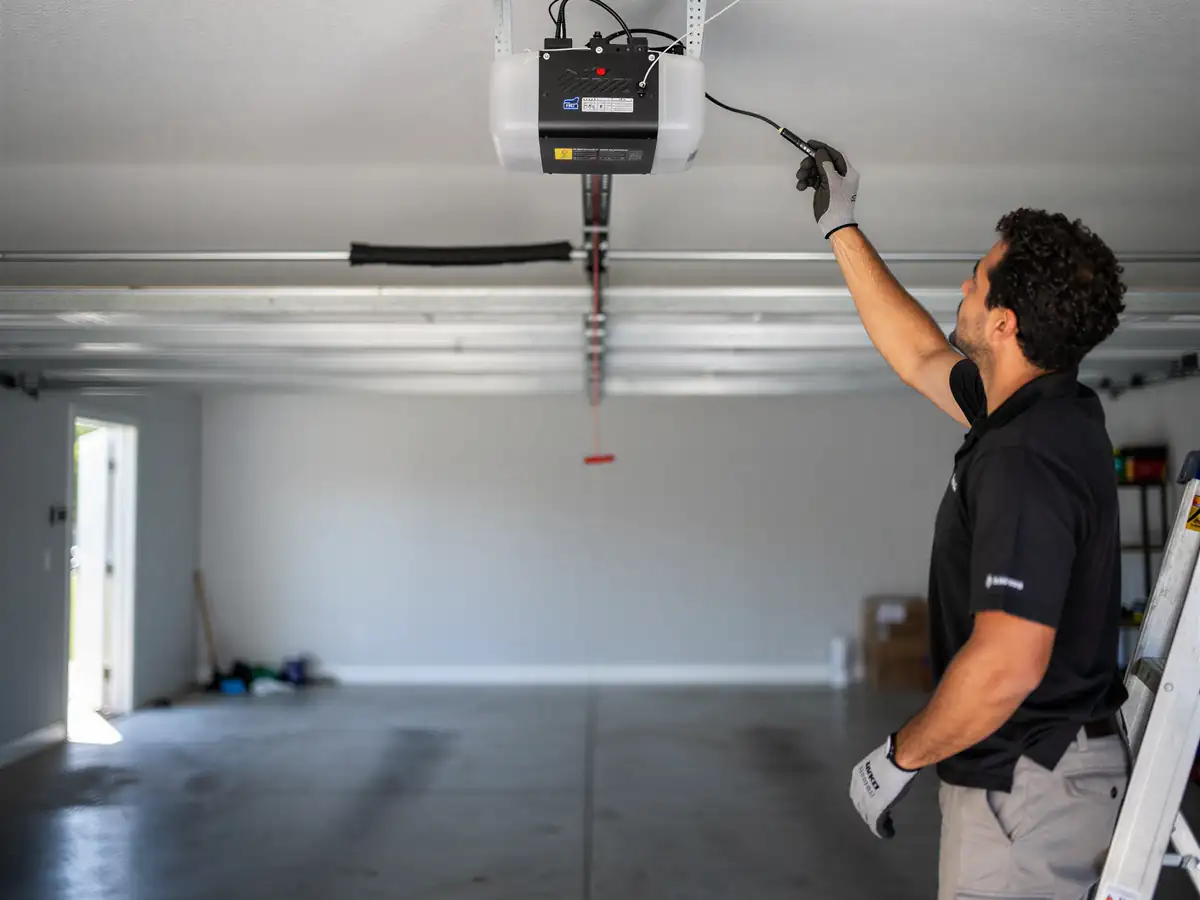
Most houses in this part of the service area were built around 2005, which puts Snoqualmie at the newer end of the stock we work on - well past the 1972 start of the broader area's housing and close to the top of that range. A door from that era came with a belt or chain-drive opener, a safety-sensor pair at the base of the track, and a circuit board doing the logic instead of a mechanical limit switch. When one of those boards starts to fail, you get intermittent behavior - works sometimes, doesn't others - rather than a dead unit. Homeowners in older housing stock tend to call about stripped gears and burnt-out motors. Here, the first symptom is almost always electronic.
Getting It Booked In
We're based in Woodinville and Snoqualmie sits about 20 miles out
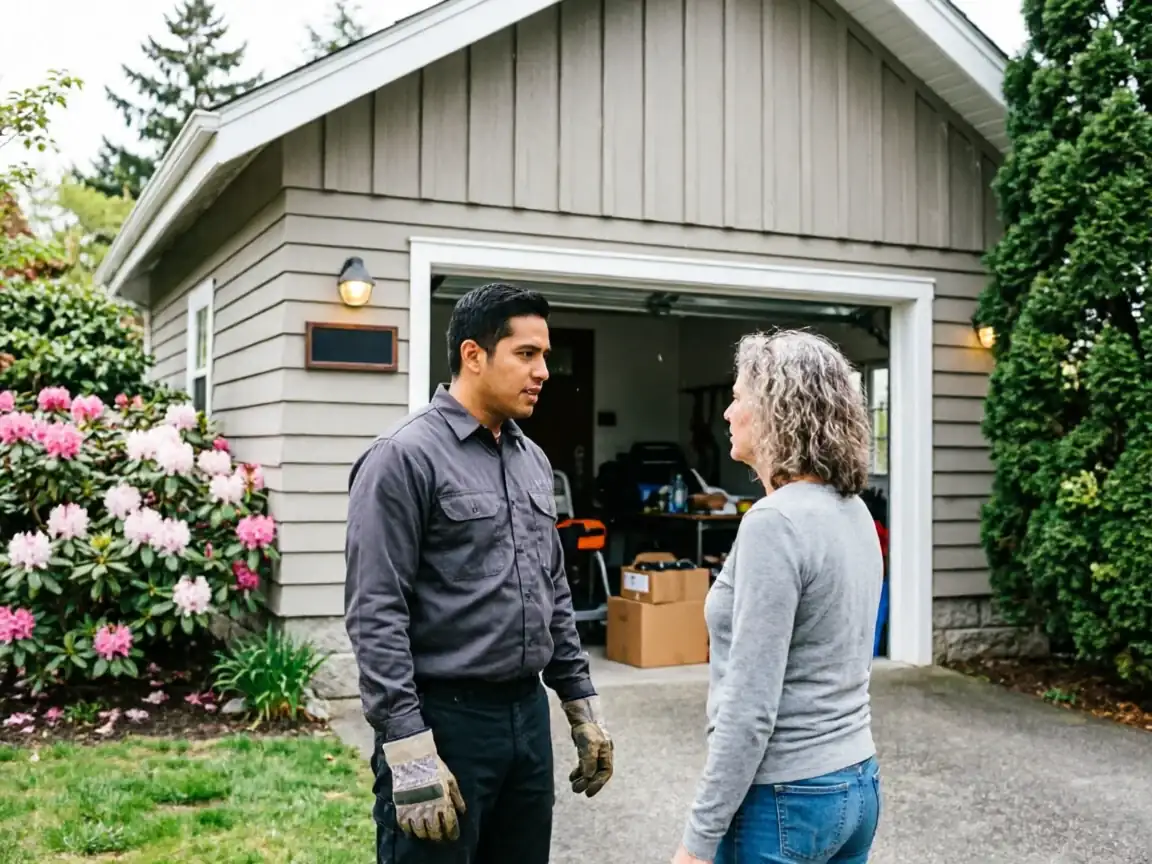
So this isn't a same-block callout - we're scheduling a specific visit, not swinging by between jobs. Tell us what the opener is actually doing (lights flashing, remote dead, wall button working or not) before the truck leaves, because that's usually enough to know whether we're bringing a sensor kit, a board, or just a diagnostic meter.
- 20 miles
If your opener logic board needs replacing and it's an uncommon model, that part isn't always on the truck
We'll confirm what you've got over the phone first so the trip isn't wasted. You can also start from our general page for the area at /snoqualmie/garage-door-service/ if you're not sure yet whether this is an opener issue or something with the door itself.
What Causes It Around Here
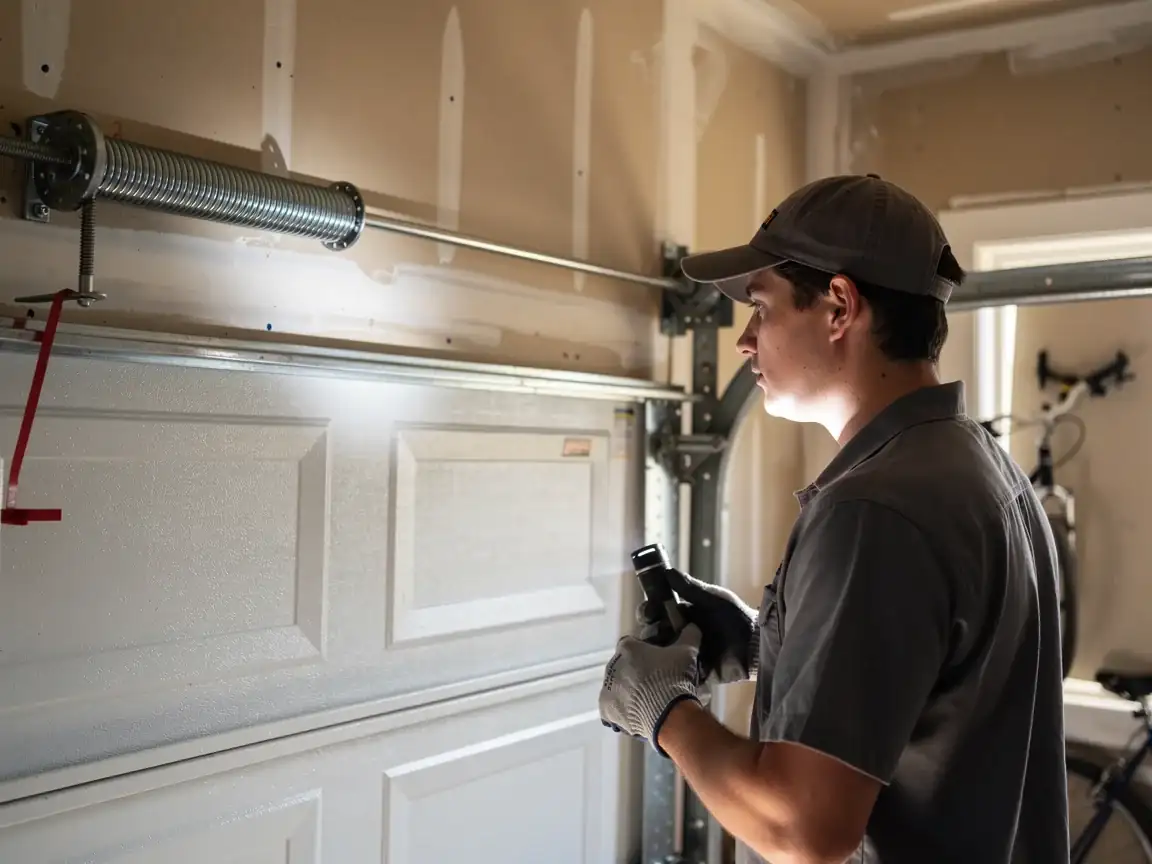
Two things are working against openers in Snoqualmie specifically: age of electronics and cold. The area sits in a cold-moderate climate band, and circuit boards don't love repeated cold starts any more than engines do - condensation inside a board housing during a cold snap, followed by a warm afternoon, is a slow way to kill a sensor eye or a logic board over a few winters.
Add to that: openers installed around 2005 are now old enough that their boards and sensor wiring are original, not replaced. Nothing on a circuit board lasts forever, and twenty years is enough for solder joints to fatigue and capacitors to weaken, especially with temperature swings working on them twice a day. We also see squirrel or rodent damage to the low-voltage sensor wire running along the track - thin gauge wire, easy to chew, and it reads to the opener as a blocked beam even when the path is clear.
Where This Job Goes Sideways
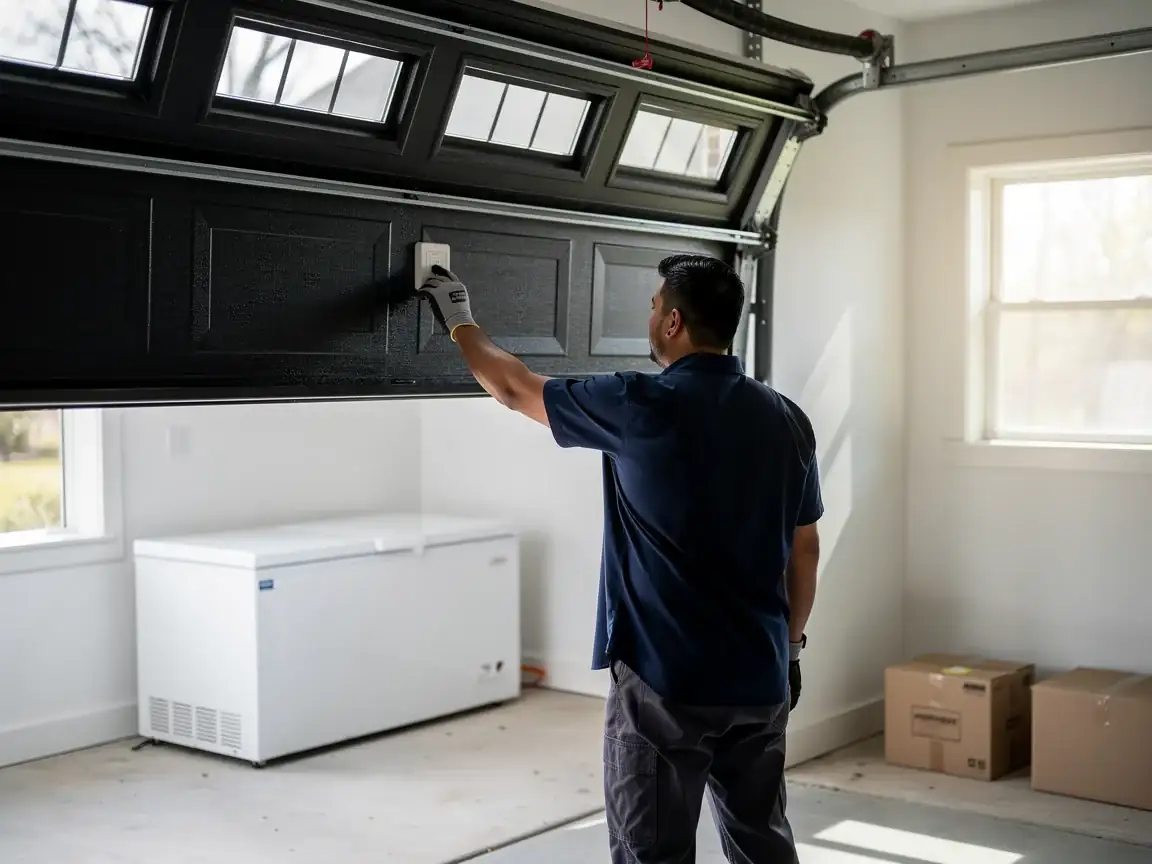
The mistake we see most with newer openers is someone replacing the whole unit when the fix was a twelve-dollar sensor or a wire splice. If the light blinks a set number of times before you call, that code usually points straight at the problem - sensor misalignment, a cut wire, or a bad board - and skipping that step means paying for a motor you didn't need.
The other way this goes sideways: a board fails on an opener model that's been out of production for a while, and getting an exact replacement board takes longer than either of us would like. That's the honest limitation here - we don't stock every board for every opener made in the early 2000s, and if yours is one of the less common ones, there can be a wait on the part. We'll tell you that up front rather than string you along with a vague timeline.