How It Shows Up
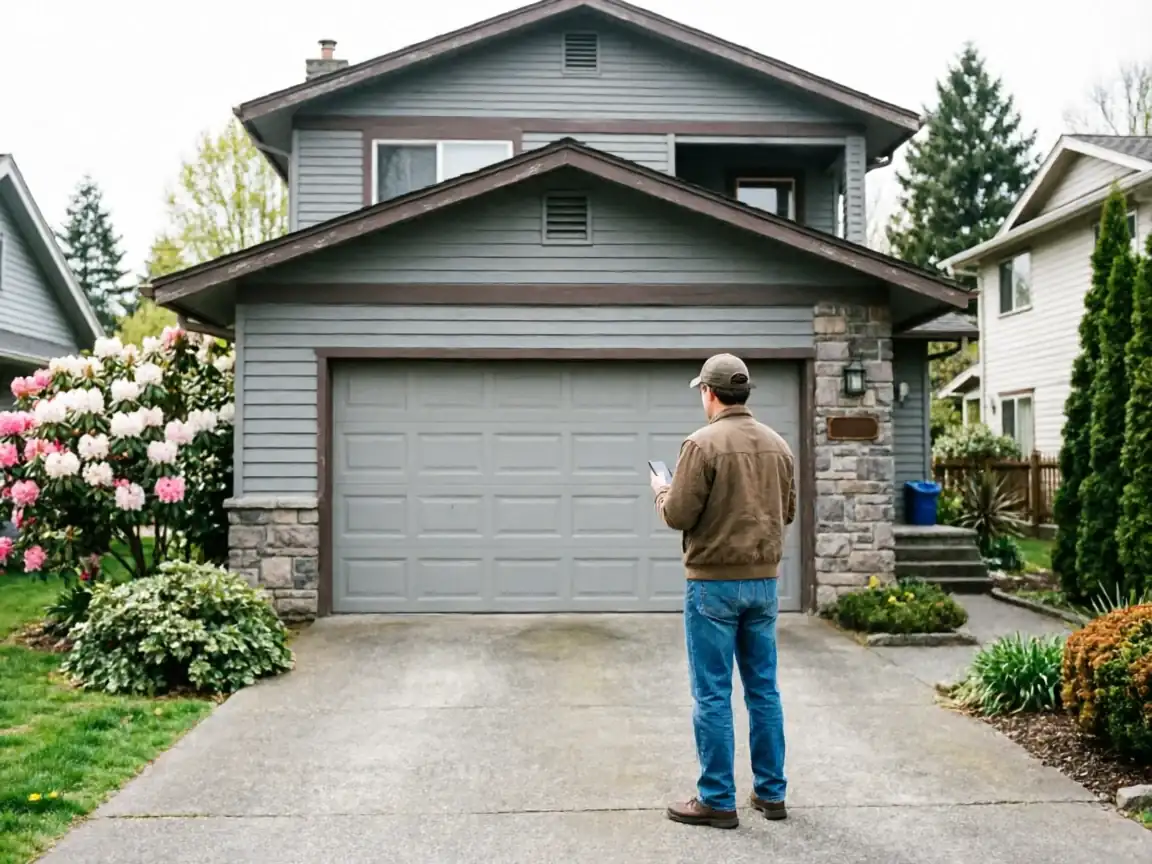
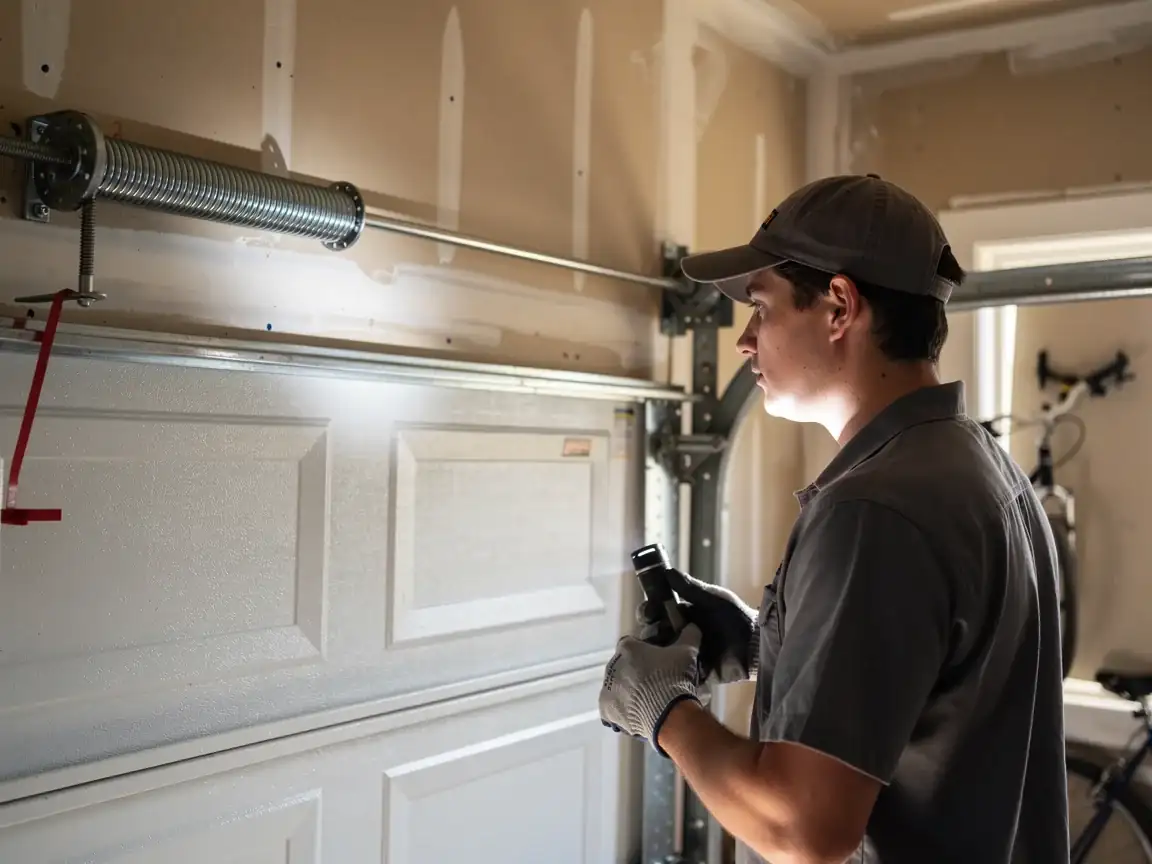
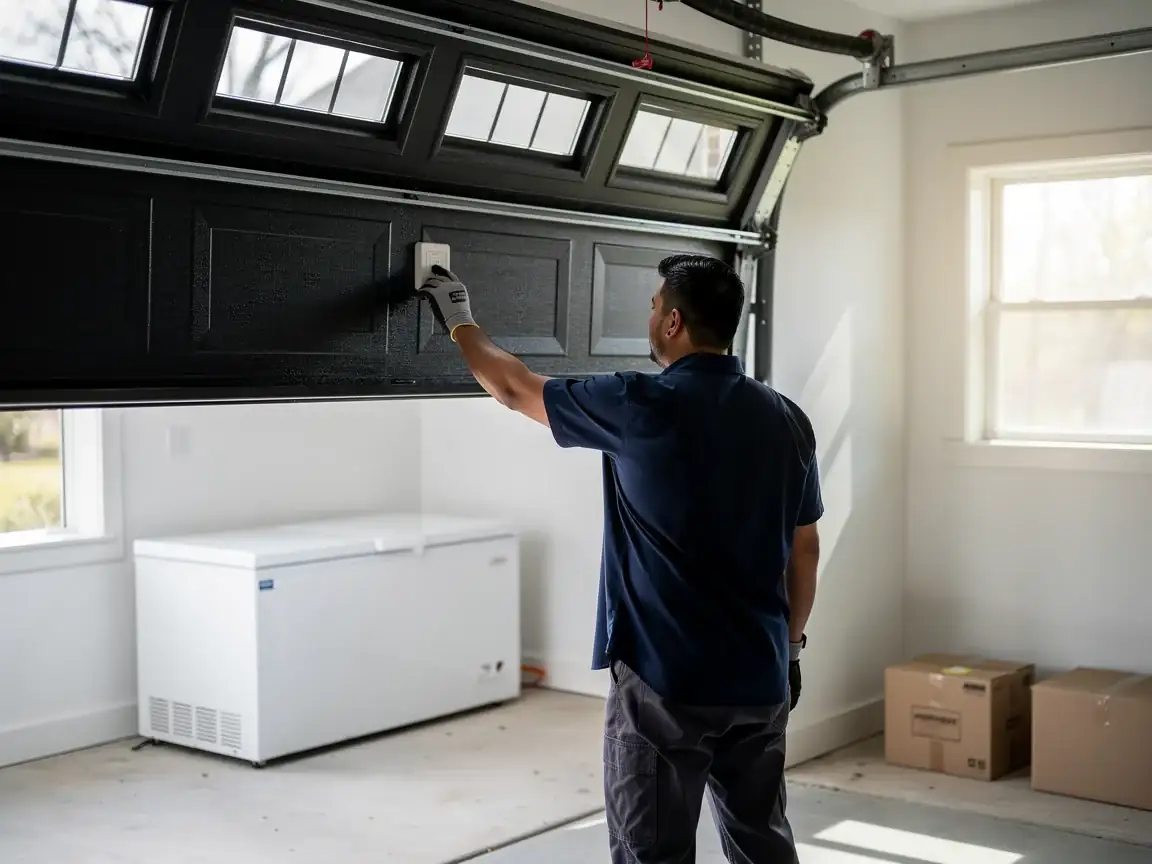
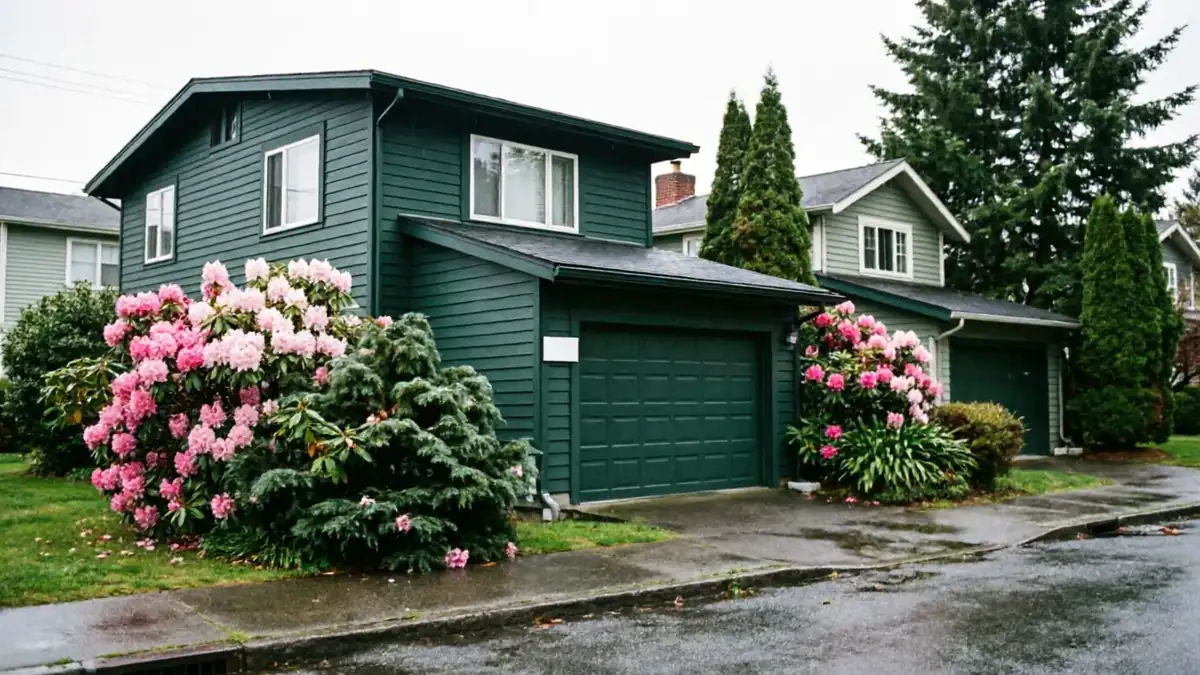
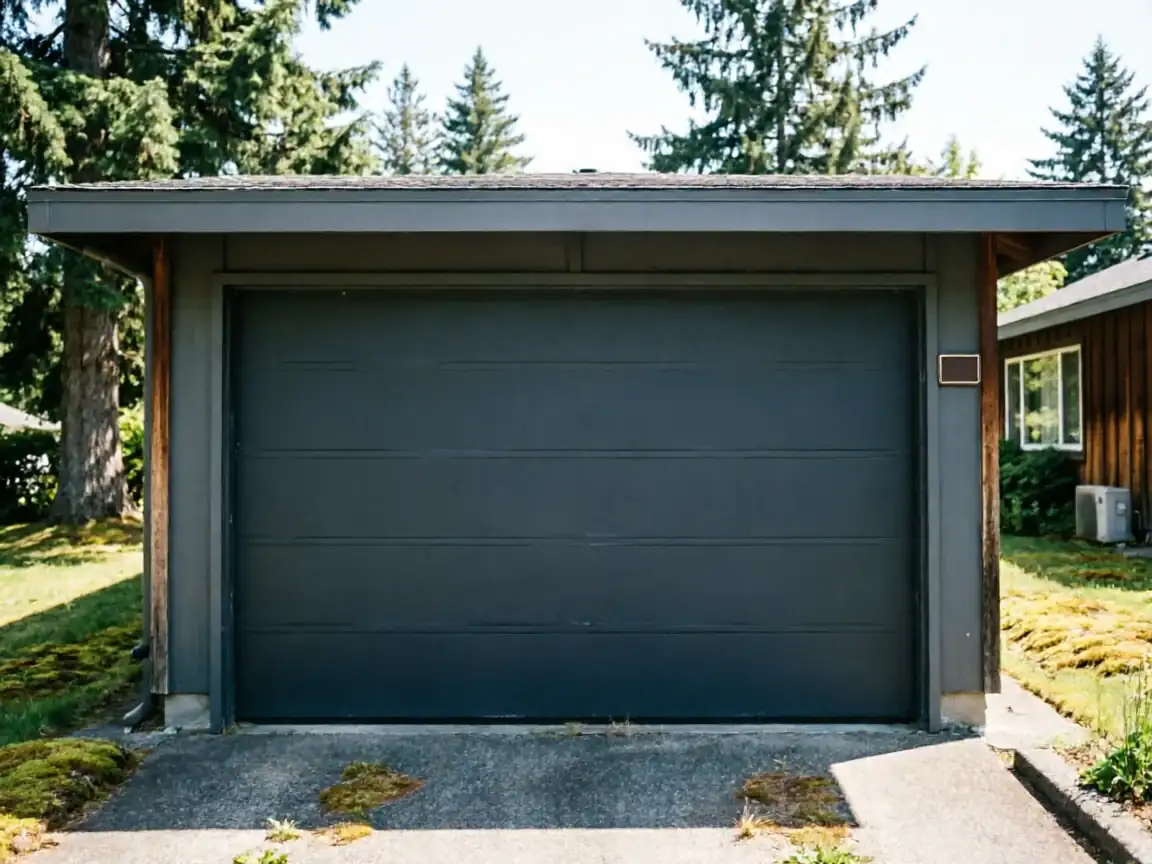
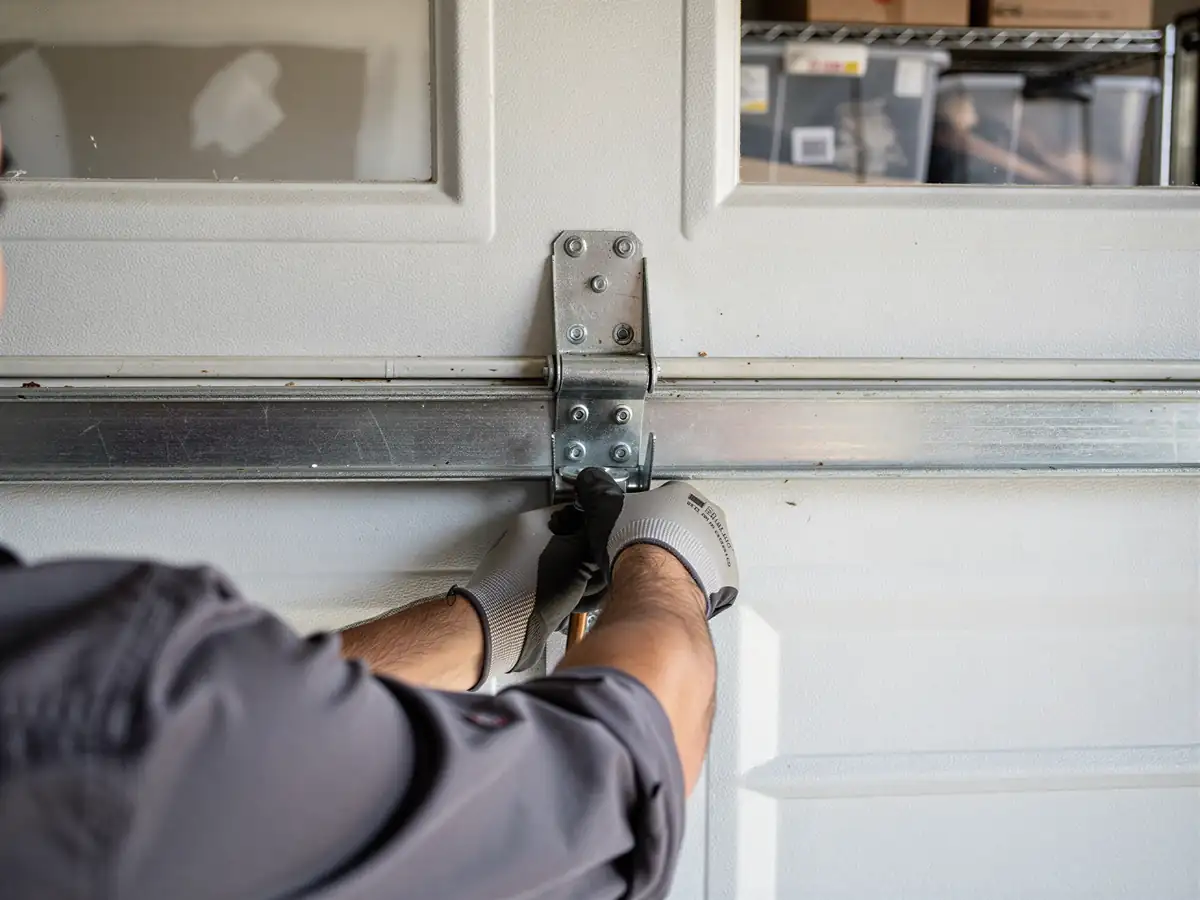
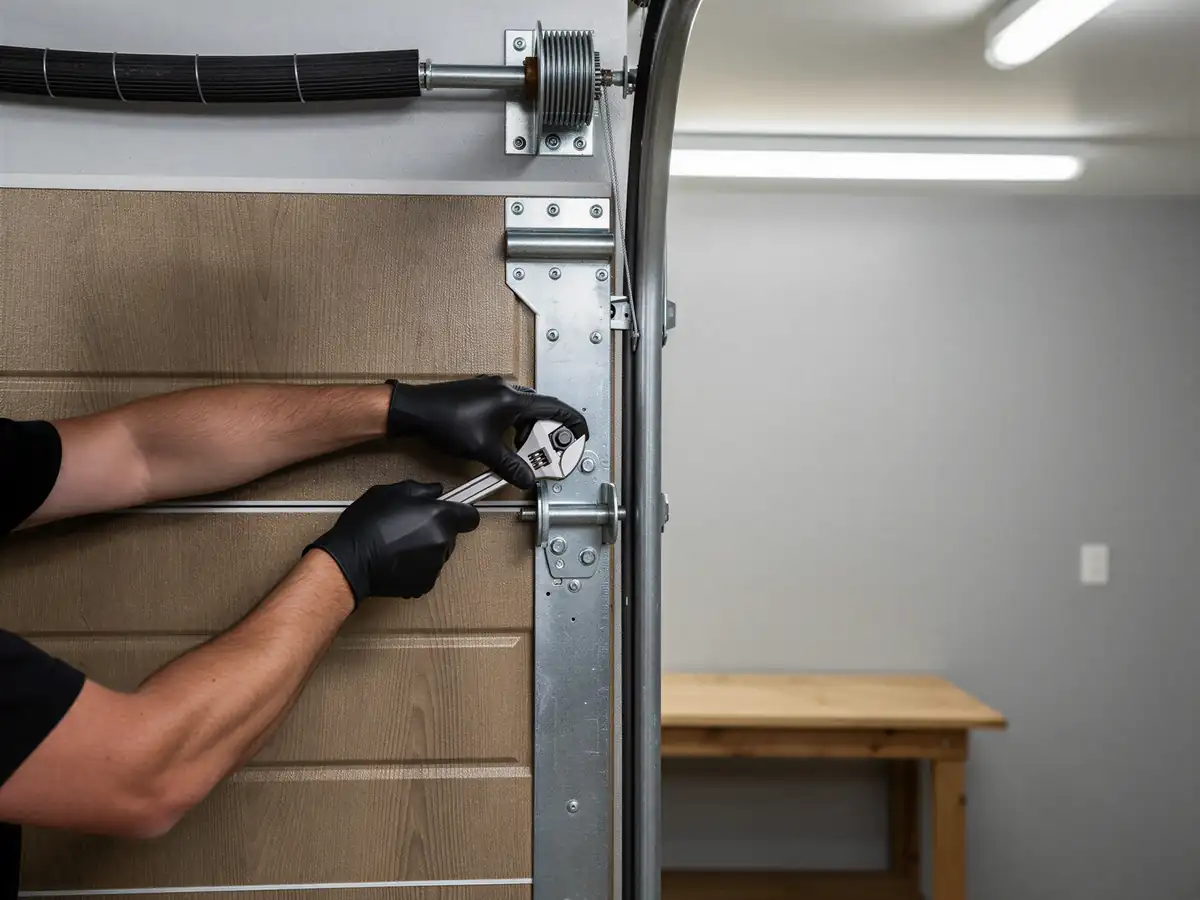
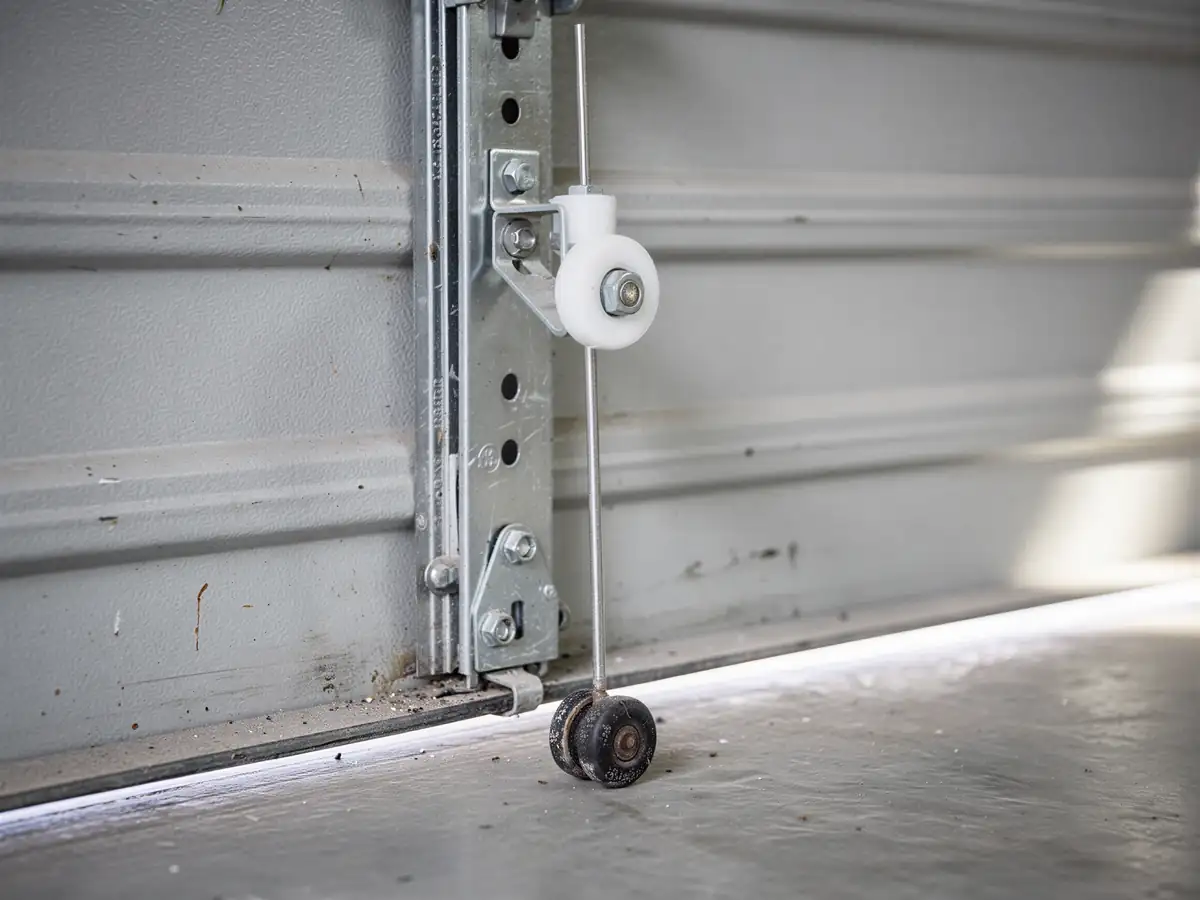
Most houses in Snoqualmie went up around 2005, which puts a lot of garage doors right at the edge of their original roller life. Builders in that era used stamped steel rollers on nylon bushings, stock parts that were never meant to run twenty years without a swap. If your door still sounds the way it did when the house was new, there's a decent chance nobody has touched the rollers since the first homeowner moved in. The usual tell is a grinding or clunking noise as the door travels through the bend in the track, worse in the morning when the grease has gone stiff overnight. Some owners notice the door hesitating partway up, like it's catching on something, which is usually a roller wheel that's worn down enough to bind rather than roll. On a few doors we've opened up, the roller stem itself has started to wear oval where it sits in the bracket, which is a sign you waited a little past the point of a clean swap. None of this is an emergency the way a snapped spring is, but it doesn't fix itself, and the noise only gets worse as the nylon wears through to bare steel.
What Causes It Around Here
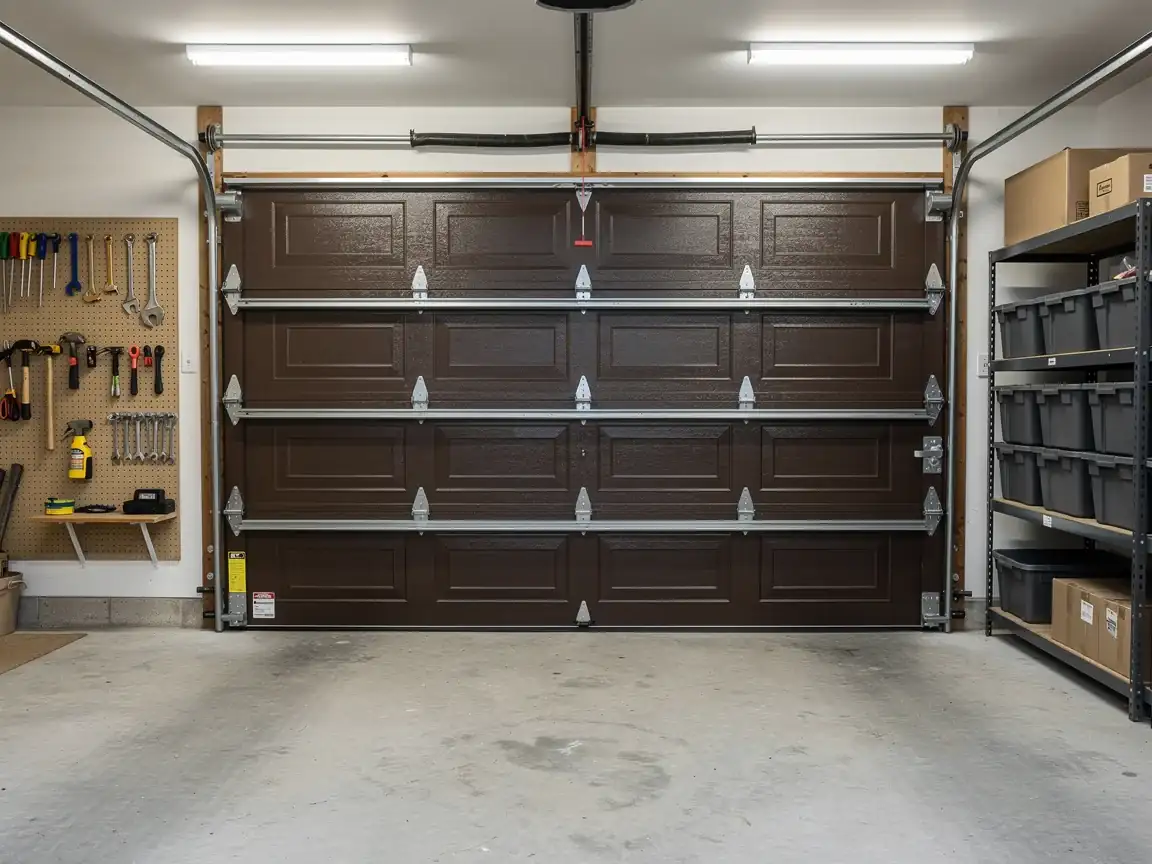
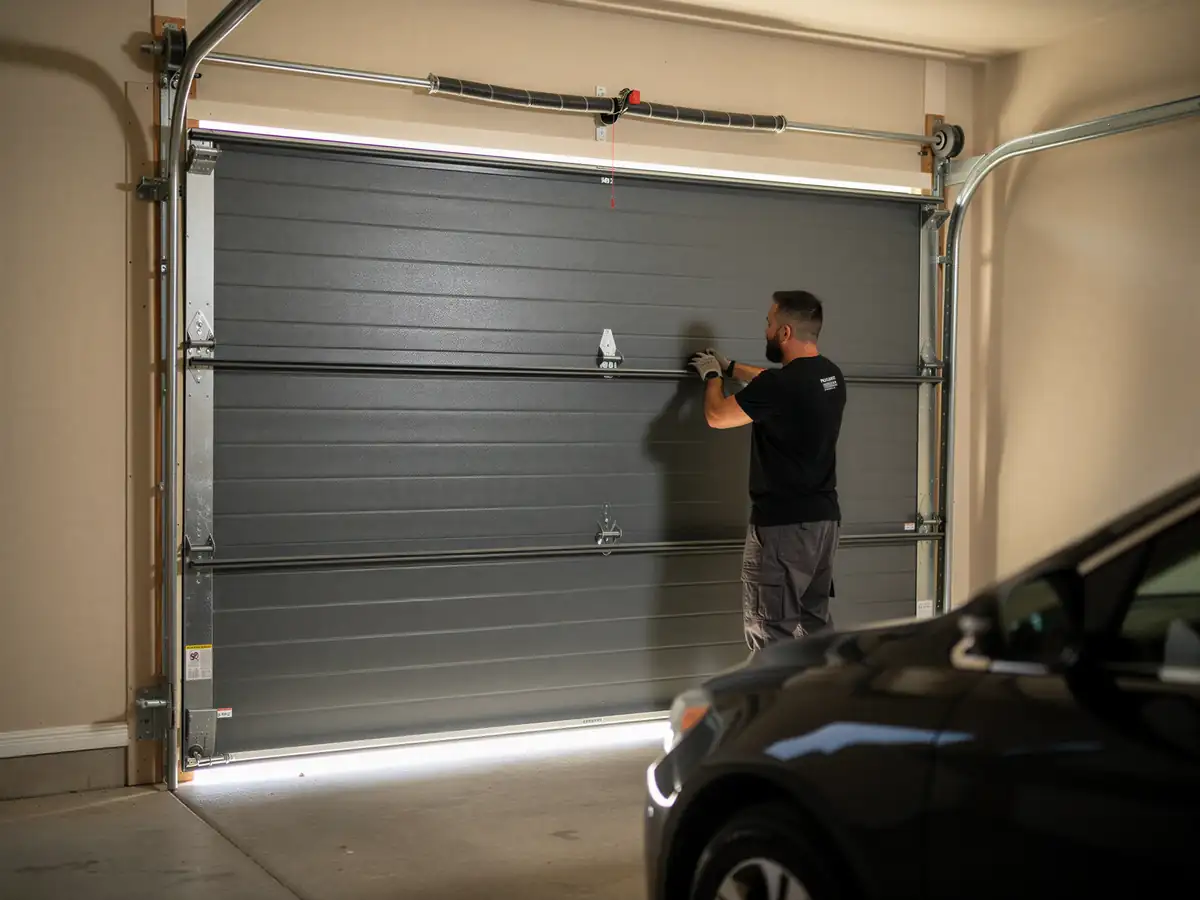
The climate here runs cold and moderate rather than extreme, so Snoqualmie doesn't get the kind of brutal freeze-thaw cycling that chews through hardware in a single season. What wears rollers out here is simply mileage - years of daily openings on nylon rollers that were adequate but not premium when the house was built in the mid-2000s. Steel-stem rollers with plastic bushings were standard builder-grade equipment in that era, and they weren't designed as a lifetime part. Add in that a lot of these garages see two cars in and out daily, and the roller count on an average door - six to ten rollers depending on panel count - means some of them are doing a lot more cycles than others, particularly the ones near the bottom panel that take the most flex.
Where This Job Goes Sideways
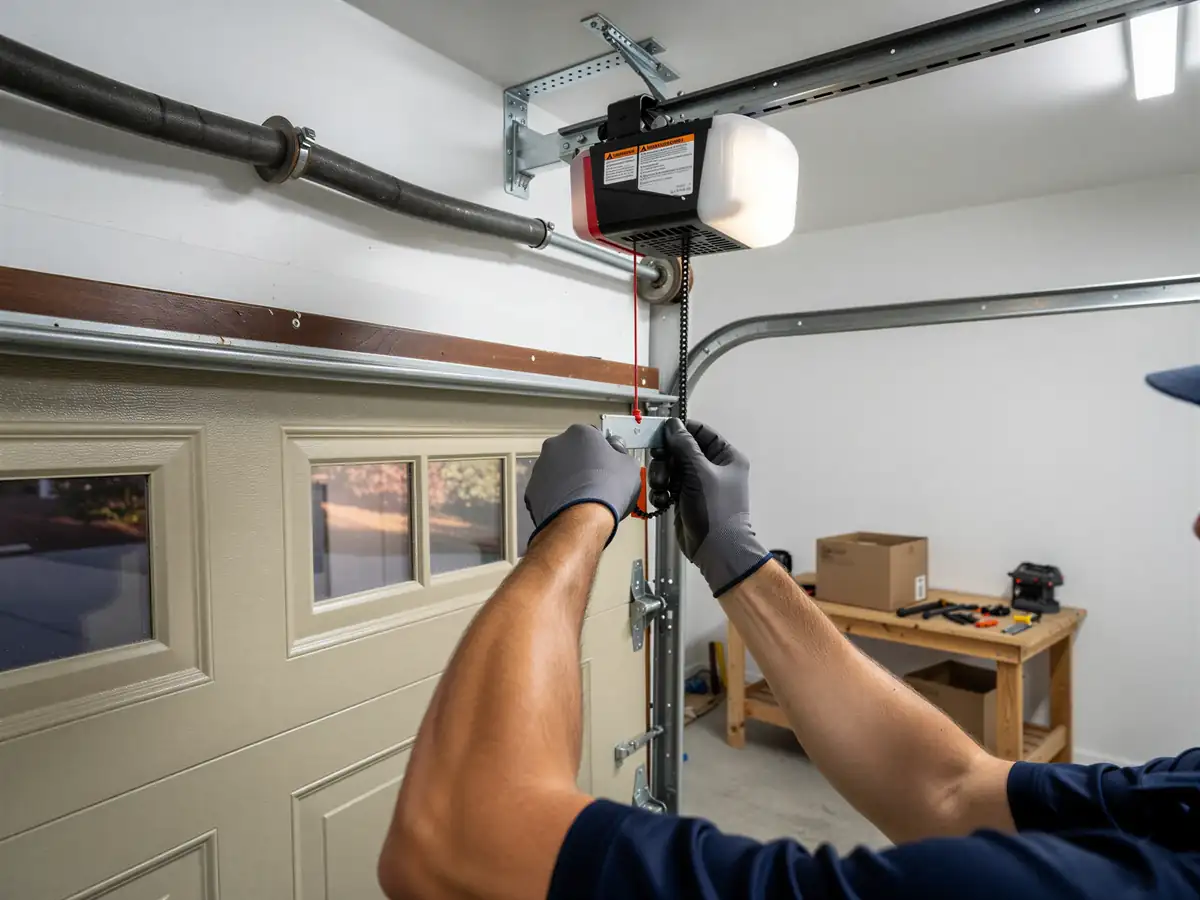
The job gets more expensive than a straight roller swap when the track itself has worn unevenly to match the bad rollers - at that point you're not just replacing rollers, you're correcting a track that's been running out of true for a while. We also see it go sideways when a homeowner wants to replace only the rollers that sound bad and leave the rest, which sounds economical but usually means a second visit within a year or two once the untouched rollers catch up. Our honest limitation here: if the brackets holding the rollers have rusted or bent, that's a different repair with different parts, and we won't know for certain until we've got the door open and can see the hinge plates directly.