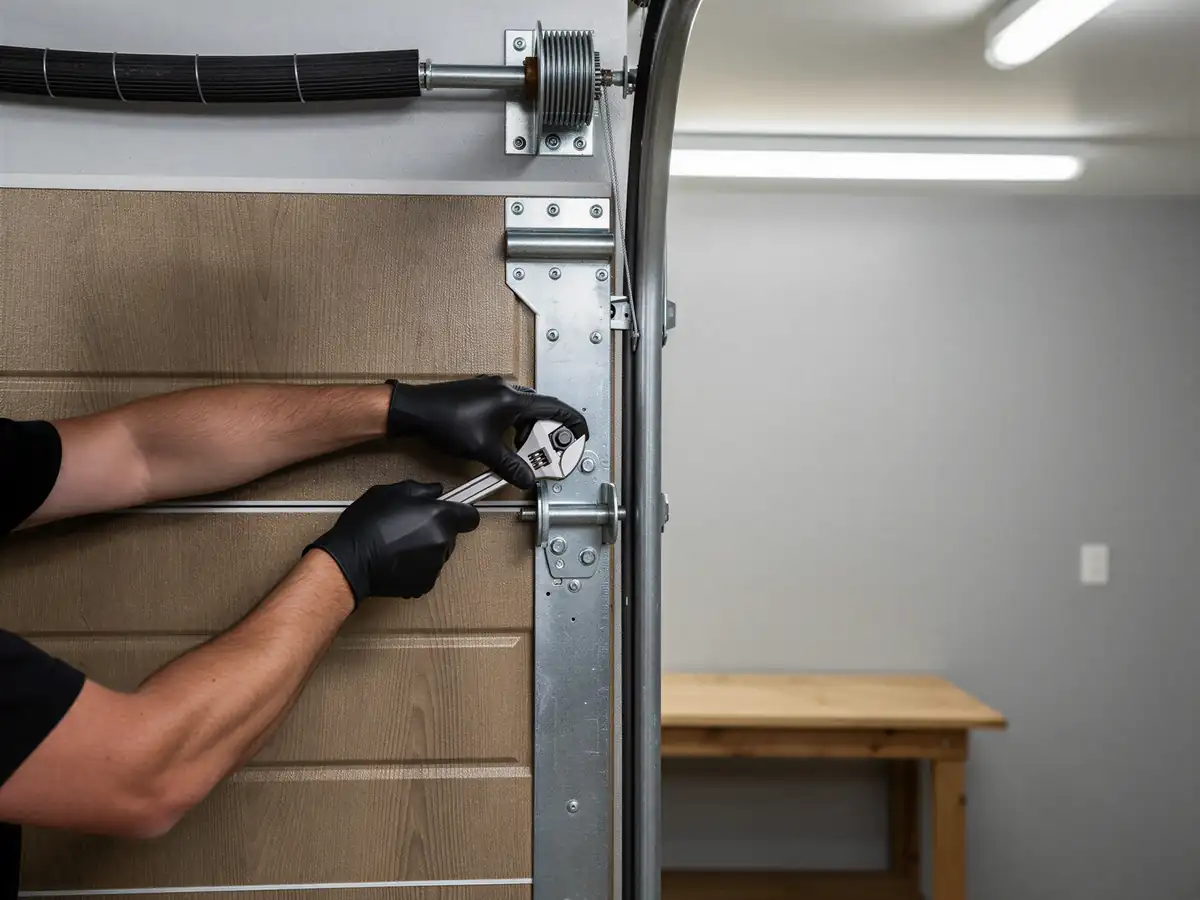
How It Shows Up
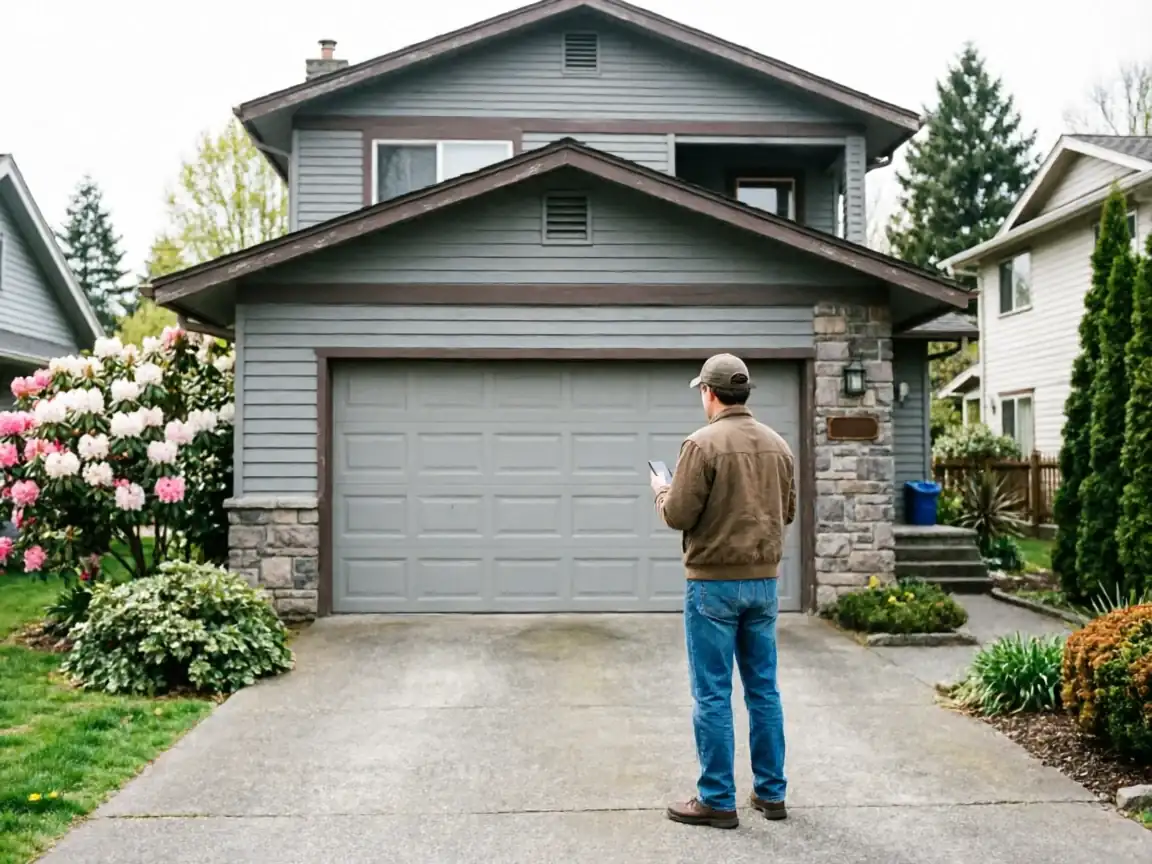
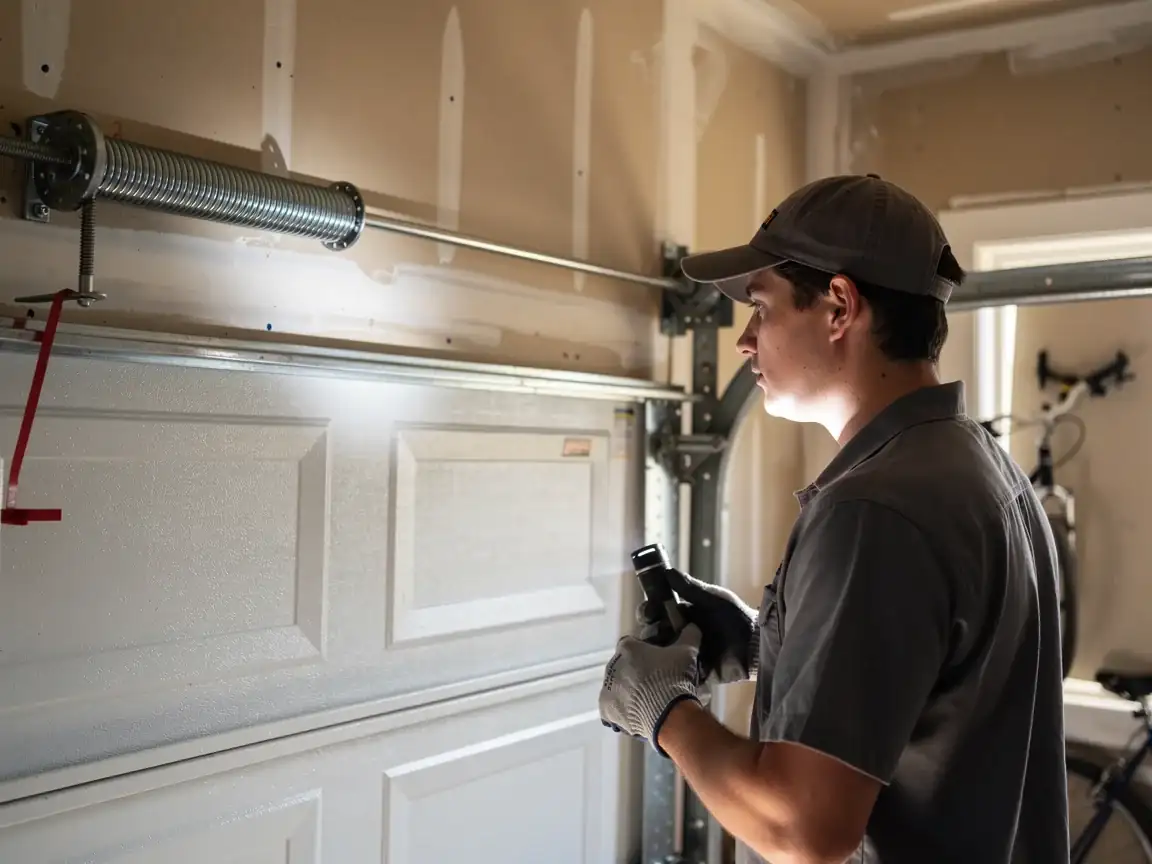
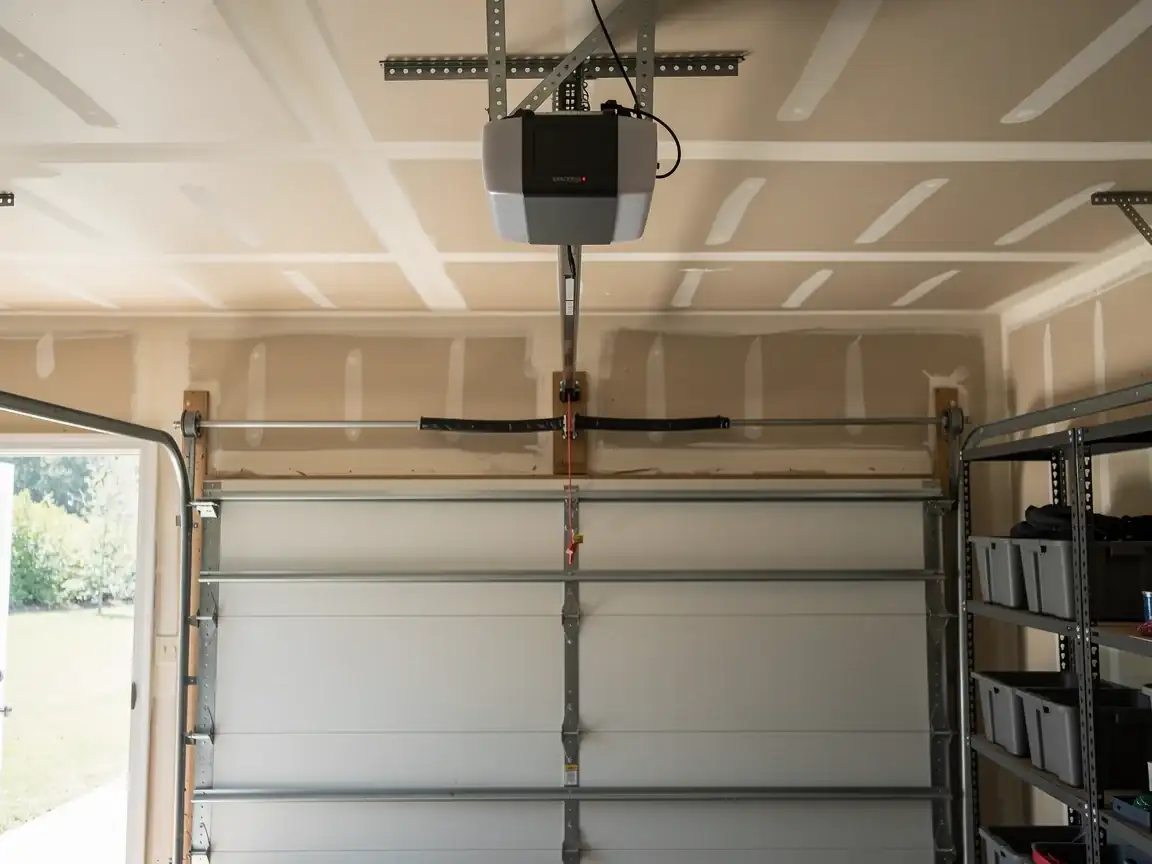
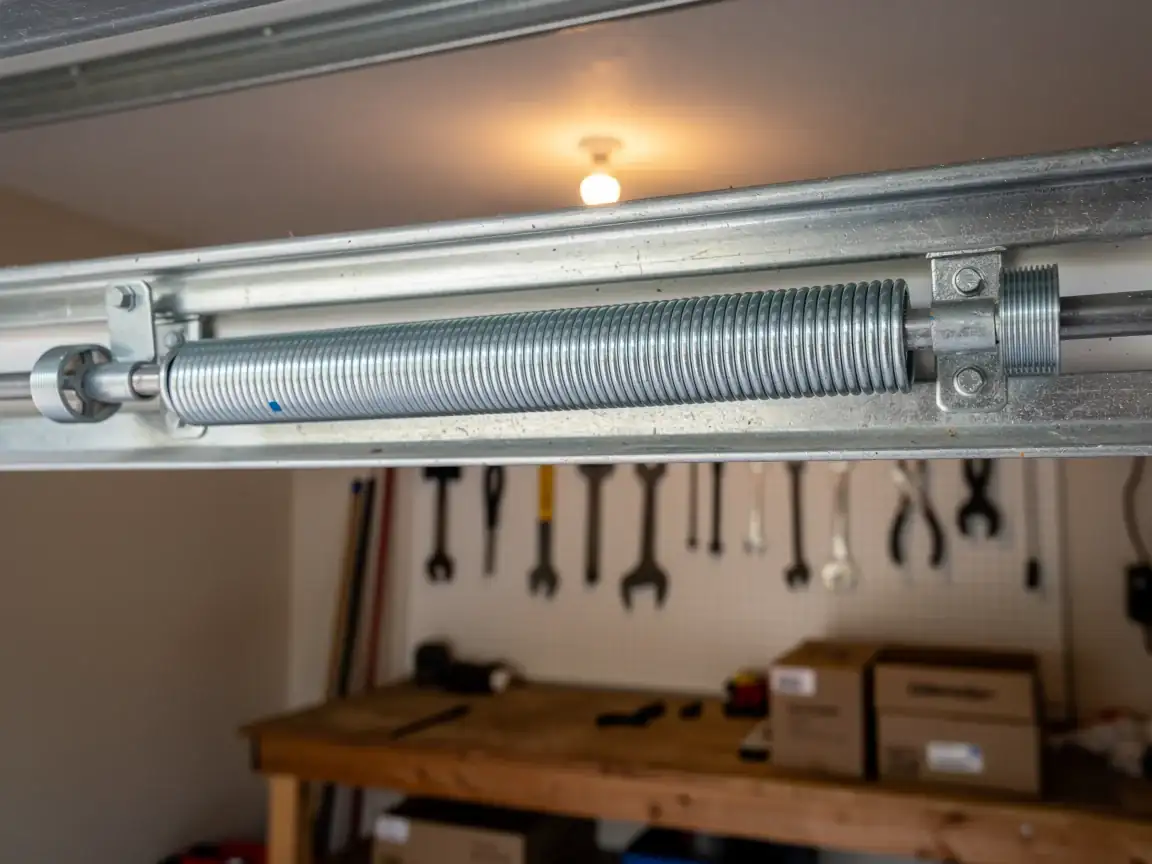
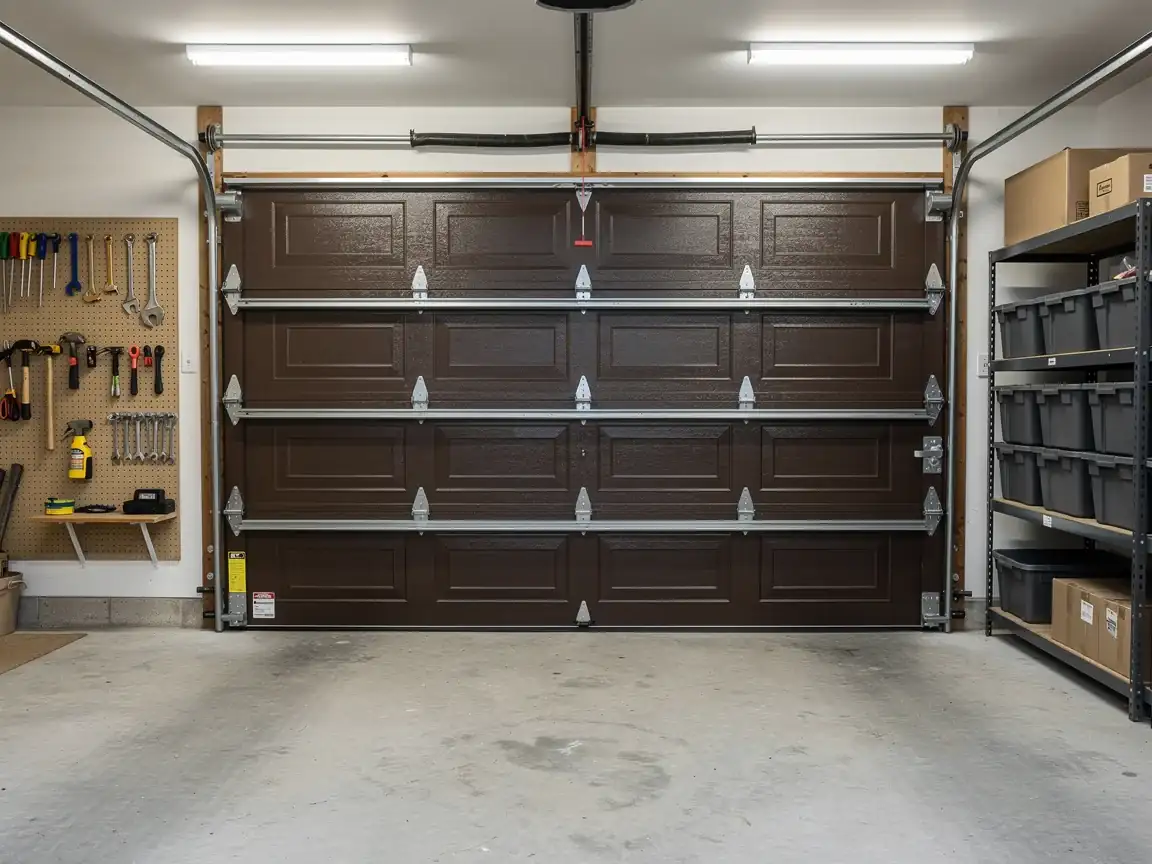
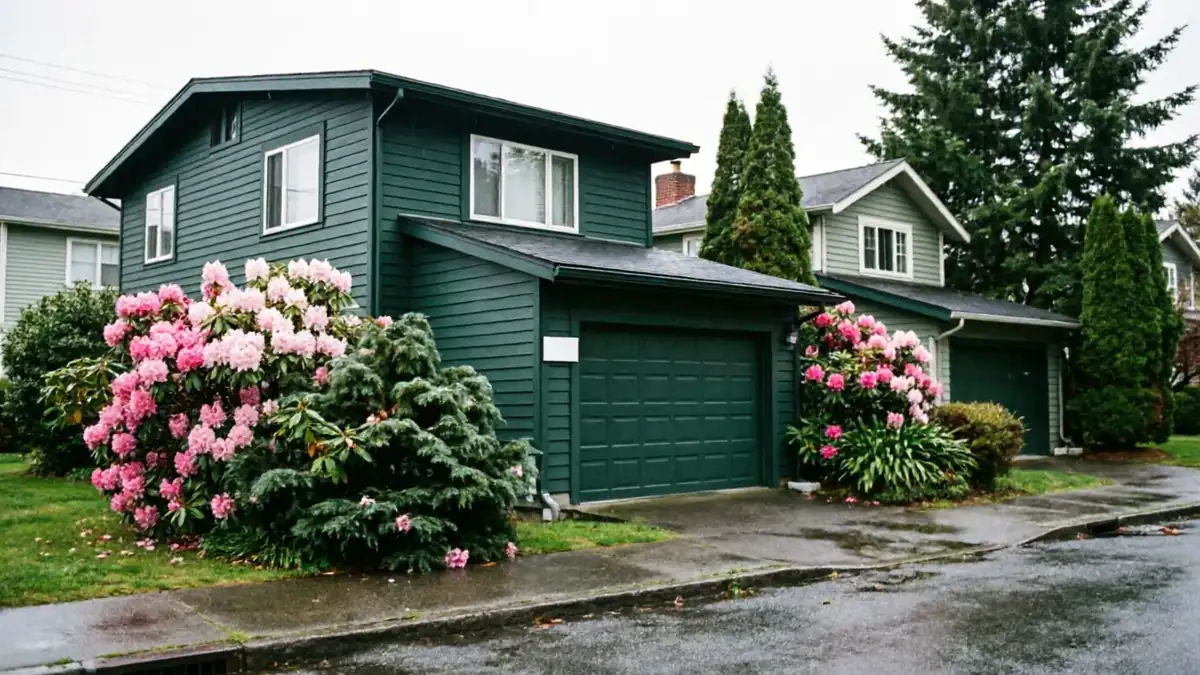
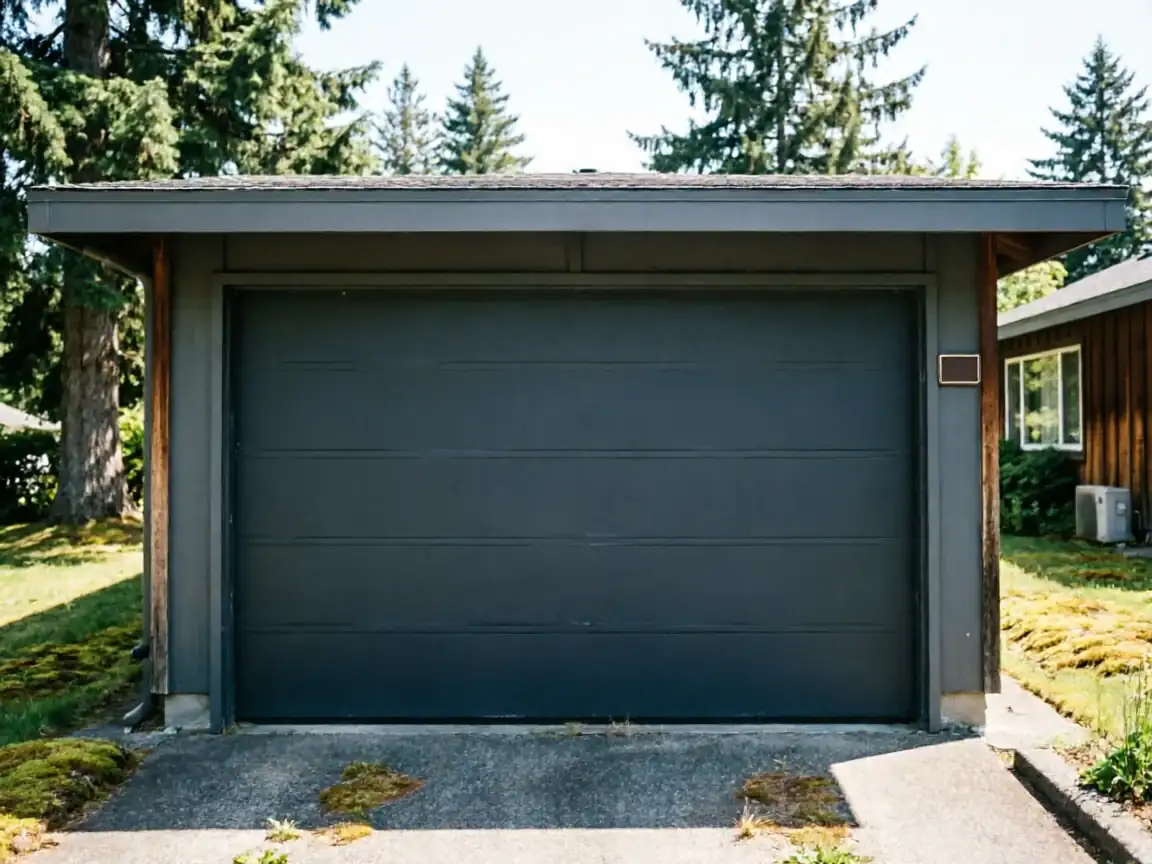
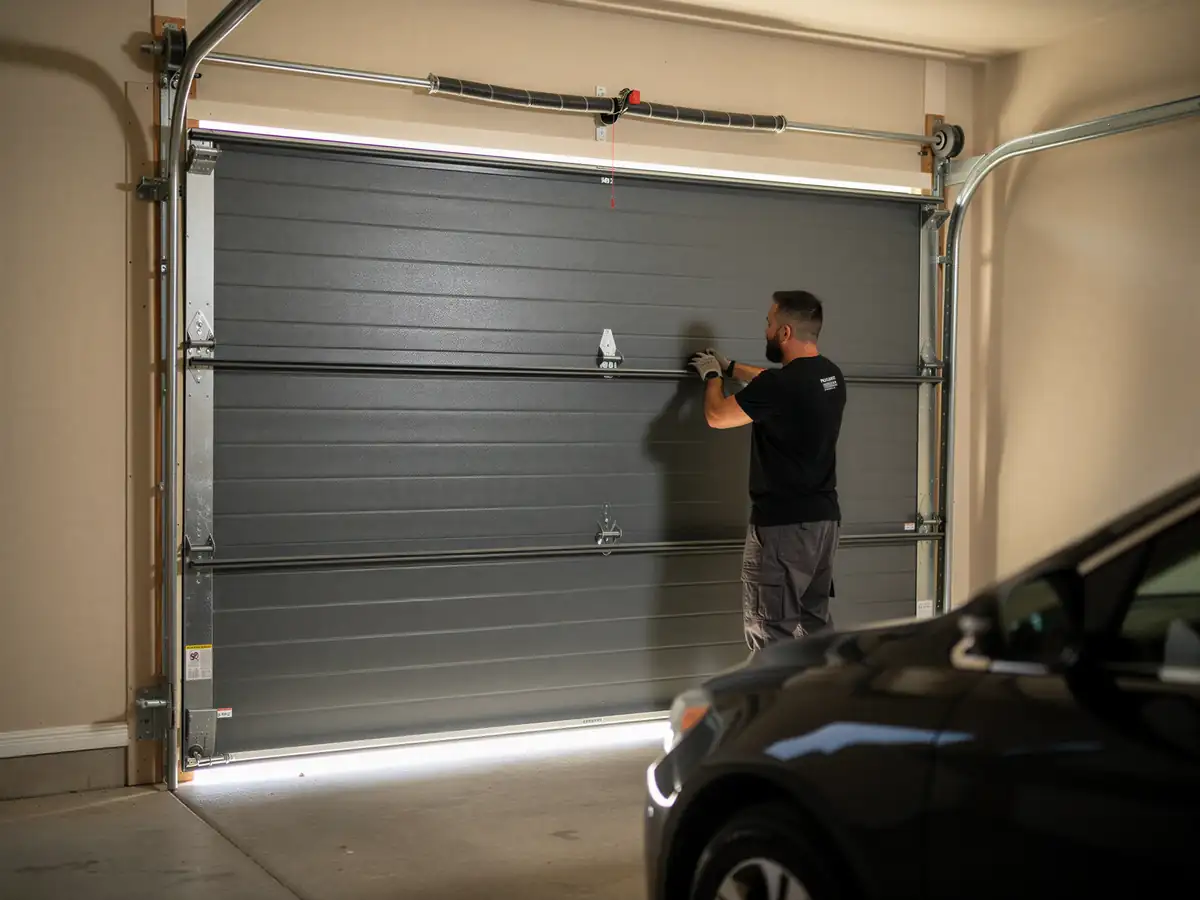
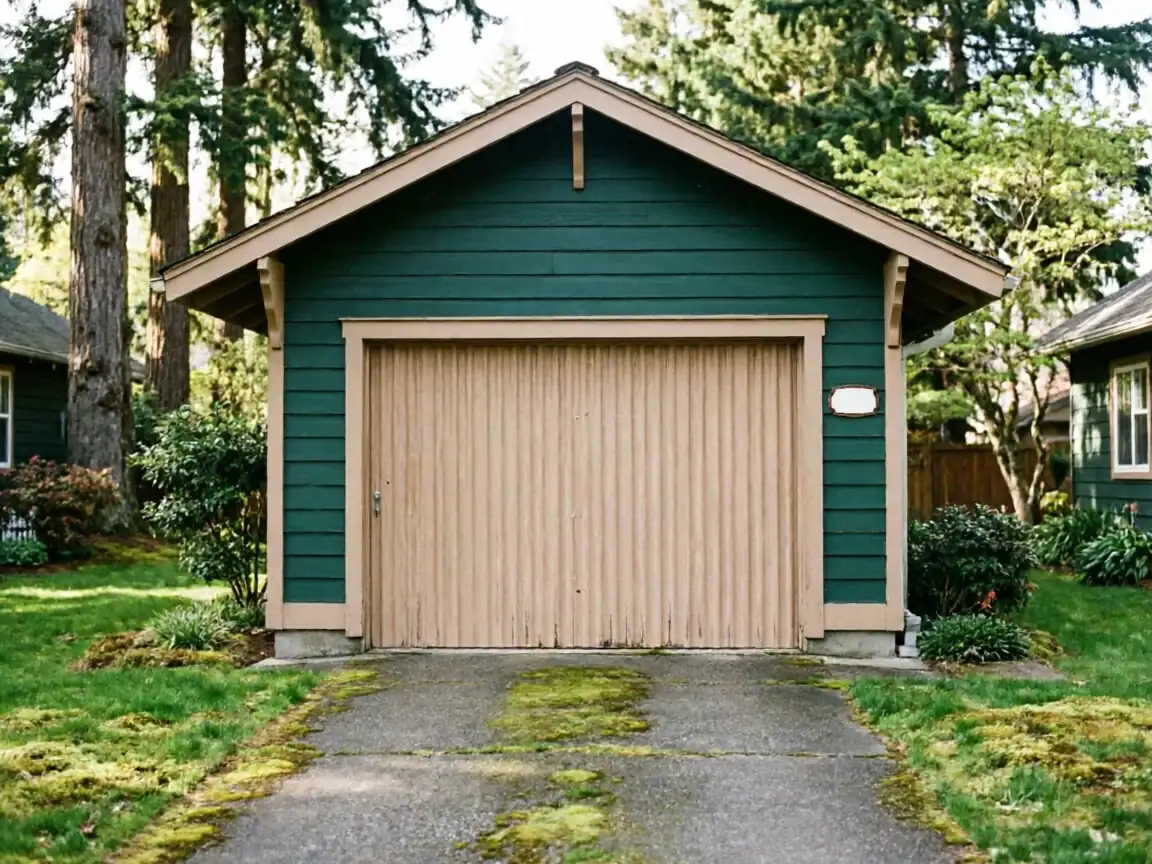
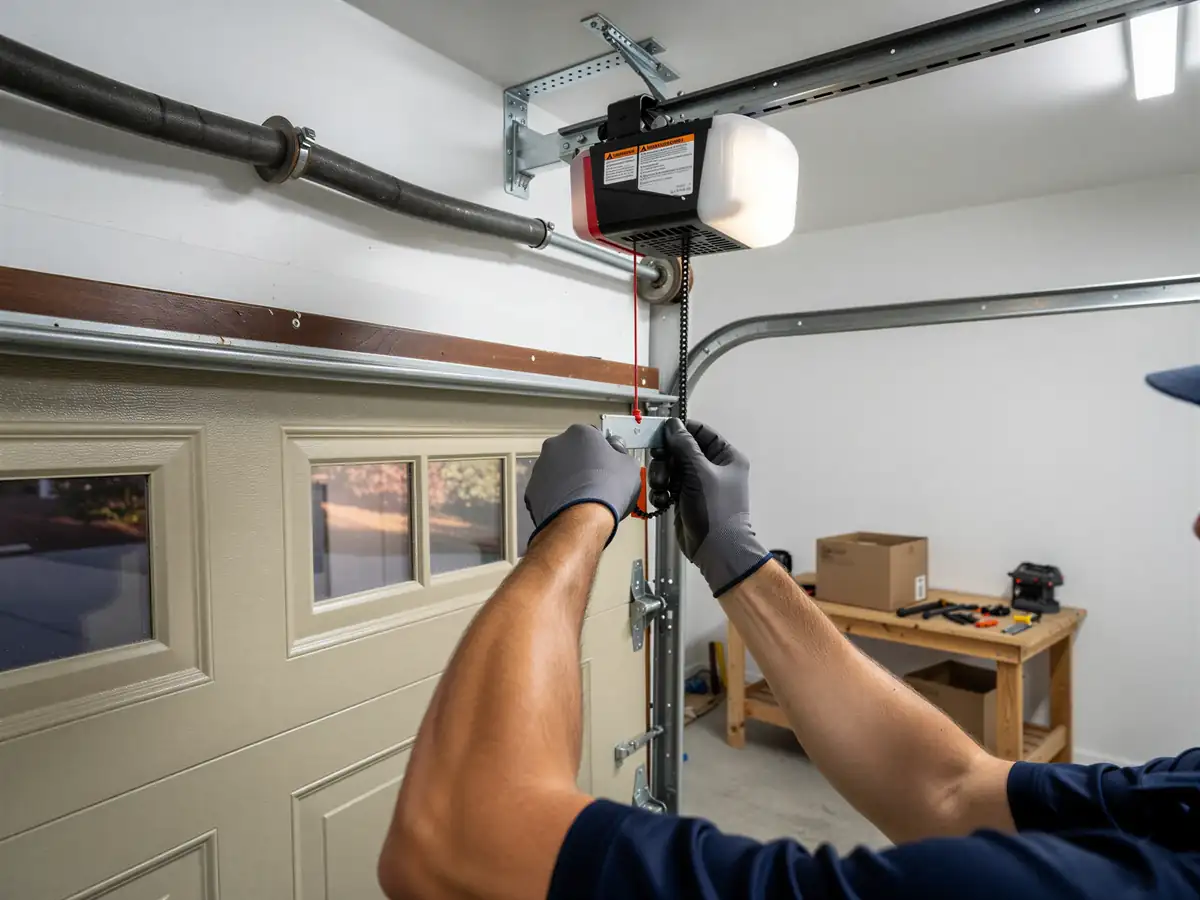
Snoqualmie is a smaller town - around 4,389 households - and that matters for what kind of cable calls come out of it. Most of the garage doors here sit on houses built close to 2005, newer than the typical stock across the wider service area, where the median build year runs closer to 1985. That means fewer of the old galvanized extension-spring setups with exposed cables running along the side rails, and more sectional doors on torsion systems with cables wound onto drums at each end of the shaft.
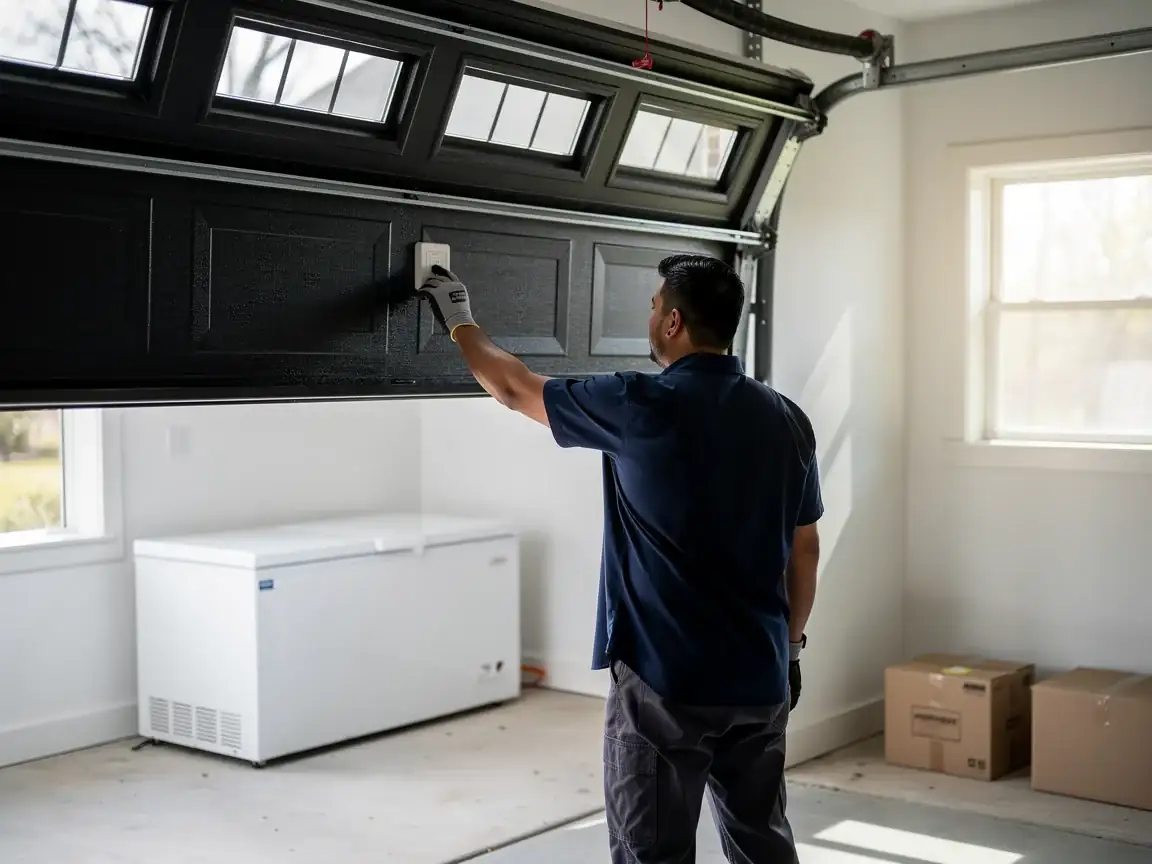
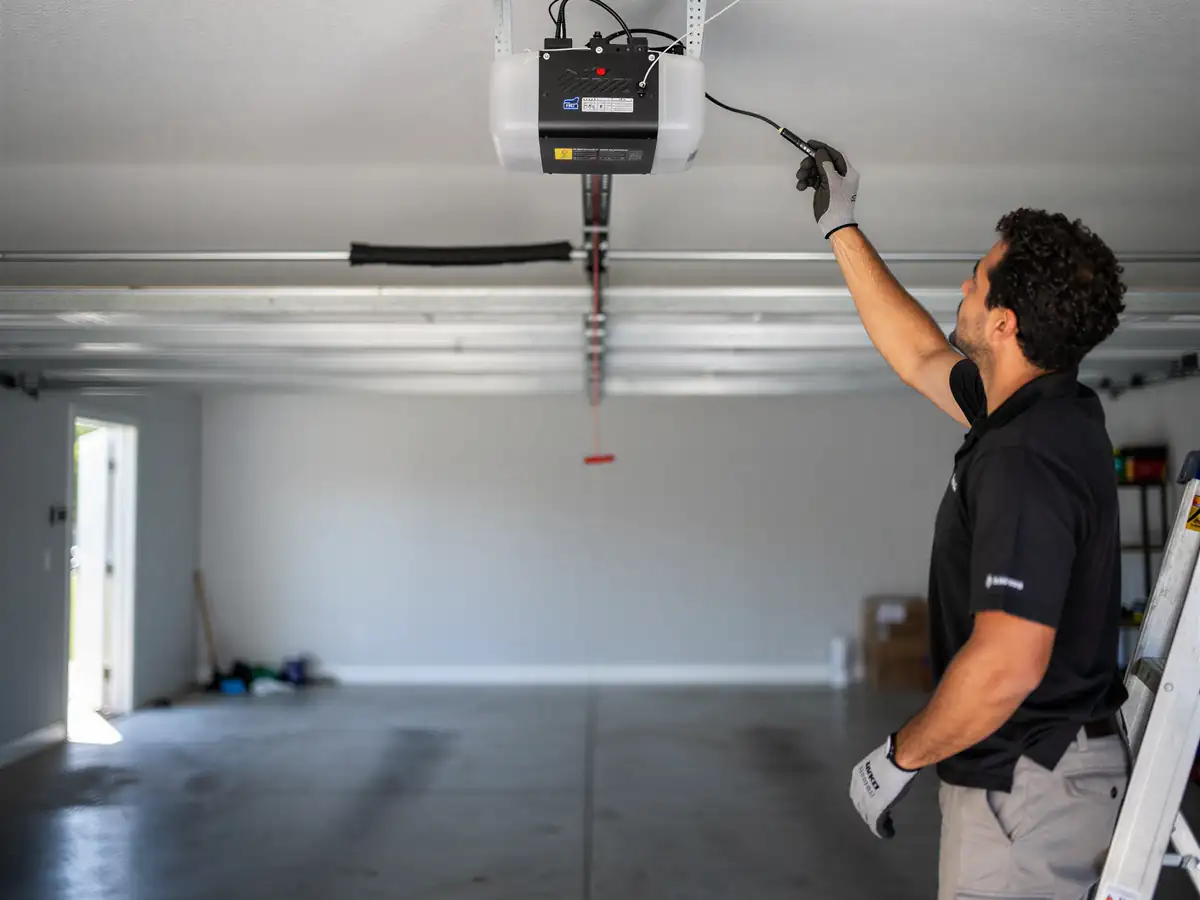
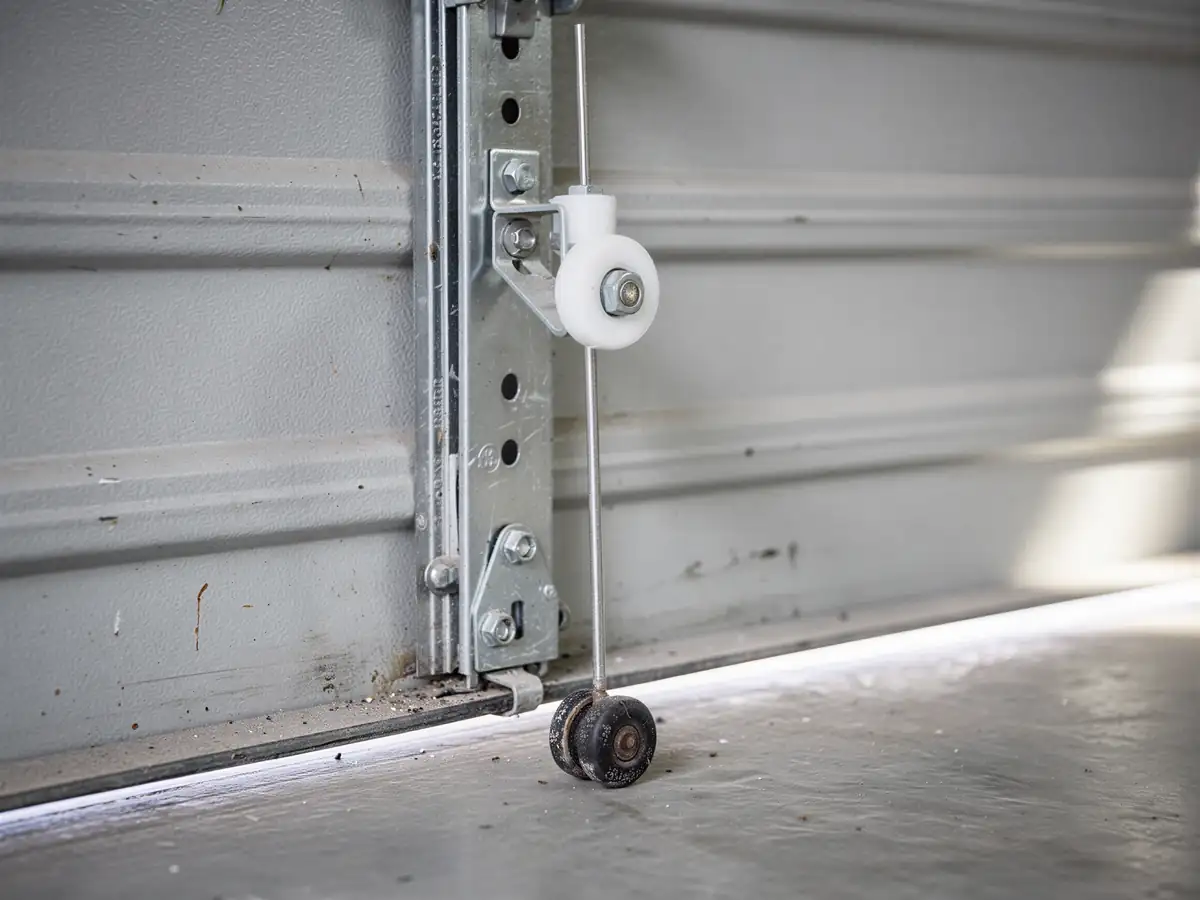
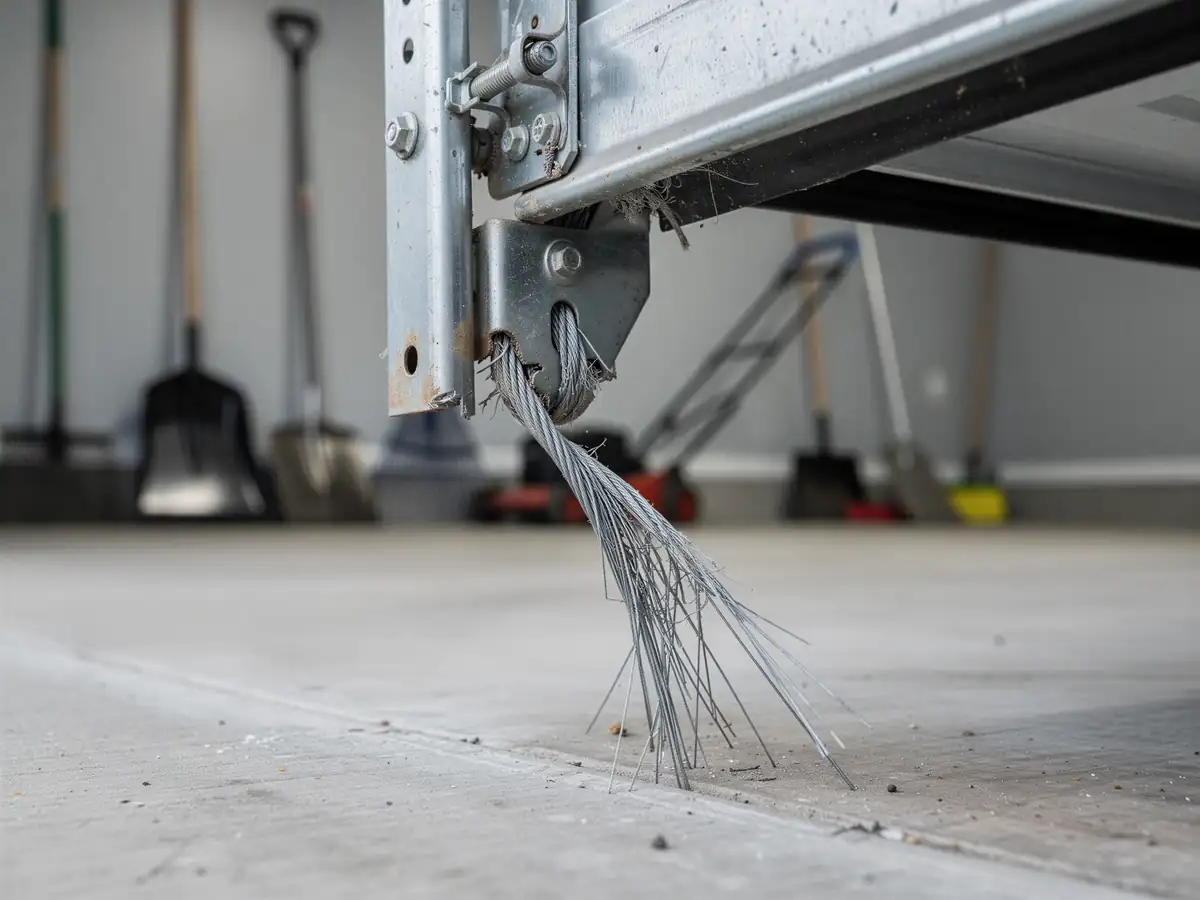
When a cable goes on one of these newer doors, it usually shows up as a sudden drop on one side - the door racks sideways in the opening, or it won't move at all because the opener's safety sensor reads the imbalance and refuses to run. Sometimes it's quieter: a cable starts fraying where it wraps the drum, and you get an audible pop or scraping sound for a week or two before it lets go. Either way, a broken cable on a double-wide door in this area usually means both cables get inspected, because they age together on the same shaft.
Getting It Booked In
We run out of Woodinville, about 20 miles from Snoqualmie
So there's no local branch here - every job means a truck making that drive. That's worth knowing when you're comparing scheduling against a shop based closer to town. We don't advertise a guaranteed response window for Snoqualmie specifically, since drive time depends on where the truck is already working that day.
- 20 miles
What we can tell you is what to have ready before the call
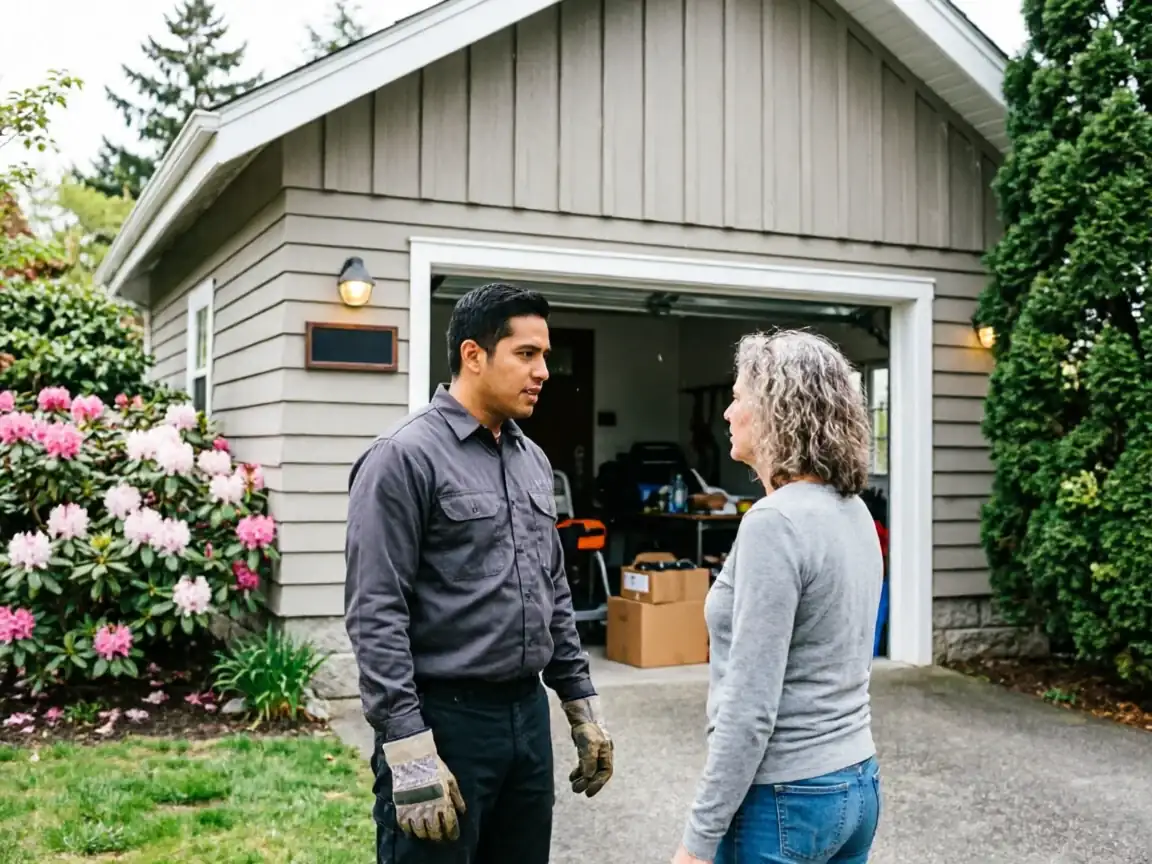
The door's rough age (useful if it lines up with the 2005-era builds common here), whether it's a single or double door, and whether the opener still runs at all or has stopped responding to the wall switch. That lets us bring the right drum size and cable length instead of guessing from the driveway.
What Causes It Around Here
The region sits in a cold, moderate climate band - not the deep-freeze swings of the Midwest, but enough damp cold through the winter months to matter for exposed steel cable. Galvanized coating holds up fine for years, but once it's nicked or starts to rust at a bend point, that's where a cable gives out first, usually during a cold snap when the steel is least forgiving.
On newer builds like the ones common in Snoqualmie, the more frequent cause isn't age - it's a drum that was never quite matched to the door's weight to begin with, or a cable that's been riding slightly off the drum groove for months without anyone noticing. That wear pattern doesn't care how new the house is. A door installed in 2005 can still be on its original cables today, and original cables that have never been serviced are overdue no matter the build year.
Where This Job Goes Sideways
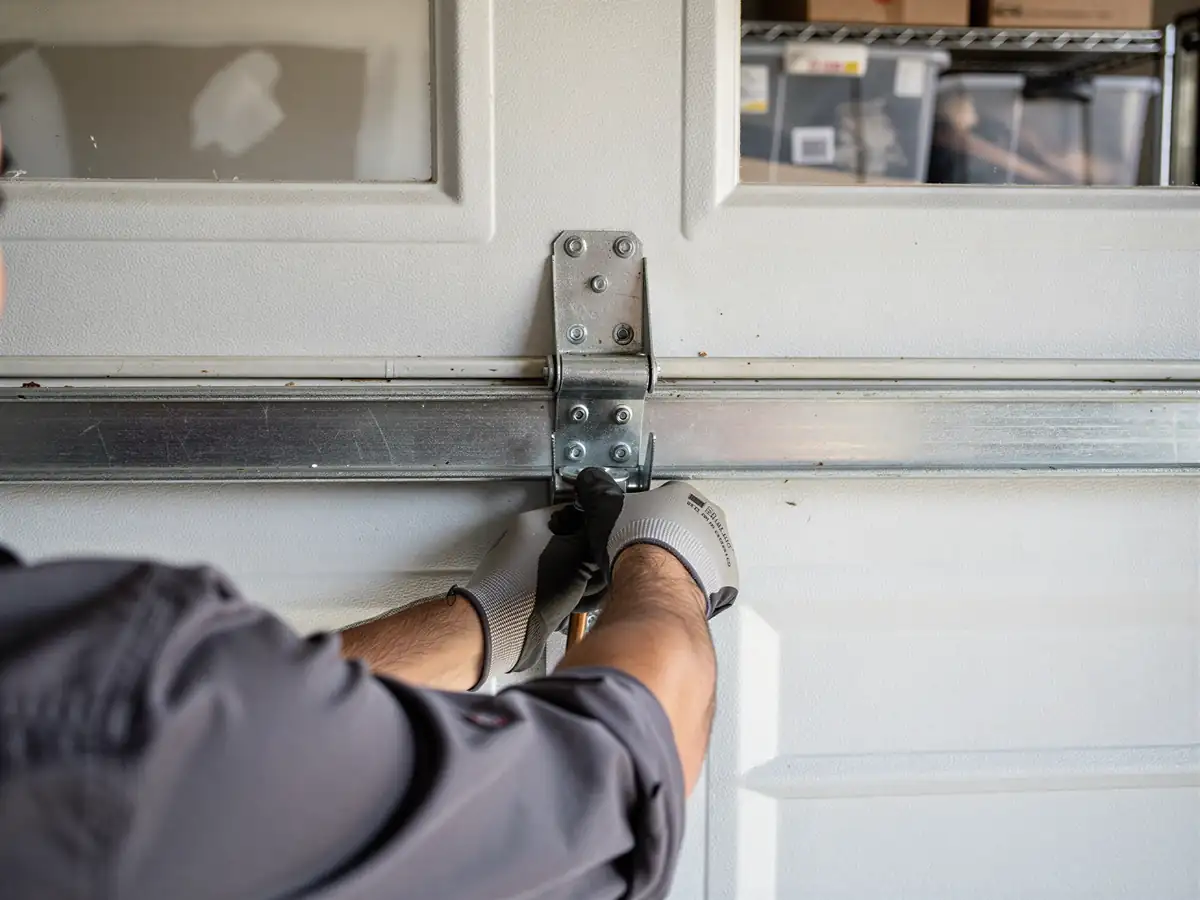
The most common way this turns into a bigger job than it needed to be: someone hears the door drop, sees a loose cable, and tries to rehang it themselves with the door still under spring tension. On a torsion system, that tension doesn't go away just because the cable broke - it's still loaded in the spring, and a second cable failure under load can bend the track or crack a bottom panel corner.
The other way it goes sideways is less dramatic but costs more: a cable snaps, the door drops crooked, and nobody addresses it for a few days because the car still fits through the gap. Running the opener against a door that's hanging unevenly puts strain on the opposite cable, the rollers, and sometimes the opener's drive gear. One broken cable is a contained repair. Two broken cables plus a bent track from forcing the door is a different bill entirely.