Where This Job Goes Sideways
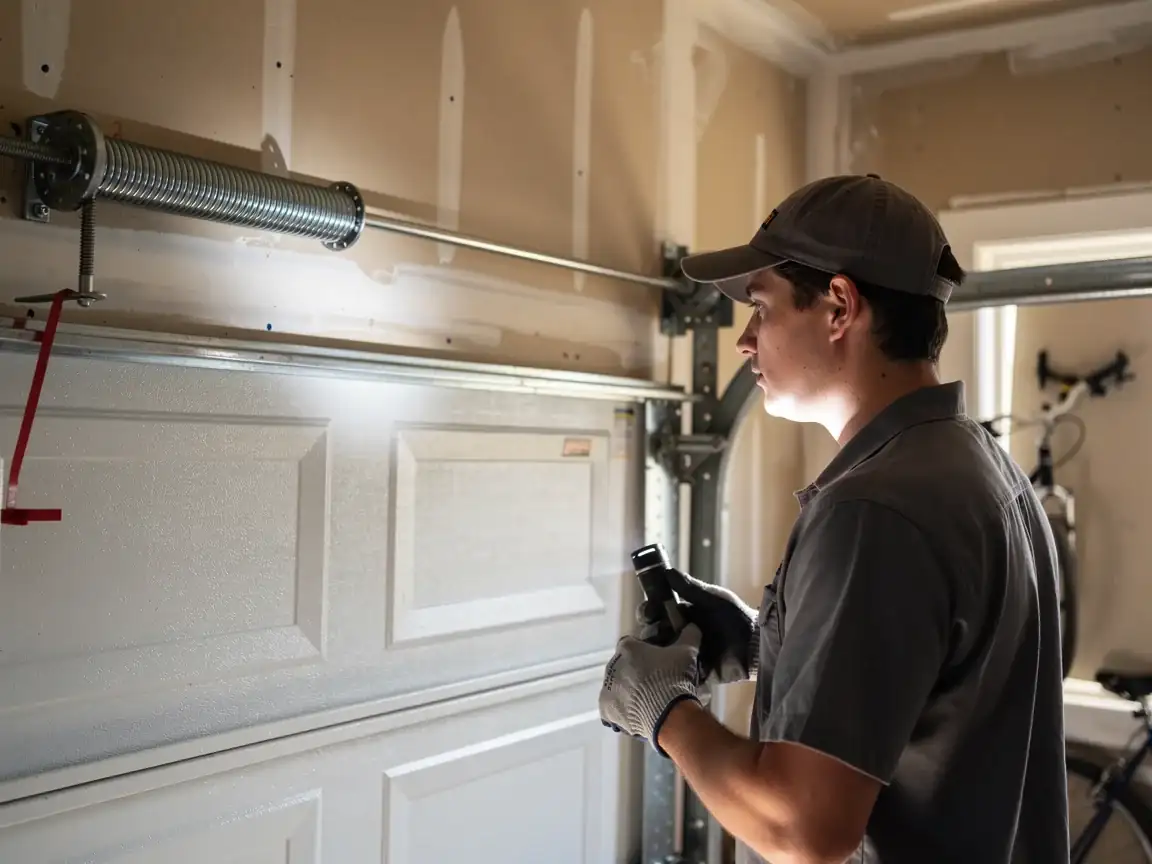
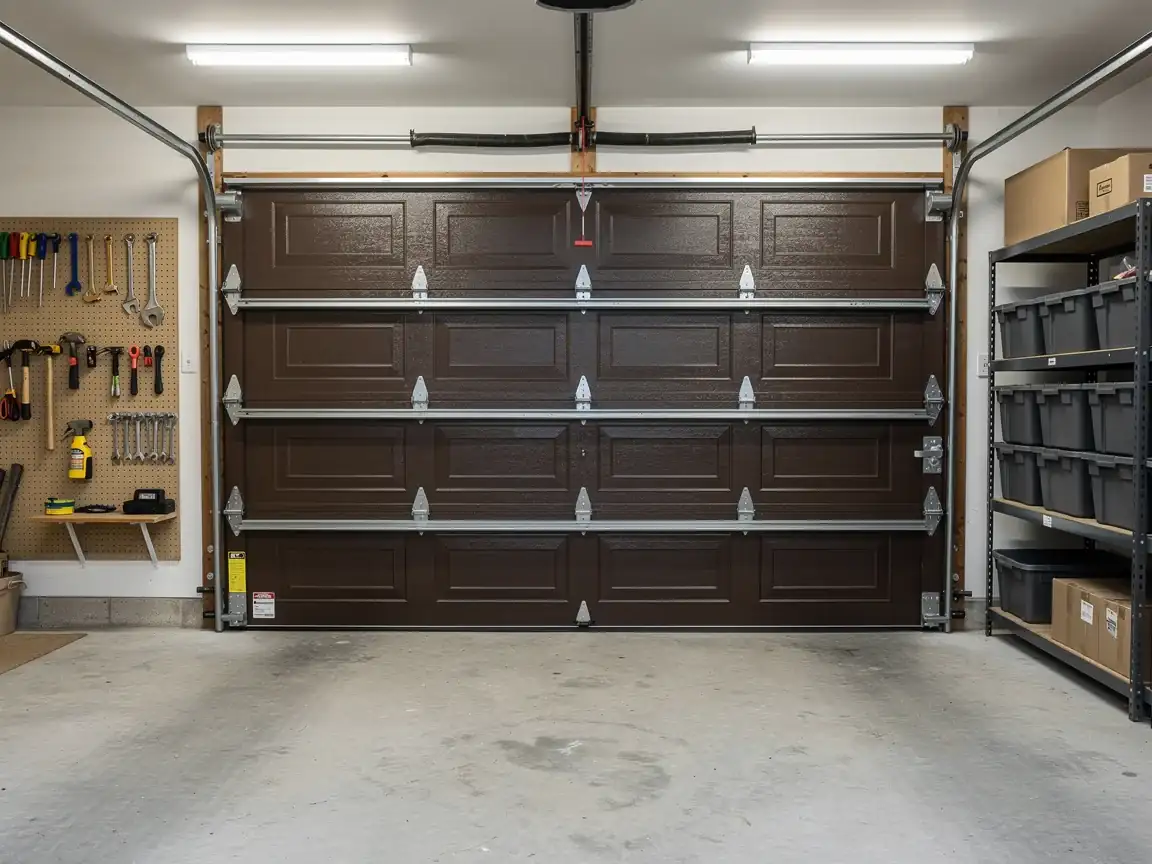
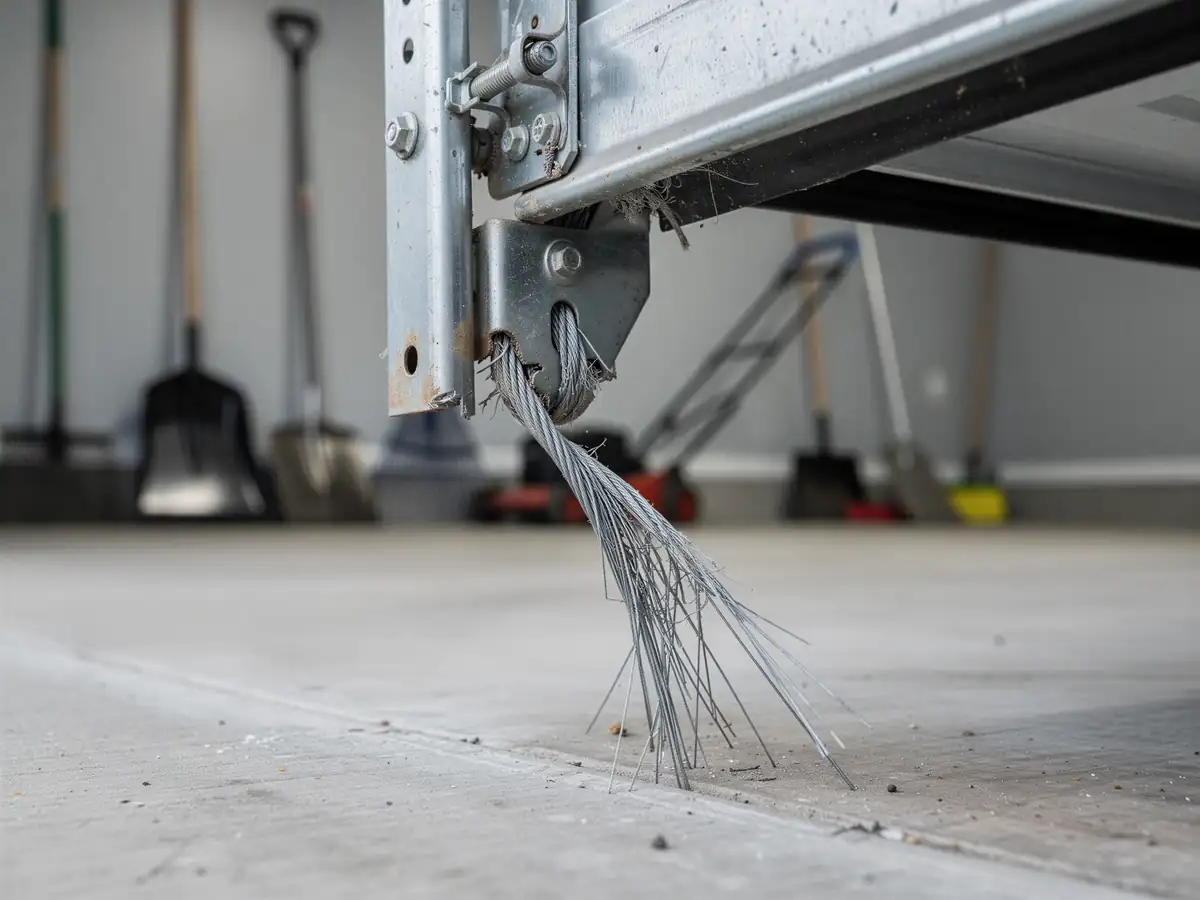
Most houses in Maltby went up around 1983, give or take a few years either side. That's the era when builders were still running galvanized aircraft cable on standard torsion drums, sized for the lighter steel doors of the time. Thirty-plus years on, those original cables are at or past the end of what they were built for, and a lot of them have never been swapped. The failure mode we see most in this housing stock isn't a clean snap at the bottom bracket - it's fraying at the drum where the cable winds, hidden up where nobody looks until a few strands let go and the door starts riding crooked on one side. If you've noticed the door hanging unevenly, or a cable that looks like it's unwinding in loose coils instead of a tight wrap, that's this. Letting it go means the second cable takes the full load alone, and now you've got a door that can come down hard and fast with no warning. We travel out from Woodinville for this call, about 4 miles, and we see the same pattern often enough in Maltby's older homes that we carry stock sized for it before we ever pull into the driveway.
How We Fix It
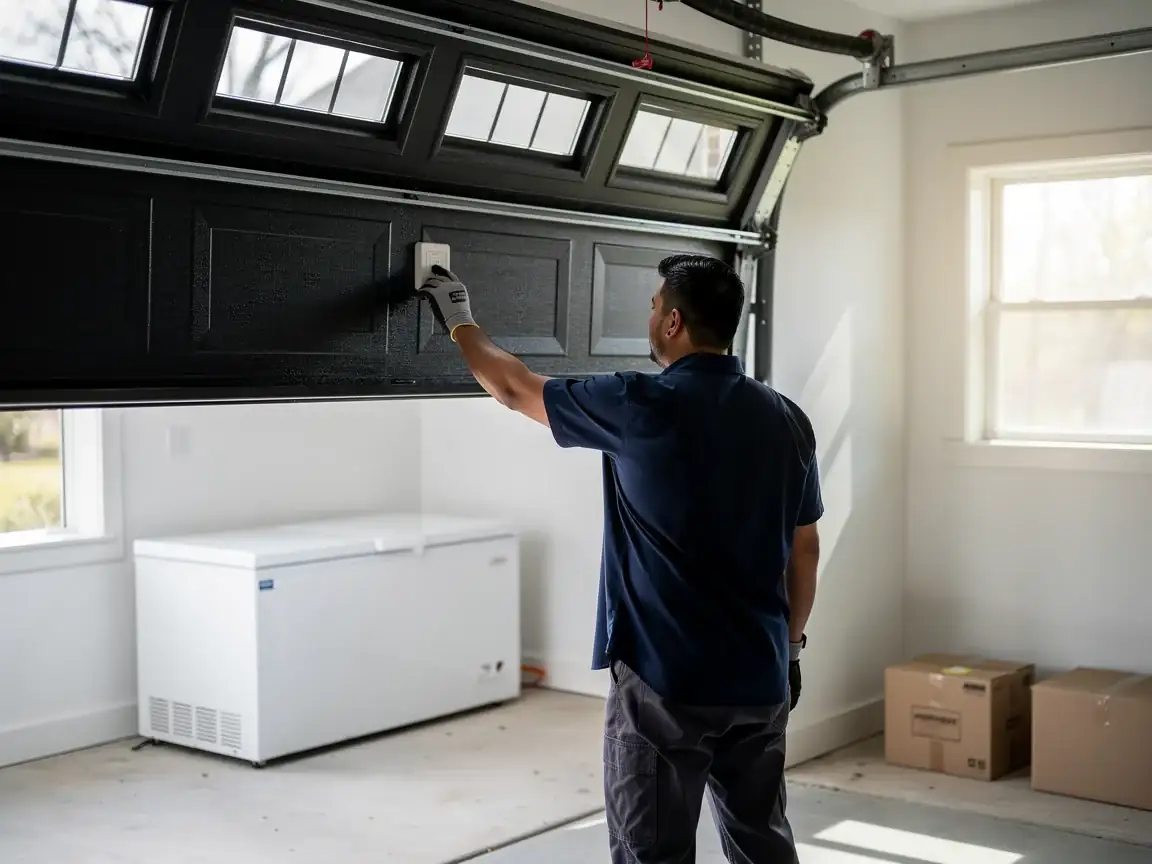
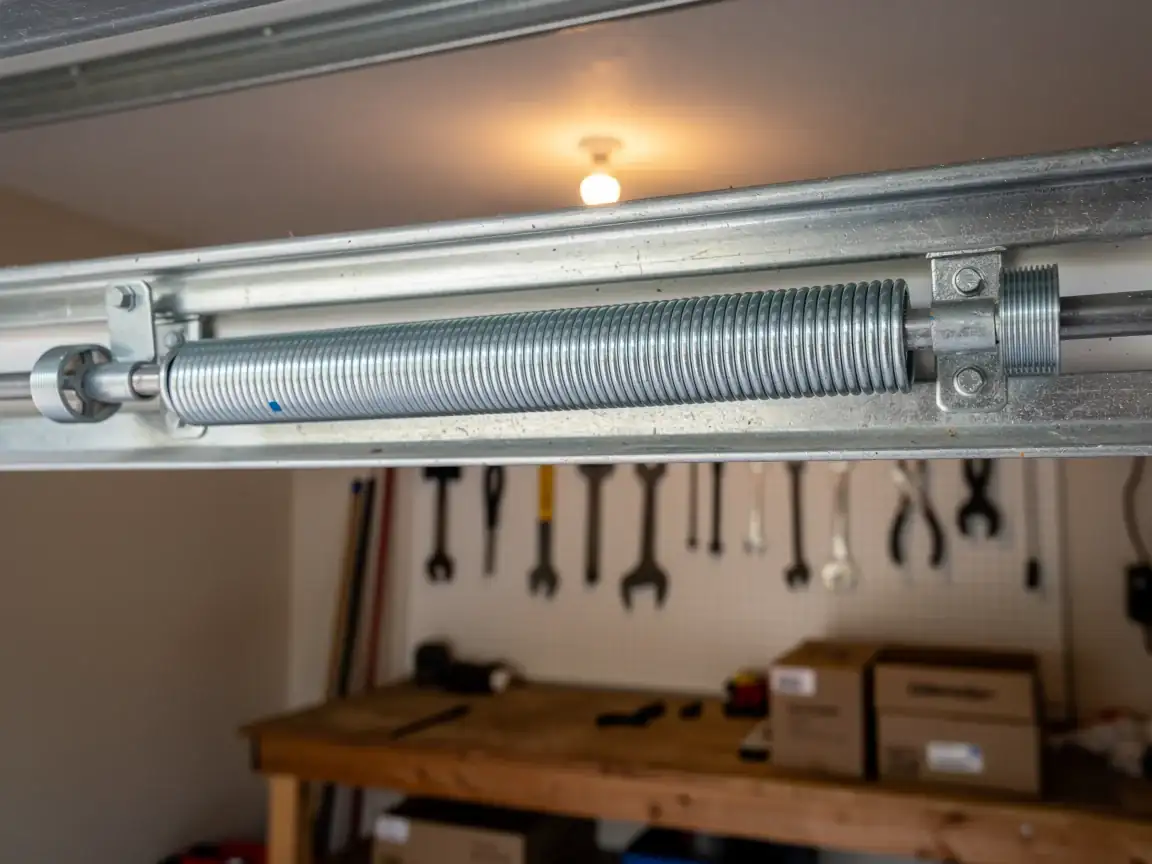
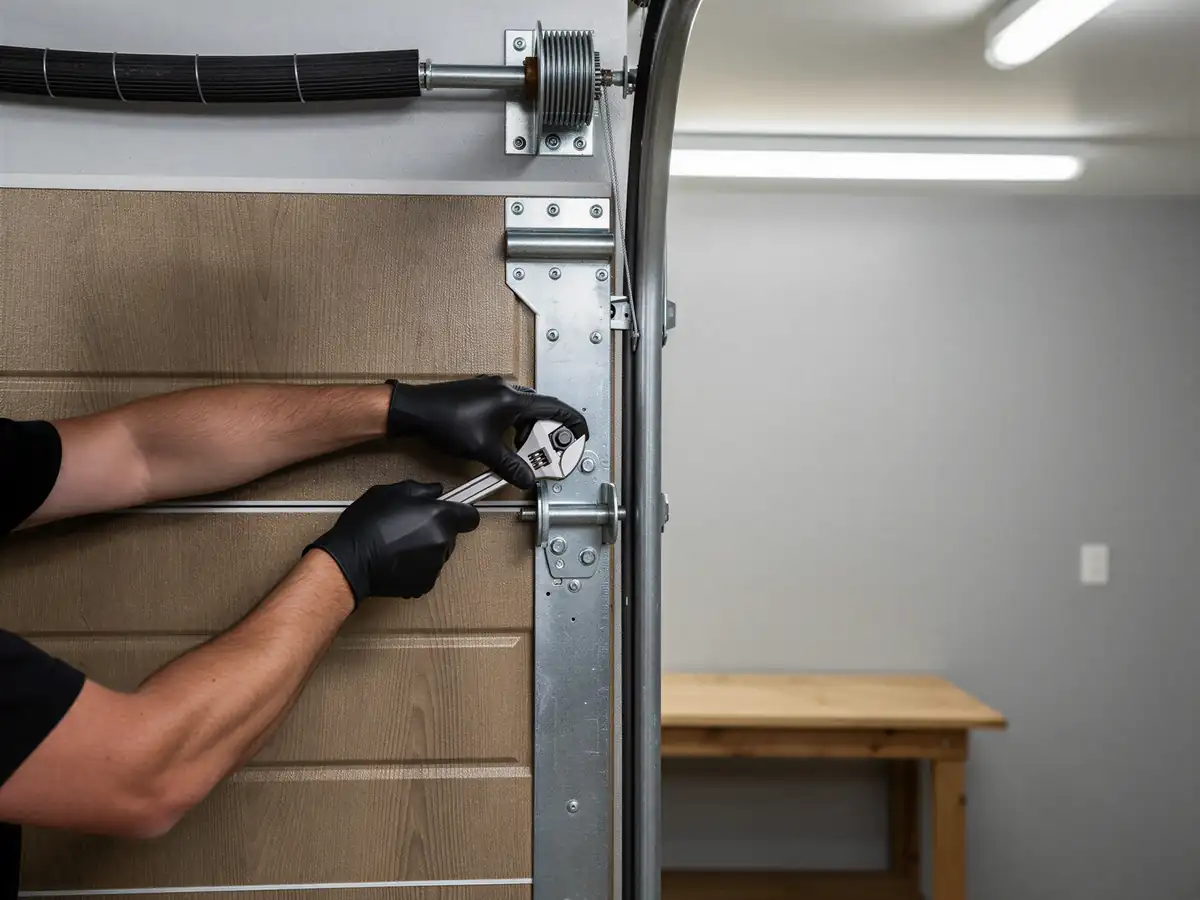
Both cables come off the drums together, even if only one has failed - a cable on a door this old that hasn't broken yet is close behind the one that has. We check the drums for the grooving that bad cable leaves behind; if they're scored, they get replaced along with the cable, not just dressed down and reused. New cable goes on sized to the door's actual weight, not whatever was standard when the house was built, and the torsion springs get checked for tension at the same time since a cable failure often means the door's been running unbalanced for a while. We test the door through a full open-close cycle under its own spring tension before we call it done, not just by hand. On a door where the opener forced the carriage through a jammed cable, we check the opener's gears too - that's a separate cost if it's needed, and we'll tell you before we touch it.
Parts We Carry
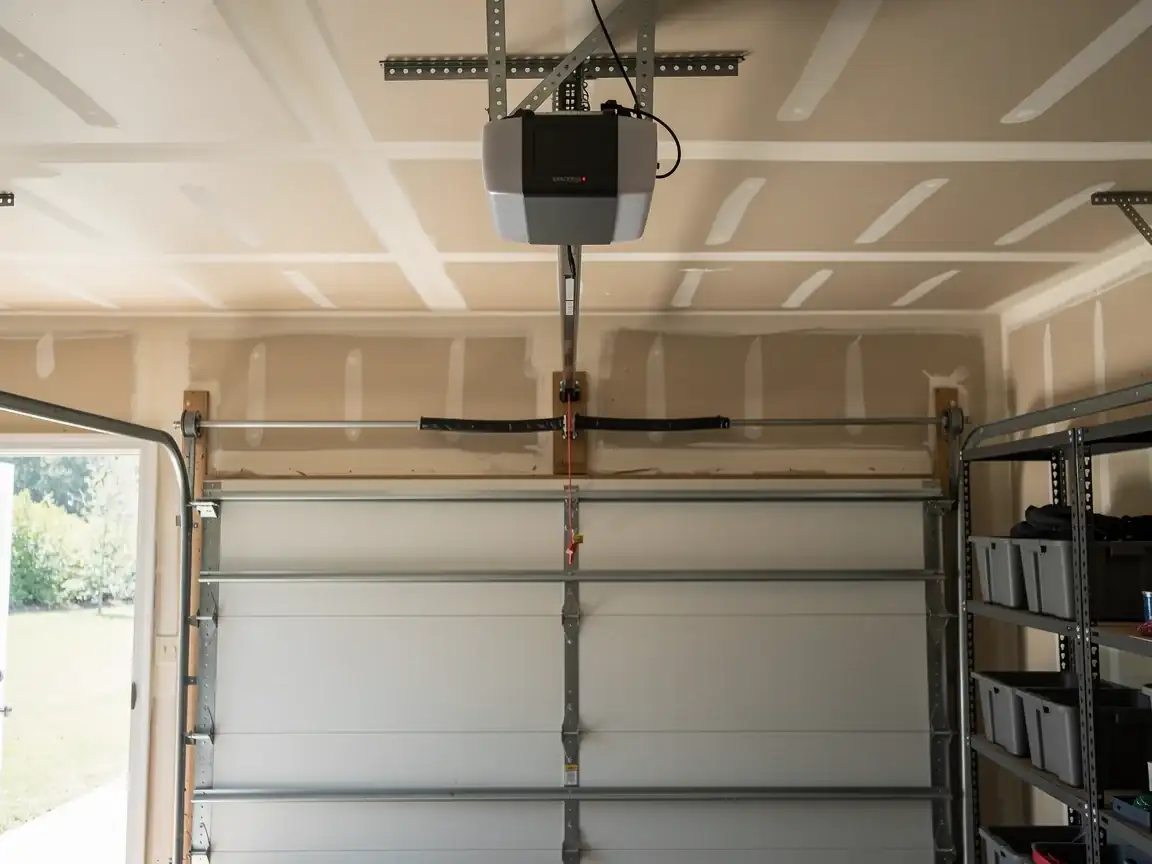
We keep galvanized lift cable in the gauges that fit the torsion doors common to Maltby's 1980s-built homes, along with standard drums and the end fittings those systems use. We also carry extension-spring cable and the safety cables that should be run through extension springs but sometimes aren't on older installs - worth checking regardless of what brought us out. What we don't carry on the truck is cable custom-cut for an oversized or custom door; if your door's wider or taller than standard garage dimensions, that's a part we'll need to order, and we'll say so up front rather than make you wait on-site while we figure it out.
Can You Do This Yourself
A torsion door's cable is under load from the spring the entire time the door is closed, and winding or unwinding that spring to get the cable off safely takes a winding bar and knowing how many quarter-turns you're dealing with - not a guess. We won't walk you through doing this one over the phone. What you can do yourself: look at the cable where it wraps the drum, up near the top corners of the door, and if you see frayed strands, loose coils, or rust bleeding through the galvanizing, call it in before it fails rather than after. Catching it early is a shorter job than catching it mid-collapse.