Where This Job Goes Sideways
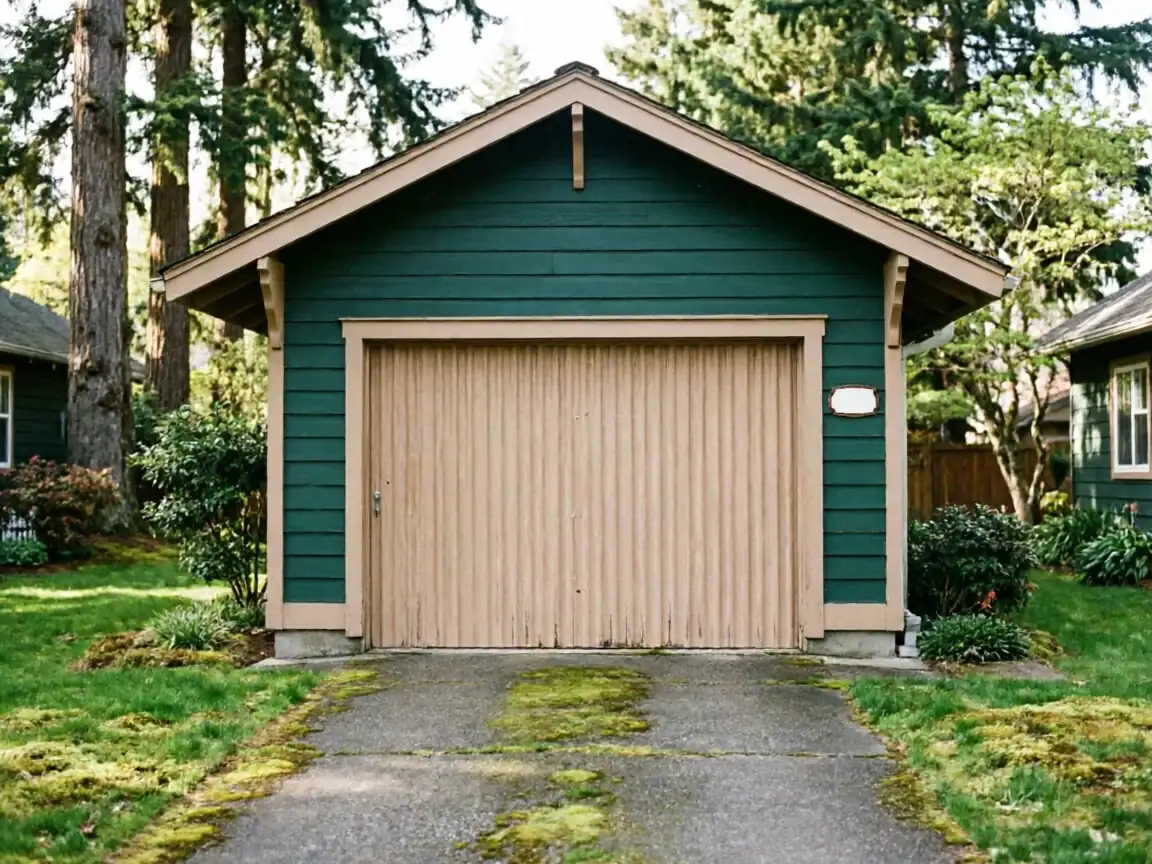
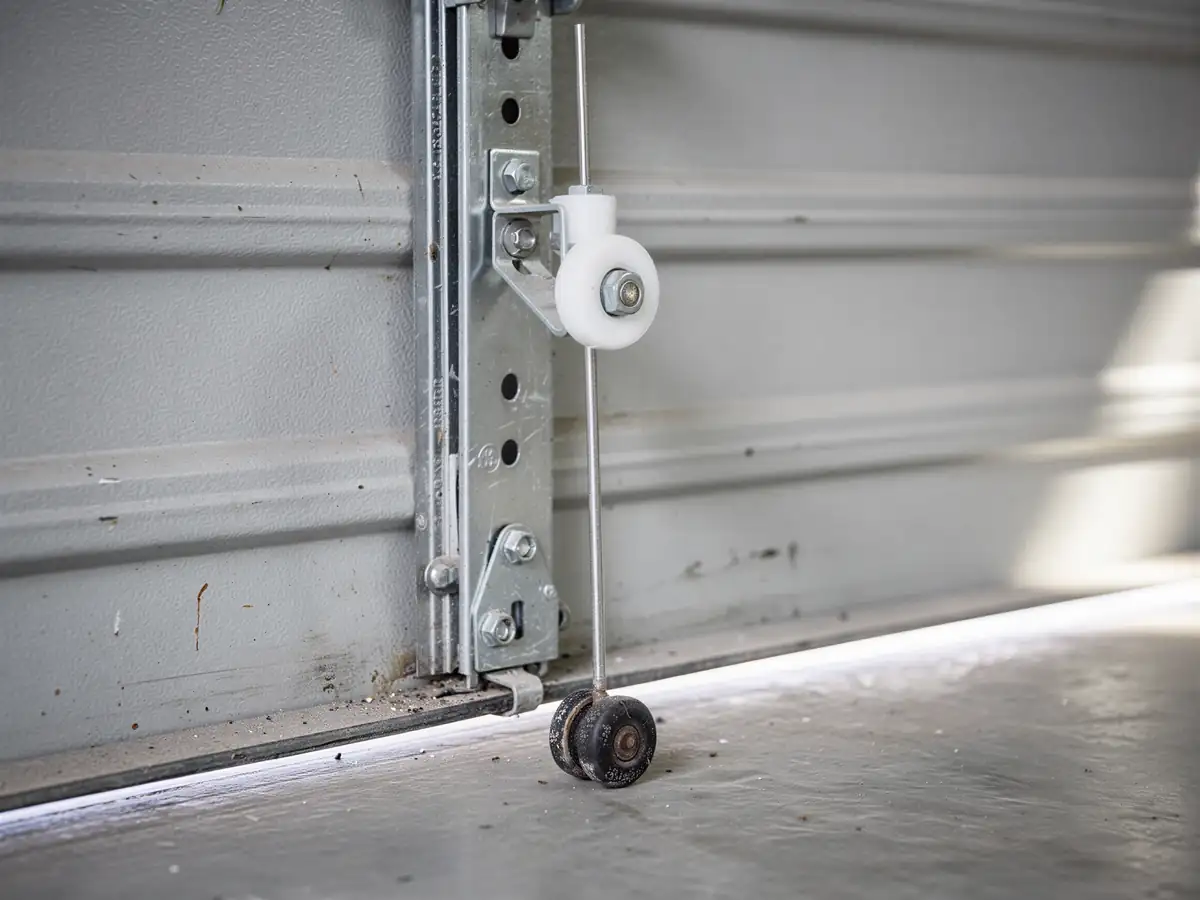
Maltby sits about 4 miles from our shop in Woodinville, and the houses out here skew a touch older than the broader service area. The median build year on this side is 1983, just ahead of the 1972-2005 range we see across the 24 communities we cover, where the overall median lands at 1985. That gap sounds small, but it means a lot of Maltby doors were hung before galvanized steel rollers with sealed bearings became standard equipment. What's on the track now is often the original builder-grade roller, nylon-sleeved on a bare steel stem, worn oval instead of round after four decades of cold-weather cycling.
The failure mode we see most on these older doors isn't a dramatic snap. It's a slow rattle that gets louder over a winter, then one roller finally jumps the track and jams the door half open. By then the track itself is usually bent where the roller rode rough, which turns a roller swap into a track-and-roller job. Catching it before the jump is cheaper and faster than catching it after.
How We Fix It
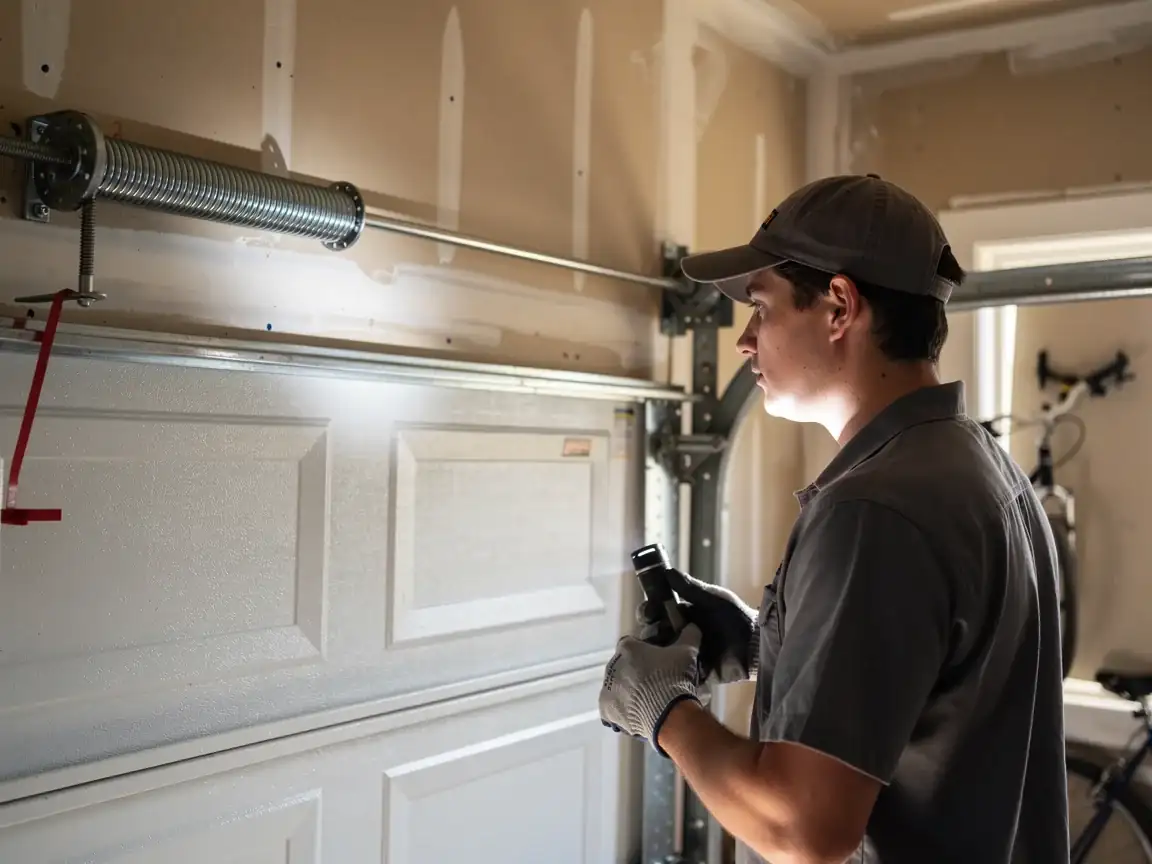
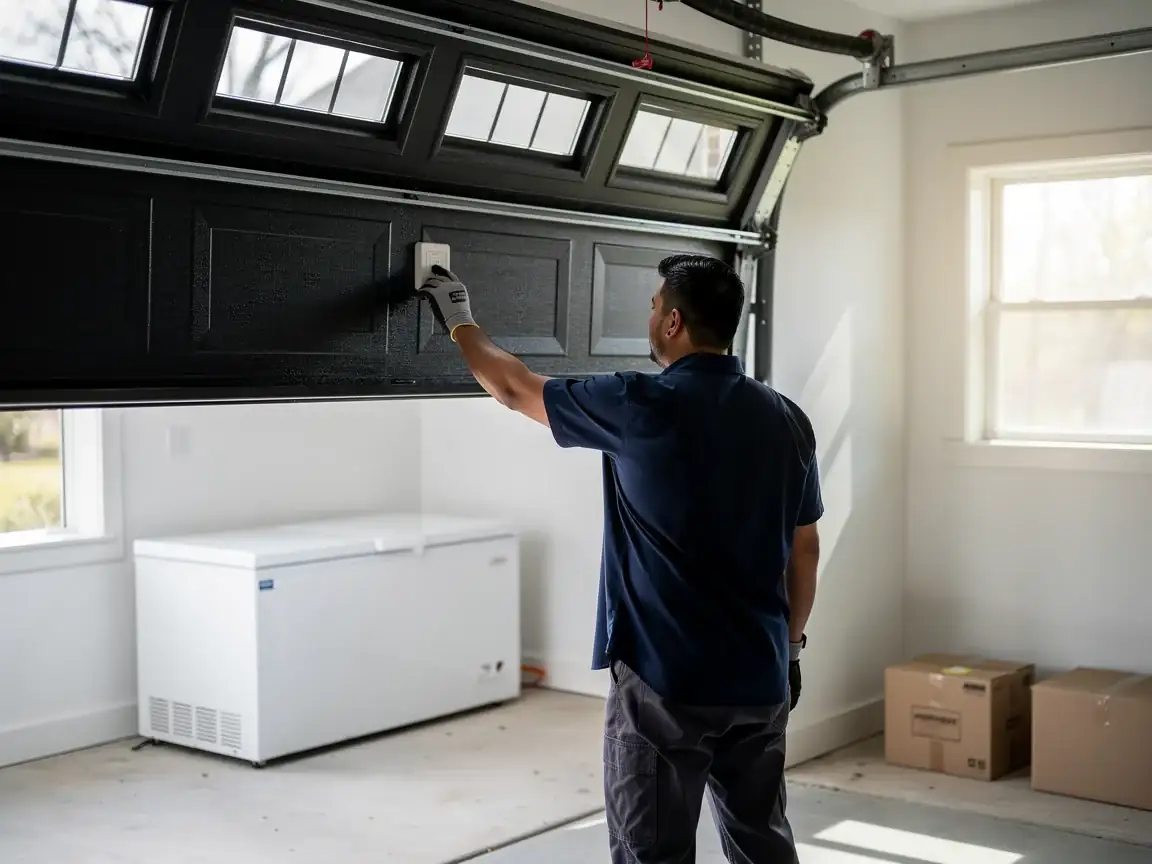
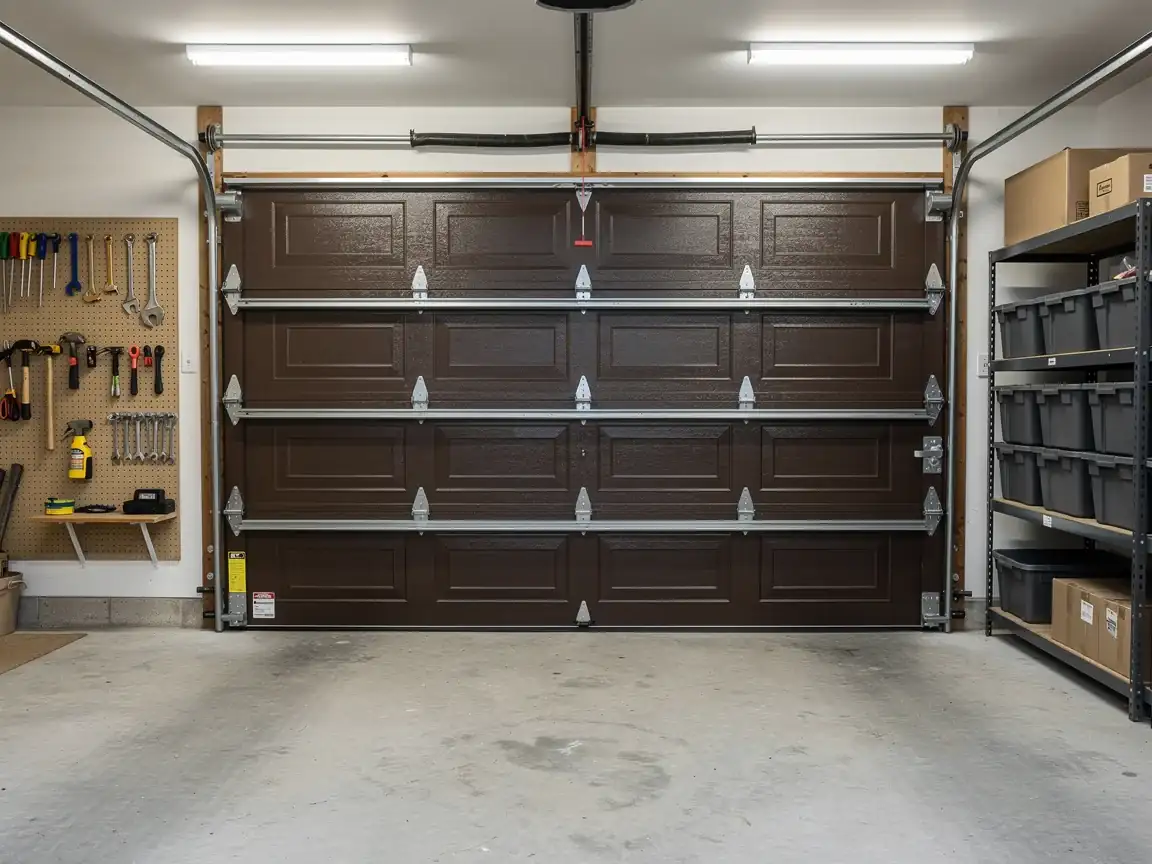
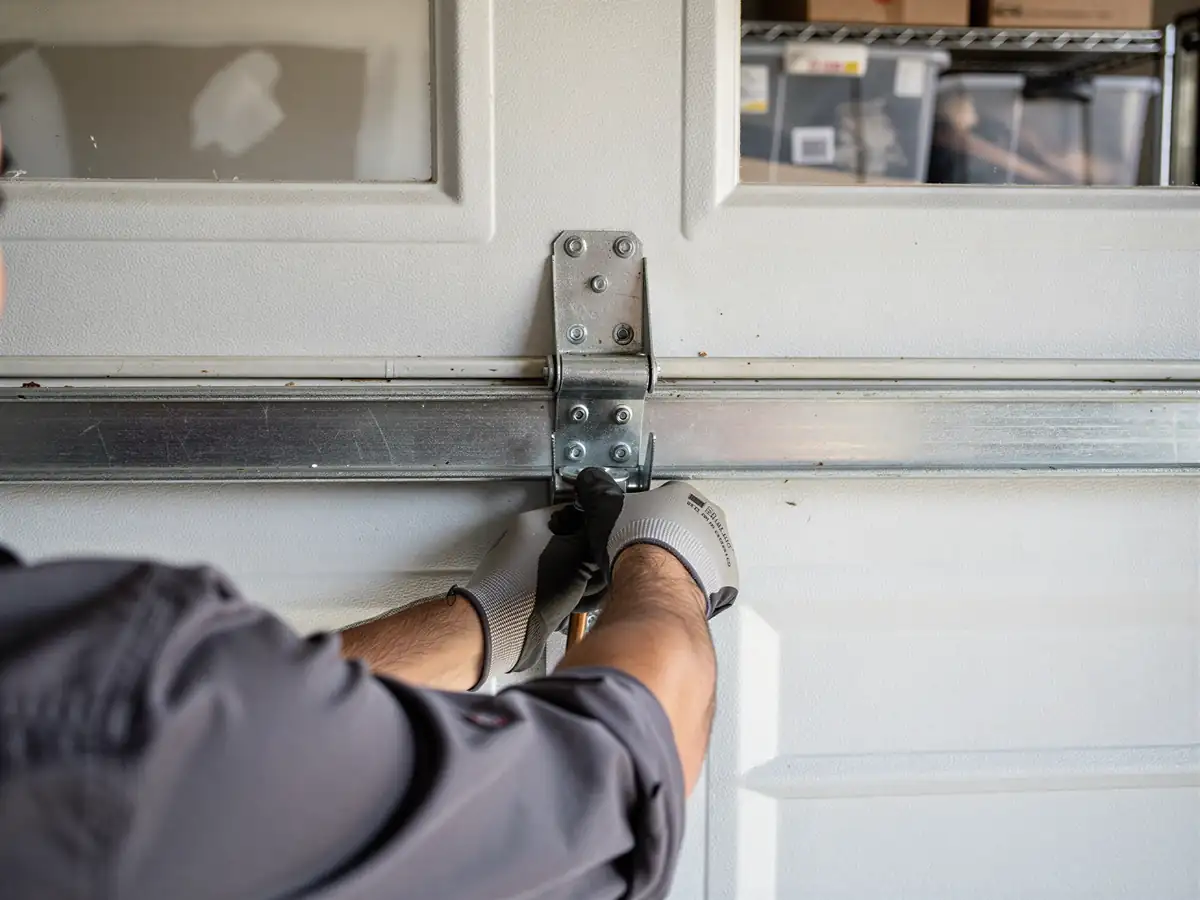
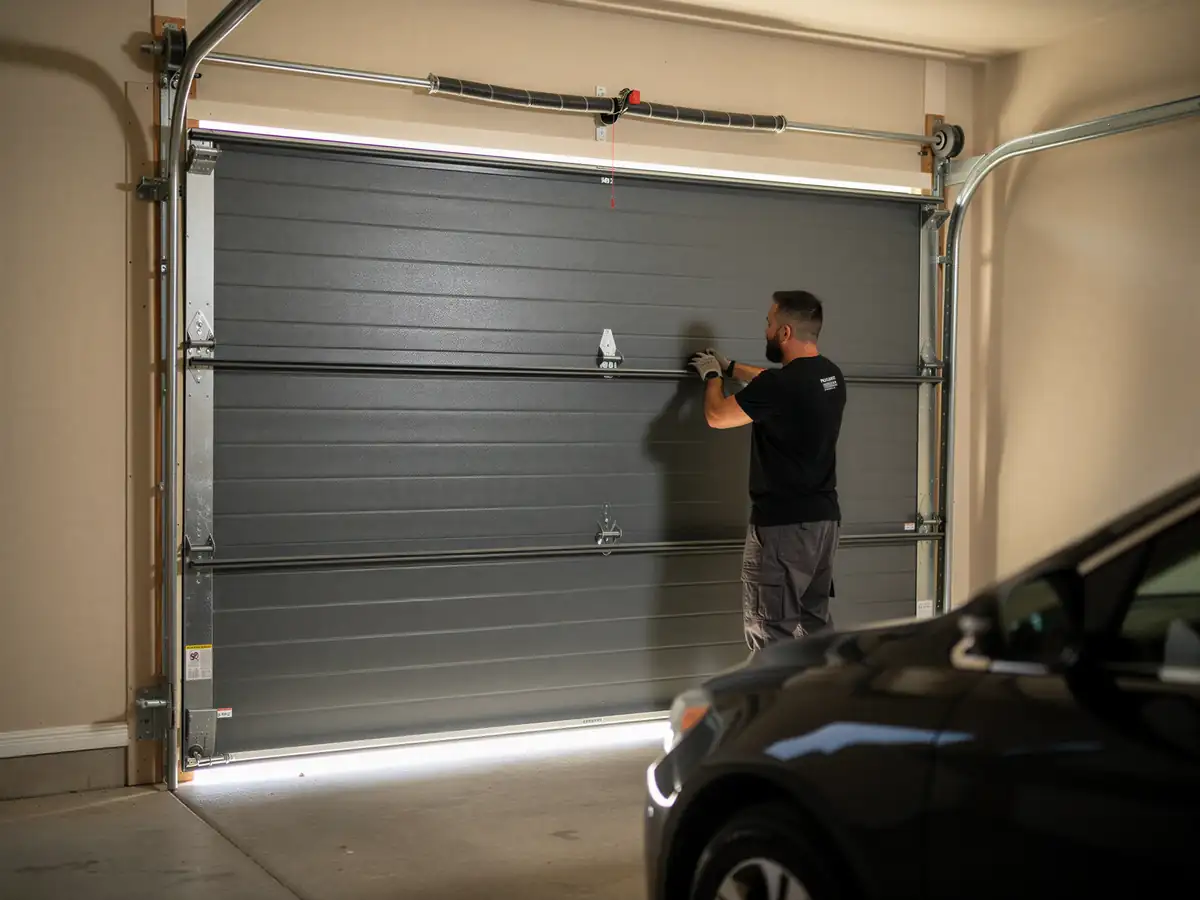
We pull the door down, support it, and check every roller stem and bearing before touching anything else. On a door with the age profile common in Maltby, we're usually looking at steel rollers with the nylon worn through to bare metal, or a bearing that's packed with grease gone hard from years in a cold garage. We swap the worn rollers for sealed-bearing nylon ones rated for the cold-moderate climate out here, check the track alignment at each hinge point, and run the door through a full open-close cycle before we call it done. If a track section is bent from a jumped roller, we straighten or replace that section the same visit rather than send you back a door that'll jump again in a month.
Parts We Carry
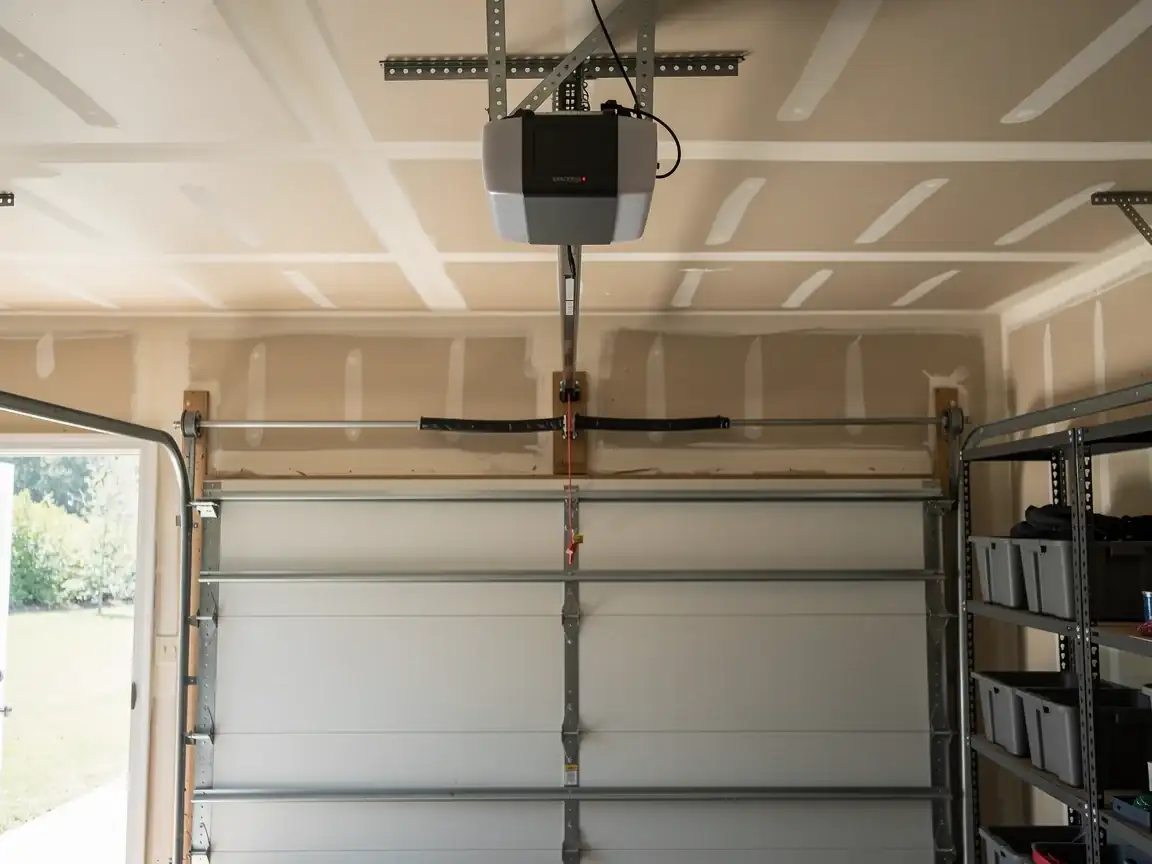
We stock sealed-bearing nylon rollers in the stem lengths and roller sizes that fit the torsion and extension setups common on 1980s and 90s builder-grade doors, which covers most of what we find on this side of the service area. What we don't keep on the truck is a match for every proprietary track profile a specialty door manufacturer might have used - if your door turns out to be one of those, we'll tell you straight and order the part rather than force a fit that won't hold up.
Can You Do This Yourself
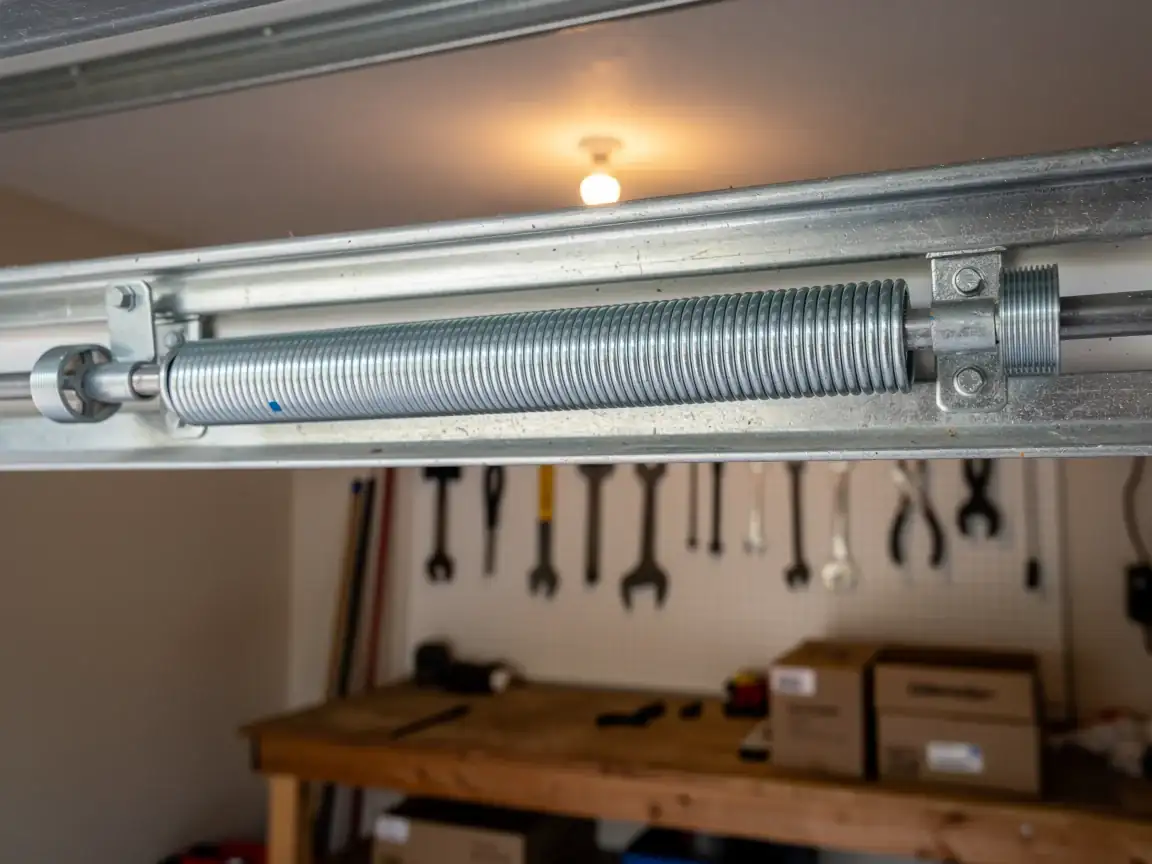
Swapping a single roller on a door that's still on the ground and unplugged isn't a hard DIY job if you've got the right roller size and a pair of pliers for the retainer clips. Where it gets dangerous fast is anything involving the torsion spring or trying to pull a roller while the door is under spring tension - that's not a job to learn on your own garage. If more than two or three rollers on one side are worn, or if the track is visibly bent, that's also past the point where a DIY fix holds up; replace the full set and check the track rather than patch one spot.