Where This Job Goes Sideways
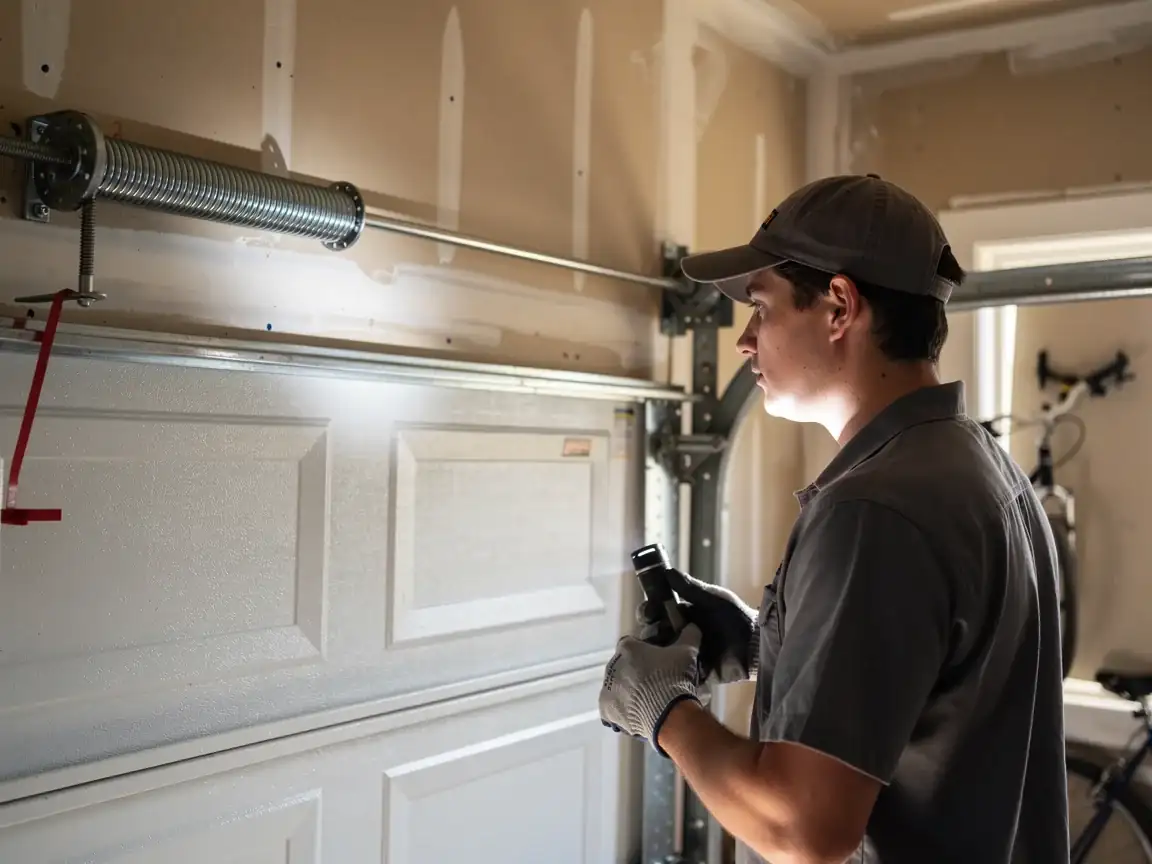
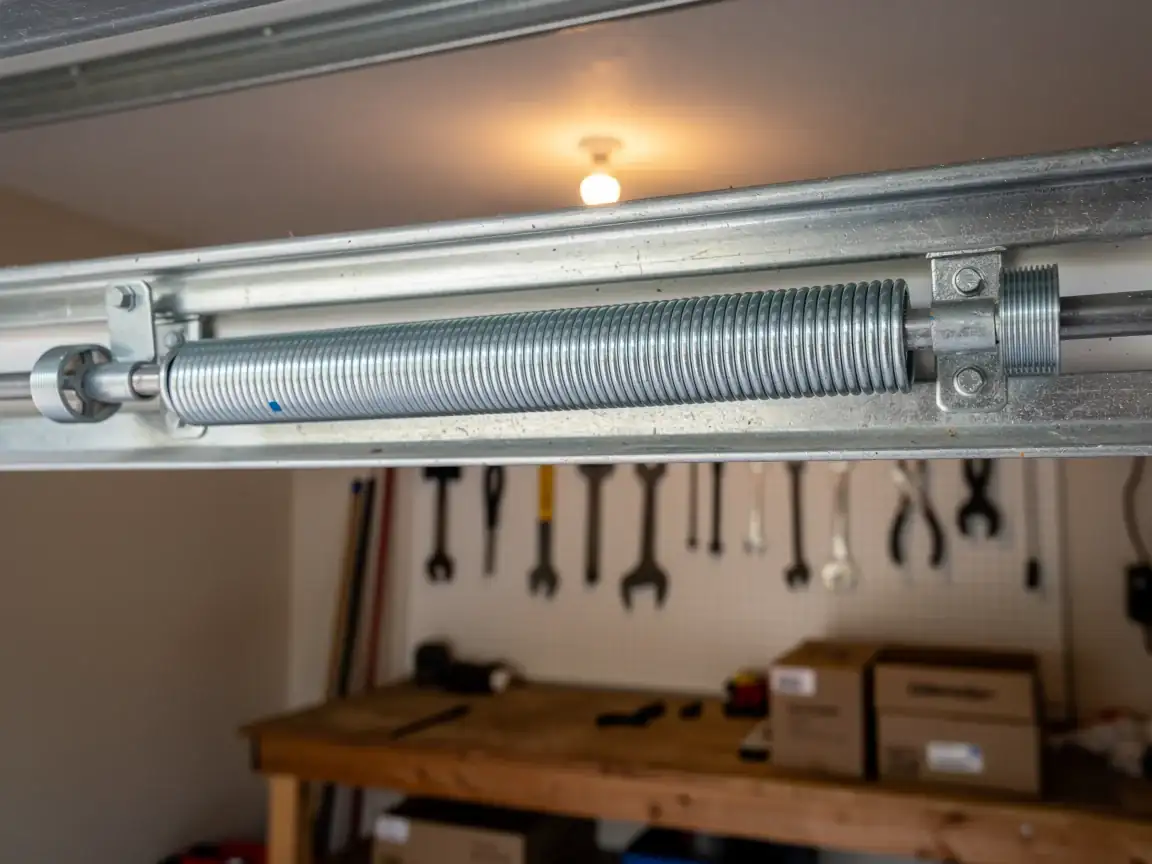
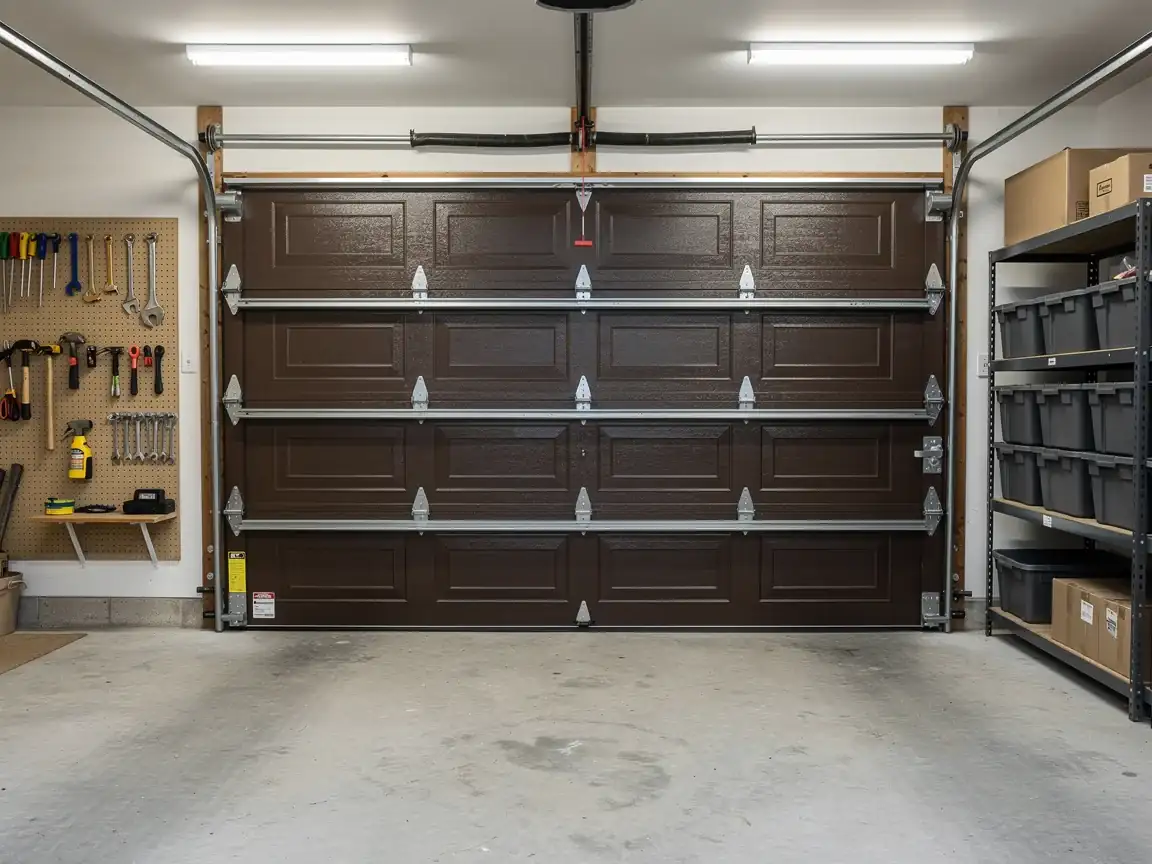
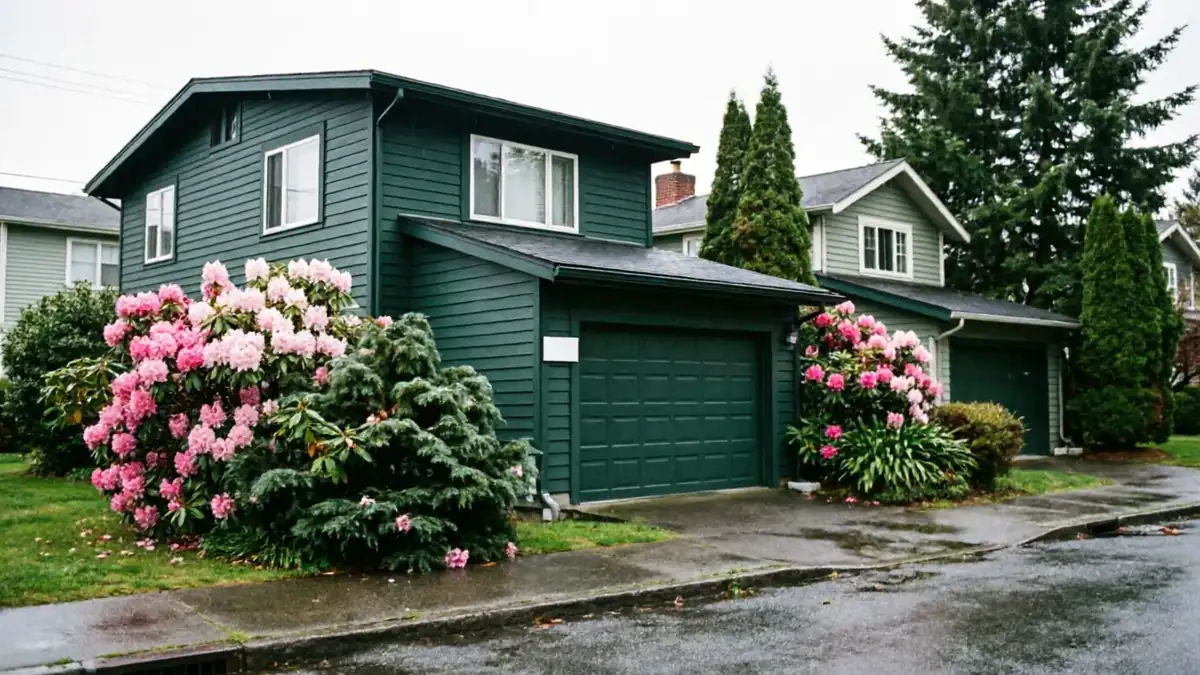
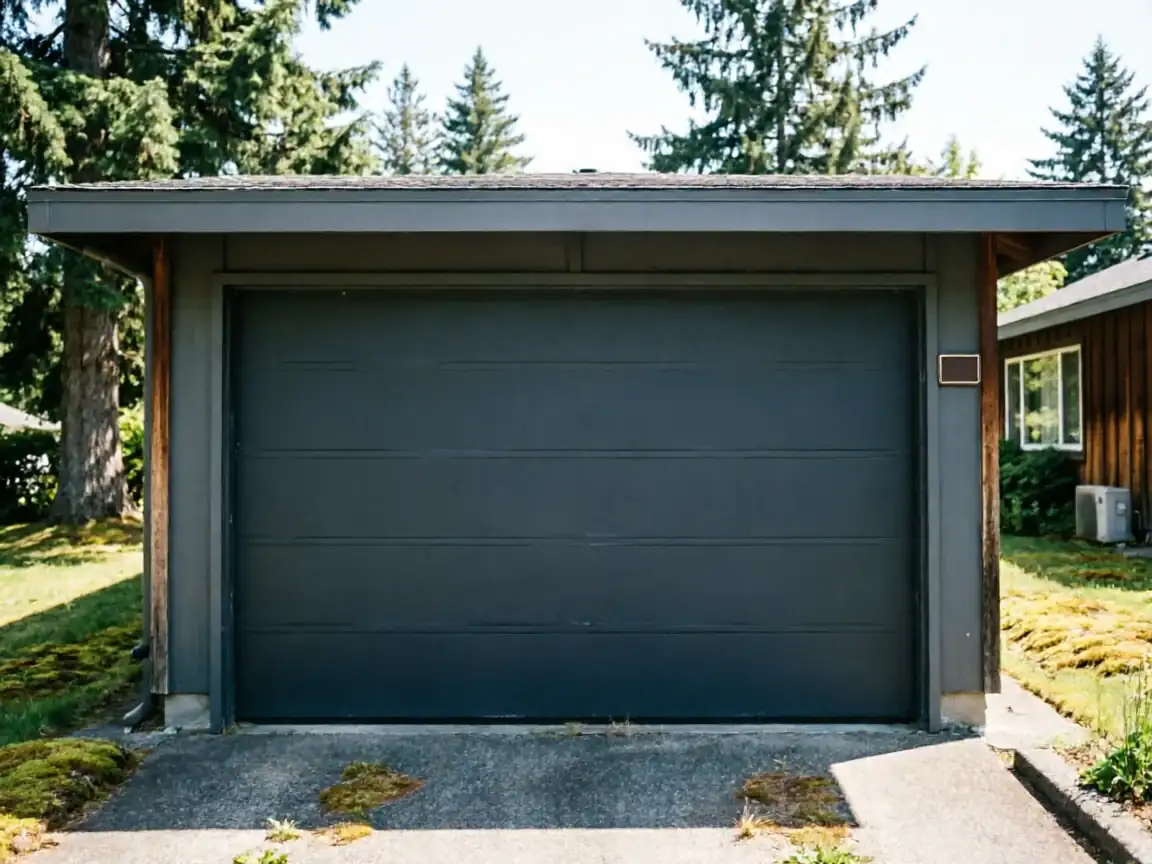
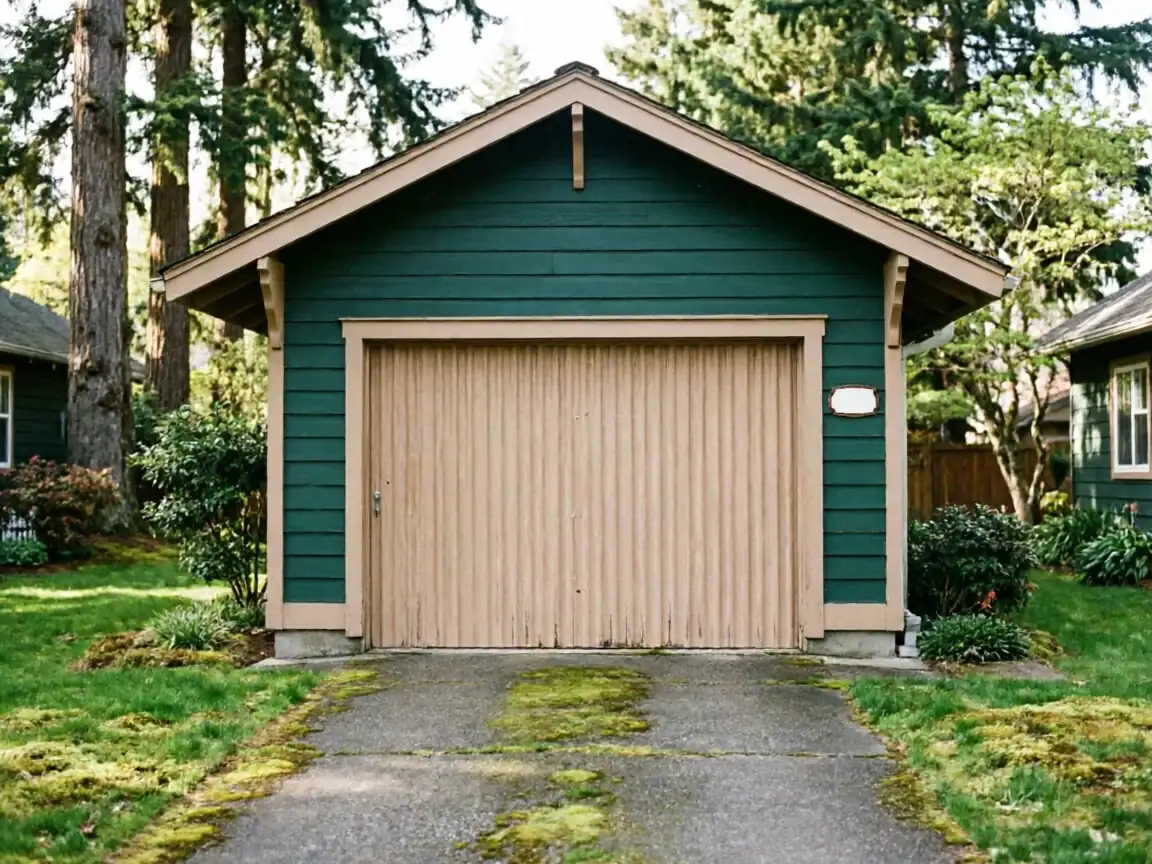
Most houses in Maltby went up around 1983, which puts the original garage door at just over forty years old on a lot of lots. That door is almost always a single-layer steel panel, 16 feet wide for a two-car opening, hung on a non-insulated frame because insulation wasn't standard in residential garage doors at that build date. The track is probably still the original rolled steel, and the spring is a single torsion unit sized for a lighter door than anything made today.
Where this goes sideways is the swap, not the door itself. Homeowners call wanting a new door and assume it's a panel-for-panel trade. It isn't. A door built to 1983 dimensions and a 1983 opener bracket doesn't always match a current door's track radius or spring drum size, so the install becomes a hardware replacement job, not a panel swap. We see this on almost every Maltby call before we even quote the door itself.
The other thing: with only 3,779 households in the area, this isn't a market where every size and style sits on a shelf nearby. Ordering the wrong width or the wrong track depth means a second trip, which nobody wants on a job that's already a drive from Woodinville.
The Cost of This Job
We don't post a flat number here because door size, insulation level, and whether the opener and track need replacing all move the price independently
What we can tell you is what drives the cost up or down in Maltby specifically: a 16-foot double door costs more in material than a single, and if your opener is original to a 1983 build, it almost never survives a new door install without a bracket or rail swap, which adds labor.
Maltby's median household income runs $179,276, well above the broader service area's $140,572
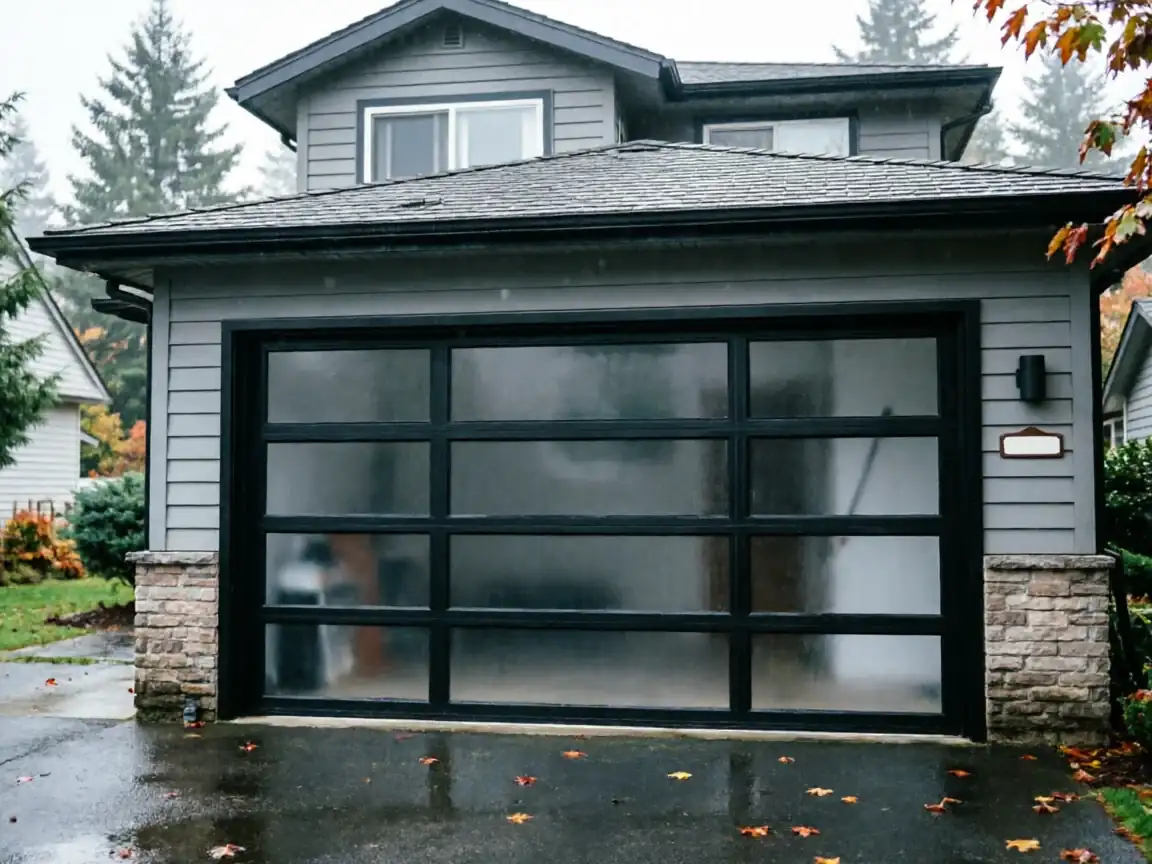
And we mention that only because it shapes what we quote most often out here - homeowners in this bracket tend to ask for insulated steel or composite doors with a full hardware upgrade rather than a like-for-like steel replacement, since the house is already carrying the cost of the trip.
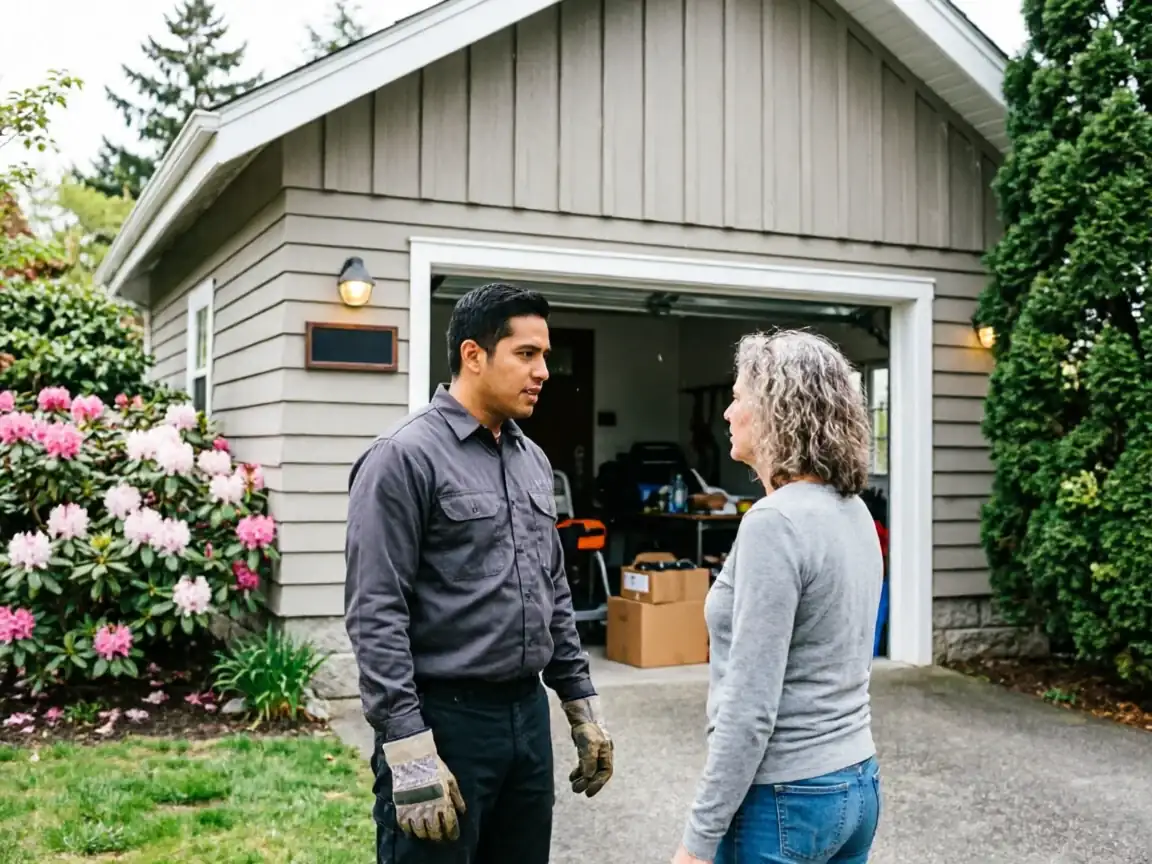
We price the job after we see the opening and the existing track, not before
A phone estimate on a door this old is a guess, and we'd rather give you a real number once we're standing in front of it.
How We Fix It
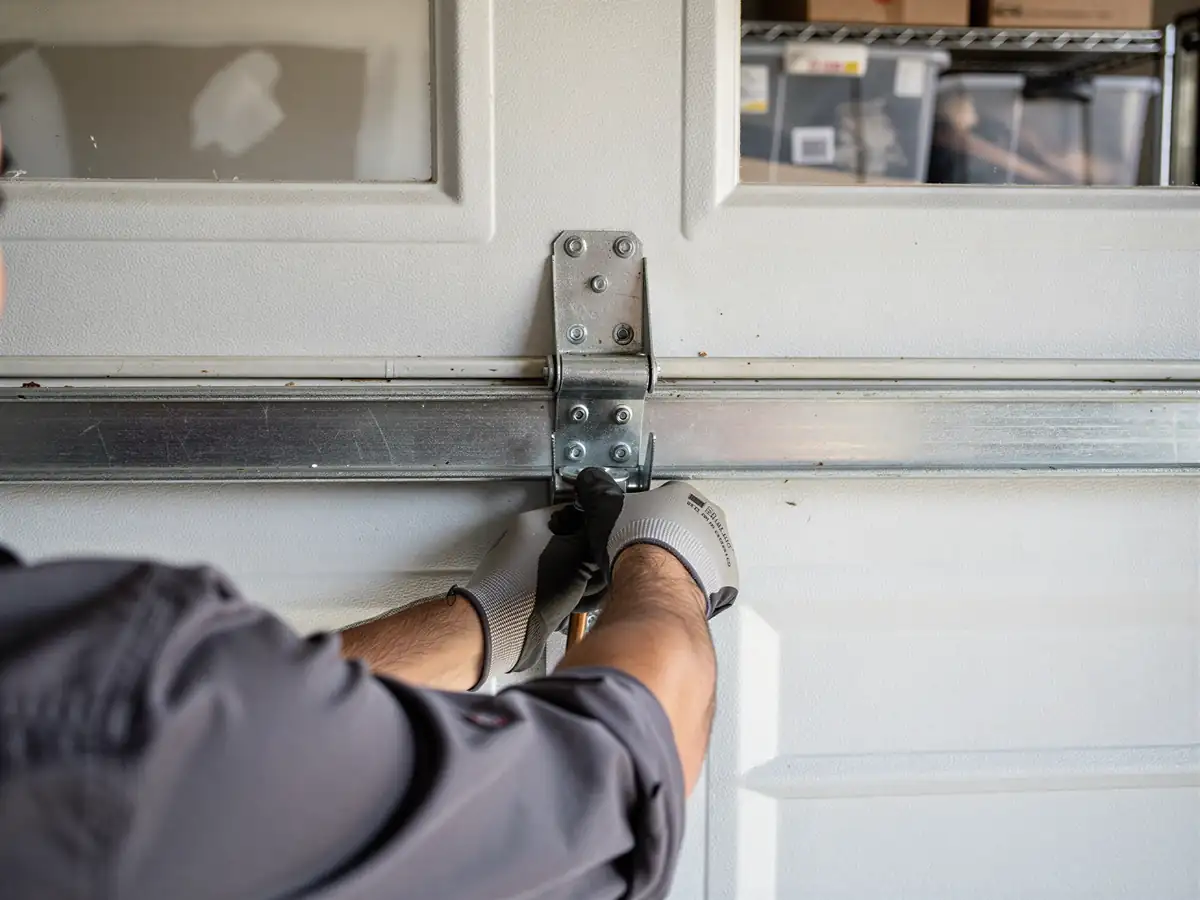
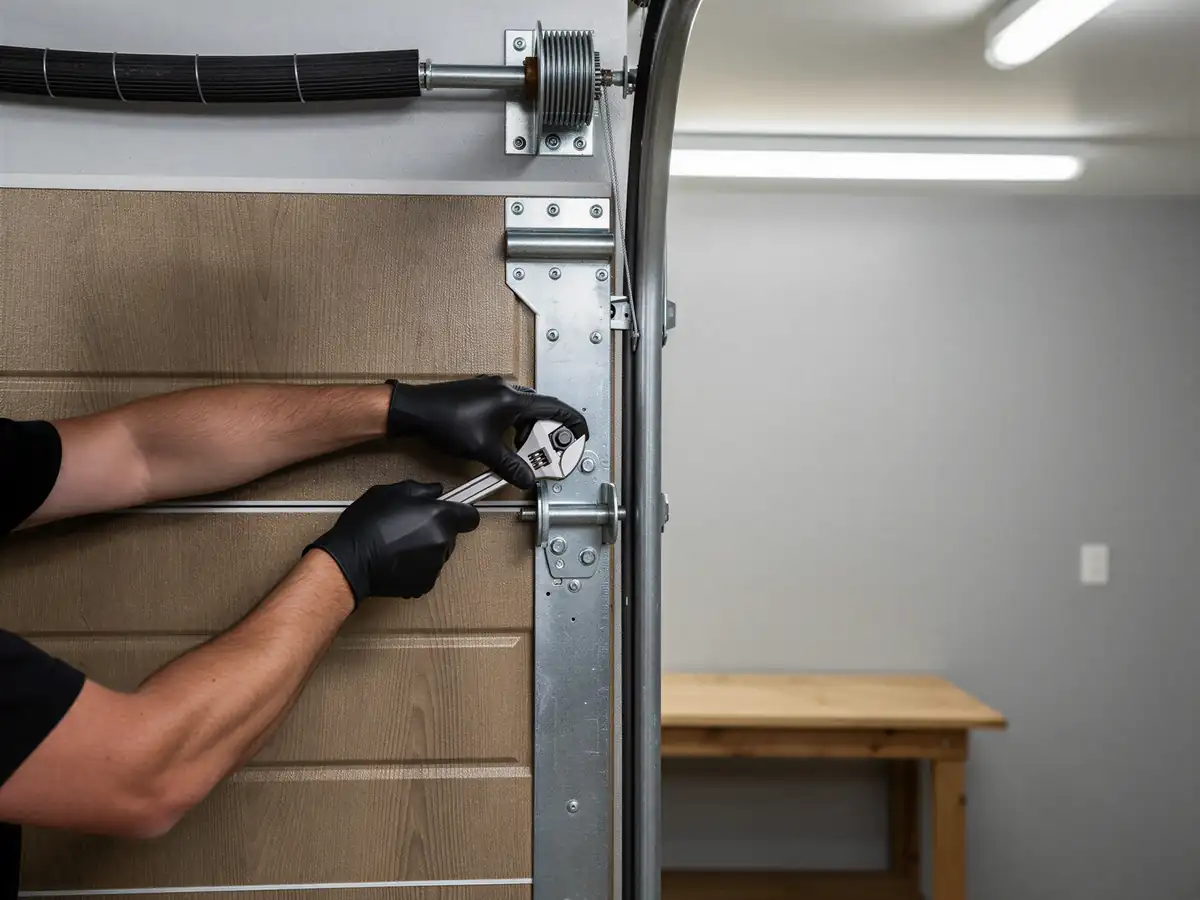
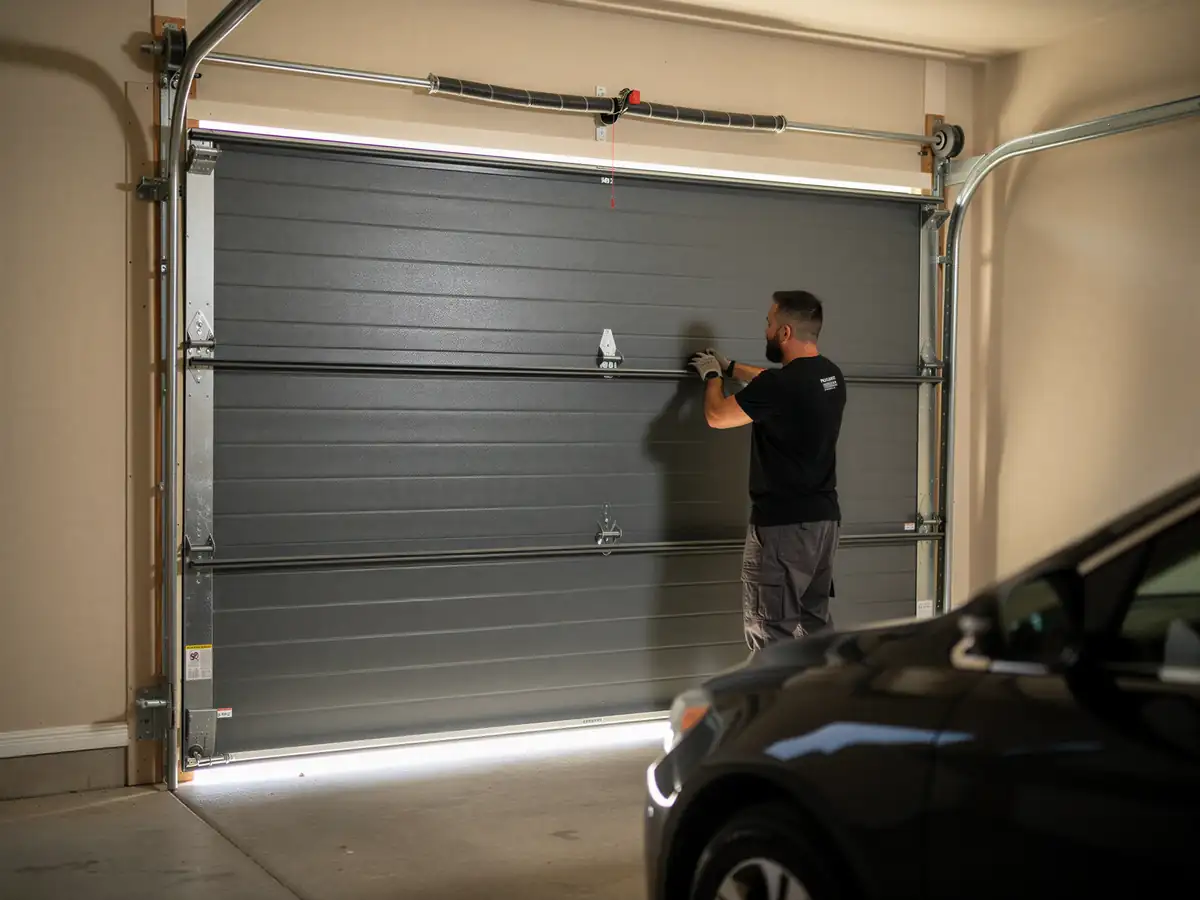
We start by measuring the opening itself, not the old door, because a 1983 frame can be out of square after four decades of settling. Once we have true dimensions, we pull the old door and track as one unit rather than trying to save the original hardware - on a door this age, the drum and bearing plate are usually worn enough that reusing them just moves the failure point to next year.
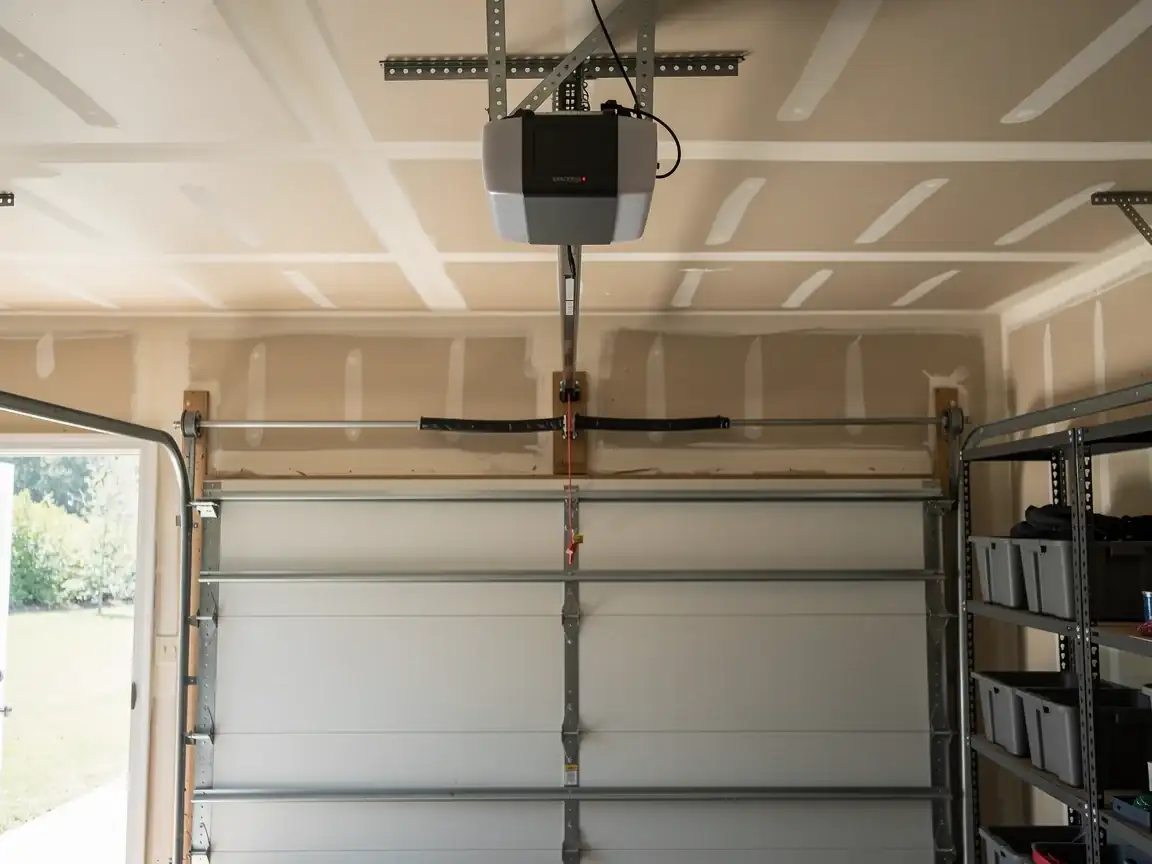
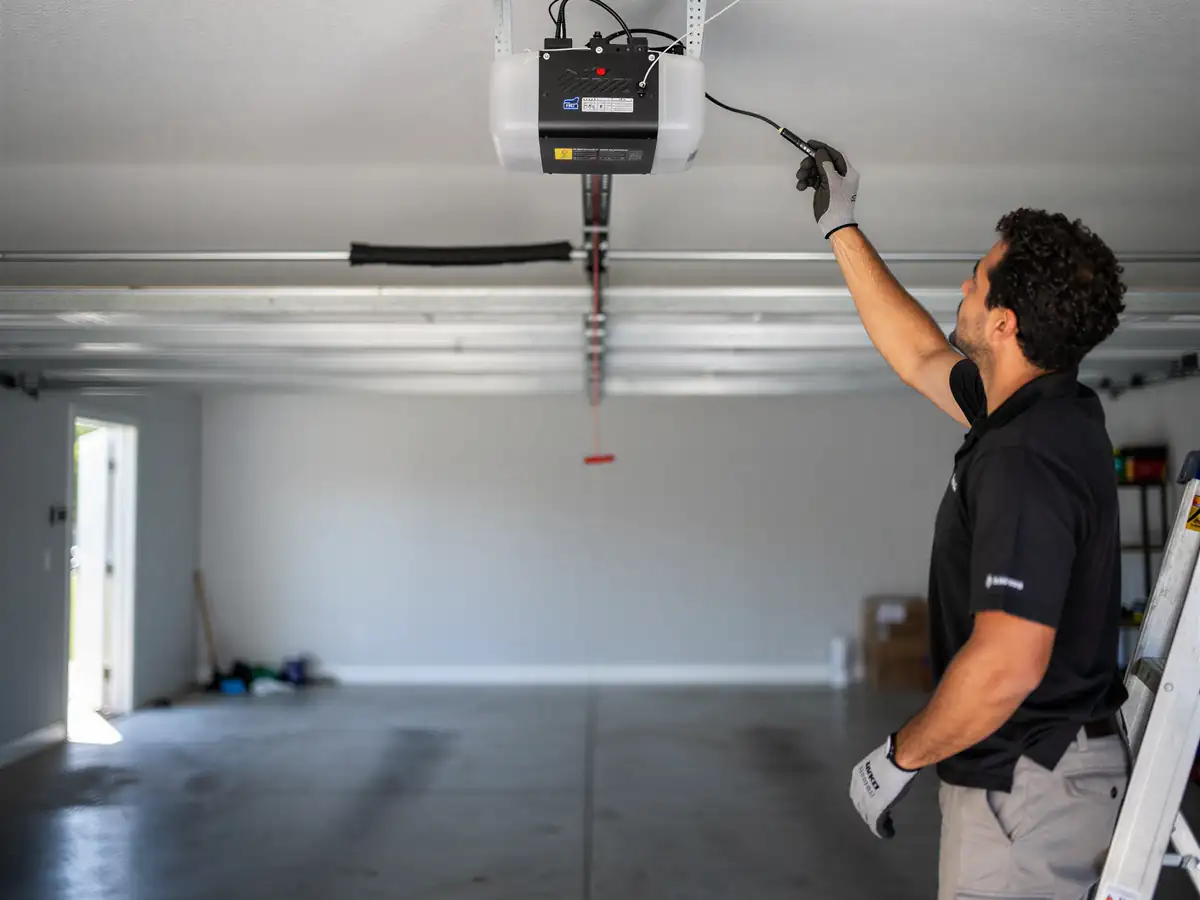
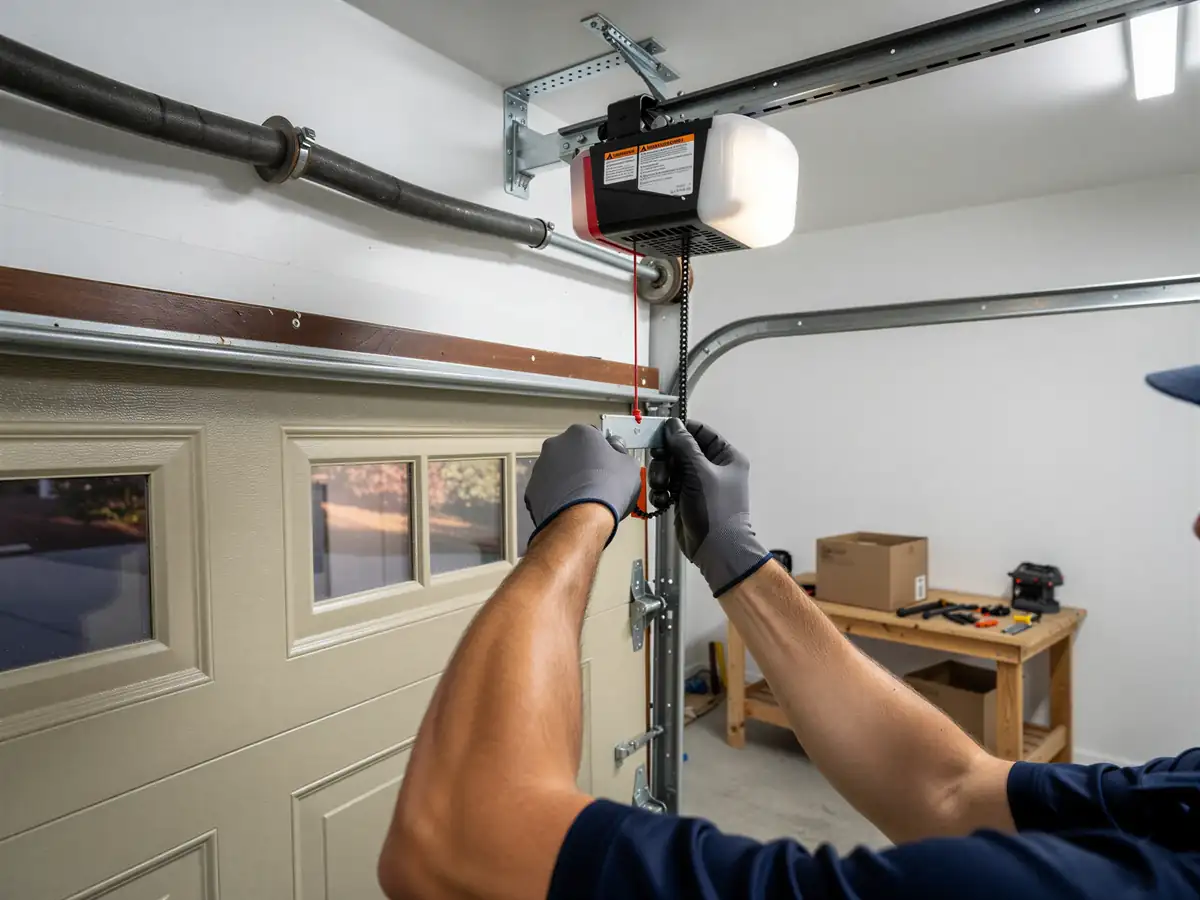
New track goes in plumb and squared to the current opening, not the old one. We set the spring to match the actual weight of the new door - steel, insulated steel, or composite all carry different spring counts - and we balance it by hand before the opener ever touches it. If your opener predates the door, as it usually does out here, we check whether it's safe to keep running on new hardware or whether it needs to come out with the door.
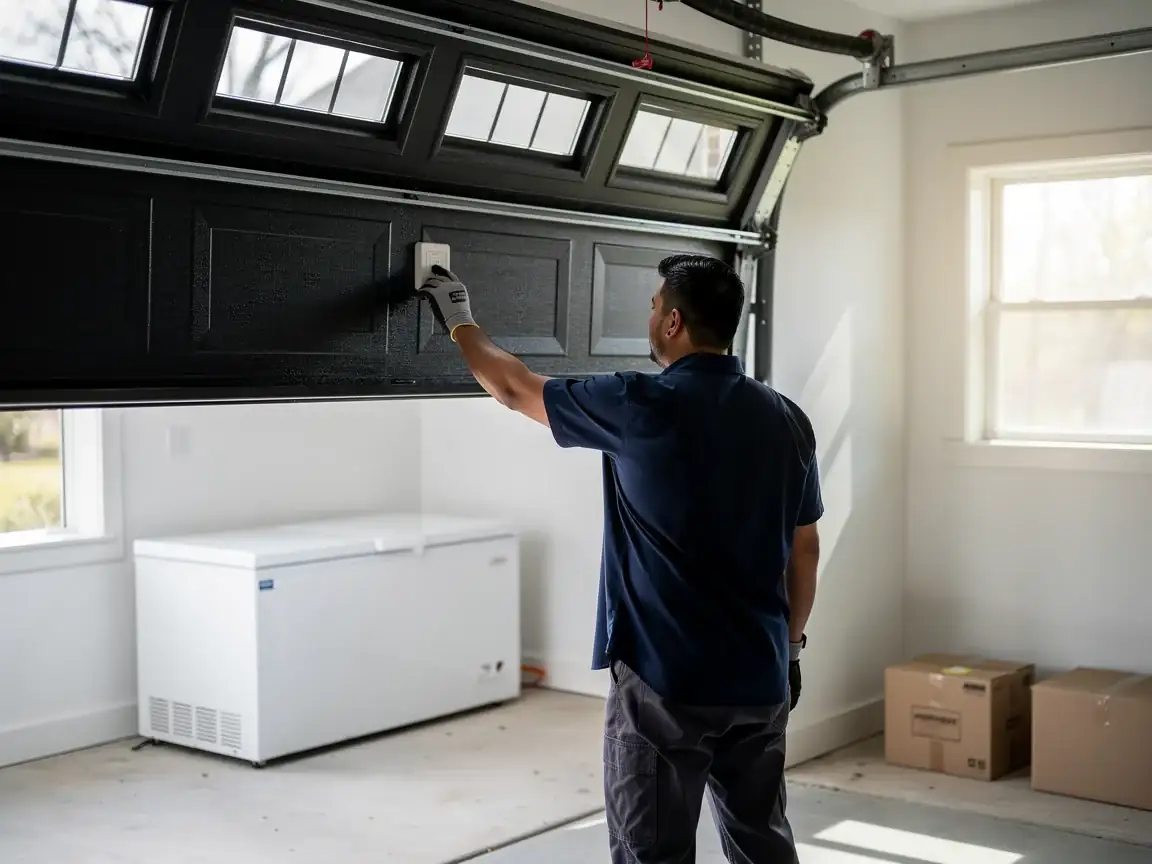
We test the full cycle under load before we call the job done: full open, full close, auto-reverse, and manual release. A door that looks right and doesn't balance right is a callback waiting to happen, and we'd rather spend the extra twenty minutes now.
Parts We Carry
We carry steel doors in the widths that match 1983-era Maltby openings, both single and double, in plain and insulated panel options. We stock torsion springs sized for the heavier insulated doors that most homeowners here are upgrading to, along with standard-lift and high-lift track depending on ceiling clearance, which varies more than you'd expect across houses built in the same decade.
What we don't keep on the truck is anything custom-milled - wood composite in a nonstandard width, or a color match that has to be special-ordered from a manufacturer. If your house needs one of those, we'll tell you up front rather than quote a date we can't hit. That's the honest limit of what we carry: standard steel and insulated steel in common widths, same day or close to it; anything outside that runs on manufacturer lead time, which we don't control.
What Causes It Around Here
The failures we see in Maltby track pretty directly to the 1983 median build year
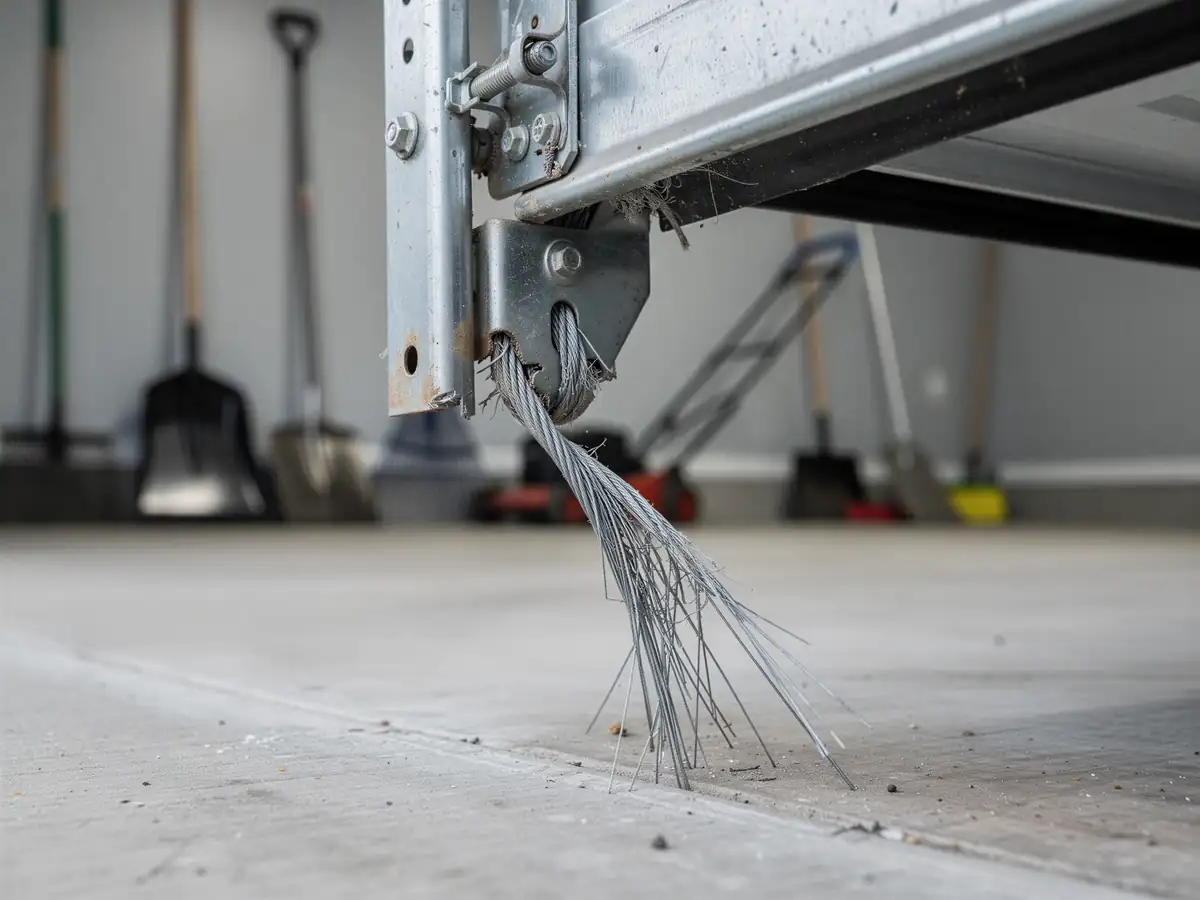
Original torsion springs are rated for a lighter, non-insulated door, so homeowners who've added weight over the years - a heavier replacement panel, extra hardware - put more cycles of strain on a spring that was never sized for it. That spring eventually lets go, usually without much warning.
Track misalignment is the other common one
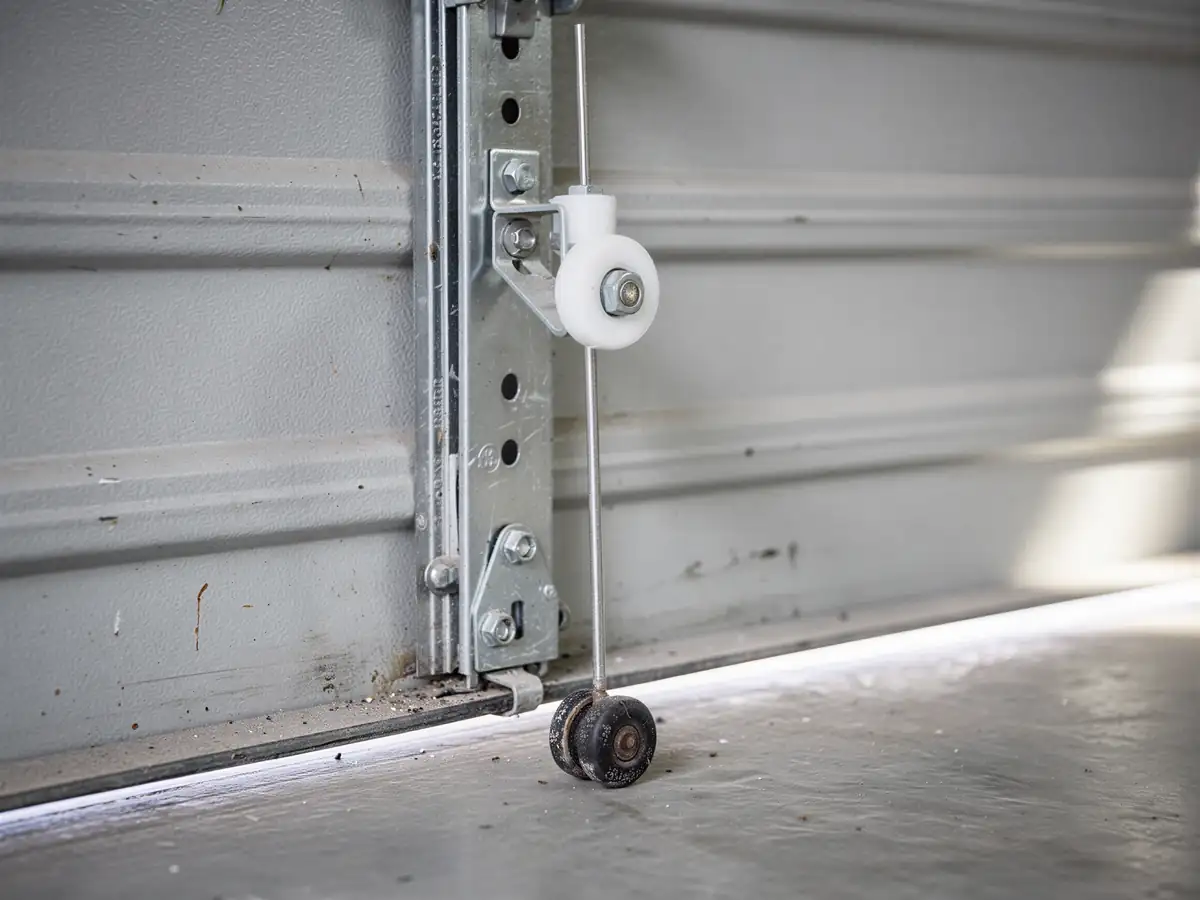
Forty-plus years of a house settling shifts the frame just enough that the original track no longer sits plumb, and the door starts binding on one side before it ever looks obviously wrong. By the time it's visibly rubbing, the rollers are usually already chewed up.
We don't see much storm damage driving these calls
The cold, moderate climate here doesn't put the kind of wind load on doors that causes sudden failure. It's age and cycle count, not weather, that brings most Maltby doors to the point of replacement.
Can You Do This Yourself
Swapping panels on a door this old, by yourself, is not a good weekend project. The spring on a 1983-era door is under real tension, and releasing or resetting it without the right bars is how people end up in the ER, not just in a bad mood. If the job is just panel cosmetics on a door that still balances correctly, a handy homeowner can manage that part alone.
What you shouldn't do alone: touch the torsion spring, reset track alignment on a frame that's shifted, or wire a new opener into decades-old household circuitry without checking the load. We'll say plainly that a full door and hardware replacement on a house this age is a two-person job minimum, and most of what makes it safe is the setup work before the door ever goes up - not the lifting.