Where This Job Goes Sideways
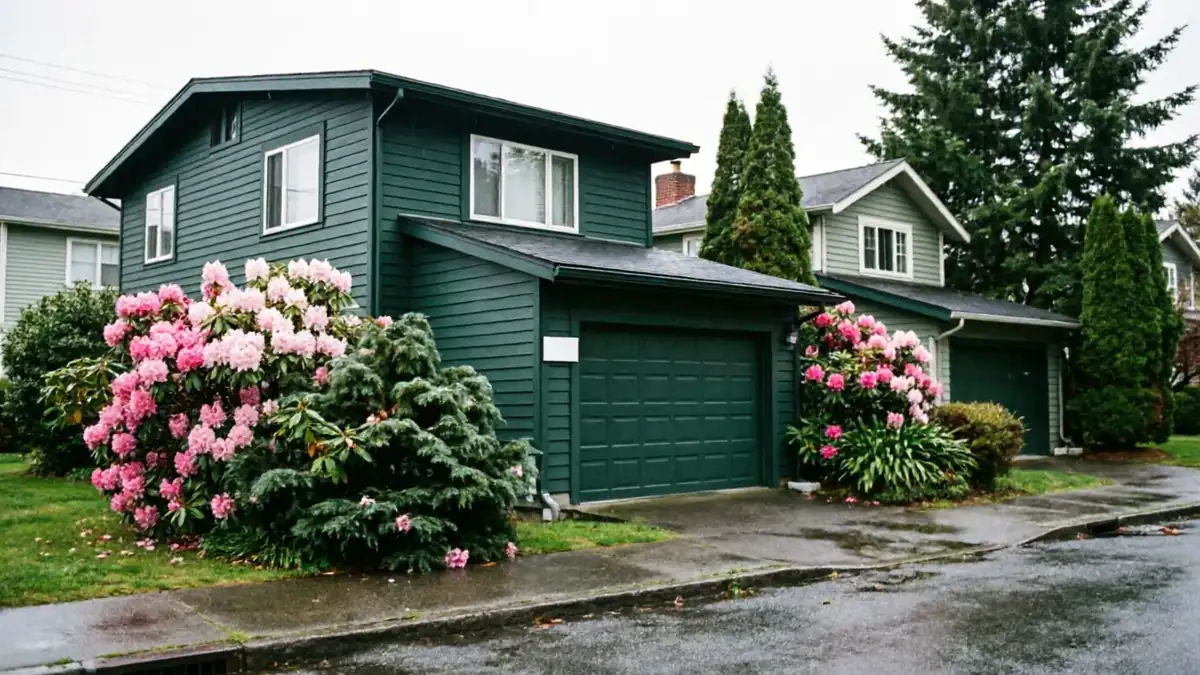
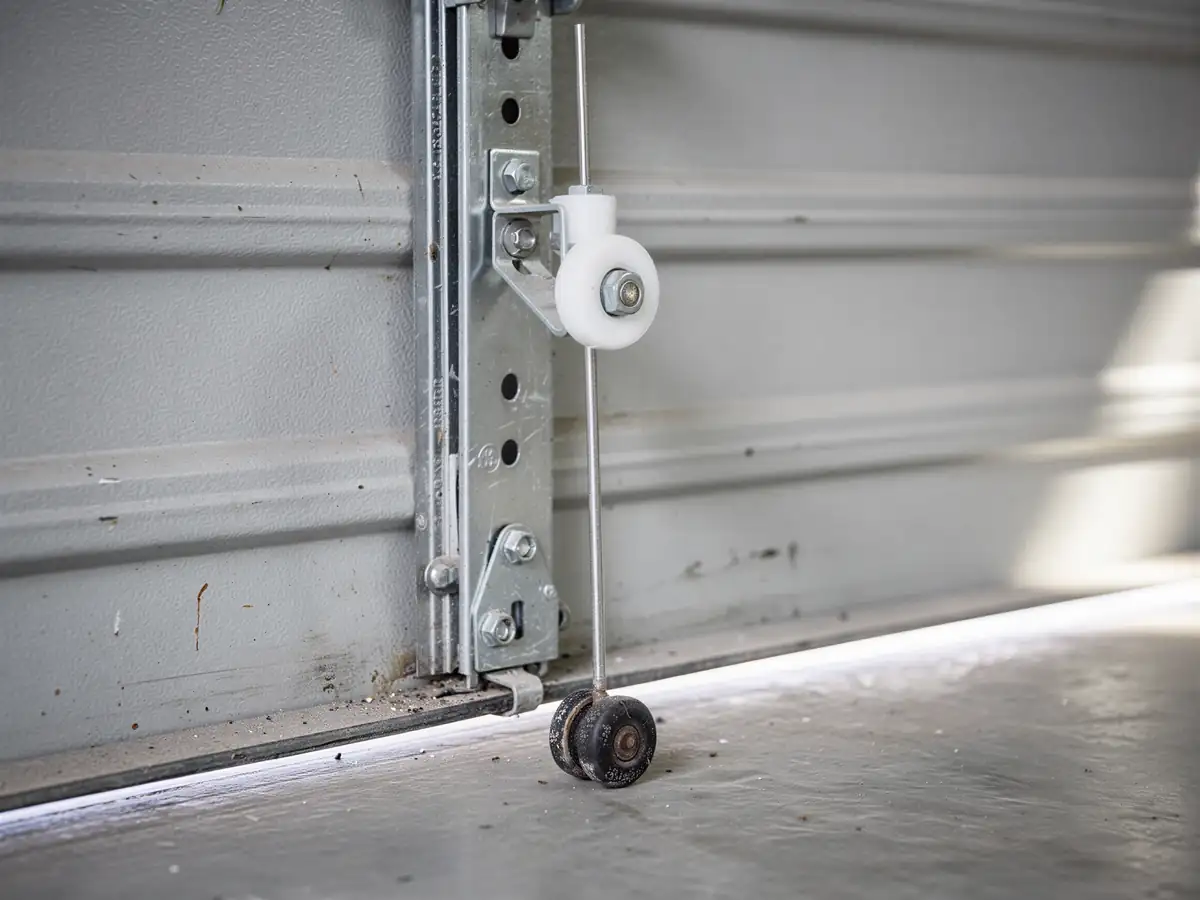
Maltby's housing stock centers on 1983, which means a lot of the original chain-drive openers installed when these houses went up are now pushing forty years old. The failure point isn't usually the motor - it's the logic board and the travel limits, both of which were crude by today's standards. Owners call us thinking the opener is dead when really the door is binding on worn rollers and the opener is just the part that gives up first under the extra strain.
We also see mismatches: a newer door panel bolted to an opener that's original to the house, with a drive arm and bracket that were never sized for the heavier door. That combination burns out gears faster than either part would wear on its own. If your opener is struggling and the door feels heavy to lift by hand, the opener install is the smaller half of the job - the door itself needs a look first.
The Cost of This Job
We don't publish a flat number here because the spread in Maltby runs wide depending on drive type, horsepower, and whether we're also replacing a drive-arm bracket that's cracked from decades of use
What we can tell you: at a median household income of $179,276 - well above the $140,572 median across our broader service area - more Maltby owners are opting for belt-drive openers with battery backup than the cheapest chain-drive swap. That's a real cost difference up front, and it shows up in the quotes we write for this town versus others nearby.
The honest limitation
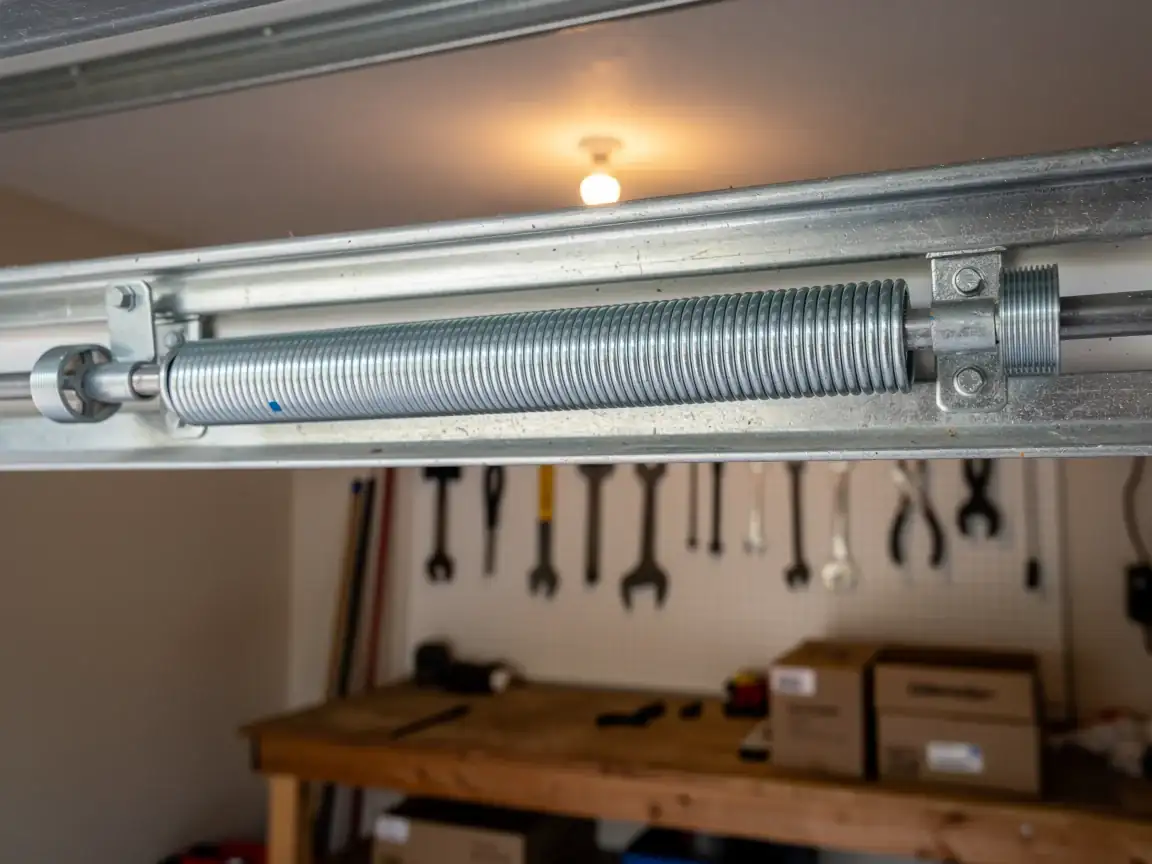
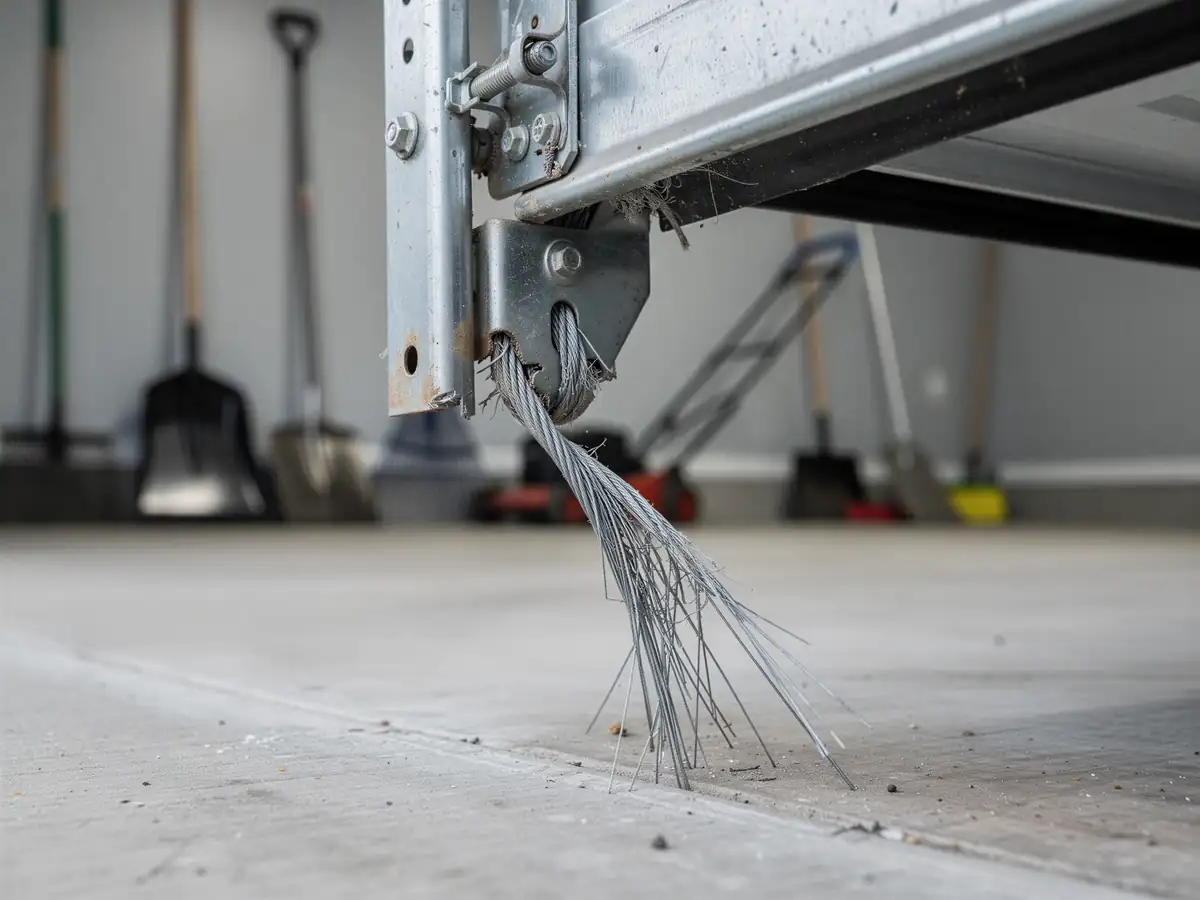
If your opener failure turns out to be a symptom of a bad spring or a bent track, fixing just the opener is a short-term patch. We'll tell you straight if that's what we're looking at rather than sell you a motor and leave the real problem in place.
How We Fix It
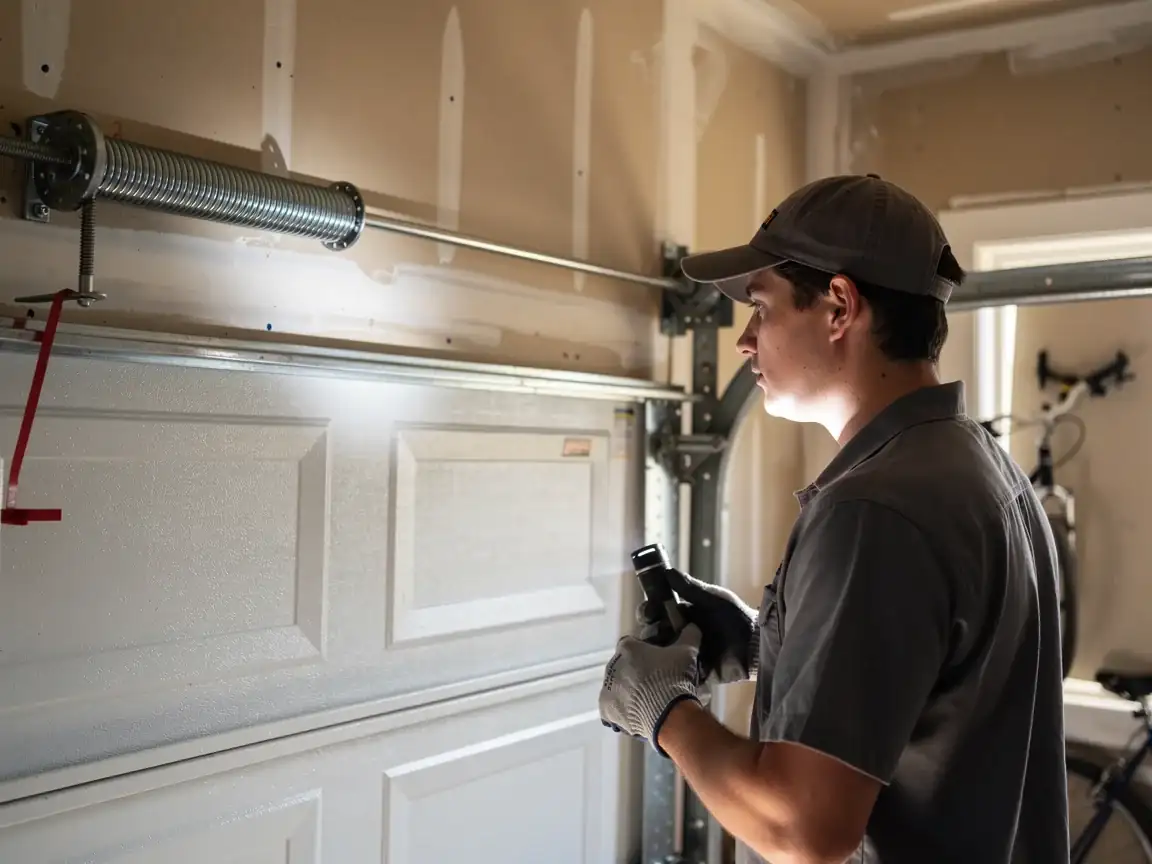
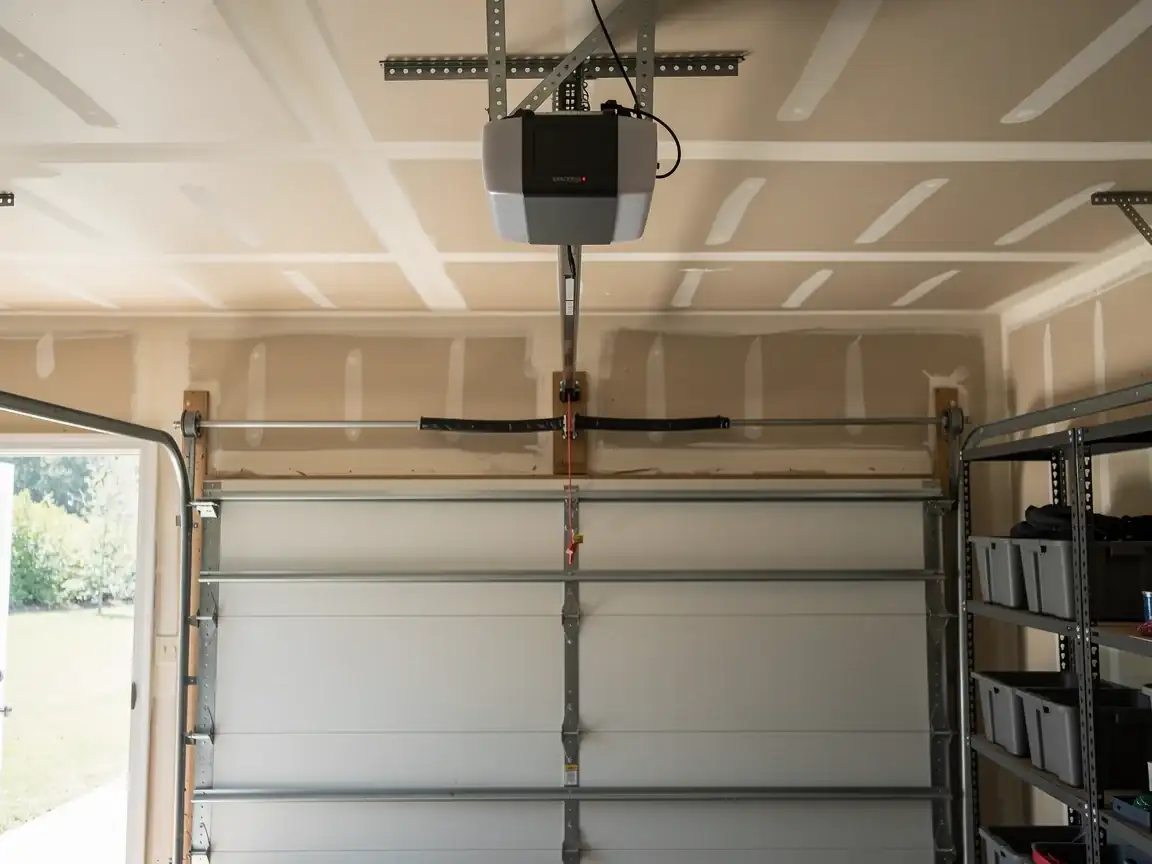
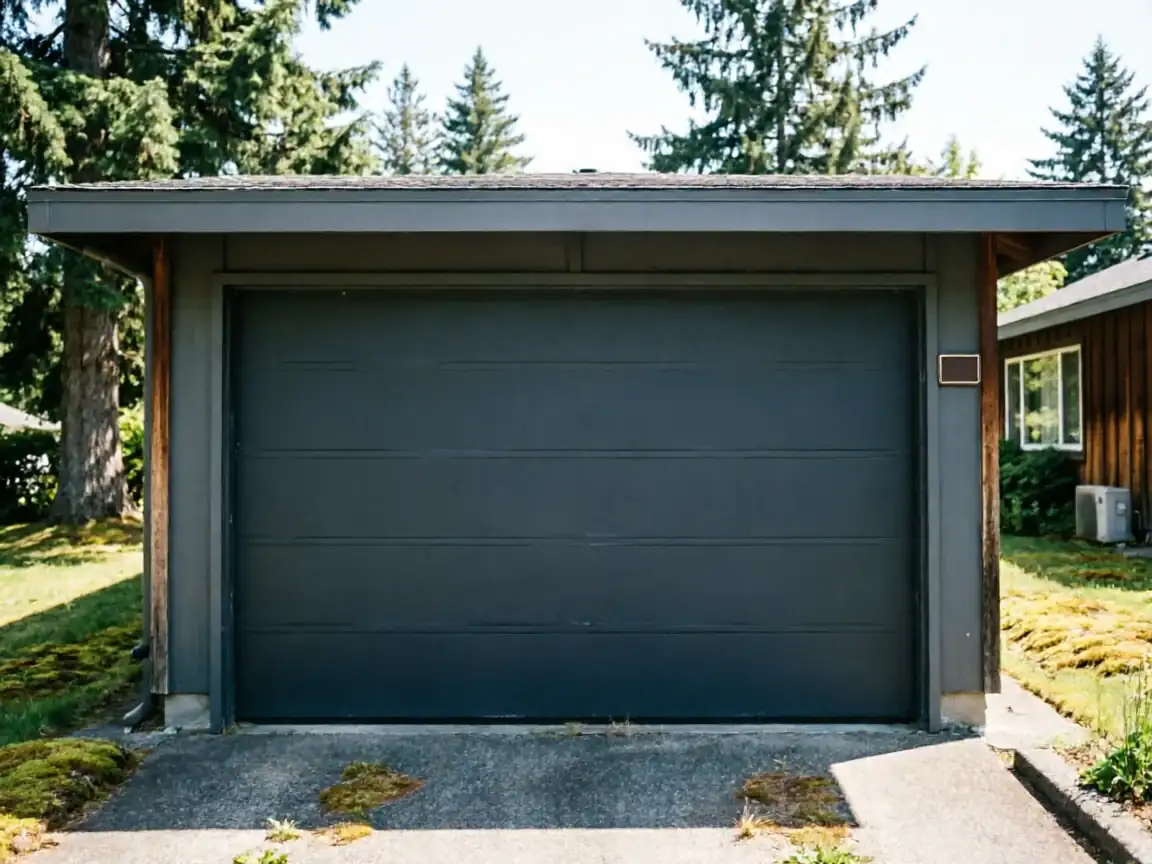
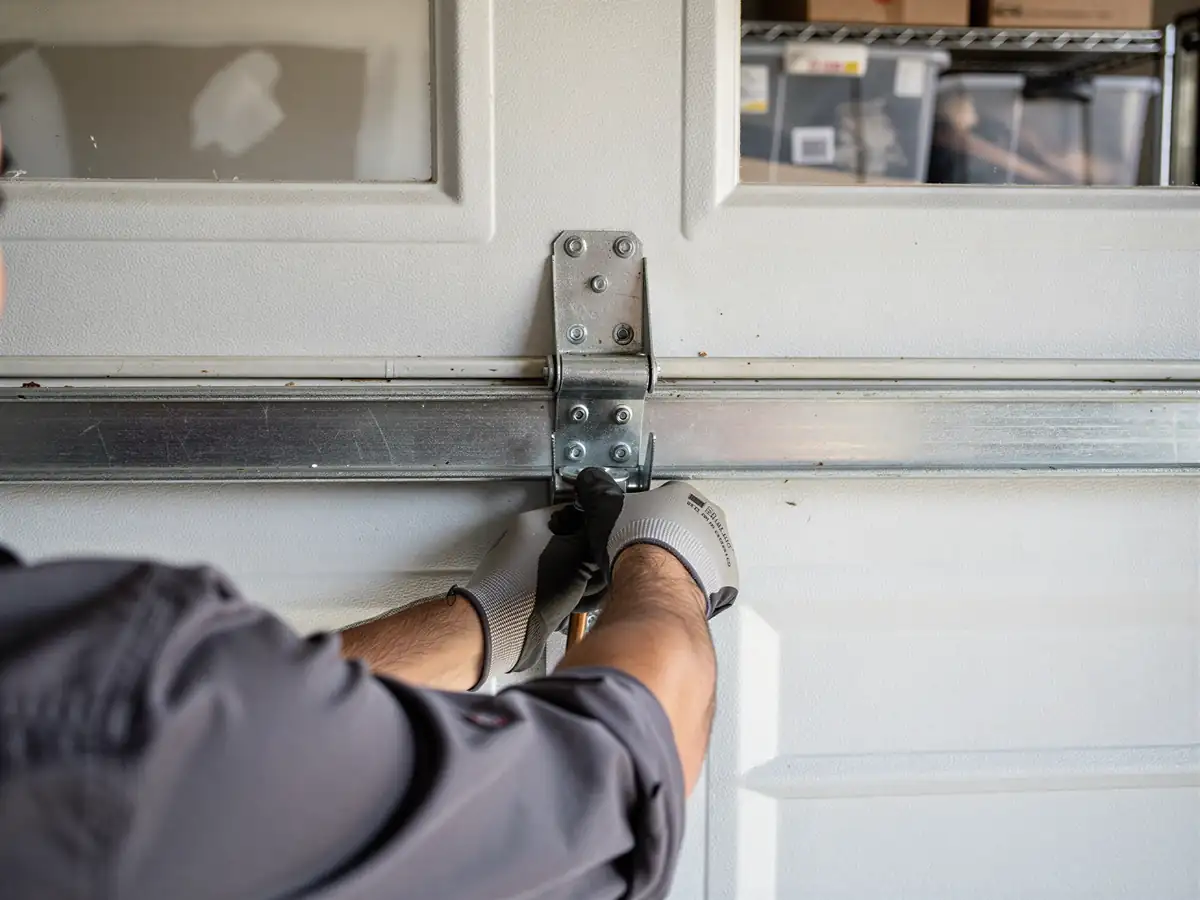
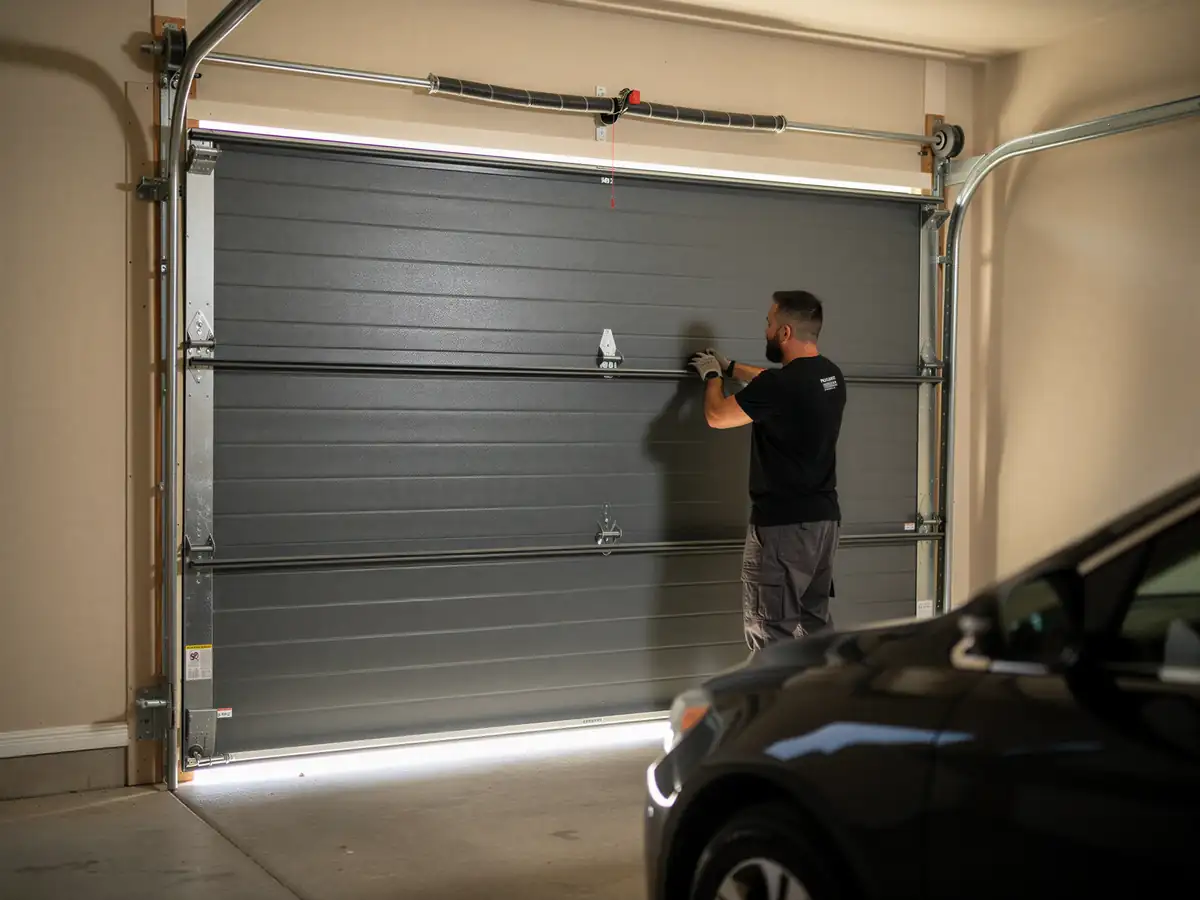
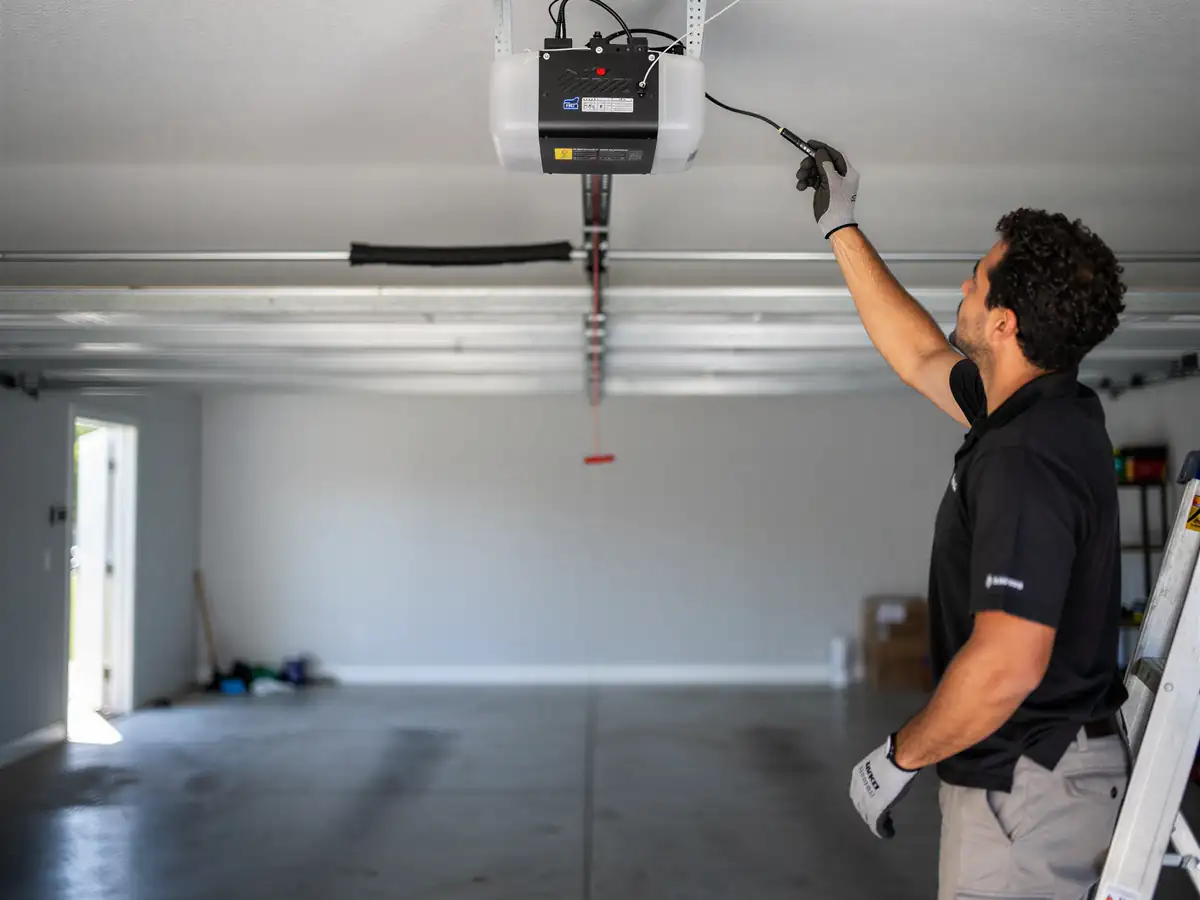
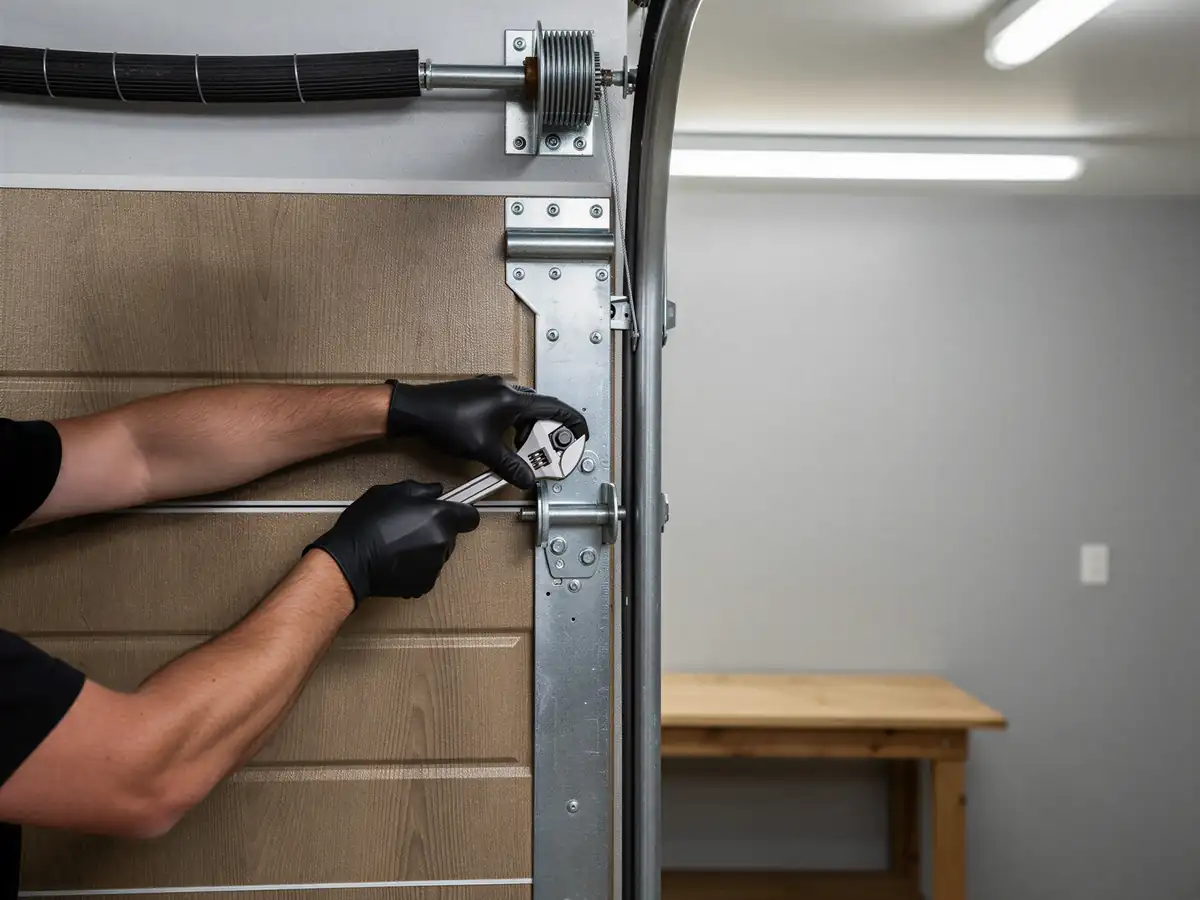
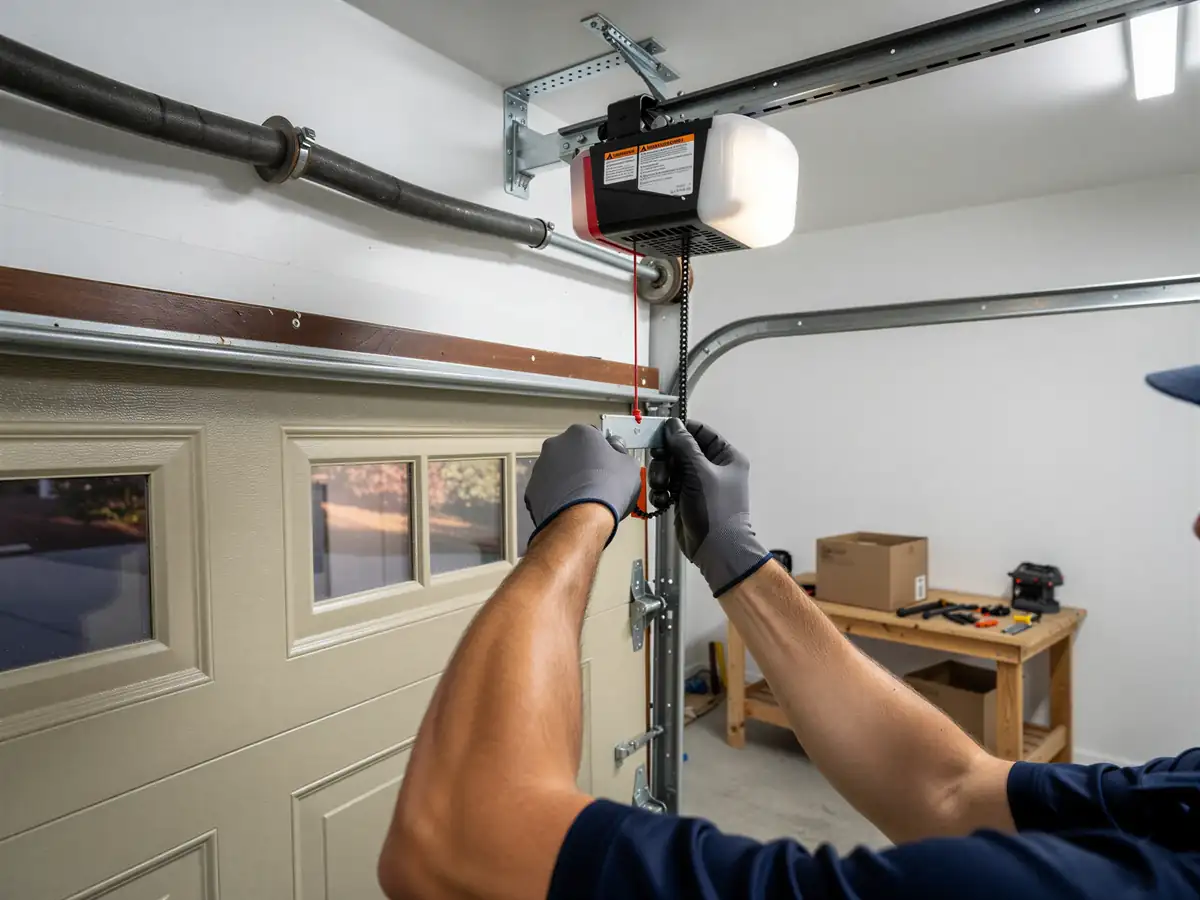
We pull the old unit, check the header for rot or old mounting damage before anything new goes up, and size the new opener to the door's actual weight rather than defaulting to whatever's on the shelf. On a lot of Maltby's 1983-era doors, that means upgrading the drive-arm bracket too, since the original hardware was built for lighter steel panels than what's often on these houses now.
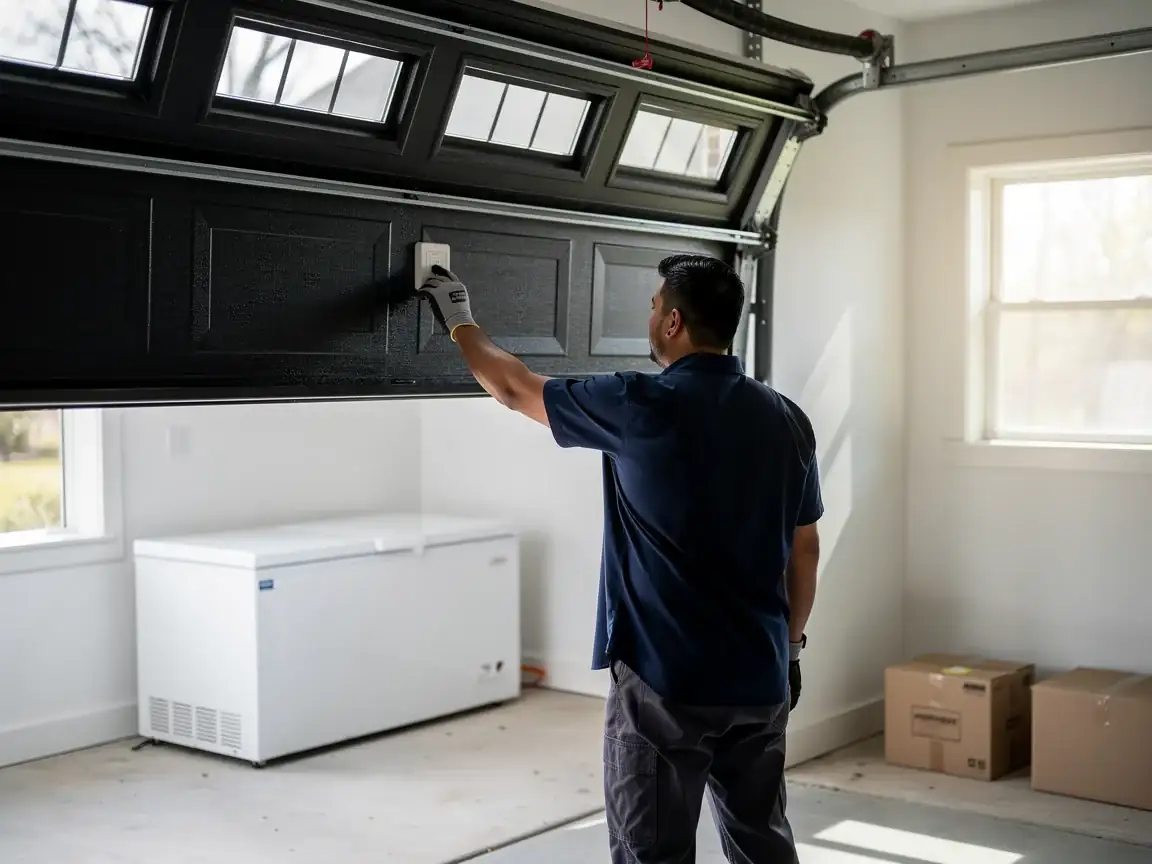
We set travel limits and force settings by hand and test the auto-reverse with a real board under the door edge, not just a visual check. Wiring gets run cleanly along the joists rather than left hanging - a small thing, but it's the difference between an install that looks done and one that is done. We come out from our Woodinville shop, four miles down the road, so there's no separate dispatch fee tacked onto a job this close.
Parts We Carry
We stock the openers and hardware that actually move in this market - belt-drive units with battery backup, standard chain-drive replacements, drive-arm brackets sized for heavier steel doors, and the wall controls and remotes that pair with them. What we don't keep on the truck is anything specialty: smart-home integration modules for less common opener brands, or parts for openers old enough that the manufacturer has stopped making them. If your unit falls into that second category, we'll say so and talk through whether a full replacement makes more sense than hunting down a discontinued part.
Because Maltby's 3,779 households are a small slice of the roughly 44,156 households across our whole territory, this isn't a market where a supply house keeps a local counter stocked. We carry what we need out from Woodinville, which is one reason we size the job on-site rather than quoting blind over the phone.
What Causes It Around Here
The 1983 median build year is the root of most opener calls in Maltby
Openers from that era used simple RPM-based auto-reverse rather than the optical sensors standard on newer units, so they're more prone to a slow grind-to-a-stop that strains the motor over years rather than failing cleanly all at once. Combine that with our cold, moderate winter stretch and you get openers that hesitate on cold mornings - the lubricant in old gearboxes thickens and the motor has to work harder just to get the door moving.
We also see openers that were swapped once already, sometime after the house was built
With a mid-grade unit that's now reaching the end of its own service life. Two generations of hardware on the same bracket is common enough here that we check mounting condition on every call rather than assuming it's fine.
Can You Do This Yourself
Mounting a new opener bracket and running the rail is within reach for someone comfortable on a ladder with basic tools. Where it gets risky is the travel-limit and force setting - set too aggressively, the door comes down hard enough to crack a panel or, worse, close on something in its path without reversing. We also don't recommend DIY on any job where the existing drive-arm bracket shows rust or hairline cracks, which we see often enough on Maltby's older stock that it's worth a second set of eyes before you buy a motor.
If you're just swapping a like-for-like chain-drive unit on a door you know is in good shape, it's a reasonable weekend project. If the opener failure showed up alongside a door that's hard to lift by hand, that's not a DIY call - that's a spring or track problem first.