Where This Job Goes Sideways
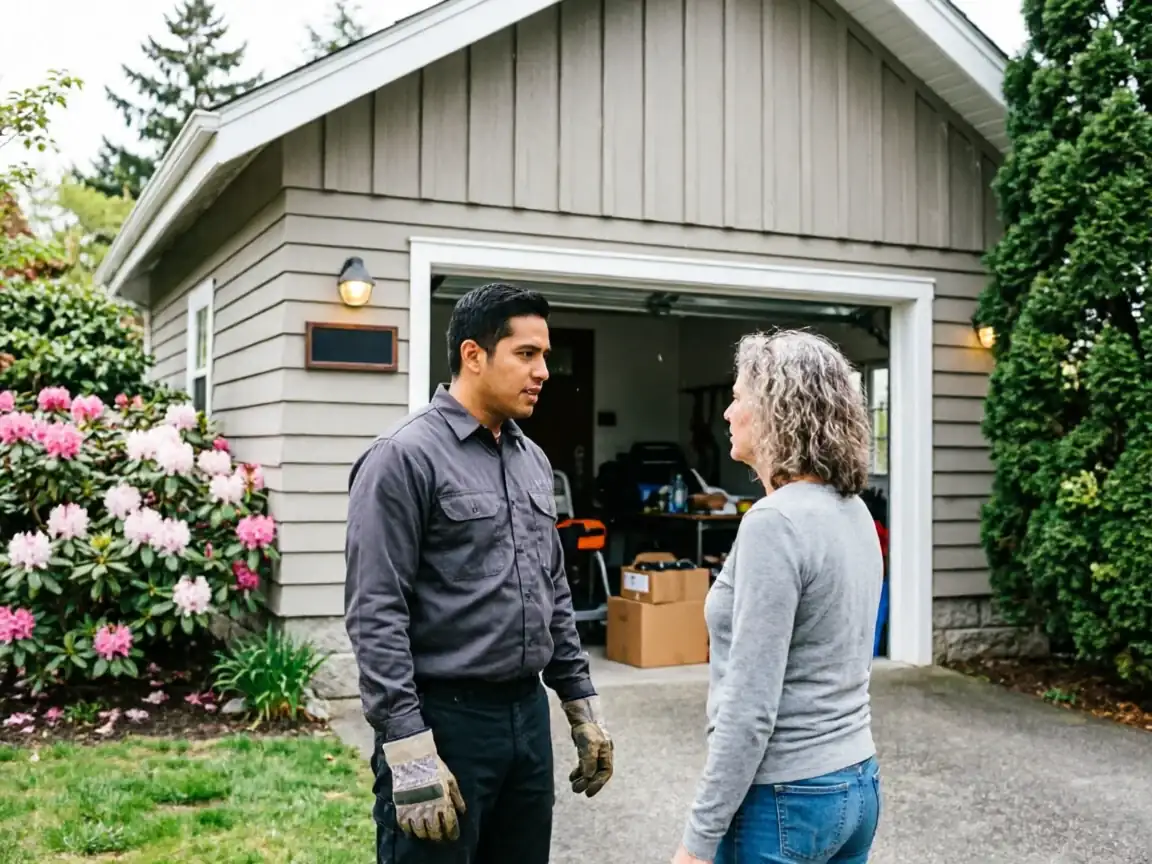
Maltby is a short run from Woodinville, about 4 miles, which matters more than it sounds. A maintenance call out here isn't a half-day trip, so there's no reason to put it off until something breaks. The trouble is that a lot of owners wait anyway, and by the time a spring or a hinge finally lets go, it's a repair call instead of a tune-up.
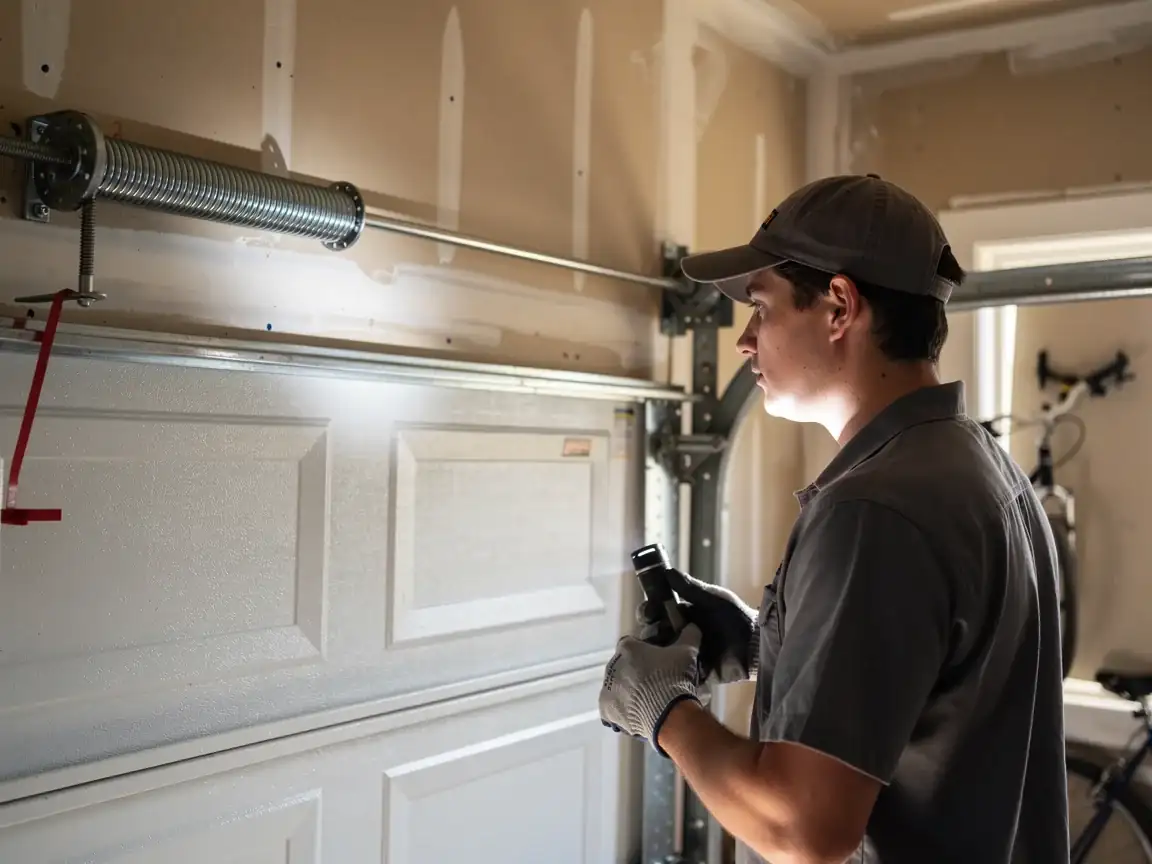
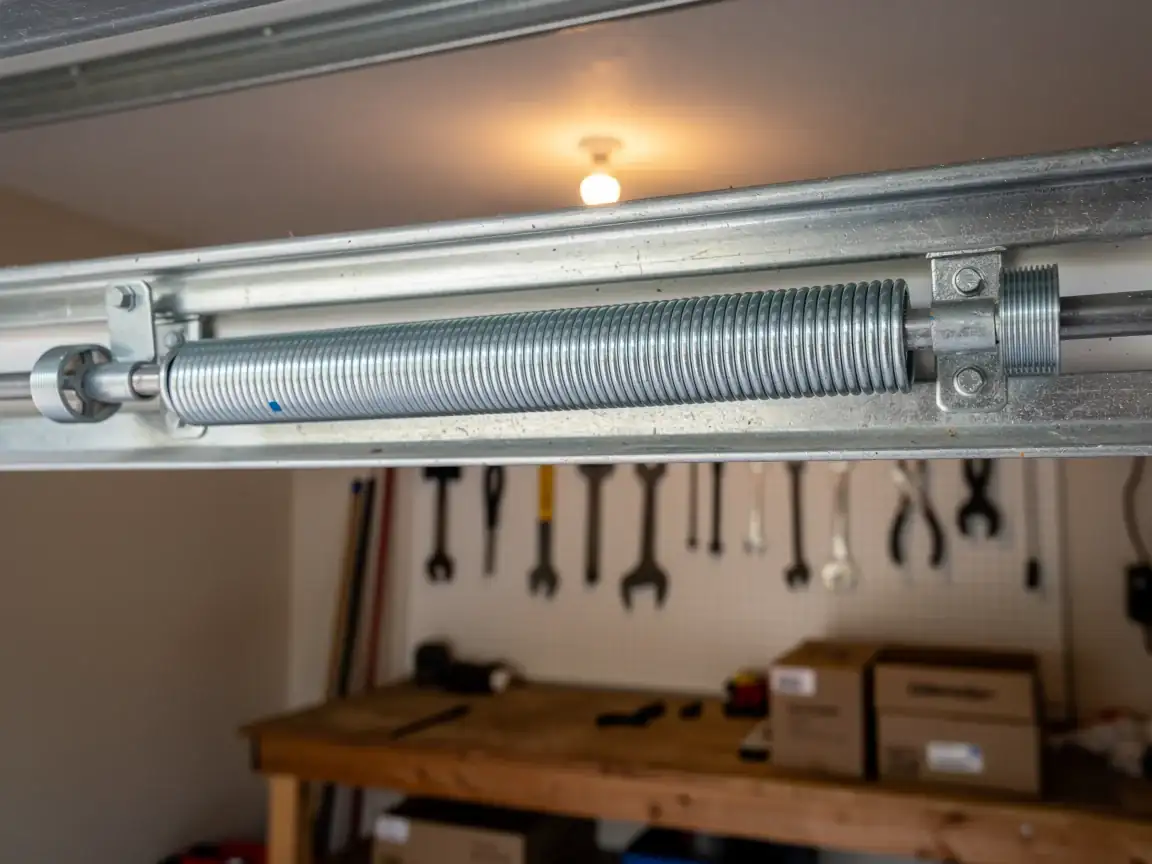
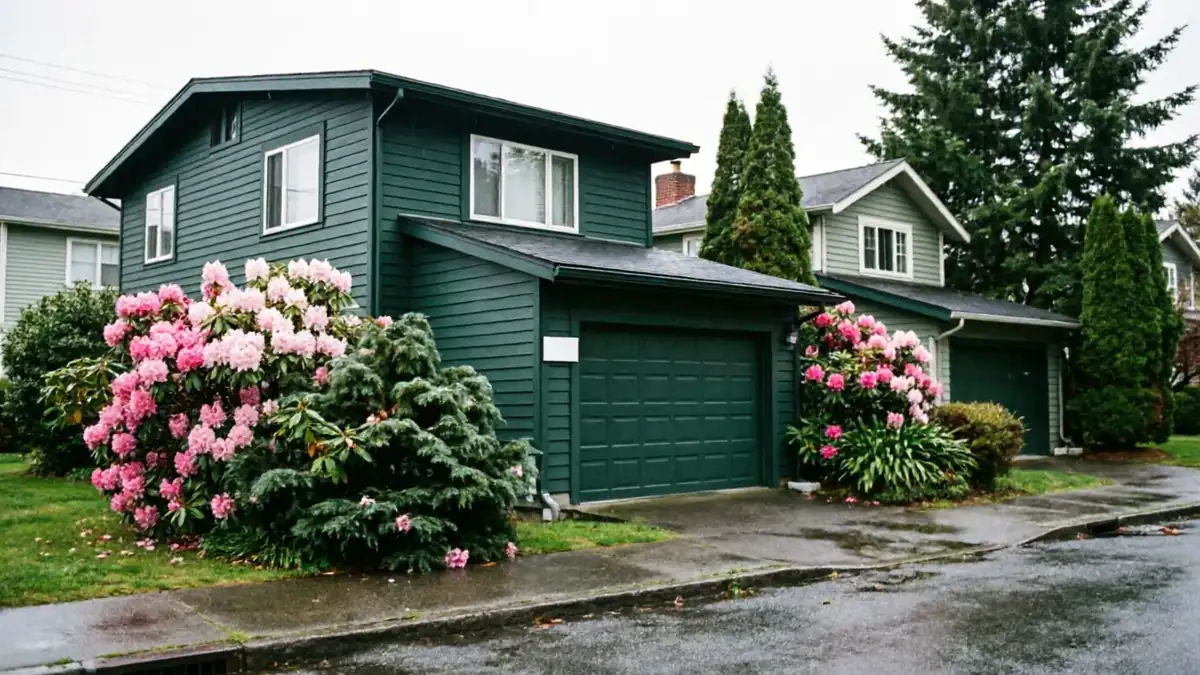
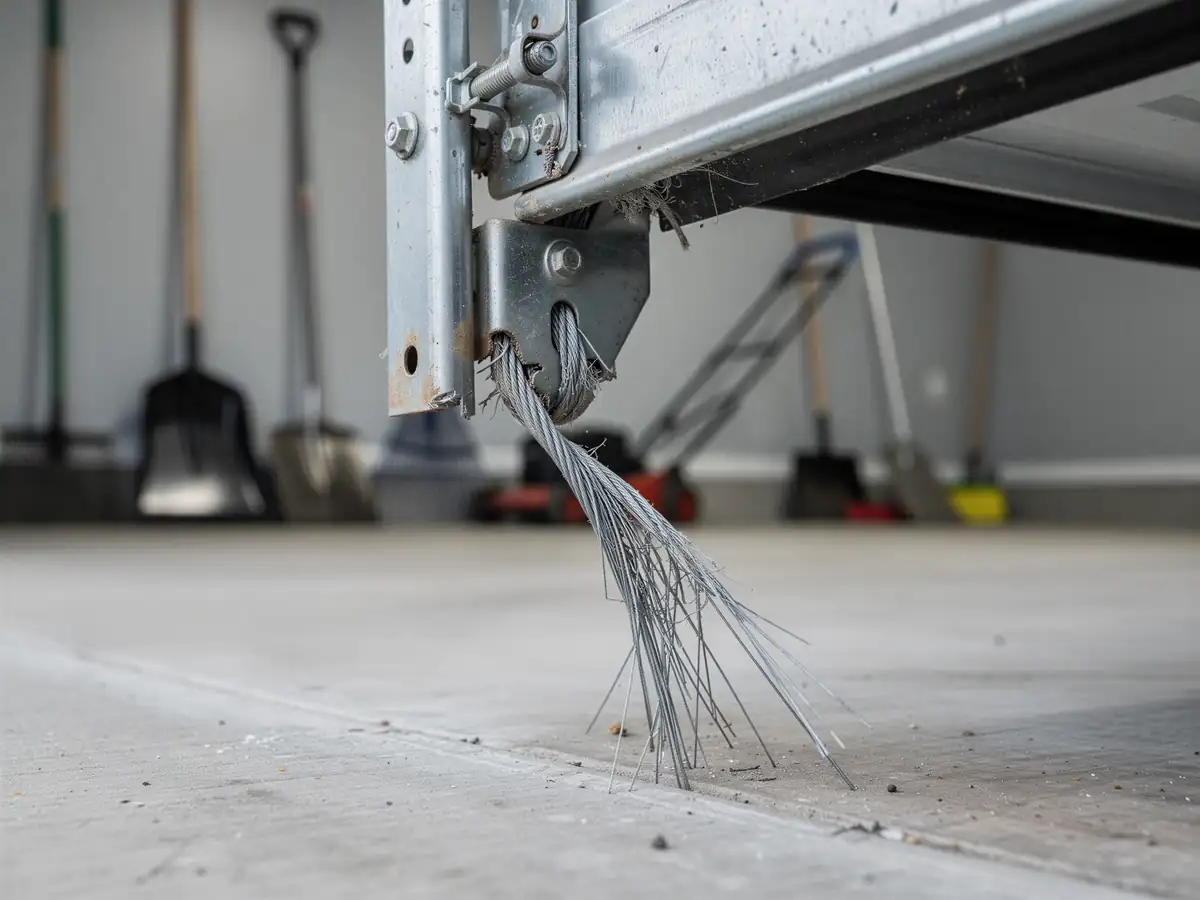
Most houses in Maltby were built around 1983, which puts the original garage door hardware at roughly four decades old if nobody's touched it. That era of door usually came with extension springs mounted along the horizontal track rather than the torsion setup you'd see on newer builds. Those springs stretch and fatigue differently, and the pulleys and cables that go with them wear in ways a torsion system doesn't. A maintenance visit on a house this age means checking stretched coils, frayed cable ends, and pulley brackets that have been flexing under load since the Reagan administration.
We see the same sideways moment over and over: a homeowner calls after a door drops crooked or won't budge, when a routine check six months earlier would've caught the worn part before it failed.
The Cost of This Job
We don't have a flat number to quote you here
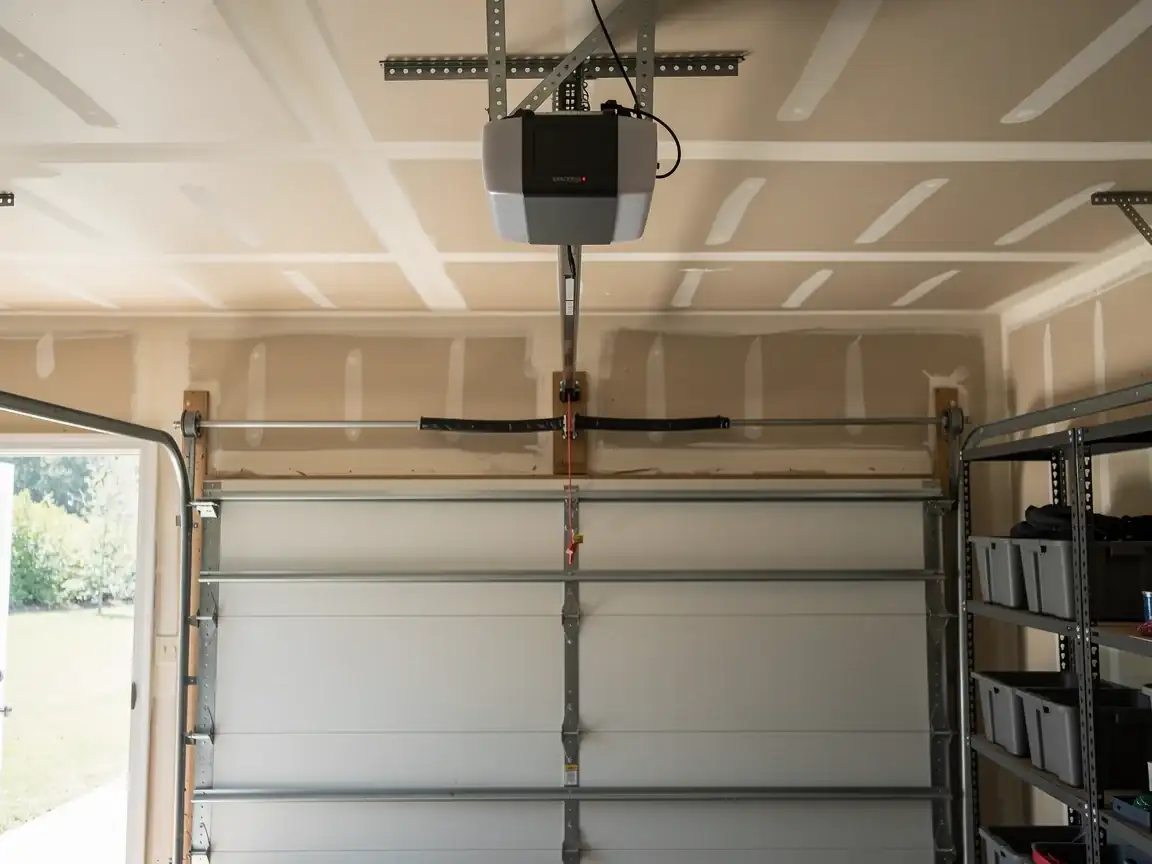
Because what a Maltby tune-up costs depends on what's actually on the door - original 1983-era extension hardware costs more time to inspect than a door replaced ten years ago with modern torsion springs and sealed ball-bearing rollers. What we can tell you is that the area's household income runs high, median around $179,276, and that tends to track with homes where the door was swapped out at some point rather than left original.
If your house still has its first door, budget for a longer visit
We're checking spring tension, cable wear, track alignment, and the opener's force settings, and on an older setup there's more to find. If a previous owner already upgraded the hardware, the visit runs shorter and cheaper because there's less history to untangle.
Either way, a maintenance visit costs less than the repair that follows a spring snapping under load
Which is the honest math behind doing this before something fails rather than after.
How We Fix It
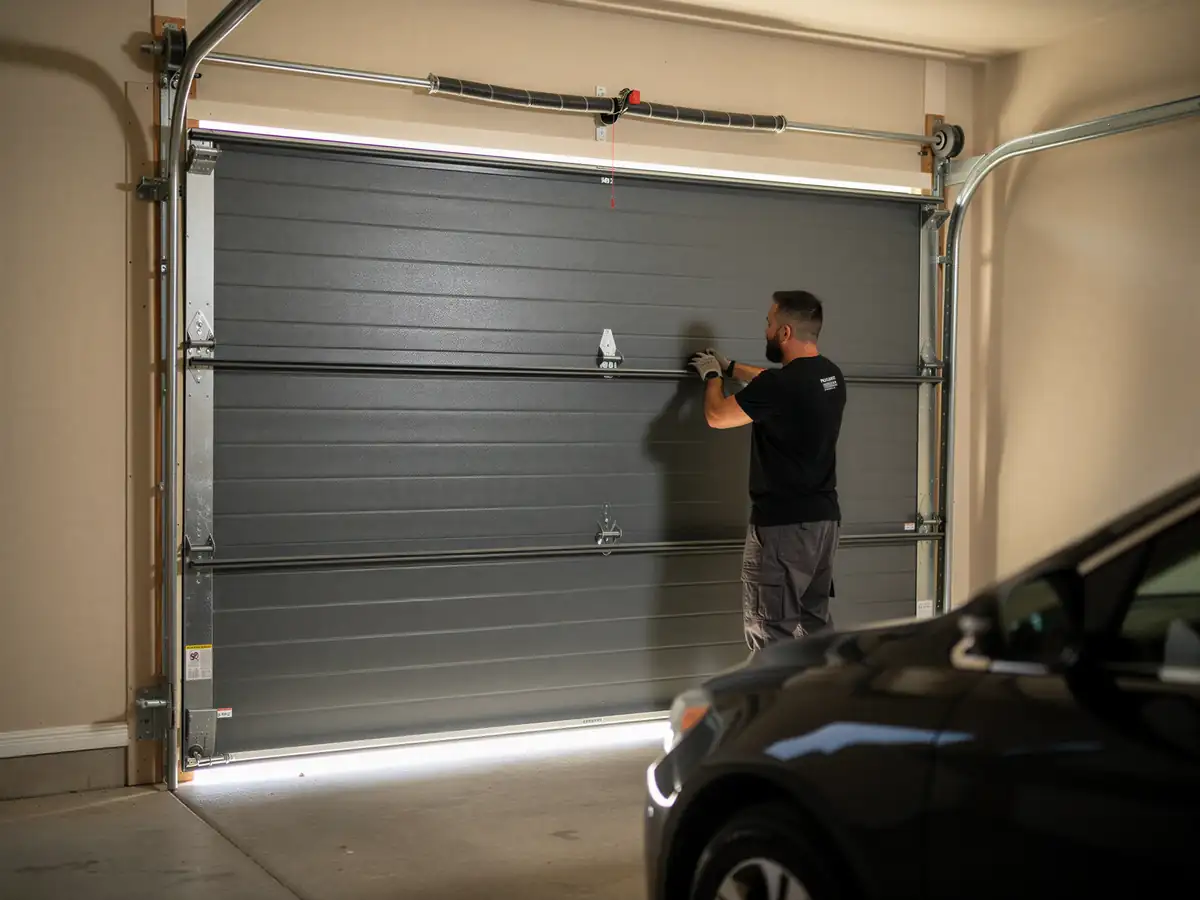
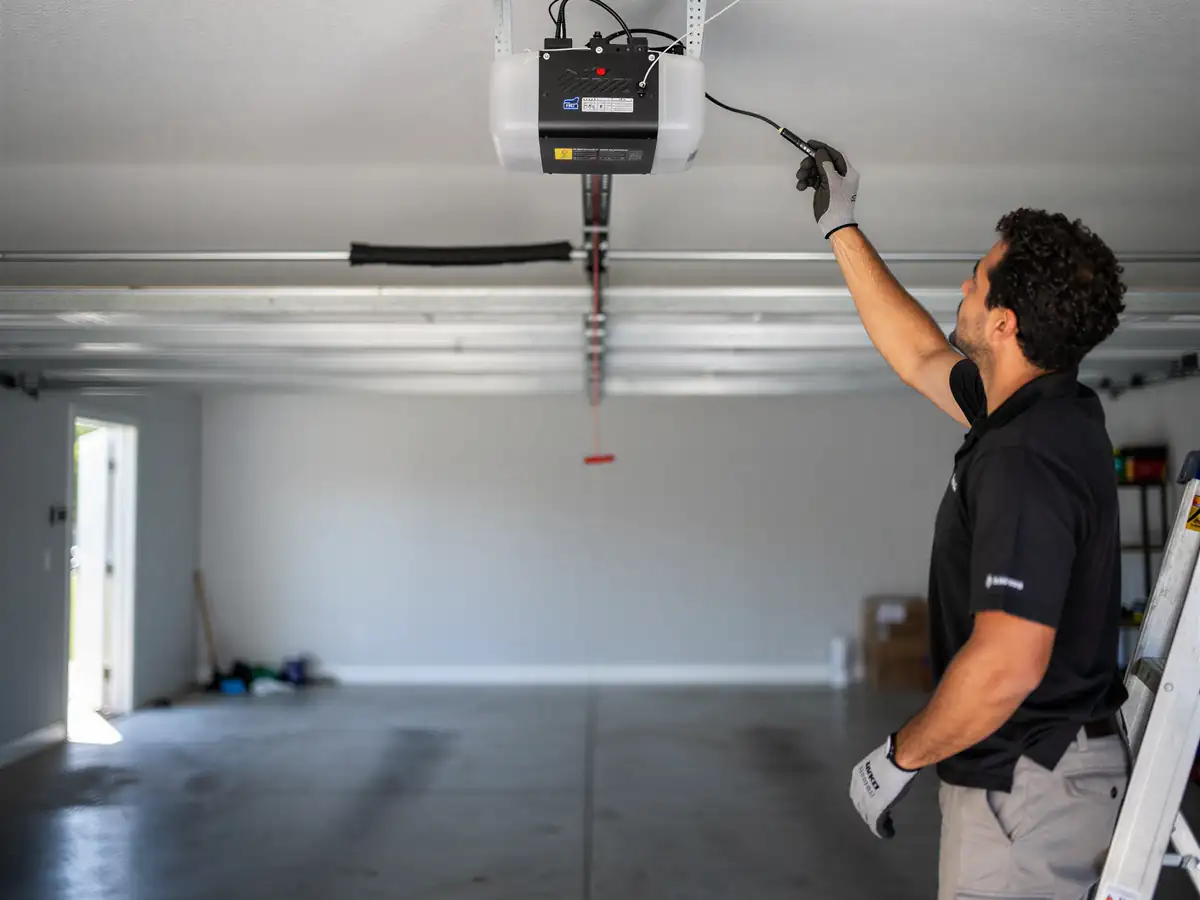
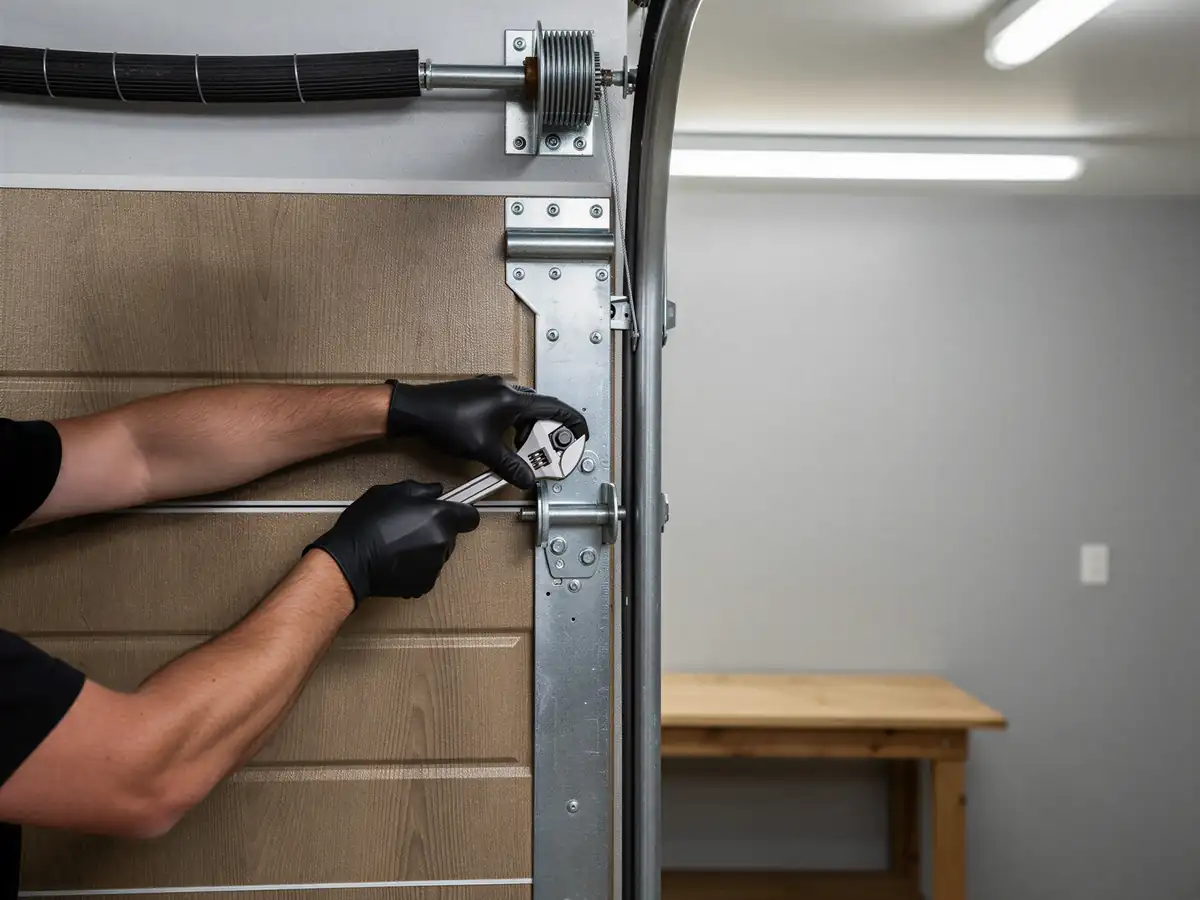
On a maintenance call we don't start by assuming anything about the door - we start by looking at what decade it came from. For a Maltby house built near 1983 with original hardware, that means pulling the extension springs off tension to check for stretch and rust, inspecting the pulleys for groove wear, and checking cable strands for fraying at the drum.
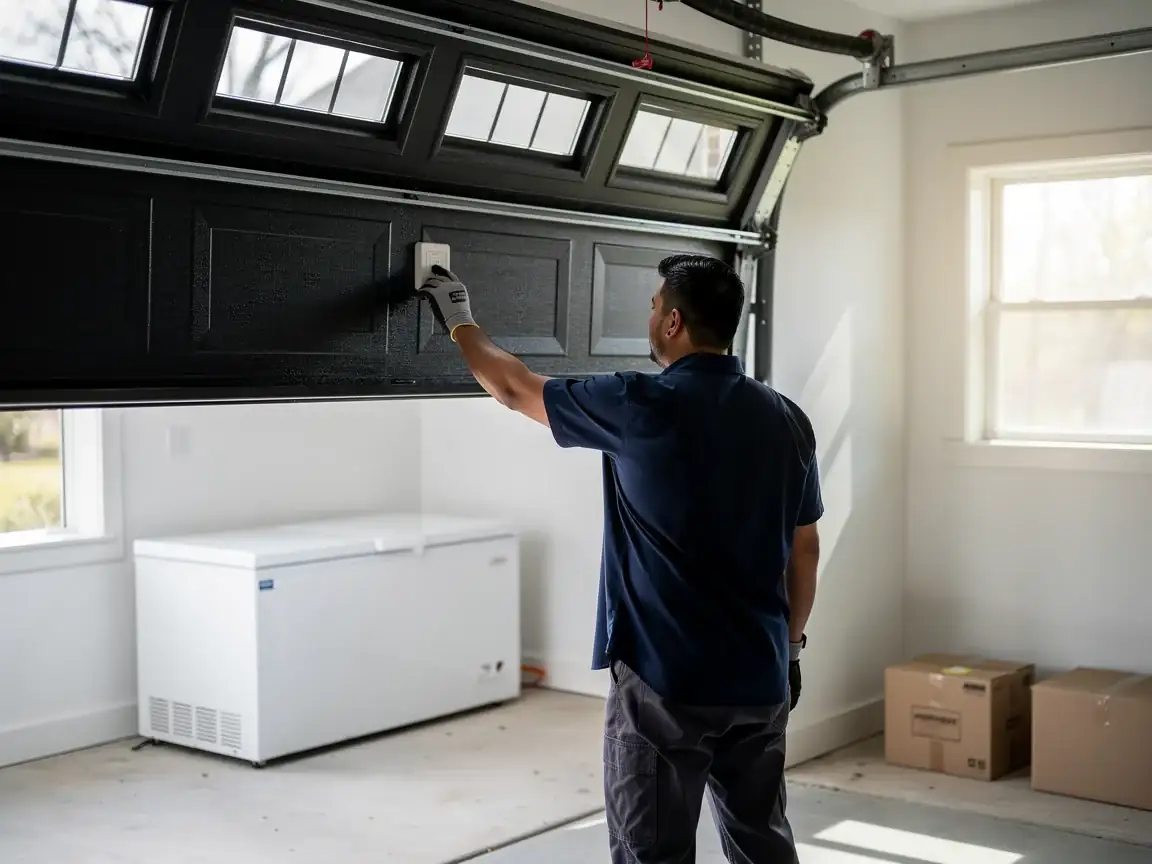
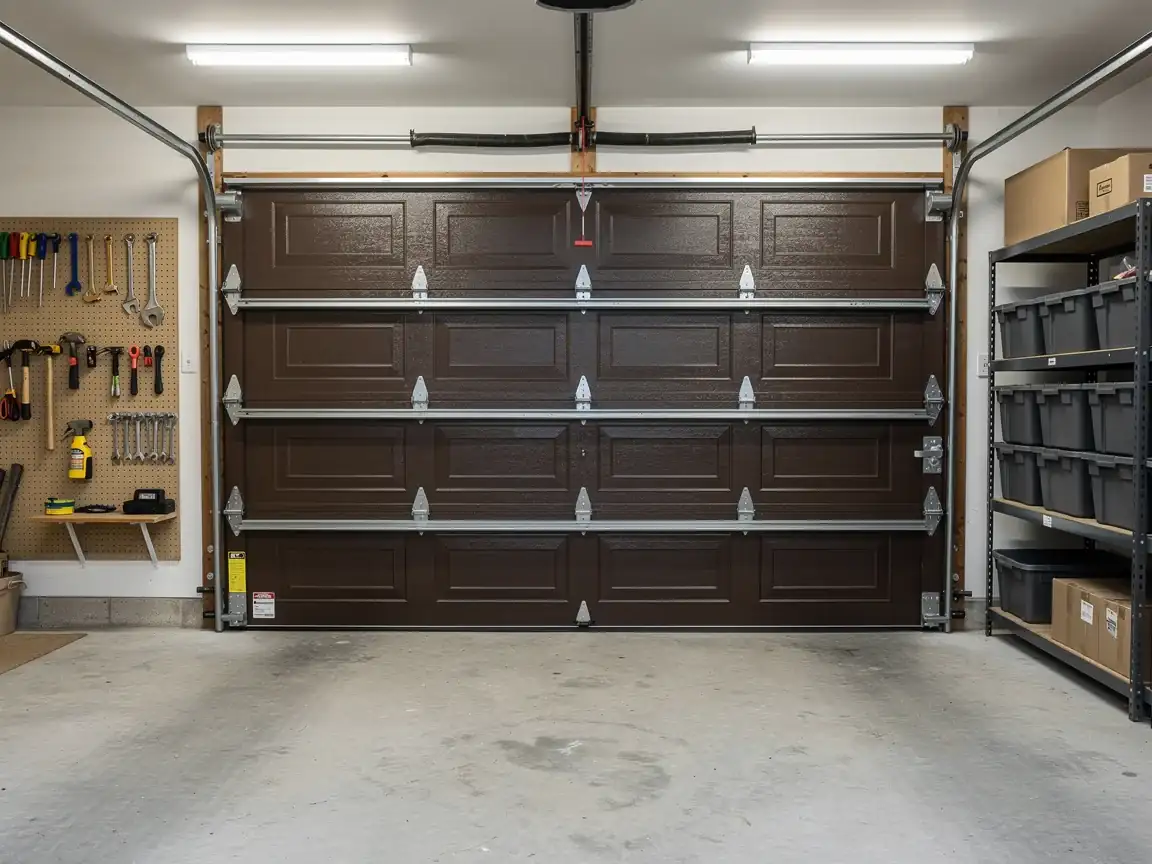
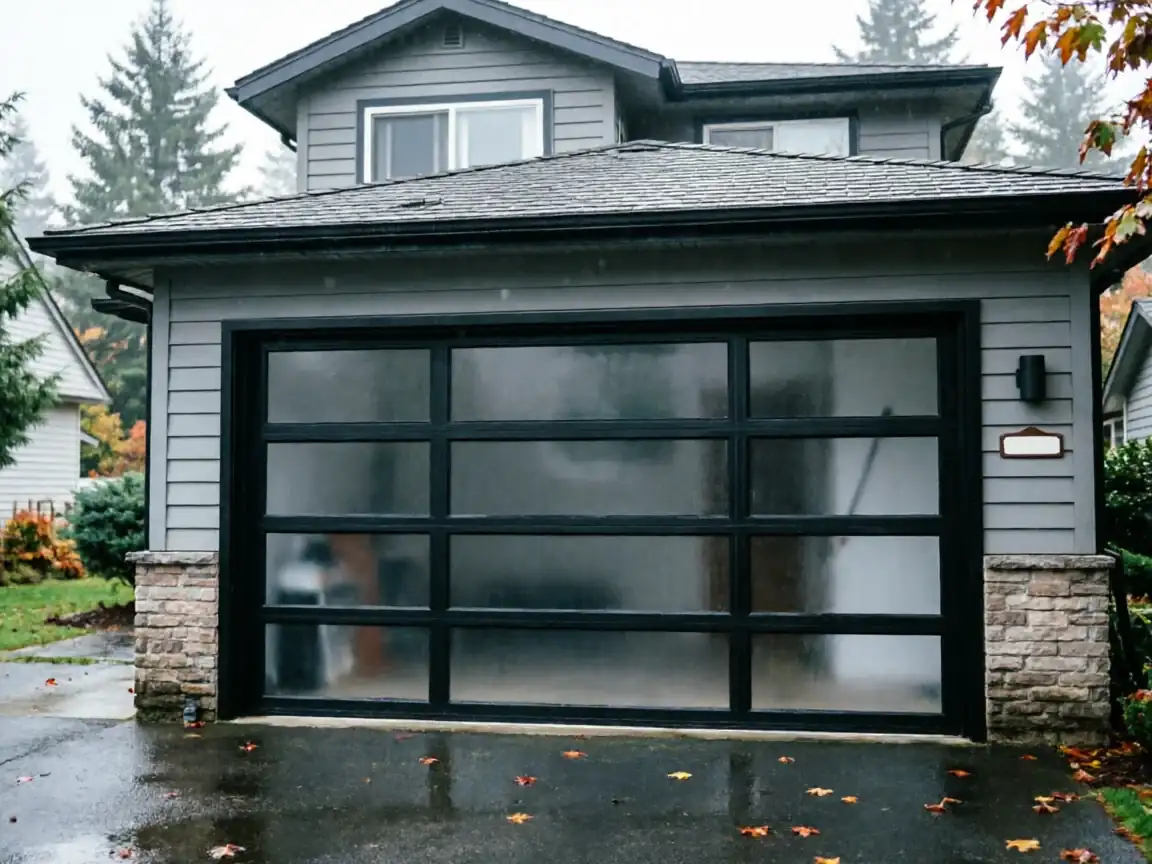
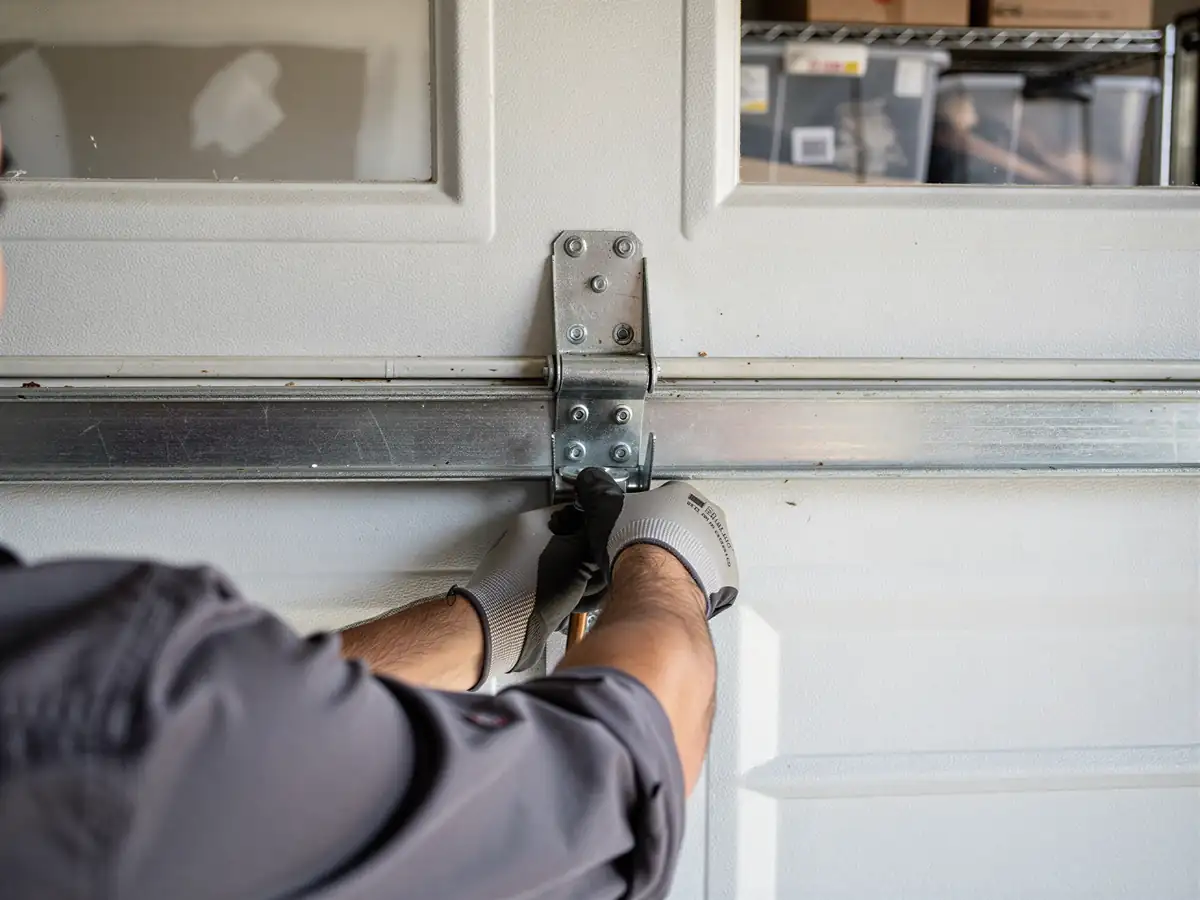
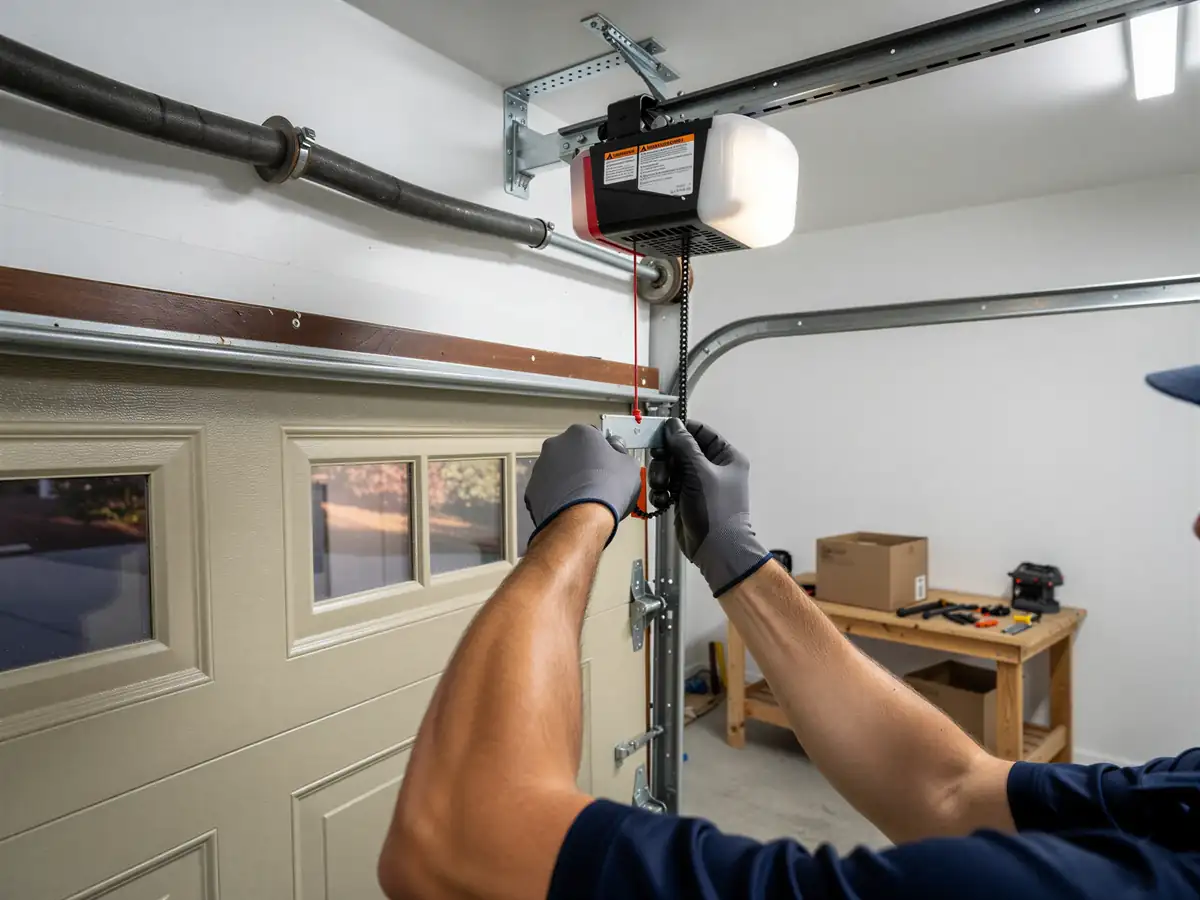
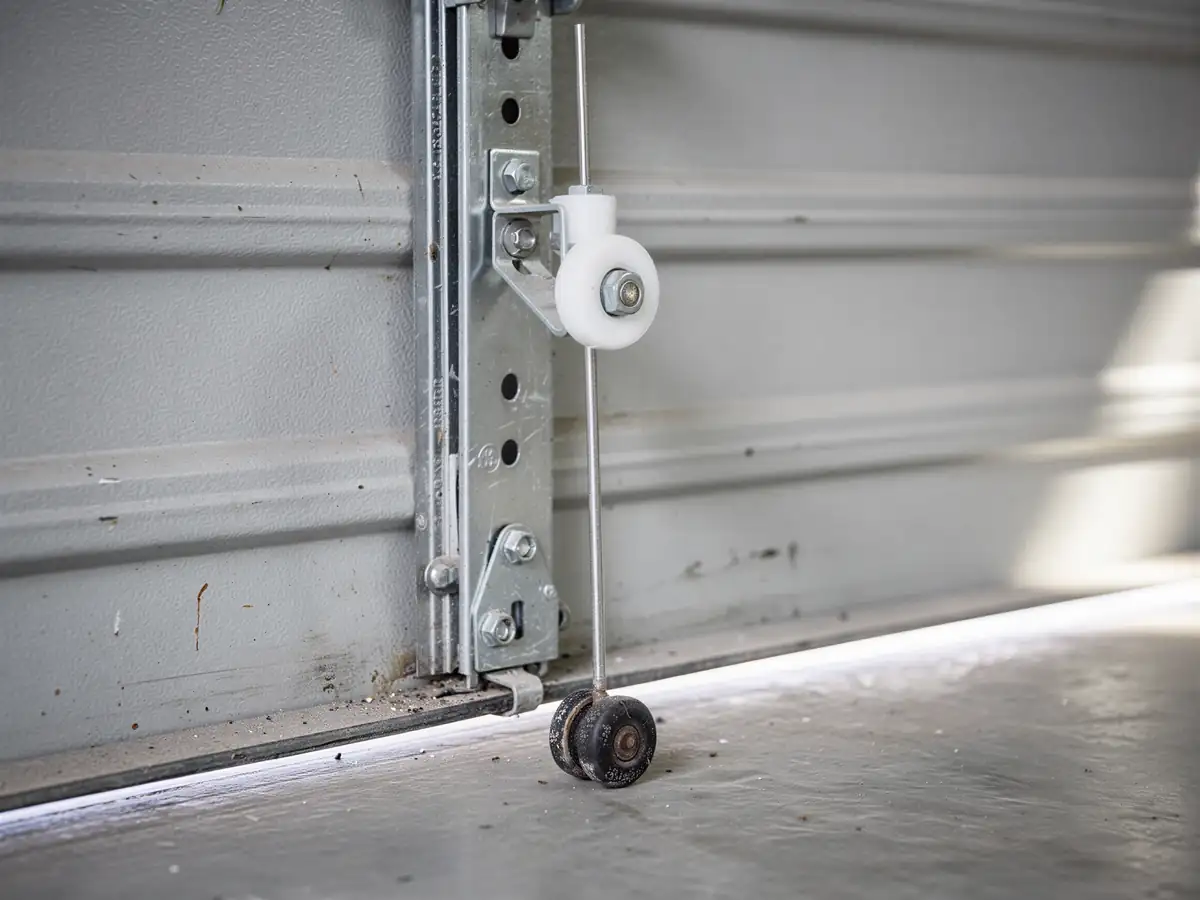
From there it's the standard list done right: lubricating hinges and rollers, tightening loose lag bolts on the track, checking the opener's travel limits and force settings, and testing the auto-reverse safety feature. In a cold-moderate climate, weatherstripping and bottom seals take a beating from seasonal temperature swings, so we check those for cracking and gaps that let cold air and moisture into the garage.
We adjust what we don't replace. If a part is still within spec, it stays on the door. If it's not, we tell you before we touch it, not after.
Parts We Carry
We carry what covers most of what we find on a Maltby maintenance visit: rollers, hinges, cables, weatherstripping, lubricant made for garage door hardware rather than general-purpose spray, and standard torsion springs sized for common door weights. What we don't stock on the truck is older extension-spring hardware specific to early-1980s door models - some of those parts aren't made anymore, and sourcing an exact match can take a special order.
That's the honest limitation here: if your door still has its original 1983 extension springs and a matching part isn't available, the right fix is sometimes a torsion conversion rather than a like-for-like replacement. We'll tell you straight if that's where your door is headed instead of pretending a part exists that doesn't.
What Causes It Around Here
The climate here runs cold-moderate
Which is kinder to a garage door than a true freeze-thaw region but still hard on rubber and metal over enough seasons. Weatherstripping dries out and cracks, lubricant on hinges and rollers thins out faster in damp cold than people expect, and metal hardware left unchecked picks up surface rust in a garage that isn't heated.
Age is the other half of it
With most Maltby homes dating to around 1983, a lot of doors on this side of town are running original springs, original openers, or both. Extension springs from that era don't fail gently - they stretch gradually for years and then let go without much warning, usually when the door's partway up. An opener from the same vintage often lacks the modern force-limiting safety settings that newer units ship with as standard, which is one more reason a check now beats a surprise later.
Can You Do This Yourself
Some of it, yes. Wiping down tracks, clearing debris from the bottom seal, and keeping hinges lubricated are fine to do yourself and worth doing between our visits. Checking the balance - does the door stay put when you lift it halfway by hand - is also something any owner can do safely.
What you shouldn't touch is the spring. Extension springs under tension, especially ones pushing forty years old like a lot of what's still on Maltby doors, can let go hard enough to cause real injury, and there's no way to eyeball how much life is left in one. Cable work and track realignment carry the same risk. If you're not sure which category something falls into, that's the visit worth booking rather than guessing.