Where This Job Goes Sideways
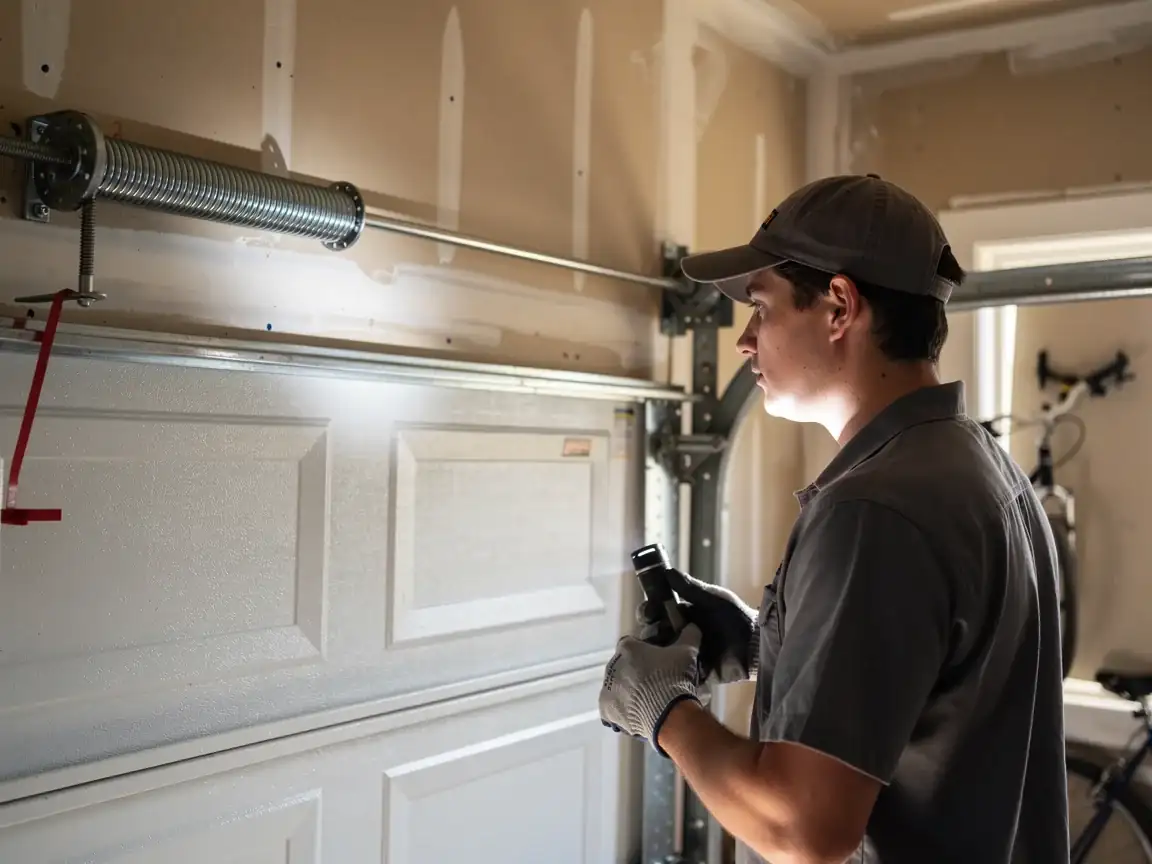
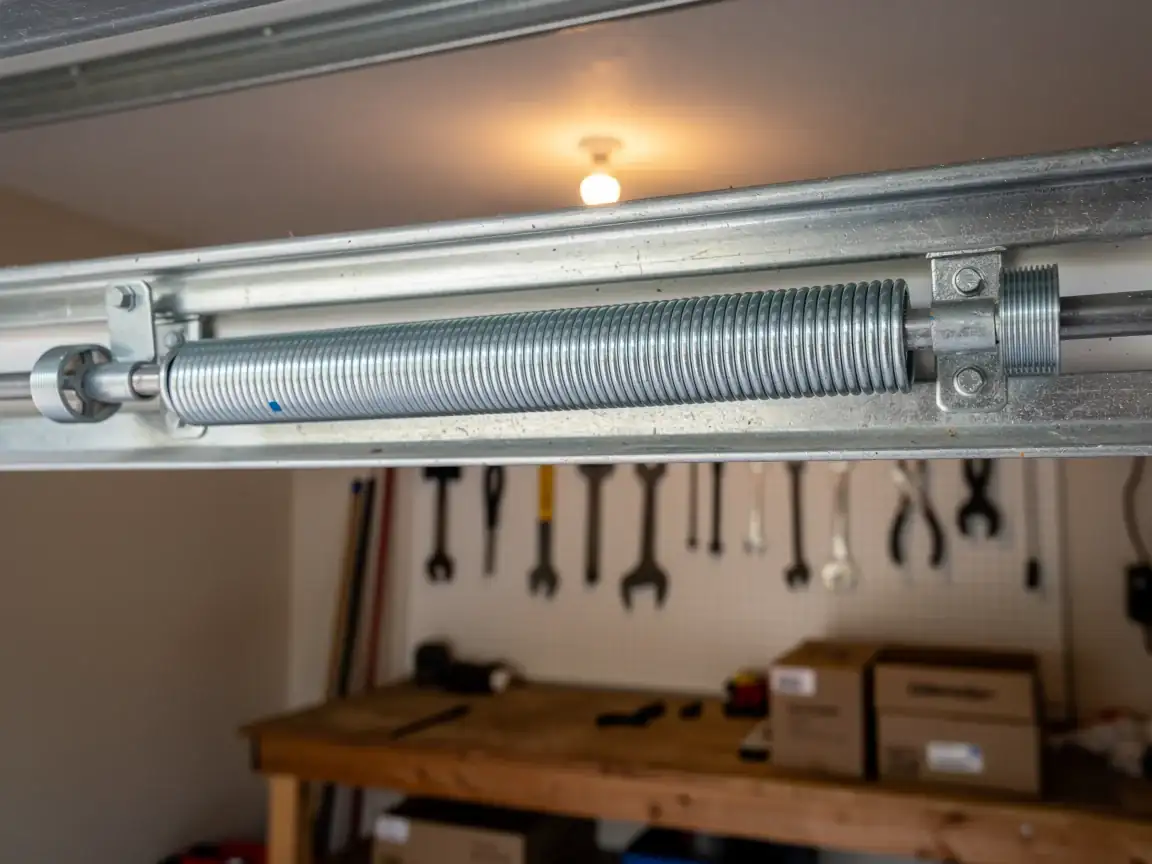
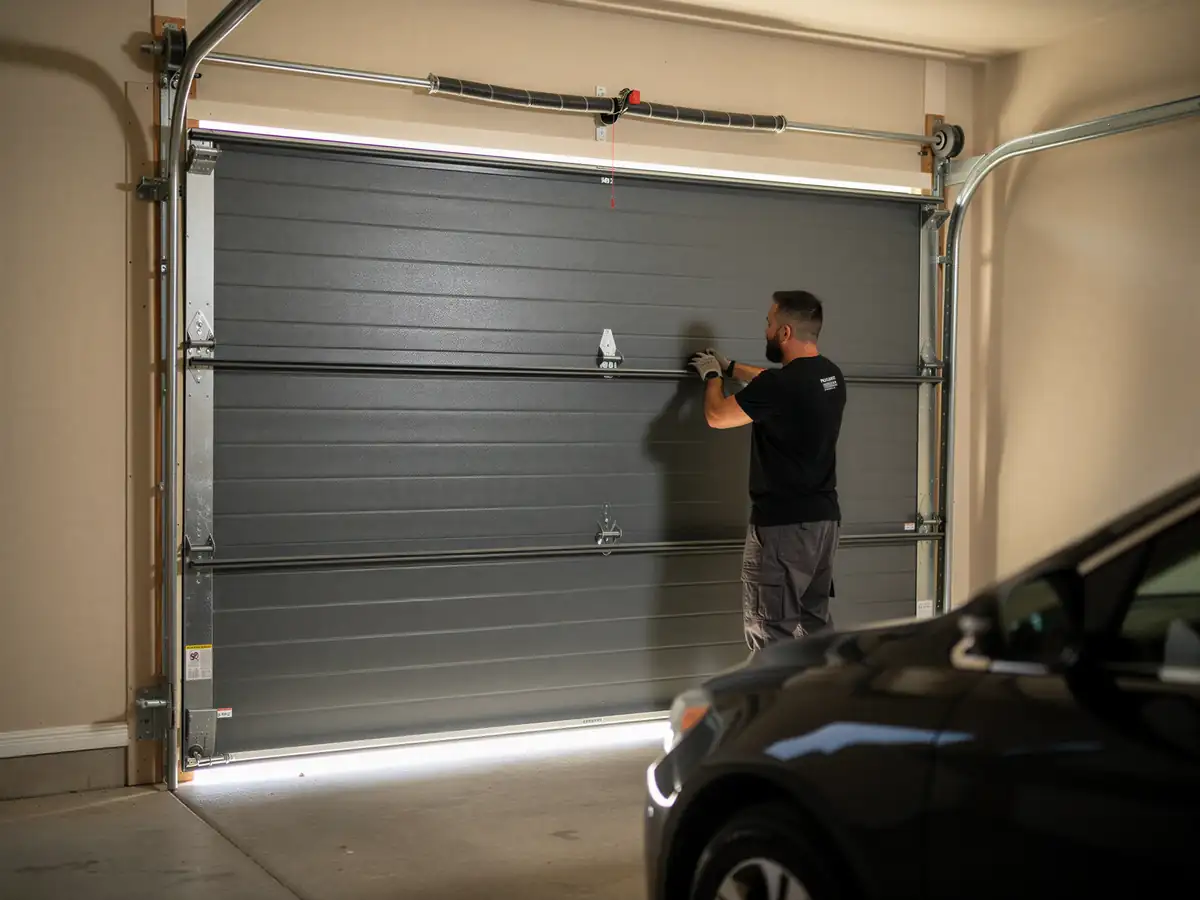
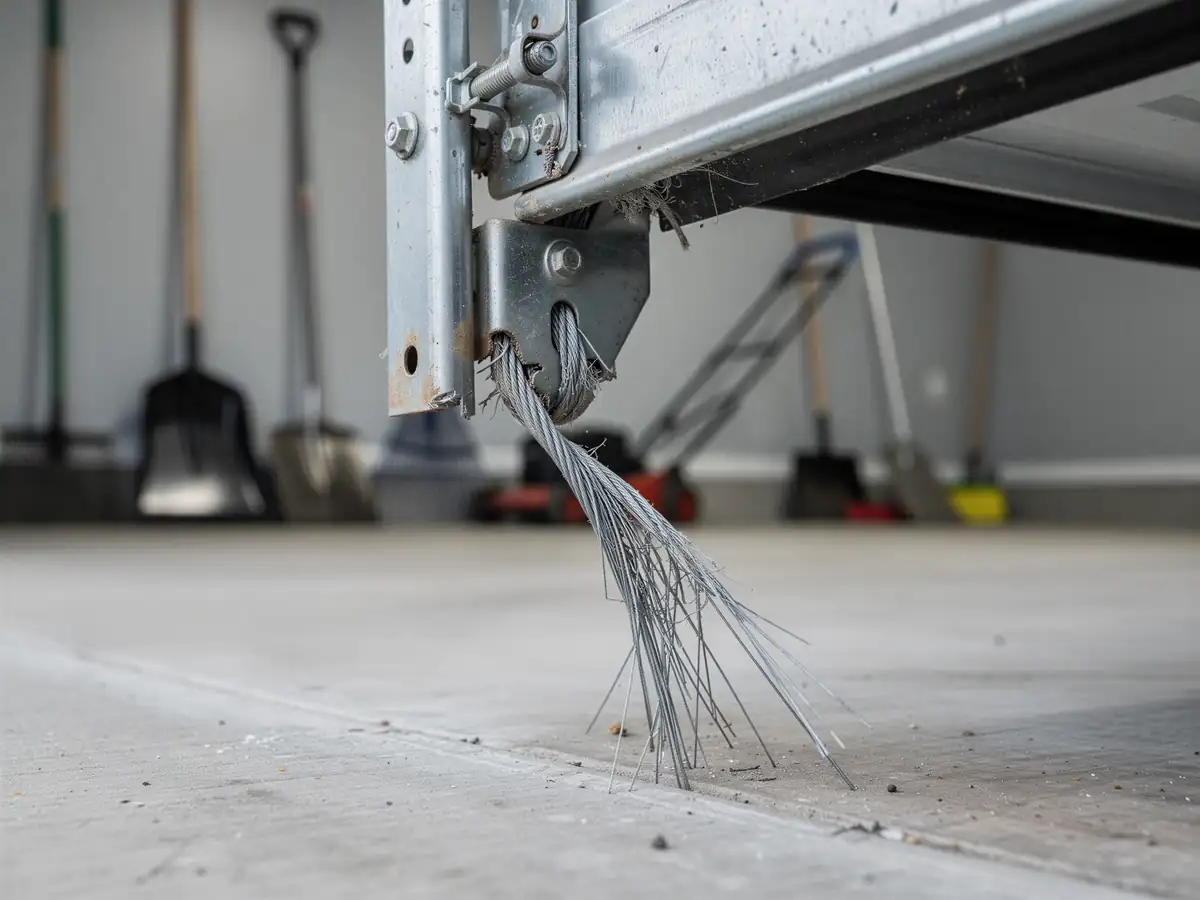
The call we get most from Maltby isn't a door that won't open at all - it's a door that opens crooked, or slams the last six inches on the way down. That's a torsion spring losing tension unevenly, and it's common here because so much of Maltby went up around 1983. A spring rated for 10,000 cycles back then has usually hit that number twice over by now, and the cable drums and bearing plates that came with it are the same age.
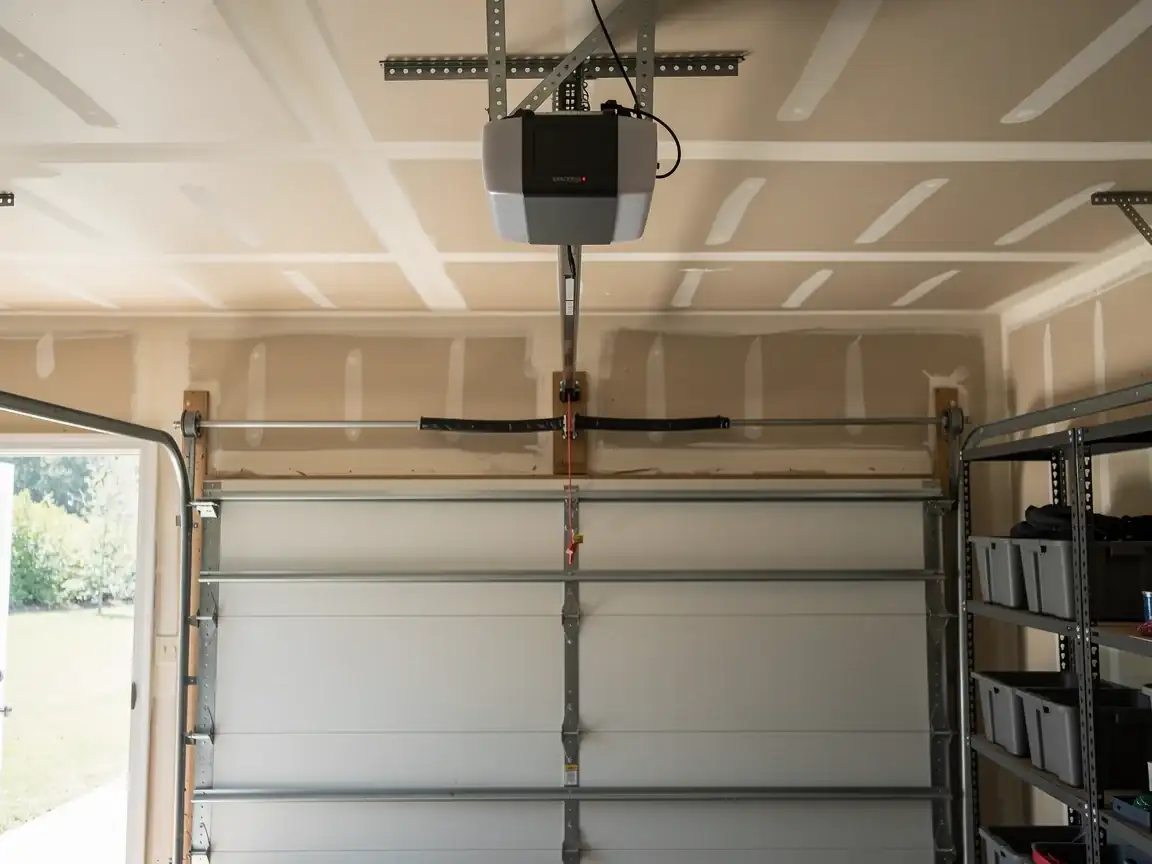
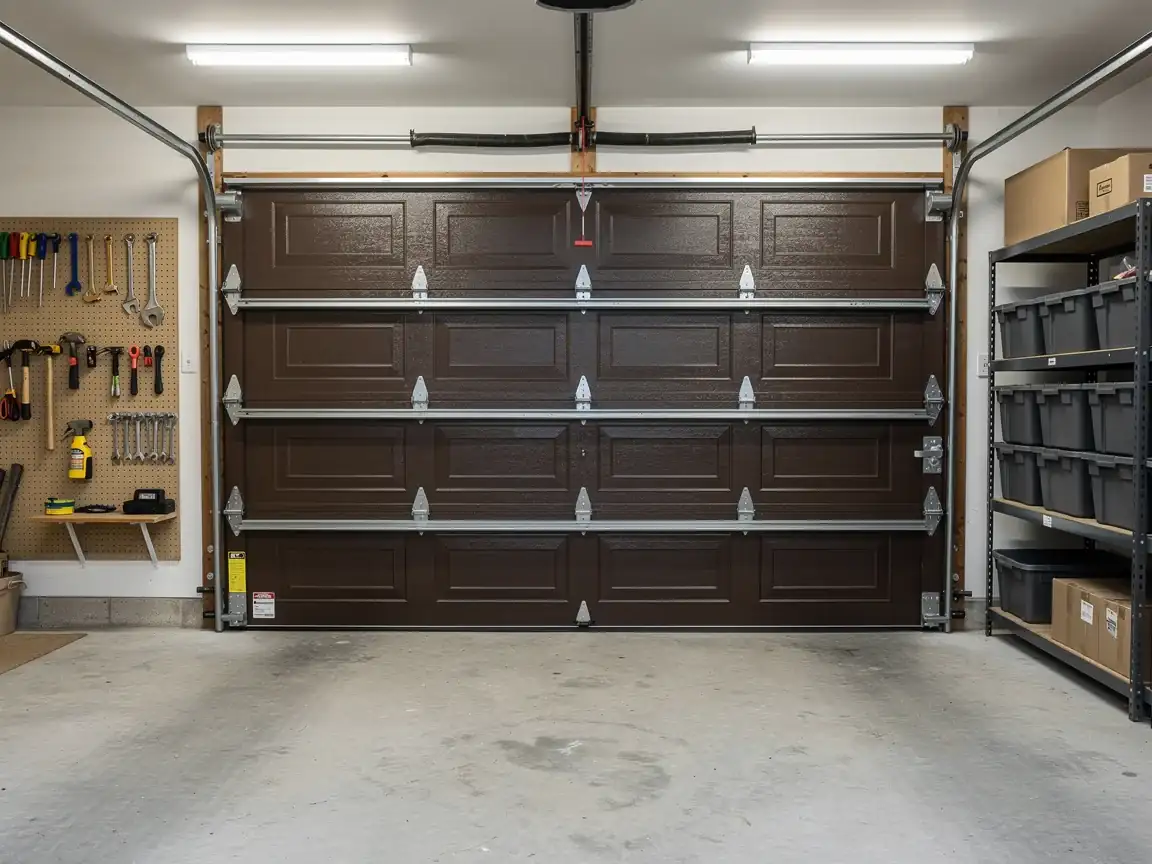
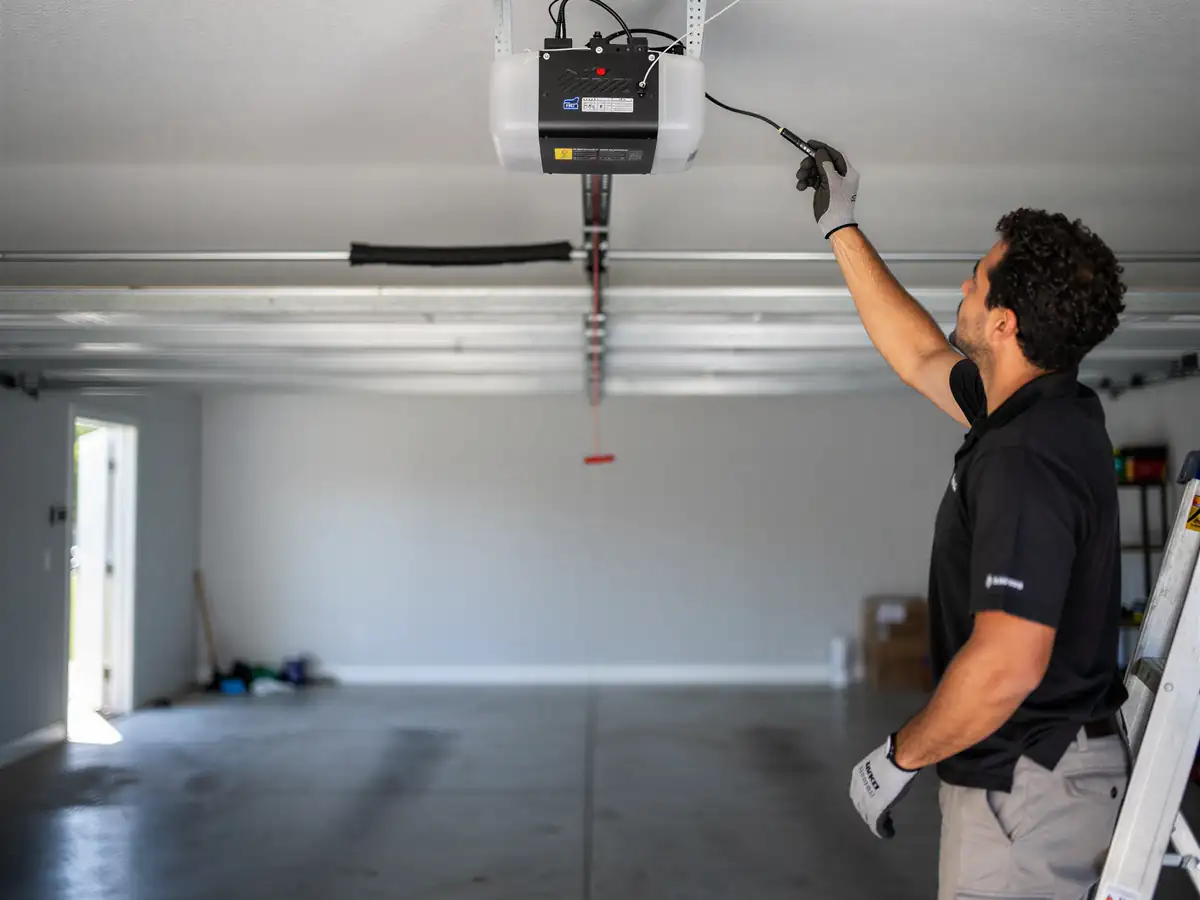
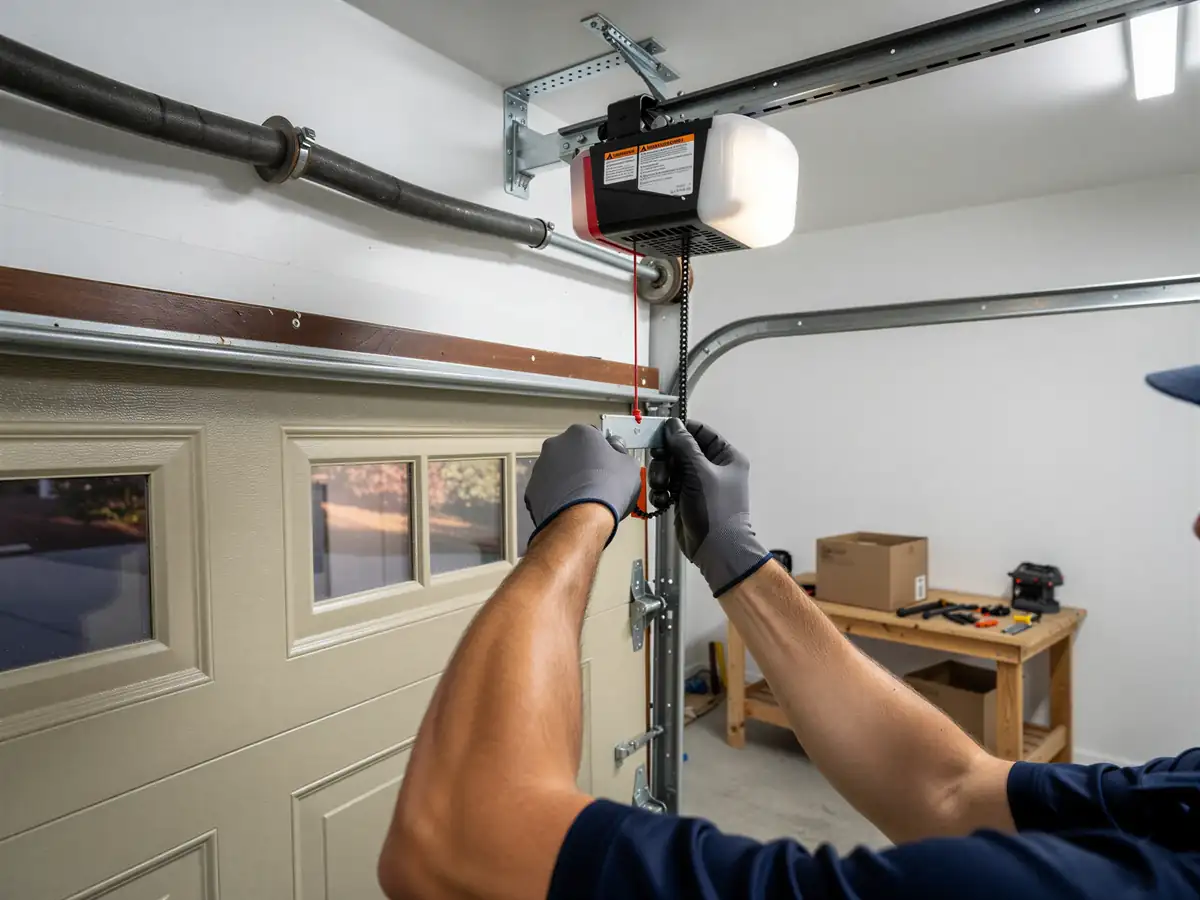
Because the build year across this stretch clusters so tightly - most of Maltby's housing dates to the early-to-mid 1980s - we see the same failure show up house after house: the original steel torsion spring, never replaced, finally snapping on a cold morning. The opener is often a second-generation unit from a 1990s retrofit, not the original, which tells you the door got a partial upgrade once and nothing since. That mismatch between an old door and a newer opener is its own small problem - the opener's travel limits don't always match the door's actual resistance once the spring has gone soft.
The Cost of This Job
We can't post a number here without seeing the door
A single broken torsion spring on a standard double door is a different job than a drum and cable replacement after the spring takes a bearing plate down with it. What we can tell you is that Maltby households have more room in the budget than a lot of the areas we cover; median household income here runs well above the wider service area's figure, and we see more owners opt for a full spring-and-cable rebuild done right the first time rather than a patch that buys another year.
That's not a sales pitch, it's just what the numbers in this area tend to support
A patch job on 40-year-old hardware is still cheaper up front, and for some owners that's the correct call - we'll tell you when it isn't worth going further.
How We Fix It
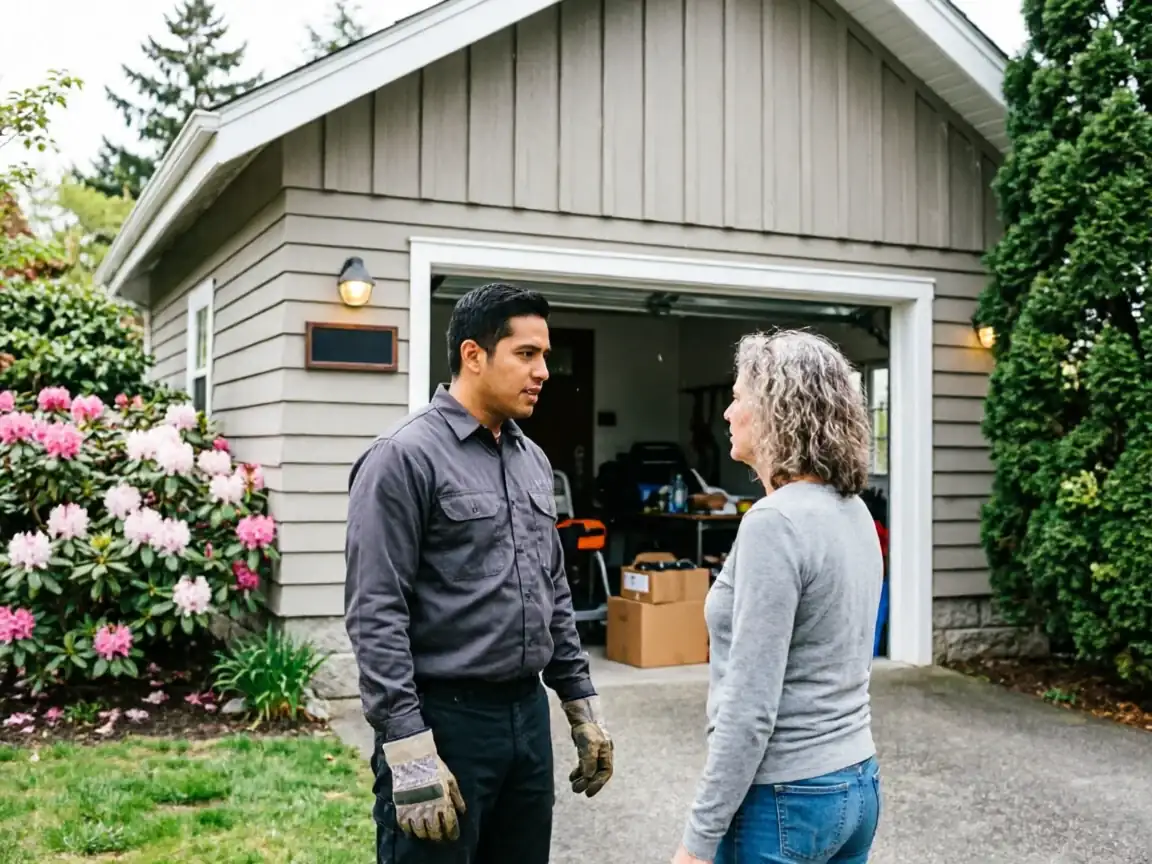
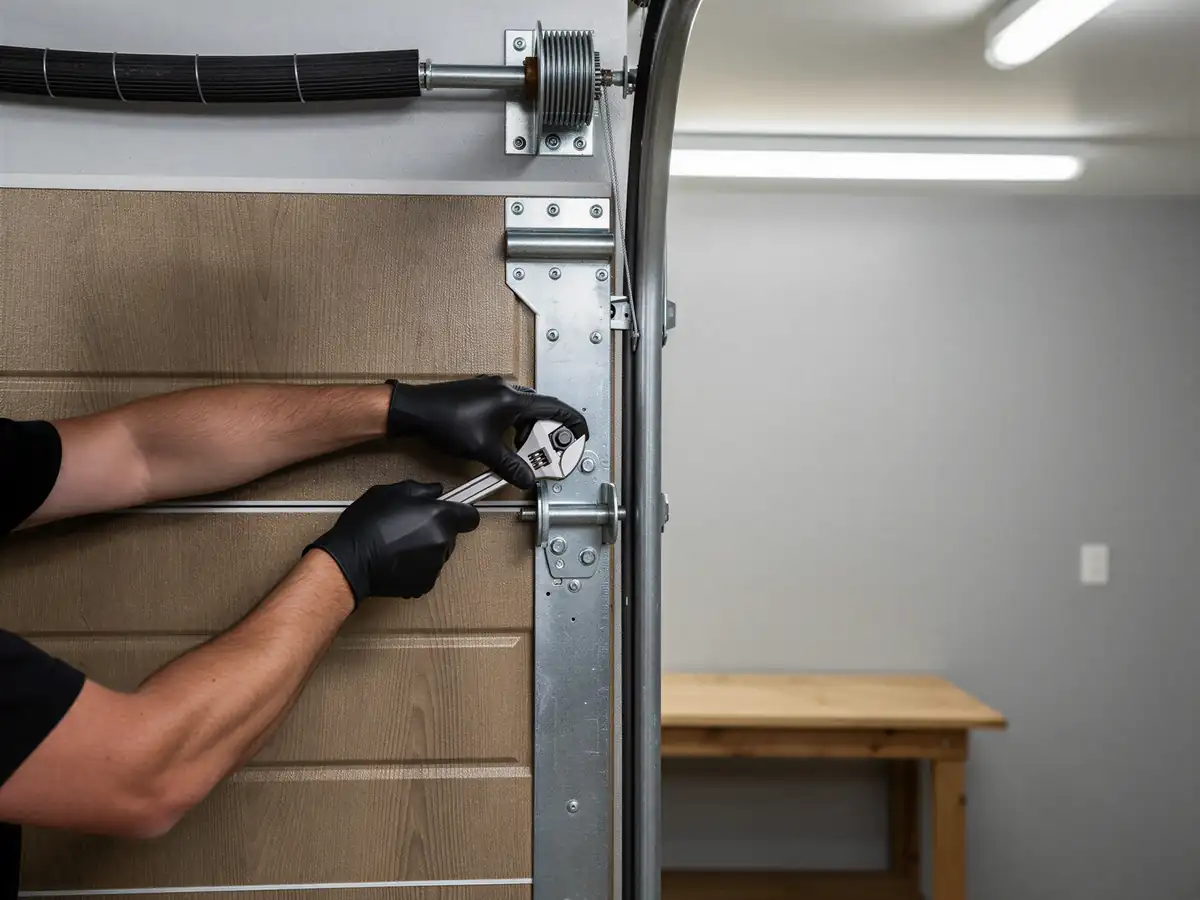
We come out of Woodinville, about 4 miles from Maltby, so there's no separate branch or depot to route through - one truck, one trip. On a torsion spring job we cut the broken spring off the shaft, check the drums and bearing plates for wear (common on hardware this old), measure the door's actual weight rather than trusting the sticker, and install a spring matched to that weight and your cycle habits, not just a stock replacement of what failed.
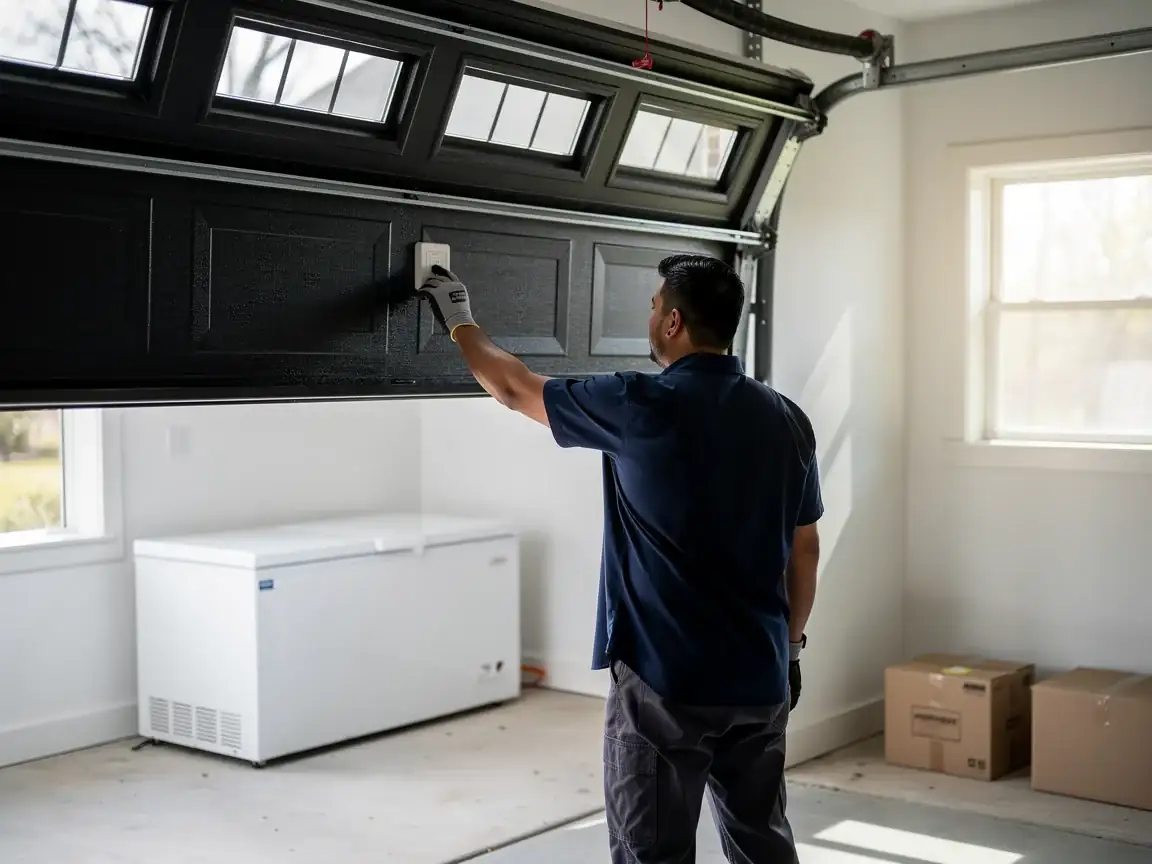
If the opener is a later addition, as it often is on these 1983-era homes, we test the travel limits and force settings against the new spring tension before we leave. A spring swap without that check is how you end up back here in six months with a door that reverses on its own.
Parts We Carry
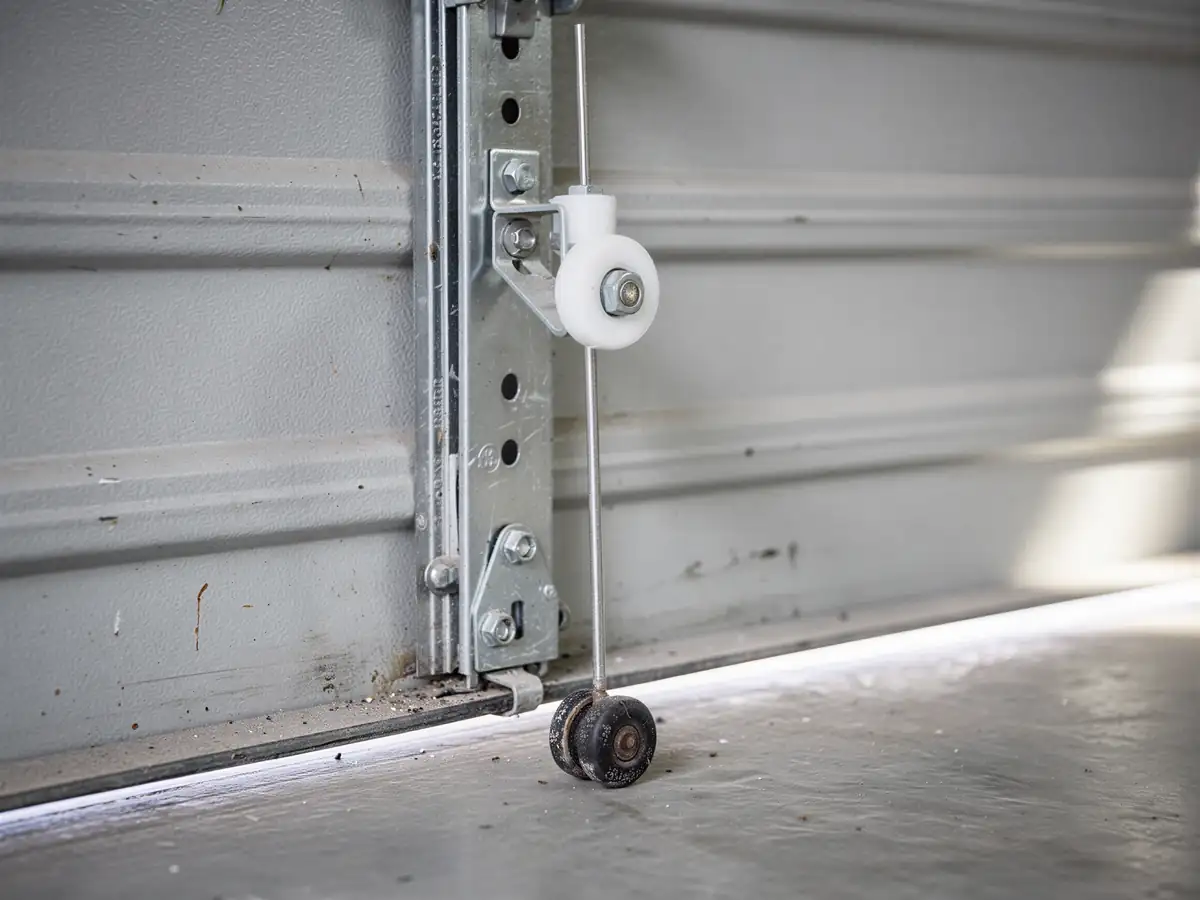
We stock torsion springs across the range of sizes that fit the one-piece and sectional doors common to Maltby's early-80s construction, along with standard-size drums, cables, and rollers. What we don't keep on the truck is anything specialty - a custom-width door or an obsolete opener board from a brand that's stopped making parts. Those can mean a short order wait, and we'll tell you up front if that's the case rather than guessing.
For the 1980s-era steel doors still running original hardware, the usual swap is a straightforward one: same shaft size, same drum pattern, just newer steel in the spring itself.
What Causes It Around Here
Maltby sits in a cold-moderate climate band
And that temperature swing between a 30-degree night and a sunny afternoon is exactly what fatigues torsion springs faster than a mild, flat climate would. Steel contracts in the cold, and a spring that's already near the end of its cycle life is more likely to let go on a cold morning than a warm one.
Add in that so much of the area's housing stock dates to the same decade
1972 through 2005 across the wider service area, with Maltby itself clustering closer to the early 1980s - and you get a kind of synchronized aging. A lot of doors here are due for the same hardware failure around the same time, just because they were built around the same time.
Can You Do This Yourself
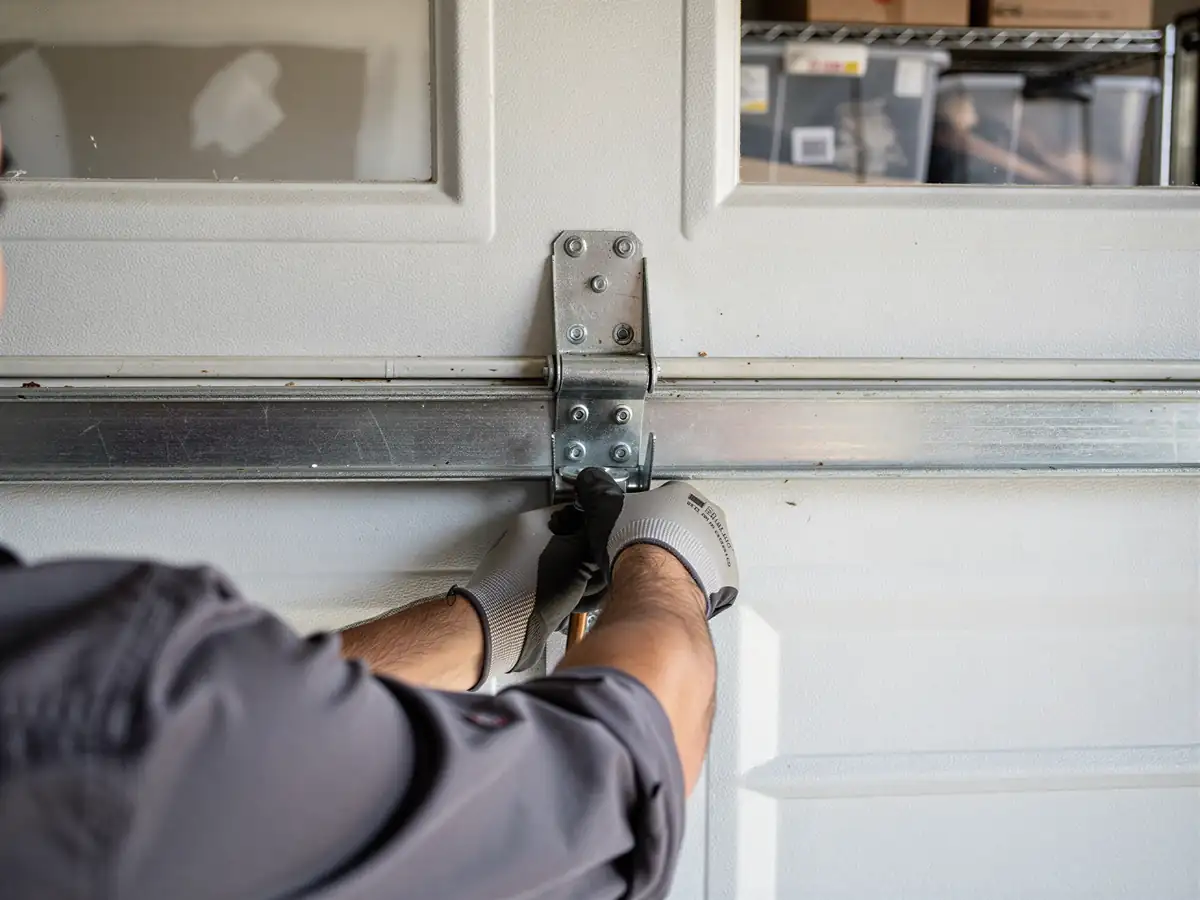
Replacing rollers or tightening a loose track bracket is within reach for a reasonably handy owner, and we'd rather you save the call for something that actually needs a truck. A torsion spring is not that job - it's under enough stored tension to break a wrist or worse if the winding bars slip, and the tools to do it safely aren't things most garages have lying around.
If your door is from the original 1983-era build and has never had the spring replaced, that's worth a look even if nothing's broken yet. A spring at the end of its life doesn't always announce itself first.