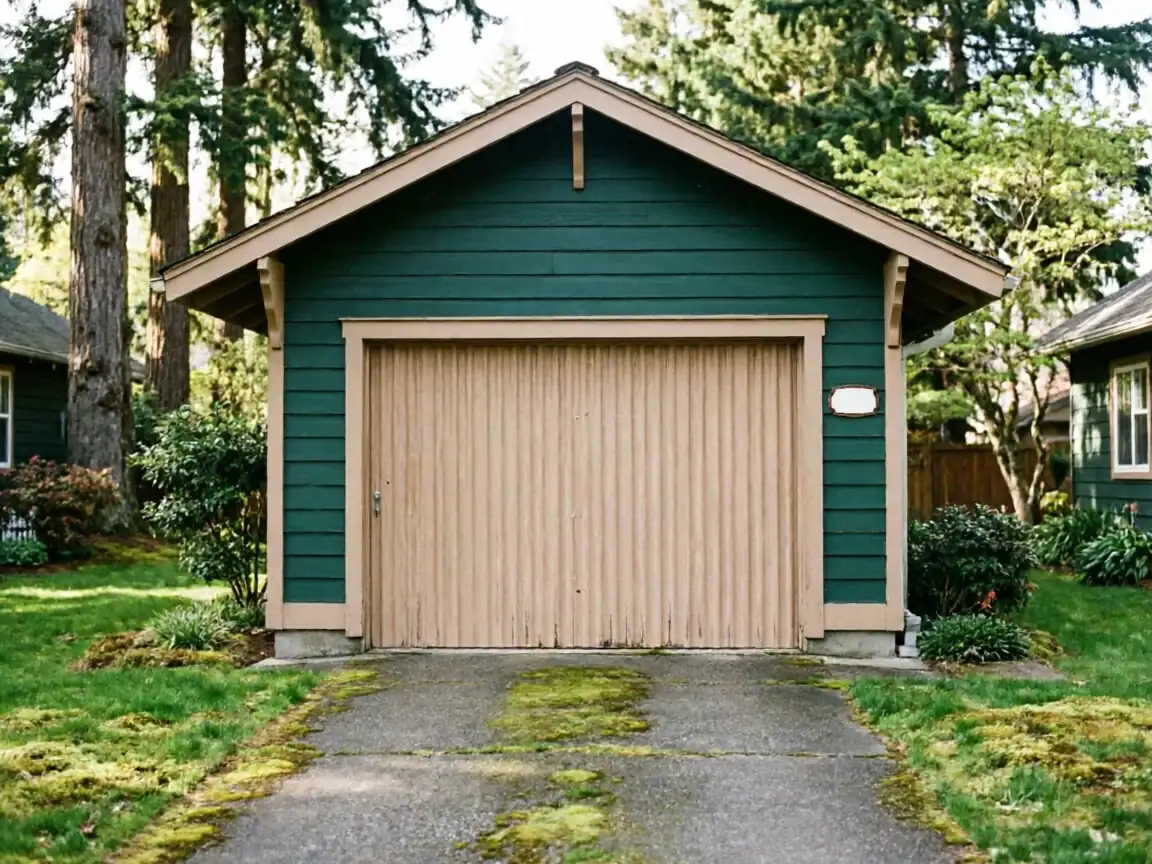
Where This Job Goes Sideways
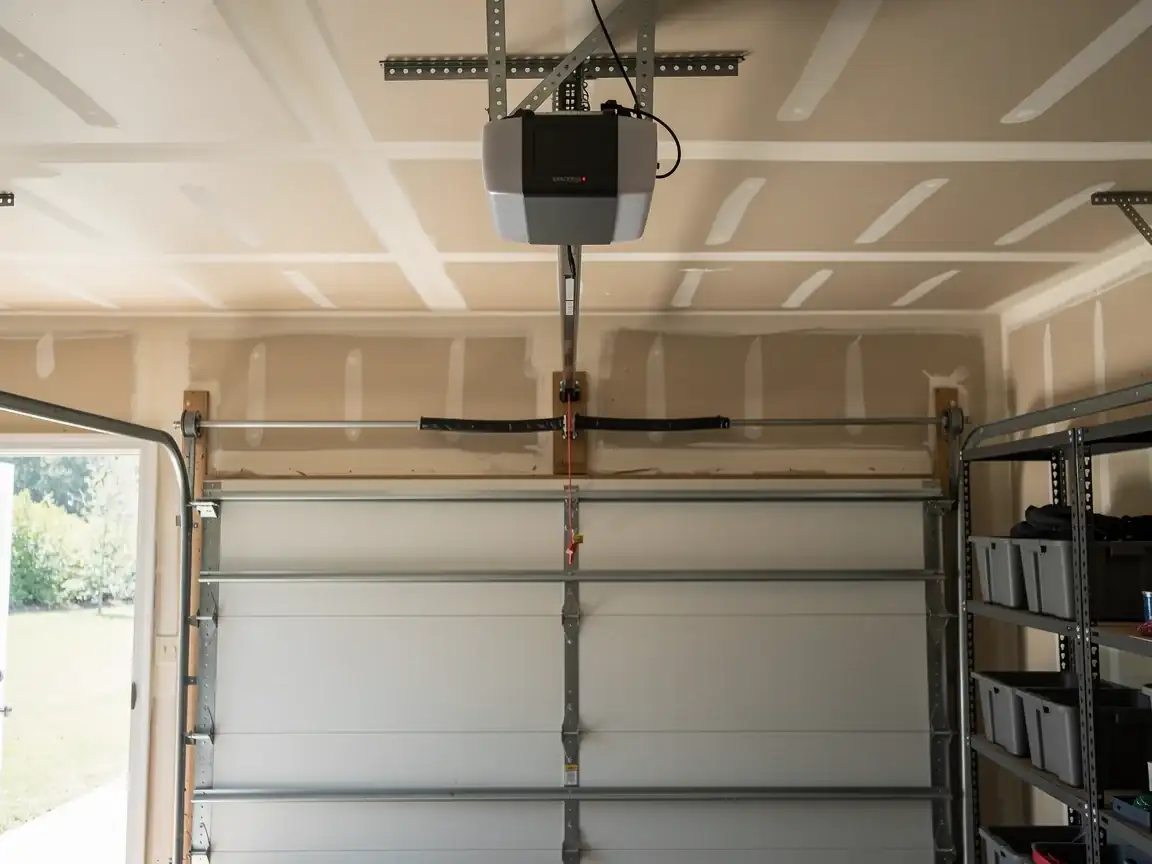
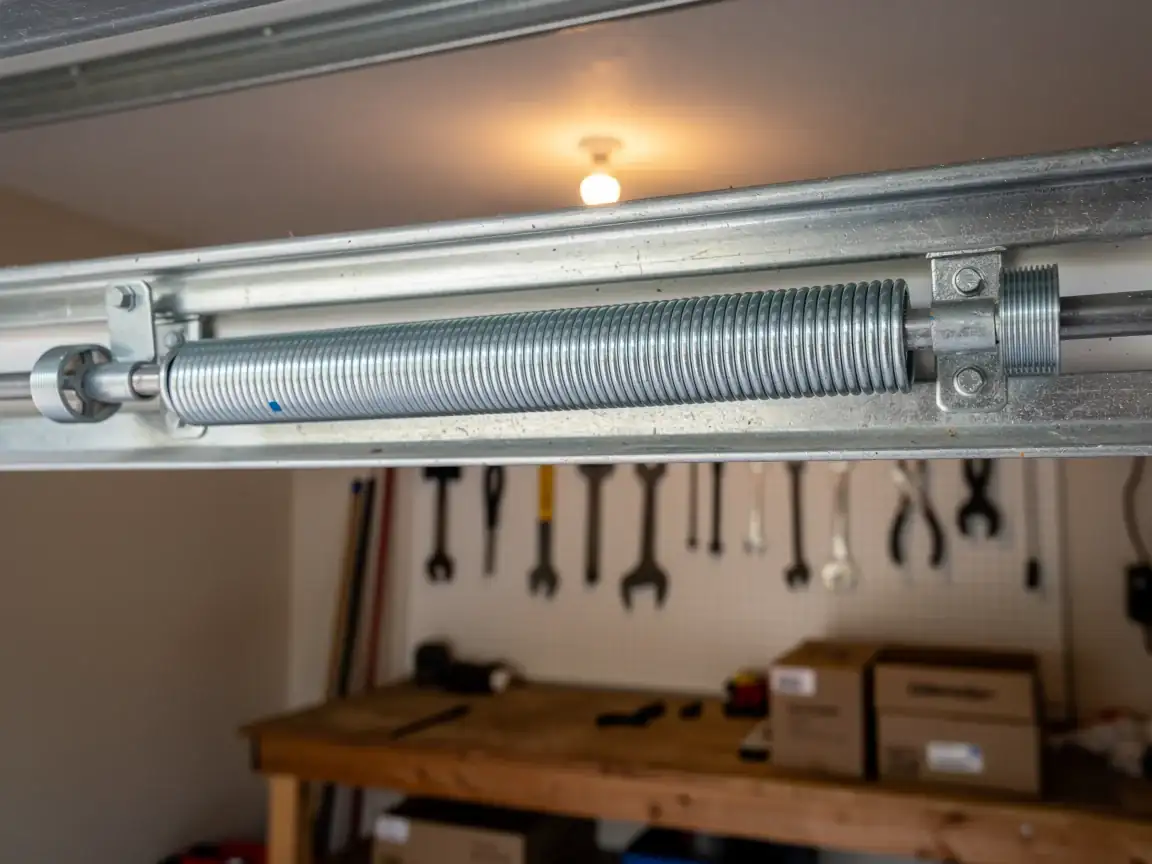
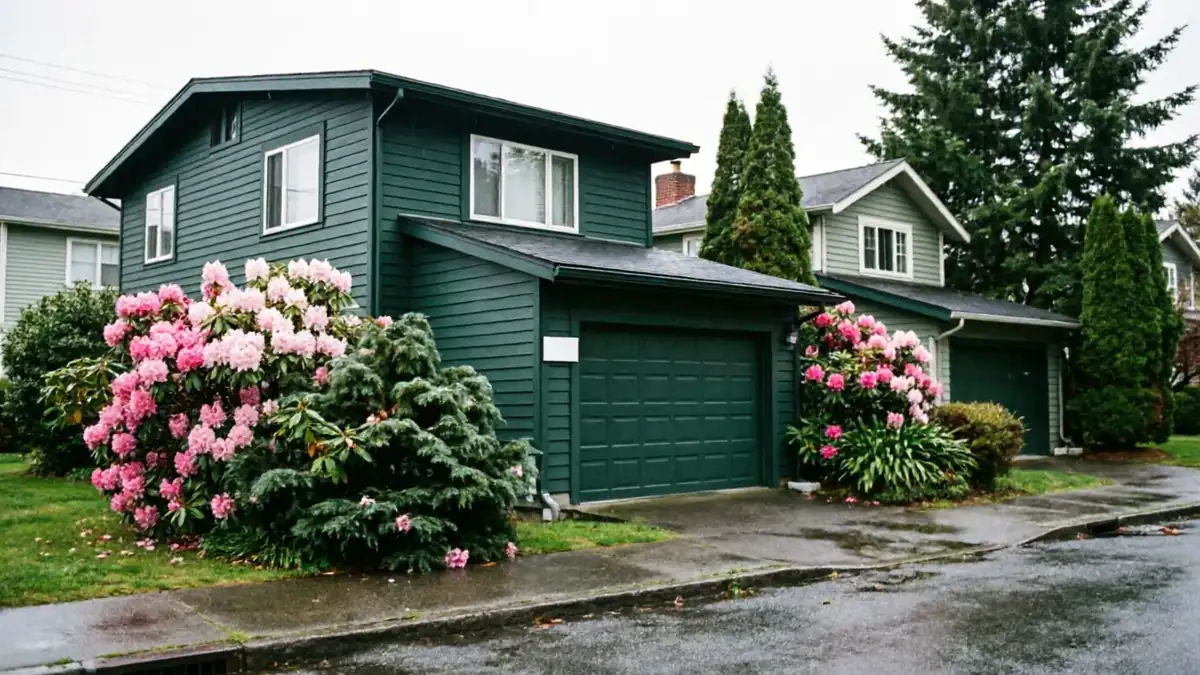
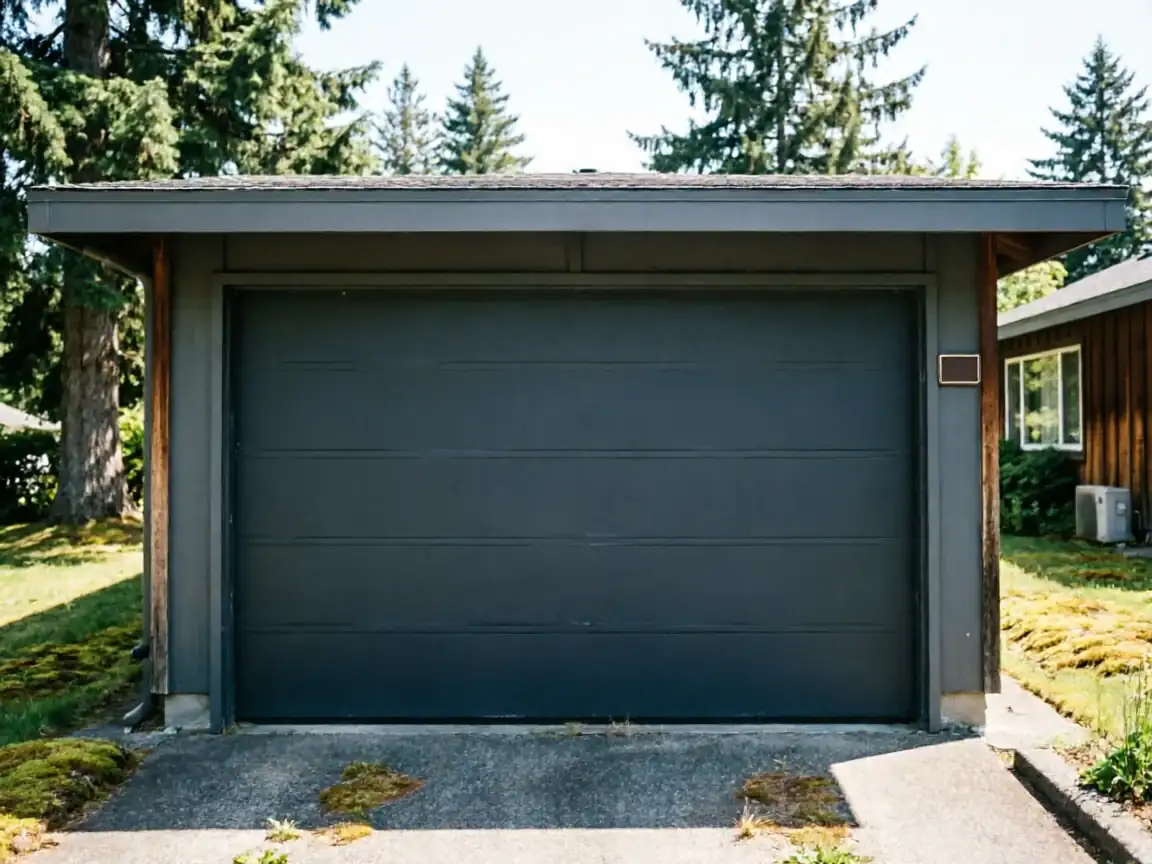
Most houses in Maltby went up in the early-to-mid 1980s, with the local median build year landing right at 1983. That puts this neighborhood square in the middle of the 1972-2005 window that covers most of the houses across our service area, but the number that matters here is the specific one: 1983. A door installed when the house was framed is now past forty years old, and in a lot of cases nobody has ever touched the torsion spring, the lift cable, or the galvanized track that came with it.
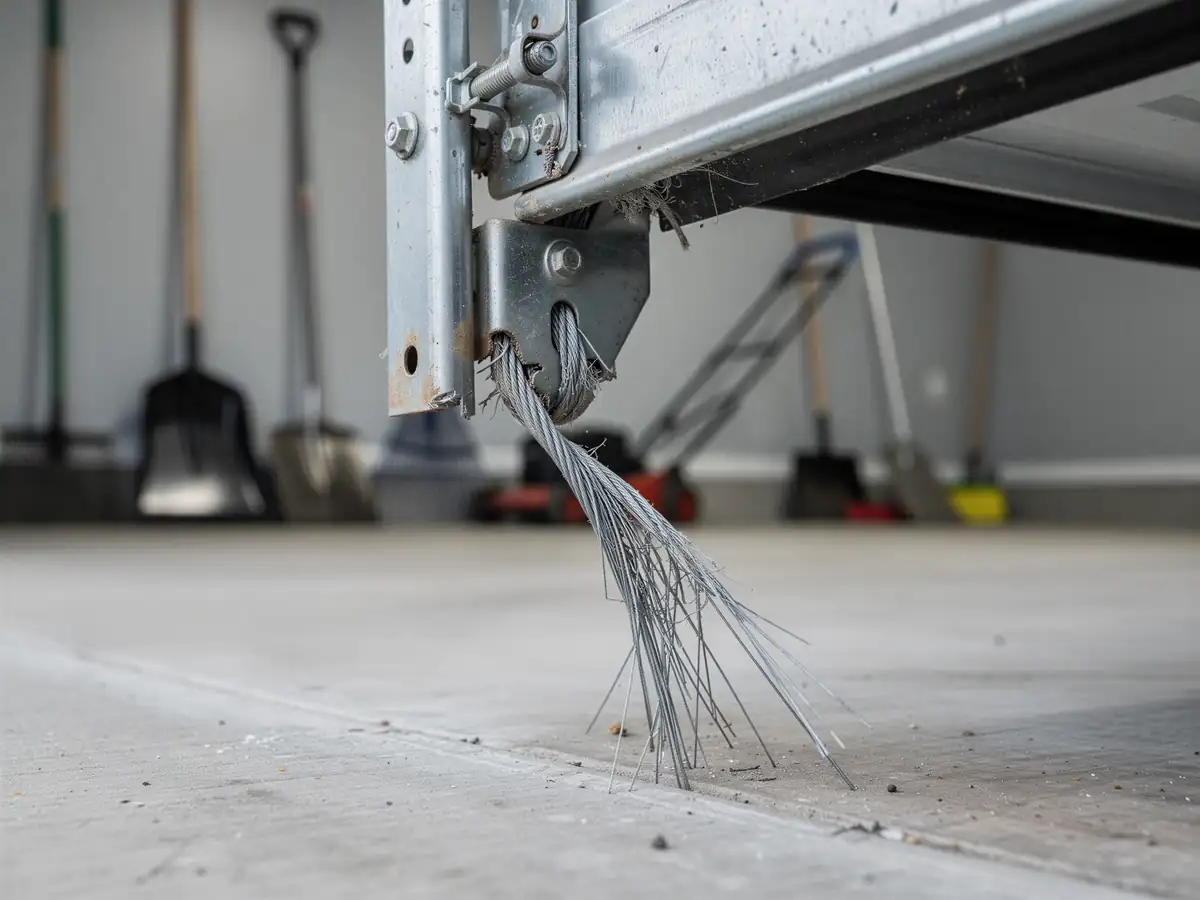
That's where the job goes sideways. A homeowner calls about a noisy door or one that won't open all the way, and what we find is original hardware that's simply reached the end of its service life all at once - spring, cable, and roller together, not one part at a time. On a house this age, a single-part fix often turns into a full hardware swap once the door is actually open and the tech can see the rest of the system. We'd rather tell you that up front than let you find out mid-repair.
The Cost of This Job
We don't have a price list to hand you here, and we're not going to invent one
What we can tell you is what drives the cost on a house like the ones in Maltby: age of the hardware, whether the door is a single or double bay, and whether the spring system is torsion or the older extension-style setup that was still common when these houses were built in 1983.
Maltby's median household income runs at $179,276
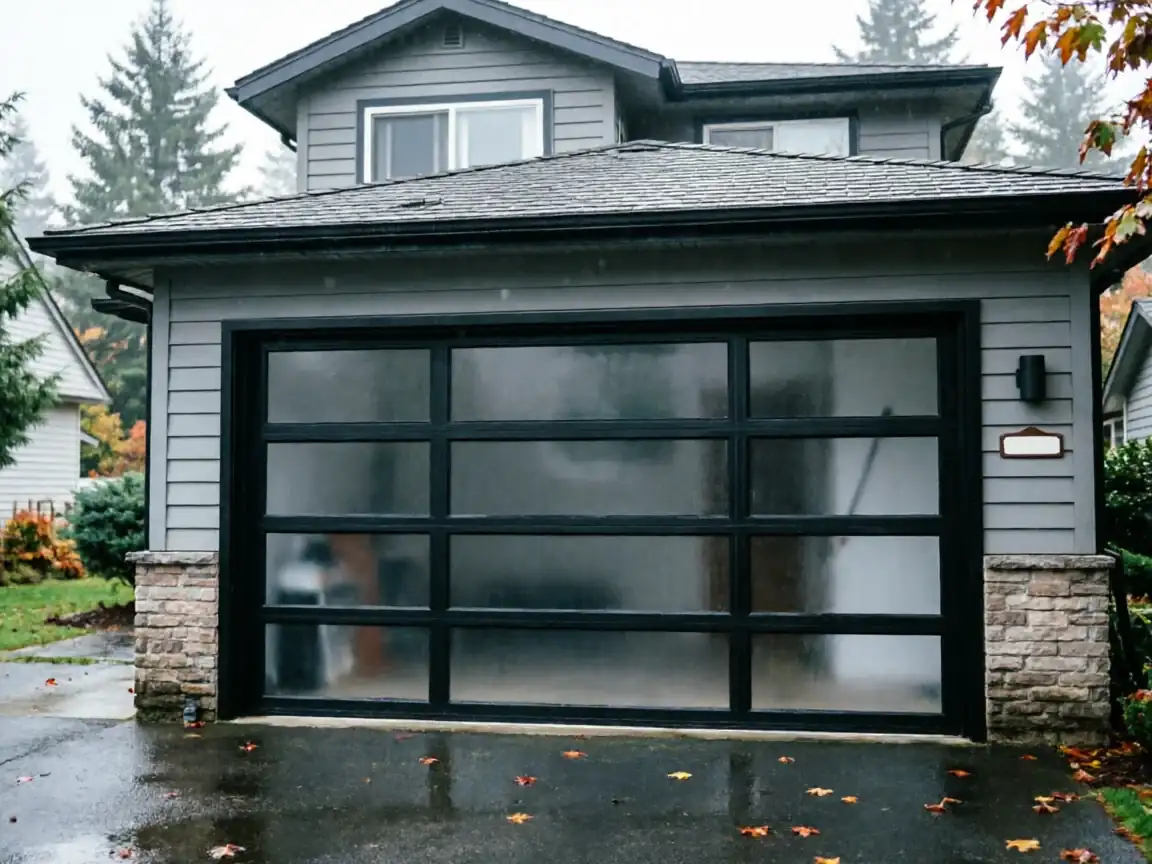
Well above the $140,572 median across the rest of the service area we cover from Woodinville. That doesn't change what parts cost, but it does mean we see more double-wide doors and heavier insulated panels requested here than in some of the other 24 areas we work. Heavier doors mean heavier springs, and heavier springs cost more to replace than the lighter ones on a single-car bay. If a tech tells you the price before opening the door and seeing the actual spring size and cable wear, that number is a guess - we'd rather look first.
How We Fix It
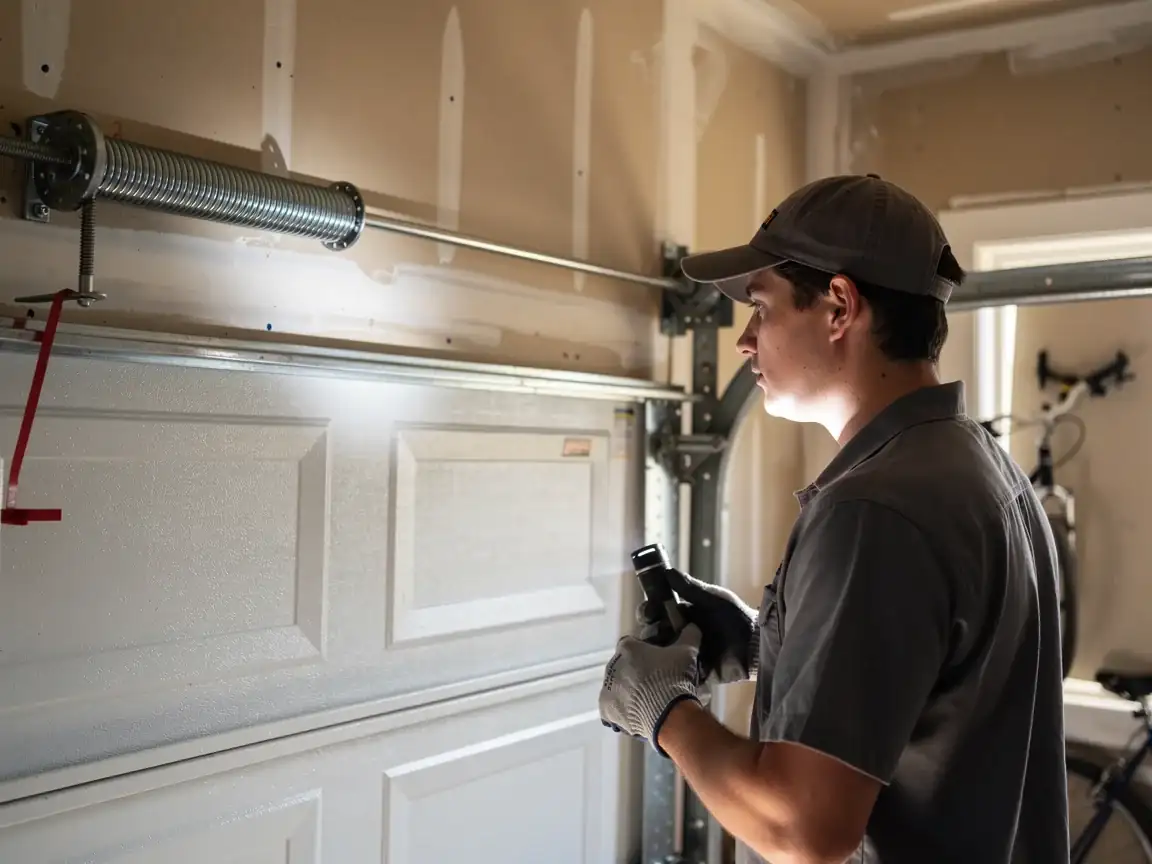
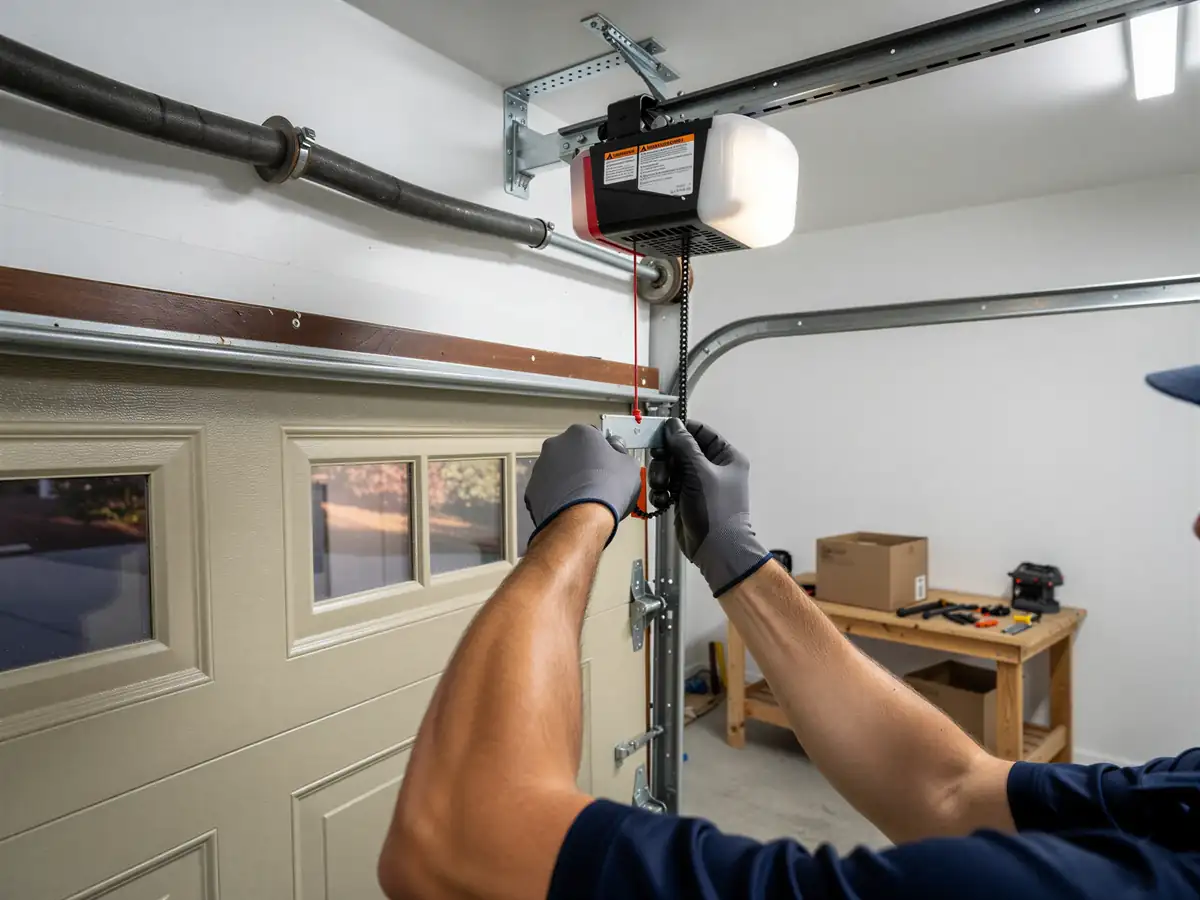
We run the truck out from Woodinville, four miles down the road to Maltby, and the first thing a tech does on an original-hardware call is check the torsion spring wind and the cable condition before touching anything else. On a door this age, those two parts are almost always the ones that have quietly been wearing down for decades while the opener kept masking the problem by working a little harder each month.
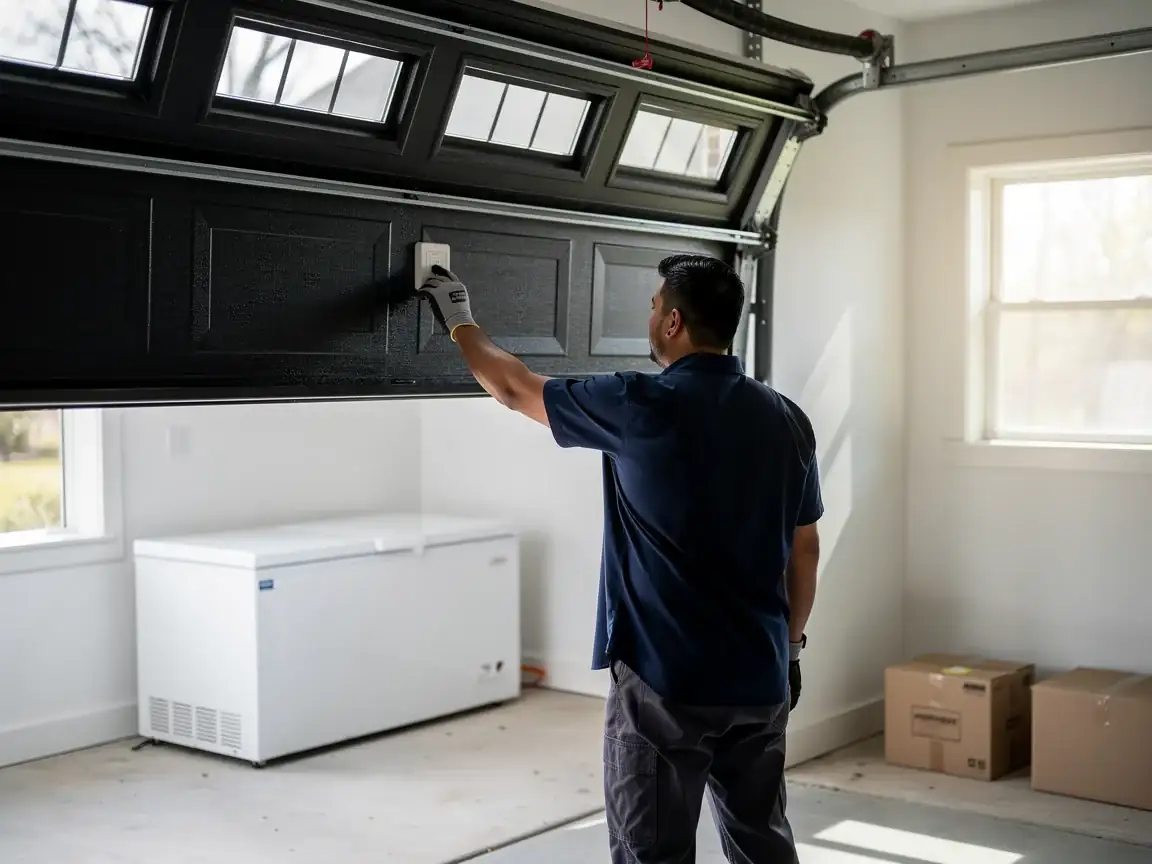
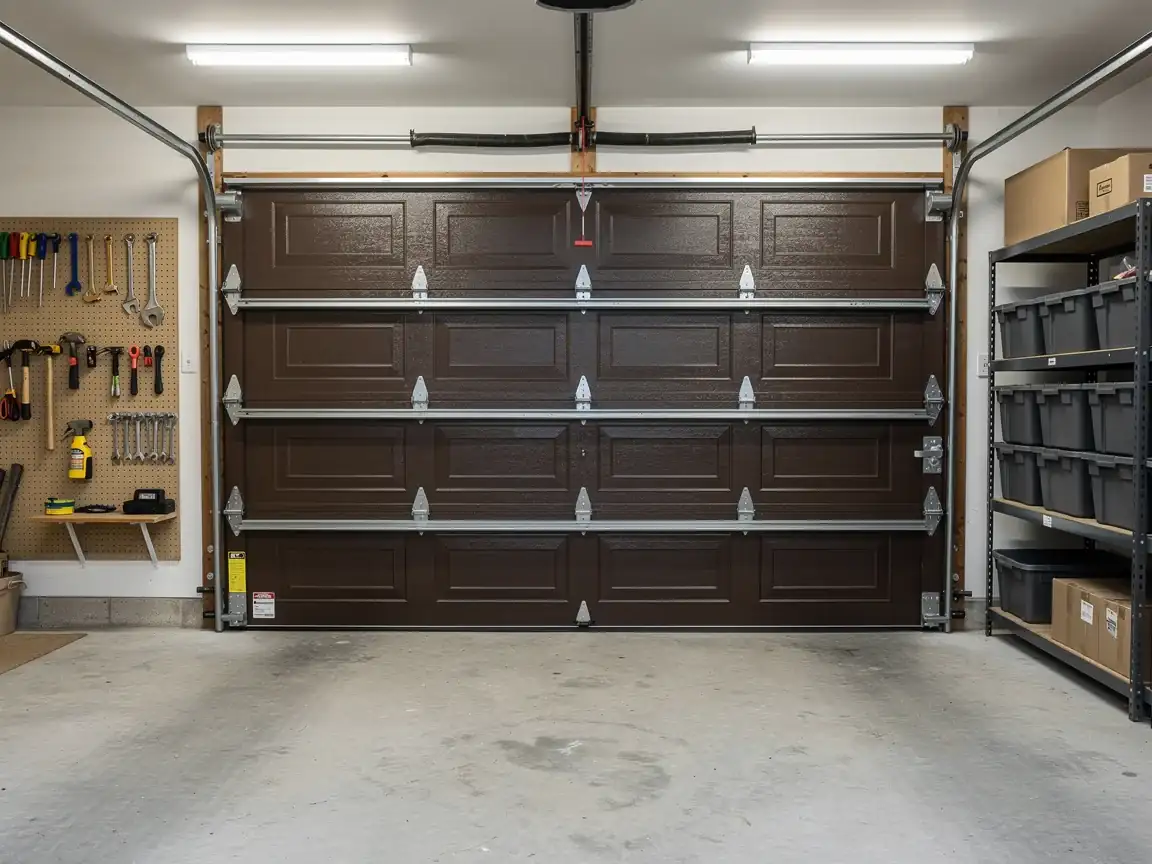
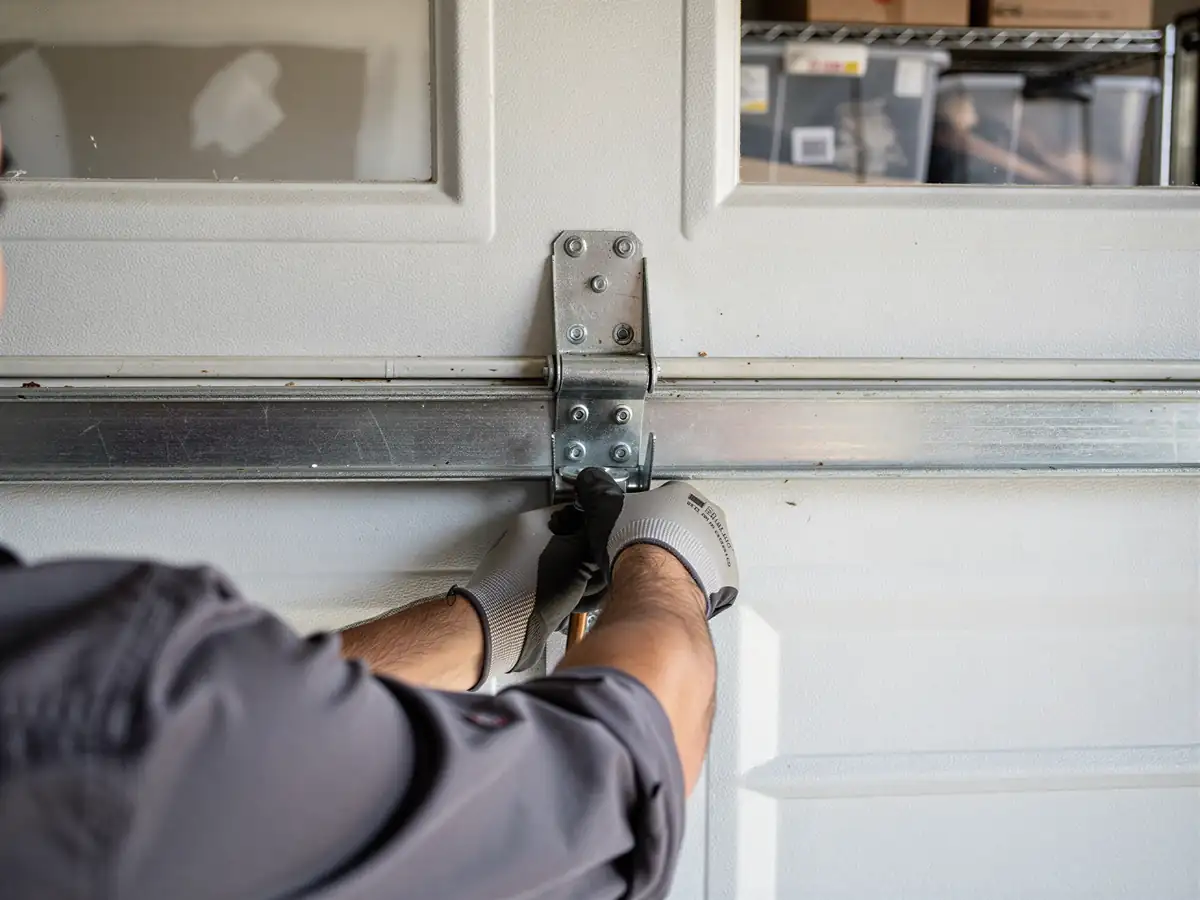
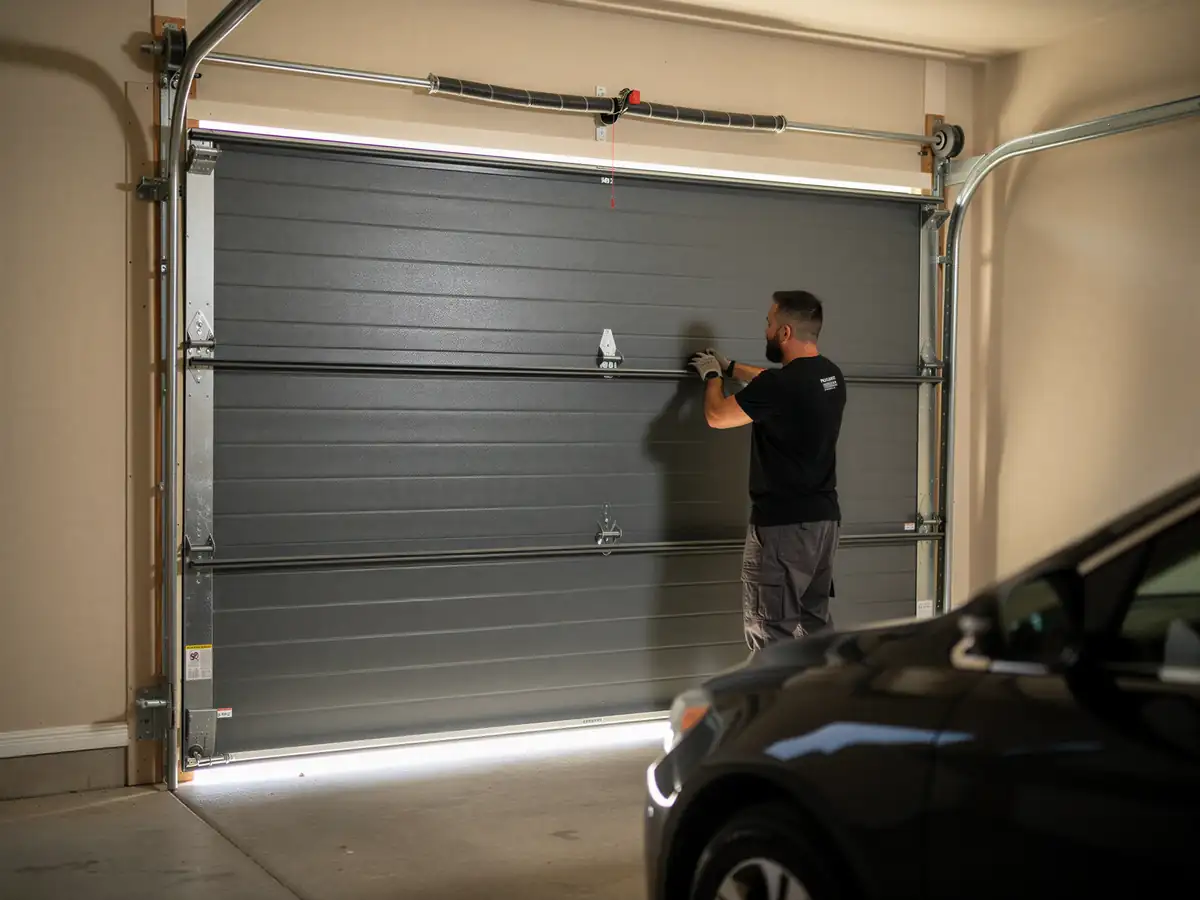
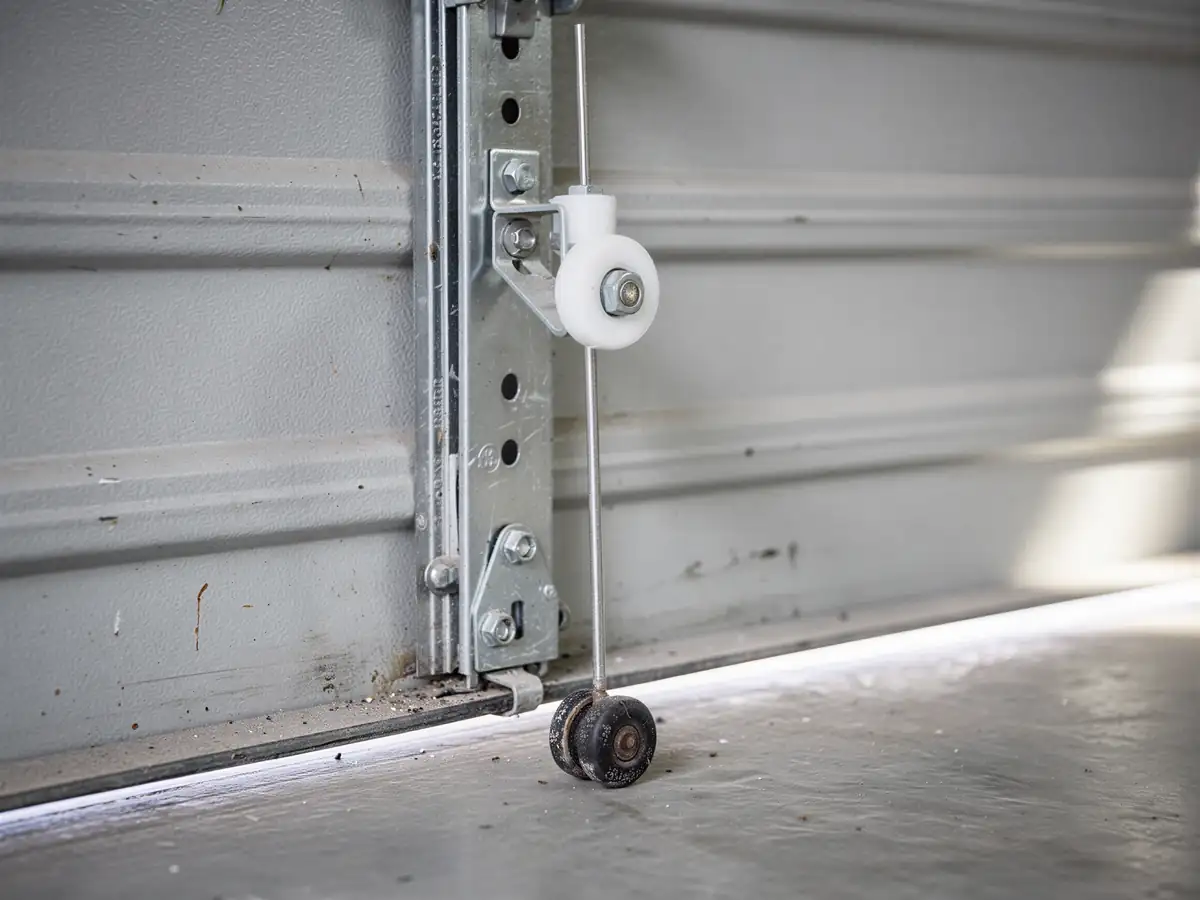
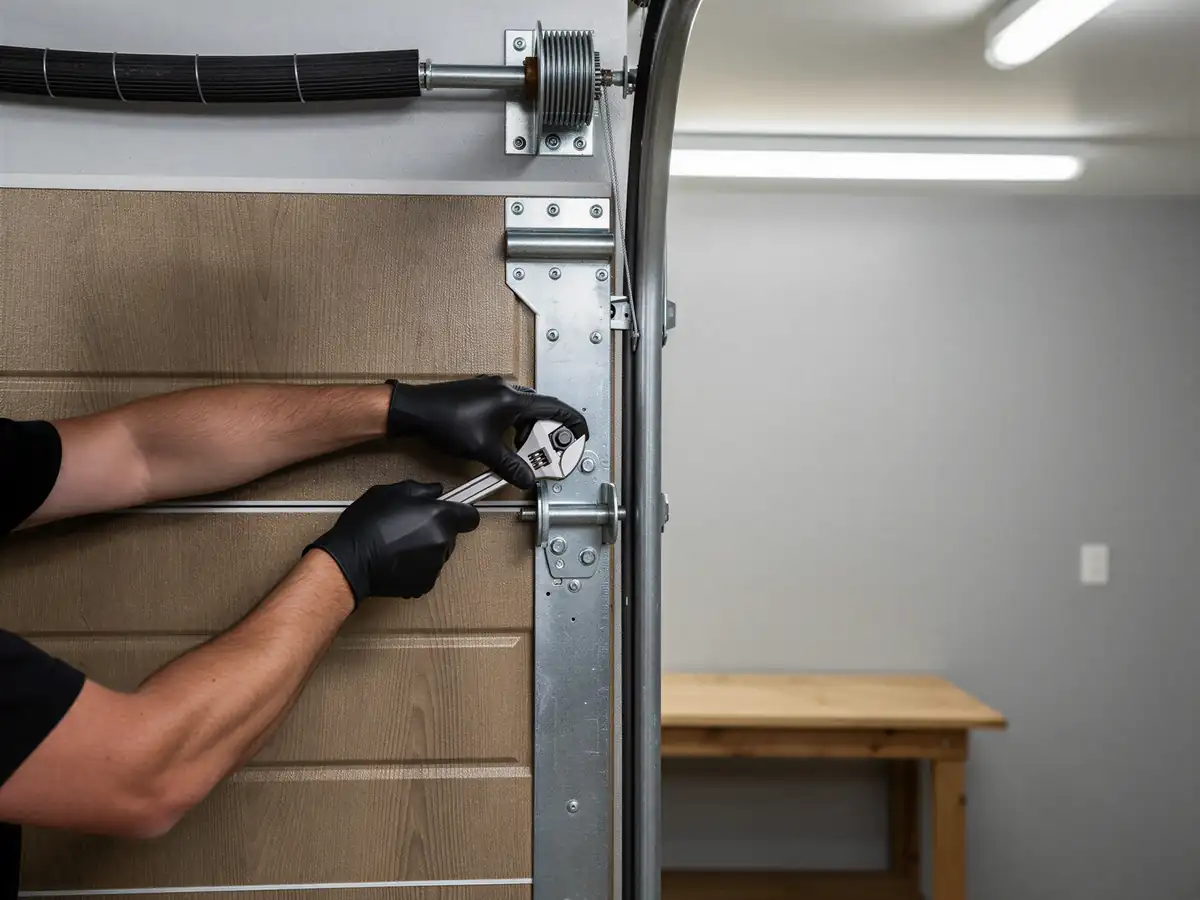
From there it's a straightforward sequence: isolate the door, release spring tension safely, and inspect the track and rollers for the kind of wear that's typical on a 1980s build - bent track from years of minor misalignment, rollers worn down to the steel core. We replace what's failed, not what's merely old, unless the whole system is past the point where replacing one part just shifts the load onto the next weak one. That's a judgment call we make on site, with you there to see it.
Parts We Carry
Because so much of Maltby's housing stock dates to the early-to-mid 1980s, we keep stock geared toward that era: torsion springs sized for the standard 7-foot single and double doors that were common on builds from that window, steel rollers, and the lift cable gauge that matches original factory specs rather than today's lighter aftermarket standard.
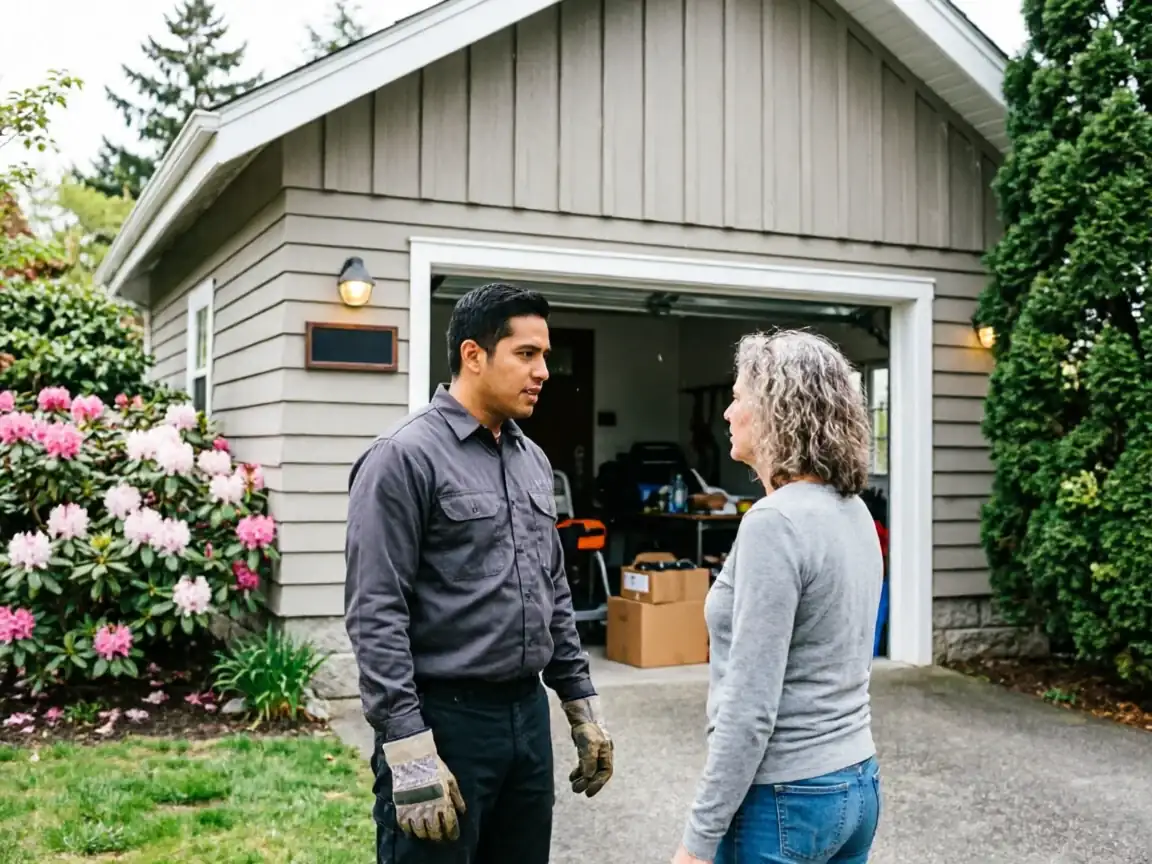
We also carry weatherseal and bottom astragal suited to a cold-moderate climate, since houses built in this period often shipped with thinner seals than what's sold now. One honest limitation: if a door uses a discontinued panel style or a proprietary opener bracket from a builder-grade install, we may need to order that part rather than carry it on the truck, and that can add a day or two to the job. We'll tell you that at the door, not after we've already started.
What Causes It Around Here
Two things combine on a Maltby call that we don't see in quite the same mix elsewhere in the service area
First is the age: a median build year of 1983 means most doors are carrying their original spring and cable, and metal fatigue on a torsion spring doesn't announce itself - it just lets go.
Second is the climate band this whole service area sits in
Which runs cold-moderate rather than mild. Years of seasonal temperature swings work on galvanized steel differently than they do in a warmer climate - the coating thins, moisture gets into stress points on the cable, and a spring that's already forty years old loses its margin faster than it would somewhere milder. With roughly 3,779 households in Maltby, most on the kind of lot size that came with 1980s-era subdivision plats, we see more double-door setups here than single bays, and a double door puts twice the load on hardware that's already at the end of its rated life.
- 3,779 households
Can You Do This Yourself
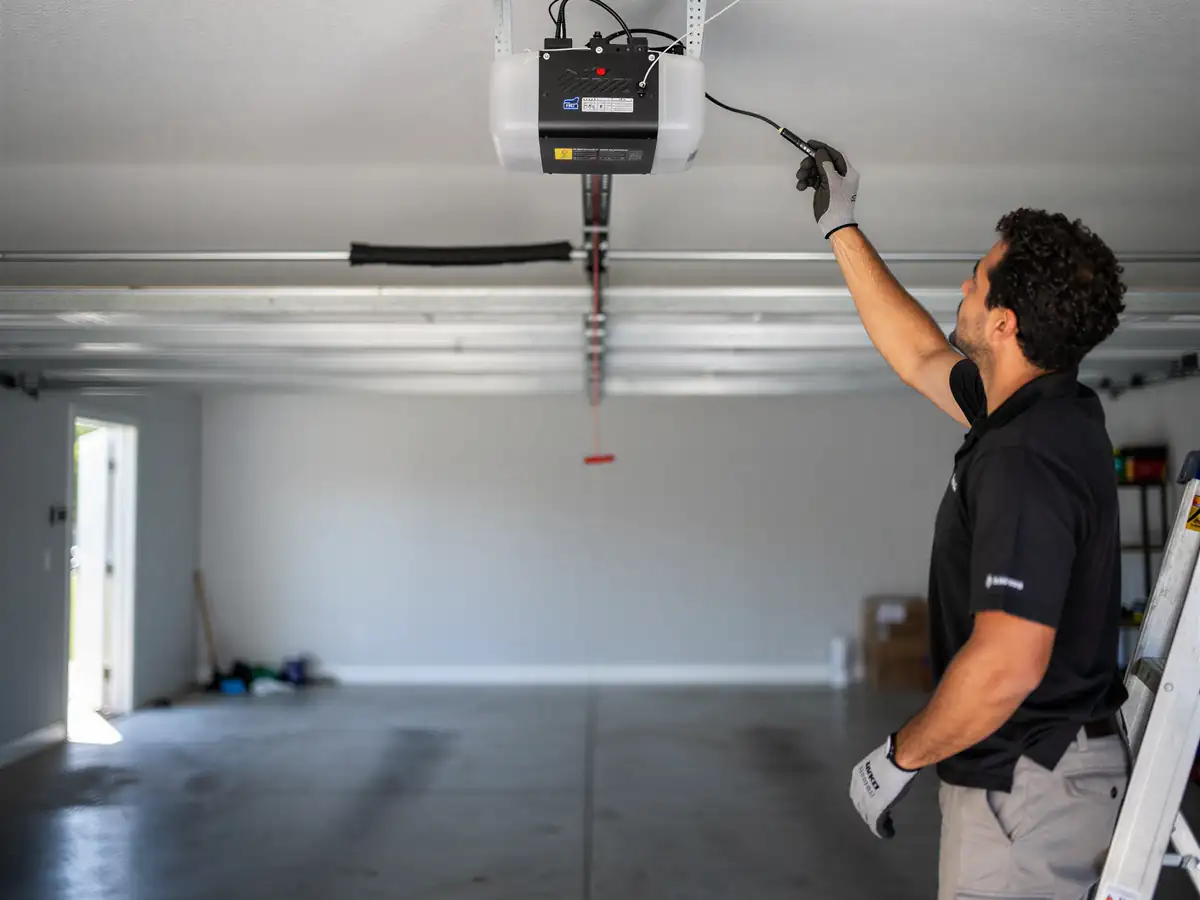
Some of this is reasonable to do yourself: lubricating hinges and rollers, checking that the photo-eye sensors are aligned, tightening loose bolts on the track brackets. None of that requires a tech.
The torsion spring is a different story, and we'll say this plainly: a wound torsion spring holds enough stored force to cause a serious injury if it releases wrong, and on a door this old, the spring is more likely to be near failure than a newer one. We don't recommend DIY spring work on any door, let alone one that's been under tension since 1983. If you want the full rundown on what we handle across the broader area, including jobs outside spring and cable work, that's covered on our Woodinville garage door service page. For Maltby specifically, our local service page has the rest of what we do here.